
Every June, Pride Month invites us to celebrate the LGBTQ community, but it also offers an opportunity to remember the writers who came before us. Long before rainbow flags appeared in storefronts and city parades filled the streets, LGBTQ writers were telling their stories, often at considerable personal risk.
For much of recorded history, openly writing about same-sex relationships or gender identity could result in social ostracism, censorship, imprisonment, or worse. As a result, many writers learned to communicate indirectly. They hid meaning in metaphor, coded language, and carefully crafted characters whose experiences reflected realities that could not be openly discussed.
Yet the stories persisted.
Ancient poets such as Sappho, writing on the Greek island of Lesbos more than 2,500 years ago, created works that expressed love between women with remarkable honesty and beauty. Centuries later, writers including Walt Whitman explored themes of affection, companionship, and identity that continue to inspire readers and scholars today.
The nineteenth and early twentieth centuries saw LGBTQ themes emerge more visibly in literature, though often behind a veil. Writers such as Oscar Wilde challenged social norms through wit, satire, and storytelling, while others concealed their identities entirely to protect themselves and their careers.
The twentieth century brought both tragedy and progress. Books dealing openly with LGBTQ experiences were frequently banned, challenged, or removed from shelves. At the same time, courageous authors continued to publish stories that reflected lives rarely represented in mainstream literature. Works by writers such as James Baldwin, Rita Mae Brown, Armistead Maupin, Audre Lorde, and many others helped expand the literary landscape and offered readers the powerful experience of seeing themselves on the page.
Today, LGBTQ literature spans every genre imaginable. Romance, horror, mystery, science fiction, fantasy, literary fiction, memoir, poetry, and children’s books all contain stories written by and about LGBTQ individuals. Readers can find characters whose identities are central to the story, as well as characters whose identities are simply one aspect of richly developed lives.
That may be one of the most important developments of all.
Representation matters, but so does normalization. LGBTQ characters no longer exist only to explain themselves or justify their place in the world. They can be heroes, villains, detectives, astronauts, poets, parents, dragonslayers, and everything in between.
Literature has always been one of humanity’s most powerful tools for understanding one another. Stories allow us to step into lives different from our own and discover shared hopes, fears, joys, and struggles.
This Pride Month, we celebrate not only LGBTQ writers, but the generations of storytellers who continued writing when doing so was difficult, dangerous, or unpopular. Their work expanded the literary world for everyone who came after.
And because of them, more voices than ever are able to tell their stories openly, honestly, and proudly.
Happy Pride Month!
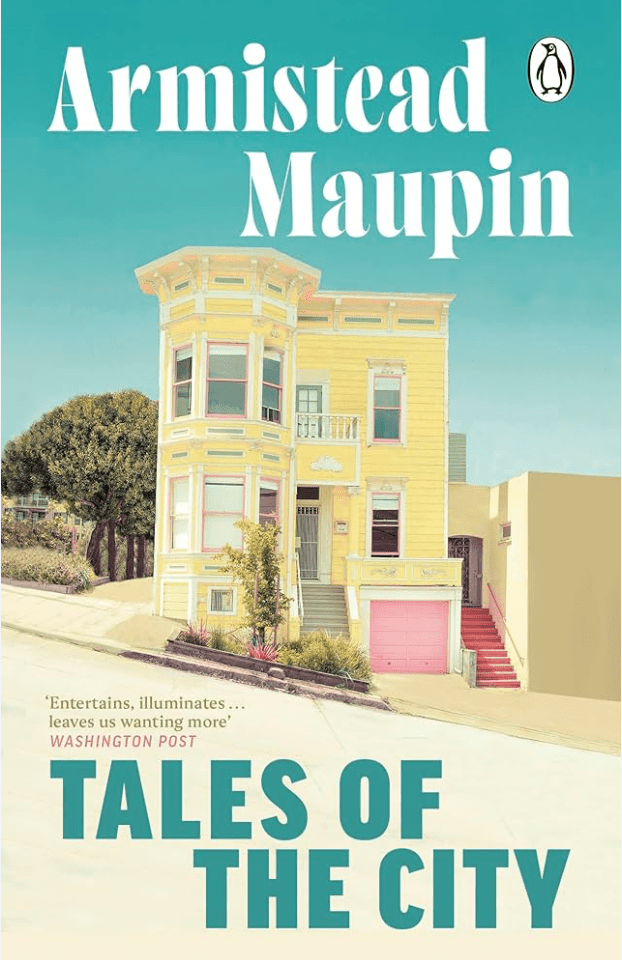
What’s your favorite LGBTQ-authored book? Mine is Tales of the City! In the 90s PBS (I think) made it into a mini series and I loved that too.
🙂
Dianne
OSP is part of CWP, which is a member of the Safe Space Alliance.



thank you for priding my people
LikeLike