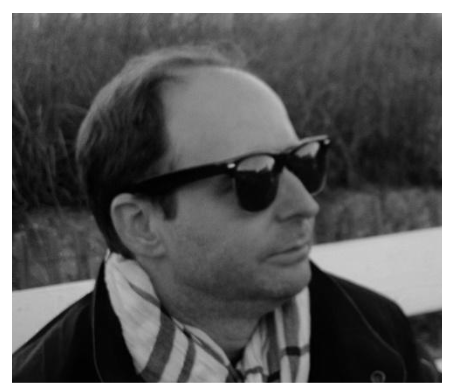
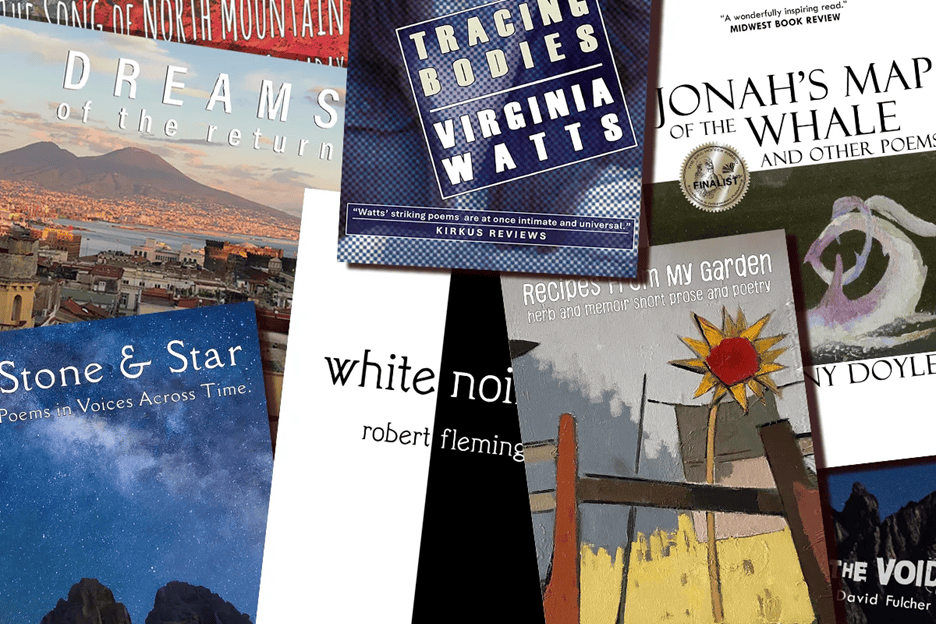
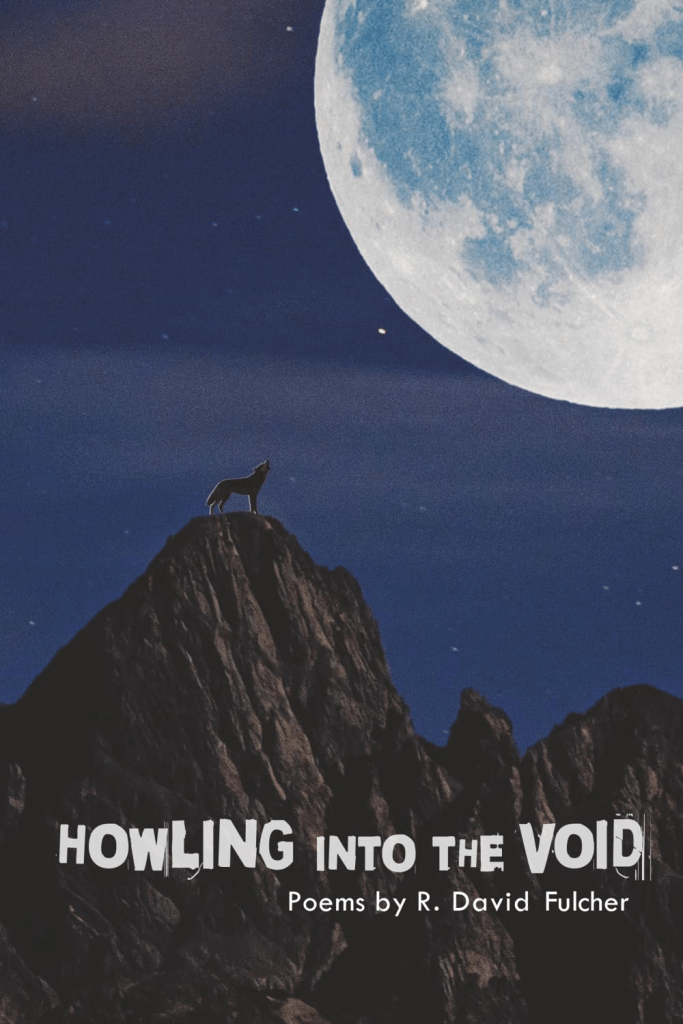
David Fulcher, a founding member and contributing editor of Old Scratch Press poetry/short form collective will be featured at Stone Soup Poetry October 28th, 7 pm ET, for a special horror-themed reading! David will be reading his poems and a short story.
To join this fun Halloween-themed event, go to Stone Soup’s Blog or follow the instructions below:
Stone Soup Poetry meets every Wednesday online from 7:00-9:00 PM via Zoom. Stay tuned for updates on any future live gatherings. On October 28, Stone Soup ends October with a proper horror themed reading from David Fulcher.
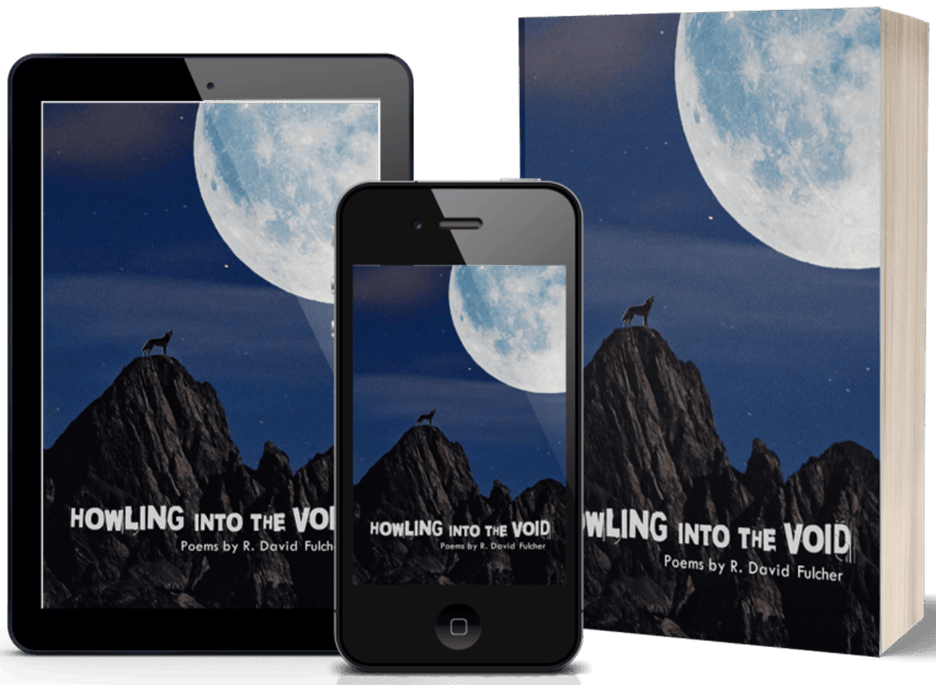
R. David Fulcher is a publisher, editor, and writer of fiction and poetry who lives in Ashburn, Virginia with his wife Lisa, and their rambunctious cats. He is a founding member/contributing editor of Old Scratch Press, including a curator for the digital magazine Instant Noodles. He also is a publisher/editor of the magazine Samsara. His books are The Pumpkin King and Other Tales of Terror, Asteroid 6: And Other Tales of Cosmic Horror, and Howling Into the Void. His shorter works are in Lovecraft’s Mystery Magazine, Black Satellite, The Martian Wave, Burning Sky, Shadowlands, Twilight Showcase, Heliocentric Net, Gateways, Weird Times, Freaky Frights and the anthologies Dimensions and Silken Ropes.
Join us on Wednesday, October 28, from 7:00 to 9:00 PM ET by clicking this link.
So… you’ve written several chapbooks and now your fellow poets are urging you to publish a full-length poetry book. The first question that may come to mind is what’s the difference between a chapbook and a full-length collection? Chapbooks are generally anywhere from 15-40 pages and are more focused–often devoted to a single theme, idea, or form. Full length books tend to be longer, about 60-100 pages and cover a broader range of themes, representing a more expansive view of the poet’s work.
Gathering enough poems for a full-length collection and then organizing them can be a daunting experience. After all, these are most likely poems you have published over the course of many years, perhaps decades. Keep in mind that some of the poems can or most likely will be previously published, but a subsection of the content can also introduce new material.
In my case, I had previously published three poetry chapbooks—each one very different from the previous one. My first chapbook consisted mainly of persona poems written in the voice of historical, legendary and fictional female characters. Over time, I had written more persona poems, including some of my personal favorites, as my writing expertise grew, and I shaped these into another chapbook which I submitted to contests. This chapbook garnered much positive feedback and praise from editors and came close to winning several contests, named a finalist, honorable mention, runner-up, but never quite reaching the top spot.
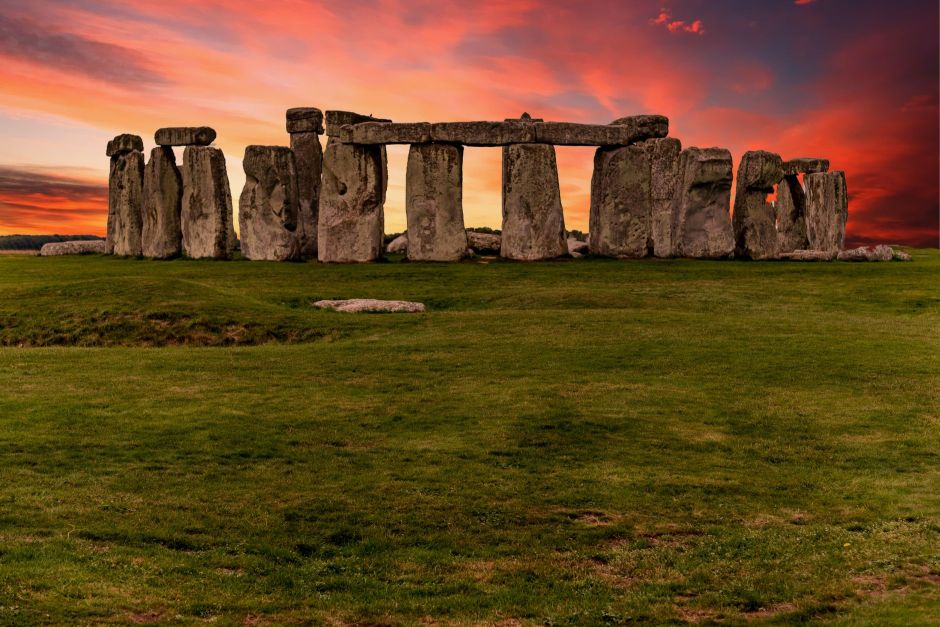
When I first conceived of creating a full-length collection, I naturally wanted to use many of the poems from this never-published chapbook, but I also wanted my new collection to include persona poems written in male voices, some written in response to the female-voiced persona poems, as well as many other types of poems. I began to build the new book on the spine of the chapbook, which was divided into three sections united by a long narrative poem that served as the overarching thematic touchstone: The Story of the Stones.”
ORGANIZING YOUR POEMS
You can choose many ways to organize your poems: theme, form or length, date written or covered, place, imagery, biographical significance or association.
I organized the sections roughly by the time period covered in the poem, be it fictional or historical, and gathered poems that addressed more modern times into the third section. That way the tone and vocabulary of the poems wouldn’t create too stark a contrast with each other. I also placed the pairs of response poems next to each other: Heloise/Abelard, Guinevere/Launcelot, Maid Marian/Robin, Sherlock Holmes/Irene Adler–some of which were published together for the first time.
The contents fell almost naturally into three roughly equal sections of 14-18 poems, each covering about 20 pages due to the varying length of the poems. The order within each section was not strictly in chronological order. In some cases, imagery from one poem links it to the next in a fluid fashion, but I did not agonize over the order of the poems too much.
The reason for this is that I personally do not read poems in a collection in sequential order. My natural instinct when I pick up a poetry book (or any book, really) is to open it a random page and begin reading. If I am intrigued by what I read, then I continue, or backtrack, or jump ahead a few pages/chapters, sometimes to the ending. I very rarely read a book from beginning to end without skipping around. The less I know exactly what is going on in the story, the more fun I find the reading process.
I know this approach may be anathema to some readers, but I think poetry books lend themselves to this random sampling method much better than novels, for example, and that may be why I’m a poet and not a novelist!
TITLING YOUR FULL-LENGTH COLLECTION
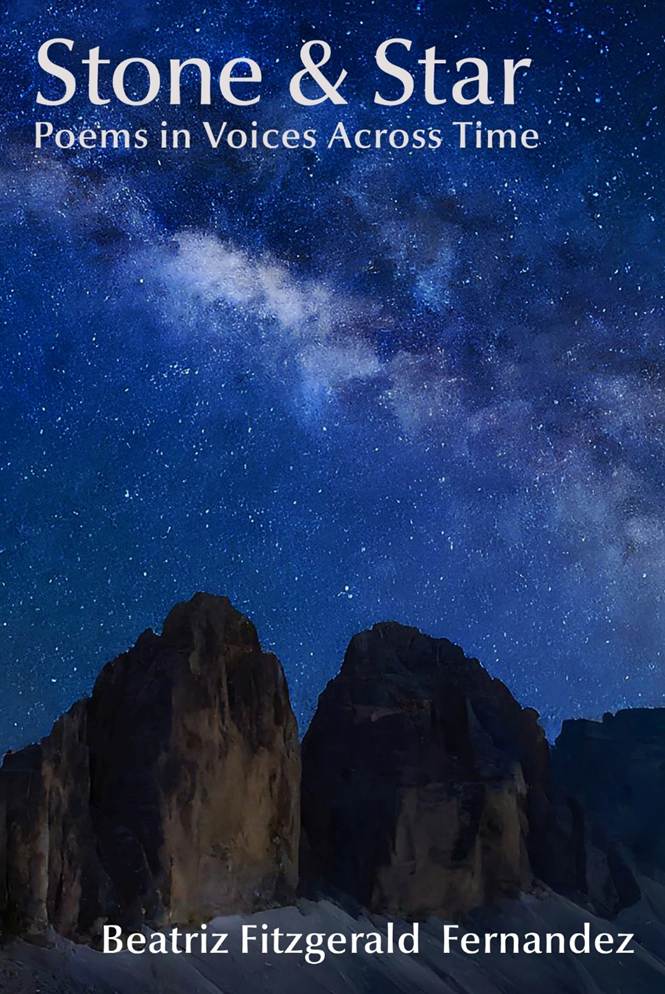
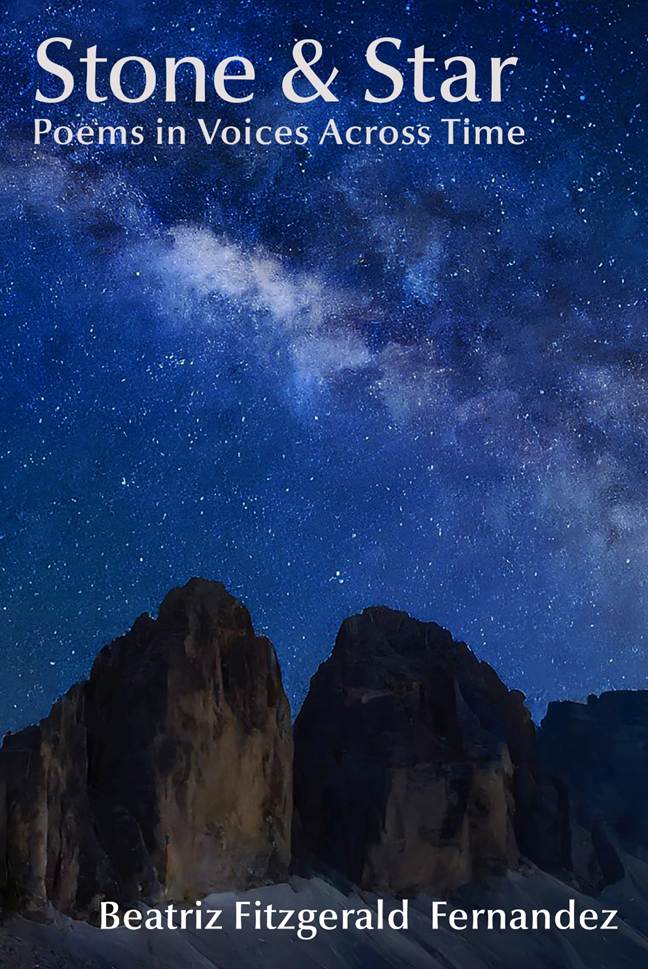
Many poets use the title of one of the individual poems in the collection as the title of the whole because that poem is an important one for them personally or they use a line from one of the key poems in the collection. In my case, I gathered the poems first and examined them as a group. I knew I wanted to use” The Story of the Stones” (based on a visit to Stonehenge) as the central poem, but not as the title. When I chanced upon the version of “Evening” by Rainer Maria Rilke (one of my favorite poets) translated by Stephen Mitchell, which ends “now bounded, now immeasurable/ it is alternately stone in you and star” I knew I had identified two key images that my poems returned to again and again and which for me defined the dichotomy of the human condition the poems celebrated.
The subtitle “Poems in Voices Across Time” was inevitable as I wanted to emphasize that most of these poems were in voices not my own and not necessarily from my time period. I’ve always loved time travel as a fictional device and through my poems I travel from antiquity to the modern era.
PLEASE YOUR FIRST READER: YOURSELF
While there should be some rhyme and reason to the ordering of your book, it doesn’t necessarily have to please the masses. You are a poet and a poetry reader—consult yourself first. (Unless you are a perfectionist, in which case you may delay publication forever!) Do you like poetry collections organized a certain way? Do you feel confused if the poems seem randomly grouped? Do you feel there must be a central theme running throughout? Do you enjoy reading poems arranged by alternating lengths?
Above all, you should please yourself first when putting together your book. There is no one “right” way and there are no poetry gods to be appeased. Stretch that poetic license as far as you feel is desirable and necessary!
The best result is not if your book wins prizes or garners praise from others (although that is nice when it happens!), the most important thing is that you are proud of the resulting work and feel that it truly reflects your personal creative style.
One of my favorite poems from this new collection is somewhat appropriate to the month of October, as it combines gothic elements and hints of Frankenstein and applies them to Wuthering Heights.
Emily Brontë Addresses Her Creation
“But Fancy still will sometimes deem Her fond creation true.” ~ A Day Dream
I named you after the things I loved– the heath I walked on every good day of my life, the stone cliffs I climbed as a girl,
for yours was the companion spirit I found there, your face the vision that hounded me, when clouds churned across those wind-worn heights.
All that one soul calls forth in another, I poured into you, my willing vessel —and you in return guided my hand
more surely than any god could, you who dared navigate the seas of Gondal in my childhood, led armies across continents—
my melancholy gypsy boy, man of mystery, you were both commander and commandment. At times you wore my brother Branwell’s face—
not the playmate I lost to London Town, but he who returned home in his place. When I stood at the chasm of his grave
my mind full of fears I’d soon share the dark refuge he found there, I thought back to the first time
I penned your name—Heathcliff— and wondered whether I did right to birth what some would later claim
was a monster in the heather, weave a cradle of bracken fronds and release you on the fragile river of men—
where your lips declared desires I dare not speak of, and your black heart would out-beat mine.
Do you have a connection to Italy? Do you want one?
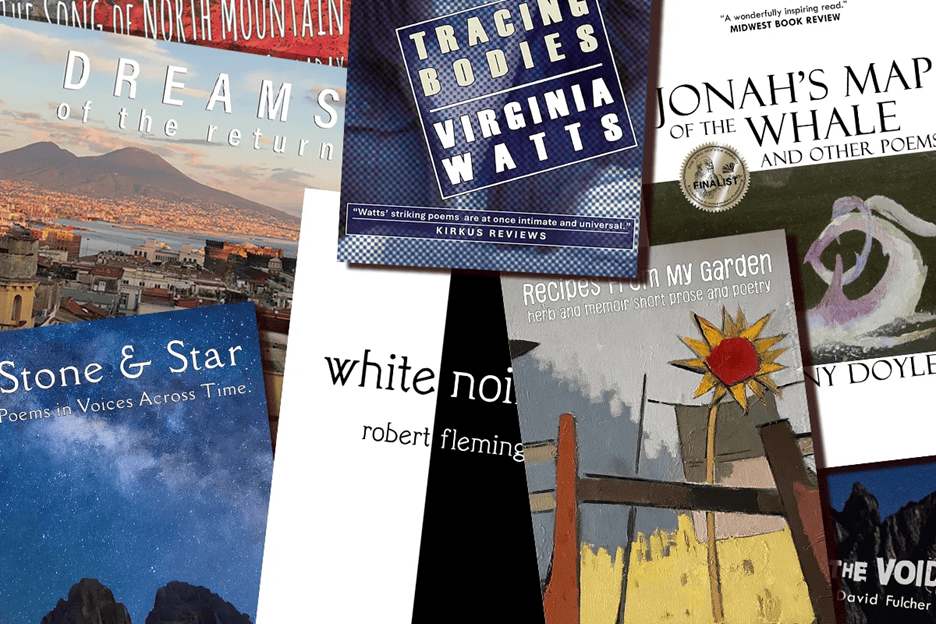
My new book, Dreams of the Return, contains my poems, translations, stories, and photos based on my connections to Italy, especially southern Italy and Naples, where I lived in 1965 as a teenager attending liceo, and continuing through to the present day.
Published by Old Scratch Press in 2025, Dreams of the Return is available from Amazon:
If you’re looking for a gift for October or for the upcoming holiday season, I hope you’ll consider Dreams of the Return.
I send greetings and wish you well in these difficult times.
Alan Bern Poetryandpics.com
Thanks for your interest in my work and my new book!
Alan Bern is a poet, writer, photographer, and retired children’s librarian whose work brings together poetry, prose, and visual art. A Pushcart Prize nominee, he is the author of three books of poetry, the hybrid fictionalized memoir In the Pace of the Path, and the chapbook because lack. His work has appeared in Third Street Review, EcoTheo Review, The Hyacinth Review, DarkWinter, Feral, and Porridge Magazine, among others. His recent honors include winning the 2022 Saw Palm Poetry Contest and being longlisted for The Bedford Competition in 2023. Alan is also a founding member of the Old Scratch Press collective. Please visit him.
Alan’s newest book, Dreams of the Return, is available from Old Scratch Press. The collection brings together poetry, prose, photography, memoir, and translations inspired by Alan’s lifelong connection to Italy, particularly Naples and Southern Italy.
If you’ve never written a poem in any voice but your own, you might want to try writing a persona poem—it may lead you down unexplored paths of creativity!
“A persona poem is a poem in which the poet speaks through an assumed voice….Also known as a dramatic monologue, this poetic form shares many characteristics with a theatrical monologue: an audience is implied; there is no dialogue; and the poet takes on the voice of a character, a fictional identity, or a persona.”
The voice you adopt when you write a persona poem can be a fictional, imaginary or historical character, an animal, an inanimate object, a collective such as a country, or even an omniscient god-like voice. This is when the fun begins!
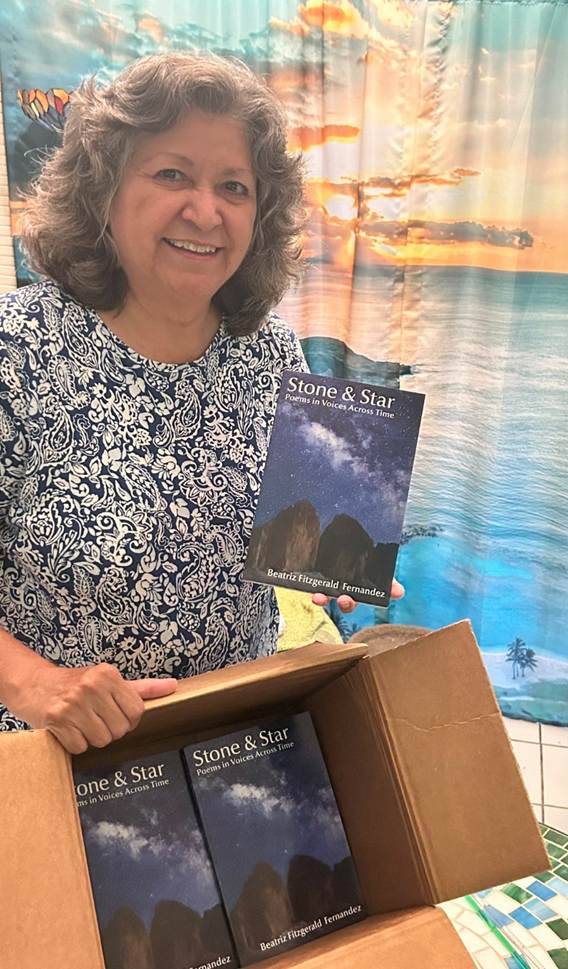
In “Richard the Lionheart’s Mummified Heart Examined,” a poem inspired by a true story and reprinted in my latest collection, Stone & Star: Poems in Voices Across Time, I alternately adopt the voice of the King’s Minstrel, the Royal surgeon, Richard I, his wife Berengaria of Navarre, the heart itself, and the forensic scientists who examined the heart in modern times. Needless to say, this was a fun poem to write and the voices seemed to meld seamlessly to tell the story.
In psychological terms, Jung described persona as a social mask that conceals “the true nature of the individual.” The term originates from the theater in ancient Greece where actual masks were worn by actors on stage to represent different points of view.
However, I find that writing persona poetry rather than concealing, frees the writer to reveal their subjective truths to the reader without the constraints of their own personality.
Writing persona poetry is the closest I will ever come to acting, and I find it incredibly liberating. I first found my own voice via persona poetry and it is still my favorite poetical form to use.
When writing as a historical character, I do some research and try to read letters written by that person if they are available, to pick up some of their personal vocabulary. The way they address and sign their letters, their general tone, their “voice” is usually apparent and I use that to guide my own writing of the poem.
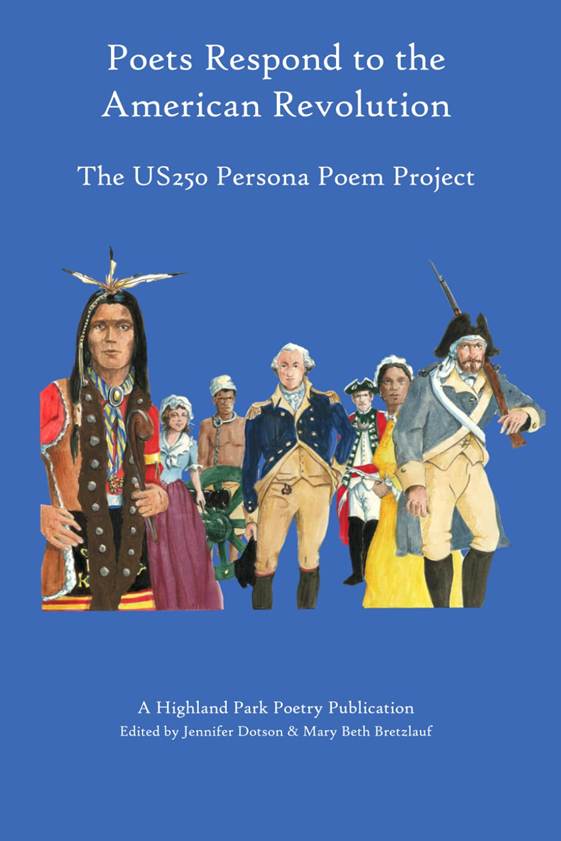
We were asked to write from the point of view of fictional or historical persons, animals or objects: one poet wrote from the perspective of Brown Beauty, the horse Paul Revere rode, some wrote from the perspective of symbols such as the Tree of Liberty or the Liberty Bell.
When writing as a fictional character, I try to stay within the confines of the work they appeared in, and use vocabulary suited to the time period of the novel. I have fun imagining what some fictional characters would say, given a chance, especially when in the original work they were not given much dialogue. In this spirit, I’ve given voice to Weena, the Time Traveler’s mostly mute companion in H.G. Well’s The Time Machine, and Nova, the beautiful mute heroine in the original 1968 Planet of the Apes film.
I find most of the persona poems I write are emotional in nature, speaking from the heart in a more direct and universal way than I could write from my own limited experience. Some writers may feel uncomfortable putting words into another’s mouth, so to speak. Unlike novelists or playwrights, who regularly write dialogue for fictional and in some cases historical characters, poets are used to thinking of their writing as highly personal and not open to other’s voices. But isn’t most poetry persona poetry, in a way? Because whenever we write, we almost unconsciously adopt a persona, a writing voice, that is not our everyday voice, but which nonetheless reflects our authentic and true nature.
Some flowers spread their fragrance in spring, some tease us until late summer: just when we think they’re dried up, spent, they surprise us with an explosion of blooms!
I’ve always had a soft spot for the late bloomers of literature. (Maybe because I myself identify as a late bloomer!) As thrilling as it is to read about young prodigies like S.E. Hinton of The Outsiders fame, (she wrote that book as a high school senior!), the late bloomers are just as amazing to me.
What is considered a late bloomer in literature? The general consensus seems to be a writer whose first major work is produced after age 40.
Debra Eve, publisher of the website Later Bloomer (now an archival site) has collected many fascinating essays and information about late bloomers in all fields of life, including literature and poetry.
Bloom (via Substack now) is another site devoted to the late bloomers in life.
This Write and Journal article states that late-blooming authors are more common than we think and why this may be a forward trend.
Eva Q. Tennant’s article on late bloomers shows how “the creative spark doesn’t dim with age — it deepens.”
One of my personal favorite literary late bloomers is Mary Wesley, who turned to writing adult fiction in her 70s and went on to write ten bestsellers in the last twenty years of her life! I learned of her work via the 1992 mini-series adaptation of one of her most well-known novels, The Camomile Lawn.
In poetry, there are many later bloomers, but one that may not come to mind is Thomas Hardy, whose early fame was built on his 14 novels, but who considered himself a poet and wrote poetry for 30 years before publishing his first collection when he was 58. After that, during the rest of his life, he published only poetry.
When I think of late bloomers, writer Winifred Watson also comes to mind, not because she was a late bloomer herself, but she wrote about an older woman experiencing a Cinderella-like transformation in Miss Pettigrew Lives for a Day, an experience that mirrored her own rise to fame in late life when her novel was rediscovered and republished by Persephone Books and made into a delightful film of the same name in 2008 starring the incomparable Frances McDomand. This article on Anne Sebba’s site discusses how Watson’s unlikely second act came about.
So tell me, who are some of your favorite late bloomers? Please share in the comments!
A few years ago a short creative nonfiction essay of mine, titled “Lipstick” was published in Hare’s Paw Literary Journal. It took many attempts to find a home for this particular essay. On reflection, part of the difficulty was in deciding on an appropriate title.
In contemplating “writer’s notes” about this particular piece of writing, I remember thinking about how titles set up certain epectations.
During that lull, after I’ve sent out my work and for several months while waiting for a response, always there is self-doubt. Is the essay too short, too long. Did I mess up the tenses again. Is is too negative? Will readers find it disturbing? Will editors opposed to any type of make-up be turned off? Yes, a lot of weird thoughts were whirling around in my mind, and several of them centered on the title I’d chosen. I’d started to question my choice . Did I give I it the right title?
I felt I’d written something good. I’d workshopped it with some colleagues and received some positive feedback from editors who ”couldn’t find space for this particular piece in our upcoming issue, but please send us more work…” so I sensed I’d written something powerful, but had I chosen the right title?
Titles are hard. At least they are hard for me. I know they are important. As a former journalist, I know it is the headlines ie titles that people read first and maybe the only thing they read. Maybe if they see the title “lipstick,” I thought, they will literally think it is an essay about lipstick. Maybe I should have chosen a title that indicated it was about a fraught relationship between a mother and a daughter.
If a piece has been submitted to a magazine and it’s anonymously sitting in the slush pile, a reader/editor might barely read the work, if they decide they don’t like the title. After all, they’ve got a whole bunch of other stories waiting to be read. Maybe they shouldn’t even bother. Perhaps they are asking themselves, will this particular story interest me?
As a writer, not as an editor, I want my title to be appropriate. When I put on my editor’s hat, I’m thinking I want a title that will draw readers in and how does one do that?
As a writer, I try to draw on advice from other writers, who suggest choosing a poignant line from your piece and taking that line as your title, or as an alternative approach, selecting a moment that will evoke surprise as your title. For surprise I could have chosen, What I did when I Found Her on the Floor. For an evocative line I could have chosen, “The silence grows longer and longer.”
Often I start writing and I do not know what I’m truly writing about until my journey is coming to a close. Selecting a title can help me clarify what are the most important aspects ot the story.
I’m wondering whether this desire of mine to find the perfect title could be turned into a writing prompt. As the hot summer days seem longer forcing us to spend more time indoors and fellow writers are all looking for fresh approaches, here is an idea. Try writing your title first and specifically focus on a scene in the story that will create tension.
WRITING PROMPT: Think of a scene from your past, full of tension and conflict. Maybe it was the moment your boss handed you a pink slip or you were standing in the cafeteria line and realized you’d forgotten your voucher or wallet. What made this situation tense? How did you feel at the time? What were you thinking about? What were your physical responses?
You can do this with fictional characters and situations as well. The title, “The Moment My Boss Handed Me a Pink Slip” is obvious or maybe not. Perhaps the title will change depending on the actions that ensue. But it’s a beginning.
Picture the scene in your mind. Select a few important details that stand out. Try writing the same scene again for ten minutes with a different variation. Did you learn anything?
Thank you for reading and for your feedback. If you have a favorite technique for titling your work, please share. We’d love to post it.
“What’s in a name? That which we call a rose By any other name would smell as sweet.”
~ Shakespeare’s Romeo and Juliet, spoken by Juliet, Act 2, Scene 2
Today I am writing about a subject dear to my heart—choosing titles for poems.
The opportunity to name something you created should not be wasted. You’d think people would give this more attention than they actually do.
Back in the 80s, there was a best-selling book called The Name Game and its main premise was that your name was your destiny. If you wanted your child to be popular, excel in school and marry well, you had to be very careful what you named that little baby in the bassinet.
It would seem to follow that naming your poem merits some consideration as well!
To be clear, I’m no expert and I’m not denigrating any method you may be in the habit of using to choose your titles (or name your children!). But I have a keen interest in this subject and it seems to be a somewhat neglected area of discussion in poetry.
Just to see if maybe something on this subject was buried in books about writing poetry, I checked out a few classic poetry craft books: Ted Kooser’s The Poetry Home Repair Manual and Robert Pinsky’s Singing School. Kooser devotes a few pages to the subject. Pinsky mentions nothing about titles but does provide lots of examples of classic poem titles to peruse.
I then checked in the library catalog of a library of 2 million+ volumes, and only ONE book comes up under the LC classification subject heading: Titles of poems, it is a book called The Title to the Poem by Anne Ferry. She explores the subject in depth, asking questions like “Who gives the title? Who has the title? Who “says” the poem? Who “hears” the poem? What genre does the poem belong to? What is the poem “about”?” and considers the deeper aspects of titling poems: “There are complex relationships between what titles purport to tell and what they actually tell, and this is true not only of titles so worded that they demand interpretation, but also of those that appear straightforward.”
A title can anchor a poem in space and time, giving the reader some necessary context with which to begin reading and enjoying it. For example, a recent poem I wrote I entitled:
“Native, Antilles High School, Ft. Buchanan, Puerto Rico”
I could have just named it “Native” but the place and the time were very relevant to understanding the background of this poem, so the title’s subtitle in this case was very important.
Similarly, a poem entitled “An Evening Encounter at the Arecibo Observatory” gives the reader a lot of information, the time, the place, and the sense that this encounter is not going to be an ordinary one, given the nature of the place!
A title can lend specificity and a sense of fun at the same time: For example, “At the Mayan Monkey Mijas Chocolate Factory” (and yes, this place really exists!)
First of all, how can you visit a place called the Mayan Monkey Mijas Chocolate Factory and NOT write a poem about it and use that name in the title?? However, I later thought I really should have called it “Touring the Mayan Monkey Mijas Chocolate Factory” and that would have conveyed even more relevant information because I was a tourist, not someone who worked there or a local who regularly visited, for example. This title conveys a specific place (Mijas, Spain), history and culture (Mayan), fun (monkeys!) and sensory detail (the aroma of chocolate) and opens all sorts of questions in the reader’s mind, such as: What does a chocolate factory in Mijas have to do with Mayan monkeys?
“…titles are hard to get just right and do really important work–namely, a great title shows the reader how to read a poem.
A poem’s title is where the reader is introduced to a poet, an invitation from the poet into the depths of a poem’s magic. This is, essentially, the main job description of a title: to welcome its readers at the doorway of the poem and to draw them inside. However, the specific function titles perform can vary.”
“As a poet, I haven’t always put as much emphasis on titles, but working as a reader and then an editor for a literary journal really changed that for me. When I was in that role I had to read about a thousand poems over the period of two months. This is not an uncommon experience for editors or readers. I had to pick around ten poems out of all these poems to share with others. But after reading so many they all started to merge together in my mind. It didn’t help that a number of them had the same title. Sometimes I’d try and remember a poem I liked, but then ended up not finding it because while I remembered part of the poem I didn’t remember the title.”
This problem would be exacerbated during the judging of a poetry contest, for example, and could keep your poem from winning an award! Imagine a judge reading dozens of poems called “A Dream” for example and trying to remember which one they liked best!
I think the approach of giving memorable titles to poems helped me when, after winning the 2nd annual Writer’s Digest poetry award with “Respiratory Tech at the Vietnam Memorial, 1989,” (which conveyed the speaker, place and time) I followed it up several years later with “The Menopausal Mermaid Takes Medical Advice” which came in at #36, I think. If you keep in mind that the first contest had ~4200 entries, and was only in its 2nd year, so the entries probably ballooned afterwards to even higher numbers, the importance of a memorable title becomes all the more obvious.
I think the saddest thing I see is “Untitled” as a title. I’m sure there are many brilliant poems by that title (though I can’t think of any off hand), and of course many poets just use the first line of their poem as a title, as per Emily Dickinson (but then again, most of her poems were not meant for publication.) But I feel like not giving your poem a title is a lost opportunity to engage with your reader on a different level.
He does warn that any technique used too often can quickly become monotonous, though.
His final advice should resonate with any poet: “A title doesn’t have to be clever, poetic, or punchy — but it should be deliberate. It’s the invitation, the signpost, the spell. It’s the first poem the reader reads, even before the first line. So give your poems the names they deserve.”
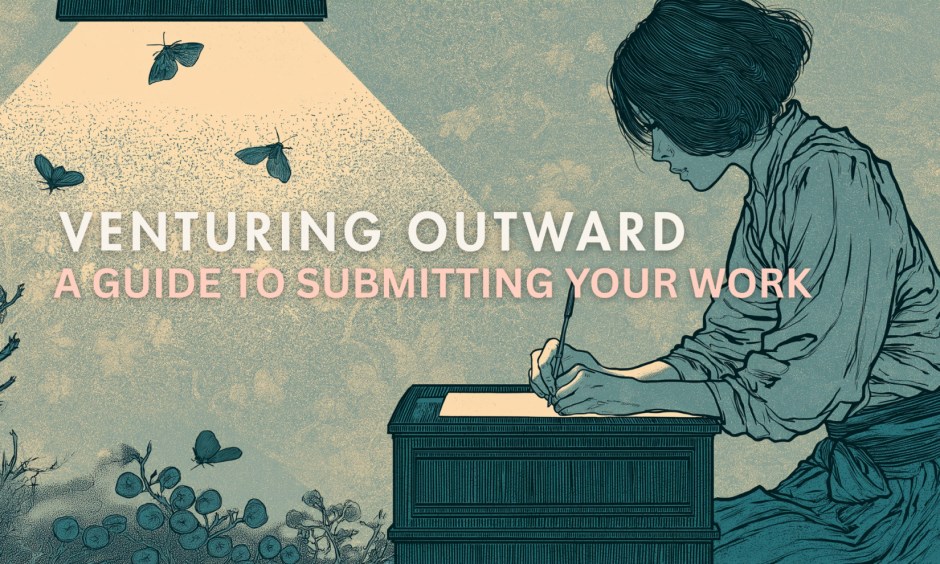
BY DONATION An online workshop led by Regina Dilgen, in conversation with Fiona Owen and Ellis Elliott
Workshop Details
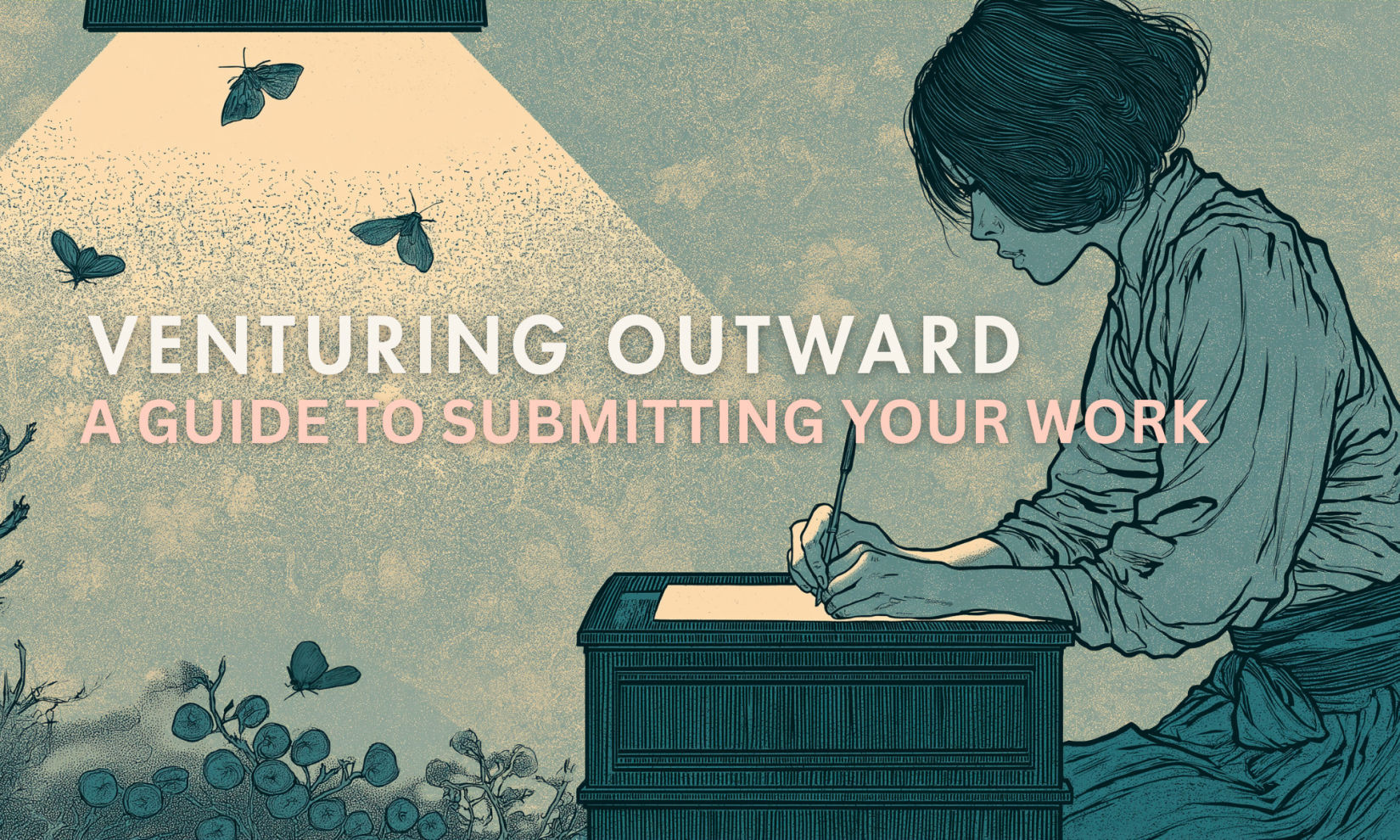
Are you ready to send your work into the world but you’re not sure where to begin? This practical workshop will guide writers through the submission process from start to finish. We’ll cover how to:- find appropriate markets- interpret submission guidelines- format your work professionally- write a simple cover letter- track submissions- handle acceptance and rejection with confidence. Whether you’re submitting poems, stories, essays, or creative nonfiction, you’ll leave with the tools and resources you need to take the next step in your publishing journey.
This event is by donation and requires registration. Click on the image for all the information:
Having been to Ellis’ workshops before, I can safely say this is very much worth your time!
One of the joys of literary magazines is that they introduce us to work we might never have sought out on our own.
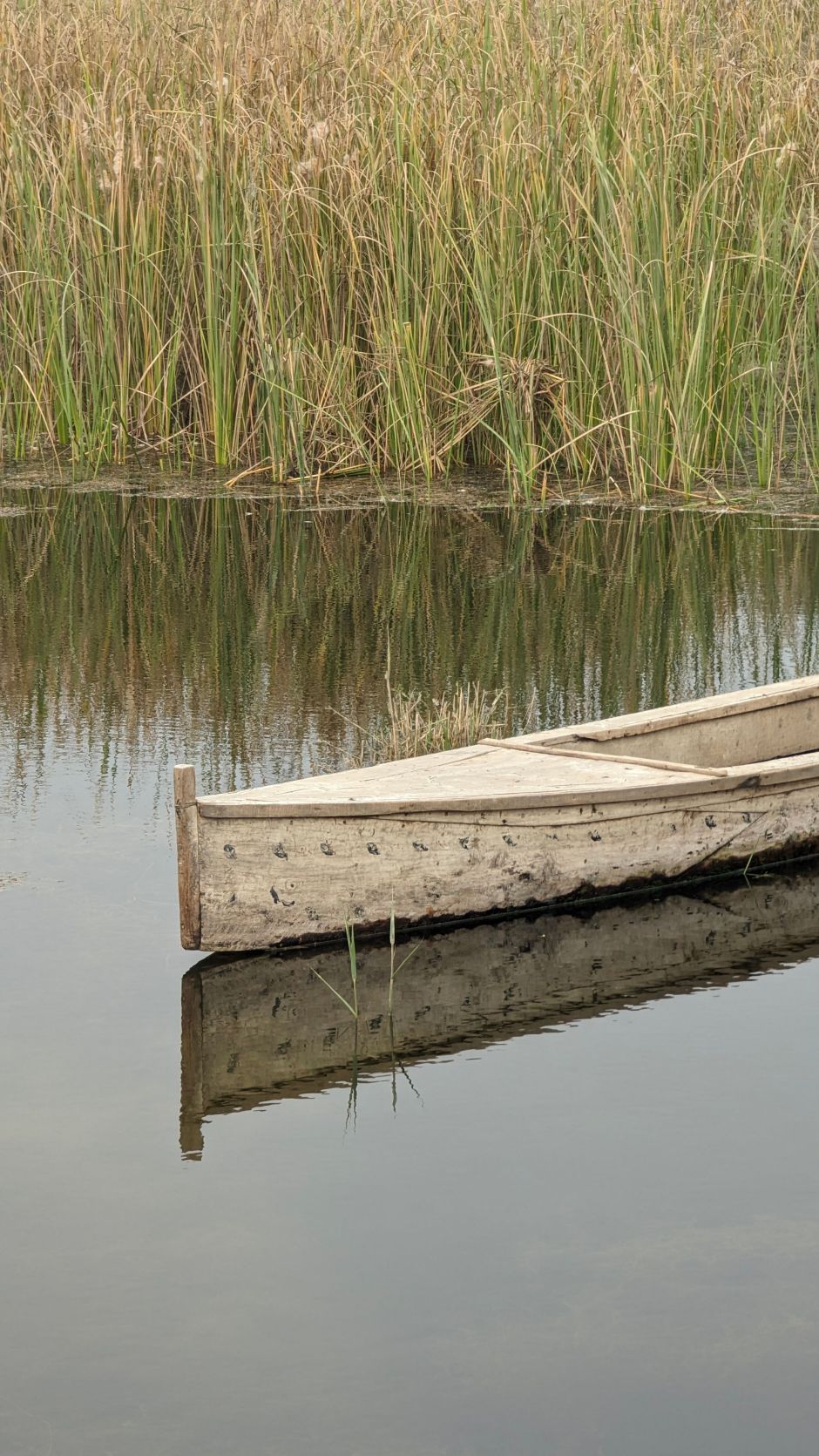
If someone had asked me whether I was looking for a poem about a pine-bark boat carrying a birthday-candle across a marsh under an equinox moon, I probably would have said no.
And yet here I am thinking about exactly that poem.
Morgan Golladay’s “Equinox Moon,” published in Instant Noodles Literary Magazine, is the kind of poem that reminds me why I keep returning to literary journals. It creates an entire world in just a few lines. We feel the cold leaching through boots and mittens. We see the still marsh. We watch a tiny handmade boat drift into the darkness carrying a small flame.
What I admire most is the poem’s quiet confidence. Nothing dramatic happens. There is no great revelation, no sudden twist. Instead, the poem trusts observation. It trusts atmosphere. It trusts the reader.
One image in particular stayed with me:
This tiny taper, though small,
is enough to banish the darkness.
The line works beautifully within the scene, but it also feels larger than the poem itself. We have all experienced moments when something small, a kindness, a memory, a friend, a poem, becomes enough to carry us through a dark stretch of life.
That ability to suggest more than it says is one of poetry’s great strengths.
Reading a little about Golladay afterward made the poem make even more sense. She has said that poetry works best when it is heard and that it should be concise, simple, and tight. “Equinox Moon” embodies that philosophy. Every image earns its place. Nothing feels wasted.
It also reminds me that literary magazines are not simply collections of writing. They are collections of discoveries. Every issue offers readers the opportunity to encounter voices, perspectives, and images they might otherwise miss.
That’s certainly what happened to me here.
If you haven’t visited Instant Noodles Literary Magazine recently, I encourage you to spend some time with the current issue. You’ll find poetry, fiction, nonfiction, humor, and artwork from writers and artists working in a wide variety of styles and genres.
You may come for one piece and leave thinking about another entirely.
That’s part of the magic.
Have you discovered a poem recently that stayed with you long after you finished reading it? What poem was it?