By Nadja Maril, a founding member of the Old Scratch Press
It’s October, the month of the harvest when the leaves turn vivid shades of red, orange and yellow before falling to the ground. Scores of literary publications have call-outs for scary stories to mark the Halloween season.
The celebration, from which Our Halloween evolved, is the Gaelic holiday Samhain. During Samhain, the curtain between the living and the dead was lifted for one night. Dressed as ghosts, people celebrating what became known as Halloween would go door-to-door to ask for food. Trick or Treat.
Scary is the goal. The carving of malevolent faces into pumpkins and the display of anything creepy outside your home was intended to calm the ghosts roaming the earth on October 31st. The creepier the better.
When it comes to submissions, many magazines including our own Instant Noodles Literary Magazine prize brevity. IF submission guidelines ask for stories less than 500 words, keep your submission below or as close to 500 words as possible. A short piece of fiction or nonfiction, should still be powerful and compelling to read.
Begin close to or with action. In a short piece you don’t have time for backstory.
Write about one event, something simple but telling.
Limit your characters. In a short piece there is no time for character development and too many characters will confuse the reader. Stay focused.
Cut the adverbs. Look for all the words that end in “ly” such as slowly or carefully or quickly. You don’t need them. Choose a descriptive verb instead.
Eliminate any filler words such as: just, almost, really, but.
If you’d like to read an example of a good piece of micro fiction, here is the link to the story that won the Fractured Fiction 2025 Micro Fiction prize. “No Voltage on a Quiet Road” by Maxwell Orsen.
WRITING PROMPT: Think of a scene where something is about to change. A storm is coming. A thief is about to grab your protagonist’s wallet. How does the main character react? Are they changed by the experience? What made this situation explosive? What did they feel at the time? What were they thinking about?
At Instant Noodles Literary Magazine we are still reading submissions, but our “In Box” of fiction is getting full. Ditto for our poetry submissions. There is more room in the Creative Nonfiction category. To increase your odds of being published, I’ve put together a list of five more magazines you may want to consider submitting to via Duosoma this month. https://duotrope.com/duosuma/ You can go directly to the Duosoma website to look for opportunities, but I recommend reading the magazines first to see if the writing they publish is writing you admire.
Orion’s Belt (Literary speculative fiction: reading poetry, flash and micro fiction).
If your work is repeatedly rejected, consider revising. Read it out loud sentence by sentence. Does each sentence provide action, description or surprise?
It’s #LitMagWeek, a celebration of the independent literary magazines that give writers a place to take chances, find readers, and get their work out into the world.
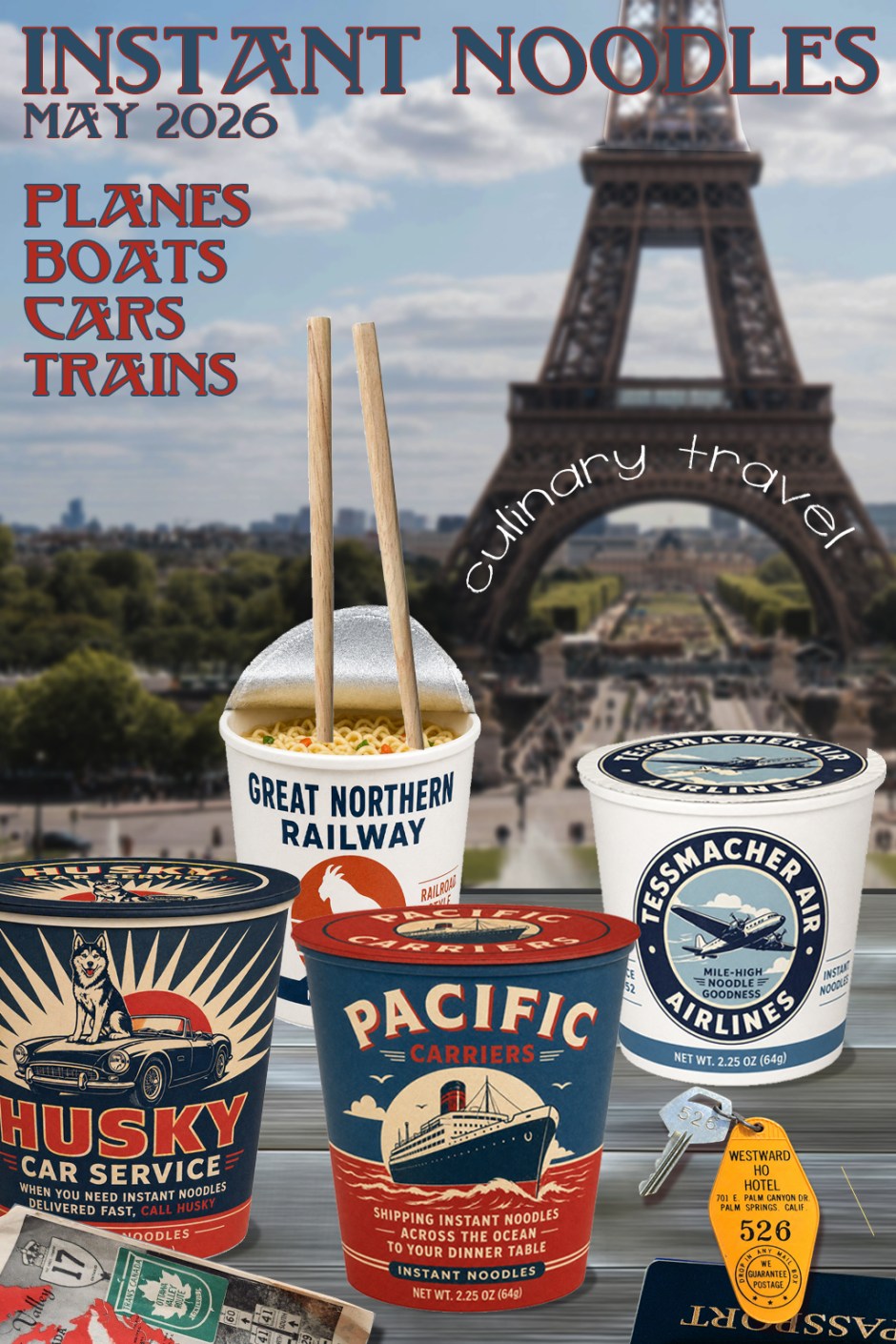
Start with our own Instant Noodles Literary Magazine, sponsored by Current Words Publishing and curated by the Old Scratch Press Collective.
Then go exploring! Check out some of our fellow literary magazines celebrating this week:
By Nadja Maril, a founding member of Old Scratch Press Poetry and Short Form Collective
Before humans had pen and paper, or stone and chisel, they had their voices. The oral tradition of storytelling goes back to the days preceding recorded history. Repetition and rhyme aid memory. In many cultures, the story becomes a poem or a song.
I was thinking about this as I mourned the death of Dolly Parton. Not only was she an extraordinary performer and philanthropist, she wrote over 3000 original songs. Many of her songs, were inspired by her life experiences. Her song, “Coat of Many Colors” is really a mini memoir that shares a part of her early childhood.
The best creative nonfiction is written with honesty. Intuitively the reader can sense when the writer is inventing or exaggerating truth. Dolly Parton’s work comes across as genuine. I wrote in my personal blog about her authenticity as a human being. For the Old Scratch Press platform I’d like to further explore the art of songwriting.
In “Light of a Clear Blue Morning,” she shares her resolve that professionally following a path, minus her mentor Porter Wagner, is the right choice for her performance career. Listen to the first two lines of the chorus “Cause I can see the light of a clear blue morning/ I can see the light of a brand-new day’ https://genius.com/Dolly-parton-light-of-a-clear-blue-morning-lyrics
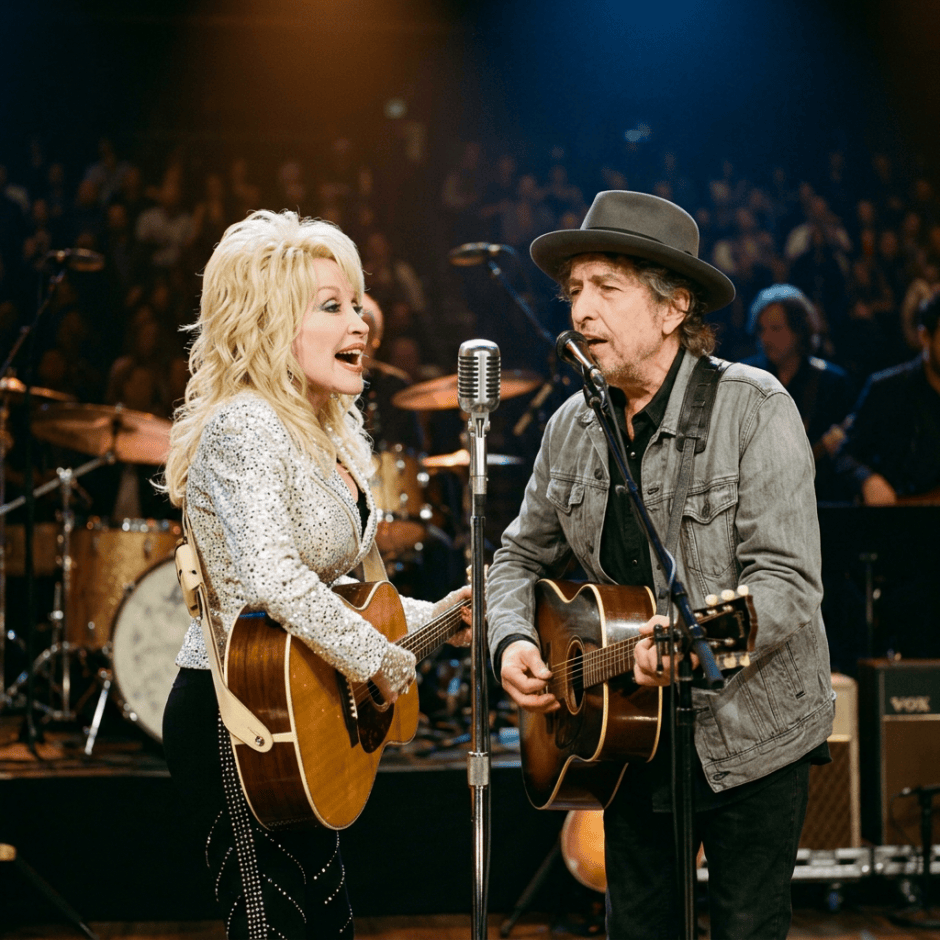
Dolly is not the only great American Songwriter. I would be remiss if I didn’t give some space to Bob Dylan, another legend. In 2016 the Nobel Prize Committee broke convention by awarding the Literature Prize to Bob Dylan for “for having created new poetic expressions within the great American song tradition.” Yes, songs are poems. Here is a link to the complete speech.
It’s hard to know where to begin when sharing which Bob Dylan song is my favorite. The first one I learned when I started playing the guitar was “Blowing in the Wind.” The song that always brings tears to my eyes is, “Forever Young” and the one I find particularly nostalgic is “If You See Her, Say Hello.”
Before I ever started writing poetry, I was writing little songs inside my head because that’s what all toddlers do. I am not unique. I just remember.
If you are having difficulty writing a line or a sentence, try saying it aloud as a chant. Maybe you hear it accompanied by music. Maybe you don’t. Not every songwriter has a voice meant for performing, but the act of saying/singing/chanting phrases can provide a new approach to your creative journey. It’s worth a try. Writing includes experimentation.
A few years ago a short creative nonfiction essay of mine, titled “Lipstick” was published in Hare’s Paw Literary Journal. It took many attempts to find a home for this particular essay. On reflection, part of the difficulty was in deciding on an appropriate title.
In contemplating “writer’s notes” about this particular piece of writing, I remember thinking about how titles set up certain epectations.
During that lull, after I’ve sent out my work and for several months while waiting for a response, always there is self-doubt. Is the essay too short, too long. Did I mess up the tenses again. Is is too negative? Will readers find it disturbing? Will editors opposed to any type of make-up be turned off? Yes, a lot of weird thoughts were whirling around in my mind, and several of them centered on the title I’d chosen. I’d started to question my choice . Did I give I it the right title?
I felt I’d written something good. I’d workshopped it with some colleagues and received some positive feedback from editors who ”couldn’t find space for this particular piece in our upcoming issue, but please send us more work…” so I sensed I’d written something powerful, but had I chosen the right title?
Titles are hard. At least they are hard for me. I know they are important. As a former journalist, I know it is the headlines ie titles that people read first and maybe the only thing they read. Maybe if they see the title “lipstick,” I thought, they will literally think it is an essay about lipstick. Maybe I should have chosen a title that indicated it was about a fraught relationship between a mother and a daughter.
If a piece has been submitted to a magazine and it’s anonymously sitting in the slush pile, a reader/editor might barely read the work, if they decide they don’t like the title. After all, they’ve got a whole bunch of other stories waiting to be read. Maybe they shouldn’t even bother. Perhaps they are asking themselves, will this particular story interest me?
As a writer, not as an editor, I want my title to be appropriate. When I put on my editor’s hat, I’m thinking I want a title that will draw readers in and how does one do that?
As a writer, I try to draw on advice from other writers, who suggest choosing a poignant line from your piece and taking that line as your title, or as an alternative approach, selecting a moment that will evoke surprise as your title. For surprise I could have chosen, What I did when I Found Her on the Floor. For an evocative line I could have chosen, “The silence grows longer and longer.”
Often I start writing and I do not know what I’m truly writing about until my journey is coming to a close. Selecting a title can help me clarify what are the most important aspects ot the story.
I’m wondering whether this desire of mine to find the perfect title could be turned into a writing prompt. As the hot summer days seem longer forcing us to spend more time indoors and fellow writers are all looking for fresh approaches, here is an idea. Try writing your title first and specifically focus on a scene in the story that will create tension.
WRITING PROMPT: Think of a scene from your past, full of tension and conflict. Maybe it was the moment your boss handed you a pink slip or you were standing in the cafeteria line and realized you’d forgotten your voucher or wallet. What made this situation tense? How did you feel at the time? What were you thinking about? What were your physical responses?
You can do this with fictional characters and situations as well. The title, “The Moment My Boss Handed Me a Pink Slip” is obvious or maybe not. Perhaps the title will change depending on the actions that ensue. But it’s a beginning.
Picture the scene in your mind. Select a few important details that stand out. Try writing the same scene again for ten minutes with a different variation. Did you learn anything?
Thank you for reading and for your feedback. If you have a favorite technique for titling your work, please share. We’d love to post it.
“What’s in a name? That which we call a rose By any other name would smell as sweet.”
~ Shakespeare’s Romeo and Juliet, spoken by Juliet, Act 2, Scene 2
Today I am writing about a subject dear to my heart—choosing titles for poems.
The opportunity to name something you created should not be wasted. You’d think people would give this more attention than they actually do.
Back in the 80s, there was a best-selling book called The Name Game and its main premise was that your name was your destiny. If you wanted your child to be popular, excel in school and marry well, you had to be very careful what you named that little baby in the bassinet.
It would seem to follow that naming your poem merits some consideration as well!
To be clear, I’m no expert and I’m not denigrating any method you may be in the habit of using to choose your titles (or name your children!). But I have a keen interest in this subject and it seems to be a somewhat neglected area of discussion in poetry.
Just to see if maybe something on this subject was buried in books about writing poetry, I checked out a few classic poetry craft books: Ted Kooser’s The Poetry Home Repair Manual and Robert Pinsky’s Singing School. Kooser devotes a few pages to the subject. Pinsky mentions nothing about titles but does provide lots of examples of classic poem titles to peruse.
I then checked in the library catalog of a library of 2 million+ volumes, and only ONE book comes up under the LC classification subject heading: Titles of poems, it is a book called The Title to the Poem by Anne Ferry. She explores the subject in depth, asking questions like “Who gives the title? Who has the title? Who “says” the poem? Who “hears” the poem? What genre does the poem belong to? What is the poem “about”?” and considers the deeper aspects of titling poems: “There are complex relationships between what titles purport to tell and what they actually tell, and this is true not only of titles so worded that they demand interpretation, but also of those that appear straightforward.”
A title can anchor a poem in space and time, giving the reader some necessary context with which to begin reading and enjoying it. For example, a recent poem I wrote I entitled:
“Native, Antilles High School, Ft. Buchanan, Puerto Rico”
I could have just named it “Native” but the place and the time were very relevant to understanding the background of this poem, so the title’s subtitle in this case was very important.
Similarly, a poem entitled “An Evening Encounter at the Arecibo Observatory” gives the reader a lot of information, the time, the place, and the sense that this encounter is not going to be an ordinary one, given the nature of the place!
A title can lend specificity and a sense of fun at the same time: For example, “At the Mayan Monkey Mijas Chocolate Factory” (and yes, this place really exists!)
First of all, how can you visit a place called the Mayan Monkey Mijas Chocolate Factory and NOT write a poem about it and use that name in the title?? However, I later thought I really should have called it “Touring the Mayan Monkey Mijas Chocolate Factory” and that would have conveyed even more relevant information because I was a tourist, not someone who worked there or a local who regularly visited, for example. This title conveys a specific place (Mijas, Spain), history and culture (Mayan), fun (monkeys!) and sensory detail (the aroma of chocolate) and opens all sorts of questions in the reader’s mind, such as: What does a chocolate factory in Mijas have to do with Mayan monkeys?
“…titles are hard to get just right and do really important work–namely, a great title shows the reader how to read a poem.
A poem’s title is where the reader is introduced to a poet, an invitation from the poet into the depths of a poem’s magic. This is, essentially, the main job description of a title: to welcome its readers at the doorway of the poem and to draw them inside. However, the specific function titles perform can vary.”
“As a poet, I haven’t always put as much emphasis on titles, but working as a reader and then an editor for a literary journal really changed that for me. When I was in that role I had to read about a thousand poems over the period of two months. This is not an uncommon experience for editors or readers. I had to pick around ten poems out of all these poems to share with others. But after reading so many they all started to merge together in my mind. It didn’t help that a number of them had the same title. Sometimes I’d try and remember a poem I liked, but then ended up not finding it because while I remembered part of the poem I didn’t remember the title.”
This problem would be exacerbated during the judging of a poetry contest, for example, and could keep your poem from winning an award! Imagine a judge reading dozens of poems called “A Dream” for example and trying to remember which one they liked best!
I think the approach of giving memorable titles to poems helped me when, after winning the 2nd annual Writer’s Digest poetry award with “Respiratory Tech at the Vietnam Memorial, 1989,” (which conveyed the speaker, place and time) I followed it up several years later with “The Menopausal Mermaid Takes Medical Advice” which came in at #36, I think. If you keep in mind that the first contest had ~4200 entries, and was only in its 2nd year, so the entries probably ballooned afterwards to even higher numbers, the importance of a memorable title becomes all the more obvious.
I think the saddest thing I see is “Untitled” as a title. I’m sure there are many brilliant poems by that title (though I can’t think of any off hand), and of course many poets just use the first line of their poem as a title, as per Emily Dickinson (but then again, most of her poems were not meant for publication.) But I feel like not giving your poem a title is a lost opportunity to engage with your reader on a different level.
He does warn that any technique used too often can quickly become monotonous, though.
His final advice should resonate with any poet: “A title doesn’t have to be clever, poetic, or punchy — but it should be deliberate. It’s the invitation, the signpost, the spell. It’s the first poem the reader reads, even before the first line. So give your poems the names they deserve.”
Every once in a while, a piece lands in Instant Noodles Literary Magazine that reminds me exactly why I enjoy reading short fiction.
John Tures’s “Lex Talionis” has everything I could want in a flash piece: a ghost ship, naval warfare, a dash of history, supernatural revenge, and an ending that lands exactly where it should.
Set during the War of 1812, the story follows a British frigate pursuing what appears to be an American privateer. The captain dismisses warnings that the vessel ahead may be something far more dangerous than an enemy ship. Unfortunately for him, ghost stories have a way of becoming real at exactly the wrong moment.
One of the pleasures of flash fiction is watching a writer establish a world, create tension, and deliver a satisfying payoff in only a few hundred words. Tures accomplishes all three. The story moves quickly, but it never feels rushed. Instead, it unfolds like a campfire tale told by someone who knows exactly when to reveal the next detail.
I was also drawn to the historical setting. The War of 1812 doesn’t receive nearly as much attention in fiction as the American Revolution or the Civil War, which makes it fertile ground for storytelling. Add a phantom privateer seeking revenge on the British Navy, and you have a premise that immediately grabbed my attention.
The title is a clever touch as well. Lex talionis is a Latin phrase often translated as “the law of retaliation” or “an eye for an eye.” By the time the story reaches its conclusion, readers will understand exactly why that title was chosen.
One of the things I enjoy most about literary magazines is discovering work I might never have found otherwise. Every issue introduces me to new voices, new ideas, and occasionally a story that simply makes me smile because it delivers exactly what it promises.
“Lex Talionis” was one of those stories.
If you enjoy historical fiction, ghost stories, maritime adventures, or simply a well-executed piece of flash fiction, I encourage you to give it a read. Just remember: if an experienced sailor tells you not to chase the ghost ship, you should probably listen!
One of the unexpected joys of editing a literary magazine is discovering artists whose work stays with you long after you’ve finished the issue.
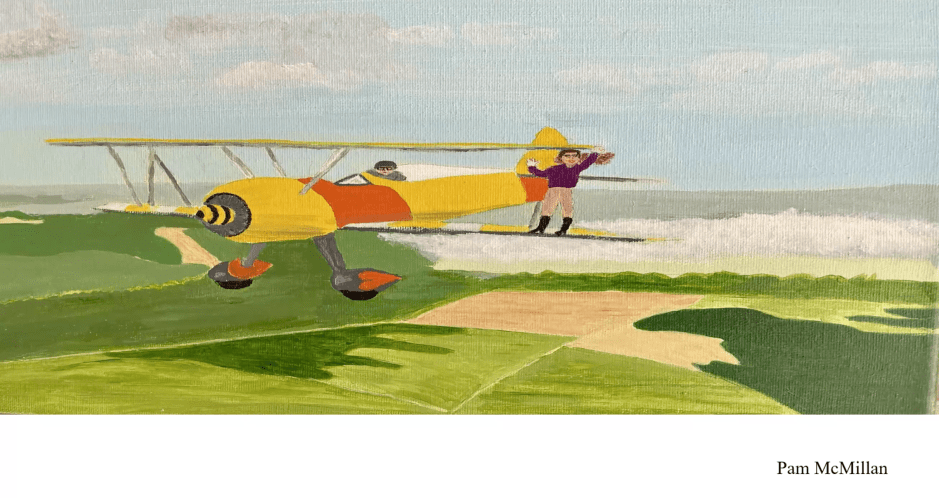
That happened to me recently with a painting by Pam McMillan that appeared in Instant Noodles Literary Magazine. I admired the piece so much that I reached out to Pam and purchased it.
Pam began drawing as a student and later studied watercolor with artists Hank Meier, James Toogood, and Sarah Yeoman. Her artistic interests also include acrylic painting, pastels, and photography. Drawing inspiration from both her travels and her imagination, she creates work that is colorful, inviting, and full of personality. Along the way, she has earned numerous awards at the Delaware State Fair, belongs to several local art leagues, and teaches watercolor painting.
What struck me most about this particular painting was its sense of movement and joy. Some artwork simply makes you stop scrolling and look a little longer. This was one of those pieces.
One of the things I love about literary magazines is that they introduce us not only to new writers, but also to talented artists we might never have discovered otherwise. Every issue is filled with opportunities for unexpected connections.
This time, one of those connections followed me home.
Do you collect art? What moves you to buy a piece?
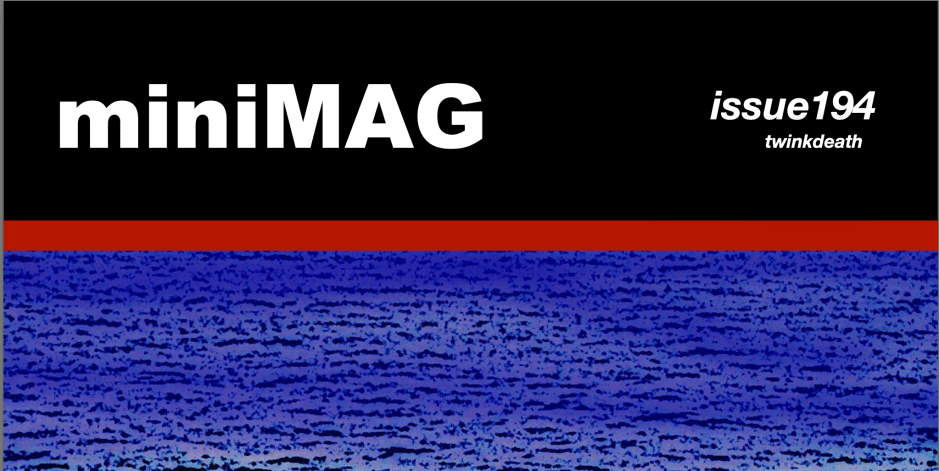
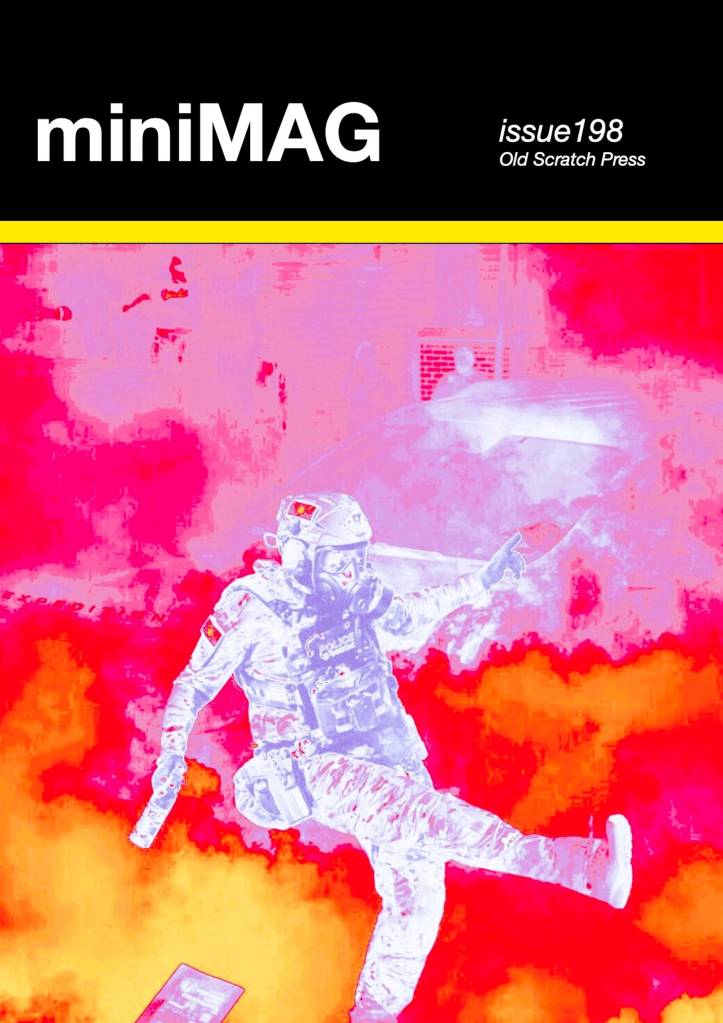
Don’t forget to visit! Voted one of the “Best Online Literary Magazines of 2024”, miniMAG lets OSP loose on Issue 198
Intense. Short. Weekly.
That’s how miniMAG describes itself. A short, intense, and weekly literary magazine specializing in short-form poetry, flash fiction, and flash non-fiction that you can rely on to offer a giddy mix of unpredictability and variety.
Voted one of the Best Online Literary Magazines of 2024, with each issue miniMAG serves up a potent deployment of text and image, a real seed bomb of words and color. A welcome arrival in my inbox for some time now, I loved the concept right from the start.
There’s something for all tastes in miniMAG, whether it’s punchy, wacky short stories or surrealist poems, intriguing essays or wild flights of fancy, graphic art or pictures drawn with big, thick crayons, delicate line art or great booming splashes of color… miniMAG has it all, set into a slick template that remains reassuringly the same: black pages, white type.
When Alex, miniMAG’s editor, agreed to let Old Scratch Press produce an issue, I was stoked. And it was great fun seeing it all come together. At 30 pages, it’s a little longer than usual, but hopefully just as intense.
And just as multifaceted, seeing as all ten OSP members contributed work:
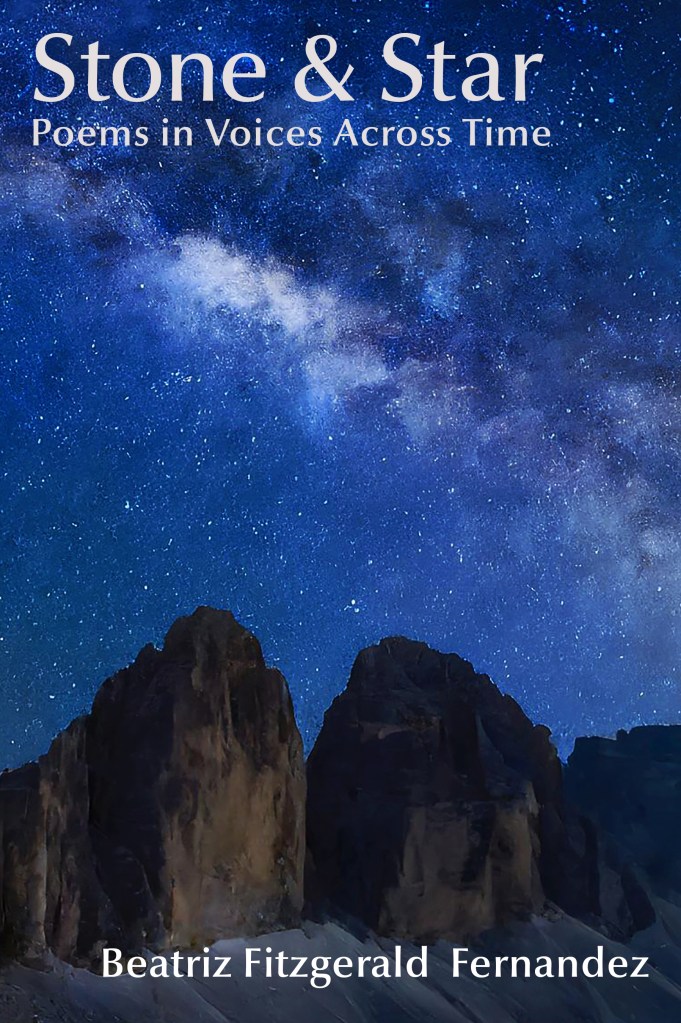
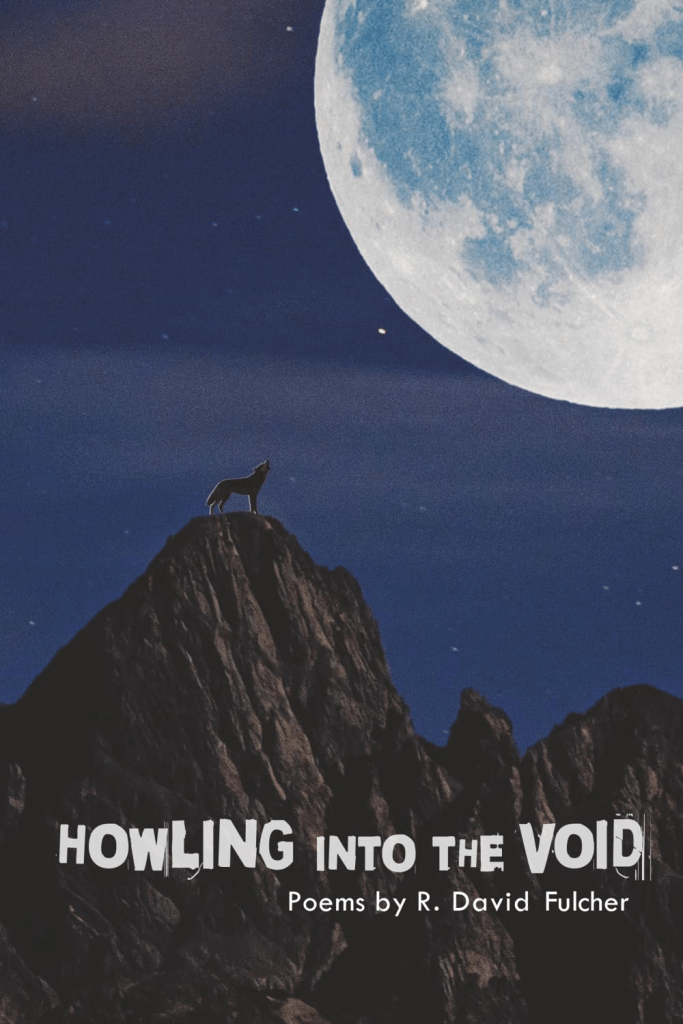
Robert Fleming supplies much of the art (some of it ICE-themed), including two visual poems. OSP’s newest member, Beatriz Fernandez, contributes two poems and a photo. That most Neapolitan of Californians, Alan Bern, presents two photo-poems, while Virginia Watts provides two poems and a flash-fiction piece titled “War”. Dianne Pearce gives us a taste of what to look forward to from her upcoming poetry collection, “In The Cancer Cafeteria”, with a poem, a short story, and two collages. Gabby Gilliam is also here with a piece called “Reawakening”, while R. David Fulcher turns things spooky with “The Weird of the Water”. Nadja Maril supplies three poems and a photo of the most Napoleonic rooster you’re ever likely to see, while Morgan Golladay brings things to a thoughtful close with her poem “Sky Cast”. As for me, I’ve got two illustrated poems and a piece of flash fiction in there, and a couple of illustrations thrown in to boot.
For a collective work by a short-form collective, I really can’t think of a better vehicle than miniMAG. To read it, visit miniMAG and subscribe, or stop by miniMAG Press While you’re at it, recommend it to some of your friends, or all your friends! And also come visit the OSP members’ Subs too! And if you have a Substack yourself, let us know so we can drop by.
So, a special thank you to Alex at miniMAG for letting us take on Issue 198. It was a real pleasure, and I hope you’ll have us back in the not-so-distant future!
Hey there authors, have you submitted yet to Instant Noodles Volume 6 Issue 2:AL DENTE?
Al Dente: In cooking, pasta or risotto al dente (/ælˈdɛnteɪ/, Italian: [al ˈdɛnte]; lit. ’to the tooth’) is cooked to be firm to the bite, requiring a brief cooking time. The term also extends to firmly-cooked vegetables. In contemporary Italian cooking, it is considered to be the ideal consistency for pasta.
What does al dente mean to you? To your neighborhood vampire it probably means something different. How about to the prospector mining gold?
Send us something that you haven’t overcooked!
Submissions close on July 5, 2026; the issue publishes SEPTEMBER 1, 2026.