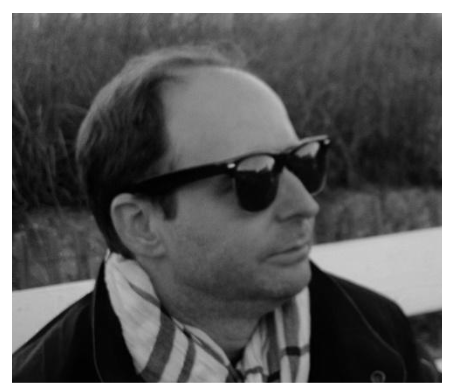
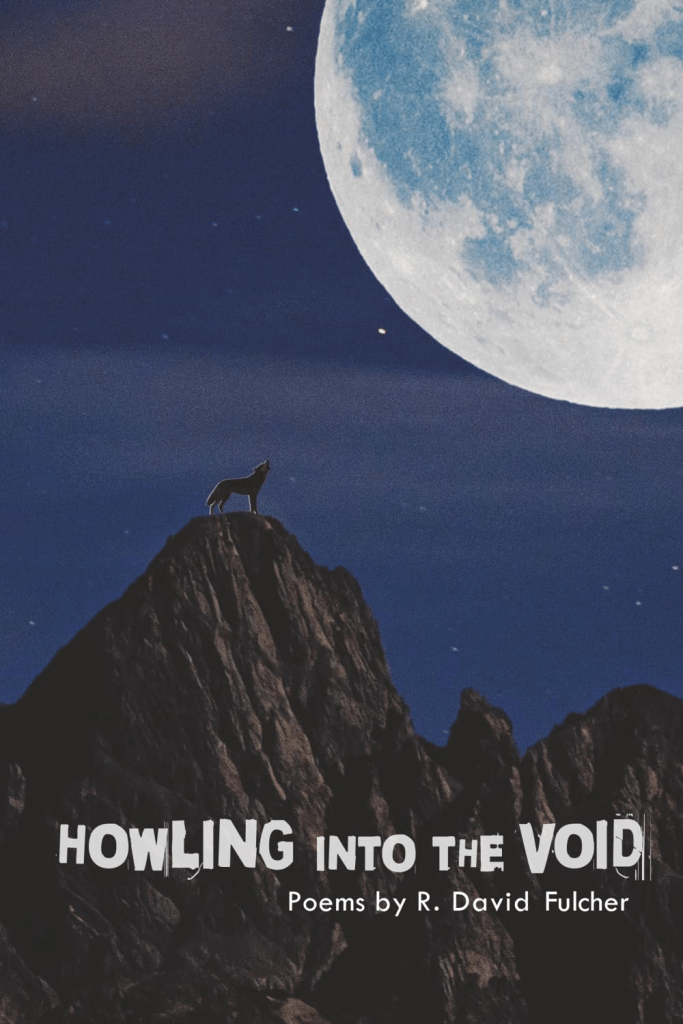
David Fulcher, a founding member and contributing editor of Old Scratch Press poetry/short form collective will be featured at Stone Soup Poetry October 28th, 7 pm ET, for a special horror-themed reading! David will be reading his poems and a short story.
To join this fun Halloween-themed event, go to Stone Soup’s Blog or follow the instructions below:
Stone Soup Poetry meets every Wednesday online from 7:00-9:00 PM via Zoom. Stay tuned for updates on any future live gatherings. On October 28, Stone Soup ends October with a proper horror themed reading from David Fulcher.
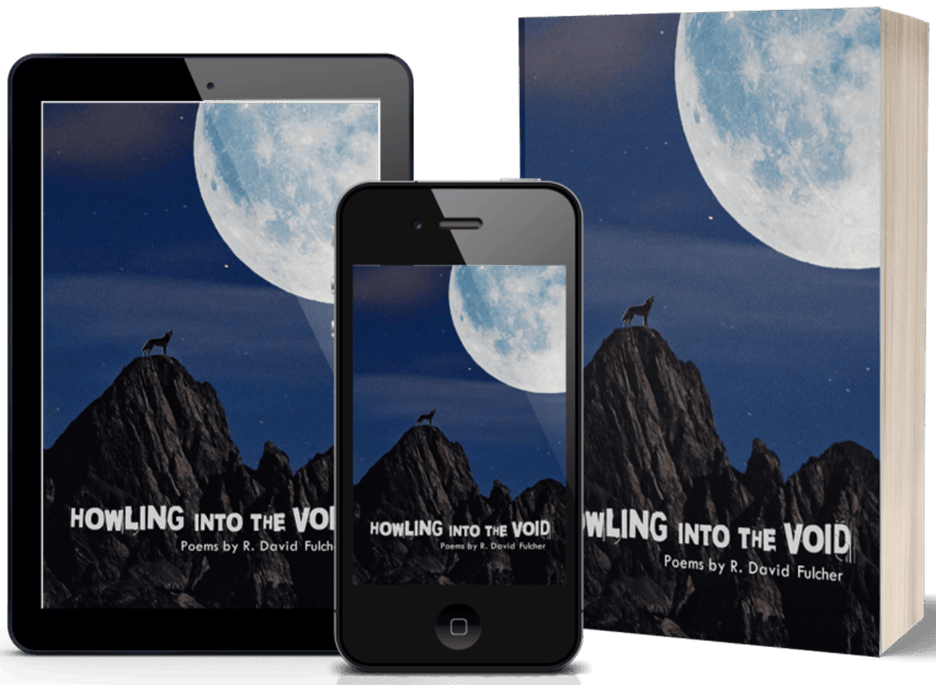
R. David Fulcher is a publisher, editor, and writer of fiction and poetry who lives in Ashburn, Virginia with his wife Lisa, and their rambunctious cats. He is a founding member/contributing editor of Old Scratch Press, including a curator for the digital magazine Instant Noodles. He also is a publisher/editor of the magazine Samsara. His books are The Pumpkin King and Other Tales of Terror, Asteroid 6: And Other Tales of Cosmic Horror, and Howling Into the Void. His shorter works are in Lovecraft’s Mystery Magazine, Black Satellite, The Martian Wave, Burning Sky, Shadowlands, Twilight Showcase, Heliocentric Net, Gateways, Weird Times, Freaky Frights and the anthologies Dimensions and Silken Ropes.
Join us on Wednesday, October 28, from 7:00 to 9:00 PM ET by clicking this link.
So… you’ve written several chapbooks and now your fellow poets are urging you to publish a full-length poetry book. The first question that may come to mind is what’s the difference between a chapbook and a full-length collection? Chapbooks are generally anywhere from 15-40 pages and are more focused–often devoted to a single theme, idea, or form. Full length books tend to be longer, about 60-100 pages and cover a broader range of themes, representing a more expansive view of the poet’s work.
Gathering enough poems for a full-length collection and then organizing them can be a daunting experience. After all, these are most likely poems you have published over the course of many years, perhaps decades. Keep in mind that some of the poems can or most likely will be previously published, but a subsection of the content can also introduce new material.
In my case, I had previously published three poetry chapbooks—each one very different from the previous one. My first chapbook consisted mainly of persona poems written in the voice of historical, legendary and fictional female characters. Over time, I had written more persona poems, including some of my personal favorites, as my writing expertise grew, and I shaped these into another chapbook which I submitted to contests. This chapbook garnered much positive feedback and praise from editors and came close to winning several contests, named a finalist, honorable mention, runner-up, but never quite reaching the top spot.
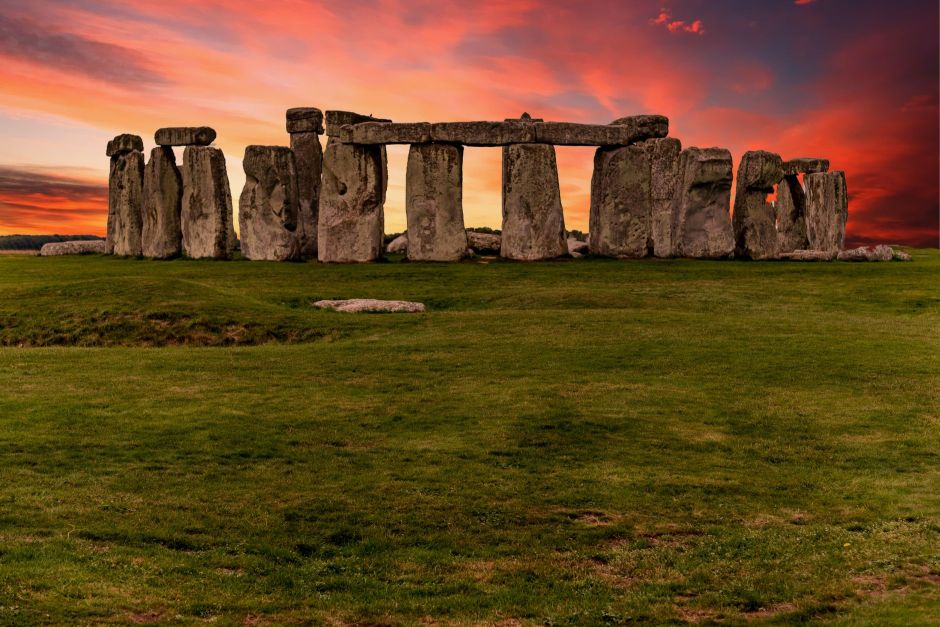
When I first conceived of creating a full-length collection, I naturally wanted to use many of the poems from this never-published chapbook, but I also wanted my new collection to include persona poems written in male voices, some written in response to the female-voiced persona poems, as well as many other types of poems. I began to build the new book on the spine of the chapbook, which was divided into three sections united by a long narrative poem that served as the overarching thematic touchstone: The Story of the Stones.”
ORGANIZING YOUR POEMS
You can choose many ways to organize your poems: theme, form or length, date written or covered, place, imagery, biographical significance or association.
I organized the sections roughly by the time period covered in the poem, be it fictional or historical, and gathered poems that addressed more modern times into the third section. That way the tone and vocabulary of the poems wouldn’t create too stark a contrast with each other. I also placed the pairs of response poems next to each other: Heloise/Abelard, Guinevere/Launcelot, Maid Marian/Robin, Sherlock Holmes/Irene Adler–some of which were published together for the first time.
The contents fell almost naturally into three roughly equal sections of 14-18 poems, each covering about 20 pages due to the varying length of the poems. The order within each section was not strictly in chronological order. In some cases, imagery from one poem links it to the next in a fluid fashion, but I did not agonize over the order of the poems too much.
The reason for this is that I personally do not read poems in a collection in sequential order. My natural instinct when I pick up a poetry book (or any book, really) is to open it a random page and begin reading. If I am intrigued by what I read, then I continue, or backtrack, or jump ahead a few pages/chapters, sometimes to the ending. I very rarely read a book from beginning to end without skipping around. The less I know exactly what is going on in the story, the more fun I find the reading process.
I know this approach may be anathema to some readers, but I think poetry books lend themselves to this random sampling method much better than novels, for example, and that may be why I’m a poet and not a novelist!
TITLING YOUR FULL-LENGTH COLLECTION
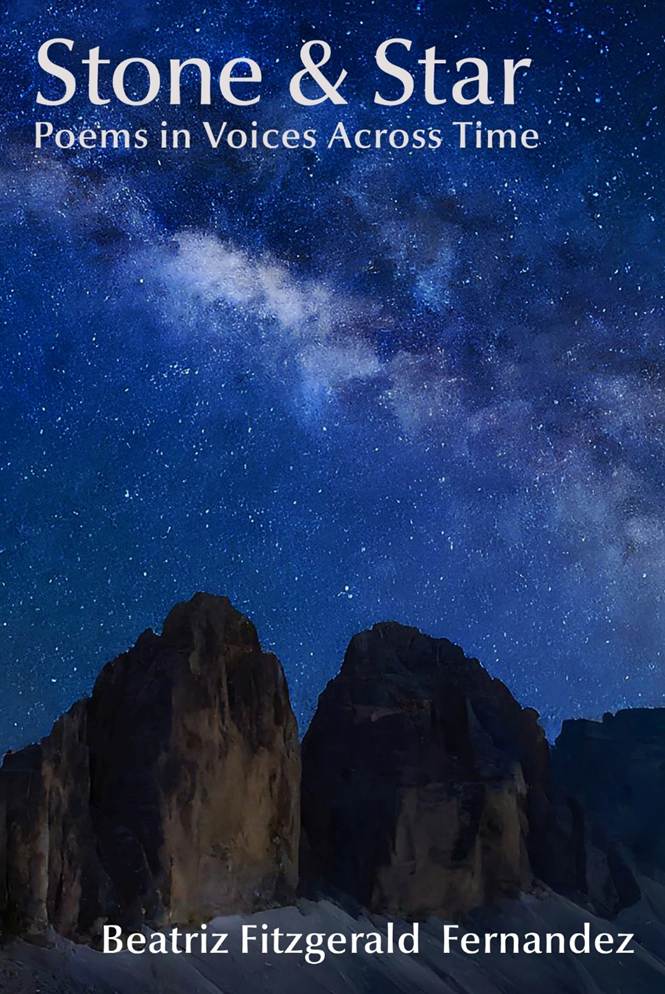
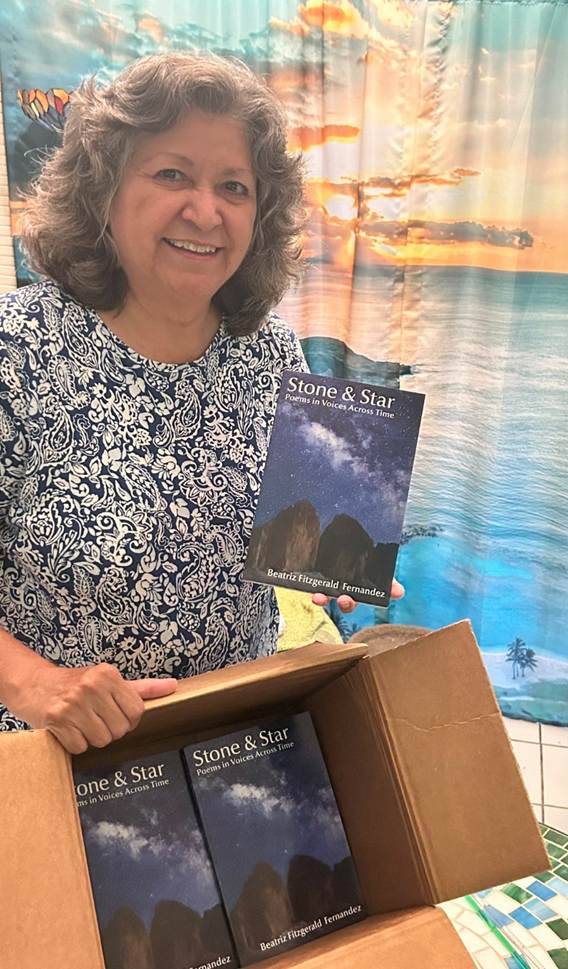
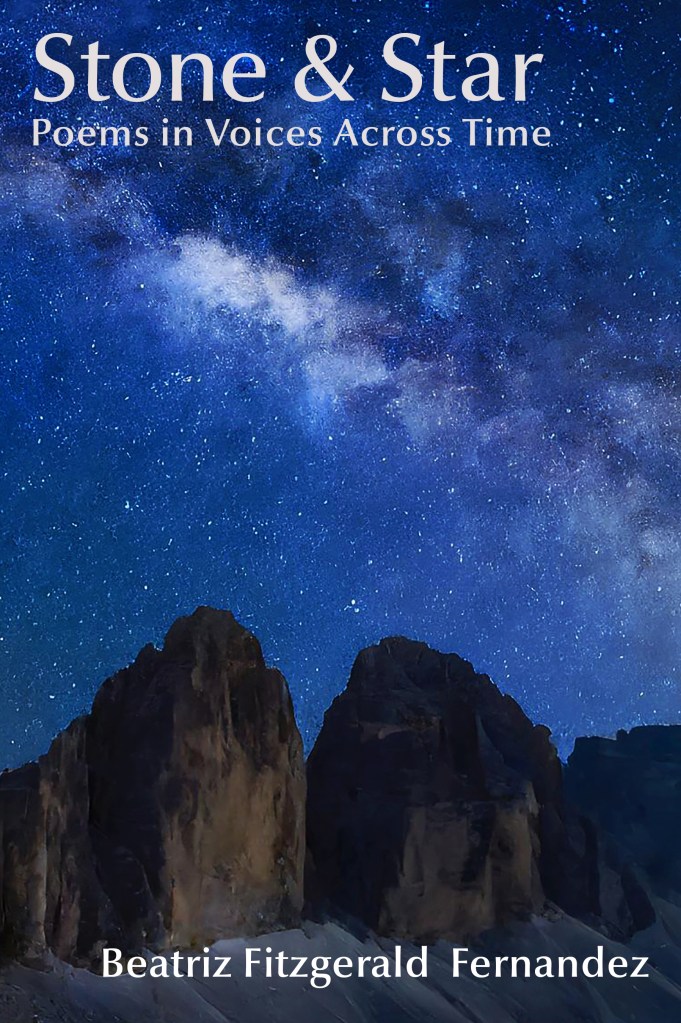
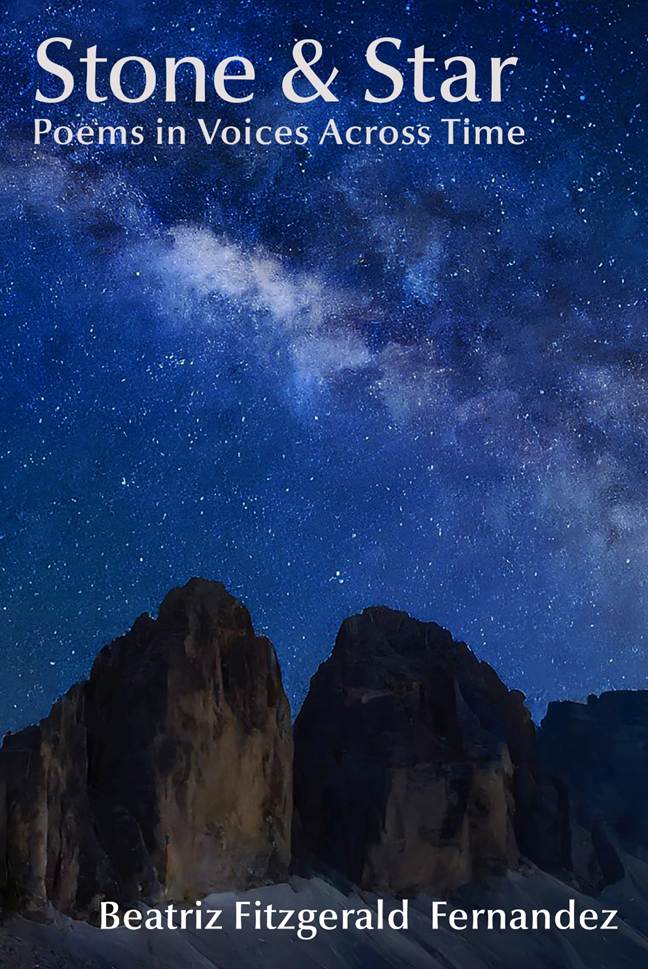
Many poets use the title of one of the individual poems in the collection as the title of the whole because that poem is an important one for them personally or they use a line from one of the key poems in the collection. In my case, I gathered the poems first and examined them as a group. I knew I wanted to use” The Story of the Stones” (based on a visit to Stonehenge) as the central poem, but not as the title. When I chanced upon the version of “Evening” by Rainer Maria Rilke (one of my favorite poets) translated by Stephen Mitchell, which ends “now bounded, now immeasurable/ it is alternately stone in you and star” I knew I had identified two key images that my poems returned to again and again and which for me defined the dichotomy of the human condition the poems celebrated.
The subtitle “Poems in Voices Across Time” was inevitable as I wanted to emphasize that most of these poems were in voices not my own and not necessarily from my time period. I’ve always loved time travel as a fictional device and through my poems I travel from antiquity to the modern era.
PLEASE YOUR FIRST READER: YOURSELF
While there should be some rhyme and reason to the ordering of your book, it doesn’t necessarily have to please the masses. You are a poet and a poetry reader—consult yourself first. (Unless you are a perfectionist, in which case you may delay publication forever!) Do you like poetry collections organized a certain way? Do you feel confused if the poems seem randomly grouped? Do you feel there must be a central theme running throughout? Do you enjoy reading poems arranged by alternating lengths?
Above all, you should please yourself first when putting together your book. There is no one “right” way and there are no poetry gods to be appeased. Stretch that poetic license as far as you feel is desirable and necessary!
The best result is not if your book wins prizes or garners praise from others (although that is nice when it happens!), the most important thing is that you are proud of the resulting work and feel that it truly reflects your personal creative style.
One of my favorite poems from this new collection is somewhat appropriate to the month of October, as it combines gothic elements and hints of Frankenstein and applies them to Wuthering Heights.
Emily Brontë Addresses Her Creation
“But Fancy still will sometimes deem Her fond creation true.” ~ A Day Dream
I named you after the things I loved– the heath I walked on every good day of my life, the stone cliffs I climbed as a girl,
for yours was the companion spirit I found there, your face the vision that hounded me, when clouds churned across those wind-worn heights.
All that one soul calls forth in another, I poured into you, my willing vessel —and you in return guided my hand
more surely than any god could, you who dared navigate the seas of Gondal in my childhood, led armies across continents—
my melancholy gypsy boy, man of mystery, you were both commander and commandment. At times you wore my brother Branwell’s face—
not the playmate I lost to London Town, but he who returned home in his place. When I stood at the chasm of his grave
my mind full of fears I’d soon share the dark refuge he found there, I thought back to the first time
I penned your name—Heathcliff— and wondered whether I did right to birth what some would later claim
was a monster in the heather, weave a cradle of bracken fronds and release you on the fragile river of men—
where your lips declared desires I dare not speak of, and your black heart would out-beat mine.
You’ve written a poem. You’ve revised it, probably more times than you’d care to admit. You’ve submitted it, waited for a response, and, if all went well, received the wonderful news that someone wants to publish it. You announce the publication on social media. Your friends congratulate you. Your mother shares the link. Someone you haven’t spoken to since high school gives it a thumbs-up. And then? Well, you write another poem, of course. And the first one disappears into the enormous pile of things people posted on the internet yesterday.
It doesn’t have to. In the first installment of this series, I talked about finding ways to extend the life of a published poem. In Part 2, I suggested recording yourself reading it aloud, an activity I personally rank somewhere between public speaking and wrestling an octopus. This time, let’s talk about something considerably less frightening: getting several social media posts out of one poem.
Several posts? About the same poem? Won’t people get sick of me? Possibly. If you post the same announcement six times in a row, you may test the patience of even your most devoted friends. But that’s not what I’m suggesting. A poem is more than a link to a literary magazine. It has a history, a subject, a voice, and, if you’re lucky, a line or two that might make someone stop scrolling for a moment. Each of those offers a different way to introduce readers to your work.
Start with the publication announcement.
This is the obvious one, and it’s worth doing properly. Name the magazine or journal, thank the editors, and give people a link to the poem. If the publication has a social media account, tag it. You don’t need to be excessively modest about this. Getting a poem published is an accomplishment, and you’re allowed to be pleased.
Share a line you particularly love.
A few days or a week later, choose a line or two from the poem and make that the focus of a new post. Maybe it’s the line that started the whole thing. Maybe it’s the one you fought with for three weeks before finally getting it right. Or maybe it’s simply a line you’re especially fond of. You could put the words over a photograph, use a simple background, or just type them into a post. Add a sentence about why you chose them, and link to the complete poem. One caution: Check your publication agreement before reproducing excerpts, particularly if the journal has exclusive rights for a period. Linking to the published poem is generally the safest approach.
Tell us where the poem came from.
I love hearing what inspires other writers, partly because the answers can be so wonderfully peculiar. A poem about grief might have started with a broken teacup. A poem about childhood might have begun with the smell of somebody’s basement. A poem about a bird might have absolutely nothing to do with birds. You don’t have to explain what the poem means. Readers should have room to bring their own experiences to your work. But you can tell us what prompted you to write it. Something like, “I wrote this after finding a grocery list in my grandmother’s handwriting. I hadn’t seen her handwriting in twenty years.” That’s a story. It gives readers another reason to be curious about the poem.
Let readers hear it.
If you followed the advice in Part 2 and recorded yourself reading the poem, you’ve already got another post waiting. You can share the video or audio recording with a short introduction. You might even mention something about how the poem sounds different when spoken aloud. And if you haven’t recorded it yet, there’s still time. The octopus can wait.
Ask a question.
Not every post needs to announce something. Suppose your poem concerns a childhood home. You might ask readers whether there’s a place from their childhood they still dream about. If it’s about an object you’ve kept for years, you could ask what ordinary thing they would never throw away. The question should grow naturally out of the poem, rather than feeling like a desperate attempt to generate engagement. You might get a conversation going. You might get three responses, one of which is from your cousin. Either way, you’ve given readers a way to connect with the subject of your work.
And don’t do all of this in one week.
This is important. I’m not suggesting that you turn every poem into a five-day publicity campaign. Space these posts out. Use the ideas that suit the poem and skip the ones that don’t. One poem might lend itself beautifully to a story about its inspiration. Another might have a striking line that’s perfect for sharing. A third might be best experienced aloud. You don’t have to use every suggestion, and you certainly don’t have to post on every platform. If you enjoy Instagram, use Instagram. If you prefer Facebook, use Facebook. If you have a newsletter, that’s another place to share the work.
The point is to give a poem more than one opportunity to find its readers. And remember that not everyone who follows you will see every post. Social media moves quickly, and even people who genuinely want to read your work may miss the original announcement. Sharing something again, in a new and interesting way, isn’t necessarily repeating yourself. It’s giving someone another chance to discover a poem they might love.
Next time: We’ll look at how a poem that’s already been published can find a second life through reprints, anthologies, contests, and other opportunities. Because publication doesn’t have to be the end of a poem’s journey.
And speaking of opportunities: There’s still time to submit to Instant Noodles! Our final issue of 2026 has an open theme, Author’s/Artist’s Choice, and we’re accepting poetry, flash fiction, flash nonfiction, visual art, and multimedia through November 7, 2026. Submissions are free, and the issue will be published December 1.
Do you have a connection to Italy? Do you want one?
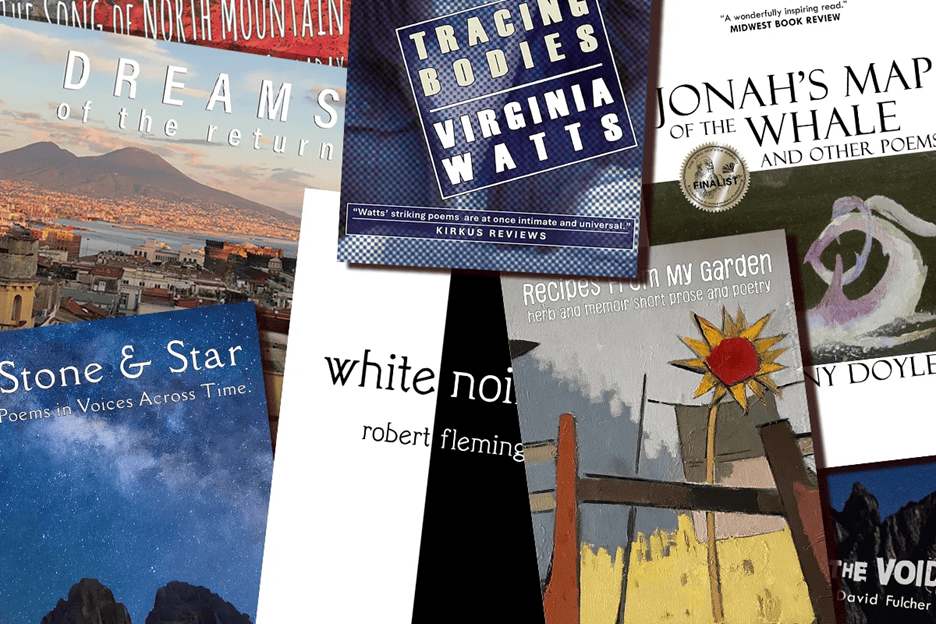
My new book, Dreams of the Return, contains my poems, translations, stories, and photos based on my connections to Italy, especially southern Italy and Naples, where I lived in 1965 as a teenager attending liceo, and continuing through to the present day.
Published by Old Scratch Press in 2025, Dreams of the Return is available from Amazon:
If you’re looking for a gift for October or for the upcoming holiday season, I hope you’ll consider Dreams of the Return.
I send greetings and wish you well in these difficult times.
Alan Bern Poetryandpics.com
Thanks for your interest in my work and my new book!
Alan Bern is a poet, writer, photographer, and retired children’s librarian whose work brings together poetry, prose, and visual art. A Pushcart Prize nominee, he is the author of three books of poetry, the hybrid fictionalized memoir In the Pace of the Path, and the chapbook because lack. His work has appeared in Third Street Review, EcoTheo Review, The Hyacinth Review, DarkWinter, Feral, and Porridge Magazine, among others. His recent honors include winning the 2022 Saw Palm Poetry Contest and being longlisted for The Bedford Competition in 2023. Alan is also a founding member of the Old Scratch Press collective. Please visit him.
Alan’s newest book, Dreams of the Return, is available from Old Scratch Press. The collection brings together poetry, prose, photography, memoir, and translations inspired by Alan’s lifelong connection to Italy, particularly Naples and Southern Italy.
By Nadja Maril, a founding member of the Old Scratch Press
It’s October, the month of the harvest when the leaves turn vivid shades of red, orange and yellow before falling to the ground. Scores of literary publications have call-outs for scary stories to mark the Halloween season.
The celebration, from which Our Halloween evolved, is the Gaelic holiday Samhain. During Samhain, the curtain between the living and the dead was lifted for one night. Dressed as ghosts, people celebrating what became known as Halloween would go door-to-door to ask for food. Trick or Treat.
Scary is the goal. The carving of malevolent faces into pumpkins and the display of anything creepy outside your home was intended to calm the ghosts roaming the earth on October 31st. The creepier the better.
When it comes to submissions, many magazines including our own Instant Noodles Literary Magazine prize brevity. IF submission guidelines ask for stories less than 500 words, keep your submission below or as close to 500 words as possible. A short piece of fiction or nonfiction, should still be powerful and compelling to read.
Begin close to or with action. In a short piece you don’t have time for backstory.
Write about one event, something simple but telling.
Limit your characters. In a short piece there is no time for character development and too many characters will confuse the reader. Stay focused.
Cut the adverbs. Look for all the words that end in “ly” such as slowly or carefully or quickly. You don’t need them. Choose a descriptive verb instead.
Eliminate any filler words such as: just, almost, really, but.
If you’d like to read an example of a good piece of micro fiction, here is the link to the story that won the Fractured Fiction 2025 Micro Fiction prize. “No Voltage on a Quiet Road” by Maxwell Orsen.
WRITING PROMPT: Think of a scene where something is about to change. A storm is coming. A thief is about to grab your protagonist’s wallet. How does the main character react? Are they changed by the experience? What made this situation explosive? What did they feel at the time? What were they thinking about?
At Instant Noodles Literary Magazine we are still reading submissions, but our “In Box” of fiction is getting full. Ditto for our poetry submissions. There is more room in the Creative Nonfiction category. To increase your odds of being published, I’ve put together a list of five more magazines you may want to consider submitting to via Duosoma this month. https://duotrope.com/duosuma/ You can go directly to the Duosoma website to look for opportunities, but I recommend reading the magazines first to see if the writing they publish is writing you admire.
Orion’s Belt (Literary speculative fiction: reading poetry, flash and micro fiction).
If your work is repeatedly rejected, consider revising. Read it out loud sentence by sentence. Does each sentence provide action, description or surprise?
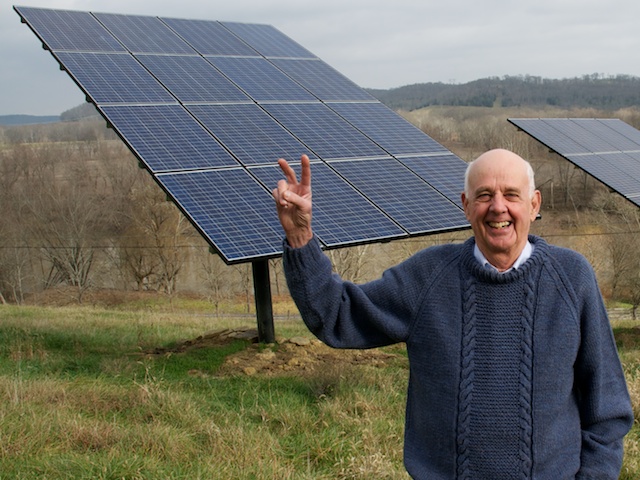
Wendell Berry was a beloved farmer and conversationalist, English professor, forest lover, and writer from the hills of Kentucky. He wrote about land and how mankind must strive to use it ethically. Berry came from a long line of tobacco farmers. His father was famous for cofounding a farming co-op that matched supply and demand. The co-op served the people it was meant to serve: small, hardworking farmers.
During his lifetime, Berry got behind causes he believed in. He protested the Vietnam War and nuclear power. He marched on Washington in 2009 as part of a protest to bring about cleaner emissions. He opposed mountaintop removal mining in Kentucky. He worried about what is lost in modernization. He fought to preserve land, regional economies, and human health in local communities.
His relationship with the University of Kentucky, where he taught, became strained when he withdrew papers he had loaned to the school after the university accepted $7 million from a coal producer.
Berry published over 50 books of poetry, fiction, and essays and received many prestigious honors for his writing, such as the T.S. Eliot Award and the National Humanities Medal. The message in all his work remained clear, essentially that man must live in harmony with the earth. He was against large-scale farming controlled by large corporations that relied on chemical pesticides and fertilizers, promoted soil erosion, depleted aquifers, and drove small farms out of business, destroying local communities in the process. He himself used horses to work his own land and used organic fertilizers and pesticides.
His poetry themes include the countryside, the routines of farm and family, and spirituality found in the natural world. It has been said of Berry that he ennobled the commonplace. Here are two of his most famous poems.
What We Need Is Here by Wendell Berry
Geese appear high over us, pass, and the sky closes. Abandon, as in love or sleep, holds them to their way, clear in the ancient faith: what we need is here. And we pray, not for new earth or heaven, but to be quiet in heart, and in eye, clear. What we need is here.
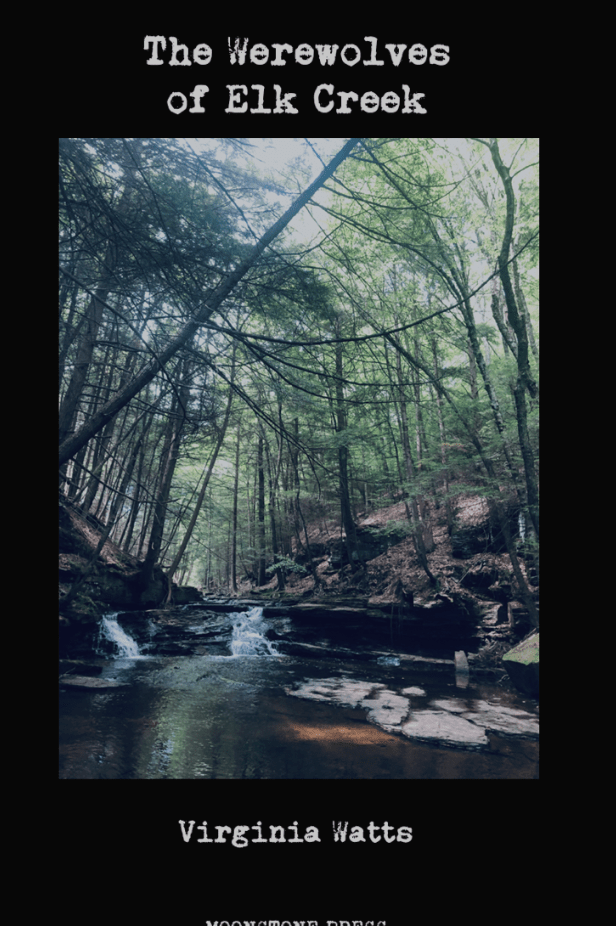
Virginia Watts is the author of poetry and stories found in The MacGuffin, Epiphany,CRAFT, The Florida Review, Reed Magazine, Pithead Chapel, Eclectica Magazine among others. She has been nominated four times for a Pushcart Prize. Her debut short story collection Echoes from the Hocker House was short listed for 2024 Eric Hoffer Grand Prize, selected as one of the Best Indie Books of 2023 by Kirkus Book Reviews, and won third place in the 2024 Feathered Quill Book Awards. Please visit her.
It’s #LitMagWeek, a celebration of the independent literary magazines that give writers a place to take chances, find readers, and get their work out into the world.
Start with our own Instant Noodles Literary Magazine, sponsored by Current Words Publishing and curated by the Old Scratch Press Collective.
Then go exploring! Check out some of our fellow literary magazines celebrating this week:
Thank you for reading. Please sign up to follow us on Facebook and to follow us here on WordPress to expand your knowledge about poetry and short form writing as well as to receive the latest news about publication opportunities.
If you’ve never written a poem in any voice but your own, you might want to try writing a persona poem—it may lead you down unexplored paths of creativity!
“A persona poem is a poem in which the poet speaks through an assumed voice….Also known as a dramatic monologue, this poetic form shares many characteristics with a theatrical monologue: an audience is implied; there is no dialogue; and the poet takes on the voice of a character, a fictional identity, or a persona.”
The voice you adopt when you write a persona poem can be a fictional, imaginary or historical character, an animal, an inanimate object, a collective such as a country, or even an omniscient god-like voice. This is when the fun begins!
In “Richard the Lionheart’s Mummified Heart Examined,” a poem inspired by a true story and reprinted in my latest collection, Stone & Star: Poems in Voices Across Time, I alternately adopt the voice of the King’s Minstrel, the Royal surgeon, Richard I, his wife Berengaria of Navarre, the heart itself, and the forensic scientists who examined the heart in modern times. Needless to say, this was a fun poem to write and the voices seemed to meld seamlessly to tell the story.
In psychological terms, Jung described persona as a social mask that conceals “the true nature of the individual.” The term originates from the theater in ancient Greece where actual masks were worn by actors on stage to represent different points of view.
However, I find that writing persona poetry rather than concealing, frees the writer to reveal their subjective truths to the reader without the constraints of their own personality.
Writing persona poetry is the closest I will ever come to acting, and I find it incredibly liberating. I first found my own voice via persona poetry and it is still my favorite poetical form to use.
When writing as a historical character, I do some research and try to read letters written by that person if they are available, to pick up some of their personal vocabulary. The way they address and sign their letters, their general tone, their “voice” is usually apparent and I use that to guide my own writing of the poem.
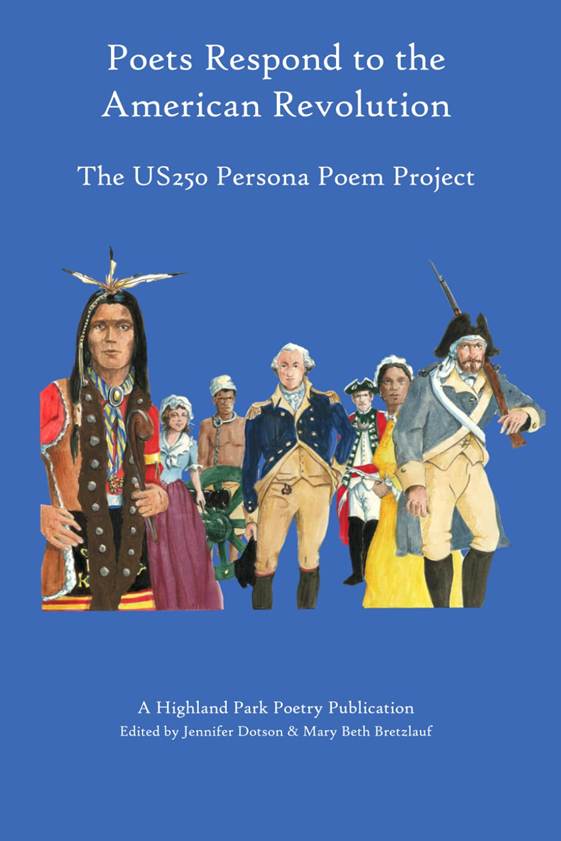
We were asked to write from the point of view of fictional or historical persons, animals or objects: one poet wrote from the perspective of Brown Beauty, the horse Paul Revere rode, some wrote from the perspective of symbols such as the Tree of Liberty or the Liberty Bell.
When writing as a fictional character, I try to stay within the confines of the work they appeared in, and use vocabulary suited to the time period of the novel. I have fun imagining what some fictional characters would say, given a chance, especially when in the original work they were not given much dialogue. In this spirit, I’ve given voice to Weena, the Time Traveler’s mostly mute companion in H.G. Well’s The Time Machine, and Nova, the beautiful mute heroine in the original 1968 Planet of the Apes film.
I find most of the persona poems I write are emotional in nature, speaking from the heart in a more direct and universal way than I could write from my own limited experience. Some writers may feel uncomfortable putting words into another’s mouth, so to speak. Unlike novelists or playwrights, who regularly write dialogue for fictional and in some cases historical characters, poets are used to thinking of their writing as highly personal and not open to other’s voices. But isn’t most poetry persona poetry, in a way? Because whenever we write, we almost unconsciously adopt a persona, a writing voice, that is not our everyday voice, but which nonetheless reflects our authentic and true nature.