By Nadja Maril, a founding member of the Old Scratch Press
It’s October, the month of the harvest when the leaves turn vivid shades of red, orange and yellow before falling to the ground. Scores of literary publications have call-outs for scary stories to mark the Halloween season.
The celebration, from which Our Halloween evolved, is the Gaelic holiday Samhain. During Samhain, the curtain between the living and the dead was lifted for one night. Dressed as ghosts, people celebrating what became known as Halloween would go door-to-door to ask for food. Trick or Treat.
Scary is the goal. The carving of malevolent faces into pumpkins and the display of anything creepy outside your home was intended to calm the ghosts roaming the earth on October 31st. The creepier the better.
When it comes to submissions, many magazines including our own Instant Noodles Literary Magazine prize brevity. IF submission guidelines ask for stories less than 500 words, keep your submission below or as close to 500 words as possible. A short piece of fiction or nonfiction, should still be powerful and compelling to read.
Begin close to or with action. In a short piece you don’t have time for backstory.
Write about one event, something simple but telling.
Limit your characters. In a short piece there is no time for character development and too many characters will confuse the reader. Stay focused.
Cut the adverbs. Look for all the words that end in “ly” such as slowly or carefully or quickly. You don’t need them. Choose a descriptive verb instead.
Eliminate any filler words such as: just, almost, really, but.
If you’d like to read an example of a good piece of micro fiction, here is the link to the story that won the Fractured Fiction 2025 Micro Fiction prize. “No Voltage on a Quiet Road” by Maxwell Orsen.
WRITING PROMPT: Think of a scene where something is about to change. A storm is coming. A thief is about to grab your protagonist’s wallet. How does the main character react? Are they changed by the experience? What made this situation explosive? What did they feel at the time? What were they thinking about?
At Instant Noodles Literary Magazine we are still reading submissions, but our “In Box” of fiction is getting full. Ditto for our poetry submissions. There is more room in the Creative Nonfiction category. To increase your odds of being published, I’ve put together a list of five more magazines you may want to consider submitting to via Duosoma this month. https://duotrope.com/duosuma/ You can go directly to the Duosoma website to look for opportunities, but I recommend reading the magazines first to see if the writing they publish is writing you admire.
Orion’s Belt (Literary speculative fiction: reading poetry, flash and micro fiction).
If your work is repeatedly rejected, consider revising. Read it out loud sentence by sentence. Does each sentence provide action, description or surprise?
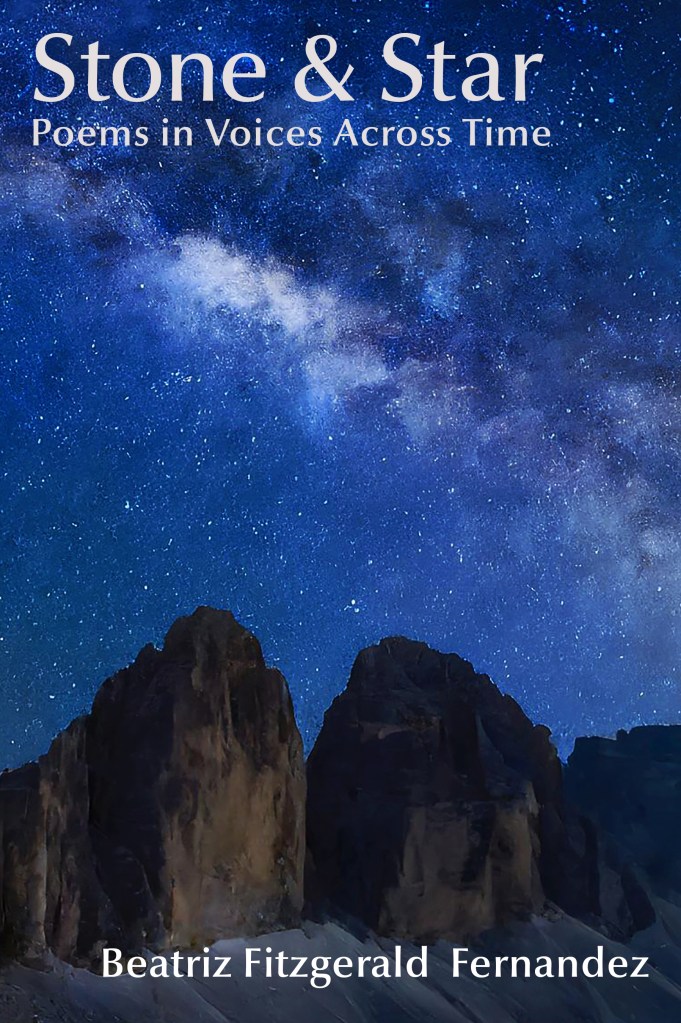
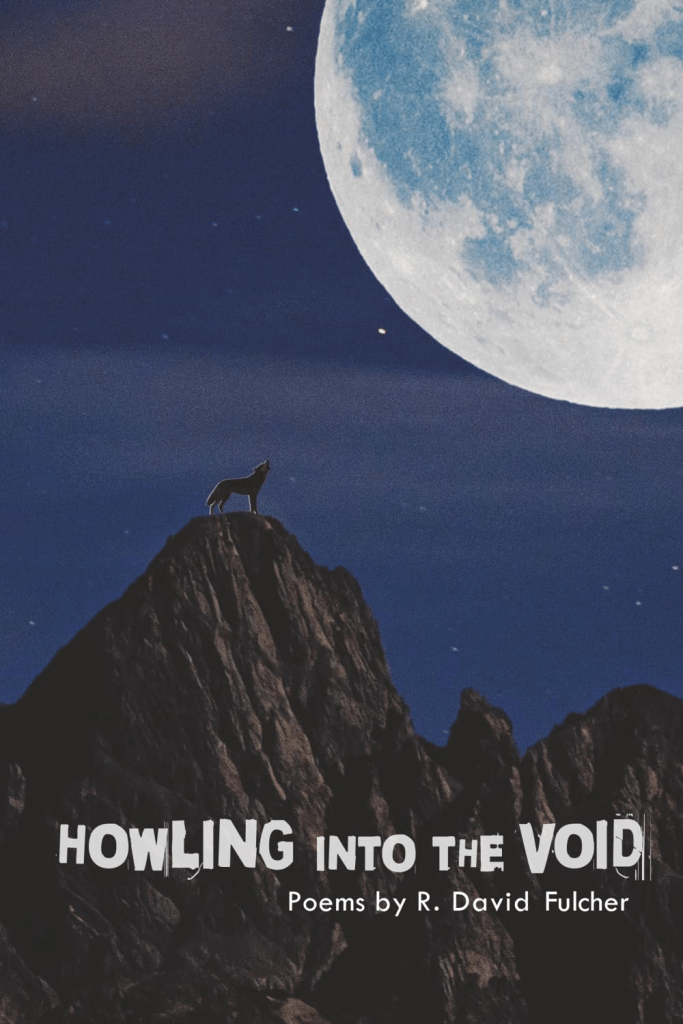
Many poets spend years submitting individual poems to journals, attending readings, participating in workshops, and building relationships within the literary community. These activities are valuable and often necessary. Yet at some point, many poets begin asking a different question:
“When is it time to put a collection together?”
For some writers, the answer arrives naturally. A group of poems begins to speak to one another. Certain themes emerge. Images recur. The manuscript starts to feel less like a collection of individual works and more like a conversation taking place across dozens of pages.
For others, the decision is more difficult. Many poets delay publishing a collection because they worry they are not ready, that they have not accumulated enough publication credits, or that they have not yet found a traditional publisher. While those concerns are understandable, they sometimes prevent writers from sharing work that is already prepared to meet readers.
One of the great misconceptions about poetry publishing is that publication itself is the finish line. In reality, publication is often the beginning of a new stage in a poet’s development.
A collection gives readers a place to go.
Someone may enjoy a poem in a journal, hear you at a reading, or discover your work through social media. A collection allows those readers to spend more time with your voice and ideas. It transforms a series of individual encounters into a deeper relationship between writer and reader.
Collections also create opportunities that individual poems sometimes cannot. A published book can lead to readings, interviews, festival appearances, workshop invitations, review opportunities, podcast conversations, and future publishing projects. It becomes a calling card for your work and a record of your growth as a writer.
This is one reason many poets discover that one collection often leads to another.
The process of assembling, revising, publishing, and promoting a manuscript teaches skills that carry into future projects. You learn how poems work together. You learn how readers respond to your work. You learn what aspects of publishing you enjoy and which ones you would rather delegate to others. Most importantly, you gain confidence from completing a substantial creative project.
Fortunately, poets today have more publishing options than ever before.
Some writers pursue traditional publication through independent presses, university presses, and literary publishers. This route can provide editorial support, distribution, and professional recognition, but it often requires patience. Many presses receive far more manuscripts than they can publish, and response times can stretch for months.
Others choose to self-publish. This approach offers complete creative control and allows poets to move forward on their own timeline. Modern print-on-demand services have made self-publishing more accessible than ever. However, self-publishing also requires authors to manage editing, design, formatting, distribution, and promotion themselves or hire professionals to assist with those tasks.
A third option involves working with a partner publisher, cooperative press, or author-services organization. These arrangements often combine professional support with greater author involvement and control. Depending on the organization, responsibilities and costs may be shared in different ways. For many poets, this middle path provides a balance between independence and guidance.
The best choice depends on your goals. Some poets value the prestige associated with a traditional press. Others prioritize speed, flexibility, or creative control. Still others appreciate a collaborative approach that allows them to remain closely involved in the process while receiving professional assistance.
Whatever path you choose, remember that a collection does not need to be perfect before it can be published. Every published poet can point to lines they would revise differently years later. Growth does not stop when a book is released. In many ways, publication simply marks the next stage of the journey.
This is particularly important for poets who find themselves waiting endlessly for permission to move forward. A manuscript sitting unread on a hard drive reaches no one. A collection in the hands of readers has the opportunity to create conversations, build connections, and leave a lasting impression.
That does not mean every manuscript should be rushed into print. Thoughtful revision remains essential. Feedback matters. Professional editing can strengthen a collection dramatically. The goal is not speed for its own sake. The goal is to avoid allowing fear, perfectionism, or uncertainty to keep a finished project hidden forever.
Many poets spend years hoping someone will discover them. There is nothing wrong with pursuing traditional publication, and many excellent collections find homes that way. At the same time, poets today have more choices than previous generations. If your work is ready, there may be more than one path to publication.
After all, the purpose of a collection is not simply to exist. It is to be read.
The poems you’ve spent years writing deserve the opportunity to find readers. And sometimes the first collection does more than reach an audience. Sometimes it gives you the confidence, experience, and momentum to begin the next one.
This concludes our five-part series on building a readership for poetry. We hope you’ve found a few ideas worth trying, whether you’re just beginning to share your work or preparing your next collection. We’d love to hear from you. Which strategies have helped you find readers? What challenges are you facing? And what topics would you like to see us explore next? Leave a comment below, connect with us on social media, or reach out through the Old Scratch Press website. Old Scratch Press exists because poets learn from one another, and we’d love your ideas for future articles and series you’d like to see us tackle.
NEW OPPORTUNITY
We’re also launching a new occasional contributor feature called “What’s One Thing You Wish Someone Had Told You?” Poetry is full of lessons we often learn the hard way, and we’d love to share some of that wisdom with the community. If there’s one thing you wish you’d known earlier about writing, submitting, publishing, readings, workshops, marketing, or the poetry life in general, consider writing a short guest article of 500-800 words.
Authors whose articles are selected will be featured on the Old Scratch Press website and along with a short biography, links to their website and social media, and one poem of their choice, whether previously published or not. Our goal is to help poets share both their experience and their work with a wider audience.
If you’re interested, send your article or proposal to guestpost@oldscratchpress.com. We look forward to learning from your experiences.
In polite conversation, unlike politics and religion, the weather is a safe topic. Love that sunshine. Do you think it’s going to snow?
The weather, however, is anything but safe. It’s lack of consistency affects all of us in one way or another. We may think it’s going to be another hot humid summer, but an unexpected chill might ruin a farmer’s crops.
From a practical standpoint, the weather impacts the type of shelter we need, our household budget and our mode of transportation. It’s an indication of our moods. Whether we are suffering through a drought or an artic blast, the weather affects our daily lives.
In polite conversation, unlike politics and religion, the weather is a safe topic. Love that sunshine. Do you think it’s going to snow?
The weather, however, is anything but safe. It’s lack of consistency affects all of us in one way or another. We may think it’s going to be another hot humid summer, but an unexpected chill might ruin a farmer’s crops.
From a practical standpoint, the weather impacts the type of shelter we need, our household budget and our mode of transportation. It’s an indication of our moods. Whether we are suffering through a drought or an artic blast, the weather affects our daily lives.
Setting, that catch all word for the description of where and when a story takes place, usually includes references to weather. A bright sun, the need for a warmer coat, parched grass are clues a writer might provide to set a scene. The mention of a light rain may seem small, but ultimately the rain in some way will impact at least one of the characters.
Depending on the narrative, a weather event may create the obstacle a character must overcome. Gale winds, high waves and rain cause a small vessel to sink and its passengers to fight for their lives. A tornado destroys someone’s home, causing them to seek shelter with family in another state and changes the trajectory of the protagonist’s future.
Last month I was reading a piece written by a writer friend and I was reminded that something as basic as a winter storm, can become a character. How strongly setting interacts with the various protagonists in a narrative is the writer’s choice. Anything—A animal, vegetable or mineral—can become a component of a well-crafted story.
While many discussions of the story focus on the protagonist’s arrogance and his inability to fully comprehend his limitations, it is the cold weather that serves as his antagonist. The dog understands the situation, but must follow his master’s lead.
A reader unfamiliar with survival in extreme weather may assume the human will have the upper hand. Gradually as the story unfolds, the power of the artic is revealed.
My dog Chloe enjoying the snow.
In the twenty-first century, humans are faced with new challenges. Survival on a rapidly warming planet is the subject of climate fiction titles that include Ministry of the Future by Kim Stanley Robinson, Termination Shock by Neal Stephenson, and Weather by Jenny Offill. Weather has inspired many best-selling novels.
But maybe as a writer you’d like to start small. A piece of flash fiction, where the weather plays a strong role in the storyline, can make for a compelling read.
Most likely, if you’ve been writing for a while, you already think about setting, tone and mood when you begin writing a scene. I used to participate in theater productions both onstage and backstage. I remember the director choosing different lighting combinations, using colored gels to cover the spotlights, to emphasize the emotional tone of a scene. Yellow and orange were associated with warmth and happiness while the color green denotes nature and serenity. Red might be used to amplify the intensity of a fight scene.
Imagine a day in someone’s life. What kind of day is it? What color would you associate with this day? Imagine the weather and focus on one part of the day. Perhaps it is the morning of a warm summer’s day, a day that heat and humidity will build in intensity, lightening will flash, thunder will sound and a heavy rain will follow. What role does this thunderstorm play in your story?
Imagine a different kind of day, a brisk but sunny day. Maybe the main character has been too cold to leave their home, but the beauty of the day entices them to step outside.
Or take the concept of “To Build a Fire” but substitute the fire with something else. Maybe the protagonist is trying to set up a tent but the wind is blowing too hard. Or inspired by the summer conditions in europe write about an individual without air-conditioning trying to survive in extreme heat. Create a weather-related challenge and see if the protagonist can solve the problem.
Writers if you have a story you are working on, read it with a particular thought towards how the environment in your setting helps convey the mood. I close with a link to a story I wrote a few years ago called “Winter Solstice” on page 8 of the pdf. Courtesy of Atlantic Northeast Magazine. I chose the setting of a small cabin on a Maine lake in winter to emphasize the chill and isolation felt by the protagonist who is valiantly trying to buoy his spirits. Weather is a useful tool. Use it wisely.
Thank you for reading and feel free to share your comments and any questions. Don’t forget to follow Old Scratch Press on Facebook. Every few days we post blogs and share writing news. You can learn about all the wonderful little books we’ve published here.
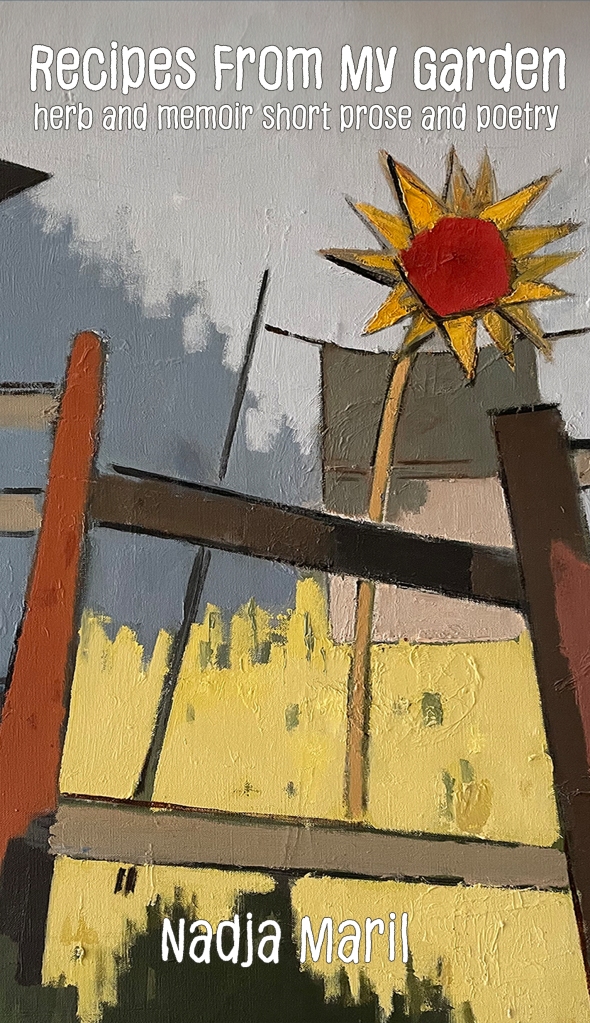
If you enjoyed this post and want to support my writing, consider purchasing my little chapbook filled with short essays and poems, RECIPES FROM MY GARDEN and check out some of my other books. Thanks again.
One of the most common questions poets ask is whether they should self-publish their work or pursue traditional publication. Unfortunately, there is no single answer that fits every writer. The best choice depends on your goals, your audience, and what you hope to achieve with your collection.
Traditional publishing offers several advantages. An established publisher may provide editing, design, distribution, and marketing support. Publication through a respected press can also carry a certain level of prestige and may help introduce your work to readers who would not otherwise discover it. The challenge, of course, is that poetry collections can be difficult to place. Many presses receive far more submissions than they can publish, and acceptance often requires patience, persistence, and a willingness to face rejection.
Self-publishing offers a different path. It gives poets complete creative control over their work, from the selection of poems to the cover design and publication timeline. Rather than waiting months or years for a response from a publisher, authors can move forward when they feel their manuscript is ready. For poets who have already built an audience through readings, workshops, social media, or literary journals, self-publishing can be an effective way to connect directly with readers.
Some poets choose a middle path by working with a partner publisher or cooperative press. In these arrangements, authors may receive professional support with editing, design, production, and distribution while maintaining a greater degree of involvement and creative control than is typical in traditional publishing. Depending on the organization, costs, responsibilities, and royalties may be shared in different ways. For poets who value both collaboration and independence, this approach can offer an appealing alternative.
Regardless of the path you choose, publishing comes with responsibilities. Self-published authors often become project managers, responsible for editing, design, formatting, distribution, and promotion. While modern publishing platforms have made it easier than ever to produce a book, producing a professional-quality collection still requires time, effort, and attention to detail.
Cost and sales expectations should also be part of the decision. Most poetry collections sell modestly, regardless of how they are published. Traditional publishing may reduce or eliminate upfront costs for the author, but royalties are often lower and advances, when offered, tend to be small. Self-publishing allows authors to retain a larger share of each sale, but they are usually responsible for expenses such as editing, cover design, and formatting. Before choosing a path, it is worth considering not only how you want to publish your collection, but also who you expect to buy it and how you plan to reach those readers.
Another factor worth considering is where you are in your writing life. Many poets who choose self-publishing or cooperative publishing are not necessarily doing so because they failed to secure a traditional contract. Often, they are at a stage where they no longer wish to spend years waiting for permission to share work that feels ready. They want to hold the book in their hands, place it in front of readers, and move on to the next project.
At the same time, younger poets sometimes underestimate the opportunities self-publishing can create. A professionally produced collection can help establish a readership, create speaking opportunities, and serve as a foundation for future publishing projects. Publishing independently does not close doors. In some cases, it opens them.
Some poets hesitate to publish independently because they worry it will make them seem less legitimate than poets associated with universities, MFA programs, or established literary presses. Those concerns are understandable. The literary world can sometimes feel hierarchical, and it is easy to conclude that certain credentials matter more than the work itself.
In reality, good poetry emerges from many places. Many wonderful poets come out of MFA programs, universities, and literary journals. Poetry has always been larger than academia.
What is also true is that many poets outside those circles sometimes feel excluded, intimidated, or invisible. It can be easy to assume that publication by a university press or admission to a prestigious program automatically makes someone a better poet.
Yet poetry’s history tells a more complicated story. Whitman wasn’t an MFA. Dickinson wasn’t an MFA. Frost wasn’t an MFA. Bukowski wasn’t an MFA. Mary Oliver wasn’t an MFA.
The truth is that poetry has many rooms. The university is one of them. It isn’t the whole house.
There is also a reality that many poets, regardless of publishing path, eventually discover: marketing is largely the poet’s responsibility. Traditional publishers can help, and some presses do far more than others, but few poetry collections succeed because a publisher does all the promotional work. Readers connect with poets who are willing to participate in readings, interviews, social media, literary events, newsletters, podcasts, and conversations about their work. Whether your collection is traditionally published, self-published, or released through a cooperative press, your willingness to help readers discover it will have a significant impact on its success.
Perhaps the most important question is this: Why do you write poetry?
If your primary goal is to secure a publishing contract, your path may look very different from someone whose goal is to share meaningful work with readers. Most poets do not begin writing because they dream of contracts, advances, or industry recognition. They write because they love language, because they have something to say, or because poetry helps them make sense of the world.
A publishing contract can be gratifying, but it is not a measure of artistic worth. Many talented poets never receive one. Publication decisions are influenced by timing, editorial preferences, market considerations, and simple luck, not talent alone. Failing to secure a traditional publishing deal does not make someone a failed poet. Likewise, receiving a publishing contract does not automatically make someone a great one. The quality of the work and the commitment behind it matter far more than the path it takes into the world.
For many poets, the goal is not to generate significant income, but to be read. We spend countless hours shaping language in the hope that a poem will connect with another human being. Whether that connection happens with ten readers or ten thousand, there is something remarkable about knowing your words have found a home in someone else’s mind.
A well-crafted collection that finds its readers is a success, regardless of the path it takes to get there. Poetry isn’t really complete until somebody reads it.
What has your experience been? Have you self-published poetry, pursued traditional publication, or explored both routes? We’d love to hear your thoughts in the comments.
Words. They fascinate me, the way some words like dust can have two very different meanings. You dust the house, removing small particles of dirt and cobwebs. You dust the cake with confectioner’s sugar making it sweet.
The word weather has two opposite meanings as a verb. The new wood shingles on the house will look better when they weather and turn a soft natural gray. Or used differently you could write, When the next hurricane arrives, I’m not sure if we can weather the storm. As a noun, the meaning of weather is constant. The noun describes meteorological conditions. Nice fall weather we’re having.
Applying Word Meanings to Getting Published
Every Monday when I read the updated lists of publishing opportunities in literary magazines, I read theme call-outs that generally consist of one word. Write to the theme, they ask, but sometimes that word can be open to wide interpretation. However, that’s the job of a creative writer; to put our own perspective into our poems and stories.
I read the word dirt and I might picture a pile of soil or imagine filth within a house or think instead of scandalous information about a crooked politician. Playing in the dirt making mudpies can be a joyful experience for a child whereas cleaning away mounds of accumulated filth a tedious chore. The diverse interpretations of how we interpret words can be what makes a collection of writing interesting.
The diverse interpretations of how we interpret words can be what makes a collection of writing interesting.
So, I was surprised when a friend told me their spouse had purchased my new book (Recipes From My Garden; herb and memoir short prose and poetry) and with the cold weather coming, they were planning on trying out some of my recipes.
i’d written a book of prose poems and memoir and my friend thought I’d just published a cookbook!
How Word Choice for Your Title Affects Marketing
Recipes. Yes, the word can mean instructions on food preparation, ie try my recipe for chicken soup, but it can also mean a way or approach to doing things. You might say I’ve got the recipe for a successful children’s birthday party, one adult for every child. Or on the opposite end of the spectrum, you might hear about a class trip to the amusement park with no parent chaperones and say, That’s a recipe for disaster.
I thought I was being clever when I chose the title to my little chapbook. I imagined that readers seeing the words memoir, prose, and poetry would understand the book’s double meaning. It does contain a few actual recipes and many references to food and kitchen gardens, but primarily I was thinking of the word recipe as a way or approach of doing things. As memoir, the usage becomes personal. As a poet, I’m sharing how I see the world, starting specifically with what is accessible to me: the sunflowers, tomatoes, a walk on the beach.
The good news for me is if there is any doubt, the silver lining is people do talk about what they read and like. But if you are new to thie site and you are just reading about my chapbook for the very first time, I also have a book trailer. My talented publishers were able to use some of the video my husband took of our giant sunflowers along with old family photographs and more recent ones to create a wonderful book trailer. You can watch by clicking on the link: https://youtu.be/HxmwOx3-_QY
And going with the theme of the multiple meanings of words, here is a word WRITING PROMPT
To get you started I have chosen a few ambiguous words: long, cleave, bar, and duck. Select a word, choose a meaning, and start writing a scene. Take the word and use it with an alternate meaning. How many different ways can you use the same word and shade the meaning in different ways? Try using the word in a poem and play with the multiple meanings. Have fun.
Thank You for reading! To read more of my work sign up for FREE to follow me on WordPress, Substack or Medium and visit my website at www.Nadjamaril.com.
Don’r forget to follow Old Scratch Press on Facebook and on WordPress.
Published by Nadja Maril
Nadja Maril’s prose and poetry has been published in literary magazines that include Change Seven, Lunch Ticket, Thin Air, and The Compressed Journal of Creative Arts. She is the author of Recipes From My Garden, a chapbook published by Old Scratch Press that includes both poetry and creative nonfiction prose. Author of two children’s books illustrated with paintings by her father Herman Maril, as well as Who IS Santa? for which she did her own illustrations, Nadja is also the author of two reference books on antique American Lighting, published by Schiffer. A former journalist and magazine editor, Nadja has an MFA in Creative Writing from the Stonecoast Program at the University of Southern Maine. To read more of her work and follow her weekly blog posts, visit Nadjamaril.com https://nadjamaril.com/ View more posts
by Nadja Maril, a founding member of Old Scratch Press Collective
A few months ago, I read a book purely for escapism, a cozy mystery populated by Jane Austen Characters entitled The Murder of Mr. Wickham by Claudia Gray. I didn’t have to think too hard as I’d already met: Fitzwilliam and Elizabeth Darcy, Marianne and Colonel Brandon, Anne and Frederick Wentworth, and Fanny and Edmund Bertram. Already familiar with the English country homes so well described in my favorite Jane Austen Novels: Emma, Persuasion, Mansfield Park, Pride and Prejudice, Sense and Sensibility, Northanger Abbey, I merely had to get to know the two new characters Jonathan Darcy (son of Fitzwilliam and Elizabeth) and Juliet Tilney ( daughter of Northanger Abbey’s Catherine and Henry) who team up together to solve the murder.
Combine characters created by other authors with AI (artificial intelligence) and we stand on shaky territory.
What is it that makes human writing truly unique ?
The novel started me thinking about where writers find inspiration, because certainly this particular set-up would theoretically be the perfect candidate for an AI (artificial intelligence) generated book. A good portion of the plot of The Murder of Mr. Wickham relies on tropes and scenes frequently present in other Jane Austen books.
As to be anticipated, in this cross between an Agatha Christie whodonit and a Jane Austen novel, we have a series of misunderstandings between couples, friends and romantic prospects as well as a grand ball, a visit by the gentry to the village where they are shunned, a church scene with more snubbing, and conflicts that center on income and social class. While I was curious to find out the identity of the murderer, with so many characters possessing motive, I found myself more interested in the potential for a romance to develop between Jonathan and Juliet.
Is picking up ready-made characters cheating? Certainly, the use of characters who have already proven themselves to be favorites among readers, give a writer an advantage when looking to find a publisher. What is the difference from taking a character or storyline from the Bible or a popular fairytale vs. taking a fictional character such as Sherlock Holmes or Sir Lancelot casting them in the starring role of your next short story or novel.
Folktales and Myths provide plenty of ideas for new versions of old stories. Photo by RDNE Stock project on Pexels.com
One thing I’ve noticed is the different ways a popular character can be used. Minor characters in a well-known fairy tale, perhaps one of the step-sisters in Cinderella may have a very different take on why Cinderella was not allowed to go to the ball. The Genie locked inside a bottle could probably tell a series of funny stories about badly chosen wishes. In the Broadway hit musical “Wicked,” partially adapted from the 1995 Gregory Maguire novel Wicked: The Life and Times of the Wicked Witch of the West, Glinda is not the spotless white witch she purports herself to be when one hears the tale from Elphaba’s prospective.
Anything that spurs new ideas is fair game, as long as borrowing a character or a plot is not plagiarism. The plot or the characters must have evolved and changed. The characters themselves must be unique (not duplicates of another author) and not protected by copyright rules.
As a general rule, for works created after January 1, 1978, copyright protection lasts for the life of the author plus an additional 70 years.
Thus, favorite characters such as the Harry Potter gang, are relegated to fan fiction only, meaning the work is “unauthorized” and cannot be used for monetary return.
Taking inspiration from classics can be a creative endeavor if not taken up by computers. It can make a great writing prompt.
You can use this prompt to write short stories and poetry, material that would be appropriate for a chapbook as well as specialized literary magazines.
Maybe Goldilocksbrings three bowls of Creme Brulee to the bears as a peace offering. Photo by Gerardo Manzano on Pexels.com
WRITING PROMPT
Think of a favorite folk/fairy tale such as The Three Bears. What if Goldilocks had the opportunity to apologize for her rude intrusion into the Bear’s Cottage. Imagine and write down what might happen. If the men who pretended to sell invisible cloth to the emperor were to tell the story of The Emperor’s New Clothes, would they tell it differently than the traditional fairy tale? Try different approaches. Have fun.
Thank you for reading. Please sign up to follow Old Scratch Press here on WordPress and on Facebook.
Nadja Maril is an award winning writer and poet who has been published in dozens of online and print literary journals and anthologies including: Lunch Ticket, Spry Literary Journal, Invisible City Literary Review, Instant Noodles and The Journal of Compressed Creative Arts. She is the author of Recipes From My Garden, published by Old Scratch Press (September 2024), a Midwest Review California Book Watch Reviewer's Choice. An Anne Arundel County Arts Council Literary Arts Award winner, her work has been nominated for the Pushcart Prize and The Best of the Net. She has an MFA in creative writing from Stonecoast at USM.
Check out Nadja's chapbook of flash memoir and poetry below.
Perhaps it was the illustrations that captivated me when I’d pour through the fairytale books, the dragons and the princesses with long gowns and tresses, but of all the picture books in my room when I was a young child, I liked the fairytales the best.
I can still remember many of those books, the way they looked with their ornate borders and their detailed portraits of the handsome Puss N’ Boots or the angry face of Rumpelstiltskin as he stamps hard enough to crash through a floor and into oblivion. Styles evolve and change, and the animated images of the Walt Disney studios who’ve popularized many fairy tales by converting them into cartoon movies, don’t have the same depth of detail as those old illustrations. I love the old woodcut and color plate illustrations, but many contemporary artists add new magic and perspective to an old story. When you read a fairytale or any story for that matter, the possibilities for elaboration are endless.
“Happily Ever After” isn’t always the case in some of the Hans Christian Anderson Tales, such as “The Red Shoes” and “The Little Mermaid.” But as fairy tales have been told and retold so many times, multiple versions circulate. Children today probably have no idea that the original “Little Mermaid” is a tragic story of desire and loss. The little mermaid was unable to permanently become a human. Her attempts at transformation cause her to lose her life as a mermaid. What remains, is her hope that one day she’ll become part of the eternal universe.
In the hands of the Disney writing team, however, “The Little Mermaid,” became a story about family conflict, friendship, love, and fulfillment. The result is a story with a happy ending.
What story would you like to write?
But that’s okay, because fairy tales are part of our oral tradition and why not use the familiar tropes from our childhood as building blocks to create new stories or retell old ones. I think it is important to remember and learn from what went before. However, the stories of our lives keep evolving. So, what story would you like to tell?
To get you started, I’m sharing the work of several writers who were and still are inspired by fairy tales.
Many poetry enthusiasts will probably be familiar with the poem “Goblin Market “by Victorian era British poet Christina Rossetti(1830-1894). It utilizes the folklore of goblins to set the scene with lines like these:
"Pricking up her golden head:
"We must not look at goblin men
We must not buy their fruits:
Who knows upon what soil they fed
Their hungry thirsty roots?”
“Come buy,” call the goblins
Hobbling down the glen."
To read the entire poem and learn more about Christina Rossetti, click here.
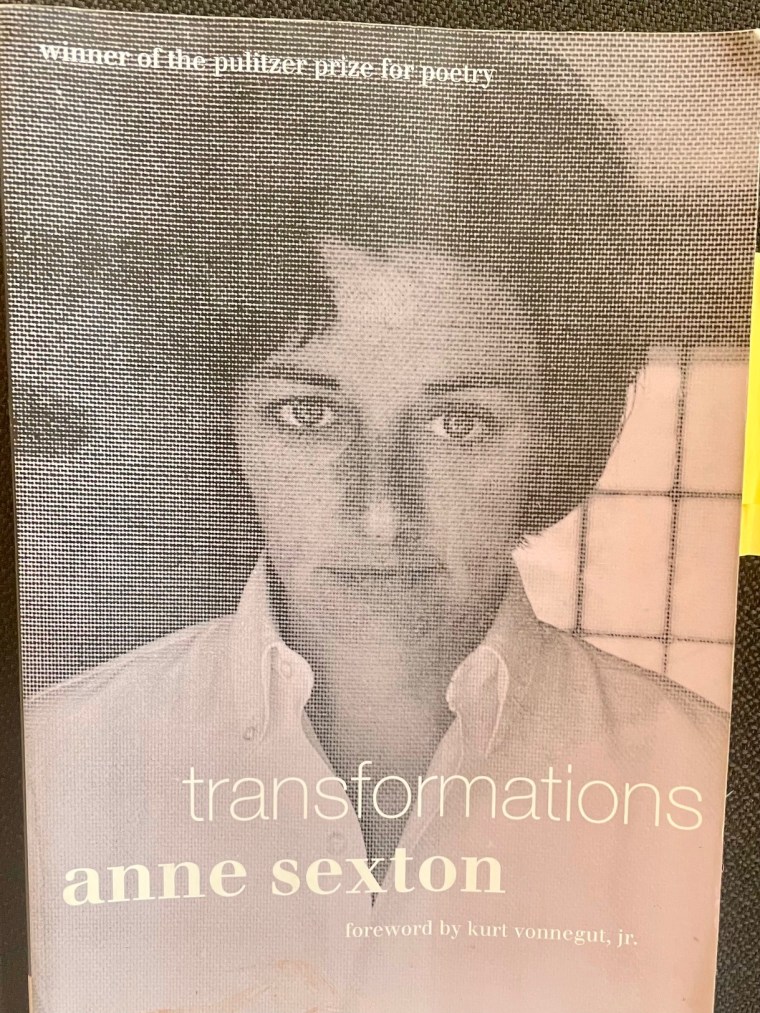
Another writer, Anne Sexton (1928-1974) took fairy tales as a launching point to reimagine social norms.
American poet Anne Sexton is considered a pivotal figure in the confessional poetry movement that emerged in the mid-20th century. Her work holds nothing back as it shares her personal struggles. Themes she explores include: mental illness, sexuality, and the complexities of womanhood. Her poetry collection Transformations contains seventeen poems inspired by Grimm Fairy Tales, that include Red Riding Hood, Rapunzel and CInderella, that challenged the prevailing norms of her times. I highly recommend adding this volume of poetry, the contents of which are unavailable online, to your library.
“The Cinder Girl Burns Brightly” by Theodora Goss is a different take on the Cinderella fairytale, told in poetry. Hungarian American author Theodora Goss (1968–) is a prolific author of novels, short stories, poetry and essays, and more of her work can be accessed at this link.
And finally I share a short story by American writer Michael Cunningham, famous for his novel The Hours, this little story, Wild Swan is inspired by the Hans Christian Anderson fairytale “The Wild Swans.” Brilliantly he takes the premise of the original story and creates an alternate re-telling set in modern times that focuses on one of the enchanted princes.
Need a writing prompt? Just read a favorite fairytale and think about how you’d like to retell it differently or take just one character or element and spin it into a poem or story.
Thank you for reading. Please sign up to follow Old Scratch Press here on WordPress and on Facebook.
Nadja Maril is an award winning writer and poet who has been published in dozens of online and print literary journals and anthologies including: Lunch Ticket, Spry Literary Journal, Invisible City Literary Review, Instant Noodles and The Journal of Compressed Creative Arts. She is the author of Recipes From My Garden, published by Old Scratch Press (September 2024), a Midwest Review California Book Watch Reviewer's Choice. An Anne Arundel County Arts Council Literary Arts Award winner, her work has been nominated for the Pushcart Prize and The Best of the Net. She has an MFA in creative writing from Stonecoast at USM.
Before you read this you’ll want to check out the NEW issue of Instant Noodles Literary Magazine which has some excellent examples of creative nonfiction along with poetry, short stories and eye catching artwork.https://instantnoodleslitmag.com/
Now let’s talk a little about CNF.
In my previous profession as an antiques dealer, I came across many 18th and 19th century journals and often the most remarkable thing about them was their impeccable penmanship.
Nowadays the word journaling connotes the writing of innermost thoughts; but often the journals I encountered contained lists of items purchased and/or a record of weather events. If someone did write down deep and personal information, they hadn’t left it behind to be found by a stranger.
In the 20th century it was fashionable to keep a “diary” and diaries came with locks and keys. Many stories have been told about a diary being read by a parent or a diary falling into the wrong hands. The locked diary contained things not meant to be shared.
Whatever was written in a journal or diary was someone’s truth.
Gradually a shift in what can be shared and what must be kept secret occurred. True stories, nonfiction, became popular fodder for books, movies, and television series. We are intrigued by the unbelievable. In literature, the memoir that thoughtfully reveals the life of the author is celebrated.
Creative nonfiction is a writing genre that can be tricky to define. Based on a true event, the creative designation, indicates the importance of artistry. The writer seeks to use their craft to convey a feeling, a fear, a triumph, a predicament they personally experienced or witnessed.
Often creative nonfiction and poetry cross paths. A poem can be inspired by a witnessed event or experience, and therefore some might call it creative nonfiction. A flash creative nonfiction story with rhyme, alliteration, and rhythmic sentences could be categorized by some as a prose poem.
Here is an example for you to ponder, a prose poem by American poet Amy Lowell.
Bath
By Amy Lowell (1874-1925)
The day is fresh-washed and fair, and there is a smell of tulips and narcissus in the air. The sunshine pours in at the bath-room window and bores through the water in the bath-tub in lathes and planes of greenish-white. It cleaves the water into flaws like a jewel, and cracks it to bright light. Little spots of sunshine lie on the surface of the water and dance, dance, and their reflections wobble deliciously over the ceiling; a stir of my finger sets them whirring, reeling. I move a foot and the planes of light in the water jar. I lie back and laugh, and let the green-white water, the sun-flawed beryl water, flow over me. The day is almost too bright to bear, the green water covers me from the too bright day. I will lie here awhile and play with the water and the sun spots. The sky is blue and high. A crow flaps by the window, and there is a whiff of tulips and narcissus in the air.
***
Each person’s perception of what they witnessed is slightly different. Then the question shifts to how much is fact and how much is fiction. Has the story has been changed to suit the storyteller? In the telling and the writing, the emphasis of what was important may shift. Once again, this can be the result of artistic interpretation.
The process of writing creative nonfiction has me returning to it again and again. Pure fiction has its own joys, but creative nonfiction provides an opportunity for personal discovery. Why do i remember an event a certain way, I ask myself, while someone else remembers it differently? Maybe that tells me something about myself.
The best way to develop an appreciation for creative nonfiction is to read it.
Thank you for reading this post and visiting the Old Scratch Press Blog. This Sunday, August 3rd. from 2:00 to 5:00 p.m., several members of the Old Scratch Press Team are participating in an international Poetry Reading, Blot of Blue
And you can attend online. Here is the information and invitation.
By Nadja Maril, a founding member of the Old Scratch Short Form and Poetry Collective.
Summer and reading go hand in hand. You go on vacation and take along a stack of all those books you’ve been meaning to read.
Sometimes, for me I have to confess I’m actually listening instead of turning pages.( Did you know that most of the books published by Old Scratch Press are available as audio books as well as ebooks?) Half of the books I enjoy these days are recorded books because I can listen and do various chores at the same time.
I can also eat lunch and be entertained by a book without smearing avocado or salad dressing on its pages.
And then if I really love the book, or just want to see it laid out on the page, I get a physical copy from the library and enjoy it again.
I try really hard not to read books by the same authors, so I can introduce myself to new voices. However, I couldn’t resist downloading Ann Patchett’s latest novel, Tom Lake, because I was curious about what it had to do with cherry orchards. The audio version is narrated by Meryl Streep. What a treat.
I’m a Meryl Streep fan and the narrator and protagonist of Tom Lake, the novel is a former actress. True, she is a different kind of actress, “a natural”, as she reveals in her story telling, unlike Streep who has portrayed a wide range of characters, but the protagonist has performed on stage and screen nevertheless. Streep does an impeccable job
What I truly want to recommend about the novel is its construction. So, writers, and aspiring writers pay attention. Not only does Patchett incorporate unpredictable twists and turns into the storyline, but she skillfully interweaves past and present.
The present setting is a farm near Traverse City Michigan during the Covid Pandemic. The past setting, that jumps back and forth into the storyline, is a summer stock theater also in Northern Michigan called Tom Lake. Part of the fun of this story is the gradual reveal of how present and past fit together.
I highly dislike predictable plotlines. Thus, I shout the praises for a novel that continued to surprise me to the very last page.
If you are a writer, continuing. on the journey of further refining your craft, you may be interested in the upcoming opportunity to join the Old Scratch Press Writing Collective or the opportunity to become published in Instant Noodles Literary Review.The Collective applications are available here and the deadline is closing soon.
The next theme subject for the Holiday/Winter Issue of Instant Noodles is Gravy.Write a true story, a poem or a piece of fiction related to Gravy. Keep it short. We prefer prose that is less than 500 words in length.
Back to my thoughts on the novel Tom Lake and not wanting to give any spoilers, I’m going to provide a WRITING PROMPT instead:
IMAGINE your very first boyfriend or girlfriend, remember what they were like to be with and then write about what attracted you to them, what you admired. Now, write about their flaws.
Take a break. Maybe wait an hour or a day. Then imagine yourself with that person and what your life would be like. The third part to this writing assignment is to first think about what you would tell that person, if you had the opportunity, write them something—a letter, an essay, a poem—whatever genre form you choose. Do you have things you’d like to apologize about, or explain, or share?
Maybe this exercise will give you an idea for a story. Maybe not, but I guarantee you’ll learn something about yourself.
THANK YOU for reading. If you haven’t already signed up (it’s free!), please follow me on WordPress. Medium or Substack and visit my website Nadjamaril.com to read more of my work.
Nadja Maril is an award winning writer and poet who has been published in dozens of online and print literary journals and anthologies including: Lunch Ticket, Spry Literary Journal, Invisible City Literary Review, Instant Noodles and The Journal of Compressed Creative Arts. She is the author of Recipes From My Garden, published by Old Scratch Press (September 2024), a Midwest Review California Book Watch Reviewer’s Choice. An Anne Arundel County Arts Council Literary Arts Award winner, her work has been nominated for the Pushcart Prize and The Best of the Net. She has an MFA in creative writing from Stonecoast at USM.