By Nadja Maril, a founding member of the Old Scratch Press
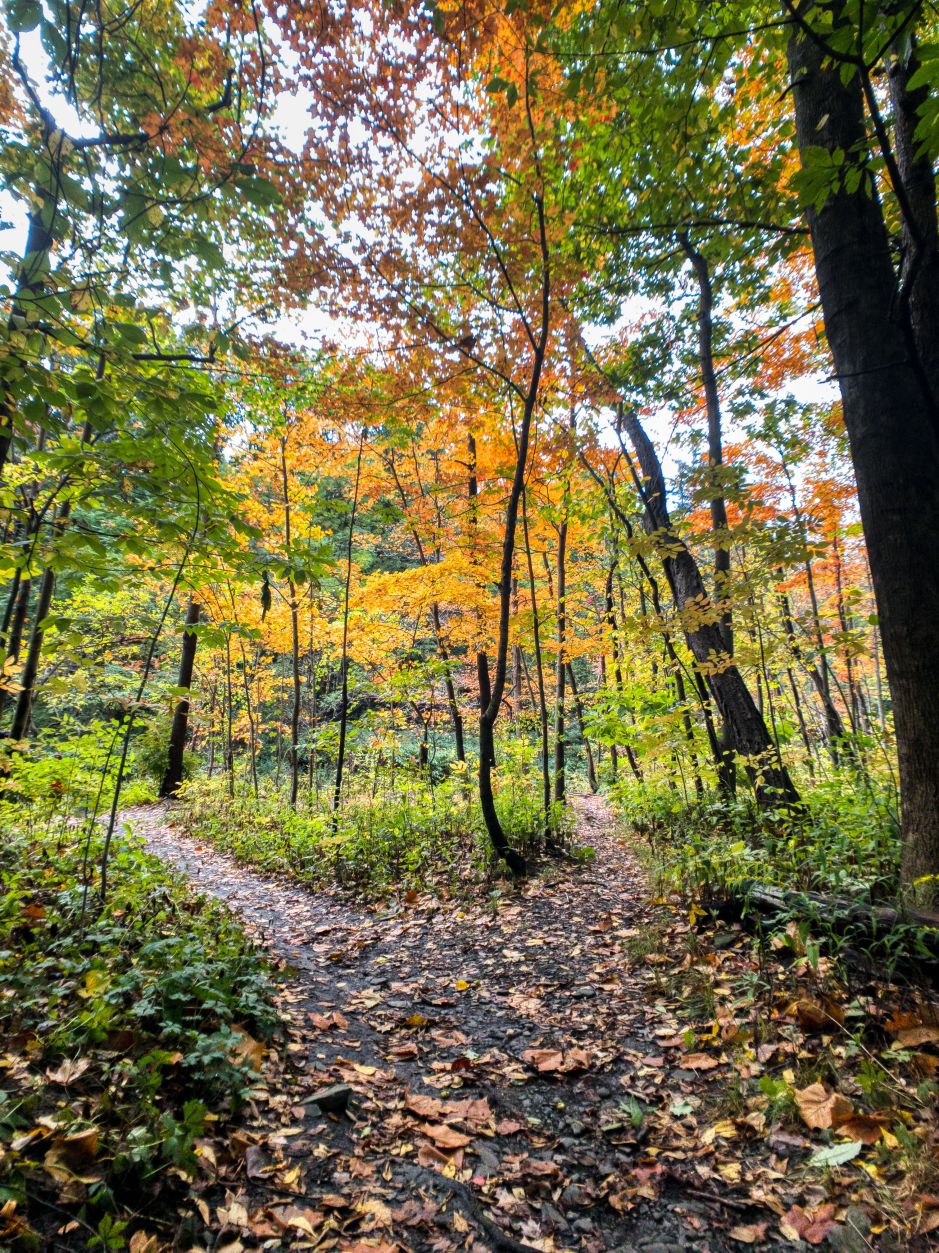
It’s October, the month of the harvest when the leaves turn vivid shades of red, orange and yellow before falling to the ground. Scores of literary publications have call-outs for scary stories to mark the Halloween season.
The celebration, from which Our Halloween evolved, is the Gaelic holiday Samhain. During Samhain, the curtain between the living and the dead was lifted for one night. Dressed as ghosts, people celebrating what became known as Halloween would go door-to-door to ask for food. Trick or Treat.
Scary is the goal. The carving of malevolent faces into pumpkins and the display of anything creepy outside your home was intended to calm the ghosts roaming the earth on October 31st. The creepier the better.
When it comes to submissions, many magazines including our own Instant Noodles Literary Magazine prize brevity. IF submission guidelines ask for stories less than 500 words, keep your submission below or as close to 500 words as possible. A short piece of fiction or nonfiction, should still be powerful and compelling to read.
Begin close to or with action. In a short piece you don’t have time for backstory.
Write about one event, something simple but telling.
Limit your characters. In a short piece there is no time for character development and too many characters will confuse the reader. Stay focused.
Cut the adverbs. Look for all the words that end in “ly” such as slowly or carefully or quickly. You don’t need them. Choose a descriptive verb instead.
Eliminate any filler words such as: just, almost, really, but.
If you’d like to read an example of a good piece of micro fiction, here is the link to the story that won the Fractured Fiction 2025 Micro Fiction prize. “No Voltage on a Quiet Road” by Maxwell Orsen.
WRITING PROMPT: Think of a scene where something is about to change. A storm is coming. A thief is about to grab your protagonist’s wallet. How does the main character react? Are they changed by the experience? What made this situation explosive? What did they feel at the time? What were they thinking about?
At Instant Noodles Literary Magazine we are still reading submissions, but our “In Box” of fiction is getting full. Ditto for our poetry submissions. There is more room in the Creative Nonfiction category. To increase your odds of being published, I’ve put together a list of five more magazines you may want to consider submitting to via Duosoma this month. https://duotrope.com/duosuma/ You can go directly to the Duosoma website to look for opportunities, but I recommend reading the magazines first to see if the writing they publish is writing you admire.
Orion’s Belt (Literary speculative fiction: reading poetry, flash and micro fiction).
If your work is repeatedly rejected, consider revising. Read it out loud sentence by sentence. Does each sentence provide action, description or surprise?
By Nadja Maril, a founding member of Old Scratch Press Poetry and Short Form Collective
Before humans had pen and paper, or stone and chisel, they had their voices. The oral tradition of storytelling goes back to the days preceding recorded history. Repetition and rhyme aid memory. In many cultures, the story becomes a poem or a song.
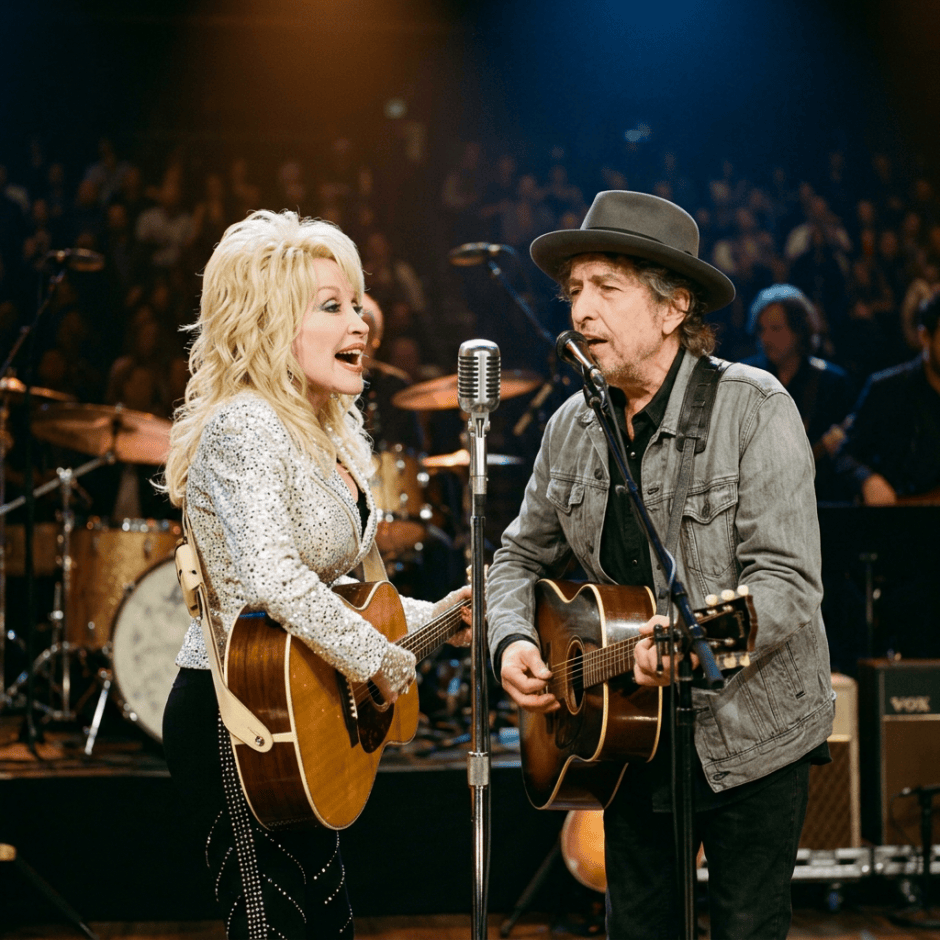
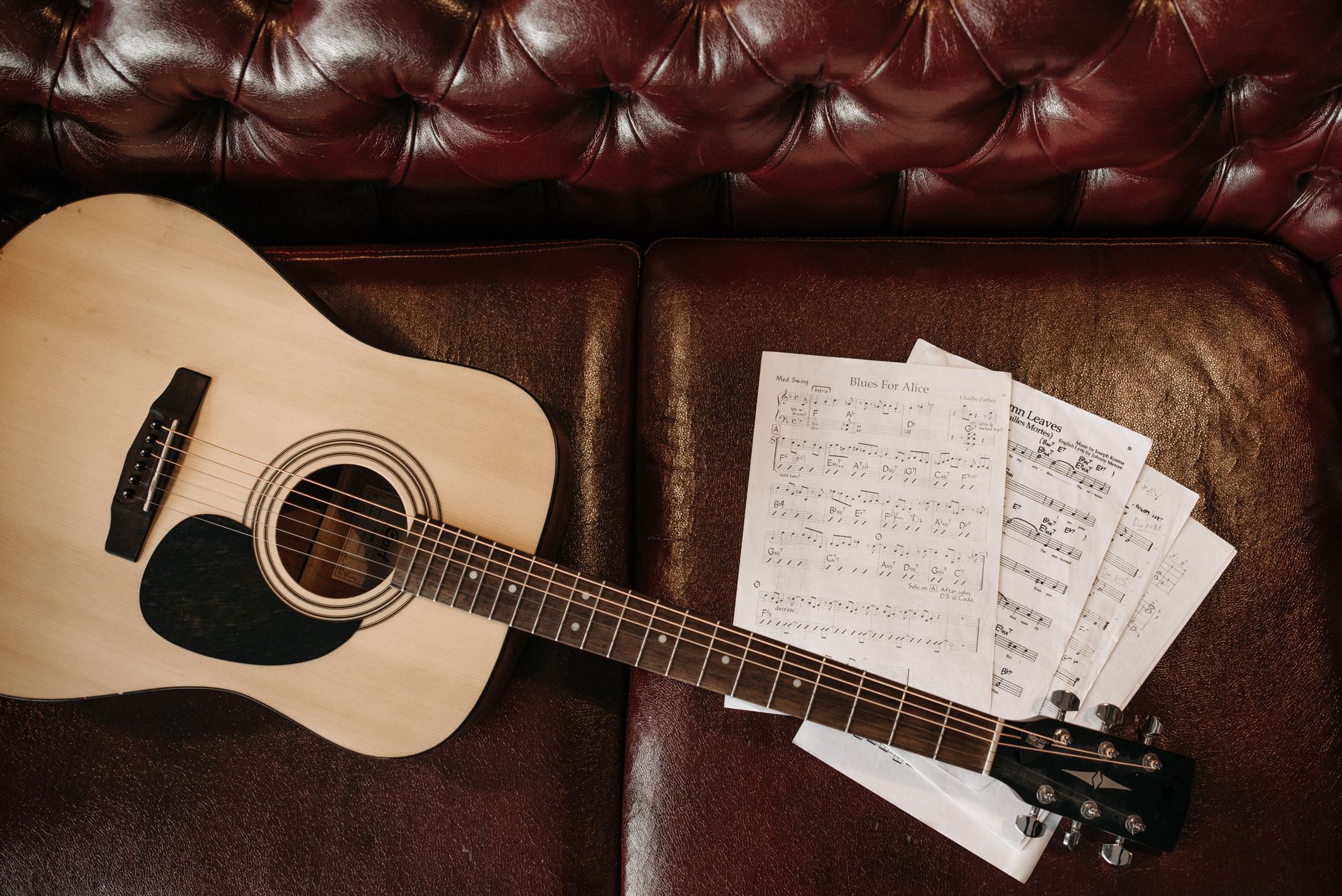
I was thinking about this as I mourned the death of Dolly Parton. Not only was she an extraordinary performer and philanthropist, she wrote over 3000 original songs. Many of her songs, were inspired by her life experiences. Her song, “Coat of Many Colors” is really a mini memoir that shares a part of her early childhood.
The best creative nonfiction is written with honesty. Intuitively the reader can sense when the writer is inventing or exaggerating truth. Dolly Parton’s work comes across as genuine. I wrote in my personal blog about her authenticity as a human being. For the Old Scratch Press platform I’d like to further explore the art of songwriting.
In “Light of a Clear Blue Morning,” she shares her resolve that professionally following a path, minus her mentor Porter Wagner, is the right choice for her performance career. Listen to the first two lines of the chorus “Cause I can see the light of a clear blue morning/ I can see the light of a brand-new day’ https://genius.com/Dolly-parton-light-of-a-clear-blue-morning-lyrics
Dolly is not the only great American Songwriter. I would be remiss if I didn’t give some space to Bob Dylan, another legend. In 2016 the Nobel Prize Committee broke convention by awarding the Literature Prize to Bob Dylan for “for having created new poetic expressions within the great American song tradition.” Yes, songs are poems. Here is a link to the complete speech.
It’s hard to know where to begin when sharing which Bob Dylan song is my favorite. The first one I learned when I started playing the guitar was “Blowing in the Wind.” The song that always brings tears to my eyes is, “Forever Young” and the one I find particularly nostalgic is “If You See Her, Say Hello.”
Before I ever started writing poetry, I was writing little songs inside my head because that’s what all toddlers do. I am not unique. I just remember.
If you are having difficulty writing a line or a sentence, try saying it aloud as a chant. Maybe you hear it accompanied by music. Maybe you don’t. Not every songwriter has a voice meant for performing, but the act of saying/singing/chanting phrases can provide a new approach to your creative journey. It’s worth a try. Writing includes experimentation.
One of the most common questions poets ask is whether they should self-publish their work or pursue traditional publication. Unfortunately, there is no single answer that fits every writer. The best choice depends on your goals, your audience, and what you hope to achieve with your collection.
Traditional publishing offers several advantages. An established publisher may provide editing, design, distribution, and marketing support. Publication through a respected press can also carry a certain level of prestige and may help introduce your work to readers who would not otherwise discover it. The challenge, of course, is that poetry collections can be difficult to place. Many presses receive far more submissions than they can publish, and acceptance often requires patience, persistence, and a willingness to face rejection.
Self-publishing offers a different path. It gives poets complete creative control over their work, from the selection of poems to the cover design and publication timeline. Rather than waiting months or years for a response from a publisher, authors can move forward when they feel their manuscript is ready. For poets who have already built an audience through readings, workshops, social media, or literary journals, self-publishing can be an effective way to connect directly with readers.
Some poets choose a middle path by working with a partner publisher or cooperative press. In these arrangements, authors may receive professional support with editing, design, production, and distribution while maintaining a greater degree of involvement and creative control than is typical in traditional publishing. Depending on the organization, costs, responsibilities, and royalties may be shared in different ways. For poets who value both collaboration and independence, this approach can offer an appealing alternative.
Regardless of the path you choose, publishing comes with responsibilities. Self-published authors often become project managers, responsible for editing, design, formatting, distribution, and promotion. While modern publishing platforms have made it easier than ever to produce a book, producing a professional-quality collection still requires time, effort, and attention to detail.
Cost and sales expectations should also be part of the decision. Most poetry collections sell modestly, regardless of how they are published. Traditional publishing may reduce or eliminate upfront costs for the author, but royalties are often lower and advances, when offered, tend to be small. Self-publishing allows authors to retain a larger share of each sale, but they are usually responsible for expenses such as editing, cover design, and formatting. Before choosing a path, it is worth considering not only how you want to publish your collection, but also who you expect to buy it and how you plan to reach those readers.
Another factor worth considering is where you are in your writing life. Many poets who choose self-publishing or cooperative publishing are not necessarily doing so because they failed to secure a traditional contract. Often, they are at a stage where they no longer wish to spend years waiting for permission to share work that feels ready. They want to hold the book in their hands, place it in front of readers, and move on to the next project.
At the same time, younger poets sometimes underestimate the opportunities self-publishing can create. A professionally produced collection can help establish a readership, create speaking opportunities, and serve as a foundation for future publishing projects. Publishing independently does not close doors. In some cases, it opens them.
Some poets hesitate to publish independently because they worry it will make them seem less legitimate than poets associated with universities, MFA programs, or established literary presses. Those concerns are understandable. The literary world can sometimes feel hierarchical, and it is easy to conclude that certain credentials matter more than the work itself.
In reality, good poetry emerges from many places. Many wonderful poets come out of MFA programs, universities, and literary journals. Poetry has always been larger than academia.
What is also true is that many poets outside those circles sometimes feel excluded, intimidated, or invisible. It can be easy to assume that publication by a university press or admission to a prestigious program automatically makes someone a better poet.
Yet poetry’s history tells a more complicated story. Whitman wasn’t an MFA. Dickinson wasn’t an MFA. Frost wasn’t an MFA. Bukowski wasn’t an MFA. Mary Oliver wasn’t an MFA.
The truth is that poetry has many rooms. The university is one of them. It isn’t the whole house.
There is also a reality that many poets, regardless of publishing path, eventually discover: marketing is largely the poet’s responsibility. Traditional publishers can help, and some presses do far more than others, but few poetry collections succeed because a publisher does all the promotional work. Readers connect with poets who are willing to participate in readings, interviews, social media, literary events, newsletters, podcasts, and conversations about their work. Whether your collection is traditionally published, self-published, or released through a cooperative press, your willingness to help readers discover it will have a significant impact on its success.
Perhaps the most important question is this: Why do you write poetry?
If your primary goal is to secure a publishing contract, your path may look very different from someone whose goal is to share meaningful work with readers. Most poets do not begin writing because they dream of contracts, advances, or industry recognition. They write because they love language, because they have something to say, or because poetry helps them make sense of the world.
A publishing contract can be gratifying, but it is not a measure of artistic worth. Many talented poets never receive one. Publication decisions are influenced by timing, editorial preferences, market considerations, and simple luck, not talent alone. Failing to secure a traditional publishing deal does not make someone a failed poet. Likewise, receiving a publishing contract does not automatically make someone a great one. The quality of the work and the commitment behind it matter far more than the path it takes into the world.
For many poets, the goal is not to generate significant income, but to be read. We spend countless hours shaping language in the hope that a poem will connect with another human being. Whether that connection happens with ten readers or ten thousand, there is something remarkable about knowing your words have found a home in someone else’s mind.
A well-crafted collection that finds its readers is a success, regardless of the path it takes to get there. Poetry isn’t really complete until somebody reads it.
What has your experience been? Have you self-published poetry, pursued traditional publication, or explored both routes? We’d love to hear your thoughts in the comments.
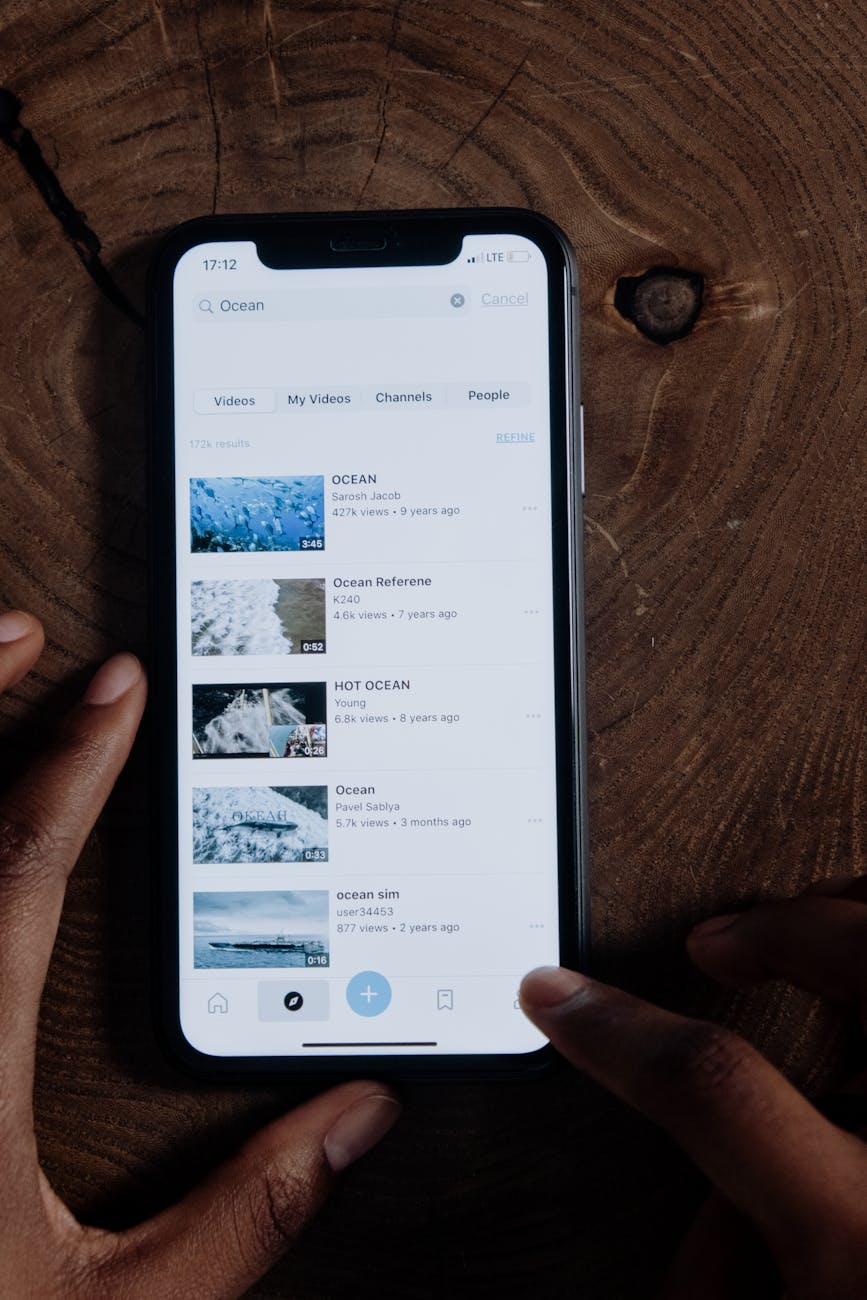
You’re looking for something to read and you go online and start googling. You enter words that describe what you find entertaining.
This is what editors and publishers do when they solicit submissions by selecting a theme. They try to narrow the number and types of submissions to zero in on what they’re seeking, based on what they think their readers will enjoy.
They choose a word, WATER, for example, and they announce their next issue theme will be WATER. Or maybe they choose a more specific description such as CHILDHOOD MEMORIES ABOUT BASEBALL. They request that writers submit pieces specifically related to the theme. If you send something outside the theme, it will be automatically rejected
Seize the Opportunity
The call out can be very specific. For example, this month Screams and Wails Anthology( deadline 2/28/2026) Screams and Wails Anthology is looking for “Horror stories with music or music culture as a predominant theme.”
A part of you may be thinking, I love the music scene but I don’t write horror stories. Or maybe you write horror stories but you have very little inside information on music culture. Are you going to give up that easily? A call out for a specific theme narrows the competition, if you are willing to do the homework. Plus, you may learn something new and have fun.
is looking for submissions for Volume 18 for their “Gather ‘Round Children—a special issue celebrating oral-tradition poetry and the timeless power of stories carried by the human voice. Specifically they ask for poems that “feel as if they could be shared around a fire: lyrical, narrative, rooted in memory or myth, and crafted to live strongly on the page.”
Maybe you do not consider yourself a poet but you love to sing to your children. Perhaps this call-out might inspire you to try writing a poem that you imagine as a song.
Is looking for stories, essays and poems that associate with the theme Habits. The Editor’s tip: Habits are things you do the same way every time, usually with the hope of a positive outcome.
We all have habits. Some we do to make us healthier, for example, I take a walk each morning. What is a habit you’d enjoy writing about? As a bonus you could write about someone else’s habit that you admire and your poem or could be a special gift to them, even if it doesn’t get published.
Taking a walk each morning is a habit you might want to write about.
is putting together an anthology of short stories and the theme is Splash. The word splash provides a good deal of latitude. I can think of stories related to swimming, waterfalls, and jumping into puddles as well as the use of the word as a term for making an impressive and immediate impact. If you enjoy word puzzles, the challenge of all the different ways the word Splash can be used should yield impressive results.
has a theme call out: Planes, Boats, Cars, Trains. The request is for poems, short essays, memoir and fiction (under 500 words). The pieces are for publication online in Issue One of Volume 6 (Deadline 3/15/2026). The ideas one could conceive of that one could submit are fairly wide ranging. So if you are a writer, how are you going to make you piece of writing stand out from the crowd?
As one of the editors on the project, I thought I’d share what attracted me to this particular theme.
Most humans live a fairly frenetic life, often on the move. In the famous ancient Greek stories surrounding Oedipus, he is asked a riddle by the sphinx in exchange for safe passage and his life, “Who walks on four legs in the morning, two legs at noon and three feet in the evening? The answer “Man” has humans crawling as babies in the morning, walking on two legs as adults and needing a cane ( the 3rd leg) in the evening. Mankind is always on the go. If not walking, we’re in the car, on a train, plane, or boat. (Feel free to include buses, helicopters, and subways).
Many of the best stories and poems involve getting from point A to point B via a car, train, boat, or plane. Are you up to the challenge? LET’S START WRITING….
WRITING PROMPT
Planes, Boats, Cars, Trains
Looking out the window, inside at the passengers or thinking about something? What happens when you’re on the move?
Interesting things can happen when you’re on the move and in a confined space. Plenty of murder mysteries take place on a boat or a train. The number of passengers are limited and there are places to hide.
The passenger looks out a window and see images that may bring joy or dread. They may be stuck sitting next to a stranger they find fascinating or an acquaintance they’d prefer to avoid. Create a scene, write down a memory, convey your feelings about a brief journey.
Then think: What if? What happens if the protagonist has lost their ticket or the car breaks down? Maybe it happened, Maybe you’re imagining it happening.
Here’s the hard part. Make it short. Every word should count. Read what you’ve written out loud. Each phrase/ and/or sentence should provide something essential. Whatever you can eliminate, start crossing stuff out.
Read it again. Let it sit for a week. Do another revision and make certain whatever and whenever you submit to Instant Noodles Literary Magazine or any other publication, you have carefully reviewed your work and it is ready for publication. Check over carefully for grammar, spelling, and punctuation errors.
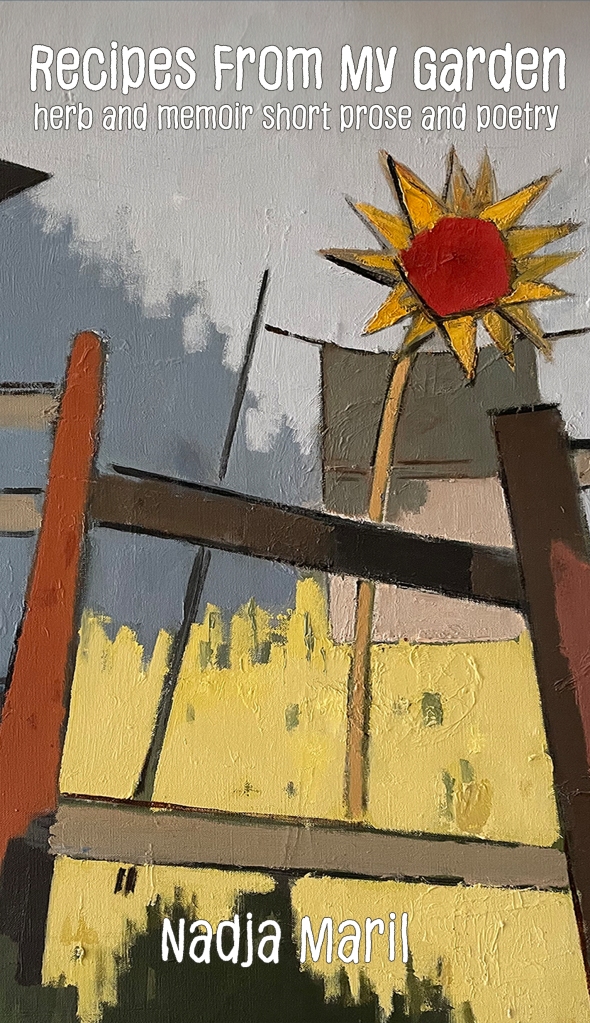
Nadja Maril is an award winning writer and poet who has been published in dozens of online and print literary journals and anthologies including: Lunch Ticket, Spry Literary Journal, Invisible City Literary Review, Instant Noodles and The Journal of Compressed Creative Arts. She is the author of Recipes From My Garden, published by Old Scratch Press (September 2024), a Midwest Review California Book Watch Reviewer’s Choice. An Anne Arundel County Arts Council Literary Arts Award winner, her work has been nominated for the Pushcart Prize and The Best of the Net. She has an MFA in creative writing from Stonecoast at USM.
by Nadja Maril, a founding member of Old Scratch Press Collective
Happy New Year to readers and writers around the world. May your New Year 2026 be happy, safe, and productive. If one of your New Year’s Resolutions is “get more writing done” you’ve come to the right place. In our Old Scratch Press blog we will continue to discuss different kinds of short form writing, provide instruction and prompts, and share publishing opportunities.
First up is to tell you about our own publication Instant Noodles Literary Magazine. A member of CLMP (Community of Literary Magazines and Presses), we nominate for the Pushcart Prize and Best of the Net.
Maybe you love to travel or maybe you like to stay at home, but when you venture out— what kind of transportation takes you on your journey? Are you invigorated by the open water, frantic following road signs, anonymous on a plane, or comforted by the train station whistle? In the process of getting to your destination, how did the vehicle you’re traveling in affect the outcome?
We’re looking for flash prose (up to 500 words) fiction and nonfiction, as well as poetry, drama, visual art, and multi-media submissions. Deadline: March 15th.
When you send in your submission, as you should with any submission, the piece should be polished and complete with no grammar mistakes and no misspellings.
Also included should be a brief cover letter. The remainder of this blog I’m going to talk about what I think is the appropriate cover letter for a Literary Magazine. (Each magazine is slightly different so always read their guidelines).
Editors at Literary Magazines generally use the cover letter that contains a very brief biography ( 50 to 75 words) as the same biography they use in the publication, if you are lucky enough to have your story or poem accepted. Thus, even if writing is a new found love or second career, you want to keep it “professional.”
Rather than listing everywhere you’ve been published, pick no more than three places. (ex. They’ve been published in Dawn Magazine, Sunshine Press, Dark Days and many other publications.) If you have never been published, that’s okay. Magazines are always looking for NEW TALENT.
In your cover letter, DO NOT SUMMARIZE the work you are submitting. Editors want to read it without preconceived notions. If it needs to be “explained” this is a red flag. DO NOT excessively brag about what a wonderful writer you are or exaggerate your accomplishments.
IF you have one interesting personal fact ( ex. They’re a champion parachutist.) you’d like to include, it can enhance a cover letter, but to tell the story of your life is not recommended. Too long a cover letter can be a turn off.
Links to a book you’ve published and/or your website or blog is always a good idea. If a reader wants to read more of your work it is helpful.
Always be polite and kind in your dealings with other writers and editors. Everyone is working hard and many are volunteering their time because they love the art of writing.
Never give up, if you think you’ve written something good. Often pieces, particularly in a theme call, are rejected because they are not a good fit for a particular issue. Always work to improve unpublished work by revisiting it and revising it, when appropriate. Read and submit to multiple magazines.
HAVE A GREAT WRITING YEAR and keep perfecting your craft. LEARNING is part of the journey.
Thank you for reading. Please sign up to follow Old Scratch Press here on WordPress and on Facebook.
Nadja Maril is an award winning writer and poet who has been published in dozens of online and print literary journals and anthologies including: Lunch Ticket, Invisible City Literary Review, and The Journal of Compressed Creative Arts. She is the author of Recipes From My Garden, published by Old Scratch Press (September 2024), a Midwest Review California Book Watch Reviewer's Choice. An Anne Arundel County Arts Council Literary Arts Award winner, her work has been nominated for the Pushcart Prize and The Best of the Net. She has an MFA in creative writing from Stonecoast at USM.
Check out Nadja's chapbook of flash memoir and poetry below.
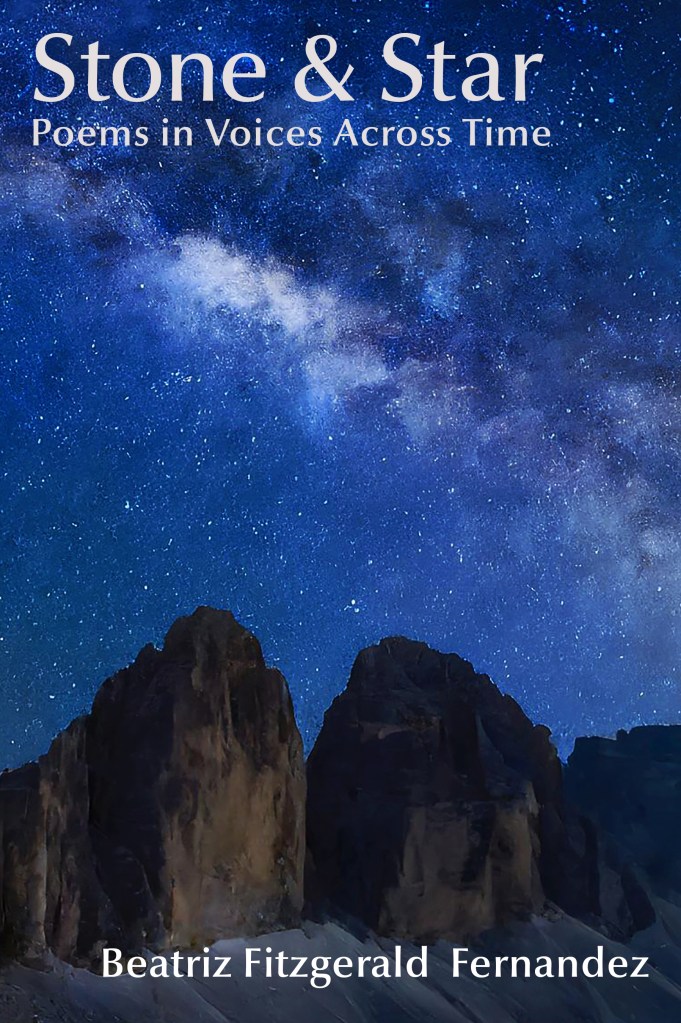
Old Scratch Press Short Form and Poetry Collective is pleased to announce that Beatriz Fernandez has recently become our newest member. “I am thrilled and honored, “she says, “to join an online community of fellow writers from around the globe who support each other’s work, provide feedback and share our various skills and strengths.”
Although she didn’t try to get published until she was in her late forties, Beatriz has been writing all her life.
“I write in both form and free verse, both mainstream and genre, and have recently begun to write flash and short fiction. In poetry, I favor historical persona poems written in the voices of women, whether historical, mythological, or fictional figures. I also write speculative poetry and short fiction. I try to include my love of robots, androids, or time travel in most of my stories.”
Over the past ten years, Beatriz Fernandez’s work has been nominated for the Pushcart prize four times, and has been published in anthologies and journals as various as Label Me Latina/o, Prime Number Magazine, Strange Horizons, and Whale Road Review. She’s authored three poetry chapbooks: the most recent, Simultaneous States, (Bainbridge Island Press, 2025) included some poetry set in Puerto Rico and some speculative poems. Her eco-science fiction flash fiction piece, “Flow Time” was published this summer in a special Florida themed anthology by Gaslamp Pulp, a division of Nat 1 Publishing. That publisher also just accepted her Puerto Rican Frog Prince adaptation titled “The Coquí Captain” for a children’s anthology of reimagined fairy tales.
Beatriz grew up in Philadelphia, Spain, and mostly Puerto Rico and then came to Florida to attend college. During her junior year she established her Florida residency, met her husband, and began working in libraries. “I fell in love with all three,” she says, “and subsequently found no reason to leave any of them!”
Describing herself as a late bloomer in both her library and writing careers; she became a professional librarian in her mid 30s. On the way, she obtained an M.A. in English literature but found herself to be too much of a generalist to focus on a dissertation topic.
“During this time,” she says, “I seemed to be under the impression I was a budding novelist while the reality was that I was writing more poetry than anything else. My lightbulb moment came when I won a Writer’s Digest poetry contest that I entered on the very last day. That stroke of luck seemed to finally put me on the right road and actively seeking to improve my poetry style. I embarked on a long-distance phone tutorial with poet Andrea Hollander, who is a brilliant teacher and mentor, for several years; she helped me find my true voice. “
“Many writing classes, confabs and workshops later,” she says, “I’ve published almost every poem I’ve ever written! Now I feel I have come full circle—after starting out my writing career with long-distance tutorials, I’ve joined an online community of fellow writers.”
To learn more about Beatriz and to hear her radio interview on “Here and Now,” you can visit her website here
Thank you for reading this post and visiting the Old Scratch Press Blog. Next Saturday October 25th at 5:00 p.m., three members of the Old Scratch Press Team are participating in a special online reading from their newly published books. FREE. Read more about it here. And follow us on Facebook.