Embracing Nature’s Beauty: A Morning Reflection

by Nadja Maril, a founding member of Old Scratch Press Collective

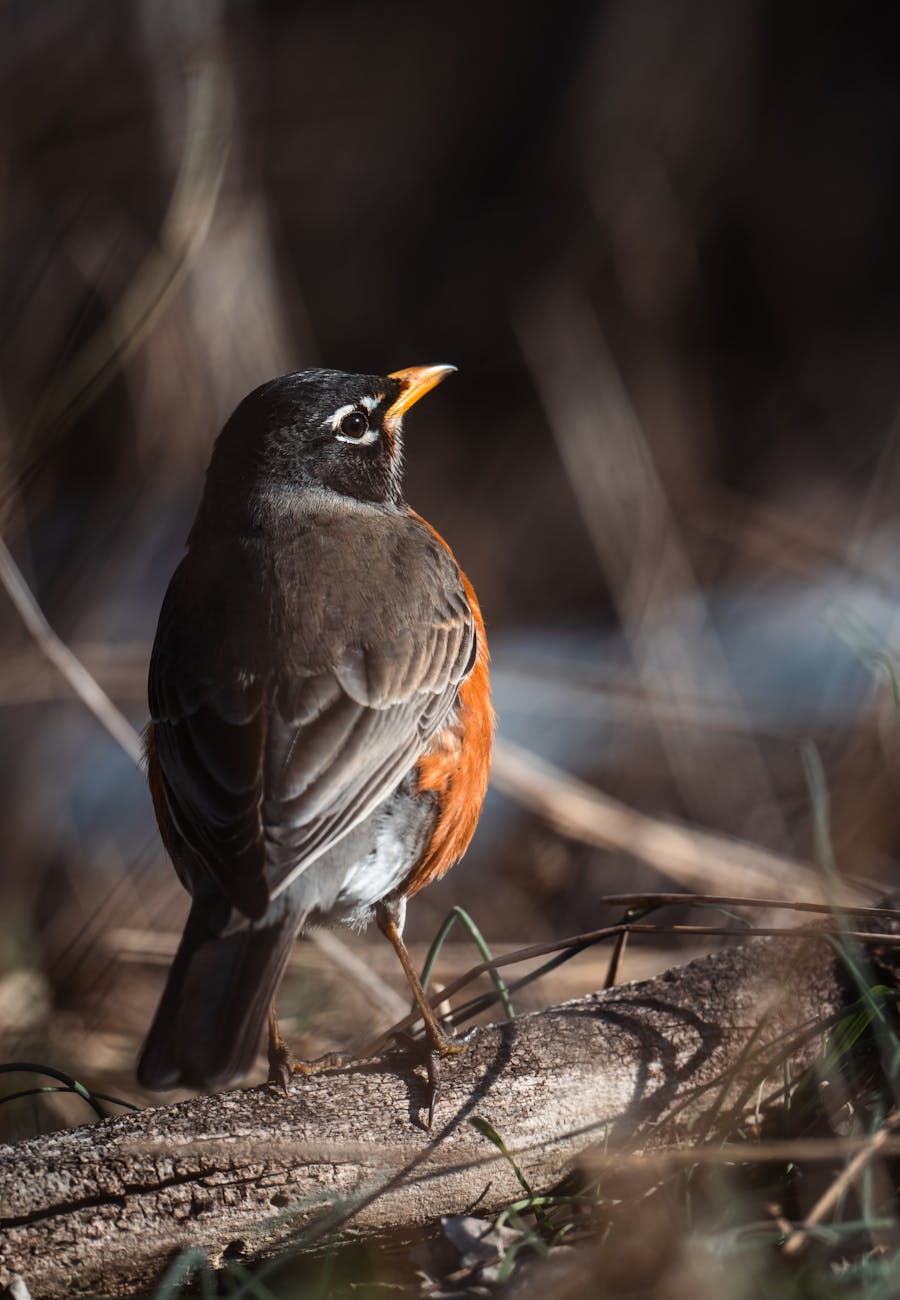
What a sight on a damp misty morning, a robin perched on a street sign preening its feathers. The orange red of its breast feathers contrasting sharply with the bright green and white lettered sign.

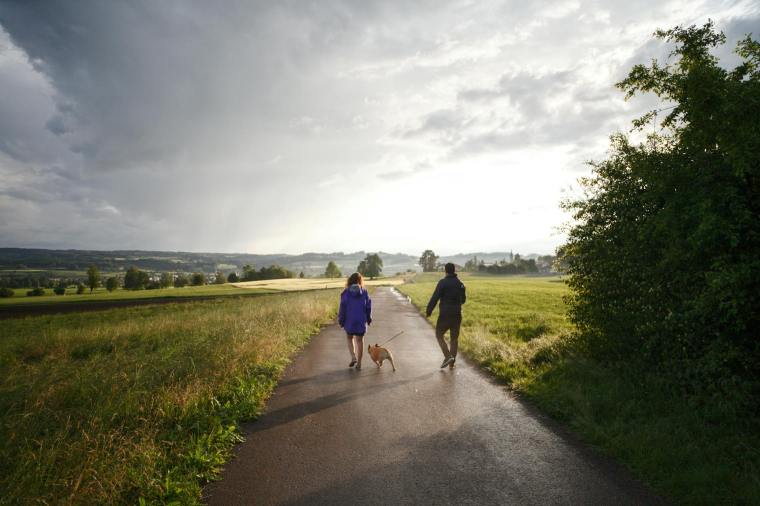
My cell phone was in my back pocket, but I didn’t snap a photo. I watched the bird fly away and listened to the other birds around me. The neighborhood was just beginning to awake. Down the road I spied a few dog-walkers taking advantage of the early hour temperatures.

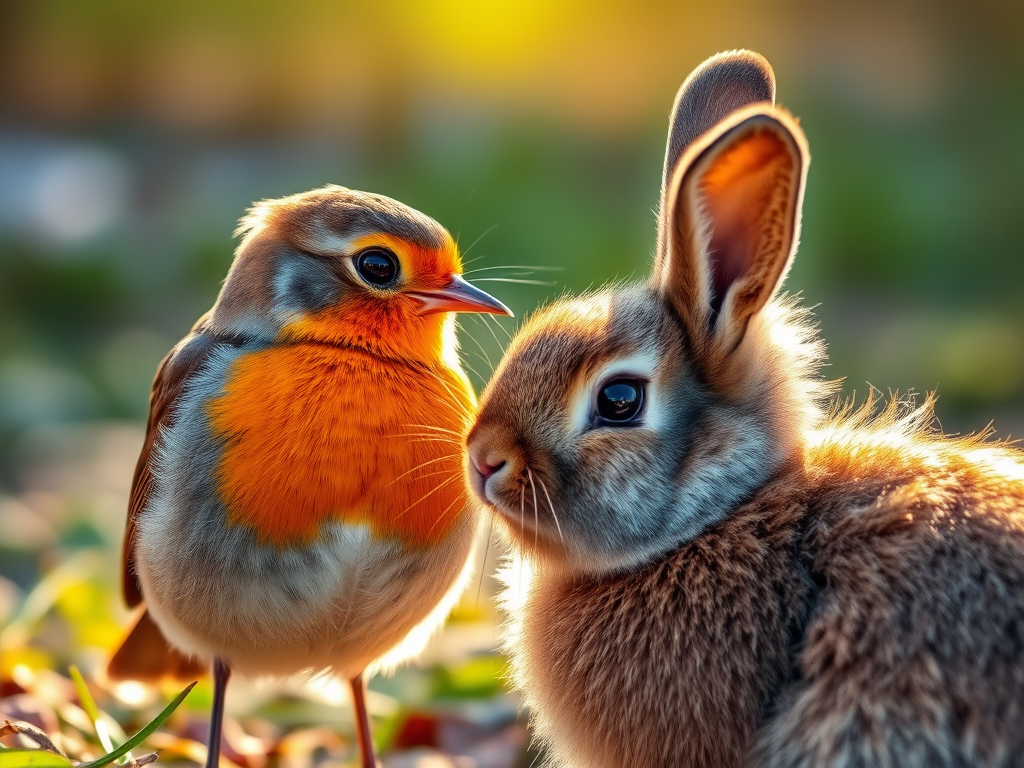
A plump brown bunny nibbled on clover. I decided to take his photograph, but he didn’t pose for long and took refuge in a flower bed. My gaze shifted to the colors of all those flowers: purple, pink, yellow, blue and red.

 The current “tropical rain forest” weather hovering over our region has been a boon to gardeners. Blossoms are lush. It’s been a boon to weeds too, but it’s too early in the morning for me to think about that.

It’s the first day of April and the start of National Poetry Month. I get inspired by nature: birds, new buds, bunny sightings. Other writers are inspired by the hum of machines or the echo of human voices. Whatever gets your mind engaged in the world around you, write it down.

Focusing on the Moment

I’m focusing on the present moment, a difficult task. My mind tends to jump forwards and backwards. I worry about what I need to do and replay what I might have done wrong. I recall happy memories and then remind myself the past is over and if I stay there too long, I’ll miss what is happening in the present.
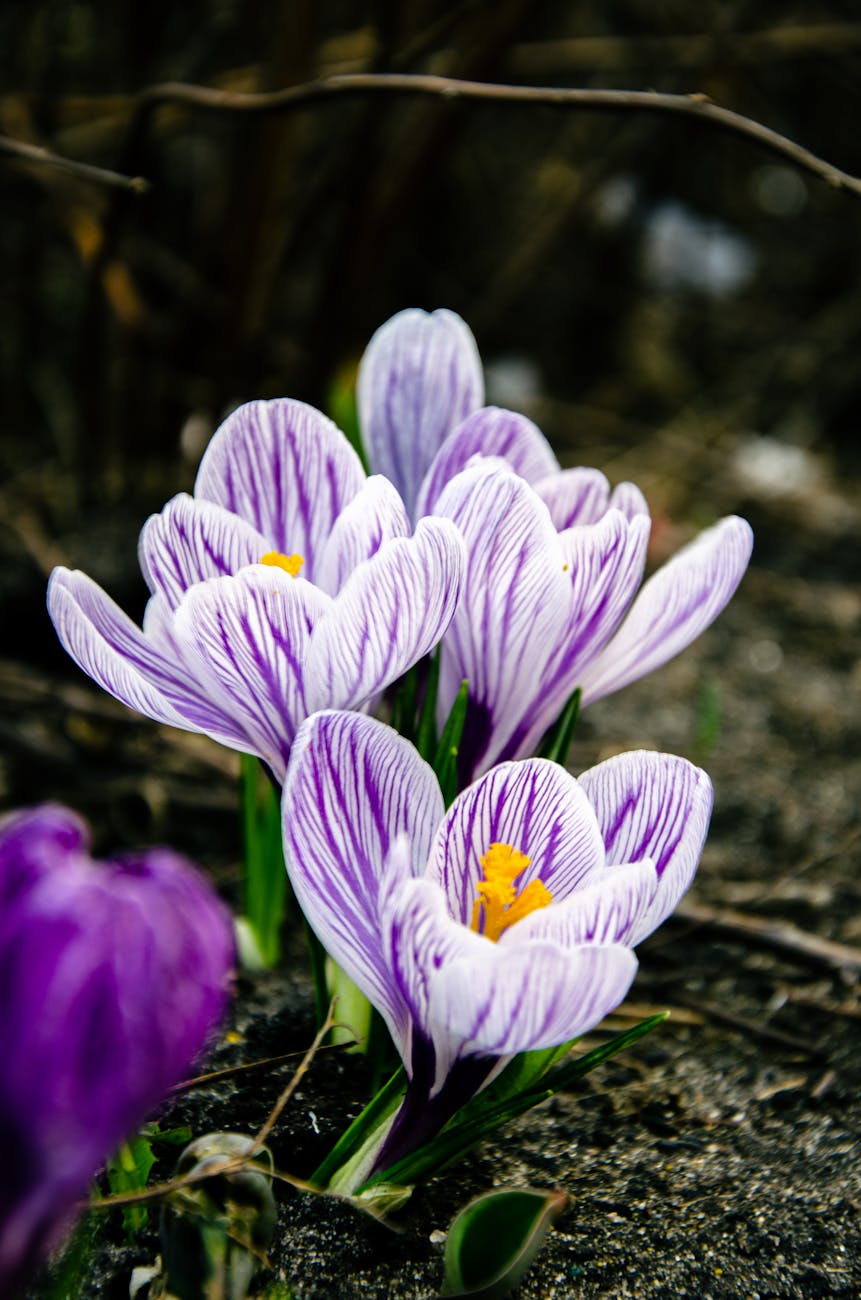
Photo by George Filatov on Pexels.com

This balance between present, past, and future is an interesting dilemma. Particularly because all is open to interpretation. What we remember as the past, is most likely different from our neighbor’s recollection. What we prioritize for the future is usually different too.

Politically, socially, environmentally our planet is at a crossroads. Some of us are just struggling to survive. Others of us want to change things for the better, but it can be a challenge to figure out how.

I read and listen to media reports, and hear different versions of the same event. I’ve heard the term “fake news” repeatedly bandied about. I hear leaders speaking outright lies. I hear people being described in ways designed to incite violence and hatred.
Photo by lalesh aldarwish on Pexels.com

Overwhelmed by all the negativity I tune out.

Change happens slowly, in small incremental ways, I remind myself. Small acts of courage. Small acts of kindness. The arts, the federal funding of which is currently under attack, is a way to share beauty and foster connection. Arts in education provides paths for children to develop alternative learning styles that can deepen comprehension. Whether you volunteer your time, donate money, or support the arts by buying a ticket to a museum or a play; you’re doing something positive.

Writers are witnesses. Documenting the good and the beauty you observe is an important job alongside the documentation of injustice and cruelty. Writing a short fable can be one way to start. Remember Aesop’s Fables?   

Aesop is thought to have been a storyteller, and possibly a slave, who lived in Greece between 620 and 564 B.C.  Translated from Greek and Latin, and available in versions for adults and children online and in print, I share below one of my favorites.


The Bundle of Sticks
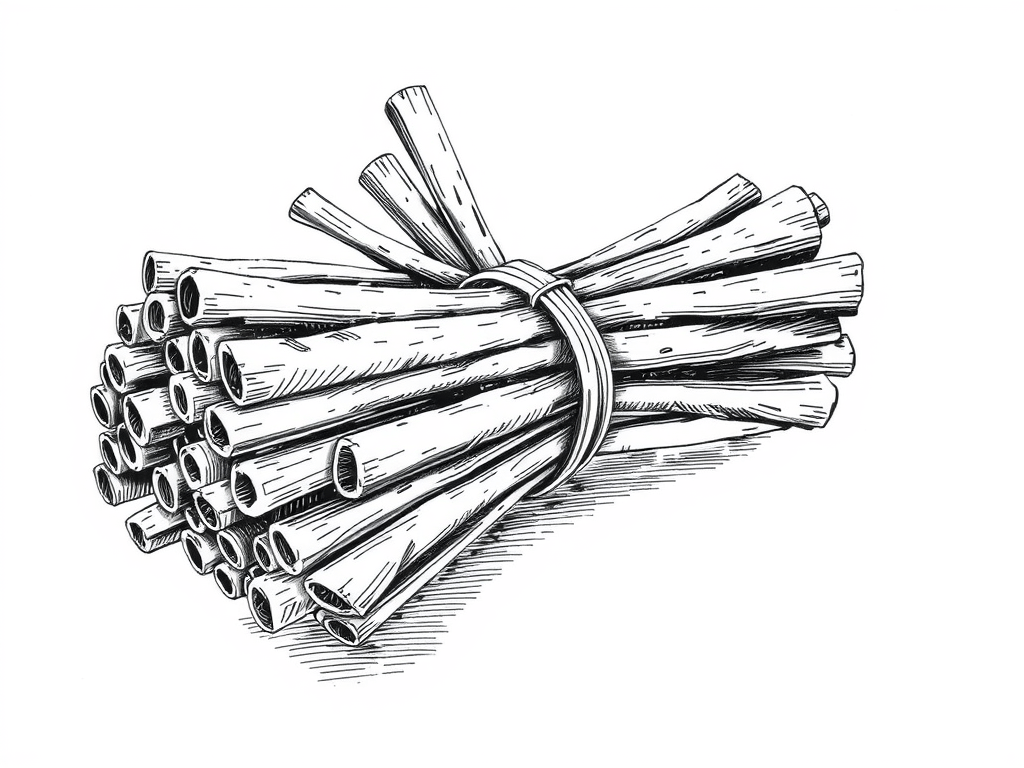
A certain Father had a family of Sons, who were forever quarreling among themselves. No words he could say did the least good, so he cast about in his mind for some very striking example that should make them see that discord would lead them to misfortune.

One day when the quarreling had been much more violent than usual and each of the Sons was moping in a surly manner, he asked one of them to bring him a bundle of sticks. Then handing the bundle to each of his Sons in turn he told them to try to break it. But although each one tried his best, none was able to do so.

The Father then untied the bundle and gave the sticks to his Sons to break one by one. This they did very easily.

“My Sons,” said the Father, “do you not see how certain it is that if you agree with each other and help each other, it will be impossible for your enemies to injure you? But if you are divided among yourselves, you will be no stronger than a single stick in that bundle.”

In unity is strength.
WRITING PROMPT: Can you write your own modern-day fable? Whether you use animals, plants, or people, think of something simple you observed that taught you a lesson. Brief and to the point, maybe your fable is a piece of flash fiction. Set it aside and read it again out loud two days from now. If you think it is good, share it. Maybe sharing means posting it online yourself, printing it out and sending it to friends by “snail mail,” or perhaps sending it to a literary magazine. Check out Instant Noodles Literary Review. Our current theme for submissions is Al Dente. For more information click here.

Thank you for reading. 

Writers and Readers, don’t forget to forget to follow us on Facebook to get the latest news and learn about submission opportunities.

Nadja Maril is an award winning writer and poet who has been published in dozens of online and print literary journals and anthologies including: Lunch Ticket, Spry Literary Journal, Invisible City Literary Review, Instant Noodles and The Journal of Compressed Creative Arts. She is the author of Recipes From My Garden, published by Old Scratch Press (September 2024), a Midwest Review California Book Watch Reviewer’s Choice. An Anne Arundel County Arts Council Literary Arts Award winner, her work has been nominated for the Pushcart Prize and The Best of the Net. She has an MFA in creative writing from Stonecoast at USM.

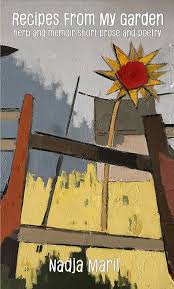
Check out Nadja’s chapbook below and here.

Explore Themed Writing Calls: Get Published!


by Nadja Maril,
 a founding member of Old Scratch Press Collective

Photo by cottonbro studio on Pexels.com

You’re looking for something to read and you go online and start googling. You enter words that describe what you find entertaining.

This is what editors and publishers do when they solicit submissions by selecting a theme. They try to narrow the number and types of submissions to zero in on what they’re seeking, based on what they think their readers will enjoy.

They choose a word, WATER, for example, and they announce their next issue theme will be WATER.  Or maybe they choose a more specific description such as CHILDHOOD MEMORIES ABOUT BASEBALL. They request that writers submit pieces specifically related to the theme. If you send something outside the theme, it will be automatically rejected

                Seize the Opportunity   

The call out can be very specific. For example, this month Screams and Wails Anthology( deadline  2/28/2026) Screams and Wails Anthology is looking for “Horror stories with music or music culture as a predominant theme.”

A part of you may be thinking, I love the music scene but I don’t write horror stories. Or maybe you write horror stories but you have very little inside information on music culture. Are you going to give up that easily? A call out for a specific theme narrows the competition, if you are willing to do the homework. Plus, you may learn something new and have fun.

Here’s another theme call-out. Tokyo Poetry Journal https://www.topojo.com/

is looking for submissions for Volume 18 for their “Gather ‘Round Children—a special issue celebrating oral-tradition poetry and the timeless power of stories carried by the human voice. Specifically they ask for poems that “feel as if they could be shared around a fire: lyrical, narrative, rooted in memory or myth, and crafted to live strongly on the page.”

Maybe you do not consider yourself a poet but you love to sing to your children. Perhaps this call-out might inspire you to try writing a poem that you imagine as a song.

The quarterly online journal Way Words https://www.writersworkout.net/waywords

Is looking for stories, essays and poems that associate with the theme Habits. The Editor’s tip: Habits are things you do the same way every time, usually with the hope of a positive outcome.

We all have habits. Some we do to make us healthier, for example, I take a walk each morning. What is a habit you’d enjoy writing about? As a bonus you could write about someone else’s habit that you admire and your poem or could be a special gift to them, even if it doesn’t get published.

Taking a walk each morning is a habit you might want to write about.

is putting together an anthology of short stories and the theme is
Splash. The word splash provides a good deal of latitude. I can think of stories related to swimming, waterfalls, and jumping into puddles as well as the use of the word as a term for making an impressive and immediate impact. If you enjoy word puzzles, the challenge of all the different ways the word Splash can be used should yield impressive results.

Instant Noodles Literary Magazine https://duotrope.com/duosuma/submit/instant-noodles-O0jFm

has a theme call out: Planes, Boats, Cars, Trains. The request is for poems, short essays, memoir and fiction (under 500 words). The pieces are for publication online in Issue One of Volume 6 (Deadline 3/15/2026). The ideas one could conceive of  that one could submit are fairly wide ranging. So if you are a writer, how are you going to make you piece of writing stand out from the crowd?

 As one of the editors on the project, I thought I’d share what attracted me to this particular theme.

Most humans live a fairly frenetic life, often on the move. In the famous ancient Greek stories surrounding Oedipus, he is asked a riddle by the sphinx in exchange for safe passage and his life, “Who walks on four legs in the morning, ​ two legs at noon and  three feet in the evening? The answer “Man” has humans crawling as babies in the morning, walking on two legs as adults and needing a cane ( the 3rd leg) in the evening. Mankind is always on the go. If not walking, we’re in the car, on a train, plane, or boat. (Feel free to include buses, helicopters, and subways).

Many of the best stories and poems involve getting from point A to point B via a car, train, boat, or plane. Are you up to the challenge? LET’S START WRITING….

WRITING PROMPT

        Planes, Boats, Cars, Trains

Looking out the window, inside at the passengers or thinking about something? What happens when you’re on the move?

Interesting things can happen when you’re on the move and in a confined space. Plenty of murder mysteries take place on a boat or a train. The number of passengers are limited and there are places to hide.

The passenger looks out a window and see images that may bring joy or dread. They may be stuck sitting next to a stranger they find fascinating or an acquaintance they’d prefer to avoid. Create a scene, write down a memory, convey your feelings about a brief journey.

Then think: What if? What happens if the protagonist has lost their ticket or the car breaks down? Maybe it happened, Maybe you’re imagining it happening.

Here’s the hard part. Make it short. Every word should count. Read what you’ve written out loud. Each phrase/ and/or sentence should provide something essential. Whatever you can eliminate, start crossing stuff out.

Read it again. Let it sit for a week. Do another revision and make certain whatever and whenever you submit to Instant Noodles  Literary Magazine or any other publication, you have carefully reviewed your work and it is ready for publication. Check over carefully for grammar, spelling, and punctuation errors.

Thank you for reading and please follow us here and on Facebook.https://www.facebook.com/OLDSCRATCHPRESS/

Nadja Maril is an award winning writer and poet who has been published in dozens of online and print literary journals and anthologies including: Lunch Ticket, Spry Literary Journal, Invisible City Literary Review, Instant Noodles and The Journal of Compressed Creative Arts. She is the author of Recipes From My Garden, published by Old Scratch Press (September 2024), a Midwest Review California Book Watch Reviewer’s Choice. An Anne Arundel County Arts Council Literary Arts Award winner, her work has been nominated for the Pushcart Prize and The Best of the Net. She has an MFA in creative writing from Stonecoast at USM. 

https://www.barnesandnoble.com/w/recipes-from-my-garden-nadja-maril/1145598579

Bam, Crack, Klunk: Why Sound Matters in Poetry

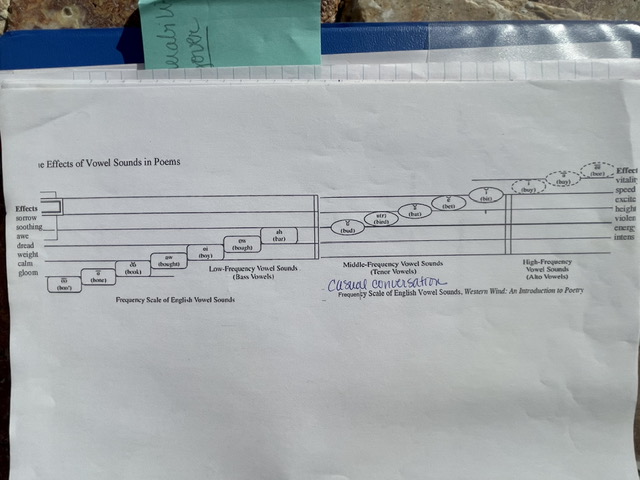
“Bam!”, “Crrraack!”, “Klunk!” are just a few on the list of words used in the 1960’s TV show Batman, usually held within a colorful cartoon bubble. We immediately conjure what is trying to be conveyed, and part of that understanding is because of the sounds of these particular words. In any writing, the sounds of words can produce not only feelings, but physical effects on the body. In poetry specifically, sounds become even more important because words must be carefully chosen in order to “say the most with the least”. We must pay attention to the vowels, consonants, stresses, etc. in the words we choose dependent on the idea or tone we are trying to convey.

Take a look at the information about vowel and consonant sounds pictured above, courtesy of Cathy Smith Bowers, Queens University., (excuse my notes and shadow!)Then, look at these two examples below. Read them aloud and ask yourself if it feels like flow and glide, or stop and start? Is there an emotion or physical reaction you can sense as you read?

I caught this morning morning’s minion, king-

            dom of daylight’s dauphin, dapple-dawn-drawn Falcon, in his

            riding.

                                                -from The Windhover,by Gerard Manley Hopkins

We real cool. We

Left school. We

Lurk late. We

Strike straight.

                                                –from We Real Cool by Gwendolyn Brooks

That was pretty easy, huh? Now, go to one of your favorite poems and see if you can see how the word choices the poet made regarding sound serve the tone, subject matter, and larger themes of the poem. Then, look at one of your own.

Sound is just one of the many devices poets use, and it is a powerful one. A poem that uses short lines with high-frequency vowel sounds will sound very different than one with long lines using low-frequency sounds. And remember, the importance comes from not just the reaction to the words in your ears, but also the subsequent emotion or felt reaction in the body, and there is music to be found in all of them.

Thank you for reading. Don’t forget to sign up to follow our blog as well as follow us on facebook.

Ellis is author of the National Book Award nominee poetry collection Break in the Field published by Old Scratch Press.