How About Another Free Generative Workshop?

INSTANT NOODLES LIT MAG is seeking contributors for our upcoming issue, Al Dente — and we want your work

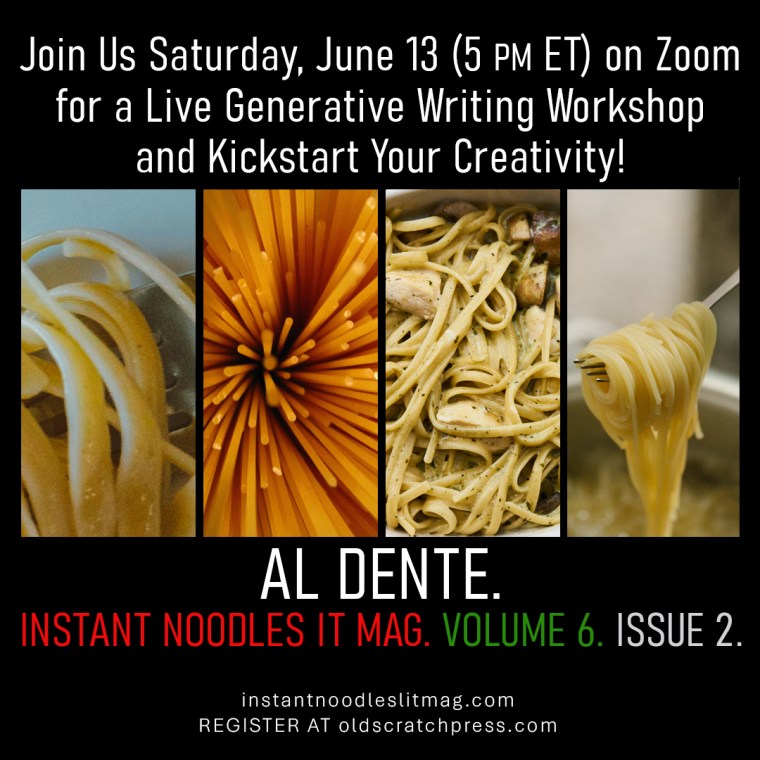
If you’re an indie writer, poet, or artist, join us Saturday, June 13, at 5 PM Eastern (2 PM Pacific) for a free online workshop to spark your creative energies and learn where to send completed submissions.

Hosted by Robert Fleming of Old Scratch Press, Instant Noodles Lit Mag, and the Rehoboth Beach Wrier’s Guild.

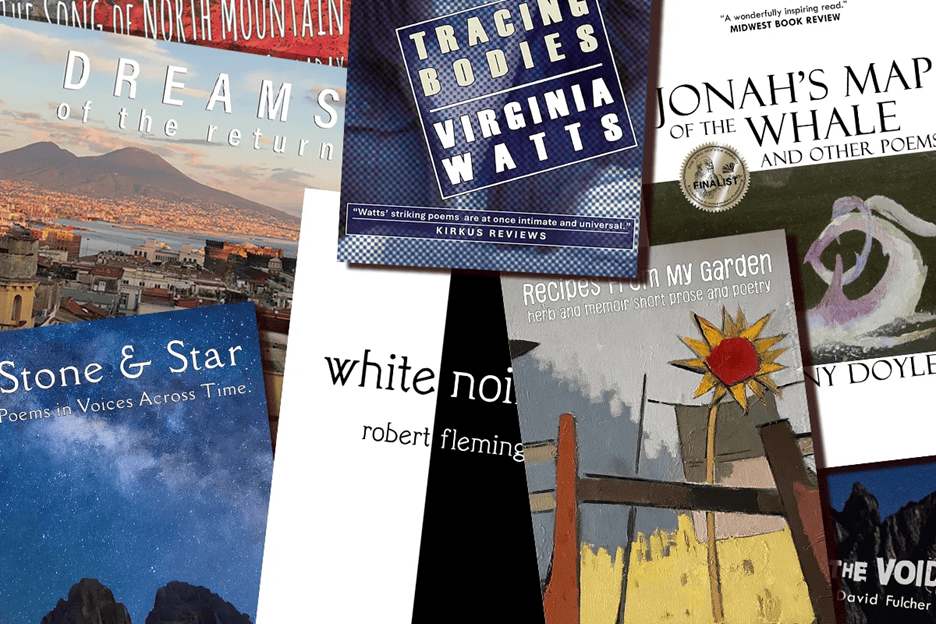
Seats are free, and limited. Three lucky participants will win a signed copied of an Old Scratch Press book!

Why Every Poet Needs a Guide: Poetry and Mentorship

If you’ve never had a writing mentor, you may not realize you need one.  If you’ve had a mentor, you probably know what an impact they’ve had on your writing. 

A mentor’s role can be complex, encompassing the roles of teacher, editor, advisor, parent, friend, coach, cheerleader, critic, judge, proofreader, and sounding board.

As such, they are an invaluable resource at any stage of your career, but especially so at the beginning, whatever your age.

Many poets go it alone at first, but almost no one significantly improves alone. A good mentor shortens the time and distance between where you are and where you want your writing to be. They help you see the habits you repeat without noticing, the strengths you underestimate, and the opportunities you’d never spot on your own.

In a field where progress can feel slow and uneven, the guiding hand of a mentor gives you structure, accountability, and a clearer path forward. If you want your work to grow better with intention—not just luck—mentorship is one of the most effective tools you can invest in.

If you are lucky enough to find a mentor at the right stage in your writing life, then you will be ahead of the game in more ways than one. 

Reasons You Need a Mentor

This article by Shane Manier makes a great case, among many other excellent points, for hiring a mentor as a time and money-saving move.

5 Reasons Why You Need A Poetry Mentor — Shane Manier

Many writers naturally gravitate toward MFA programs hoping to find that kind of mentorship; sometimes the magic happens and an inspirational teacher becomes a long-time mentor:

Dr. Cody Smith found one in her MFA professor Jonathan Johnson.

What Makes Us Human: On Poetry, Mentorship, and Professional Growth | News Detail

“I remember thinking, This is what it means to be a teacher. Jonathan was a teacher who, instead of teaching you the material, taught you how to love the material.”

But realistically, given the elusive and indefinable chemistry that is involved in the mentor/mentee relationship, and the time constraints, there aren’t enough Creative Writing professors to go around and they have so many students throughout the years, that it can’t always work out.

For those of you outside creative writing programs, there are other places you can search for mentors. In my case, I went searching for mine online.  I began looking for the websites of poets whose work I had read and admired.  Some of them offered workshops or classes.  I found that one poet whose poetry I had never forgotten over the years, Andrea Hollander, offered one-on-one tutorials, so I contacted her. 

That fortunate decision led to a years-long series of phone tutorials (no Zoom back then!) with Andrea, who became a friend and mentor as well.  We have kept in touch over the years; we share our writing news and she continues to support my work and alert me to publishing opportunities.  Even after all these years, every time I write, I hear her voice in my head, guiding me, much as you would remember what a parent would say or advise in certain situations. 

You might prefer to meet with your mentor in person, in which case you should attend local poetry events to search for one, as this author did successfully:

“At a poetry open-mic event, I connected and found one of my mentors, having witnessed his performance and interaction with fellow poets and event organisers.”

Poetry Mentoring – Where Do You Start and How Do You Find Your Trusted Advisor

Poetry Mentorship Programs

You may prefer a more formal mentorship relationship, in which case there are various places to find mentorship programs:

Literary Journals:

Some individual journals have mentorship programs:

The Adroit journal:

Summer Mentorship Program — Details & Guidelines – The Adroit Journal

Writing Associations:

The AWP has a mentorship program for members:

Writer to Writer Overview

”The AWP Writer to Writer Mentorship Program is open to all AWP members who identify as emerging writers, but they particularly encourage applications from those writers who have never been associated with an MFA program, and those writing from regions, backgrounds, and cultures that are too often underrepresented in the literary world.”

The Haiku Society of America Mentorship Program

“For more information about joining a mentoring group, please contact the HSA President: Crystal Simone Smith”

Publishing Associations:

Writers Mentorship Program — Latinx in Publishing (all genres including poetry)

”The Latinx in Publishing Writers Mentorship Program offers the opportunity for unpublished and unagented writers who identify as Latinx (mentees) to strengthen their craft, gain knowledge about the traditional publishing industry, and expand their professional connections through work with experienced Latinx authors (mentors).”

Writing Workshops:

Writing workshops can foster mentorship:

POETICS Summer Workshop 2026

POETICS Summer Workshop 2026 – Bainbridge Island Press

“A five-session workshop on the vocabulary of poetics · Taught by Tamarah Rockwood

The heart of the workshop is the mentorship. Starting in Session 2, every participant submits one poem per session for individual written feedback from me, returned by email before the next class. Across the series, that produces forty-eight feedback letters, one for every poem from every poet in the room. This is not a lecture you are buying. It is a writing relationship.”

Writing Conferences:

The Writer’s Digest Annual Conference claims on its website: “you won’t find better mentors and allies for your writing journey.”

Some of you may fear to be too heavily influenced by a more experienced poet’s style in a mentor/mentee relationship and this discussion from New Writing North addresses that issue:

Paul Farley and John Challis on mentoring – New Writing North

“I’ve heard people speak of mentors with concern. The usual fear is usually one of influence – that the mentor’s style and interests will rub off too heavily on their work. Personally, I see it as a dialogue. The chance to speak directly to a writer you admire about poetry in general, and about your poems specifically.”

Pay It Forward

In the end, we all can hope that the advantages outweigh these concerns and the difficulties we have to overcome to find a poetry mentor.  In my case, I know I would not be where I am without my mentor’s timely guidance.  She gave me confidence to find my own voice and style and helped me learn to distinguish between a promising poem and one that needed more work. She pushed me to challenge my abilities and try poetic forms I had not attempted before. She inspired me to submit my work more widely and to dare to aspire to more discerning markets.  But most of all, she taught me how to be a good mentor in my turn.  I have tried, in my small way, to emulate her and to encourage budding poets that I have met and give them confidence to send their work out into the world.

Everyone needs encouragement and poets especially operate in a very obscure and underrated field that is not always well received or understood by the general public.

As poet Chloe Yelena Miller says in a Savvy Verse & Wit interview by Serena Agosto-Cox, “May we all find the mentors we need at the right time”!

Thank you for reading and please follow us here and on Facebook: https://www.facebook.com/OLDSCRATCHPRESS/

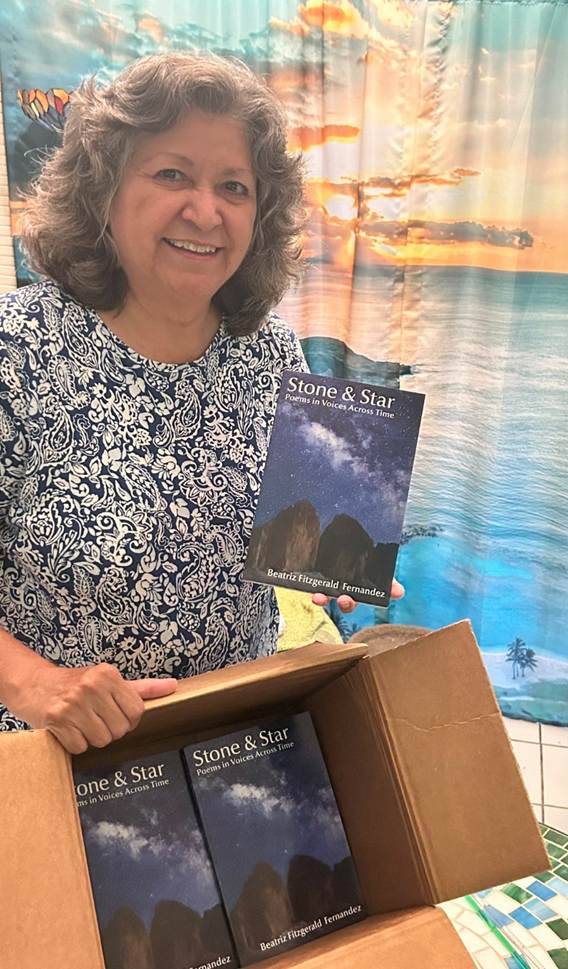
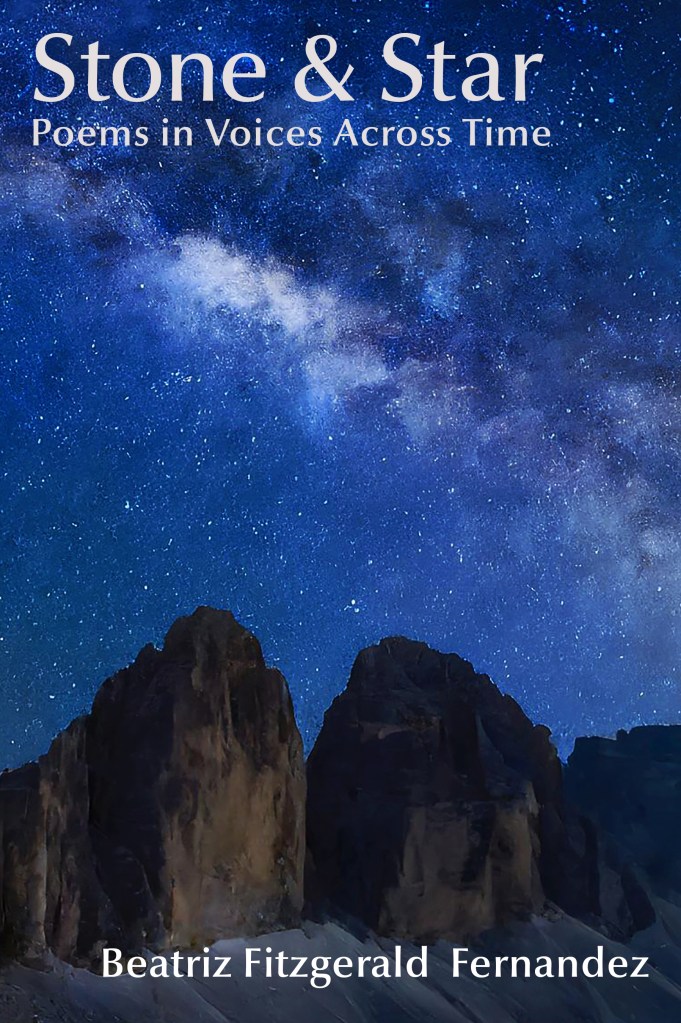
Beatriz F. Fernandez is a Miami area poet and University Reference librarian. She is the author of three poetry chapbooks, the most recent of which is Simultaneous States (2025) by Bainbridge Island Press. In 2025, she became a member of the Old Scratch Press short form and poetry writing collective.

SUBMISSIONS STILL OPEN FOR OUR NEXT ISSUE: Instant Noodles Lit Mag— THEME: “Al Dente”

SUBMISSION GUIDELINES

AL DENTE In cooking, pasta or risotto al dente (/ælˈdɛnteɪ/, Italian: [al ˈdɛnte]; lit. ’to the tooth’) is cooked to be firm to the bite, requiring a brief cooking time. The term also extends to firmly-cooked vegetables. In contemporary Italian cooking, it is considered to be the ideal consistency for pasta.

What does al dente mean to you? To your neighborhood vampire it probably means something different. How about to the prospector mining gold?

Send us something that you haven’t overcooked!

Submissions close on July 5, 2026; the issue publishes SEPTEMBER 1, 2026.

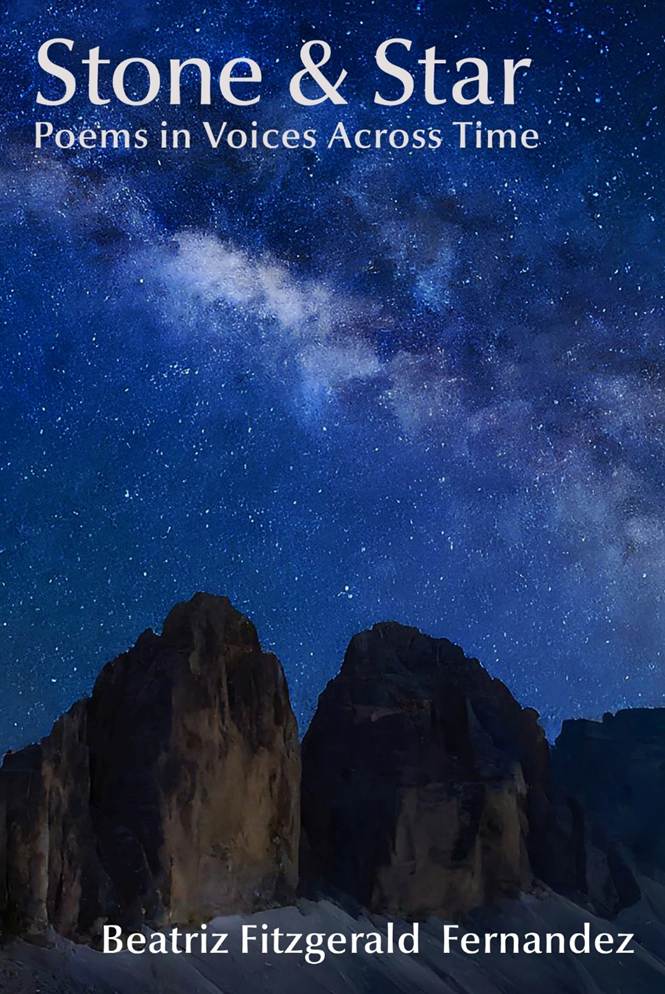
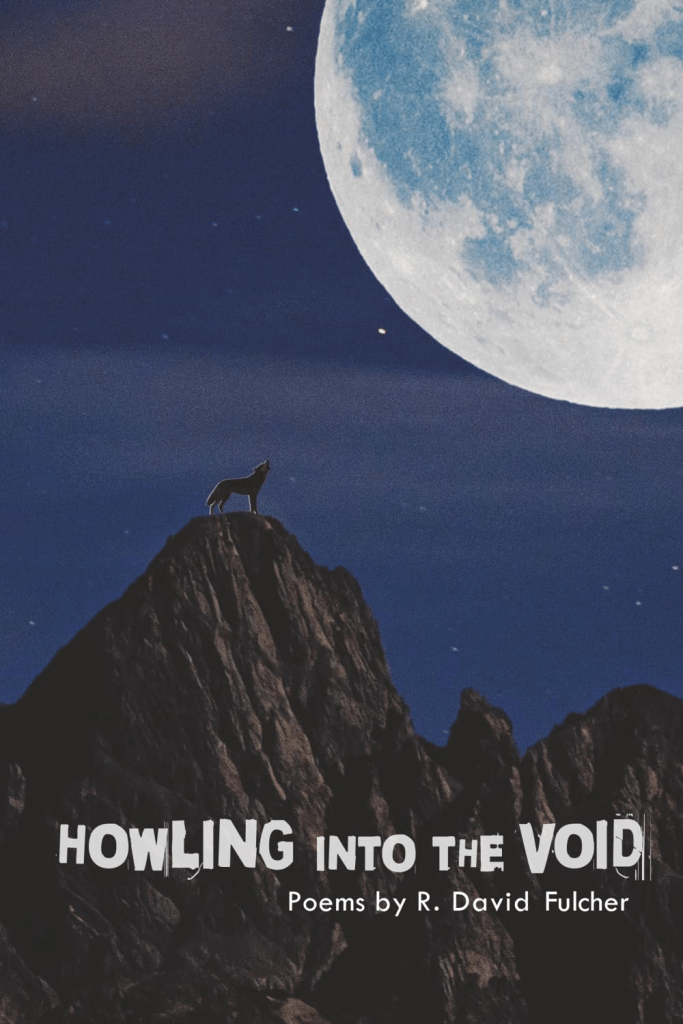
READ ONE OF OUR MEMBERS’ LATEST POETRY COLLECTION:

HOWLING INTO THE VOID

BY R. DAVID FULCHER

buy on amazon

Howling into the Void by R. David Fulcher

Embracing Nature’s Beauty: A Morning Reflection

by Nadja Maril, a founding member of Old Scratch Press Collective

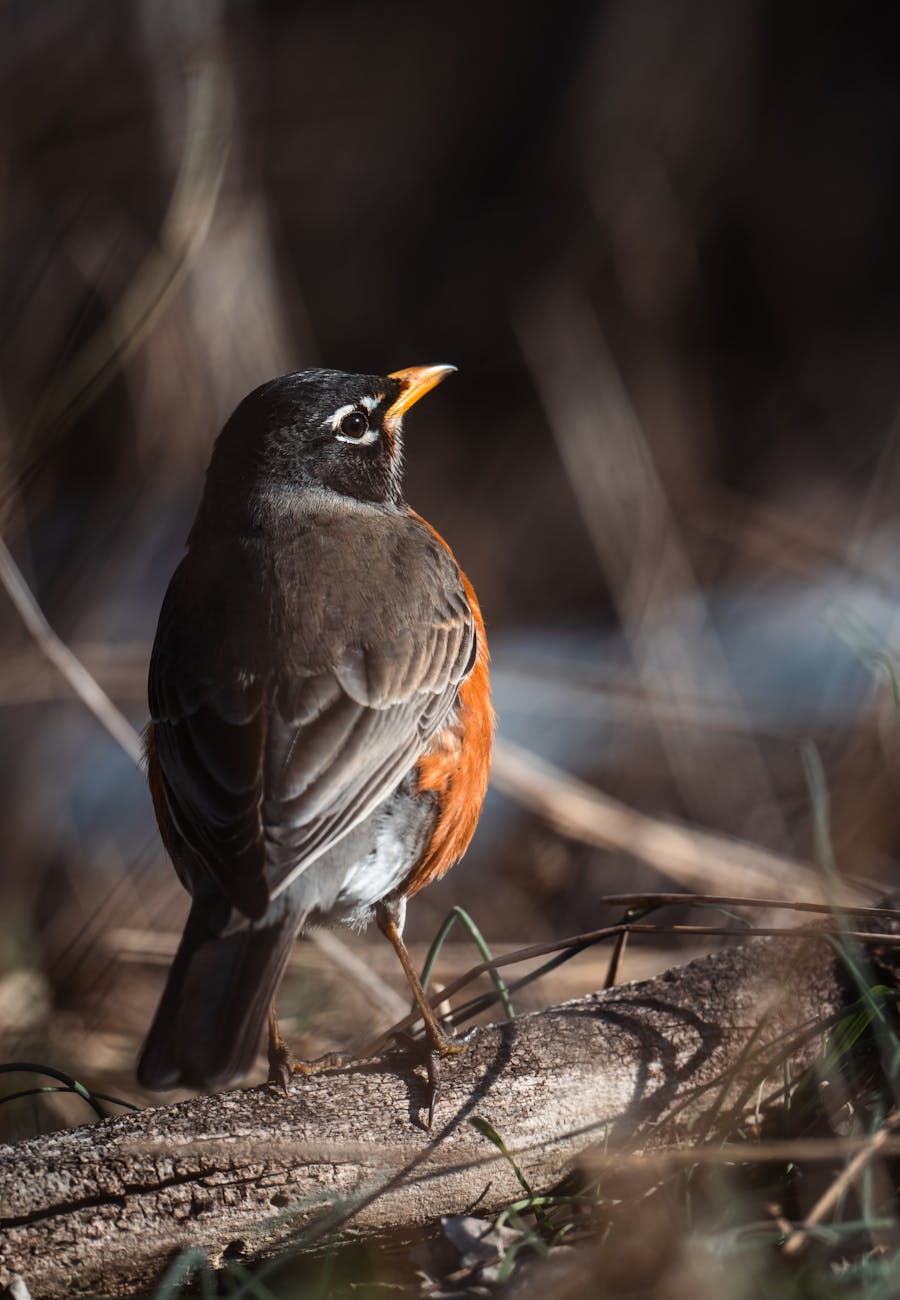
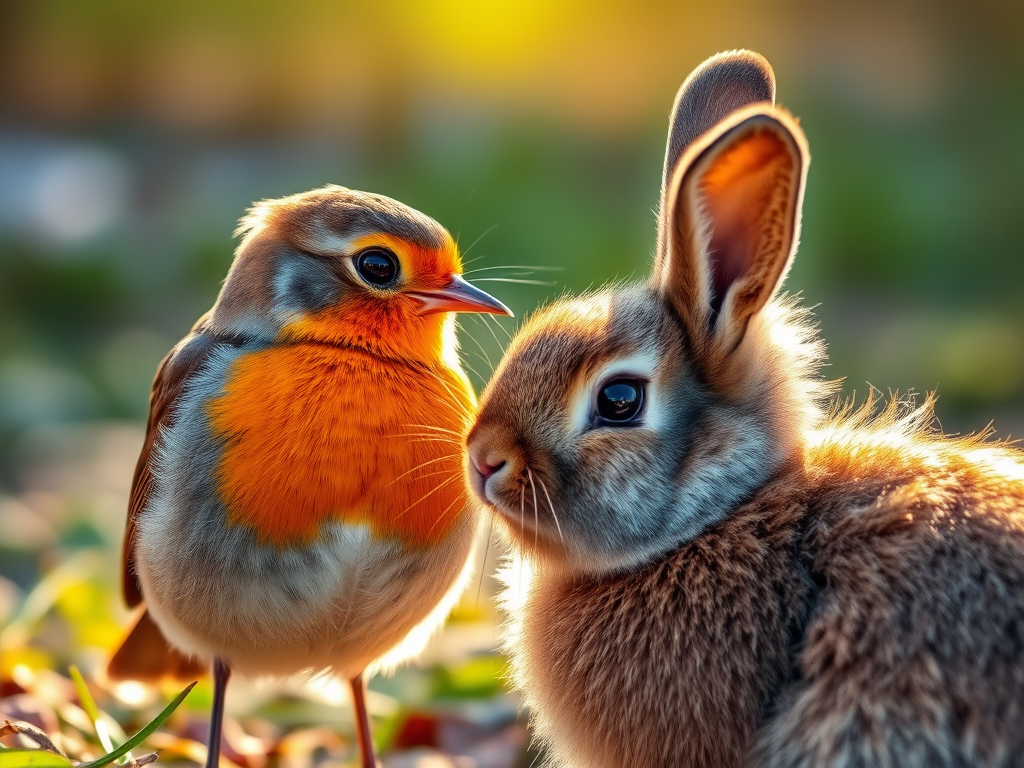
What a sight on a damp misty morning, a robin perched on a street sign preening its feathers. The orange red of its breast feathers contrasting sharply with the bright green and white lettered sign.

My cell phone was in my back pocket, but I didn’t snap a photo. I watched the bird fly away and listened to the other birds around me. The neighborhood was just beginning to awake. Down the road I spied a few dog-walkers taking advantage of the early hour temperatures.

A plump brown bunny nibbled on clover. I decided to take his photograph, but he didn’t pose for long and took refuge in a flower bed. My gaze shifted to the colors of all those flowers: purple, pink, yellow, blue and red.

 The current “tropical rain forest” weather hovering over our region has been a boon to gardeners. Blossoms are lush. It’s been a boon to weeds too, but it’s too early in the morning for me to think about that.

It’s the first day of April and the start of National Poetry Month. I get inspired by nature: birds, new buds, bunny sightings. Other writers are inspired by the hum of machines or the echo of human voices. Whatever gets your mind engaged in the world around you, write it down.

Focusing on the Moment

I’m focusing on the present moment, a difficult task. My mind tends to jump forwards and backwards. I worry about what I need to do and replay what I might have done wrong. I recall happy memories and then remind myself the past is over and if I stay there too long, I’ll miss what is happening in the present.

Photo by George Filatov on Pexels.com

This balance between present, past, and future is an interesting dilemma. Particularly because all is open to interpretation. What we remember as the past, is most likely different from our neighbor’s recollection. What we prioritize for the future is usually different too.

Politically, socially, environmentally our planet is at a crossroads. Some of us are just struggling to survive. Others of us want to change things for the better, but it can be a challenge to figure out how.

I read and listen to media reports, and hear different versions of the same event. I’ve heard the term “fake news” repeatedly bandied about. I hear leaders speaking outright lies. I hear people being described in ways designed to incite violence and hatred.

Photo by lalesh aldarwish on Pexels.com

Overwhelmed by all the negativity I tune out.

Change happens slowly, in small incremental ways, I remind myself. Small acts of courage. Small acts of kindness. The arts, the federal funding of which is currently under attack, is a way to share beauty and foster connection. Arts in education provides paths for children to develop alternative learning styles that can deepen comprehension. Whether you volunteer your time, donate money, or support the arts by buying a ticket to a museum or a play; you’re doing something positive.

Writers are witnesses. Documenting the good and the beauty you observe is an important job alongside the documentation of injustice and cruelty. Writing a short fable can be one way to start. Remember Aesop’s Fables?   

Aesop is thought to have been a storyteller, and possibly a slave, who lived in Greece between 620 and 564 B.C.  Translated from Greek and Latin, and available in versions for adults and children online and in print, I share below one of my favorites.


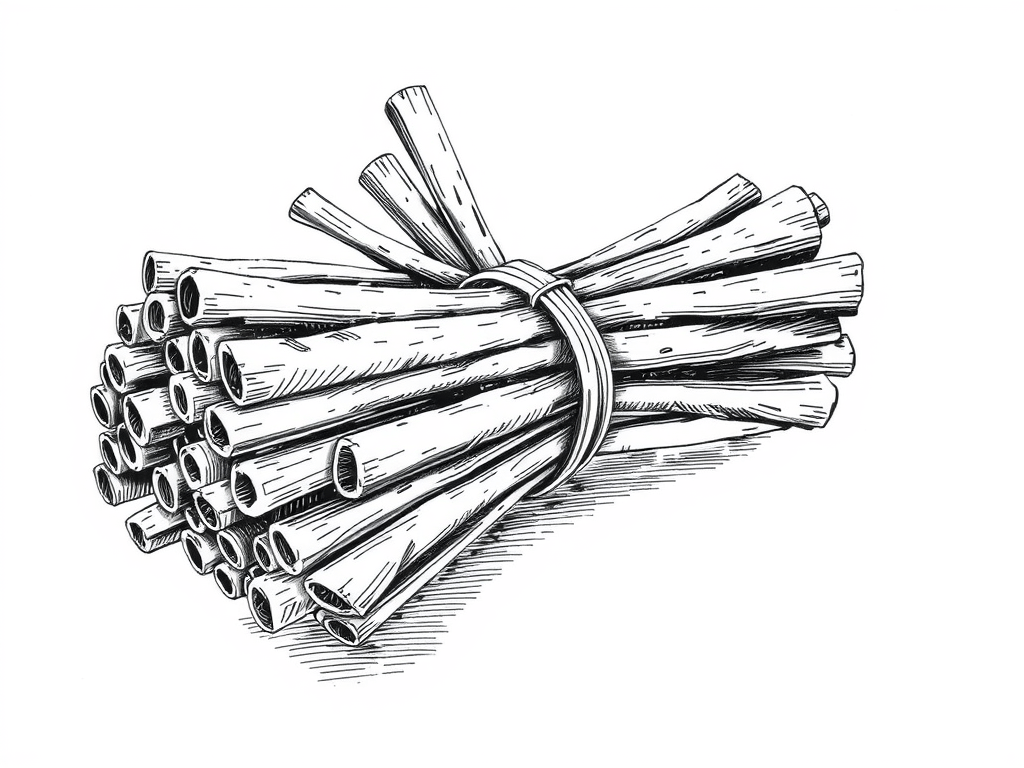
The Bundle of Sticks

A certain Father had a family of Sons, who were forever quarreling among themselves. No words he could say did the least good, so he cast about in his mind for some very striking example that should make them see that discord would lead them to misfortune.

One day when the quarreling had been much more violent than usual and each of the Sons was moping in a surly manner, he asked one of them to bring him a bundle of sticks. Then handing the bundle to each of his Sons in turn he told them to try to break it. But although each one tried his best, none was able to do so.

The Father then untied the bundle and gave the sticks to his Sons to break one by one. This they did very easily.

“My Sons,” said the Father, “do you not see how certain it is that if you agree with each other and help each other, it will be impossible for your enemies to injure you? But if you are divided among yourselves, you will be no stronger than a single stick in that bundle.”

In unity is strength.

WRITING PROMPT: Can you write your own modern-day fable? Whether you use animals, plants, or people, think of something simple you observed that taught you a lesson. Brief and to the point, maybe your fable is a piece of flash fiction. Set it aside and read it again out loud two days from now. If you think it is good, share it. Maybe sharing means posting it online yourself, printing it out and sending it to friends by “snail mail,” or perhaps sending it to a literary magazine. Check out Instant Noodles Literary Review. Our current theme for submissions is Al Dente. For more information click here.

Thank you for reading. 

Writers and Readers, don’t forget to forget to follow us on Facebook to get the latest news and learn about submission opportunities.

Nadja Maril is an award winning writer and poet who has been published in dozens of online and print literary journals and anthologies including: Lunch Ticket, Spry Literary Journal, Invisible City Literary Review, Instant Noodles and The Journal of Compressed Creative Arts. She is the author of Recipes From My Garden, published by Old Scratch Press (September 2024), a Midwest Review California Book Watch Reviewer’s Choice. An Anne Arundel County Arts Council Literary Arts Award winner, her work has been nominated for the Pushcart Prize and The Best of the Net. She has an MFA in creative writing from Stonecoast at USM.

Check out Nadja’s chapbook below and here.

Exploring E.E. Cummings: Poems That Can Dance

Many decades ago, I choreographed a dance to accompany a poem. I selected a poem by E.E. Cummings, “In Just—” Which in my mind I titled, “In Just Spring.”

I picked that particular poem for its exuberance.  I could imagine myself interpreting the verse with movements that were both fast and slow, languorous and springy. The challenge was to select movements that I could execute while reciting the words.

Photo by Jimmy Elizarraras on Pexels.com

[in Just-]

By E. E. Cummings  (1894-1962)

in Just-
spring when the world is mud-
luscious the little
lame balloonman

whistles far and wee

and eddieandbill come
running from marbles and
piracies and it's
spring

when the world is puddle-wonderful

the queer
old balloonman whistles
far and wee
and bettyandisbel come dancing

from hop-scotch and jump-rope and

it's
spring
and

the

goat-footed

balloonMan whistles
far
and
wee

This poem was written in 1923, over one hundred years ago.

Cummings was an experimenter who developed his own personal style. Although classically trained, with multiple degrees from Harvard University, he used punctuation as it suited him. Spaces on the page were seen as opportunities to spread out the pacing or to combine several words into one breath. Conjunctions were sometimes nouns and selected words might take on additional assigned meanings.

Hailed as one of the most influential and important poets of the 20th century, Cummings embraced the concept of Visual Poetry. Words were placed on the page to create shapes and images that serve to reinforce the mood of the verse.  

You can read more about E.E. Cummings in this article published on the Poetry Foundation website. https://www.poetryfoundation.org/poets/e-e-cummings

It was easy for me to dance the role of the goat-footed balloon man, after seeing the words establishing his presence “skip” across the page.

The line “whistles far and wee” is spread out, which enabled me to say the individual words with enough time to run from one side of the stage to the other side.

In writing poetry, thought is often devoted to line breaks and capitalization. Traditional or avant garde, the last word in a line typically takes on greater importance. By choosing not to capitalize the first word of a line, emphasis is softened.

Try changing the line breaks on a poem you are working on. How do your changes impact the poem? Try adding extra spaces between words or merging them together. Once again, how do these changes reshape a poem’s texture and meaning?

In contrast, when you write a prose poem using sentences, it is the order and sound of the words that must create the poetry. No one approach is better than another. It all depends on what you are trying to achieve.

Photo by Kampus Production on Pexels.com

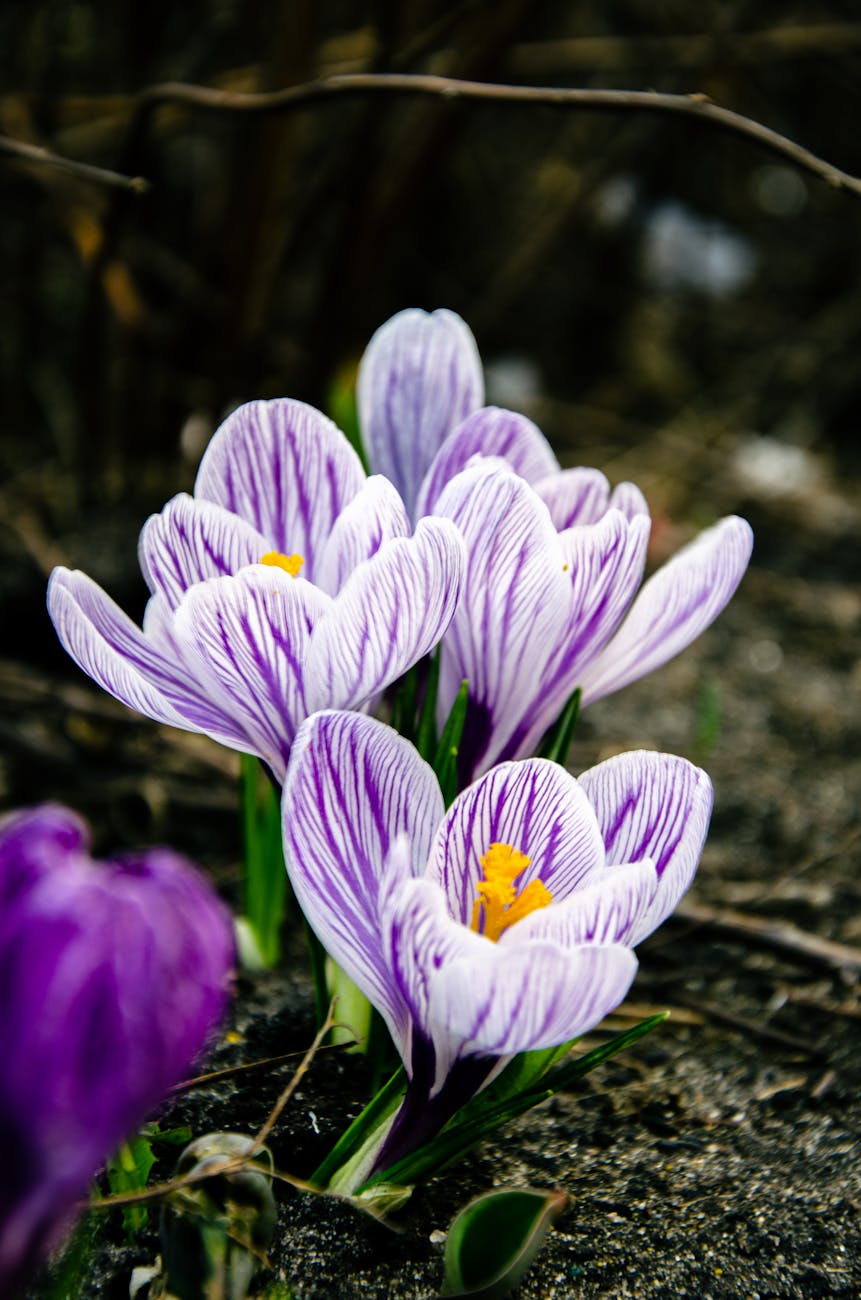
In a few more weeks it will officially be Spring, here in the Northeast USA where I live. I look for birds returning from the winter vacation in the south and I hear “in-Just” recited inside my head. Crocuses begin pushing up through the muddy soil. Bicycles are pulled out of storage and pastel chalk pictures are drawn on the sidewalk. No balloon man, but it is the start of outdoor birthday parties.

The idea of adding movement to your recitation of a poem, may inspire you to choose different words when writing verse.

WRITING PROMPT: Try writing a poem about a season, place, or time. Maybe your piece is about a mood such as anger or maybe it is about a feeling such as being satiated. Often a poem focuses on the visual, but instead think about movement. Use active verbs. In Cummings short poem the wind and the balloon man whistle. The children run and dance.

What did you create? Maybe you’re on to something you like. Keep playing with the concepts and see where they lead you. Part of the enjoyment of writing, is discovering what works and what doesn’t work. 

Read the work of other poets, and as March is Women’s History month, I am going to suggest three women poets:

Rae Armantrou ( B. 1947).

https://www.poetryfoundation.org/poets/rae-armantrout

Mina Loy (1882-1966)

https://www.poetryfoundation.org/poems/148476/love-songs-5bec636568b82

Gertrude Stein (1874-1946)

https://www.poetryfoundation.org/poets/gertrude-stein

Writers and Readers, don’t forget to forget to follow us on Facebook to get the latest news and learn about submission opportunities.

Nadja Maril is an award winning writer and poet who has been published in dozens of online and print literary journals and anthologies including: Lunch Ticket, Spry Literary Journal, Invisible City Literary Review, Instant Noodles and The Journal of Compressed Creative Arts. She is the author of Recipes From My Garden, published by Old Scratch Press (September 2024), a Midwest Review California Book Watch Reviewer’s Choice. An Anne Arundel County Arts Council Literary Arts Award winner, her work has been nominated for the Pushcart Prize and The Best of the Net. She has an MFA in creative writing from Stonecoast at USM.

Check out Nadja’s chapbook below and here.

Explore Themed Writing Calls: Get Published!


by Nadja Maril,
 a founding member of Old Scratch Press Collective

Photo by cottonbro studio on Pexels.com

You’re looking for something to read and you go online and start googling. You enter words that describe what you find entertaining.

This is what editors and publishers do when they solicit submissions by selecting a theme. They try to narrow the number and types of submissions to zero in on what they’re seeking, based on what they think their readers will enjoy.

They choose a word, WATER, for example, and they announce their next issue theme will be WATER.  Or maybe they choose a more specific description such as CHILDHOOD MEMORIES ABOUT BASEBALL. They request that writers submit pieces specifically related to the theme. If you send something outside the theme, it will be automatically rejected

                Seize the Opportunity   

The call out can be very specific. For example, this month Screams and Wails Anthology( deadline  2/28/2026) Screams and Wails Anthology is looking for “Horror stories with music or music culture as a predominant theme.”

A part of you may be thinking, I love the music scene but I don’t write horror stories. Or maybe you write horror stories but you have very little inside information on music culture. Are you going to give up that easily? A call out for a specific theme narrows the competition, if you are willing to do the homework. Plus, you may learn something new and have fun.

Here’s another theme call-out. Tokyo Poetry Journal https://www.topojo.com/

is looking for submissions for Volume 18 for their “Gather ‘Round Children—a special issue celebrating oral-tradition poetry and the timeless power of stories carried by the human voice. Specifically they ask for poems that “feel as if they could be shared around a fire: lyrical, narrative, rooted in memory or myth, and crafted to live strongly on the page.”

Maybe you do not consider yourself a poet but you love to sing to your children. Perhaps this call-out might inspire you to try writing a poem that you imagine as a song.

The quarterly online journal Way Words https://www.writersworkout.net/waywords

Is looking for stories, essays and poems that associate with the theme Habits. The Editor’s tip: Habits are things you do the same way every time, usually with the hope of a positive outcome.

We all have habits. Some we do to make us healthier, for example, I take a walk each morning. What is a habit you’d enjoy writing about? As a bonus you could write about someone else’s habit that you admire and your poem or could be a special gift to them, even if it doesn’t get published.

Taking a walk each morning is a habit you might want to write about.

is putting together an anthology of short stories and the theme is
Splash. The word splash provides a good deal of latitude. I can think of stories related to swimming, waterfalls, and jumping into puddles as well as the use of the word as a term for making an impressive and immediate impact. If you enjoy word puzzles, the challenge of all the different ways the word Splash can be used should yield impressive results.

Instant Noodles Literary Magazine https://duotrope.com/duosuma/submit/instant-noodles-O0jFm

has a theme call out: Planes, Boats, Cars, Trains. The request is for poems, short essays, memoir and fiction (under 500 words). The pieces are for publication online in Issue One of Volume 6 (Deadline 3/15/2026). The ideas one could conceive of  that one could submit are fairly wide ranging. So if you are a writer, how are you going to make you piece of writing stand out from the crowd?

 As one of the editors on the project, I thought I’d share what attracted me to this particular theme.

Most humans live a fairly frenetic life, often on the move. In the famous ancient Greek stories surrounding Oedipus, he is asked a riddle by the sphinx in exchange for safe passage and his life, “Who walks on four legs in the morning, ​ two legs at noon and  three feet in the evening? The answer “Man” has humans crawling as babies in the morning, walking on two legs as adults and needing a cane ( the 3rd leg) in the evening. Mankind is always on the go. If not walking, we’re in the car, on a train, plane, or boat. (Feel free to include buses, helicopters, and subways).

Many of the best stories and poems involve getting from point A to point B via a car, train, boat, or plane. Are you up to the challenge? LET’S START WRITING….

WRITING PROMPT

        Planes, Boats, Cars, Trains

Looking out the window, inside at the passengers or thinking about something? What happens when you’re on the move?

Interesting things can happen when you’re on the move and in a confined space. Plenty of murder mysteries take place on a boat or a train. The number of passengers are limited and there are places to hide.

The passenger looks out a window and see images that may bring joy or dread. They may be stuck sitting next to a stranger they find fascinating or an acquaintance they’d prefer to avoid. Create a scene, write down a memory, convey your feelings about a brief journey.

Then think: What if? What happens if the protagonist has lost their ticket or the car breaks down? Maybe it happened, Maybe you’re imagining it happening.

Here’s the hard part. Make it short. Every word should count. Read what you’ve written out loud. Each phrase/ and/or sentence should provide something essential. Whatever you can eliminate, start crossing stuff out.

Read it again. Let it sit for a week. Do another revision and make certain whatever and whenever you submit to Instant Noodles  Literary Magazine or any other publication, you have carefully reviewed your work and it is ready for publication. Check over carefully for grammar, spelling, and punctuation errors.

Thank you for reading and please follow us here and on Facebook.https://www.facebook.com/OLDSCRATCHPRESS/

Nadja Maril is an award winning writer and poet who has been published in dozens of online and print literary journals and anthologies including: Lunch Ticket, Spry Literary Journal, Invisible City Literary Review, Instant Noodles and The Journal of Compressed Creative Arts. She is the author of Recipes From My Garden, published by Old Scratch Press (September 2024), a Midwest Review California Book Watch Reviewer’s Choice. An Anne Arundel County Arts Council Literary Arts Award winner, her work has been nominated for the Pushcart Prize and The Best of the Net. She has an MFA in creative writing from Stonecoast at USM. 

https://www.barnesandnoble.com/w/recipes-from-my-garden-nadja-maril/1145598579

Collaboration with Who?

by ROBERT FLEMING, Founding member of OLD SCRATCH PRESS – a poetry/short-form collective | estd. 2023

In January, 2024 I wrote a blog on Hybrid Poetry which is an integration of two or more art forms, where one form is text.

If you create a hybrid work, who should you collaborate with? If you choose another person you will have to coordinate with them and all their peculiarities. Such a Drag! Why not collaborate with yourself? Only have to deal with when you are in a good or bad mood.

My hybrid blog showed my first visual poem, at age 11, I integrated poetry and visual drawing with crayons.

Figure 1.

Do you have two or more skills that can be integrated? Pick them from this list.

  • writing poetry
  • writing prose
  • creating visual art
  • music: playing an instrument
  • singing

When you join two skills, it might have been given a name:

  • prose poetry = writing prose and writing poetry
  • visual poetry = writing poetry and creating visual art
  • performance poetry = (playing an instrument or singing) and writing poetry

If you have integrated two skills before:

  • How did it go?
  • Would you do it again?
  • Consider not just the quality of your work but did you enjoy it?

In deciding whether to collaborate with yourself:

  • Comparatively at what skill level (beginner, intermediate, advanced) are your two skills? Are they at the same skill level or different? My two skills of writing poetry and creating visual art are at the same level.
    • If your skills levels are not at the same level (e.g. intermediate in writing poetry, beginner in playing an instrument), can you accept that your work produced is likely to be at the lower skill level?
    • What will you do with your work: celebrate it and share it with others, share it with yourself, or trash it?
Mem So CA / Hole in Head Cover – seesaw 2
  • Cycling between genres: At the current time, what is your inspiration for creating different types of work? I cycle through different time periods where I am motivated to spend a different percent of time on each genre (25% poetry, 50% visual art, 25% visual poetry). In 2022, when I was producing my visual poetry book, White Noir, 75% of my time was in visual poetry.

What’s it going to be?

Collaborate with yourself?

  • No: stick to one genre
  • Yes: try it as an experiment

Collaborate with others? Read Robert’s upcoming blog.

Robert Fleming, a contributing editor of Old Scratch Press

OLD SCRATCH PRESS – a poetry/short-form collective | estd. 2023

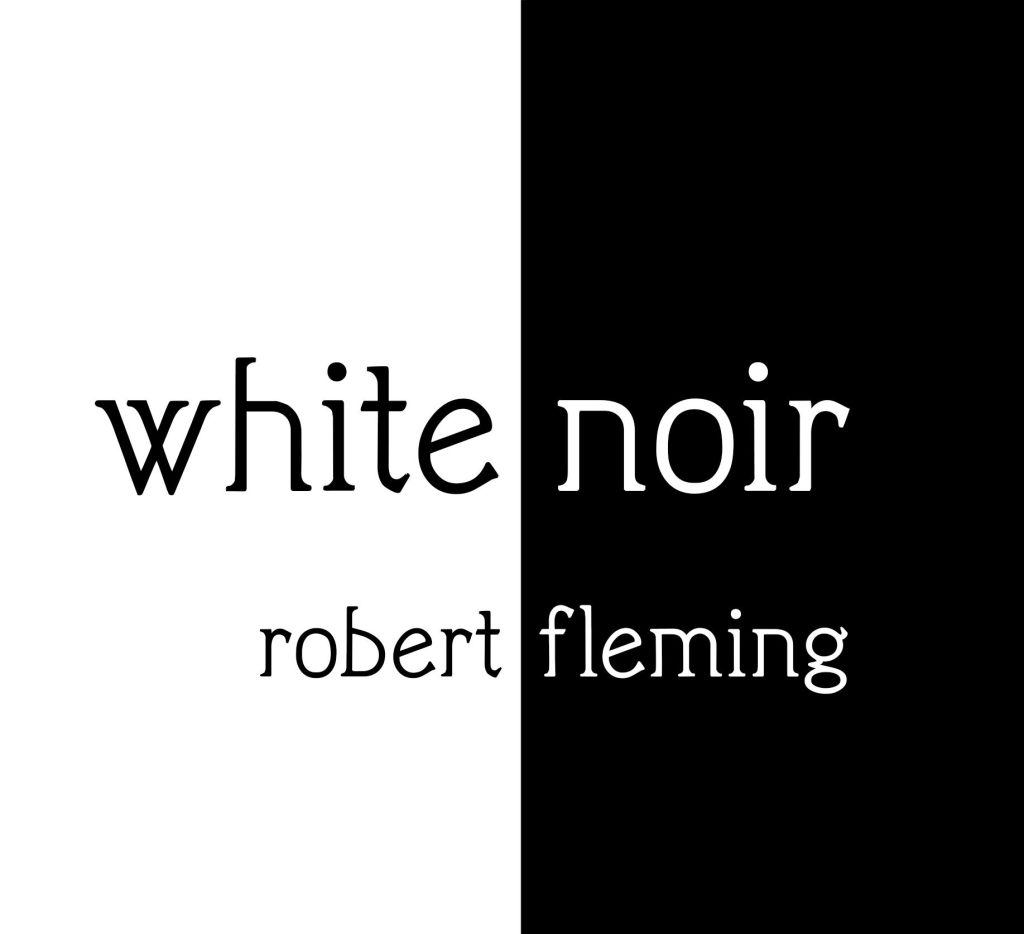
who published an Amazon best seller visual poetry book: White Noir

an editor of the digital magazine Instant Noodles

About – INSTANT NOODLES

Recent Robert Fleming publications and art

visual poetry

visual art

text poetry

Follow Robert on Facebook

Thank you for reading. Please sign up to follow us on Facebook and to follow us here on WordPress to expand your knowledge about poetry and short form writing as well as to receive the latest news about publication opportunities.

Get Published: Submit to Instant Noodles Literary Magazine 2026


by Nadja Maril,
 a founding member of Old Scratch Press Collective

Happy New Year to readers and writers around the world. May your New Year 2026 be happy, safe, and productive. If one of your New Year’s Resolutions is “get more writing done” you’ve come to the right place. In our Old Scratch Press blog we will continue to discuss different kinds of short form writing, provide instruction and prompts, and share publishing opportunities.

First up is to tell you about our own publication Instant Noodles Literary Magazine. A member of CLMP (Community of Literary Magazines and Presses), we nominate for the Pushcart Prize and Best of the Net.

Planes, Boats, Cars, Trains is our theme for the Spring Issue 2026 of Instant Noodles Literary Magazine.  

Maybe you love to travel or maybe you like to stay at home, but when you venture out— what kind of transportation takes you on your journey? Are you invigorated by the open water, frantic following road signs, anonymous on a plane, or comforted by the train station whistle?  In the process of getting to your destination, how did the vehicle you’re traveling in affect the outcome?

We’re looking for flash prose (up to 500 words) fiction and nonfiction, as well as poetry, drama, visual art, and multi-media submissions. Deadline: March 15th.

When you send in your submission, as you should with any submission, the piece should be polished and complete with no grammar mistakes and no misspellings.

Also included should be a brief cover letter. The remainder of this blog I’m going to talk about what I think is the appropriate cover letter for a Literary Magazine. (Each magazine is slightly different so always read their guidelines).

Photo by Oscar Ruiz on Pexels.com

Editors at Literary Magazines generally use the cover letter that contains a very brief biography ( 50 to 75 words) as the same biography they use in the publication, if you are lucky enough to have your story or poem accepted. Thus, even if writing is a new found love or second career, you want to keep it “professional.” 

Rather than listing everywhere you’ve been published, pick no more than three places. (ex. They’ve been published in Dawn Magazine, Sunshine Press, Dark Days and many other publications.) If you have never been published, that’s okay. Magazines are always looking for NEW TALENT.

In your cover letter, DO NOT SUMMARIZE the work you are submitting. Editors want to read it without preconceived notions. If it needs to be “explained” this is a red flag. DO NOT excessively brag about what a wonderful writer you are or exaggerate your accomplishments.

IF you have one interesting personal fact ( ex. They’re a champion parachutist.) you’d like to include, it can enhance a cover letter, but to tell the story of your life is not recommended. Too long a cover letter can be a turn off.

Links to a book you’ve published and/or your website or blog is always a good idea. If a reader wants to read more of your work it is helpful.

Always be polite and kind in your dealings with other writers and editors. Everyone is working hard and many are volunteering their time because they love the art of writing.

Never give up, if you think you’ve written something good. Often pieces, particularly in a theme call, are rejected because they are not a good fit for a particular issue. Always work to improve unpublished work by revisiting it and revising it, when appropriate. Read and submit to multiple magazines.

HAVE A GREAT WRITING YEAR and keep perfecting your craft. LEARNING is part of the journey.

Thank you for reading. Please sign up to follow Old Scratch Press here on WordPress and on Facebook.

Nadja Maril is an award winning writer and poet who has been published in dozens of online and print literary journals and anthologies including: Lunch Ticket, Invisible City Literary Review, and The Journal of Compressed Creative Arts. She is the author of Recipes From My Garden, published by Old Scratch Press (September 2024), a Midwest Review California Book Watch Reviewer's Choice. An Anne Arundel County Arts Council Literary Arts Award winner, her work has been nominated for the Pushcart Prize and The Best of the Net. She has an MFA in creative writing from Stonecoast at USM. 
Check out Nadja's chapbook of flash memoir and poetry below.

https://www.barnesandnoble.com/w/recipes-from-my-garden-nadja-maril/1145598579

Current Words and Old Scratch Press congratulate 2025 Best of the Net and Pushcart Nominees

by Robert Fleming

Best of the Net Nominees

Visual Art selections by Robert Fleming and Alan Bern

Janina Karpinska, VENUS

Jordan Veres, LASTLY DELIRIUM AND ON THE NEXT OCCASION

Edward Supranowicz, THE WALTX OF LIFE AND DEATH

Creative Non-Fiction selections by Nadja Maril

Fendy Tulodo, Time and Tide

story / flash fiction selections by Dianne Pearce

GABBY GILLIAM, AN UNEXPECTED INVITATION

JAN LEE, THE REPAIR SHOP

poetry selections by Dianne Pearce

RYAN LACANILAO, SNOW DEVIL

Robert Fleming, HAMLET AT THE DRIVE-THROUGH WINDOW

PIXIE BRUNER, THE COOKIES WE ALWAYS MAKE FROM OLD SCRATCH

PAUL HOSTOVSKY, NEW YEAR’S EVE SPAGHETTI

GEORGE SHUSTER, Mahicanituk

GABBY GILLIAM, ON THIS 823RD DAY OF JANUARY WE’VE BOTH GOT WORK TO DO

********************************************************************************************

2025 Pushcart Nominees selections by Dianne Pearce, Robert Fleming, and Nadja Maril

Benjamin Talbot, Periscope City: chapter-Poor Advice

Fendy Tulodo, Time and Tide

GEORGE SHUSTER, Mahicanituk

GABBY GILLIAM, ON THIS 823RD DAY OF JANUARY WE’VE BOTH GOT WORK TO DO

Alexander Penney, Bedroom Curtains

Pat Roe, Love me Some Gravy

********************************************************************************************

Yours Truly is:

Robert Fleming, a contributing editor of Old Scratch Press

who published an Amazon best seller visual poetry book: White Noir

an editor of the digital magazine Instant Noodles

Thank you for reading. Please sign up to follow us on Facebook and to follow us here on WordPress to expand your knowledge about poetry and short form writing as well as to receive the latest news about publication opportunities.

Writing About Food and Announcing the Latest Issue of Instant Noodles Literary Magazine!

by Nadja Maril,a founding member of Old Scratch Press Collective

Food. We spend a substantial part each day preparing, serving, and eating. The tastes, aromas and textures bring back memories. And over the winter holidays, the sensations become magnified as we taste the turkey roasting in the oven, the creamy mashed potatoes, the fragrant puddings, the sweet and savory carrots, onion topped green beans, latkes and apple sauce, cheese blintzes, and buttery chocolate chip cookies.

This is why I enjoy writing about food. It’s easy. All I have to do is close my eyes, remember and think of words to describe memorable dishes, new tastes I discovered, and meals I’ve shared. Try it. Think of a favorite meal, why it stands out in your mind and the emotions you associate with that time. Write down you uncensored thoughts. Read over what you’ve written. Maybe cross out a few sentences and rewrite others. You’ve begun to write memoir, the start of what is called Creative Nonfiction and it wasn’t hard at all.

You can take those food thoughts and memories and turn them into fiction as well. There’s no shortage of food in fairy tales: the witch in Hansel and Gretal with the house made of gingerbread and candy, the red apple in Snow White, the porridge eaten by Goldilocks and the Three Bears.

Wonderful poems have been written about food ingredients. One of the most important items I use in savory dishes is onion. Chilean poet Pablo Neruda (1904-1973) wrote a wonderful poem about the onion I’d like to share.

ODE TO THE ONION
by Pablo Neruda

Onion,
luminous flask,
your beauty formed
petal by petal,
crystal scales expanded you
and in the secrecy of the dark earth
your belly grew round with dew.
Under the earth
the miracle
happened
and when your clumsy
green stem appeared,
and your leaves were born
like swords
in the garden,
the earth heaped up her power
showing your naked transparency,
and as the remote sea
in lifting the breasts of Aphrodite
duplicating the magnolia,
so did the earth
make you,
onion
clear as a planet
and destined
to shine,
constant constellation,
round rose of water,
upon
the table
of the poor.

You make us cry without hurting us.
I have praised everything that exists,
but to me, onion, you are
more beautiful than a bird
of dazzling feathers,
heavenly globe, platinum goblet,
unmoving dance
of the snowy anemone

and the fragrance of the earth lives
in your crystalline nature.

If you need more inspiration, start reading the latest issue of Instant Noodles Literary Magazine .All the stories and poems are inspired by GRAVY.

One of my favorites in this issue is “Thanksgiving Leftovers” by Arielle Arbushites which begins “Gravy gravy everywhere/and not a drop to drink” Hear her read the poem by clicking this link.

Forty-two creative expressions inspired by GRAVY! Who would have thought we’d get so many fine submissions on this topic. Read them and enjoy the writer’s different takes on the subject. Maybe it is a holiday dinner that goes wrong or a humble food offering that needs a splash of pzazz but all the stories have something to do with gravy.

My creative nonfiction includes a nod to my great-grandmother’s Limoges covered gravy dish and a recipe. You can access it here or if you don’t want to read, you can listen here

Writers and Readers, don’t forget to forget to follow us on Facebook to get the latest news and learn about submission opportunities.

Nadja Maril is an award winning writer and poet who has been published in dozens of online and print literary journals and anthologies including: Lunch Ticket, Spry Literary Journal, Invisible City Literary Review, Instant Noodles and The Journal of Compressed Creative Arts. She is the author of Recipes From My Garden, published by Old Scratch Press (September 2024), a Midwest Review California Book Watch Reviewer’s Choice. An Anne Arundel County Arts Council Literary Arts Award winner, her work has been nominated for the Pushcart Prize and The Best of the Net. She has an MFA in creative writing from Stonecoast at USM.

Check out Nadja’s chapbook below and here.

Words with Dual Meanings: A Writer’s Playground

by Nadja Maril

Words. They fascinate me, the way some words like dust can have two very different meanings. You dust the house, removing small particles of dirt and cobwebs. You dust the cake with confectioner’s sugar making it sweet.

The word weather has two opposite meanings as a verb. The new wood shingles on the house will look better when they weather and turn a soft natural gray. Or used differently you could write, When the next hurricane arrives, I’m not sure if we can weather the storm. As a noun, the meaning of weather is constant. The noun describes meteorological conditions.  Nice fall weather we’re having.

Applying Word Meanings to Getting Published

Every Monday when I read the updated lists of publishing opportunities in literary magazines, I read theme call-outs that generally consist of one word. Write to the theme, they ask, but sometimes that word can be open to wide interpretation.  However, that’s the job of a creative writer; to put our own perspective into our poems and stories.

Photo by Gaurav Ranjitkar on Pexels.com

I read the word dirt and I might picture a pile of soil or imagine filth within a house or think instead of scandalous information about a crooked politician. Playing in the dirt making mudpies can be a joyful experience for a child whereas cleaning away mounds of accumulated filth a tedious chore. The diverse interpretations of how we interpret words can be what makes a collection of writing interesting.

The diverse interpretations of how we interpret words can be what makes a collection of writing interesting.

So, I was surprised when a friend told me their spouse had purchased my new book (Recipes From My Garden; herb and memoir short prose and poetry) and with the cold weather coming, they were planning on trying out some of my recipes.

i’d written a book of prose poems and memoir and my friend thought I’d just published a cookbook!

How Word Choice for Your Title Affects Marketing

Recipes. Yes, the word can mean instructions on food preparation, ie try my recipe for chicken soup, but it can also mean a way or approach to doing things. You might say I’ve got the recipe for a successful children’s birthday party, one adult for every child. Or on the opposite end of the spectrum, you might hear about a class trip to the amusement park with no parent chaperones and say, That’s a recipe for disaster.

I thought I was being clever when I chose the title to my little chapbook. I imagined that readers seeing the words memoir, prose, and poetry would understand the book’s double meaning. It does contain a few actual recipes and many references to food and kitchen gardens, but primarily I was thinking of the word recipe as a way or approach of doing things. As memoir, the usage becomes personal. As a poet, I’m sharing how I see the world, starting specifically with what is accessible to me: the sunflowers, tomatoes, a walk on the beach.

The good news for me is  if there is any doubt, the silver lining is people do talk about what they read and like. But if you are new to thie site and you are just reading about my chapbook for the very first time, I also have a book trailer. My talented publishers were able to use some of the video my husband took of our giant sunflowers along with old family photographs and more recent ones to create a wonderful book trailer. You can watch by clicking on the link: https://youtu.be/HxmwOx3-_QY

And going with the theme of the multiple meanings of words, here is a word WRITING PROMPT

To get you started I have chosen a few ambiguous words: long, cleave, bar, and duck. Select a word, choose a meaning, and start writing a scene. Take the word and use it with an alternate meaning. How many different ways can you use the same word and shade the meaning in different ways? Try using the word in a poem and play with the multiple meanings.  Have fun.

Thank You for reading! To read more of my work sign up for FREE to follow me on WordPress, Substack or Medium and visit my website at www.Nadjamaril.com.

Don’r forget to follow Old Scratch Press on Facebook and on WordPress.

Published by Nadja Maril

Nadja Maril’s prose and poetry has been published in literary magazines that include Change Seven, Lunch Ticket, Thin Air, and The Compressed Journal of Creative Arts. She is the author of Recipes From My Garden, a chapbook published by Old Scratch Press that includes both poetry and creative nonfiction prose. Author of two children’s books illustrated with paintings by her father Herman Maril, as well as Who IS Santa? for which she did her own illustrations, Nadja is also the author of two reference books on antique American Lighting, published by Schiffer. A former journalist and magazine editor, Nadja has an MFA in Creative Writing from the Stonecoast Program at the University of Southern Maine. To read more of her work and follow her weekly blog posts, visit Nadjamaril.com https://nadjamaril.com/ View more posts