
noun: an inclination downward
Go down; go down~
All Hallows’ Eve
the basement is calling….
noun: an inclination downward
Go down; go down~
All Hallows’ Eve
the basement is calling….

By Nadja Maril, a founding member of the Old Scratch Press
It’s October, the month of the harvest when the leaves turn vivid shades of red, orange and yellow before falling to the ground. Scores of literary publications have call-outs for scary stories to mark the Halloween season.
The celebration, from which Our Halloween evolved, is the Gaelic holiday Samhain. During Samhain, the curtain between the living and the dead was lifted for one night. Dressed as ghosts, people celebrating what became known as Halloween would go door-to-door to ask for food. Trick or Treat.
Scary is the goal. The carving of malevolent faces into pumpkins and the display of anything creepy outside your home was intended to calm the ghosts roaming the earth on October 31st. The creepier the better.
When it comes to submissions, many magazines including our own Instant Noodles Literary Magazine prize brevity. IF submission guidelines ask for stories less than 500 words, keep your submission below or as close to 500 words as possible. A short piece of fiction or nonfiction, should still be powerful and compelling to read.
Here are a few simple tips to get you started.
If you’d like to read an example of a good piece of micro fiction, here is the link to the story that won the Fractured Fiction 2025 Micro Fiction prize. “No Voltage on a Quiet Road” by Maxwell Orsen.
WRITING PROMPT: Think of a scene where something is about to change. A storm is coming. A thief is about to grab your protagonist’s wallet. How does the main character react? Are they changed by the experience? What made this situation explosive? What did they feel at the time? What were they thinking about?
At Instant Noodles Literary Magazine we are still reading submissions, but our “In Box” of fiction is getting full. Ditto for our poetry submissions. There is more room in the Creative Nonfiction category. To increase your odds of being published, I’ve put together a list of five more magazines you may want to consider submitting to via Duosoma this month. https://duotrope.com/duosuma/ You can go directly to the Duosoma website to look for opportunities, but I recommend reading the magazines first to see if the writing they publish is writing you admire.
Inkhorn Review (reading poetry and short prose).
Iron & Salt Press ( reading horror and mystery flash short stories).
Macrame Literary Journal. (reading poetry, fiction and micro fiction)
Bright Flash Literary Review (reading flash and short fiction)
Orion’s Belt (Literary speculative fiction: reading poetry, flash and micro fiction).
If your work is repeatedly rejected, consider revising. Read it out loud sentence by sentence. Does each sentence provide action, description or surprise?
Keep writing and thank you for reading. Please follow us here on Word Press and on Facebook at https://www.facebook.com/OLDSCRATCHPRESS/
Check out our newest chapbooks by Beatriz Fernandez and R.David Fulcher.
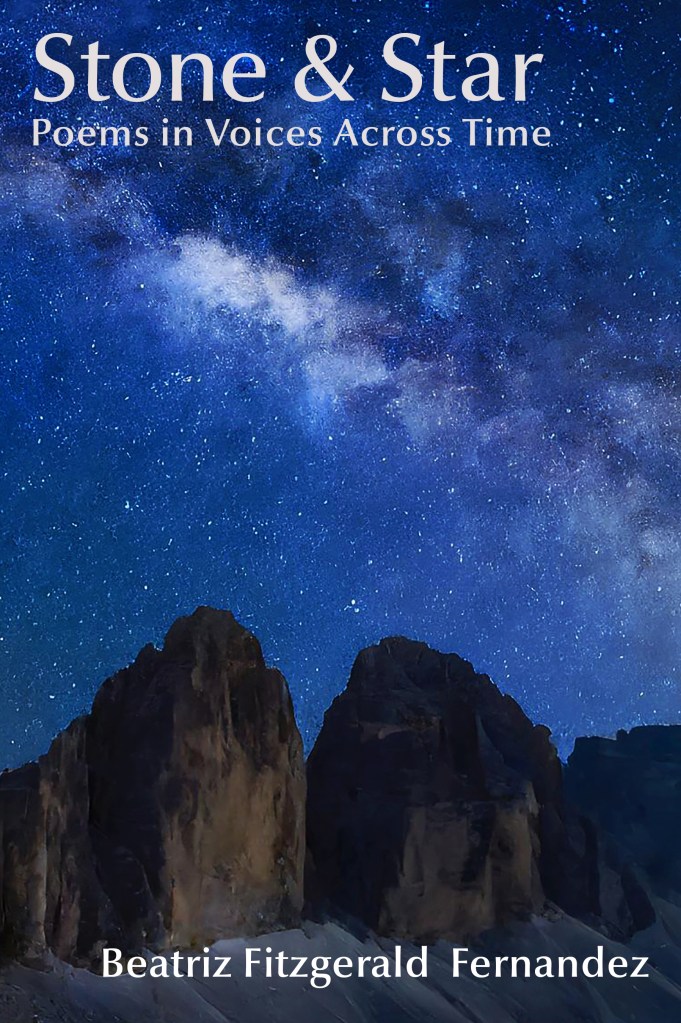
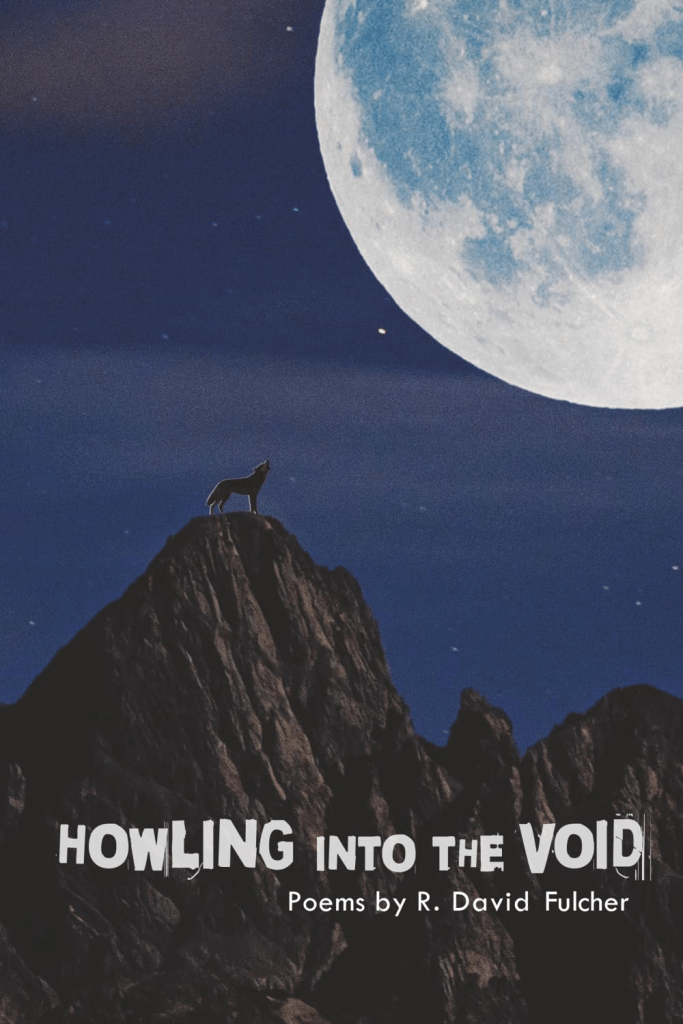
If you’ve never written a poem in any voice but your own, you might want to try writing a persona poem—it may lead you down unexplored paths of creativity!
The Academy of American Poets defines a persona poem thus:
“A persona poem is a poem in which the poet speaks through an assumed voice….Also known as a dramatic monologue, this poetic form shares many characteristics with a theatrical monologue: an audience is implied; there is no dialogue; and the poet takes on the voice of a character, a fictional identity, or a persona.”
The voice you adopt when you write a persona poem can be a fictional, imaginary or historical character, an animal, an inanimate object, a collective such as a country, or even an omniscient god-like voice. This is when the fun begins!
In “Richard the Lionheart’s Mummified Heart Examined,” a poem inspired by a true story and reprinted in my latest collection, Stone & Star: Poems in Voices Across Time, I alternately adopt the voice of the King’s Minstrel, the Royal surgeon, Richard I, his wife Berengaria of Navarre, the heart itself, and the forensic scientists who examined the heart in modern times. Needless to say, this was a fun poem to write and the voices seemed to meld seamlessly to tell the story.
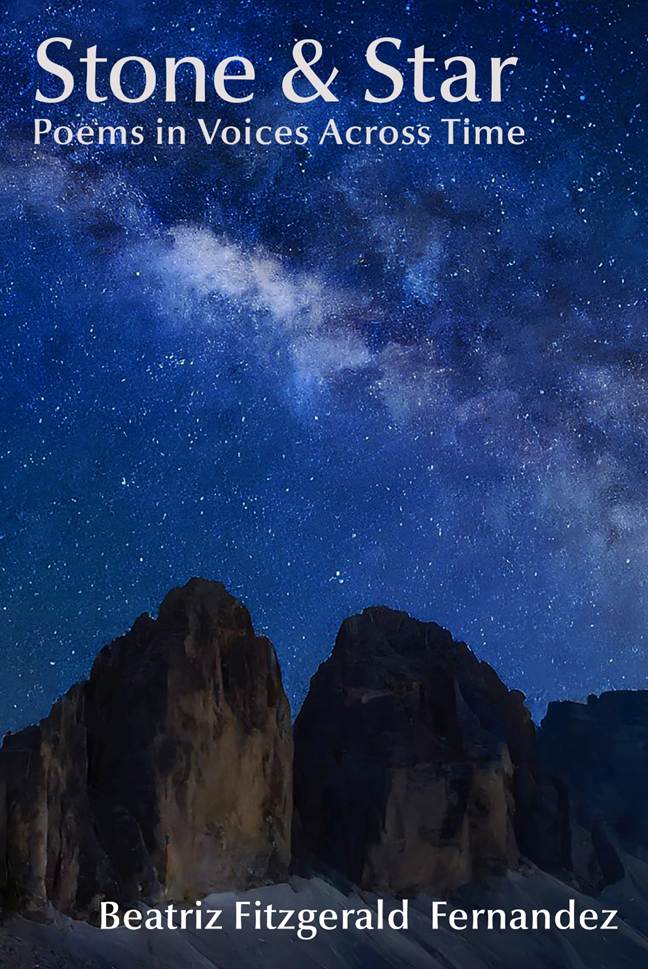
In psychological terms, Jung described persona as a social mask that conceals “the true nature of the individual.” The term originates from the theater in ancient Greece where actual masks were worn by actors on stage to represent different points of view.
However, I find that writing persona poetry rather than concealing, frees the writer to reveal their subjective truths to the reader without the constraints of their own personality.
Writing persona poetry is the closest I will ever come to acting, and I find it incredibly liberating. I first found my own voice via persona poetry and it is still my favorite poetical form to use.
When writing as a historical character, I do some research and try to read letters written by that person if they are available, to pick up some of their personal vocabulary. The way they address and sign their letters, their general tone, their “voice” is usually apparent and I use that to guide my own writing of the poem.
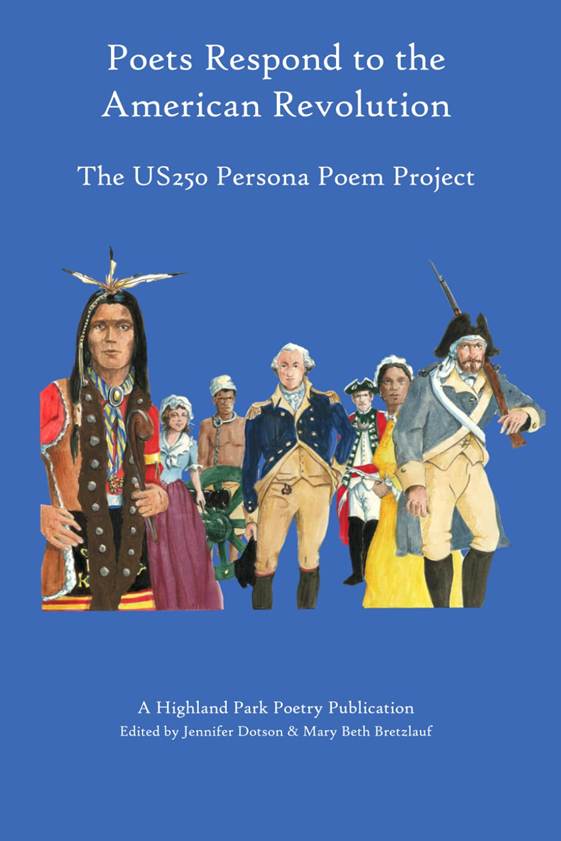
Recently, my poem “Lafayette Gingerbread” was published in an anthology, Poets Respond to the American Revolution: The US250 Persona Poem Project by Highland Park Poetry, which was devoted entirely to persona poetry about U.S. history from 1765-1800, leading up the American Revolution.
We were asked to write from the point of view of fictional or historical persons, animals or objects: one poet wrote from the perspective of Brown Beauty, the horse Paul Revere rode, some wrote from the perspective of symbols such as the Tree of Liberty or the Liberty Bell.
When writing as a fictional character, I try to stay within the confines of the work they appeared in, and use vocabulary suited to the time period of the novel. I have fun imagining what some fictional characters would say, given a chance, especially when in the original work they were not given much dialogue. In this spirit, I’ve given voice to Weena, the Time Traveler’s mostly mute companion in H.G. Well’s The Time Machine, and Nova, the beautiful mute heroine in the original 1968 Planet of the Apes film.
I find most of the persona poems I write are emotional in nature, speaking from the heart in a more direct and universal way than I could write from my own limited experience. Some writers may feel uncomfortable putting words into another’s mouth, so to speak. Unlike novelists or playwrights, who regularly write dialogue for fictional and in some cases historical characters, poets are used to thinking of their writing as highly personal and not open to other’s voices. But isn’t most poetry persona poetry, in a way? Because whenever we write, we almost unconsciously adopt a persona, a writing voice, that is not our everyday voice, but which nonetheless reflects our authentic and true nature.
Beatriz F. Fernandez is a poet and short fiction writer. Join me for my November 1st reading (along with Miguel Mitchell) as part of the Speculative Sunday Reading series! Presented and moderated by Akua Lezlie Hope. Readings are live on Zoom and tickets are free via the Eventbrite link.
Thank you for reading and please follow us here and on Facebook: https://www.facebook.com/OLDSCRATCHPRESS/
Old Scratch Press’s latest publications: Old Scratch Press Catalog
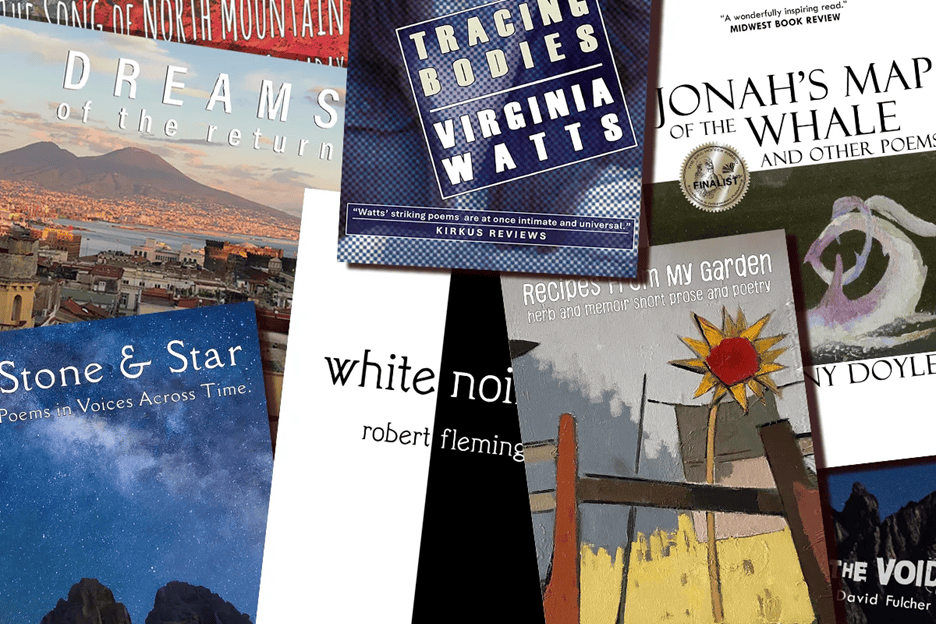
adjective: of or related to the space between what was and what comes next….
What comes next for you?
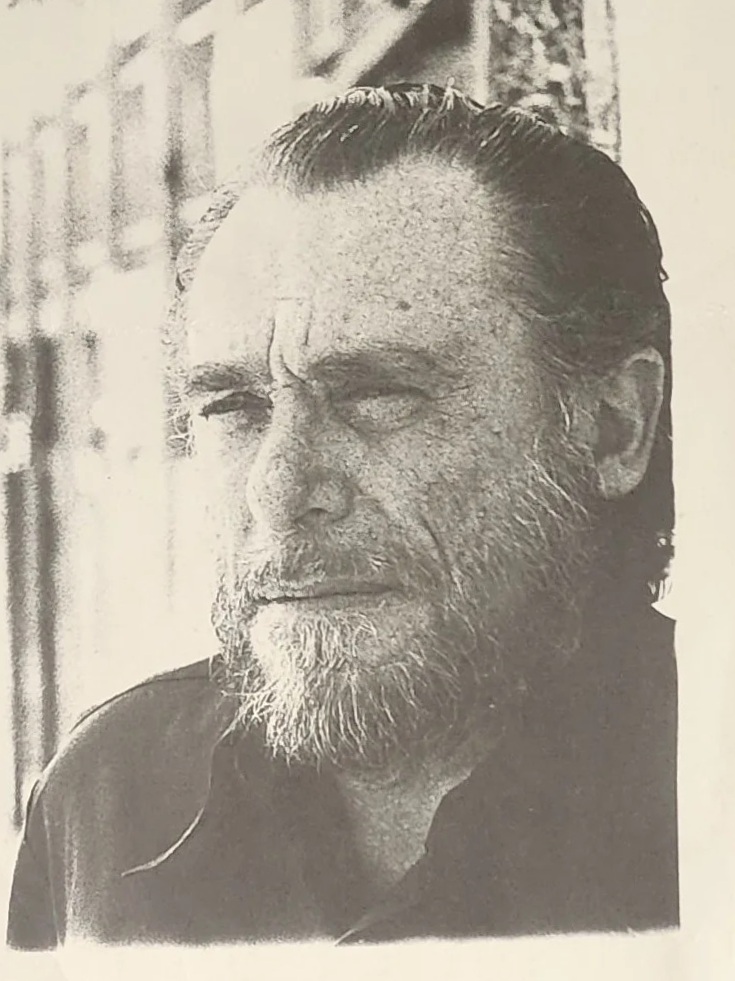
Charles Bukowski wrote about the gamblers, the rejects, factory workers, his job at the post office, those who had lost their way, his cats, his typewriter, a radio he threw on the roof repeatedly. He drank too much, gambled too much, treated women poorly, treated his wife poorly. He threw away tradition in poetry and aimed straight for the gut with unflinching honesty. His poetry focused on pain and boredom, uselessness and hopelessness, old age, heavy drinking, the underbelly of trying to survive a working-class life or worse. He’s a cult hero. He inspired a counterculture in poetry that lives on and continues around the world. He is one of the unforgettables.
Yes, he was unapologetic and rough and crude sometimes. He wasn’t always a good person, but his fan base runs deep. An icon, worshipped by many for how he took the foundations of traditional poetry and stood them on their head. His is one of the most polarizing writers of our time and one of the most inspirational to artists, singers and of course writers. It’s true that his work explores uncomfortable and upsetting things like sexism, racism, homophobia, inebriation. He wanted to write about what life can be and often is whether we like it or not and not try to act otherwise. Like him or not, he will always be seen as leading the way for poetry for the common man. Poetry for people and not for poets. Poetry for the social outcasts. Honesty in poetry. I say YES to all of that.
He wrote more than 5000 thousand poems during his lifetime. I am a fan and an admirer of Charles Bukowski. When I read him as a younger writer, I was able to believe that it was okay if I wanted to write about everyday life and nothing else. That even someone like me could have some worth as a writer. He was not a fan of poets who are overly slick, the conformists, the poets who try to tell us what to do. In other words, there is no right or wrong way to be a poet. There are no subjects that aren’t worthy of a poem. If you are a human being, you can be a poet. Click the photo below to see a favorite of mine by Bukowski:

There were reasons in his life that led to Bukowski’s style. He suffered as the son of a harsh, abusive father and he also had a disfiguring acne condition. The only way to really appreciated Charles Bukowski is to read a book of his work or several. Read a lot of poems. In this way, you will see beyond the language, the bravado, the street fighter, the drinker. You will come to know the heart of a complicated man who cared very deeply about his fellow man. He wrote so much about human suffering because he worried about human suffering and not just his own.
He was the master of direct language. The hero of not holding back. In any case, you don’t have to like him or how he lived to fall in love with his poetry or at the least learn from it or be inspired by it. Even if you hate it, you’ll feel emotion and I think Hank would say that’s good enough for him. It’s fun to try and write a poem in the Bukowski style too as a poet. As poets we are always learning. Below is a poem I wrote with him in mind. Give it a try! And read you some Hank as soon as possible!!!
FAIRY DUST
Virginia Watts
I never have anything to say to children
I’ll do anything to avoid those little shoes
hit the crapper, blow my nose
bones make lovely dust
the white and the wispy clouds
the silver of angel wings peeking
even though I don’t believe in angels
this little tiger lily really cornered me
stuck with a minimum wage dad
like it wasn’t his fault
scoring a six pack
and some Beam before noon on Sunday
she got herself up on that stool
I don’t know how without breaking her neck
How old. Four?
set patent toes on the side
of my bar stool and pushed off
Spun that thing
around and around like a pro
when I joined in she giggled the corner
of 9th and Fitzwater Street
down a waterfall and out to sea
he yanked her off that chair so hard
I would have beaten
the bejesus out of him
if she hadn’t been there
Virginia Watts is the author of poetry and stories found in The MacGuffin, Epiphany, CRAFT, The Florida Review, Reed Magazine, Pithead Chapel, Eclectica Magazine among others. She has been nominated four times for a Pushcart Prize. Her debut short story collection Echoes from the Hocker House was short listed for 2024 Eric Hoffer Grand Prize, selected as one of the Best Indie Books of 2023 by Kirkus Book Reviews, and won third place in the 2024 Feathered Quill Book Awards. Please visit her.
Virginia’s new book is now available from Old Scratch Press:

Her prior poetry chapbooks Shot Full of Holes and The Werewolves of Elk Creek
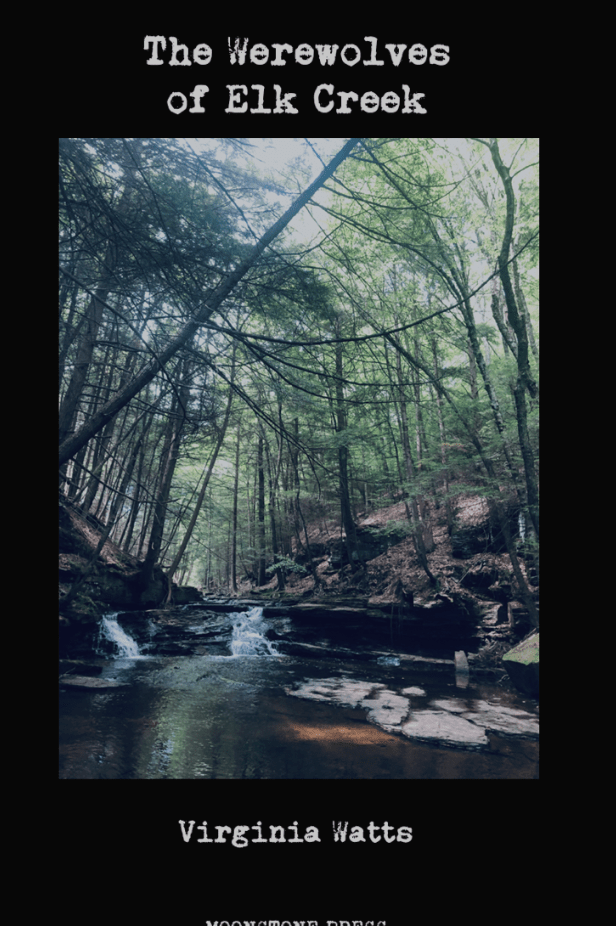
are available from Moonstone Press. And her debut short story collection Echoes from the Hocker House is not to be missed!

verb: to be piled up in heaps.
What would it be like to be piled up in heaps?
noun: the place or point of entering or beginning.
Have you ever written about a threshold?
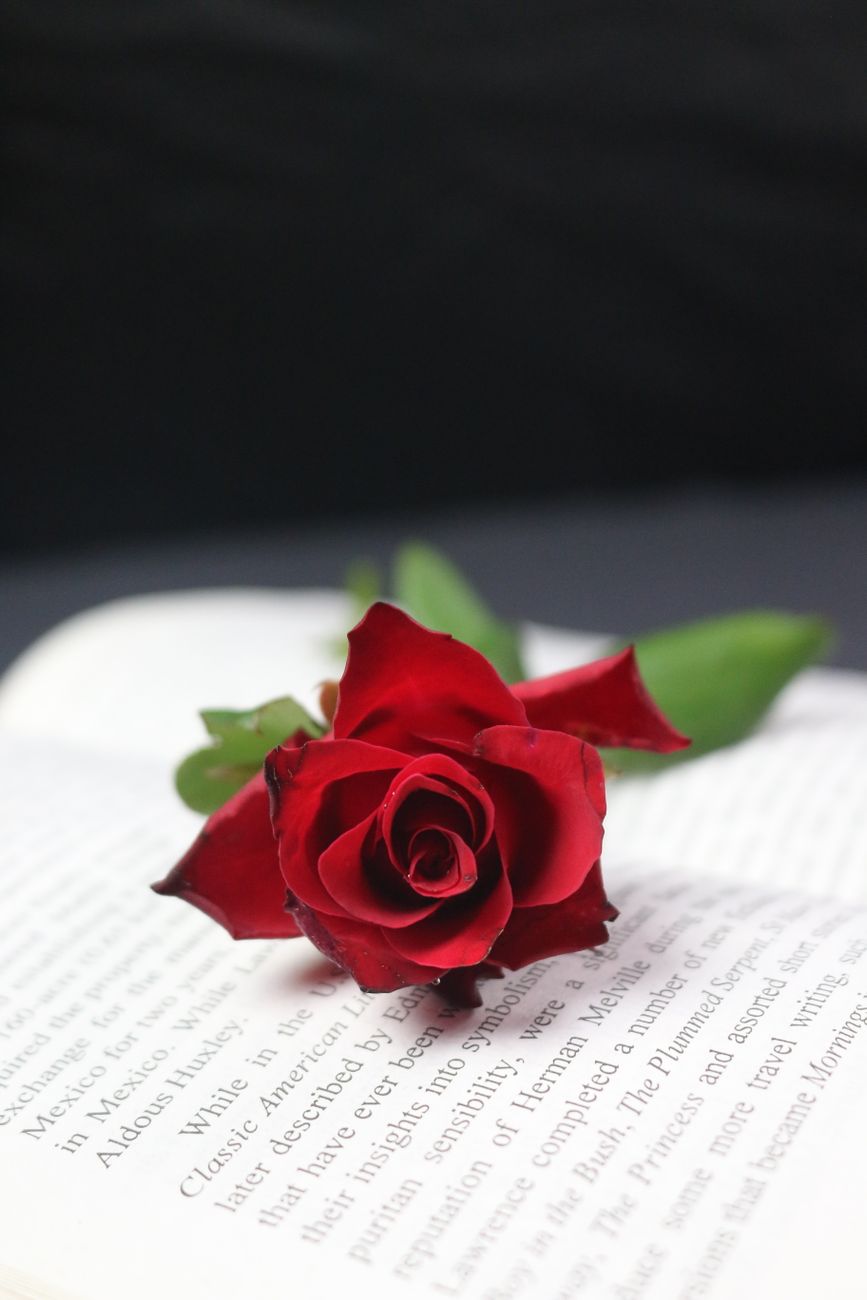
“What’s in a name? That which we call a rose
By any other name would smell as sweet.”
~ Shakespeare’s Romeo and Juliet, spoken by Juliet, Act 2, Scene 2
Today I am writing about a subject dear to my heart—choosing titles for poems.
The opportunity to name something you created should not be wasted. You’d think people would give this more attention than they actually do.
Back in the 80s, there was a best-selling book called The Name Game and its main premise was that your name was your destiny. If you wanted your child to be popular, excel in school and marry well, you had to be very careful what you named that little baby in the bassinet.
It would seem to follow that naming your poem merits some consideration as well!
To be clear, I’m no expert and I’m not denigrating any method you may be in the habit of using to choose your titles (or name your children!). But I have a keen interest in this subject and it seems to be a somewhat neglected area of discussion in poetry.
Just to see if maybe something on this subject was buried in books about writing poetry, I checked out a few classic poetry craft books: Ted Kooser’s The Poetry Home Repair Manual and Robert Pinsky’s Singing School. Kooser devotes a few pages to the subject. Pinsky mentions nothing about titles but does provide lots of examples of classic poem titles to peruse.
I then checked in the library catalog of a library of 2 million+ volumes, and only ONE book comes up under the LC classification subject heading: Titles of poems, it is a book called The Title to the Poem by Anne Ferry. She explores the subject in depth, asking questions like “Who gives the title? Who has the title? Who “says” the poem? Who “hears” the poem? What genre does the poem belong to? What is the poem “about”?” and considers the deeper aspects of titling poems: “There are complex relationships between what titles purport to tell and what they actually tell, and this is true not only of titles so worded that they demand interpretation, but also of those that appear straightforward.”
A title can anchor a poem in space and time, giving the reader some necessary context with which to begin reading and enjoying it. For example, a recent poem I wrote I entitled:
“Native, Antilles High School, Ft. Buchanan, Puerto Rico”
I could have just named it “Native” but the place and the time were very relevant to understanding the background of this poem, so the title’s subtitle in this case was very important.
Similarly, a poem entitled “An Evening Encounter at the Arecibo Observatory” gives the reader a lot of information, the time, the place, and the sense that this encounter is not going to be an ordinary one, given the nature of the place!
A title can lend specificity and a sense of fun at the same time:
For example, “At the Mayan Monkey Mijas Chocolate Factory” (and yes, this place really exists!)
First of all, how can you visit a place called the Mayan Monkey Mijas Chocolate Factory and NOT write a poem about it and use that name in the title?? However, I later thought I really should have called it “Touring the Mayan Monkey Mijas Chocolate Factory” and that would have conveyed even more relevant information because I was a tourist, not someone who worked there or a local who regularly visited, for example.
This title conveys a specific place (Mijas, Spain), history and culture (Mayan), fun (monkeys!) and sensory detail (the aroma of chocolate) and opens all sorts of questions in the reader’s mind, such as: What does a chocolate factory in Mijas have to do with Mayan monkeys?
Bridget Kriner’s article: Making It Work: Five Jobs for Poem Titles — The Poetry Lab helps you think about how to title your poem by thinking of what you want that title to bring to the poem.
“…titles are hard to get just right and do really important work–namely, a great title shows the reader how to read a poem.
A poem’s title is where the reader is introduced to a poet, an invitation from the poet into the depths of a poem’s magic. This is, essentially, the main job description of a title: to welcome its readers at the doorway of the poem and to draw them inside. However, the specific function titles perform can vary.”
In The Power of Titles: Strategies for Choosing the Right Title for Your Stories & Poetry, Emily Harstone makes a powerful argument against giving poems what she calls “placeholder” titles.
“As a poet, I haven’t always put as much emphasis on titles, but working
as a reader and then an editor for a literary journal really changed that
for me. When I was in that role I had to read about a thousand poems
over the period of two months. This is not an uncommon experience
for editors or readers.
I had to pick around ten poems out of all these poems to share with
others. But after reading so many they all started to merge together in
my mind. It didn’t help that a number of them had the same title.
Sometimes I’d try and remember a poem I liked, but then ended up not
finding it because while I remembered part of the poem I didn’t
remember the title.”
This problem would be exacerbated during the judging of a poetry contest, for example, and could keep your poem from winning an award! Imagine a judge reading dozens of poems called “A Dream” for example and trying to remember which one they liked best!
I think the approach of giving memorable titles to poems helped me when, after winning the 2nd annual Writer’s Digest poetry award with “Respiratory Tech at the Vietnam Memorial, 1989,” (which conveyed the speaker, place and time) I followed it up several years later with “The Menopausal Mermaid Takes Medical Advice” which came in at #36, I think. If you keep in mind that the first contest had ~4200 entries, and was only in its 2nd year, so the entries probably ballooned afterwards to even higher numbers, the importance of a memorable title becomes all the more obvious.
I think the saddest thing I see is “Untitled” as a title. I’m sure there are many brilliant poems by that title (though I can’t think of any off hand), and of course many poets just use the first line of their poem as a title, as per Emily Dickinson (but then again, most of her poems were not meant for publication.) But I feel like not giving your poem a title is a lost opportunity to engage with your reader on a different level.
Rodney Wood gives several techniques to find the right title for your poem: Why poem titles matter more than you might think | Write Out Loud
He does warn that any technique used too often can quickly become monotonous, though.
His final advice should resonate with any poet: “A title doesn’t have to be clever, poetic, or punchy — but it should be deliberate. It’s the invitation, the signpost, the spell. It’s the first poem the reader reads, even before the first line. So give your poems the names they deserve.”
Thank you for reading and please follow us here and on Facebook https://www.facebook.com/OLDSCRATCHPRESS/
Beatriz F. Fernandez is a Miami area poet and University Reference librarian. She is the author of three poetry chapbooks, the most recent of which is Simultaneous States (2025) by Bainbridge Island Press. In 2025, she became a member of the Old Scratch Press short form and poetry writing collective.
Her upcoming poetry book, Stone & Star: Poems in Voices Across Time will be published this fall by Old Scratch Press.
READ ONE OF OUR MEMBERS’ LATEST POETRY COLLECTION:
BY R. DAVID FULCHER
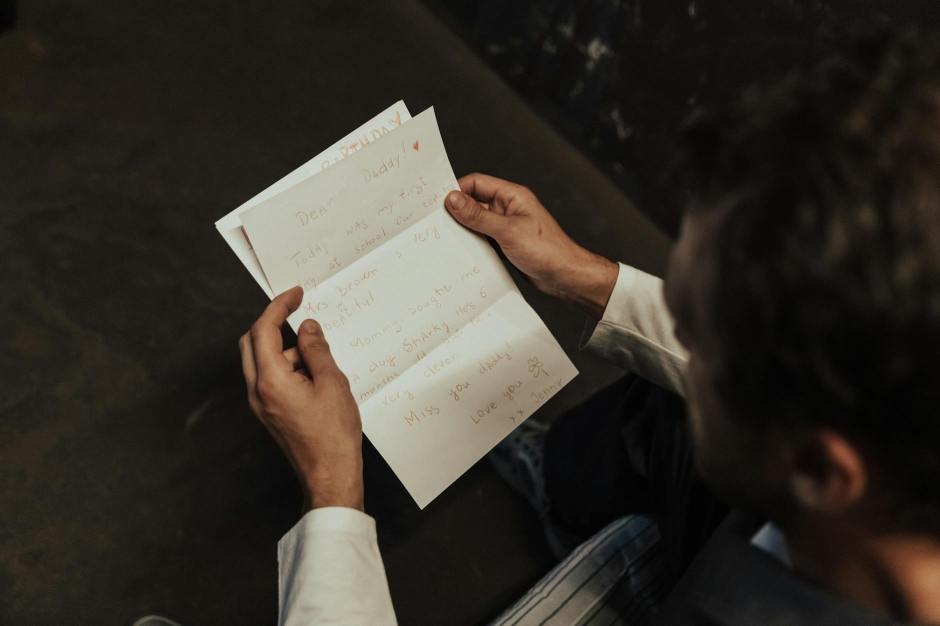
June, the start of summer and the month of graduations and weddings has begun. It’s a month of beginnings and endings.
I’m someone who likes to plan ahead, particularly if gift giving is involved. The holidays this month are Flag Day, Juneteenth, Father’s Day, and Summer Solstice.
This year Father’s Day falls on Sunday June 21st. I’ve been hearing advertisements for barbecue grills, power tools, personalized mugs.
But Father’s Day isn’t a day that has to be just about your father or the father of your children. And it doesn’t have to involve giving expensive items. It can be a good time to recognize the men in your life who have inspired you, as well as male friends and neighbors who have been helpful and caring.
As for gifts, the best gift is often a phone call, a card, the gift of time. From a writer, the best gift can be a story or poem.
Do not wait until the day before Father’s Day. I always find that my best work needs to sit for a while and undergo revisions before it is ready to be shared.
How to start. Everyone has their own technique. If I am writing a poem specifically to laud someone, I usually begin by listing everything about them I admire. We all notice different things. Details are important.
Or you can share an important memory and write it in prose or in verse. It can be serious or funny. Make someone laugh and you are halfway to penning something they’ll treasure.
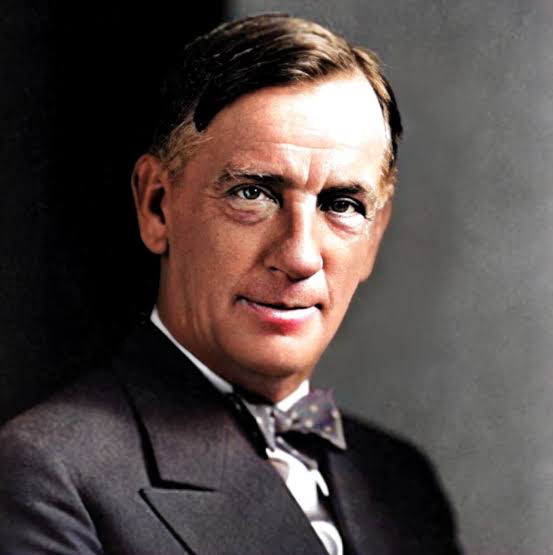
You are writing your piece for one person. It does not have to be a masterpiece. One poet, who was popular in his time, was widely published in newspapers. His name was Edgar Guest and he was an English poet who lived a long life, 1881-1959. His poems definitely make me laugh. Here are two.
Father
By Edgar Guest
My father knows the proper way
   The nation should be run;
He tells us children every day
   Just what should now be done.
He knows the way to fix the trusts,
   He has a simple plan;
But if the furnace needs repairs,
   We have to hire a man.


My father, in a day or two
   Could land big thieves in jail;
There's nothing that he cannot do,
   He knows no word like "fail."
"Our confidence" he would restore,
   Of that there is no doubt;
But if there is a chair to mend,
   We have to send it out.


All public questions that arise,
   He settles on the spot;
He waits not till the tumult dies,
   But grabs it while it's hot.
In matters of finance he can
   Tell Congress what to do;
But, O, he finds it hard to meet
   His bills as they fall due.


It almost makes him sick to read
   The things law-makers say;
Why, father's just the man they need,
   He never goes astray.
All wars he'd very quickly end,
   As fast as I can write it;
But when a neighbor starts a fuss,
   'Tis mother has to fight it.


In conversation father can
   Do many wondrous things;
He's built upon a wiser plan
   Than presidents or kings.
He knows the ins and outs of each
   And every deep transaction;
We look to him for theories,
   But look to ma for action.
Only a Dad
By Edgar Guest
Only a dad with a tired face,
Coming home from the daily race,
Bringing little of gold or fame
To show how well he has played the game;
But glad in his heart that his own rejoice
To see him come and to hear his voice.

Only a dad with a brood of four,
One of ten million men or more
Plodding along in the daily strife,
Bearing the whips and the scorns of life,
With never a whimper of pain or hate,
For the sake of those who at home await.

Only a dad, neither rich nor proud,
Merely one of the surging crowd
Toiling, striving from day to day,
Facing whatever may come his way,
Silent whenever the harsh condemn,
And bearing it all for the love of them.

Only a dad but he gives his all
To smooth the way for his children small,
Doing with courage stern and grim,
The deeds that his father did for him.
This is the line that for him I pen:
Only a dad, but the best of men.
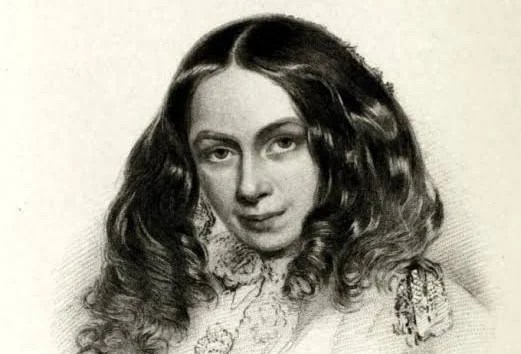
The famous English poet Elizabeth Barrett Browning, 1806-1861, was encouraged by her father to write poetry, and thus it is no surprise that she wrote poems especially for him. Here is one penned for his birthday.
By Elizabeth Barrett Browning


Amidst the days of pleasant mirth,
That throw their halo round our earth;
Amidst the tender thoughts that rise
To call bright tears to happy eyes;
Amidst the silken words that move
To syllable the names we love;
There glides no day of gentle bliss
More soothing to the heart than this!
No thoughts of fondness e’er appear
More fond, than those I write of here!
No name can e’er on tablet shine,
My father! more beloved than thine!
‘Tis sweet, adown the shady past,
A lingering look of love to cast—
Back th’ enchanted world to call,
That beamed around us first of all;
And walk with Memory fondly o’er
The paths where Hope had been before—
Sweet to receive the sylphic sound
That breathes in tenderness around,
Repeating to the listening ear
The names that made our childhood dear—
For parted Joy, like Echo, kind,
Will leave her dulcet voice behind,
To tell, amidst the magic air,
How oft she smiled and lingered there.
Elizabeth Barrett Browning may not be your style. The birthday poem to her dad was written when she was 20 years old. It captures her feelings at the time and was published in her 1826 poetry collection. Eventually she and her father had a falling out. He disowned her when she married the poet, Robert Browning.
Sometimes the memory or experience of something special, can help to inspire you. Remember you are writing for just one person, or maybe in this case two people, yourself and the recipient. Let your ideas flow and don’t start editing until you’ve written down all your thoughts.
If you’d like to create a card and a poem at the same time, here is a prompt on how to create Collage Poems. Whatever you come up with, if you consider it successful in capturing the essence of your dad, check out this opportunity to be published in the upcoming issue of Instant Noodles Literary Magazine,
THANK YOU FOR READING. FOLLOW US AT FACEBOOK AT https://www.facebook.com/OLDSCRATCHPRESS
by Nadja Maril, a founding member of Old Scratch Press Collective
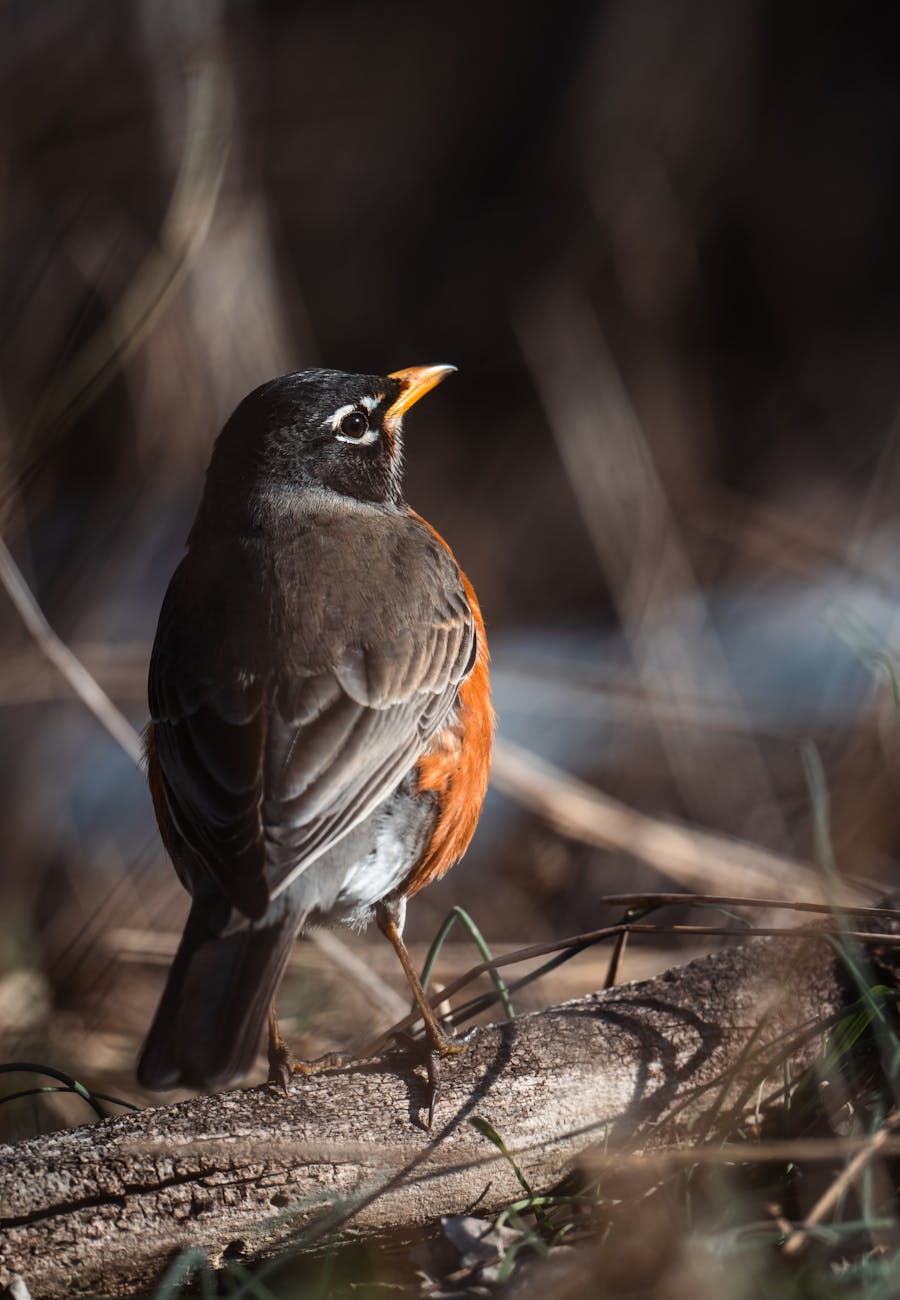
What a sight on a damp misty morning, a robin perched on a street sign preening its feathers. The orange red of its breast feathers contrasting sharply with the bright green and white lettered sign.
My cell phone was in my back pocket, but I didn’t snap a photo. I watched the bird fly away and listened to the other birds around me. The neighborhood was just beginning to awake. Down the road I spied a few dog-walkers taking advantage of the early hour temperatures.
A plump brown bunny nibbled on clover. I decided to take his photograph, but he didn’t pose for long and took refuge in a flower bed. My gaze shifted to the colors of all those flowers: purple, pink, yellow, blue and red.
The current “tropical rain forest” weather hovering over our region has been a boon to gardeners. Blossoms are lush. It’s been a boon to weeds too, but it’s too early in the morning for me to think about that.
It’s the first day of April and the start of National Poetry Month. I get inspired by nature: birds, new buds, bunny sightings. Other writers are inspired by the hum of machines or the echo of human voices. Whatever gets your mind engaged in the world around you, write it down.
Focusing on the Moment
I’m focusing on the present moment, a difficult task. My mind tends to jump forwards and backwards. I worry about what I need to do and replay what I might have done wrong. I recall happy memories and then remind myself the past is over and if I stay there too long, I’ll miss what is happening in the present.
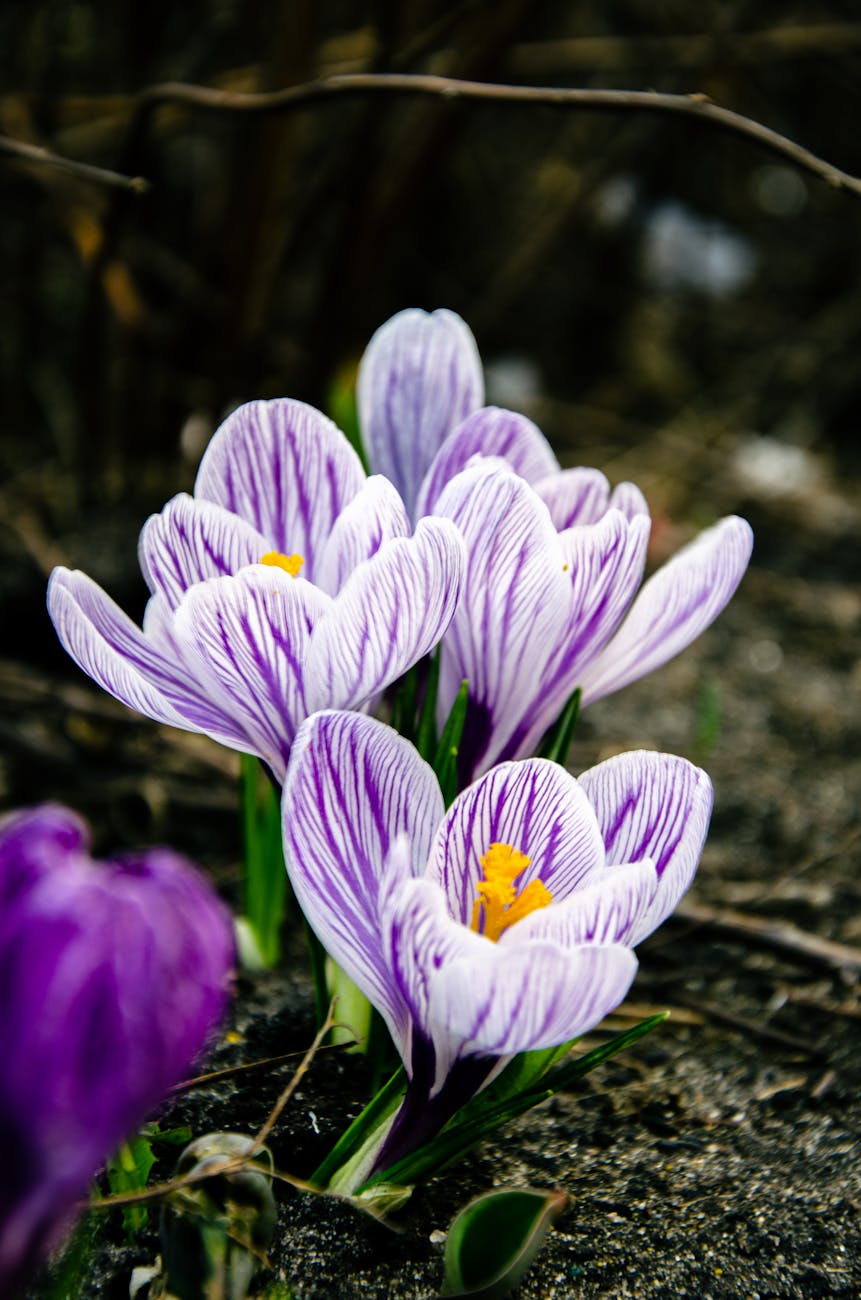
This balance between present, past, and future is an interesting dilemma. Particularly because all is open to interpretation. What we remember as the past, is most likely different from our neighbor’s recollection. What we prioritize for the future is usually different too.
Politically, socially, environmentally our planet is at a crossroads. Some of us are just struggling to survive. Others of us want to change things for the better, but it can be a challenge to figure out how.
I read and listen to media reports, and hear different versions of the same event. I’ve heard the term “fake news” repeatedly bandied about. I hear leaders speaking outright lies. I hear people being described in ways designed to incite violence and hatred.
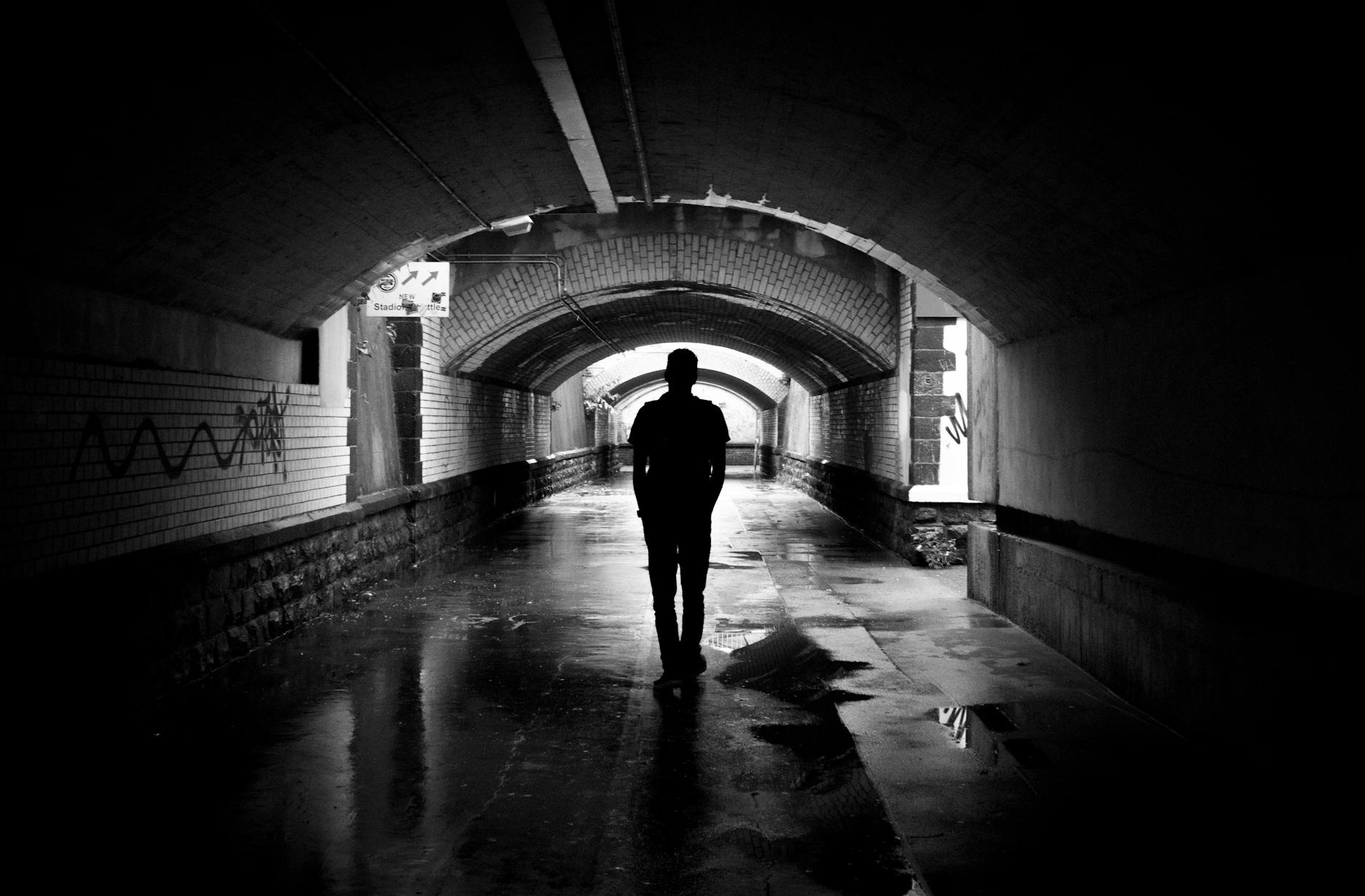
Overwhelmed by all the negativity I tune out.
Change happens slowly, in small incremental ways, I remind myself. Small acts of courage. Small acts of kindness. The arts, the federal funding of which is currently under attack, is a way to share beauty and foster connection. Arts in education provides paths for children to develop alternative learning styles that can deepen comprehension. Whether you volunteer your time, donate money, or support the arts by buying a ticket to a museum or a play; you’re doing something positive.
Writers are witnesses. Documenting the good and the beauty you observe is an important job alongside the documentation of injustice and cruelty. Writing a short fable can be one way to start. Remember Aesop’s Fables?
Aesop is thought to have been a storyteller, and possibly a slave, who lived in Greece between 620 and 564 B.C. Translated from Greek and Latin, and available in versions for adults and children online and in print, I share below one of my favorites.
The Bundle of Sticks
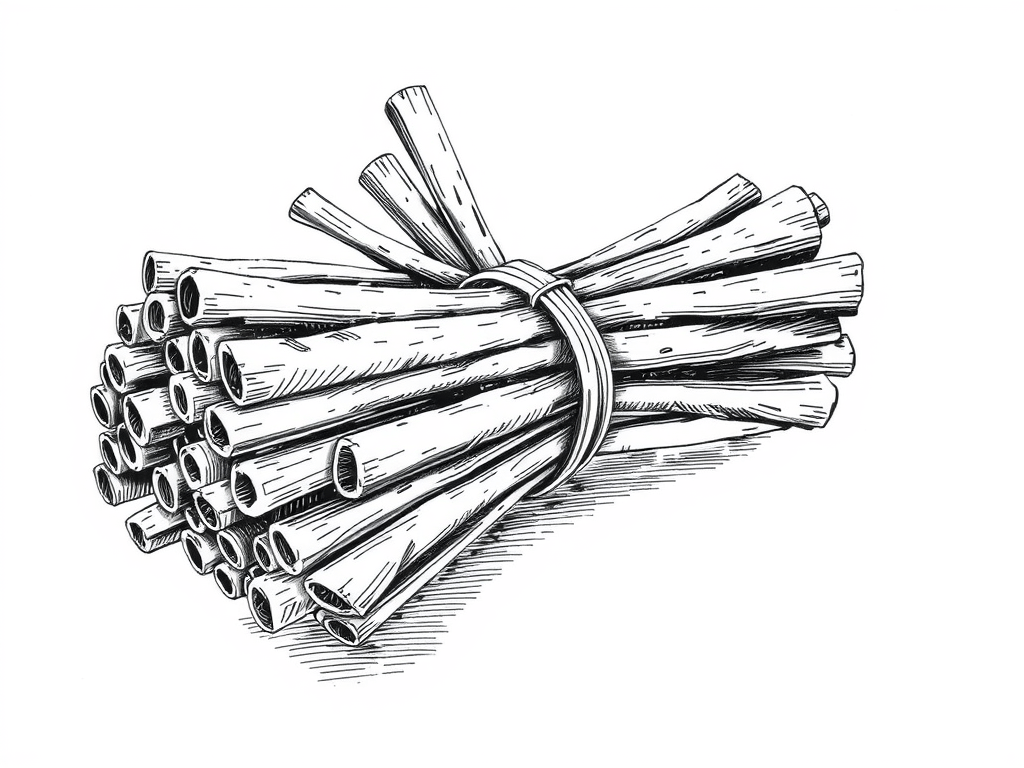
A certain Father had a family of Sons, who were forever quarreling among themselves. No words he could say did the least good, so he cast about in his mind for some very striking example that should make them see that discord would lead them to misfortune.
One day when the quarreling had been much more violent than usual and each of the Sons was moping in a surly manner, he asked one of them to bring him a bundle of sticks. Then handing the bundle to each of his Sons in turn he told them to try to break it. But although each one tried his best, none was able to do so.
The Father then untied the bundle and gave the sticks to his Sons to break one by one. This they did very easily.
“My Sons,” said the Father, “do you not see how certain it is that if you agree with each other and help each other, it will be impossible for your enemies to injure you? But if you are divided among yourselves, you will be no stronger than a single stick in that bundle.”
In unity is strength.
WRITING PROMPT: Can you write your own modern-day fable? Whether you use animals, plants, or people, think of something simple you observed that taught you a lesson. Brief and to the point, maybe your fable is a piece of flash fiction. Set it aside and read it again out loud two days from now. If you think it is good, share it. Maybe sharing means posting it online yourself, printing it out and sending it to friends by “snail mail,” or perhaps sending it to a literary magazine. Check out Instant Noodles Literary Review. Our current theme for submissions is Al Dente. For more information click here.
Thank you for reading.
Writers and Readers, don’t forget to forget to follow us on Facebook to get the latest news and learn about submission opportunities.
Nadja Maril is an award winning writer and poet who has been published in dozens of online and print literary journals and anthologies including: Lunch Ticket, Spry Literary Journal, Invisible City Literary Review, Instant Noodles and The Journal of Compressed Creative Arts. She is the author of Recipes From My Garden, published by Old Scratch Press (September 2024), a Midwest Review California Book Watch Reviewer’s Choice. An Anne Arundel County Arts Council Literary Arts Award winner, her work has been nominated for the Pushcart Prize and The Best of the Net. She has an MFA in creative writing from Stonecoast at USM.
Check out Nadja’s chapbook below and here.


