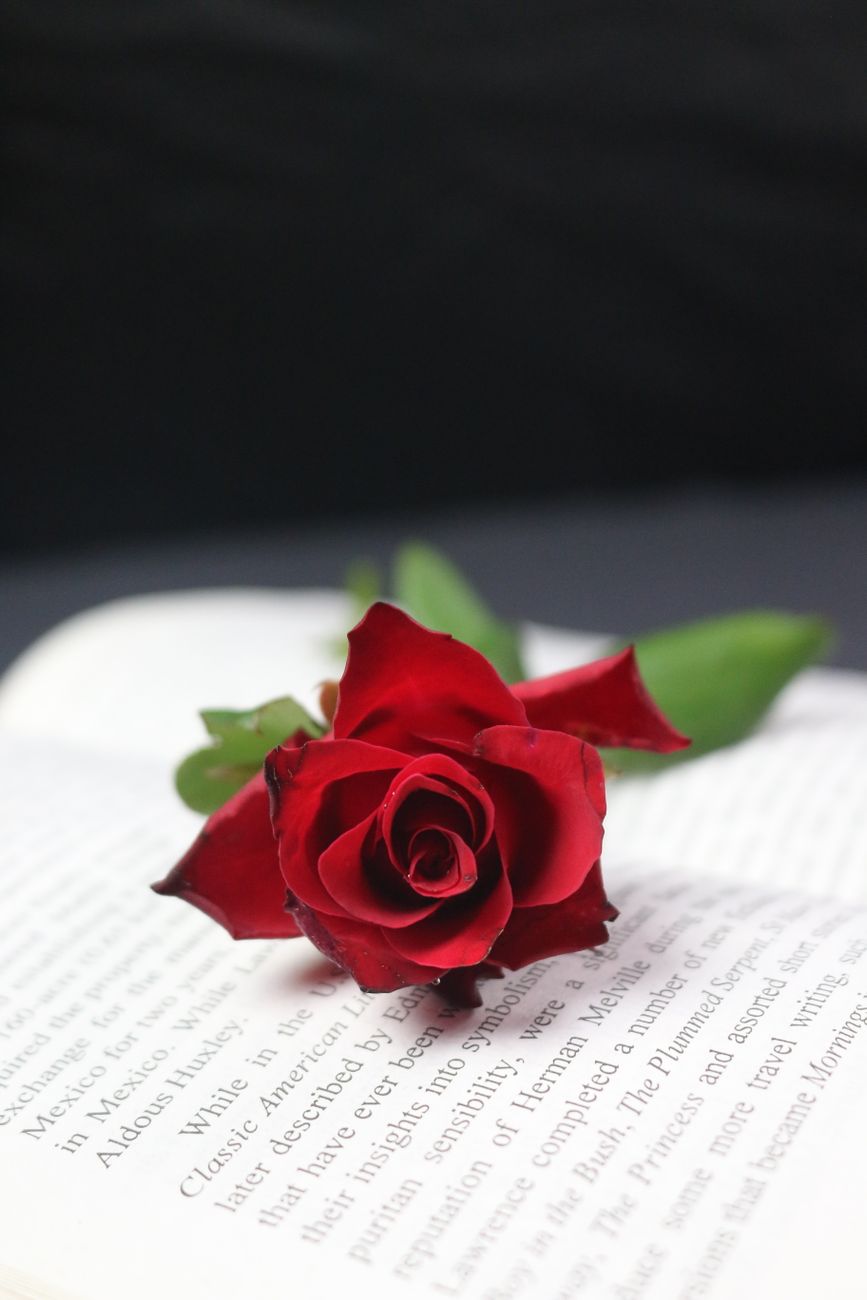
“What’s in a name? That which we call a rose
By any other name would smell as sweet.”
~ Shakespeare’s Romeo and Juliet, spoken by Juliet, Act 2, Scene 2
Today I am writing about a subject dear to my heart—choosing titles for poems.
The opportunity to name something you created should not be wasted. You’d think people would give this more attention than they actually do.
Back in the 80s, there was a best-selling book called The Name Game and its main premise was that your name was your destiny. If you wanted your child to be popular, excel in school and marry well, you had to be very careful what you named that little baby in the bassinet.
It would seem to follow that naming your poem merits some consideration as well!
To be clear, I’m no expert and I’m not denigrating any method you may be in the habit of using to choose your titles (or name your children!). But I have a keen interest in this subject and it seems to be a somewhat neglected area of discussion in poetry.
Just to see if maybe something on this subject was buried in books about writing poetry, I checked out a few classic poetry craft books: Ted Kooser’s The Poetry Home Repair Manual and Robert Pinsky’s Singing School. Kooser devotes a few pages to the subject. Pinsky mentions nothing about titles but does provide lots of examples of classic poem titles to peruse.
I then checked in the library catalog of a library of 2 million+ volumes, and only ONE book comes up under the LC classification subject heading: Titles of poems, it is a book called The Title to the Poem by Anne Ferry. She explores the subject in depth, asking questions like “Who gives the title? Who has the title? Who “says” the poem? Who “hears” the poem? What genre does the poem belong to? What is the poem “about”?” and considers the deeper aspects of titling poems: “There are complex relationships between what titles purport to tell and what they actually tell, and this is true not only of titles so worded that they demand interpretation, but also of those that appear straightforward.”
A title can anchor a poem in space and time, giving the reader some necessary context with which to begin reading and enjoying it. For example, a recent poem I wrote I entitled:
“Native, Antilles High School, Ft. Buchanan, Puerto Rico”
I could have just named it “Native” but the place and the time were very relevant to understanding the background of this poem, so the title’s subtitle in this case was very important.
Similarly, a poem entitled “An Evening Encounter at the Arecibo Observatory” gives the reader a lot of information, the time, the place, and the sense that this encounter is not going to be an ordinary one, given the nature of the place!
A title can lend specificity and a sense of fun at the same time:
For example, “At the Mayan Monkey Mijas Chocolate Factory” (and yes, this place really exists!)
First of all, how can you visit a place called the Mayan Monkey Mijas Chocolate Factory and NOT write a poem about it and use that name in the title?? However, I later thought I really should have called it “Touring the Mayan Monkey Mijas Chocolate Factory” and that would have conveyed even more relevant information because I was a tourist, not someone who worked there or a local who regularly visited, for example.
This title conveys a specific place (Mijas, Spain), history and culture (Mayan), fun (monkeys!) and sensory detail (the aroma of chocolate) and opens all sorts of questions in the reader’s mind, such as: What does a chocolate factory in Mijas have to do with Mayan monkeys?
Bridget Kriner’s article: Making It Work: Five Jobs for Poem Titles — The Poetry Lab helps you think about how to title your poem by thinking of what you want that title to bring to the poem.
“…titles are hard to get just right and do really important work–namely, a great title shows the reader how to read a poem.
A poem’s title is where the reader is introduced to a poet, an invitation from the poet into the depths of a poem’s magic. This is, essentially, the main job description of a title: to welcome its readers at the doorway of the poem and to draw them inside. However, the specific function titles perform can vary.”
In The Power of Titles: Strategies for Choosing the Right Title for Your Stories & Poetry, Emily Harstone makes a powerful argument against giving poems what she calls “placeholder” titles.
“As a poet, I haven’t always put as much emphasis on titles, but working
as a reader and then an editor for a literary journal really changed that
for me. When I was in that role I had to read about a thousand poems
over the period of two months. This is not an uncommon experience
for editors or readers.
I had to pick around ten poems out of all these poems to share with
others. But after reading so many they all started to merge together in
my mind. It didn’t help that a number of them had the same title.
Sometimes I’d try and remember a poem I liked, but then ended up not
finding it because while I remembered part of the poem I didn’t
remember the title.”
This problem would be exacerbated during the judging of a poetry contest, for example, and could keep your poem from winning an award! Imagine a judge reading dozens of poems called “A Dream” for example and trying to remember which one they liked best!
I think the approach of giving memorable titles to poems helped me when, after winning the 2nd annual Writer’s Digest poetry award with “Respiratory Tech at the Vietnam Memorial, 1989,” (which conveyed the speaker, place and time) I followed it up several years later with “The Menopausal Mermaid Takes Medical Advice” which came in at #36, I think. If you keep in mind that the first contest had ~4200 entries, and was only in its 2nd year, so the entries probably ballooned afterwards to even higher numbers, the importance of a memorable title becomes all the more obvious.
I think the saddest thing I see is “Untitled” as a title. I’m sure there are many brilliant poems by that title (though I can’t think of any off hand), and of course many poets just use the first line of their poem as a title, as per Emily Dickinson (but then again, most of her poems were not meant for publication.) But I feel like not giving your poem a title is a lost opportunity to engage with your reader on a different level.
Rodney Wood gives several techniques to find the right title for your poem: Why poem titles matter more than you might think | Write Out Loud
He does warn that any technique used too often can quickly become monotonous, though.
His final advice should resonate with any poet: “A title doesn’t have to be clever, poetic, or punchy — but it should be deliberate. It’s the invitation, the signpost, the spell. It’s the first poem the reader reads, even before the first line. So give your poems the names they deserve.”
Thank you for reading and please follow us here and on Facebook https://www.facebook.com/OLDSCRATCHPRESS/
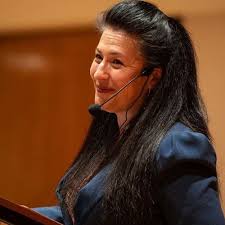
Beatriz F. Fernandez is a Miami area poet and University Reference librarian. She is the author of three poetry chapbooks, the most recent of which is Simultaneous States (2025) by Bainbridge Island Press. In 2025, she became a member of the Old Scratch Press short form and poetry writing collective.
Her upcoming poetry book, Stone & Star: Poems in Voices Across Time will be published this fall by Old Scratch Press.
READ ONE OF OUR MEMBERS’ LATEST POETRY COLLECTION:
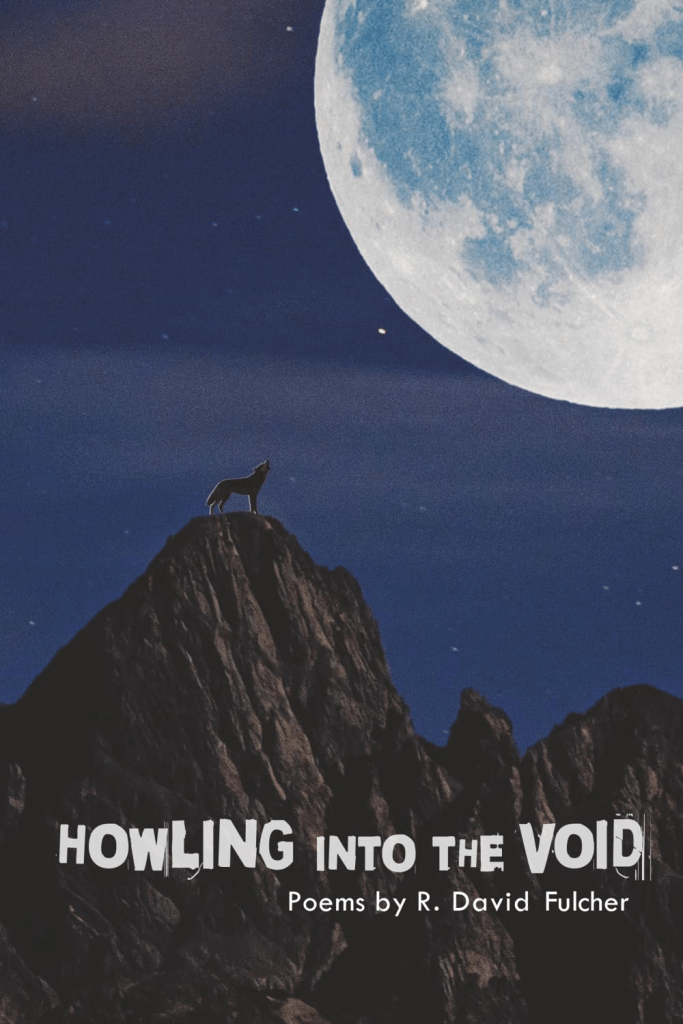
BY R. DAVID FULCHER