The Struggle of Choosing the Perfect Title

By Nadja Maril

A founding member of Old Scratch Press

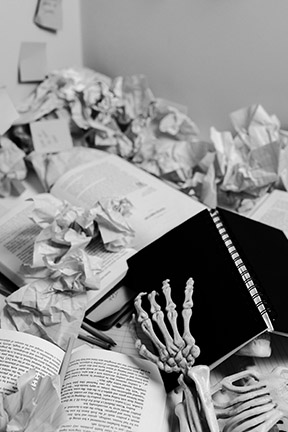
A few years ago a short creative nonfiction essay of mine, titled “Lipstick” was published in Hare’s Paw Literary Journal. It took many attempts to find a home for this particular essay. On reflection, part of the difficulty was in deciding on an appropriate title.

In contemplating “writer’s notes” about this particular piece of writing, I remember thinking about how titles set up certain epectations.

During that lull, after I’ve sent out my work and for several months while waiting for a response, always there is self-doubt. Is the essay too short, too long. Did I mess up the tenses again. Is is too negative? Will readers find it disturbing? Will editors opposed to any type of make-up be turned off? Yes, a lot of weird thoughts were whirling around in my mind, and several of them centered on the title I’d chosen. I’d started to question my choice . Did I give I it the right title?

I felt I’d written something good. I’d workshopped it with some colleagues and received some positive feedback from editors who ”couldn’t find space for this particular piece in our upcoming issue, but please send us more work…” so I sensed I’d written something powerful, but had I chosen the right title?

Photo by Dids . on Pexels.com

Titles are hard. At least they are hard for me. I know they are important. As a former journalist, I know it is the headlines ie titles that people read first and maybe the only thing they read. Maybe if they see the title “lipstick,” I thought, they will literally think it is an essay about lipstick. Maybe I should have chosen a title that indicated it was about a fraught relationship between a mother and a daughter.

If a piece has been submitted to a magazine and it’s anonymously sitting in the slush pile, a reader/editor might barely read the work, if they decide they don’t like the title. After all, they’ve got a whole bunch of other stories waiting to be read. Maybe they shouldn’t even bother. Perhaps they are asking themselves, will this particular story interest me?

As a writer, not as an editor, I want my title to be appropriate. When I put on my editor’s hat, I’m thinking I want a title that will draw readers in and how does one do that?

As a writer, I try to draw on advice from other writers, who suggest choosing a poignant line from your piece and taking that line as your title, or as an alternative approach, selecting a moment that will evoke surprise as your title. For surprise I could have chosen, What I did when I Found Her on the Floor. For an evocative line I could have chosen, “The silence grows longer and longer.”

Often I start writing and I do not know what I’m truly writing about until my journey is coming to a close. Selecting a title can help me clarify what are the most important aspects ot the story.

Photo by Pixabay on Pexels.com

I’m wondering whether this desire of mine to find the perfect title could be turned into a writing prompt. As the hot summer days seem longer forcing us to spend more time indoors and fellow writers are all looking for fresh approaches, here is an idea. Try writing your title first and specifically focus on a scene in the story that will create tension.

WRITING PROMPT: Think of a scene from your past, full of tension and conflict. Maybe it was the moment your boss handed you a pink slip or you were standing in the cafeteria line and realized you’d forgotten your voucher or wallet. What made this situation tense? How did you feel at the time? What were you thinking about? What were your physical responses?

You can do this with fictional characters and situations as well. The title, “The Moment My Boss Handed Me a Pink Slip” is obvious or maybe not. Perhaps the title will change depending on the actions that ensue. But it’s a beginning.

Picture the scene in your mind. Select a few important details that stand out. Try writing the same scene again for ten minutes with a different variation. Did you learn anything?

Thank you for reading and for your feedback. If you have a favorite technique for titling your work, please share. We’d love to post it.

Submissions are scurrently open for the final 2026 issue of Instant Noodles Literary Magazine. Check it out.https://duotrope.com/duosuma/submit/instant-noodles-O0jFm

What’s in a Title? Naming Your Poems Like It Matters

“What’s in a name? That which we call a rose
By any other name would smell as sweet.”

              ~ Shakespeare’s Romeo and Juliet, spoken by Juliet, Act 2, Scene 2

Today I am writing about a subject dear to my heart—choosing titles for poems.

The opportunity to name something you created should not be wasted.  You’d think people would give this more attention than they actually do.

Back in the 80s, there was a best-selling book called The Name Game and its main premise was that your name was your destiny.  If you wanted your child to be popular, excel in school and marry well, you had to be very careful what you named that little baby in the bassinet.

It would seem to follow that naming your poem merits some consideration as well!

To be clear, I’m no expert and I’m not denigrating any method you may be in the habit of using to choose your titles (or name your children!). But I have a keen interest in this subject and it seems to be a somewhat neglected area of discussion in poetry.

Just to see if maybe something on this subject was buried in books about writing poetry, I checked out a few classic poetry craft books: Ted Kooser’s The Poetry Home Repair Manual and Robert Pinsky’s Singing School. Kooser devotes a few pages to the subject.  Pinsky mentions nothing about titles but does provide lots of examples of classic poem titles to peruse.

I then checked in the library catalog of a library of 2 million+ volumes, and only ONE book comes up under the LC classification subject heading: Titles of poems, it is a book called The Title to the Poem by Anne Ferry.  She explores the subject in depth, asking questions like “Who gives the title? Who has the title? Who “says” the poem? Who “hears” the poem? What genre does the poem belong to? What is the poem “about”?” and considers the deeper aspects of titling poems: “There are complex relationships between what titles purport to tell and what they actually tell, and this is true not only of titles so worded that they demand interpretation, but also of those that appear straightforward.”

A title can anchor a poem in space and time, giving the reader some necessary context with which to begin reading and enjoying it.  For example, a recent poem I wrote I entitled:

“Native, Antilles High School, Ft. Buchanan, Puerto Rico”

I could have just named it “Native” but the place and the time were very relevant to understanding the background of this poem, so the title’s subtitle in this case was very important.


Similarly, a poem entitled “An Evening Encounter at the Arecibo Observatory” gives the reader a lot of information, the time, the place, and the sense that this encounter is not going to be an ordinary one, given the nature of the place!


A title can lend specificity and a sense of fun at the same time:
For example, “At the Mayan Monkey Mijas Chocolate Factory” (and yes, this place really exists!)


First of all, how can you visit a place called the Mayan Monkey Mijas Chocolate Factory and NOT write a poem about it and use that name in the title??  However, I later thought I really should have called it “Touring the Mayan Monkey Mijas Chocolate Factory” and that would have conveyed even more relevant information because I was a tourist, not someone who worked there or a local who regularly visited, for example.
This title conveys a specific place (Mijas, Spain), history and culture (Mayan), fun (monkeys!) and sensory detail (the aroma of chocolate) and opens all sorts of questions in the reader’s mind, such as:  What does a chocolate factory in Mijas have to do with Mayan monkeys?
 

Bridget Kriner’s article: Making It Work: Five Jobs for Poem Titles — The Poetry Lab helps you think about how to title your poem by thinking of what you want that title to bring to the poem.

“…titles are hard to get just right and do really important work–namely, a great title shows the reader how to read a poem.

A poem’s title is where the reader is introduced to a poet, an invitation from the poet into the depths of a poem’s magic. This is, essentially, the main job description of a title: to welcome its readers at the doorway of the poem and to draw them inside. However, the specific function titles perform can vary.”

In The Power of Titles: Strategies for Choosing the Right Title for Your Stories & Poetry, Emily Harstone makes a powerful argument against giving poems what she calls “placeholder” titles.

“As a poet, I haven’t always put as much emphasis on titles, but working
as a reader and then an editor for a literary journal really changed that
for me. When I was in that role I had to read about a thousand poems
over the period of two months. This is not an uncommon experience
for editors or readers.
I had to pick around ten poems out of all these poems to share with
others. But after reading so many they all started to merge together in
my mind. It didn’t help that a number of them had the same title.
Sometimes I’d try and remember a poem I liked, but then ended up not
finding it because while I remembered part of the poem I didn’t
remember the title.”

This problem would be exacerbated during the judging of a poetry contest, for example, and could keep your poem from winning an award! Imagine a judge reading dozens of poems called “A Dream” for example and trying to remember which one they liked best!

I think the approach of giving memorable titles to poems helped me when, after winning the 2nd annual Writer’s Digest poetry award with “Respiratory Tech at the Vietnam Memorial, 1989,” (which conveyed the speaker, place and time) I followed it up several years later with “The Menopausal Mermaid Takes Medical Advice” which came in at #36, I think. If you keep in mind that the first contest had ~4200 entries, and was only in its 2nd year, so the entries probably ballooned afterwards to even higher numbers, the importance of a memorable title becomes all the more obvious.

I think the saddest thing I see is “Untitled” as a title. I’m sure there are many brilliant poems by that title (though I can’t think of any off hand), and of course many poets just use the first line of their poem as a title, as per Emily Dickinson (but then again, most of her poems were not meant for publication.) But I feel like not giving your poem a title is a lost opportunity to engage with your reader on a different level.

Rodney Wood gives several techniques to find the right title for your poem: Why poem titles matter more than you might think | Write Out Loud

He does warn that any technique used too often can quickly become monotonous, though.

His final advice should resonate with any poet: “A title doesn’t have to be clever, poetic, or punchy — but it should be deliberate. It’s the invitation, the signpost, the spell. It’s the first poem the reader reads, even before the first line. So give your poems the names they deserve.”

Thank you for reading and please follow us here and on Facebook https://www.facebook.com/OLDSCRATCHPRESS/

Beatriz F. Fernandez is a Miami area poet and University Reference librarian. She is the author of three poetry chapbooks, the most recent of which is Simultaneous States (2025) by Bainbridge Island Press. In 2025, she became a member of the Old Scratch Press short form and poetry writing collective.

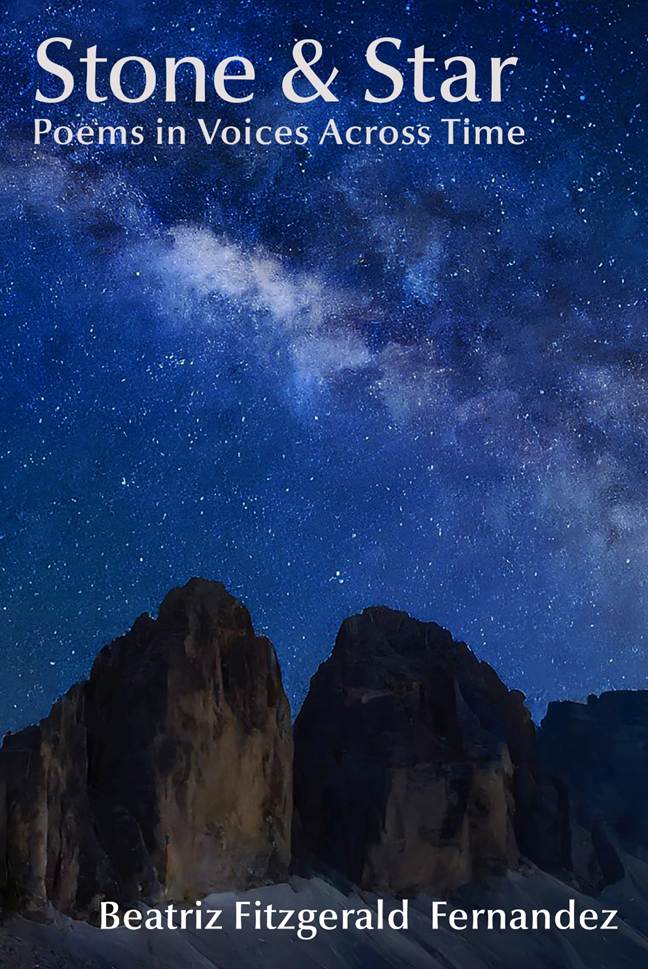
Her upcoming poetry book, Stone & Star: Poems in Voices Across Time will be published this fall by Old Scratch Press.

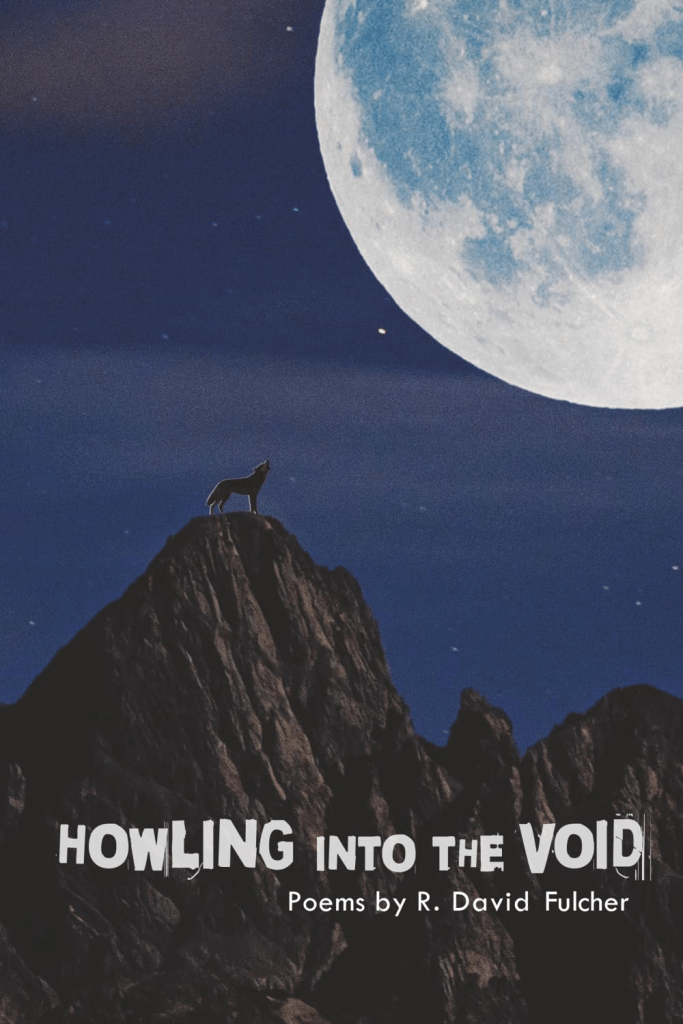
READ ONE OF OUR MEMBERS’ LATEST POETRY COLLECTION:

HOWLING INTO THE VOID

BY R. DAVID FULCHER

buy on amazon

Howling into the Void by R. David Fulcher

How Weather Shapes Our Lives and Stories

By Founding Collective Member Nadja Maril

In polite conversation, unlike politics and religion, the weather is a safe topic.  Love that sunshine.   Do you think it’s going to snow?

The weather, however, is anything but safe. It’s lack of consistency affects all of us in one way or another. We may think it’s going to be another hot humid summer, but an unexpected chill might ruin a farmer’s crops.

 From a practical standpoint, the weather impacts the type of shelter we need, our household budget and our mode of transportation.  It’s an indication of our moods. Whether we are suffering through a drought  or an artic blast, the weather affects our daily lives.

Photo by Tanya Kash on Pexels.com

In polite conversation, unlike politics and religion, the weather is a safe topic.  Love that sunshine.   Do you think it’s going to snow?

The weather, however, is anything but safe. It’s lack of consistency affects all of us in one way or another. We may think it’s going to be another hot humid summer, but an unexpected chill might ruin a farmer’s crops.

 From a practical standpoint, the weather impacts the type of shelter we need, our household budget and our mode of transportation.  It’s an indication of our moods. Whether we are suffering through a drought  or an artic blast, the weather affects our daily lives.

Photo by Tanya Kash on Pexels.com

Weather Can Create Conflict and Provide Comfort

Setting, that catch all word for the description of where and when a story takes place, usually includes references to weather.  A bright sun, the need for a warmer coat, parched grass are clues a writer might provide to set a scene. The mention of a light rain may seem small, but ultimately the rain in some way will impact at least one of the characters.

Depending on the narrative, a weather event may create the obstacle a character must overcome.  Gale winds, high waves and rain cause a small vessel to sink and its passengers to fight for their lives. A tornado destroys someone’s home, causing them to seek shelter with family in another state and changes the trajectory of the protagonist’s future.

Last month I was reading a piece written by a writer friend and I was reminded that something as basic as a winter storm, can become a character. How strongly setting interacts with the various protagonists in a narrative is the writer’s choice. Anything—A animal, vegetable or mineral—can become a component of a well-crafted story.  

Examples of the use of Weather in Narrative

A classic story I often think of as an example of weather as a character, is Jack London’s short story, ‘To Build a Fire,”

While many discussions of the story focus on the protagonist’s arrogance and his inability to fully comprehend his limitations, it is the cold weather that serves as his antagonist. The dog understands the situation, but must follow his master’s lead.

A reader unfamiliar with survival in extreme weather may assume the human will have the upper hand.  Gradually as the story unfolds, the power of the artic is revealed.

My dog Chloe enjoying the snow.

In the twenty-first century, humans are faced with new challenges.  Survival on a rapidly warming planet is the subject of climate fiction titles that include Ministry of the Future by Kim Stanley Robinson, Termination Shock by Neal Stephenson, and Weather by Jenny Offill. Weather has inspired many best-selling novels.

But maybe as a writer you’d like to start small.  A piece of flash fiction, where the weather plays a strong role in the storyline, can make for a compelling read.

Most likely, if you’ve been writing for a while, you already think about setting, tone and mood when you begin writing a scene. I used to participate in theater productions both onstage and backstage. I remember the director choosing different lighting combinations, using colored gels to cover the spotlights, to emphasize the emotional tone of a scene. Yellow and orange were associated with warmth and happiness while the color green denotes nature and serenity. Red might be used to amplify the intensity of a fight scene.

WRITING PROMPT:

Photo by Quang Nguyen Vinh on Pexels.com

Imagine a day in someone’s life. What kind of day is it? What color would you associate with this day?  Imagine the weather and focus on one part of the day. Perhaps it is the morning of a warm summer’s day, a day that heat and humidity will build in intensity, lightening will flash, thunder will sound and a heavy rain will follow. What role does this thunderstorm play in your story?

 Imagine a different kind of day, a brisk but sunny day. Maybe the main character has been too cold to leave their home, but the beauty of the day entices them to step outside.

Or take the concept of “To Build a Fire” but substitute the fire with something else. Maybe the protagonist is trying to set up a tent but the wind is blowing too hard. Or inspired by the summer conditions in europe write about an individual without air-conditioning trying to survive in extreme heat. Create a weather-related challenge and see if the protagonist can solve the problem.

Writers if you have a story you are working on, read it with a particular thought towards how the environment in your setting helps convey the mood. I close with a link to a story I wrote a few years ago called “Winter Solstice” on page 8 of the pdf. Courtesy of Atlantic Northeast Magazine. I chose the setting of a small cabin on a Maine lake in winter to emphasize the chill and isolation felt by the protagonist who is valiantly trying to buoy his spirits. Weather is a useful tool. Use it wisely.

Thank you for reading and feel free to share your comments and any questions. Don’t forget to follow Old Scratch Press on Facebook. Every few days we post blogs and share writing news. You can learn about all the wonderful little books we’ve published here.

If you enjoyed this post and want to support my writing, consider purchasing my little chapbook filled with short essays and poems,  RECIPES FROM MY GARDEN and check out some of my other books. Thanks again.

Friendly Reminder: This Is Today.

I can help you submit! Submit!

You know that story you’ve been meaning to write? The poem sitting in your notebook? The idea you’ve been carrying around for three weeks while telling yourself you’ll get to it “soon”?

Well, this is your official notice. “Soon” is today.

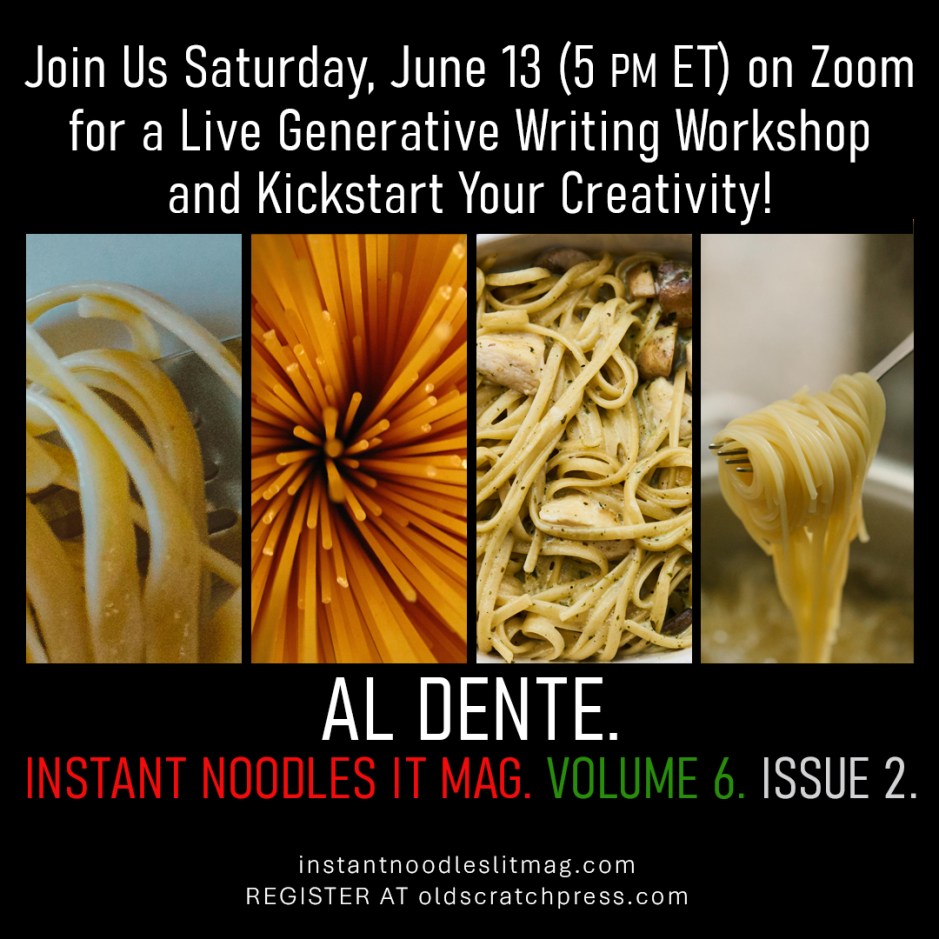
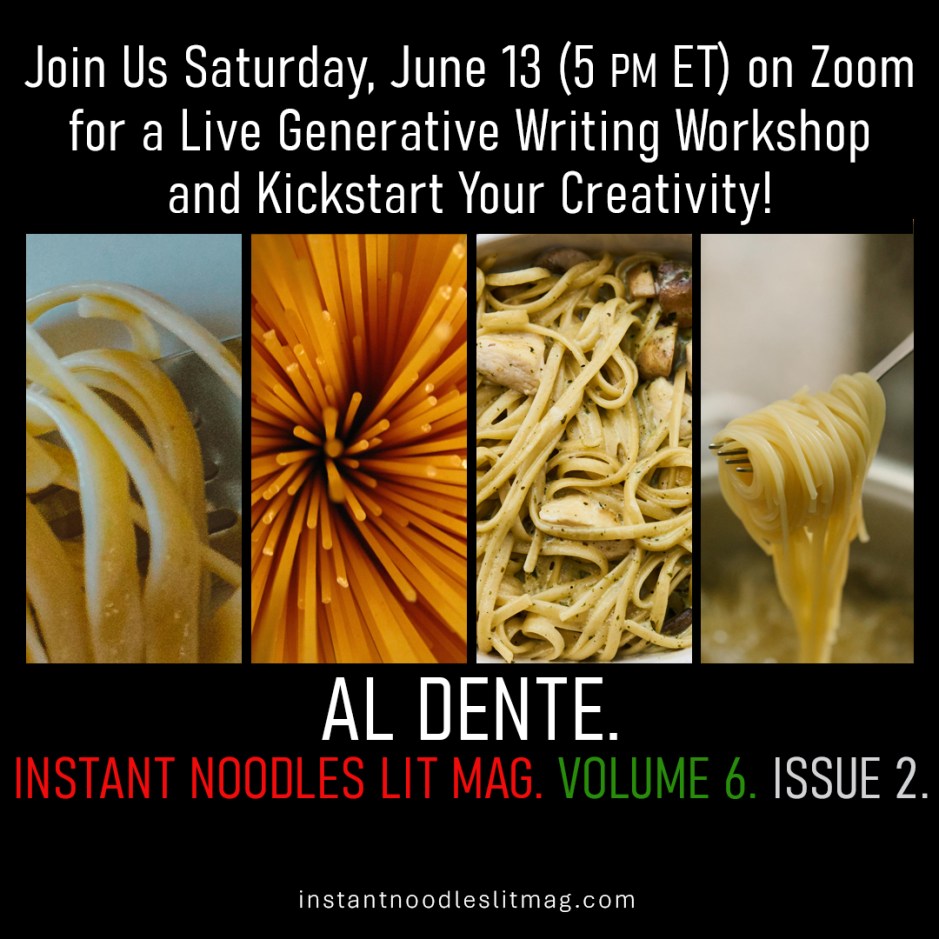
The Instant Noodles Lit Mag Al Dente Writing Workshop with Robert Fleming takes place today at 5 PM Eastern (2 PM Pacific), and we’d love to see you there.

Whether you’re a writer, poet, artist, or creative dabbler who occasionally stares out a window pretending to work, this free online workshop is designed to help spark ideas, answer questions about submissions, and get you thinking about our upcoming Al Dente issue.

No fancy credentials required. No publication history required. No secret literary handshake required.

Just bring yourself, your curiosity, and whatever creative project has been lurking in the back of your mind.

Seats are limited, and once the workshop starts, you’ll have to live with the knowledge that everyone else is talking about writing while you’re reorganizing a drawer or scrolling social media.

Register now.

We’ll save you a seat:

Join the Free Workshop!

Thinking about submitting to the upcoming Instant Noodles Lit Mag issue, Al Dente?

Before you hit “send,” join Editor Robert Fleming for a free online workshop on Saturday, June 13, at 5 PM Eastern (2 PM Pacific).

This informal session is designed for writers, poets, and artists who want to learn more about the theme, explore ideas, and discover what kinds of work might be a good fit for the issue.

Literary magazines can sometimes feel intimidating from the outside. This workshop is an opportunity to ask questions, generate new material, and connect with fellow creatives in a welcoming environment.

Whether you already have a submission in progress or are still waiting for inspiration to strike, you’ll leave with fresh ideas and a better understanding of where your work might fit.

Attendance is free, but seating is limited.

Reserve your spot today and help us make the next issue of Instant Noodles Lit Mag something special.

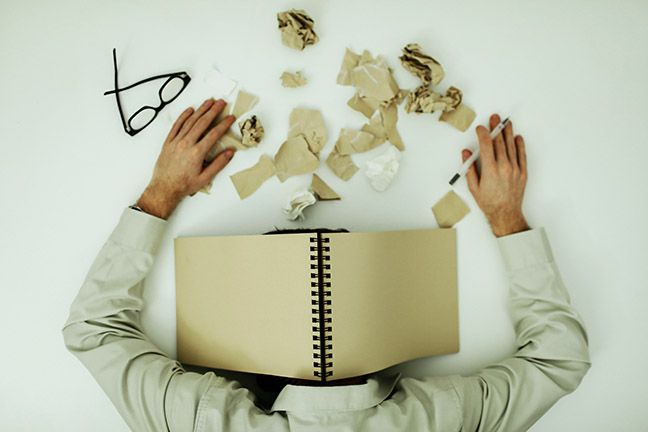
Got Writer’s Block? Bring It to Robert.

Every issue of Instant Noodles Lit Mag starts somewhere.

A line scribbled in a notebook. A strange image that won’t leave you alone. A poem that refuses to behave. A story that exists everywhere except on the page.

If you’ve been looking for a reason to finally sit down and create something, consider this your invitation.

On Saturday, June 13, at 5 PM Eastern (2 PM Pacific), Instant Noodles Lit Mag Editor Robert Fleming will host a free online Al Dente Writing Workshop designed to help writers, poets, and artists generate ideas, get inspired, and learn more about submitting to our upcoming issue, Al Dente.

Whether you’re a seasoned contributor or someone who’s never submitted a piece before, you’re welcome to join us.

The workshop is free, but space is limited.

Bring your imagination. We’ll provide the noodles.

Register today and join us for an evening of creativity and community.

Embracing Nature’s Beauty: A Morning Reflection

by Nadja Maril, a founding member of Old Scratch Press Collective

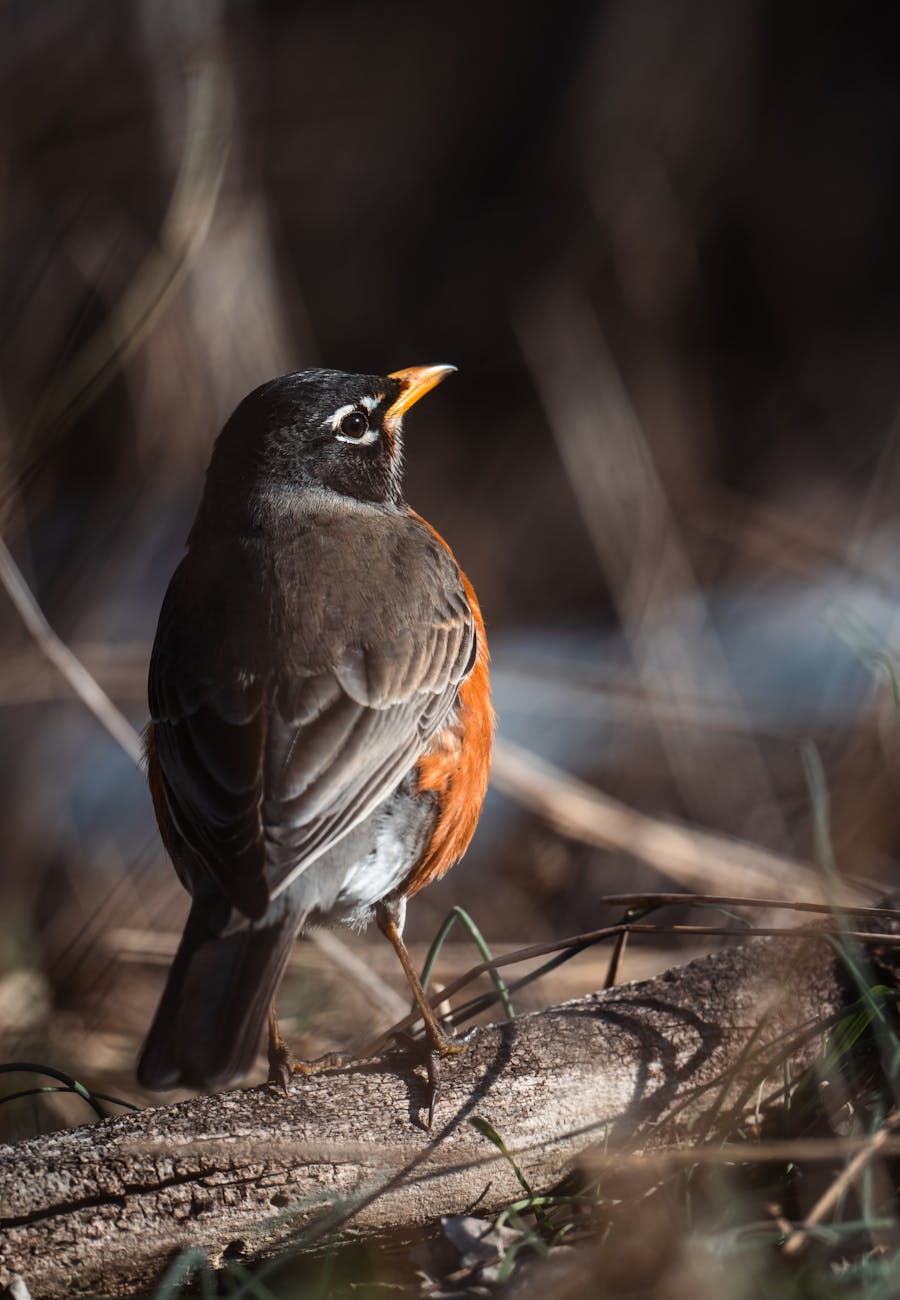
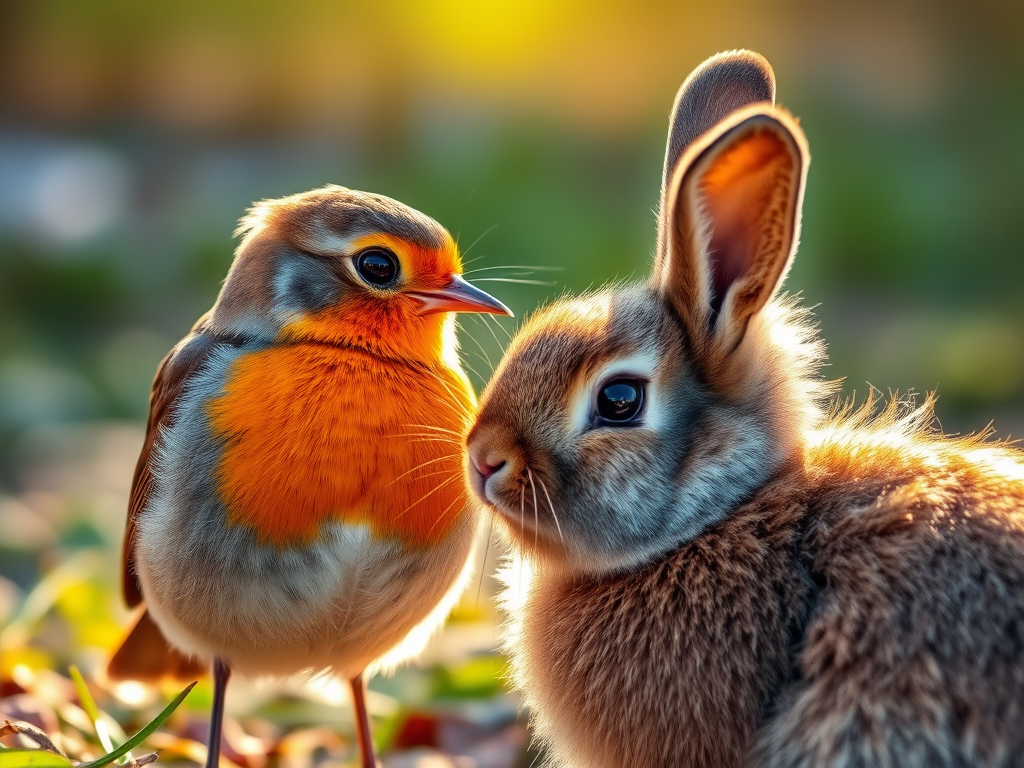
What a sight on a damp misty morning, a robin perched on a street sign preening its feathers. The orange red of its breast feathers contrasting sharply with the bright green and white lettered sign.

My cell phone was in my back pocket, but I didn’t snap a photo. I watched the bird fly away and listened to the other birds around me. The neighborhood was just beginning to awake. Down the road I spied a few dog-walkers taking advantage of the early hour temperatures.

A plump brown bunny nibbled on clover. I decided to take his photograph, but he didn’t pose for long and took refuge in a flower bed. My gaze shifted to the colors of all those flowers: purple, pink, yellow, blue and red.

 The current “tropical rain forest” weather hovering over our region has been a boon to gardeners. Blossoms are lush. It’s been a boon to weeds too, but it’s too early in the morning for me to think about that.

It’s the first day of April and the start of National Poetry Month. I get inspired by nature: birds, new buds, bunny sightings. Other writers are inspired by the hum of machines or the echo of human voices. Whatever gets your mind engaged in the world around you, write it down.

Focusing on the Moment

I’m focusing on the present moment, a difficult task. My mind tends to jump forwards and backwards. I worry about what I need to do and replay what I might have done wrong. I recall happy memories and then remind myself the past is over and if I stay there too long, I’ll miss what is happening in the present.

Photo by George Filatov on Pexels.com

This balance between present, past, and future is an interesting dilemma. Particularly because all is open to interpretation. What we remember as the past, is most likely different from our neighbor’s recollection. What we prioritize for the future is usually different too.

Politically, socially, environmentally our planet is at a crossroads. Some of us are just struggling to survive. Others of us want to change things for the better, but it can be a challenge to figure out how.

I read and listen to media reports, and hear different versions of the same event. I’ve heard the term “fake news” repeatedly bandied about. I hear leaders speaking outright lies. I hear people being described in ways designed to incite violence and hatred.

Photo by lalesh aldarwish on Pexels.com

Overwhelmed by all the negativity I tune out.

Change happens slowly, in small incremental ways, I remind myself. Small acts of courage. Small acts of kindness. The arts, the federal funding of which is currently under attack, is a way to share beauty and foster connection. Arts in education provides paths for children to develop alternative learning styles that can deepen comprehension. Whether you volunteer your time, donate money, or support the arts by buying a ticket to a museum or a play; you’re doing something positive.

Writers are witnesses. Documenting the good and the beauty you observe is an important job alongside the documentation of injustice and cruelty. Writing a short fable can be one way to start. Remember Aesop’s Fables?   

Aesop is thought to have been a storyteller, and possibly a slave, who lived in Greece between 620 and 564 B.C.  Translated from Greek and Latin, and available in versions for adults and children online and in print, I share below one of my favorites.


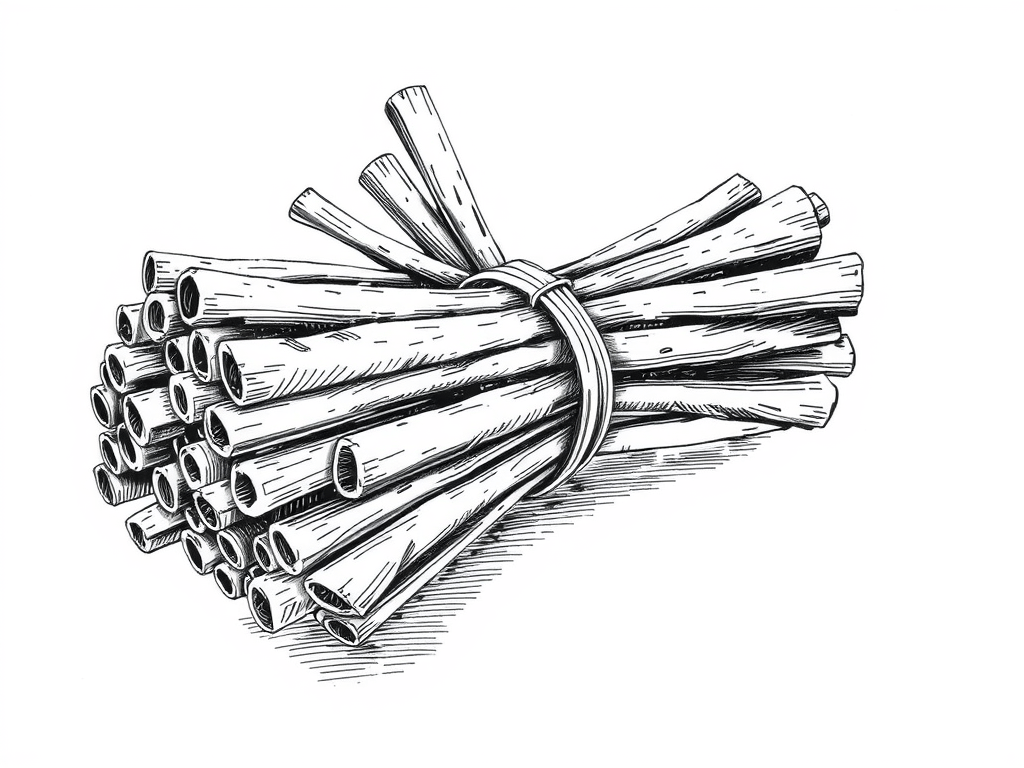
The Bundle of Sticks

A certain Father had a family of Sons, who were forever quarreling among themselves. No words he could say did the least good, so he cast about in his mind for some very striking example that should make them see that discord would lead them to misfortune.

One day when the quarreling had been much more violent than usual and each of the Sons was moping in a surly manner, he asked one of them to bring him a bundle of sticks. Then handing the bundle to each of his Sons in turn he told them to try to break it. But although each one tried his best, none was able to do so.

The Father then untied the bundle and gave the sticks to his Sons to break one by one. This they did very easily.

“My Sons,” said the Father, “do you not see how certain it is that if you agree with each other and help each other, it will be impossible for your enemies to injure you? But if you are divided among yourselves, you will be no stronger than a single stick in that bundle.”

In unity is strength.

WRITING PROMPT: Can you write your own modern-day fable? Whether you use animals, plants, or people, think of something simple you observed that taught you a lesson. Brief and to the point, maybe your fable is a piece of flash fiction. Set it aside and read it again out loud two days from now. If you think it is good, share it. Maybe sharing means posting it online yourself, printing it out and sending it to friends by “snail mail,” or perhaps sending it to a literary magazine. Check out Instant Noodles Literary Review. Our current theme for submissions is Al Dente. For more information click here.

Thank you for reading. 

Writers and Readers, don’t forget to forget to follow us on Facebook to get the latest news and learn about submission opportunities.

Nadja Maril is an award winning writer and poet who has been published in dozens of online and print literary journals and anthologies including: Lunch Ticket, Spry Literary Journal, Invisible City Literary Review, Instant Noodles and The Journal of Compressed Creative Arts. She is the author of Recipes From My Garden, published by Old Scratch Press (September 2024), a Midwest Review California Book Watch Reviewer’s Choice. An Anne Arundel County Arts Council Literary Arts Award winner, her work has been nominated for the Pushcart Prize and The Best of the Net. She has an MFA in creative writing from Stonecoast at USM.

Check out Nadja’s chapbook below and here.

The Zine Scene

If you haven’t delved into the Zine scene lately, you may be missing out! A zine, pronounced “zeen,” short for “fanzine” or “magazine” is a personal hand-crafted publication that can contain anything the creator’s imagination can supply and often devoted to unconventional subject matter!

Zines are made to share, trade, explore, discover and celebrate all modes of self-expression that can be printed: writing, art, photography.  All you need to create a basic one is pen and paper.  (A photocopier helps if you want to produce more quantity!) 

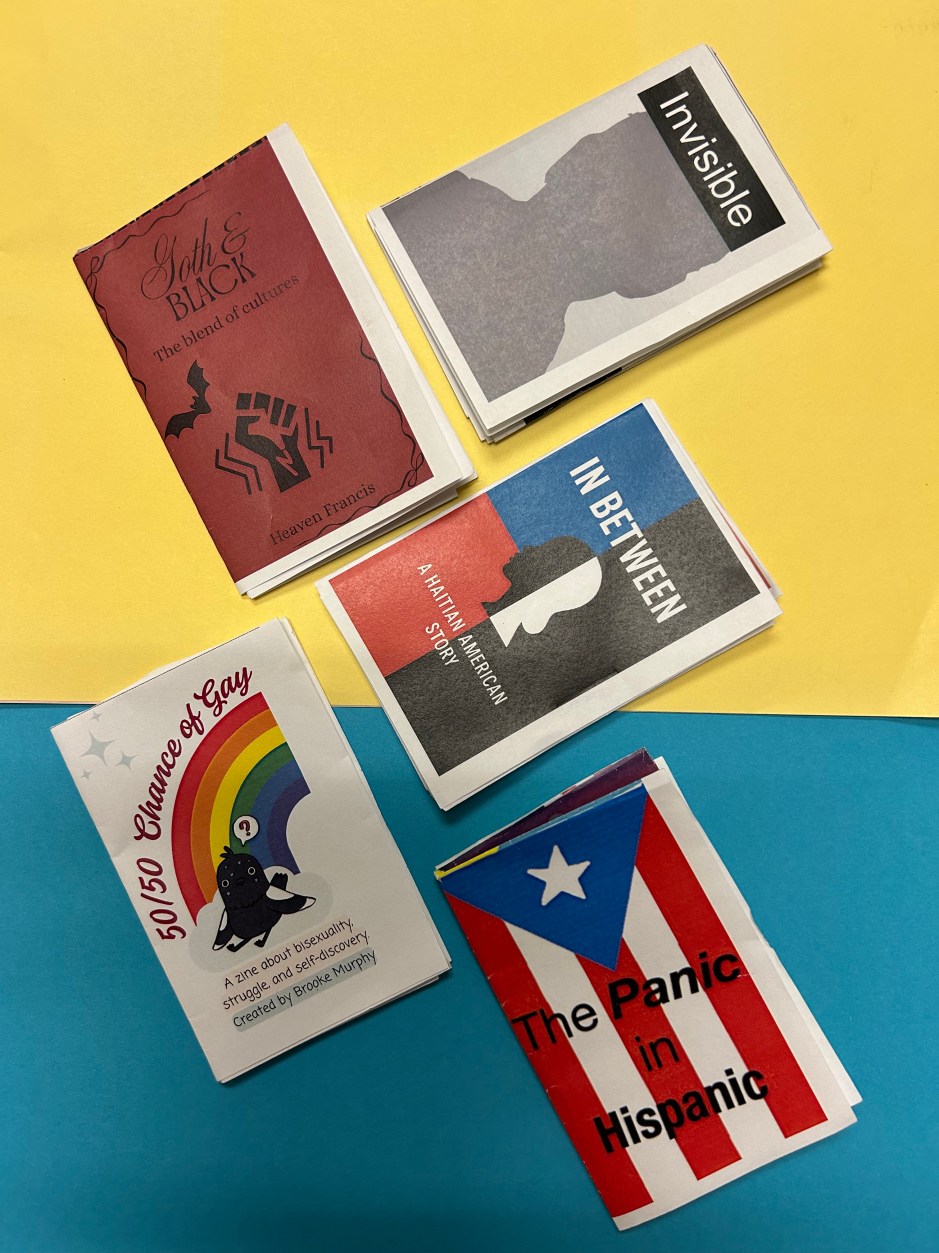
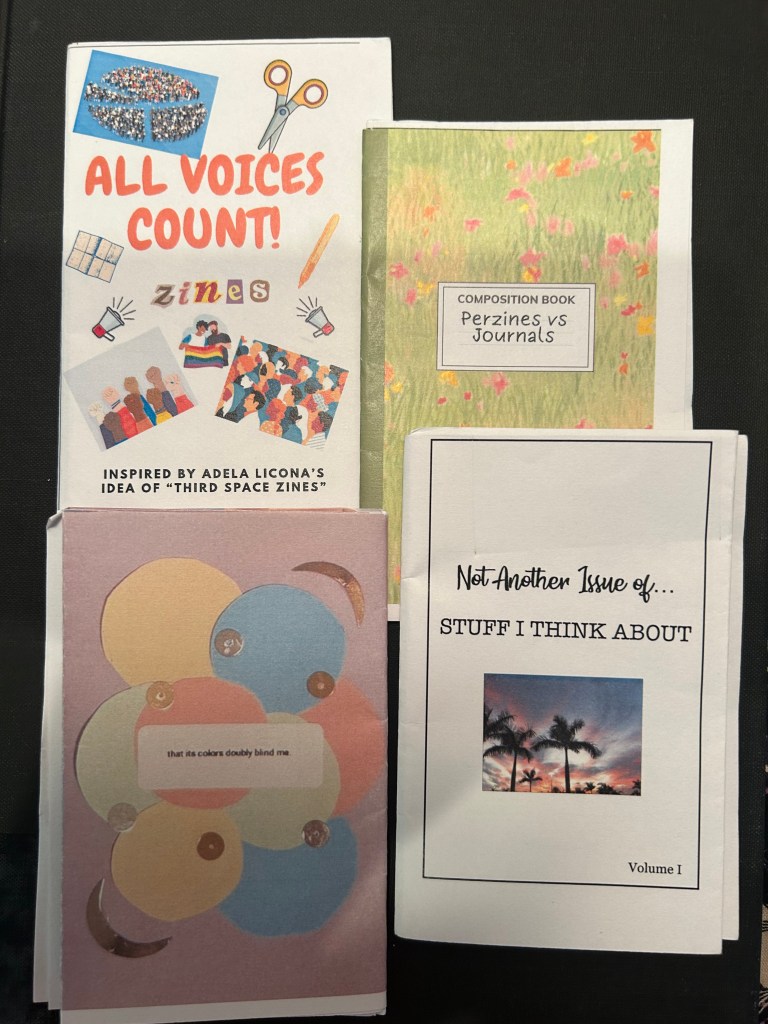
My latest close encounter with zines happened when a professor at the university where I work asked to display her students’ zines in the library where others could read them or even take one with them if they wanted.  She was teaching a class called Zine Writing and her students produced a variety of zines on fascinating topics ranging from their personal struggles with cultural assimilation to social justice issues affecting them and their families. I was really captivated by their insightful observations and the accompanying artwork, which included collages, flags, maps, masks, pictures of food, drawings and even a playlist! 

These zines were tiny pamphlets cleverly folded from a single 8.5 X 11 piece of paper, but zines come in all shapes and sizes.  

How-to Zine

A quick YouTube search will yield many zine-making tutorials:

This guide shows how to make a zine from a single piece of paper such as the students did—no staples required!

Find a Zine Event Near You!

If you want to fire up your imagination, you can view original zines or learn how to craft one at a Zine fair or Zine fest! Zine events take place worldwide; you can easily search for your city or region and zine fair/ zine fest / zine event and the current year to find a zine-making workshop at your local library or a zine festival that includes many publishers:

Printed Matter lists both national and international zine events organized by state or country.

Book and zine fairs – Printed Matter

Nicezines also lists worldwide zine events and other zine resources such as how to make them, price them and share them:

Zine events in 2026 – Nicezines

I found out the Miami Zine Fair is coming up in April:

Miami Zine Fair 2026

“Founded in 2015 by EXILE Projects as part of O, Miami Poetry Month, the Fair is a free, public celebration of self-publishing and independent print culture.  Each year, it brings together over 150 artists, writers, illustrators, activists, and poets from Miami and beyond.

Visitors can explore hundreds of zines—handmade and expertly crafted—alongside workshops, performances, and multimedia projects. 
Open to all ages and backgrounds, the Miami Zine Fair invites the public to browse, touch, and engage with the vibrant world of independent publishing.”

Zine New Wave

Some see the Zine resurgence as a response to an increasingly digital world:

The New Wave of Zine Culture: Why Print Isn’t Dead in 2025 – Mole Empire

One reason writers and poets are attracted to the zine medium:

”Zines offer an intimate platform for sharing personal stories, poetry, and experimental writing that might not fit into traditional publishing models.”

The above article offers advice on how to delve deeper into the zine culture:

“Zine Fairs and Festivals: Keep an eye out for local and online zine fairs. These events are fantastic opportunities to discover new zines, meet creators, and connect with the community.

Independent Bookstores and Art Spaces: Many independent bookstores and art galleries are now stocking zines, recognizing their cultural significance.

Online Communities: Platforms like Instagram and Tumblr host thriving zine communities. Search hashtags like #zine, #zinester, #diyzine, and #[yourcountry]zines to discover creators and connect with others.

Directly from Creators: Many zine makers sell their work directly through their own websites or social media. Support independent artists by buying directly!”

From LitMag News:

Inside Zine Festivals (and Why Zines Matter)

Ironically, as zines are ephemeral print matter by nature, libraries have been digitizing them for preservation purposes.

Zine Collections in Libraries, Books on Zines

Many libraries have Zine collections (aka Zine libraries)

Barnard College’s site lists Zine libraries by region

Zine Libraries | Barnard Zine Library

And guides to zine history, books on zines, zine collections:

What is a Zine? – Zines – LibGuides at University of Texas at Austin

Search Worldcat.org for books on zines held in worldwide libraries:

www.worldcat.org

Zine Culture

Even the Smithsonian has gotten involved as zines have grown in importance to our cultural development:

How Zines Brought Power to Those on the Margins of Culture

Specific subcultures have used zines to promote their ideas:

Riot grrrl – Wikipedia

“The movement quickly spread well beyond its musical roots to influence the vibrant zine- and Internet-based nature of fourth-wave feminism’

Zine Classes

Apart from the DIY classes offered by your local library or zine fair, school systems have zine programs added to their curriculums:

Zines for Progress | The Wolfsonian | Florida International University | FIU

“Zines for Progress (Z4P) is a Miami-Dade County public high school outreach program centered on addressing topical issues through zine-making.”

At my university I found yet another class focused on Feminist Zine Writing.

Zine Writing Virtual Gallery – FIU Digital Writing Studio

“Social critiques, personal diary rants and impassioned protests are just some of the topics commonly discussed within feminist zines. Zines are able to bypass traditional gate-keeping mechanisms that silence non-dominant voices and perspectives. As a result, zines offer a platform upon which feminists of all genders are using words, images and other non-violent discursive practices to advocate for equity, mobilize activist efforts and build and sustain community.”

You can see how zines have become a much-valued venue for self-expression! 

Dip a toe in the zine pool and you might wake up a tsunami of creativity!

Thank you for reading and please follow us here and on Facebook. https://www.facebook.com/OLDSCRATCHPRESS/

Beatriz F. Fernandez is a Miami area poet and University Reference librarian. She is the author of three poetry chapbooks, the most recent of which is Simultaneous States  (2025) by Bainbridge Island Press.  In 2025, she became a member of the Old Scratch Press writing collective.

(Pictures are of FIU students’ handcrafted zines and used with permission of the professor.)

Join us for a fun online mixer. March 28, 2 to 4 Pacific Time.  Door Prizes, Activities, Free to Attend, Register today at currentwords.com/events.

https://us06web.zoom.us/meeting/register/7eRgLvBPSkuyhpUtgLlkdw#/registration

Exploring E.E. Cummings: Poems That Can Dance

Many decades ago, I choreographed a dance to accompany a poem. I selected a poem by E.E. Cummings, “In Just—” Which in my mind I titled, “In Just Spring.”

I picked that particular poem for its exuberance.  I could imagine myself interpreting the verse with movements that were both fast and slow, languorous and springy. The challenge was to select movements that I could execute while reciting the words.

Photo by Jimmy Elizarraras on Pexels.com

[in Just-]

By E. E. Cummings  (1894-1962)

in Just-
spring when the world is mud-
luscious the little
lame balloonman

whistles far and wee

and eddieandbill come
running from marbles and
piracies and it's
spring

when the world is puddle-wonderful

the queer
old balloonman whistles
far and wee
and bettyandisbel come dancing

from hop-scotch and jump-rope and

it's
spring
and

the

goat-footed

balloonMan whistles
far
and
wee

This poem was written in 1923, over one hundred years ago.

Cummings was an experimenter who developed his own personal style. Although classically trained, with multiple degrees from Harvard University, he used punctuation as it suited him. Spaces on the page were seen as opportunities to spread out the pacing or to combine several words into one breath. Conjunctions were sometimes nouns and selected words might take on additional assigned meanings.

Hailed as one of the most influential and important poets of the 20th century, Cummings embraced the concept of Visual Poetry. Words were placed on the page to create shapes and images that serve to reinforce the mood of the verse.  

You can read more about E.E. Cummings in this article published on the Poetry Foundation website. https://www.poetryfoundation.org/poets/e-e-cummings

It was easy for me to dance the role of the goat-footed balloon man, after seeing the words establishing his presence “skip” across the page.

The line “whistles far and wee” is spread out, which enabled me to say the individual words with enough time to run from one side of the stage to the other side.

In writing poetry, thought is often devoted to line breaks and capitalization. Traditional or avant garde, the last word in a line typically takes on greater importance. By choosing not to capitalize the first word of a line, emphasis is softened.

Try changing the line breaks on a poem you are working on. How do your changes impact the poem? Try adding extra spaces between words or merging them together. Once again, how do these changes reshape a poem’s texture and meaning?

In contrast, when you write a prose poem using sentences, it is the order and sound of the words that must create the poetry. No one approach is better than another. It all depends on what you are trying to achieve.

Photo by Kampus Production on Pexels.com

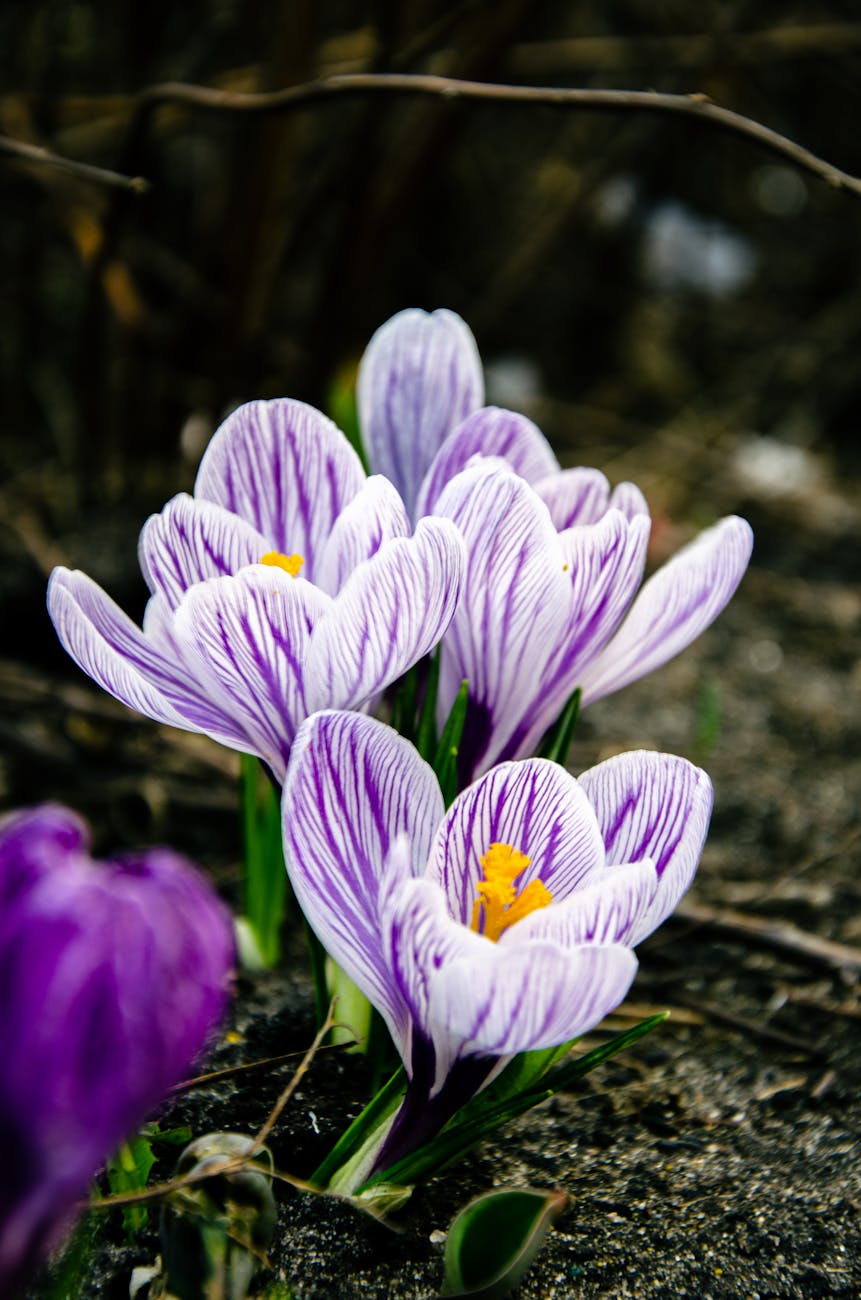
In a few more weeks it will officially be Spring, here in the Northeast USA where I live. I look for birds returning from the winter vacation in the south and I hear “in-Just” recited inside my head. Crocuses begin pushing up through the muddy soil. Bicycles are pulled out of storage and pastel chalk pictures are drawn on the sidewalk. No balloon man, but it is the start of outdoor birthday parties.

The idea of adding movement to your recitation of a poem, may inspire you to choose different words when writing verse.

WRITING PROMPT: Try writing a poem about a season, place, or time. Maybe your piece is about a mood such as anger or maybe it is about a feeling such as being satiated. Often a poem focuses on the visual, but instead think about movement. Use active verbs. In Cummings short poem the wind and the balloon man whistle. The children run and dance.

What did you create? Maybe you’re on to something you like. Keep playing with the concepts and see where they lead you. Part of the enjoyment of writing, is discovering what works and what doesn’t work. 

Read the work of other poets, and as March is Women’s History month, I am going to suggest three women poets:

Rae Armantrou ( B. 1947).

https://www.poetryfoundation.org/poets/rae-armantrout

Mina Loy (1882-1966)

https://www.poetryfoundation.org/poems/148476/love-songs-5bec636568b82

Gertrude Stein (1874-1946)

https://www.poetryfoundation.org/poets/gertrude-stein

Writers and Readers, don’t forget to forget to follow us on Facebook to get the latest news and learn about submission opportunities.

Nadja Maril is an award winning writer and poet who has been published in dozens of online and print literary journals and anthologies including: Lunch Ticket, Spry Literary Journal, Invisible City Literary Review, Instant Noodles and The Journal of Compressed Creative Arts. She is the author of Recipes From My Garden, published by Old Scratch Press (September 2024), a Midwest Review California Book Watch Reviewer’s Choice. An Anne Arundel County Arts Council Literary Arts Award winner, her work has been nominated for the Pushcart Prize and The Best of the Net. She has an MFA in creative writing from Stonecoast at USM.

Check out Nadja’s chapbook below and here.