It’s #LitMagWeek, a celebration of the independent literary magazines that give writers a place to take chances, find readers, and get their work out into the world.
Start with our own Instant Noodles Literary Magazine, sponsored by Current Words Publishing and curated by the Old Scratch Press Collective.
Then go exploring! Check out some of our fellow literary magazines celebrating this week:
If you’ve never written a poem in any voice but your own, you might want to try writing a persona poem—it may lead you down unexplored paths of creativity!
“A persona poem is a poem in which the poet speaks through an assumed voice….Also known as a dramatic monologue, this poetic form shares many characteristics with a theatrical monologue: an audience is implied; there is no dialogue; and the poet takes on the voice of a character, a fictional identity, or a persona.”
The voice you adopt when you write a persona poem can be a fictional, imaginary or historical character, an animal, an inanimate object, a collective such as a country, or even an omniscient god-like voice. This is when the fun begins!
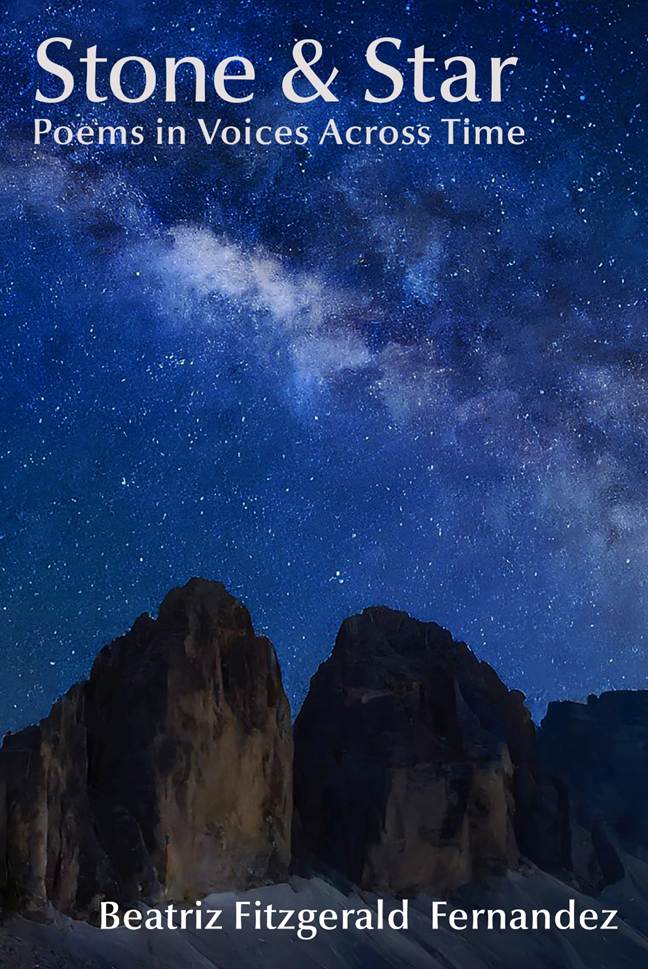
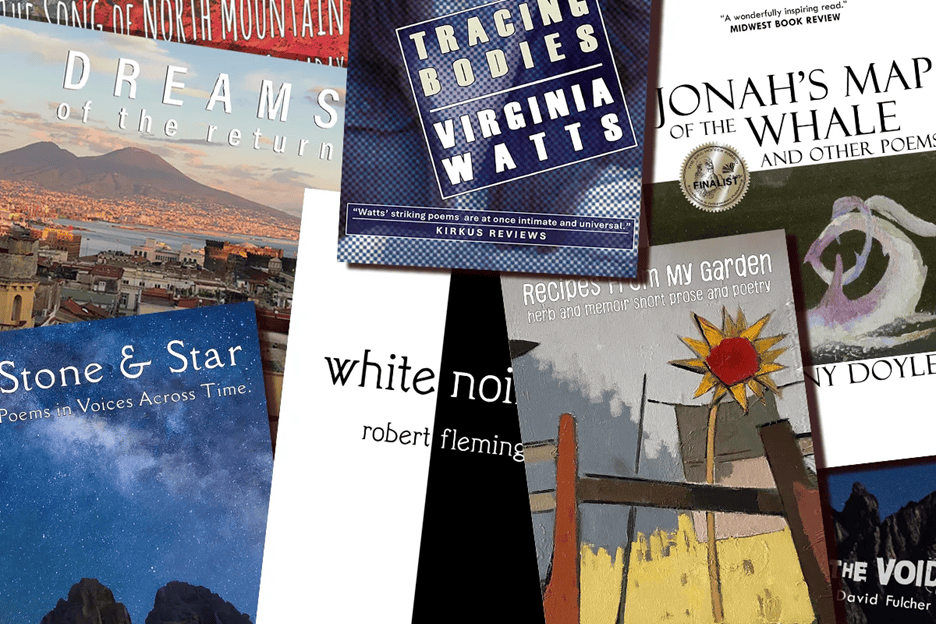
In “Richard the Lionheart’s Mummified Heart Examined,” a poem inspired by a true story and reprinted in my latest collection, Stone & Star: Poems in Voices Across Time, I alternately adopt the voice of the King’s Minstrel, the Royal surgeon, Richard I, his wife Berengaria of Navarre, the heart itself, and the forensic scientists who examined the heart in modern times. Needless to say, this was a fun poem to write and the voices seemed to meld seamlessly to tell the story.
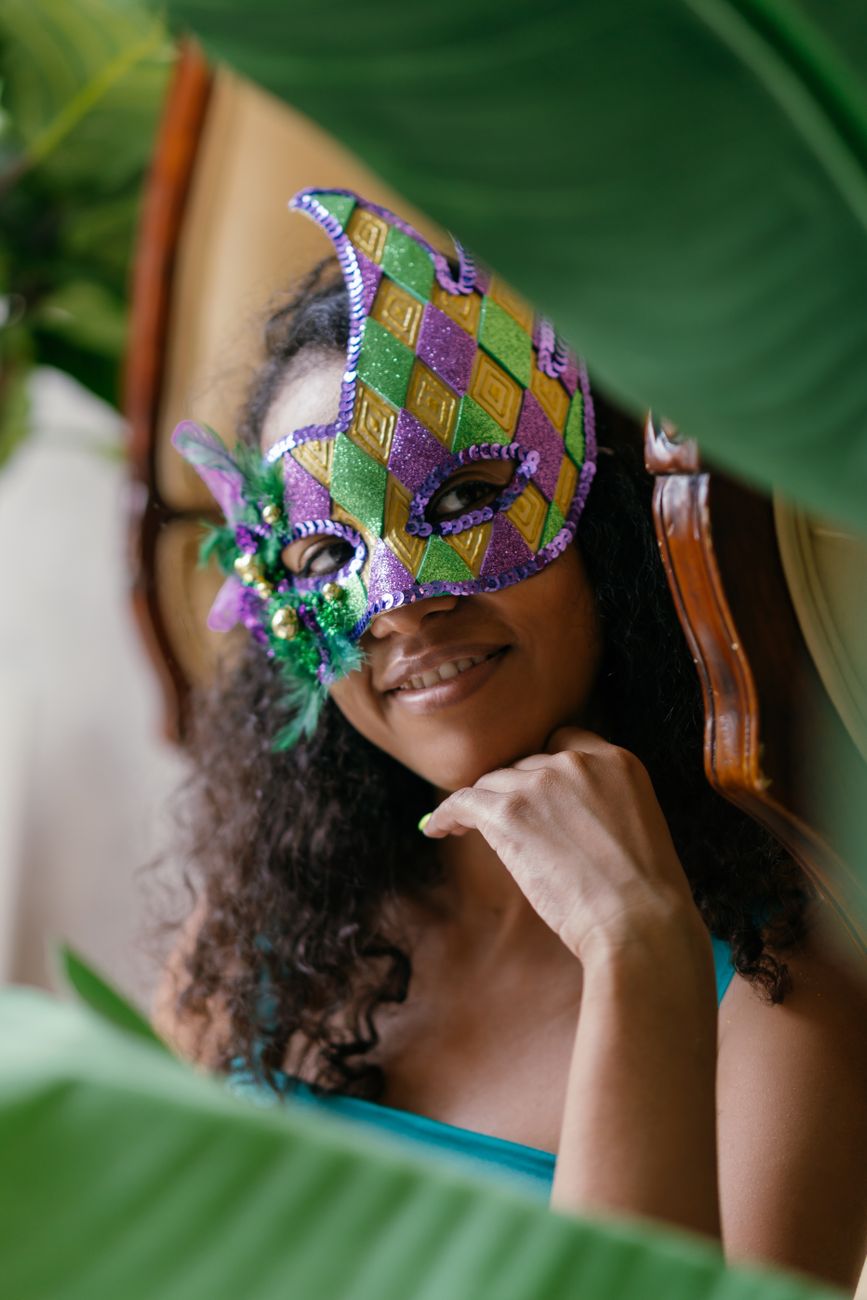
In psychological terms, Jung described persona as a social mask that conceals “the true nature of the individual.” The term originates from the theater in ancient Greece where actual masks were worn by actors on stage to represent different points of view.
However, I find that writing persona poetry rather than concealing, frees the writer to reveal their subjective truths to the reader without the constraints of their own personality.
Writing persona poetry is the closest I will ever come to acting, and I find it incredibly liberating. I first found my own voice via persona poetry and it is still my favorite poetical form to use.
When writing as a historical character, I do some research and try to read letters written by that person if they are available, to pick up some of their personal vocabulary. The way they address and sign their letters, their general tone, their “voice” is usually apparent and I use that to guide my own writing of the poem.
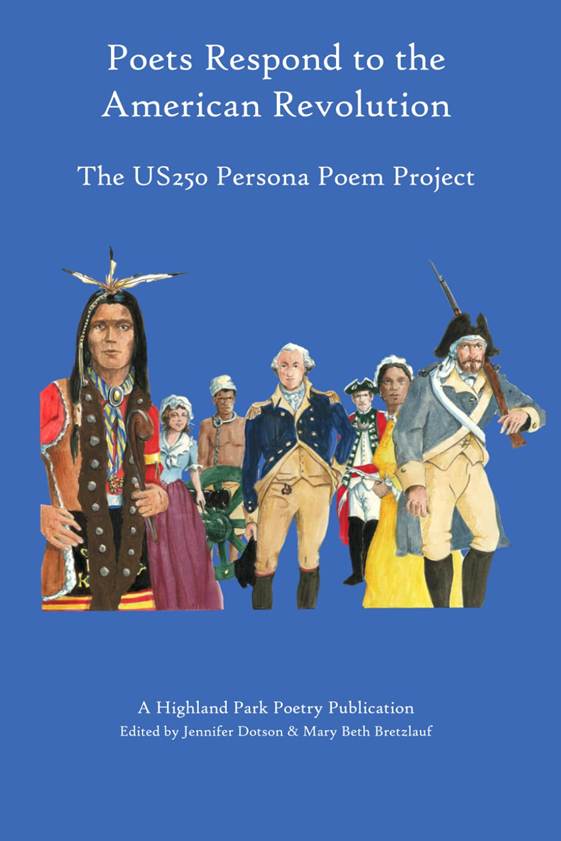
We were asked to write from the point of view of fictional or historical persons, animals or objects: one poet wrote from the perspective of Brown Beauty, the horse Paul Revere rode, some wrote from the perspective of symbols such as the Tree of Liberty or the Liberty Bell.
When writing as a fictional character, I try to stay within the confines of the work they appeared in, and use vocabulary suited to the time period of the novel. I have fun imagining what some fictional characters would say, given a chance, especially when in the original work they were not given much dialogue. In this spirit, I’ve given voice to Weena, the Time Traveler’s mostly mute companion in H.G. Well’s The Time Machine, and Nova, the beautiful mute heroine in the original 1968 Planet of the Apes film.
I find most of the persona poems I write are emotional in nature, speaking from the heart in a more direct and universal way than I could write from my own limited experience. Some writers may feel uncomfortable putting words into another’s mouth, so to speak. Unlike novelists or playwrights, who regularly write dialogue for fictional and in some cases historical characters, poets are used to thinking of their writing as highly personal and not open to other’s voices. But isn’t most poetry persona poetry, in a way? Because whenever we write, we almost unconsciously adopt a persona, a writing voice, that is not our everyday voice, but which nonetheless reflects our authentic and true nature.
Every January, writers everywhere crack open a fresh notebook or a blank document filled with hope, ambition, and—if we’re honest—a little pressure. This will be the year you finally finish the novel, submit your work, or build a consistent writing habit. And yet, by February, many resolutions quietly fade away.
The problem isn’t that writers lack discipline or passion. It’s that traditional New Year’s resolutions often don’t work well for creative people. Writing is unpredictable, emotional, and deeply human. So instead of pipe dreams or unrealistic word counts, this year’s resolutions should support your creativity rather than fight it.
Here are some resolutions that focus on progress, not perfection.
1. Resolve to Write Consistently, Not Constantly
Instead of committing to “write every day for two hours,” try setting a goal you can realistically maintain. Consistency matters more than intensity.
That might look like:
Writing 300 words, three times a week
Sitting down for 20 minutes, no pressure to produce “good” work
Keeping a regular writing window, even if some days nothing flows
A sustainable habit builds confidence—and confidence builds momentum.
2. Separate Writing from Editing
One of the fastest ways to stall your progress is to edit while you write. This year, resolve to let your first drafts be messy.
Give yourself permission to:
Write clunky sentences
Leave gaps to fill in later
Finish drafts that aren’t “ready”
First drafts exist to be written, not judged. Editing is a separate skill—and it deserves its own time and attention.
3. Define Success on Your Own Terms
Publishing deals, social media metrics, and comparison culture can distort what “success” looks like. This year, decide what success means to you.
Maybe success is:
Finishing a personal essay you’ve been avoiding
Submitting your work for the first time
Rediscovering joy in writing again
When you define your own benchmarks, your goals become motivating instead of discouraging.
4. Make Reading Part of Your Writing Life
Good writers are attentive readers. Reading widely and intentionally feeds your craft in ways nothing else can.
Resolve to:
Read outside your usual genre
Revisit books you love as a writer, not just a reader
Pay attention to sentence structure, pacing, and voice
Reading isn’t procrastination—it’s professional development (so let that TBR pile grow!).
5. Embrace Small, Unfinished Wins
Writers often believe that only finished books or published pieces count. In reality, small steps add up to big breakthroughs.
Celebrate:
Outlining a chapter
Revising a paragraph or poem until it finally clicks
Showing up to write, even on hard days
Progress is cumulative, even when it feels invisible.
6. Build a Support System (Even a Small One)
Writing doesn’t have to be lonely. This year, resolve to connect—even modestly—with other writers.
That might mean:
Joining a writing group or online community
Sharing drafts with one trusted reader
Talking openly about writing struggles instead of hiding them
Creative work thrives in environments of encouragement and accountability.
7. Let Go of Guilt
Perhaps the most important resolution of all: release the guilt around how, when, or how much you write.
Life changes. Energy fluctuates. Some seasons are quieter than others—and that’s okay. Writing is not a moral obligation; it’s a practice you return to again and again.
Resolve to meet yourself where you are.
A Final Thought
The best writing resolutions aren’t about transformation overnight; they’re about creating conditions where your voice can show up more often.
So be gentle. Be realistic. And above all, keep writing.
Ready to kickstart your path to success? Here are some publishers who are currently accepting submissions:
January 5: Daikaijuzine is open to speculative content in fiction and poetry.
January 7: Only Poems is open to poems about about beginnings.
January 15: Georgia Review‘s Prose Prize accepts short stories and essays.
Opening soon: Months to Years will open on January 15 for previously unpublished nonfiction (including essay, memoir, and creative nonfiction) of up to 2,500 words that explore mortality, death, and dying-related topics.
How we portray ourselves and others, is something memoirists grapple with.
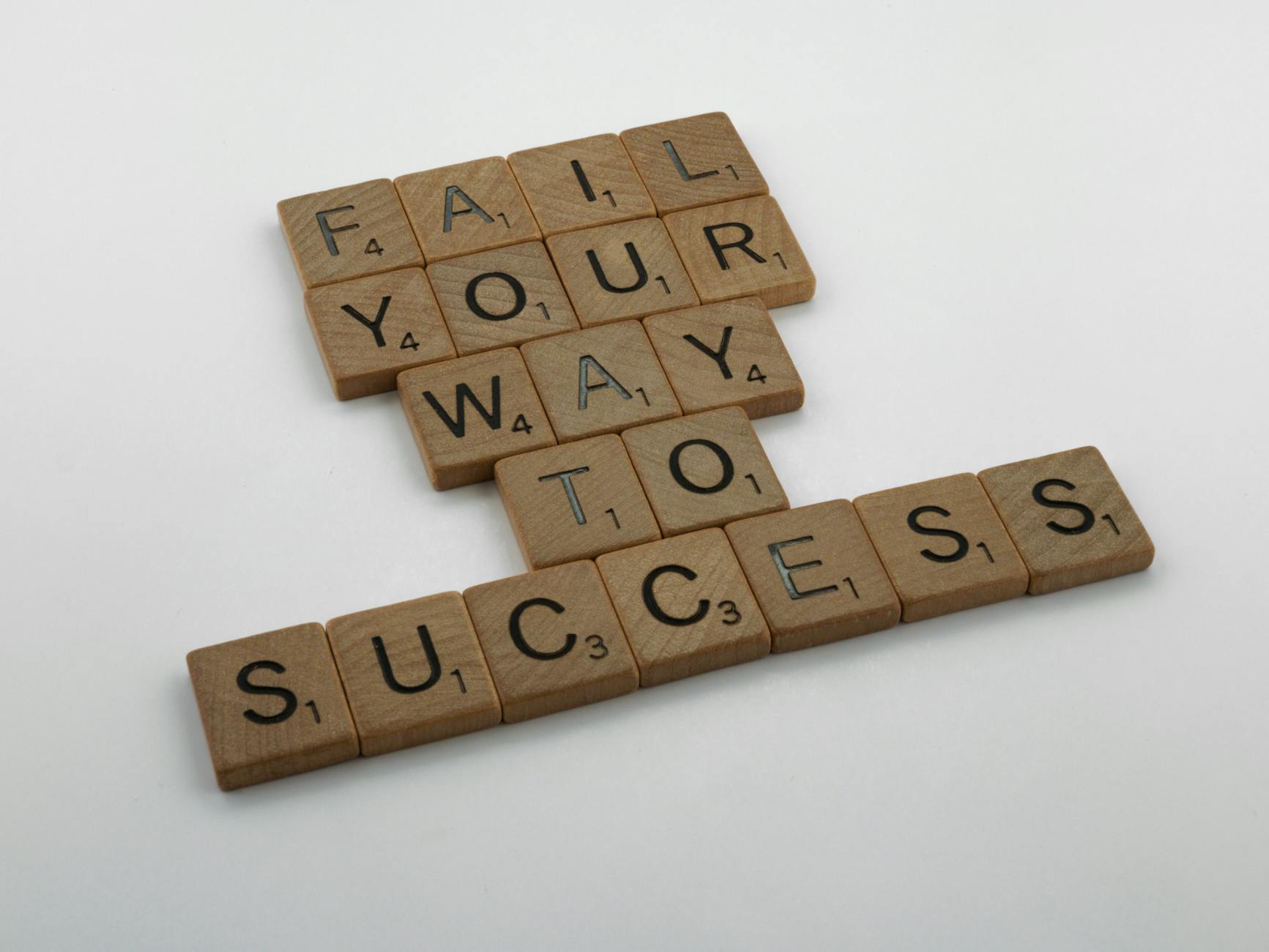
We call it “Creative Nonfiction” when a writer presents truth in a creative format that can take the form of anything from a lyrical essay to a crossword puzzle. A selection of word artifacts can weave an interesting narrative inviting the reader to fill in the blanks, anything from a grouping of letters, the transcription of a phone call, or a photograph with a caption.
The words in a game or puzzle can inspire a short work of creative nonfiction.
In fiction, the writer shapes the story to create pacing and tension. In nonfiction, the writer selects and amplifies truth to produce a compelling piece they hope others will want to read.
The nonfiction writer often relies on memory. Memory and research. The research often draws on the memories and writings of others.
How accurate are those memories? According to the work of late 19th century German scientist Hermann Ebbinghaus’s research, graphed as a forgetting curve, much of what people experience each day is quickly forgotten. In the May 20th 2024 issue of The New Yorker, writer Jerome Groopman, discusses in a book review the recently released book Why We Remember by Charan Ranganath.
Ranganath is a neuropsychologist at U.C. Davis and in his book, he discusses memory and how we may be looking at memory the wrong way. Memory, he conjectures, more likely functions as an adaptive trait to keep humans alive. Selectively we remember some things and forget others. Perhaps the forgetting is as important as the remembering.
Photos may help prompt our memories, but sometimes what others tell us about a photo my influence our recollection.
From a writer’s point of view, I find it fascinating to hear how people’s memories of the same event can be slightly different. What do those differences reveal about each person?
Folk tales and fairy tales clearly demonstrate how the same story can be adjusted to reflect the story teller’s preferences. In some versions of little Red Riding Hood, grandmother is locked in a closet in another she is swallowed by the wolf. In a family, one sister may remember beloved pet that was hit by a car and another may forget the pet because the memory is too painful.
But the sources themselves: diaries, letters, newspaper articles, trial transcriptions all have their bias—according to who wrote them. And Kavanagh reveals in many instances, the ulterior motives and prejudices some of the parties may have possessed in how they reacted to the events that took place.
Writing a short nonfiction piece, based on a personal experience can take the form of a letter, diary or puzzle. Part of the writing adventure is trying new things.
If we acknowledge our memories are always shapeshifting, I think it can give us a certain amount of freedom to experiment. Playing with episodic memory, using a trigger such as music, smell or taste, can provide a means to travel back to a previous episode in your life and re-examine it.
WRITING PROMPT: A smell you love or a smell you hate. If you have the item around, use it as a trigger, if not try to remember it. What comes to mind. A person you were fond of? A party you attended? If you write something you like, put it away and revisit it the following week to review and edit. If the piece has power refine until it is ready and then if you want to share it, submit it to potential publishers.
About the author:
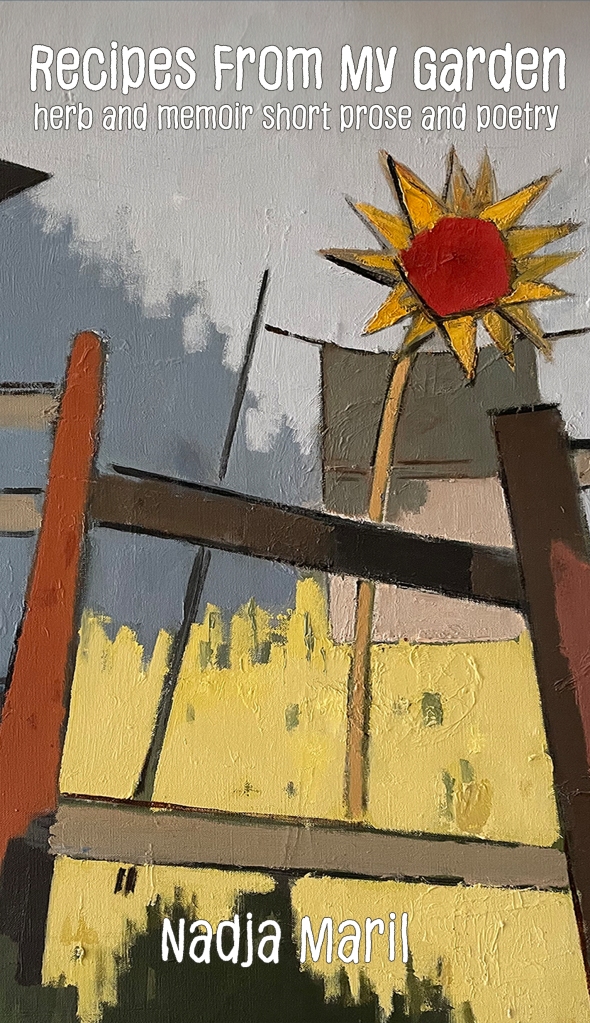
Nadja Maril is the author of Recipes from my Garden, Old Scratch Press, September 2024. Nadja Maril’s short stories, poems and essays have been published in dozens of small online and print literary journals and anthologies including: Lunch Ticket, Spry Literary Journal, Invisible City Literary Review,and The Journal of Compressed Creative Arts.She has an MFA in creative writing from Stonecoast at USM. A former newspaper columnist and magazine editor, she writes a weekly blog and you can visit her website at www.Nadjamaril.com.
Thank you for reading. Please sign up to follow us here on WordPress and on Facebook.