INSTANT NOODLES LIT MAG is seeking contributors for our upcoming issue, Al Dente — and we want your work
If you’re an indie writer, poet, or artist, join us Saturday, June 13, at 5 PM Eastern (2 PM Pacific) for a free online workshop to spark your creative energies and learn where to send completed submissions.
Hosted by Robert Fleming of Old Scratch Press, Instant Noodles Lit Mag, and the Rehoboth Beach Wrier’s Guild.
Seats are free, and limited. Three lucky participants will win a signed copied of an Old Scratch Press book!
Yes, poetry collections win Pulitzer Prizes too. The 2025 Pulitzer Prize for Poetry has been awarded to Marie Howe’s New and Selected Poems. Howe is known for her observations of everyday life. She explores themes of contemporary womanhood, personal loss, human miracles, sorrow and joy. There are 111 poems in the winning collection. Howe’s direct and honest voice is her trademark. She’s a poet of our time who should not be missed. Some of her most well-known poems involve the loss of her brother in 1989 who died of AIDS-related illnesses. This is what drew me personally to her work many years ago, because I lost a brother about the same time in the same way. Here is one of her poems about this terrible sadness.
Johnny, the kitchen sink has been clogged for days, some utensil probably fell down there. And the Drano won’t work but smells dangerous, and the crusty dishes have piled up
waiting for the plumber I still haven’t called. This is the everyday we spoke of. It’s winter again: the sky’s a deep, headstrong blue, and the sunlight pours through
the open living-room windows because the heat’s on too high in here and I can’t turn it off. For weeks now, driving, or dropping a bag of groceries in the street, the bag breaking,
I’ve been thinking: This is what the living do. And yesterday, hurrying along those wobbly bricks in the Cambridge sidewalk, spilling my coffee down my wrist and sleeve,
I thought it again, and again later, when buying a hairbrush: This is it. Parking. Slamming the car door shut in the cold. What you called that yearning.
What you finally gave up. We want the spring to come and the winter to pass. We want whoever to call or not call, a letter, a kiss—we want more and more and then more of it.
But there are moments, walking, when I catch a glimpse of myself in the window glass, say, the window of the corner video store, and I’m gripped by a cherishing so deep
for my own blowing hair, chapped face, and unbuttoned coat that I’m speechless: I am living. I remember you.
I thought it might be fun to revisit the winner of the first Pulitzer Prize for Poetry. That poet’s name was Edwin Arlington Robinson, and he won the prize two more times after being the first winner. He was known for his narrative skill and psychological depth. Here is what is considered by many to be his most famous poem. It seems a long time ago when he was writing poetry, yet when you read this poem in particular, it seems that he could be writing this poem today. This is because all poetry is about one very complicated subject: humanity.
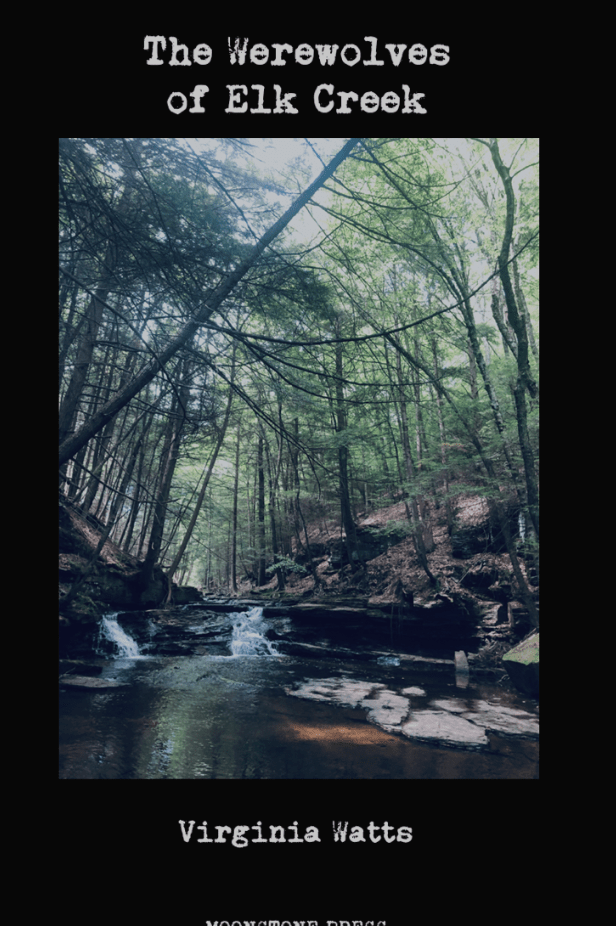
Virginia Watts is the author of poetry and stories found in The MacGuffin, Epiphany,CRAFT, The Florida Review, Reed Magazine, Pithead Chapel, Eclectica Magazine among others. She has been nominated four times for a Pushcart Prize. Her debut short story collection Echoes from the Hocker House was short listed for 2024 Eric Hoffer Grand Prize, selected as one of the Best Indie Books of 2023 by Kirkus Book Reviews, and won third place in the 2024 Feathered Quill Book Awards. Please visit her.
Virginia’s new book is now available from Old Scratch Press:
If you’ve never had a writing mentor, you may not realize you need one. If you’ve had a mentor, you probably know what an impact they’ve had on your writing.
A mentor’s role can be complex, encompassing the roles of teacher, editor, advisor, parent, friend, coach, cheerleader, critic, judge, proofreader, and sounding board.
As such, they are an invaluable resource at any stage of your career, but especially so at the beginning, whatever your age.
Many poets go it alone at first, but almost no one significantly improves alone. A good mentor shortens the time and distance between where you are and where you want your writing to be. They help you see the habits you repeat without noticing, the strengths you underestimate, and the opportunities you’d never spot on your own.
In a field where progress can feel slow and uneven, the guiding hand of a mentor gives you structure, accountability, and a clearer path forward. If you want your work to grow better with intention—not just luck—mentorship is one of the most effective tools you can invest in.
If you are lucky enough to find a mentor at the right stage in your writing life, then you will be ahead of the game in more ways than one.
Reasons You Need a Mentor
This article by Shane Manier makes a great case, among many other excellent points, for hiring a mentor as a time and money-saving move.
Many writers naturally gravitate toward MFA programs hoping to find that kind of mentorship; sometimes the magic happens and an inspirational teacher becomes a long-time mentor:
Dr. Cody Smith found one in her MFA professor Jonathan Johnson.
“I remember thinking, This is what it means to be a teacher. Jonathan was a teacher who, instead of teaching you the material, taught you how to love the material.”
But realistically, given the elusive and indefinable chemistry that is involved in the mentor/mentee relationship, and the time constraints, there aren’t enough Creative Writing professors to go around and they have so many students throughout the years, that it can’t always work out.
For those of you outside creative writing programs, there are other places you can search for mentors. In my case, I went searching for mine online. I began looking for the websites of poets whose work I had read and admired. Some of them offered workshops or classes. I found that one poet whose poetry I had never forgotten over the years, Andrea Hollander, offered one-on-one tutorials, so I contacted her.
That fortunate decision led to a years-long series of phone tutorials (no Zoom back then!) with Andrea, who became a friend and mentor as well. We have kept in touch over the years; we share our writing news and she continues to support my work and alert me to publishing opportunities. Even after all these years, every time I write, I hear her voice in my head, guiding me, much as you would remember what a parent would say or advise in certain situations.
You might prefer to meet with your mentor in person, in which case you should attend local poetry events to search for one, as this author did successfully:
“At a poetry open-mic event, I connected and found one of my mentors, having witnessed his performance and interaction with fellow poets and event organisers.”
”The AWP Writer to Writer Mentorship Program is open to all AWP members who identify as emerging writers, but they particularly encourage applications from those writers who have never been associated with an MFA program, and those writing from regions, backgrounds, and cultures that are too often underrepresented in the literary world.”
”The Latinx in Publishing Writers Mentorship Program offers the opportunity for unpublished and unagented writers who identify as Latinx (mentees) to strengthen their craft, gain knowledge about the traditional publishing industry, and expand their professional connections through work with experienced Latinx authors (mentors).”
“A five-session workshop on the vocabulary of poetics · Taught by Tamarah Rockwood
The heart of the workshop is the mentorship. Starting in Session 2, every participant submits one poem per session for individual written feedback from me, returned by email before the next class. Across the series, that produces forty-eight feedback letters, one for every poem from every poet in the room. This is not a lecture you are buying. It is a writing relationship.”
Some of you may fear to be too heavily influenced by a more experienced poet’s style in a mentor/mentee relationship and this discussion from New Writing North addresses that issue:
“I’ve heard people speak of mentors with concern. The usual fear is usually one of influence – that the mentor’s style and interests will rub off too heavily on their work. Personally, I see it as a dialogue. The chance to speak directly to a writer you admire about poetry in general, and about your poems specifically.”
Pay It Forward
In the end, we all can hope that the advantages outweigh these concerns and the difficulties we have to overcome to find a poetry mentor. In my case, I know I would not be where I am without my mentor’s timely guidance. She gave me confidence to find my own voice and style and helped me learn to distinguish between a promising poem and one that needed more work. She pushed me to challenge my abilities and try poetic forms I had not attempted before. She inspired me to submit my work more widely and to dare to aspire to more discerning markets. But most of all, she taught me how to be a good mentor in my turn. I have tried, in my small way, to emulate her and to encourage budding poets that I have met and give them confidence to send their work out into the world.
Everyone needs encouragement and poets especially operate in a very obscure and underrated field that is not always well received or understood by the general public.
As poet Chloe Yelena Miller says in a Savvy Verse & Witinterview by Serena Agosto-Cox, “May we all find the mentors we need at the right time”!
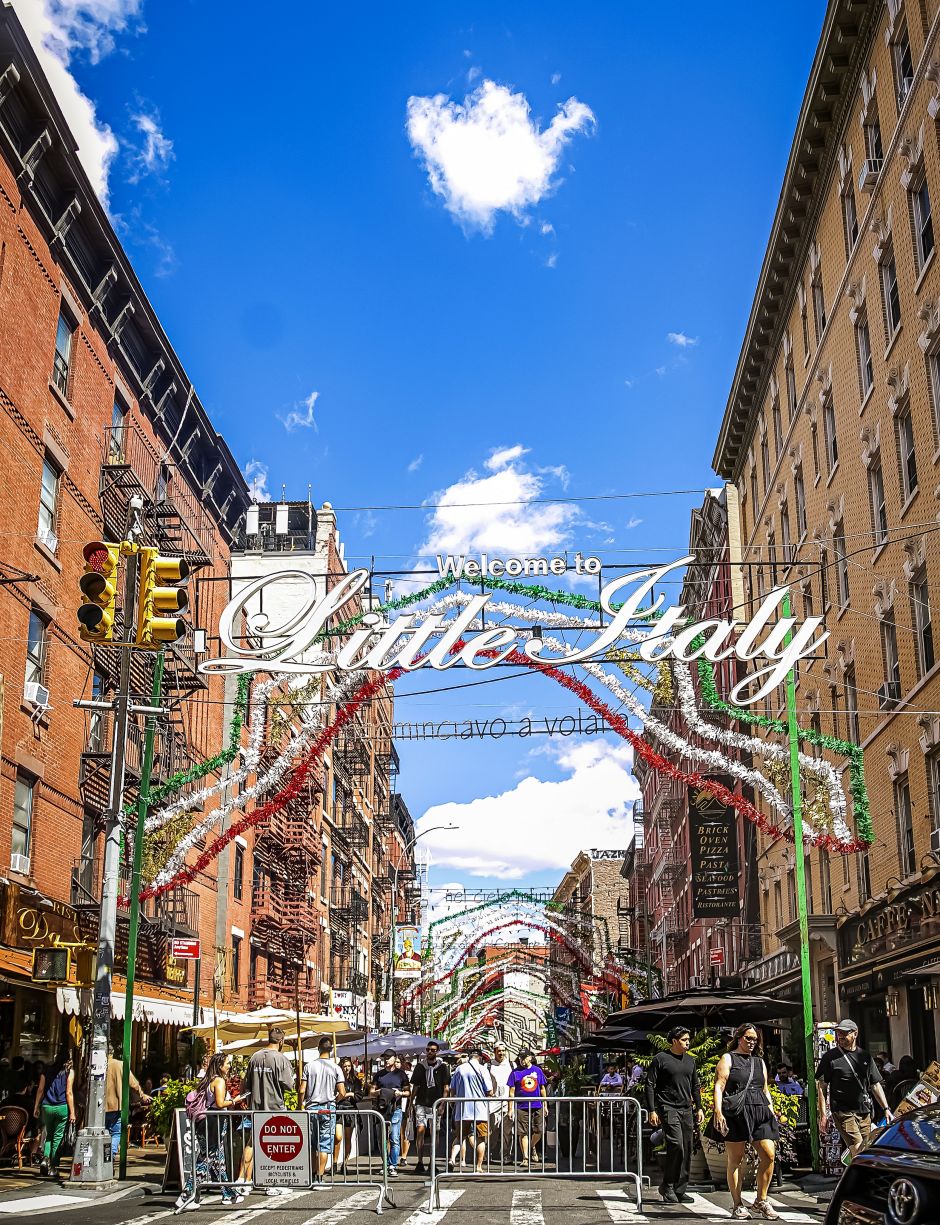
AL DENTE In cooking, pasta or risotto al dente (/ælˈdɛnteɪ/, Italian: [al ˈdɛnte]; lit. ’to the tooth’) is cooked to be firm to the bite, requiring a brief cooking time. The term also extends to firmly-cooked vegetables. In contemporary Italian cooking, it is considered to be the ideal consistency for pasta.
What does al dente mean to you? To your neighborhood vampire it probably means something different. How about to the prospector mining gold?
Send us something that you haven’t overcooked!
Submissions close on July 5, 2026; the issue publishes SEPTEMBER 1, 2026.
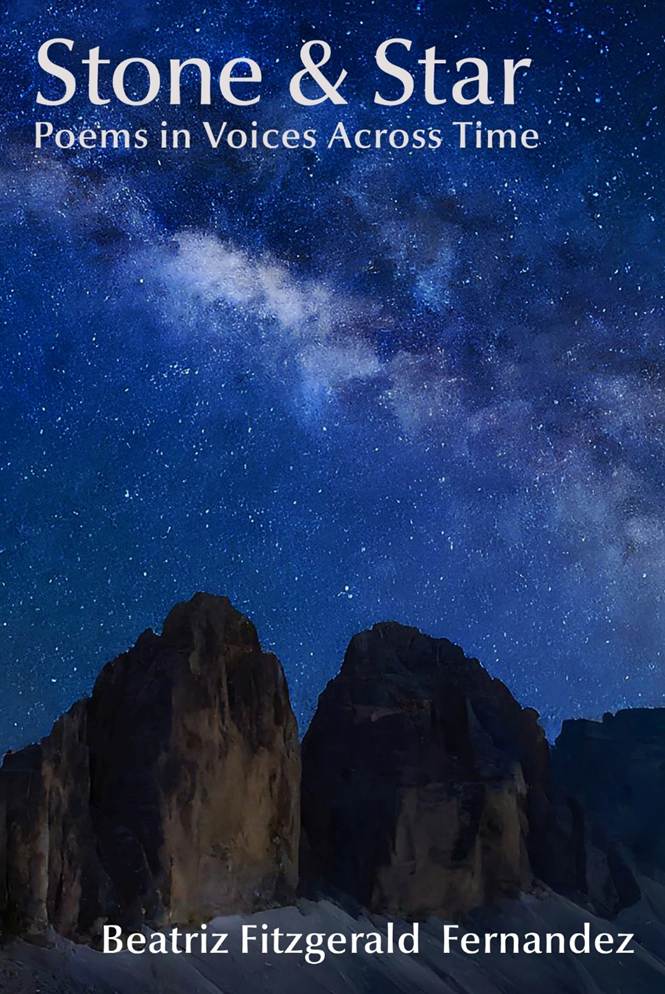
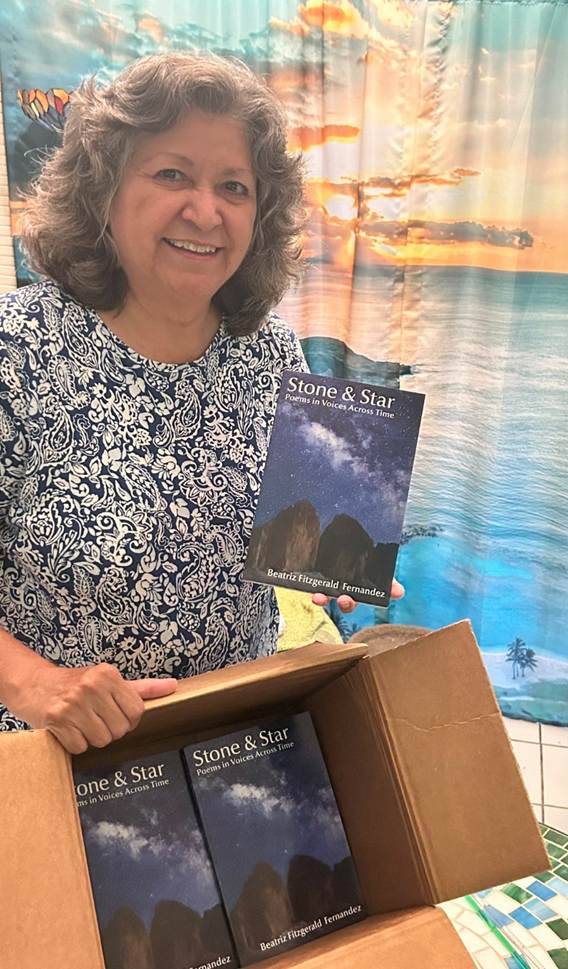
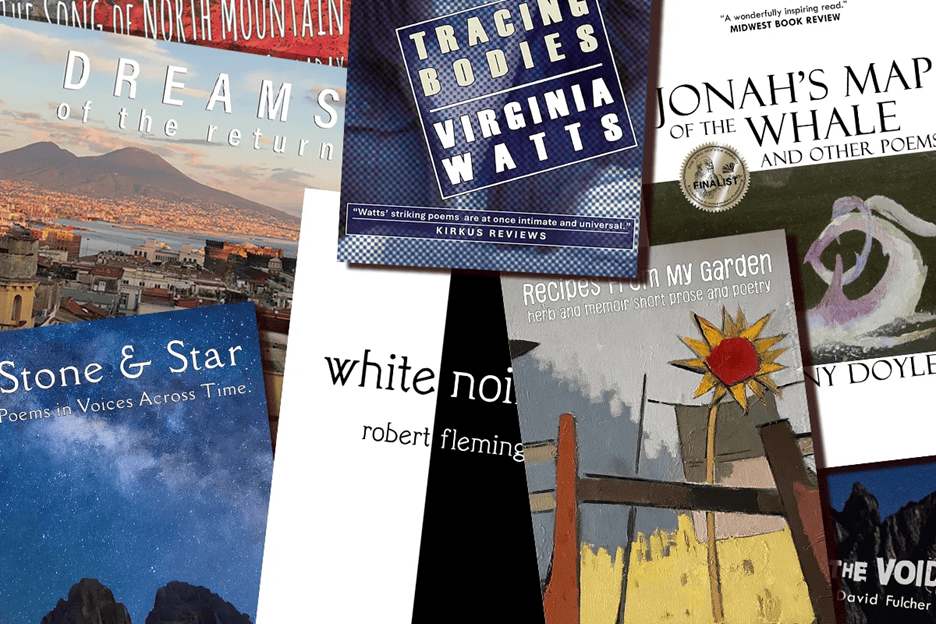
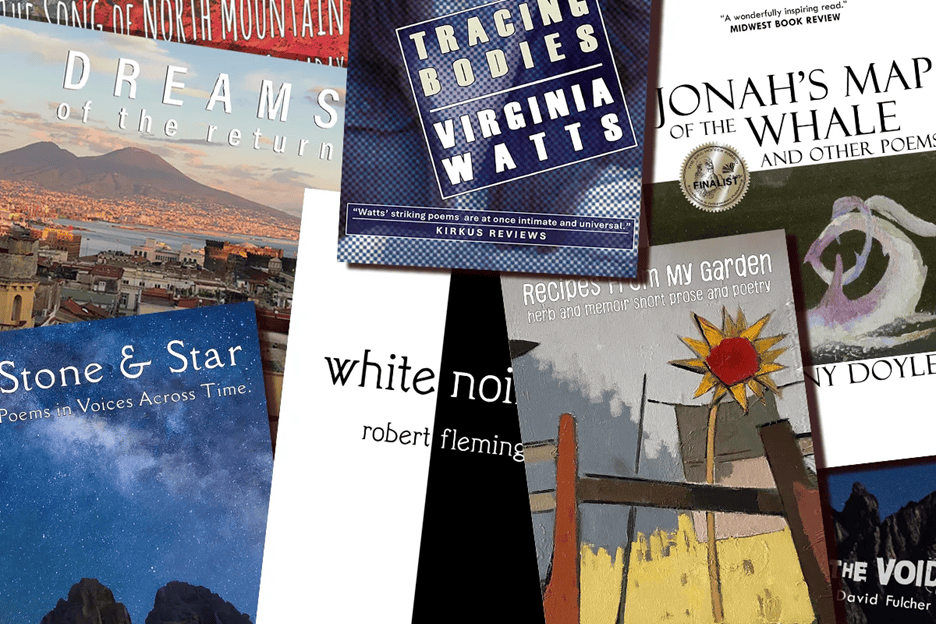
READ ONE OF OUR MEMBERS’ LATEST POETRY COLLECTION:
Whenever I’ve written something I feel really conveys what I was striving for, I want to share it. But often, it sits on the computer for a while. Until published, the words are out there but they are not being read. Enter the world of literary magazines, a wonderful opportunity to share not just your own work but to be part of a larger community.
In 2020, publishers Dianne Pearce and David Yurkovich launched Instant Noodles Literary Magazine. Six years later it is still going strong. As their business and projects have expanded, so has the Instant Noodles Literary Magazine team. While Dianne makes the final decisions, she has some help. Members of The Old Scratch Press short form and poetry collective serve on a rotational basis as Contributing Editors. We have a voice in choosing the themes and selecting work.
As a writer and poet who frequently expresses herself through the medium of (CNF) Creative Non Fiction, these are the submissions I’m most often reading. I read each piece submitted to Instant Noodles several times. I’m interested to discover how the writing responds to our theme. Most of the fiction and poetry I write is inspired by true life events. I am awed by writers who successfully blend reality, imagery and memorable characters into story. Not every submission sits squarely within one genre. Some straddle the line between reality and fantasy, between poetry and prose. We can’t offer payment, but we can bestow praise.
This issue, I’d like to gush about a certain piece I really liked. A piece I’d like the world to read and think about. It was submitted as CNF. In many ways it comes across to me as poetry. As with any short piece of work, every word counts. As a reader, that’s what I’m reading for, power in each word.
The 2026 issue May theme just released, is titled Planes Boats Cars Trains. When I suggested the theme, I envisioned all the ways transportation impacts our lives and how many exciting stories take place when a character is moving from one place to another. I wasn’t thinking about animals or freedom, but that is the beauty of words. We all perceive our world in different ways. A good artist can share their vision.
The piece is called, “From Cage to Street” and is written by Tamara-Lee Brereton-Karabetsos. It begins in the first sentence to take the reader to the Serengeti plains of East Africa where a line of trucks are transporting wild animals. You’ll have to use your imagination to decide whether these animals are zebras, tigers, gazelle or something else. What you do know is they have fur and ears that twitch.
“Engines hum. Metal shakes. Paperwork counts weight, not panic.
Inside, bodies shift where they can, small movements, breaths caught between bars.”
She contrasts the business of checking locks and papers with the vibrations of the shaking vehicle. The writer contrasts herself with the animals. She is walking free and unencumbered, Each selected image— a swing, running dog, a kite— echoes the contrast.
“The wind brushes my face, a dog darts past, a child’s kite catches the sun.
Each step is choice. Each breath is mine. Each glance is unbound.”
Her poem/essay shifts back to the unloading of the crates and in her telling she slows down time for me as she expresses the melancholy of the caged versus the free.
“Animals shift from one container to another. The journey continues, but choice is absent.
Instinct carries memory of plains, but the body moves through something imposed, not chosen.”
This piece creates a sense of place and communicates the author’s appreciation of the physical agency of walking and choosing your own destination. I am pleased we were able to publish it and I urge you to take the time to read it along with many of the other fine pieces in this issue.
Thank you Tamara and thank you writers for making ours such a strong community. The next theme currently being read is Al Dente. Think pasta cooked just so, not too soft and not too stiff. Do you have a piece of writing that meets that criteria? What does Al Dente mean to you?
Remember that Instant Noodles Literary Magazine believes in helping fellow writers by nominating their work for prizes. Please send us your best work.
Thank you for reading and please follow us here and on Facebook.
Nadja Maril is an award winning writer and poet who has been published in dozens of online and print literary journals and anthologies including: Lunch Ticket, Spry Literary Journal, Invisible City Literary Review, Instant Noodles and The Journal of Compressed Creative Arts. She is the author of Recipes From My Garden, published by Old Scratch Press (September 2024), a Midwest Review California Book Watch Reviewer’s Choice. An Anne Arundel County Arts Council Literary Arts Award winner, her work has been nominated for the Pushcart Prize and The Best of the Net. She has an MFA in creative writing from Stonecoast at USM.
This year’s National poetry month began with the successful liftoff of NASA’s Orion spacecraft as part of the Artemis mission, a forward step in manned spaceflight to the Moon—so it’s a perfect month to open a discussion about the future of Speculative poetry!
Speculative poetry is having a moment…
Speculative poetry, or SpecPo as it is also known, is coming into its own, especially in the last few years. Long overshadowed by science fiction literature, speculative poetry has finally been accepted by the Science Fiction and Fantasy Writers Association (SFWA) as valid publications to become a member and even has its own Nebula Award category as of 2025, with perhaps a permanent Hugo award category in the works as well.
But with the addition of the Nebula and possibly Hugo awards, the momentum for speculative poetry is increasing.
What is Speculative poetry?
Speculative poetry generally refers to a poem with hard science-fiction or high fantasy elements, the latter which can include horror, mythology, fairy tales, folklore, so you can argue that it has been around forever. But it has evolved over time to be more futuristic and diverse in nature, a situation which I think will continue to gather speed as we race for the Moon and Mars via future space missions.
The SFPA’s founder addresses some of the difficulties in defining Speculative poetry in this essay:
Like many writers interested in science fiction, I started out writing poetry and then attempted to write science fiction short stories, never pausing to consider speculative poetry as a natural next step instead. When my sallies into short science fiction failed to match my vision, I began to explore poetry more deeply, especially narrative poetry, but again, never considered speculative poetry specifically. The truth is, I was not encountering much speculative poetry in my reading. In the science fiction magazines I read, poems seemed to appear as filler while the stories and novellas were the main attractions. The pieces tended to be very short and from a limited number of authors. This was my perception at the time, though I’m sure it was not unique. There were and have been many magazines publishing speculative poetry all along, but they did not come across my radar as a fledgling writer.
After many years of writing and publishing poetry, I began to explore short fiction again. I wrote an opening scene for what I first envisioned as a story, but it just didn’t materialize further. I was excited about the scene, though, and the vision would not leave me. Finally, the light bulb came on and I realized that this scene would work just as well, maybe better, as a poem! That reworked scene became a poem that was later accepted by Star*Line.
Speculative Poetry from Past to Present
To read some poems from speculative poetry’s past, peruse Poems of the Fantastic and Macabre a list curated by Theodora Goss, a professional fantasy writer, poet, and Victorian literature scholar who teaches Fantasy literature.
There’s a lot of excitement surrounding Speculative Poetry and in my research I ran across several articles that express that:
What you can do to support Speculative poetry right now
Join the Speculative poetry initiative to make the Hugo Award for Poetry a permanent category. It is a process that takes two years and must be ratified by the World Science Fiction Society (WSFS) (TheHugoAwards.org) who administer the award.
Submit your work and read magazines that publish speculative poetry:
The SFPA publishes a market list of paying and non-paying speculative poetry magazines.
The future of Speculative poetry looks bright–it is a form exceptionally adaptable to our changing world and open to the increasingly diverse visions of reality and the future of humankind. It’s accessible and welcoming to the exploration of social, political and multicultural issues.
“Speculative poetry is not only for science fiction and fantasy fans. It is for any human with a heart and a desire to declare that their dreams should be heard.”
Our current theme for submissions is Al Dente. For more information click here.
AL DENTE In cooking, pasta or risotto al dente (/ælˈdɛnteɪ/, Italian: [al ˈdɛnte]; lit. ’to the tooth’) is cooked to be firm to the bite, requiring a brief cooking time. The term also extends to firmly-cooked vegetables. In contemporary Italian cooking, it is considered to be the ideal consistency for pasta.
What does al dente mean to you? To your neighborhood vampire it probably means something different. How about to the prospector mining gold?
Send us something that you haven’t overcooked!
Submissions close on July 5, 2026; the issue publishes SEPTEMBER 1, 2026.
There are many types of formal poetry and for anyone who likes to write poetry, it’s worth your time getting to know these forms and trying a few as well. This teaches us all about meter and rhyme, how a poem should look on the page, and trying some of these is just plain fun. Here is a short run down of twenty different types of poetry. See how you do with some of these! You might surprise yourself, find a from you really like, and write a collection of them.
Acrostic: first letter of each line spells something
Ballad: narrative like a folk story
Blank Verse: Unrhymed but has iambic pentameter
Cinquain: five-line poem with 2-4-6-8-2 syllables per line
Concrete: has a shape on the page like a tree
Elegy: a mourning to someone gone
Epic: long, narrative work like Hiawatha
Found: taking and reframing words from other sources like newspapers
Ghazal: couplets that share rhyme and refrain
Haiku: Japanese form of 5-7-5 syllable pattern
Limerick: a humorous poem of 5 lines
Lyric: short poems of emotion
Narrative: a form of story telling
Ode: message to a subject, event or object
Pastural: Idealized environment, often rural life
Sestina: complex 39-line poem
Slam: Oral, competitive poetry
Sonnet: 14-line poem with specific rhyme scheme about love think Shakespeare
Villanelle: 19-line. 5 tercets followed by a quatrain with 2 repeating rhymes and 2 refrains
The Ode is a great form to try. Odes were developed in Ancient Greece. An ode then was a song or chant performed to celebrate athletic victories. Odes are praise using rich and clever description. Here’s a famous example of an ode poem.
Virginia Watts is the author of poetry and stories found in The MacGuffin, Epiphany,CRAFT, The Florida Review, Reed Magazine, Pithead Chapel, Eclectica Magazine among others. She has been nominated four times for a Pushcart Prize. Her debut short story collection Echoes from the Hocker House was short listed for 2024 Eric Hoffer Grand Prize, selected as one of the Best Indie Books of 2023 by Kirkus Book Reviews, and won third place in the 2024 Feathered Quill Book Awards. Please visit her.
Virginia’s new book is now available from Old Scratch Press:
This week in the New York Timesthere is an article about Mark Oppenheimer writing Judy Blume’s biography. When he began the project, so he says, she liked him and gave him access to her life and her circle, etc. When he sent her the draft, she no longer liked him or the book he was writing about her. Apparently she sent him quite a big pile of notes, and contact ceased soon after that. He published the book anyway. He, and book’s narrator, Molly Ringwald, feel like Judy has to put up with his book, and that Mark did a fine job. According to the NYT article, Molly said, “There might be moments that Judy doesn’t like or agree with, but overall I think it’s a respectful treatment of her and her literary significance.” And, “If Mark didn’t show Judy’s flaws or humanity, it would be hard to feel invested.”
At what point does your life stop being your own? I might argue it’s when you become a parent. But, eventually they grow up, and you get to pivot back to yourself somewhat. Mark could have written the book with, or without, Judy’s help, and that’s the danger of being that level of author, but the fact that she gave him permission at first, and then was unhappy with what he made of her life, gives me pause. How much do we own our own life story?
The NYT made the main photo of the piece one of Mark sitting in a bunk bed. I don’t like this. He’s not at the age, or in life circumstances where he would actually be the person who sleeps in that bed. To me it is a ploy to make him look more innocent. I don’t think he is. I’m disappointed in Molly. For full disclosure, I read a bit of Judy Blume as a kid, from Margaret to some of the adult books, most of them for the sexy bits, honestly. Hey, I was in middle school. But, with apologies to Judy, I have seldom thought of her since. I tried reading Margaret to my daughter when she was in middle school, and we both found it didn’t age well. Plus, my daughter was not raised with the same religiosity I was. So there’s that for the longevity of the book in my life. And anybody can write a biography of anybody. The trick, like it is with our own books, is to get people to read it.
Still, do Mark, Molly, and his publishing company have the right to own Judy’s story, to make the truth of Judy’s life Mark’s version of the truth?
I say no. I say this is another woman losing agency over her own body, life, and body of work, to a man and a corporation. And it seems her only recourse might be for Judy to write her autobiography, to set the record straight. I cannot imagine anything as boring as writing out my own life story. And believe you me, I’ve had a fascinating life. Ha! Whether I have or I haven’t, I’m not ready to relive it all like I’ve had a near death experience. No, no no.
So, whose life is it anyway?
I would love to hear your thoughts.
Dianne Pearce is the chief editor and bottle washer at Current Words Publishing, and the half-cocked imaginer behind Old Scratch Press and Instant Noodles. Pearce loves helping writers realize the dream of having their work published. I mean she is really crazy about doing that for some reason. To that end, to join in the fray, to look at the thing from the other side, to stand in another’s shoes, and all of those things, she is fully expecting and promising to publish her first collection of poetry, In the Cancer Cafeteria, spring of 2026. Please don’t hold your breath. For very long. Happy 2026!
Gabby and Morgan are part of the featured selections from the Community of Literary Magazines and Presses for Women’s History Month!
Check it out here:
And pick up a copy of these great books!
NO OCEAN SPIT ME OUT is a captivating debut collection of poetry by Gabby Gilliam that delves deep into the intricate tapestry of family dynamics and personal evolution. Within its 30 poems, the collection embarks on a profound journey through the stages of coming of age, navigating the complexities of familial bonds, grappling with organized religion, and ultimately, embracing the essence of self-acceptance.
Each poem in NO OCEAN SPIT ME OUT serves as a poignant reflection of the human experience, capturing moments of vulnerability, resilience, and growth with eloquence. Through lyrical prose and emotive imagery, Gilliam paints a vivid portrait of the joys and struggles inherent in the process of self-discovery.
Whether you’re seeking solace in the shared experiences of family relationships or searching for introspective insights into the nuances of identity and faith, Gilliam’s collection offers a profound and thought-provoking exploration of the human condition.
From the mighty pen of artist and author Morgan Golladay comes The Song of North Mountain, a transformative collection of poetry and art celebrating the famous and mystical North Mountain of Appalachia.
North Mountain, a wildland in the George Washington and Jefferson National Forests of western Virginia, has been recognized by the Wilderness Society as a special place worthy of protection from logging and road construction. The Wilderness Society has designated the area as a “Mountain Treasure.”
Morgan Golladay brings her readers to dwell in the reverence of this wonderful wilderness.
Golladay is an award-winning author who was raised on North Mountain and lives in coastal Delaware as part of a thriving artist and author community. All words and art in this book are by Golladay.
The Song of North Mountain is National Book Award nominee!
by Nadja Maril,a founding member of Old Scratch Press Collective
Many decades ago, I choreographed a dance to accompany a poem. I selected a poem by E.E. Cummings, “In Just—” Which in my mind I titled, “In Just Spring.”
I picked that particular poem for its exuberance. I could imagine myself interpreting the verse with movements that were both fast and slow, languorous and springy. The challenge was to select movements that I could execute while reciting the words.
in Just- spring when the world is mud- luscious the little lame balloonman
whistles far and wee
and eddieandbill come running from marbles and piracies and it's spring
when the world is puddle-wonderful
the queer old balloonman whistles far and wee and bettyandisbel come dancing
from hop-scotch and jump-rope and
it's spring and
the
goat-footed
balloonMan whistles far and wee
This poem was written in 1923, over one hundred years ago.
Cummings was an experimenter who developed his own personal style. Although classically trained, with multiple degrees from Harvard University, he used punctuation as it suited him. Spaces on the page were seen as opportunities to spread out the pacing or to combine several words into one breath. Conjunctions were sometimes nouns and selected words might take on additional assigned meanings.
Hailed as one of the most influential and important poets of the 20th century, Cummings embraced the concept of Visual Poetry. Words were placed on the page to create shapes and images that serve to reinforce the mood of the verse.
It was easy for me to dance the role of the goat-footed balloon man, after seeing the words establishing his presence “skip” across the page.
The line “whistles far and wee” is spread out, which enabled me to say the individual words with enough time to run from one side of the stage to the other side.
In writing poetry, thought is often devoted to line breaks and capitalization. Traditional or avant garde, the last word in a line typically takes on greater importance. By choosing not to capitalize the first word of a line, emphasis is softened.
Try changing the line breaks on a poem you are working on. How do your changes impact the poem? Try adding extra spaces between words or merging them together. Once again, how do these changes reshape a poem’s texture and meaning?
In contrast, when you write a prose poem using sentences, it is the order and sound of the words that must create the poetry. No one approach is better than another. It all depends on what you are trying to achieve.
In a few more weeks it will officially be Spring, here in the Northeast USA where I live. I look for birds returning from the winter vacation in the south and I hear “in-Just” recited inside my head. Crocuses begin pushing up through the muddy soil. Bicycles are pulled out of storage and pastel chalk pictures are drawn on the sidewalk. No balloon man, but it is the start of outdoor birthday parties.
The idea of adding movement to your recitation of a poem, may inspire you to choose different words when writing verse.
WRITING PROMPT: Try writing a poem about a season, place, or time. Maybe your piece is about a mood such as anger or maybe it is about a feeling such as being satiated. Often a poem focuses on the visual, but instead think about movement. Use active verbs. In Cummings short poem the wind and the balloon man whistle. The children run and dance.
What did you create? Maybe you’re on to something you like. Keep playing with the concepts and see where they lead you. Part of the enjoyment of writing, is discovering what works and what doesn’t work.
Read the work of other poets, and as March is Women’s History month, I am going to suggest three women poets:
Writers and Readers, don’t forget to forget to follow us on Facebook to get the latest news and learn about submission opportunities.
Nadja Maril is an award winning writer and poet who has been published in dozens of online and print literary journals and anthologies including: Lunch Ticket, Spry Literary Journal, Invisible City Literary Review, Instant Noodles and The Journal of Compressed Creative Arts. She is the author of Recipes From My Garden, published by Old Scratch Press (September 2024), a Midwest Review California Book Watch Reviewer’s Choice. An Anne Arundel County Arts Council Literary Arts Award winner, her work has been nominated for the Pushcart Prize and The Best of the Net. She has an MFA in creative writing from Stonecoast at USM.