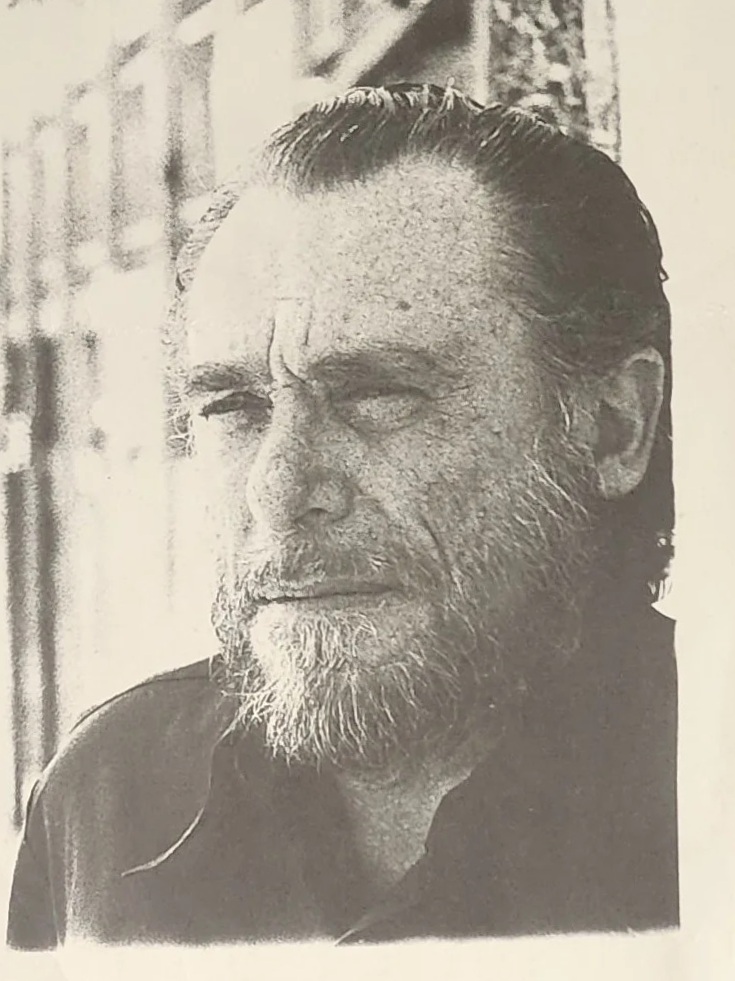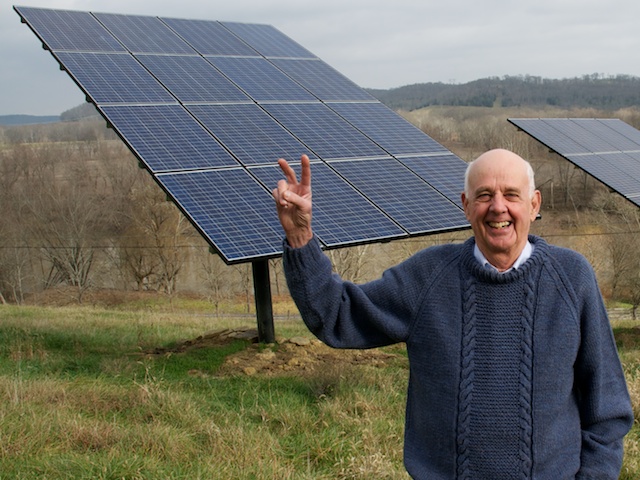
Wendell Berry was a beloved farmer and conversationalist, English professor, forest lover, and writer from the hills of Kentucky. He wrote about land and how mankind must strive to use it ethically. Berry came from a long line of tobacco farmers. His father was famous for cofounding a farming co-op that matched supply and demand. The co-op served the people it was meant to serve: small, hardworking farmers.
During his lifetime, Berry got behind causes he believed in. He protested the Vietnam War and nuclear power. He marched on Washington in 2009 as part of a protest to bring about cleaner emissions. He opposed mountaintop removal mining in Kentucky. He worried about what is lost in modernization. He fought to preserve land, regional economies, and human health in local communities.
His relationship with the University of Kentucky, where he taught, became strained when he withdrew papers he had loaned to the school after the university accepted $7 million from a coal producer.
Berry published over 50 books of poetry, fiction, and essays and received many prestigious honors for his writing, such as the T.S. Eliot Award and the National Humanities Medal. The message in all his work remained clear, essentially that man must live in harmony with the earth. He was against large-scale farming controlled by large corporations that relied on chemical pesticides and fertilizers, promoted soil erosion, depleted aquifers, and drove small farms out of business, destroying local communities in the process. He himself used horses to work his own land and used organic fertilizers and pesticides.
His poetry themes include the countryside, the routines of farm and family, and spirituality found in the natural world. It has been said of Berry that he ennobled the commonplace. Here are two of his most famous poems.
What We Need Is Here
by Wendell Berry
Geese appear high over us,
pass, and the sky closes.
Abandon,
as in love or sleep, holds
them to their way, clear in the ancient faith: what we need is here.
And we pray, not for new earth or heaven, but to be quiet in heart,
and in eye, clear.
What we need is here.
Virginia Watts is the author of poetry and stories found in The MacGuffin, Epiphany, CRAFT, The Florida Review, Reed Magazine, Pithead Chapel, Eclectica Magazine among others. She has been nominated four times for a Pushcart Prize. Her debut short story collection Echoes from the Hocker House was short listed for 2024 Eric Hoffer Grand Prize, selected as one of the Best Indie Books of 2023 by Kirkus Book Reviews, and won third place in the 2024 Feathered Quill Book Awards. Please visit her.
Virginia’s new book is now available from Old Scratch Press:

Her prior poetry chapbooks Shot Full of Holes and The Werewolves of Elk Creek
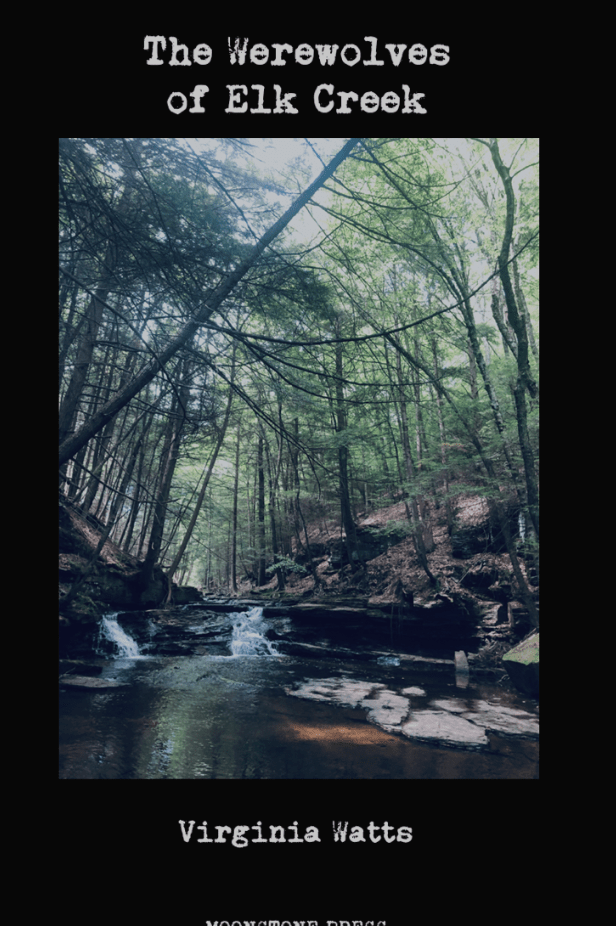
are available from Moonstone Press. And her debut short story collection Echoes from the Hocker House is not to be missed!