Wendell Berry was a beloved farmer and conversationalist, English professor, forest lover, and writer from the hills of Kentucky. He wrote about land and how mankind must strive to use it ethically. Berry came from a long line of tobacco farmers. His father was famous for cofounding a farming co-op that matched supply and demand. The co-op served the people it was meant to serve: small, hardworking farmers.
During his lifetime, Berry got behind causes he believed in. He protested the Vietnam War and nuclear power. He marched on Washington in 2009 as part of a protest to bring about cleaner emissions. He opposed mountaintop removal mining in Kentucky. He worried about what is lost in modernization. He fought to preserve land, regional economies, and human health in local communities.
His relationship with the University of Kentucky, where he taught, became strained when he withdrew papers he had loaned to the school after the university accepted $7 million from a coal producer.
Berry published over 50 books of poetry, fiction, and essays and received many prestigious honors for his writing, such as the T.S. Eliot Award and the National Humanities Medal. The message in all his work remained clear, essentially that man must live in harmony with the earth. He was against large-scale farming controlled by large corporations that relied on chemical pesticides and fertilizers, promoted soil erosion, depleted aquifers, and drove small farms out of business, destroying local communities in the process. He himself used horses to work his own land and used organic fertilizers and pesticides.
His poetry themes include the countryside, the routines of farm and family, and spirituality found in the natural world. It has been said of Berry that he ennobled the commonplace. Here are two of his most famous poems.
What We Need Is Here by Wendell Berry
Geese appear high over us, pass, and the sky closes. Abandon, as in love or sleep, holds them to their way, clear in the ancient faith: what we need is here. And we pray, not for new earth or heaven, but to be quiet in heart, and in eye, clear. What we need is here.
Virginia Watts is the author of poetry and stories found in The MacGuffin, Epiphany,CRAFT, The Florida Review, Reed Magazine, Pithead Chapel, Eclectica Magazine among others. She has been nominated four times for a Pushcart Prize. Her debut short story collection Echoes from the Hocker House was short listed for 2024 Eric Hoffer Grand Prize, selected as one of the Best Indie Books of 2023 by Kirkus Book Reviews, and won third place in the 2024 Feathered Quill Book Awards. Please visit her.
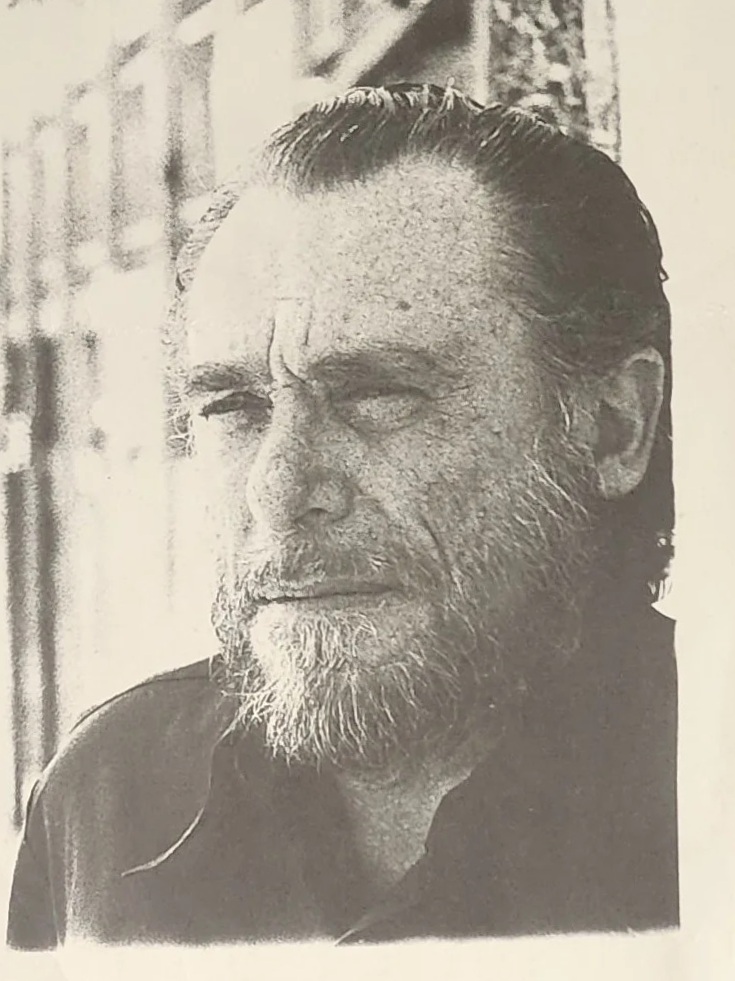
Charles Bukowski wrote about the gamblers, the rejects, factory workers, his job at the post office, those who had lost their way, his cats, his typewriter, a radio he threw on the roof repeatedly. He drank too much, gambled too much, treated women poorly, treated his wife poorly. He threw away tradition in poetry and aimed straight for the gut with unflinching honesty. His poetry focused on pain and boredom, uselessness and hopelessness, old age, heavy drinking, the underbelly of trying to survive a working-class life or worse. He’s a cult hero. He inspired a counterculture in poetry that lives on and continues around the world. He is one of the unforgettables.
Yes, he was unapologetic and rough and crude sometimes. He wasn’t always a good person, but his fan base runs deep. An icon, worshipped by many for how he took the foundations of traditional poetry and stood them on their head. His is one of the most polarizing writers of our time and one of the most inspirational to artists, singers and of course writers. It’s true that his work explores uncomfortable and upsetting things like sexism, racism, homophobia, inebriation. He wanted to write about what life can be and often is whether we like it or not and not try to act otherwise. Like him or not, he will always be seen as leading the way for poetry for the common man. Poetry for people and not for poets. Poetry for the social outcasts. Honesty in poetry. I say YES to all of that.
He wrote more than 5000 thousand poems during his lifetime. I am a fan and an admirer of Charles Bukowski. When I read him as a younger writer, I was able to believe that it was okay if I wanted to write about everyday life and nothing else. That even someone like me could have some worth as a writer. He was not a fan of poets who are overly slick, the conformists, the poets who try to tell us what to do. In other words, there is no right or wrong way to be a poet. There are no subjects that aren’t worthy of a poem. If you are a human being, you can be a poet. Click the photo below to see a favorite of mine by Bukowski:
There were reasons in his life that led to Bukowski’s style. He suffered as the son of a harsh, abusive father and he also had a disfiguring acne condition. The only way to really appreciated Charles Bukowski is to read a book of his work or several. Read a lot of poems. In this way, you will see beyond the language, the bravado, the street fighter, the drinker. You will come to know the heart of a complicated man who cared very deeply about his fellow man. He wrote so much about human suffering because he worried about human suffering and not just his own.
He was the master of direct language. The hero of not holding back. In any case, you don’t have to like him or how he lived to fall in love with his poetry or at the least learn from it or be inspired by it. Even if you hate it, you’ll feel emotion and I think Hank would say that’s good enough for him. It’s fun to try and write a poem in the Bukowski style too as a poet. As poets we are always learning. Below is a poem I wrote with him in mind. Give it a try! And read you some Hank as soon as possible!!!
FAIRY DUST Virginia Watts
I never have anything to say to children I’ll do anything to avoid those little shoes hit the crapper, blow my nose bones make lovely dust the white and the wispy clouds the silver of angel wings peeking even though I don’t believe in angels this little tiger lily really cornered me stuck with a minimum wage dad like it wasn’t his fault scoring a six pack and some Beam before noon on Sunday she got herself up on that stool I don’t know how without breaking her neck How old. Four? set patent toes on the side of my bar stool and pushed off Spun that thing around and around like a pro when I joined in she giggled the corner of 9th and Fitzwater Street down a waterfall and out to sea he yanked her off that chair so hard I would have beaten the bejesus out of him if she hadn’t been there
Virginia Watts is the author of poetry and stories found in The MacGuffin, Epiphany,CRAFT, The Florida Review, Reed Magazine, Pithead Chapel, Eclectica Magazine among others. She has been nominated four times for a Pushcart Prize. Her debut short story collection Echoes from the Hocker House was short listed for 2024 Eric Hoffer Grand Prize, selected as one of the Best Indie Books of 2023 by Kirkus Book Reviews, and won third place in the 2024 Feathered Quill Book Awards. Please visit her.
Many poets spend years submitting individual poems to journals, attending readings, participating in workshops, and building relationships within the literary community. These activities are valuable and often necessary. Yet at some point, many poets begin asking a different question:
“When is it time to put a collection together?”
For some writers, the answer arrives naturally. A group of poems begins to speak to one another. Certain themes emerge. Images recur. The manuscript starts to feel less like a collection of individual works and more like a conversation taking place across dozens of pages.
For others, the decision is more difficult. Many poets delay publishing a collection because they worry they are not ready, that they have not accumulated enough publication credits, or that they have not yet found a traditional publisher. While those concerns are understandable, they sometimes prevent writers from sharing work that is already prepared to meet readers.
One of the great misconceptions about poetry publishing is that publication itself is the finish line. In reality, publication is often the beginning of a new stage in a poet’s development.
A collection gives readers a place to go.
Someone may enjoy a poem in a journal, hear you at a reading, or discover your work through social media. A collection allows those readers to spend more time with your voice and ideas. It transforms a series of individual encounters into a deeper relationship between writer and reader.
Collections also create opportunities that individual poems sometimes cannot. A published book can lead to readings, interviews, festival appearances, workshop invitations, review opportunities, podcast conversations, and future publishing projects. It becomes a calling card for your work and a record of your growth as a writer.
This is one reason many poets discover that one collection often leads to another.
The process of assembling, revising, publishing, and promoting a manuscript teaches skills that carry into future projects. You learn how poems work together. You learn how readers respond to your work. You learn what aspects of publishing you enjoy and which ones you would rather delegate to others. Most importantly, you gain confidence from completing a substantial creative project.
Fortunately, poets today have more publishing options than ever before.
Some writers pursue traditional publication through independent presses, university presses, and literary publishers. This route can provide editorial support, distribution, and professional recognition, but it often requires patience. Many presses receive far more manuscripts than they can publish, and response times can stretch for months.
Others choose to self-publish. This approach offers complete creative control and allows poets to move forward on their own timeline. Modern print-on-demand services have made self-publishing more accessible than ever. However, self-publishing also requires authors to manage editing, design, formatting, distribution, and promotion themselves or hire professionals to assist with those tasks.
A third option involves working with a partner publisher, cooperative press, or author-services organization. These arrangements often combine professional support with greater author involvement and control. Depending on the organization, responsibilities and costs may be shared in different ways. For many poets, this middle path provides a balance between independence and guidance.
The best choice depends on your goals. Some poets value the prestige associated with a traditional press. Others prioritize speed, flexibility, or creative control. Still others appreciate a collaborative approach that allows them to remain closely involved in the process while receiving professional assistance.
Whatever path you choose, remember that a collection does not need to be perfect before it can be published. Every published poet can point to lines they would revise differently years later. Growth does not stop when a book is released. In many ways, publication simply marks the next stage of the journey.
This is particularly important for poets who find themselves waiting endlessly for permission to move forward. A manuscript sitting unread on a hard drive reaches no one. A collection in the hands of readers has the opportunity to create conversations, build connections, and leave a lasting impression.
That does not mean every manuscript should be rushed into print. Thoughtful revision remains essential. Feedback matters. Professional editing can strengthen a collection dramatically. The goal is not speed for its own sake. The goal is to avoid allowing fear, perfectionism, or uncertainty to keep a finished project hidden forever.
Many poets spend years hoping someone will discover them. There is nothing wrong with pursuing traditional publication, and many excellent collections find homes that way. At the same time, poets today have more choices than previous generations. If your work is ready, there may be more than one path to publication.
After all, the purpose of a collection is not simply to exist. It is to be read.
The poems you’ve spent years writing deserve the opportunity to find readers. And sometimes the first collection does more than reach an audience. Sometimes it gives you the confidence, experience, and momentum to begin the next one.
This concludes our five-part series on building a readership for poetry. We hope you’ve found a few ideas worth trying, whether you’re just beginning to share your work or preparing your next collection. We’d love to hear from you. Which strategies have helped you find readers? What challenges are you facing? And what topics would you like to see us explore next? Leave a comment below, connect with us on social media, or reach out through the Old Scratch Press website. Old Scratch Press exists because poets learn from one another, and we’d love your ideas for future articles and series you’d like to see us tackle.
NEW OPPORTUNITY
We’re also launching a new occasional contributor feature called “What’s One Thing You Wish Someone Had Told You?” Poetry is full of lessons we often learn the hard way, and we’d love to share some of that wisdom with the community. If there’s one thing you wish you’d known earlier about writing, submitting, publishing, readings, workshops, marketing, or the poetry life in general, consider writing a short guest article of 500-800 words.
Authors whose articles are selected will be featured on the Old Scratch Press website and along with a short biography, links to their website and social media, and one poem of their choice, whether previously published or not. Our goal is to help poets share both their experience and their work with a wider audience.
If you’re interested, send your article or proposal to guestpost@oldscratchpress.com. We look forward to learning from your experiences.
I’ve been on a lucky kick lately finding great books to read. I have a group of friends and relatives who love to read as much as I do, and we share book ideas almost every week. I’m not content when I don’t have a good book going. Often, when I am busy running errands, ticking off my list of appointments and other life tasks, in the back of my mind I am thinking: When I am done with all of this, I can go home and read my book! It’s my reward. My joy. My salvation. And I am clearly not alone. Many people love to read and there are some good reasons why.
Reading is very good for the health of your brain. Reading expands and strengthens neural pathways. It has been shown to improve memory. People who read regularly are better at retaining complex information. They concentrate better. This is because when you read you must focus your mind.
Reading also lowers your stress level and cortisol levels significantly. Even when you read for a short time, your heart rate slows and your muscles relax. Reading is likened to meditation. When you read you step away from your own life and your own unique anxieties. It’s a true calming of you mind even though your mind is busy. It’s believed to be better at lowering your blood pressure than listening to music or watching tv. If you read before bed, your mind gets the message that it is time to slow down. You are likely to fall asleep faster and sleep more deeply. Reading at night helps you push your own worries away.
There have been several studies that have shown that reading regularly provides some protection against cognitive decline and may even delay the onset of conditions such as dementia and Alzheimer’s. Long terms studies also show that reading increases your lifespan.
Another benefit to regular reading is that it makes us better people. When you read you experience all kinds of characters, lives, and places that improve your knowledge of the world and helps you have a better understanding of people who are different from you. People who have different lives and different beliefs. This makes you more empathetic. This translates into better relationships and social skills. Reading is a bridge to understanding others. Apparently, the most empathy comes from reading literary fiction as opposed to nonfiction.
It has also been shown that for people experiencing some forms of mild depression, reading self-help books can assist with recovery. Medical experts can provide a list of recommended books.
The world’s most successful and wealthy people are often avid readers with a strong desire for knowledge. Bill Gates. Oprah Winfrey. Elon Musk. Reading can also help with loneliness and social isolation because it often leads to book groups, whether face to face or online. Also, with public libraires and low-cost subscriptions for tablets, reading is not expensive.
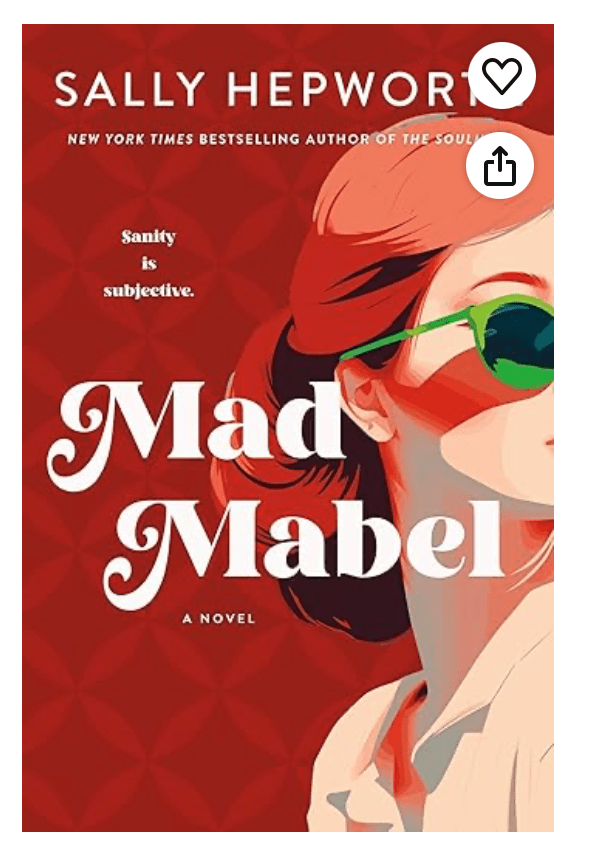
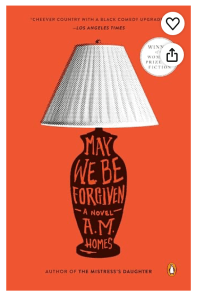
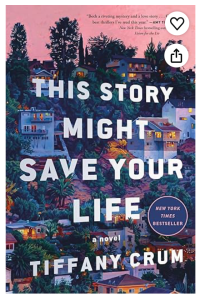
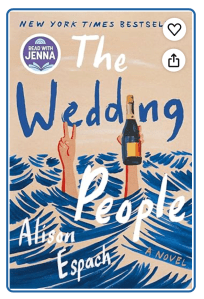
Here is my recent list of books I would recommend. I enjoyed every word and I hope you do too. Cheers and keep those pages turning! Ginny
Virginia Watts is the author of poetry and stories found in The MacGuffin, Epiphany,CRAFT, The Florida Review, Reed Magazine, Pithead Chapel, Eclectica Magazine among others. She has been nominated four times for a Pushcart Prize. Her debut short story collection Echoes from the Hocker House was short listed for 2024 Eric Hoffer Grand Prize, selected as one of the Best Indie Books of 2023 by Kirkus Book Reviews, and won third place in the 2024 Feathered Quill Book Awards. Please visit her.
Many poets begin writing in solitude. A notebook, a keyboard, a quiet room, and a handful of ideas are often all that’s required to start. Yet while poetry is frequently written alone, few poets build a lasting writing life entirely by themselves.
One of the most valuable resources available to poets is community.
For some writers, that community takes the form of a workshop. For others, it may be a reading group, an online gathering, a local poetry organization, or an informal circle of trusted readers. Whatever form it takes, a strong community can help poets grow, remain motivated, and continue writing through the inevitable ups and downs of the creative process.
Workshops, in particular, offer several benefits. They provide opportunities to receive feedback, hear how readers interpret your work, and identify strengths and weaknesses that may be difficult to see on your own. A thoughtful workshop can help a poet sharpen individual poems while also developing skills that carry into future projects.
At the same time, workshops are not simply about critique. Some of the most valuable lessons come from reading and discussing the work of others. Evaluating another poet’s choices often teaches us as much about writing as receiving feedback on our own poems.
For poets who have never participated in a workshop, finding one is often easier than expected. Local libraries, community colleges, arts organizations, independent bookstores, and writing centers frequently host workshops. Online options have expanded dramatically in recent years, making it possible to connect with poets from around the world without leaving home.
For poets wondering where to begin, there are more options than ever before. Local libraries, community colleges, independent bookstores, arts organizations, and state poetry societies frequently host workshops and discussion groups. Many literary journals, writing centers, and nonprofit arts organizations also offer virtual workshops that allow writers to participate from anywhere.
If you’re looking online, start by following organizations such as Poets & Writers, The Writers Center, local arts councils, and poetry organizations in your region. Facebook groups, Bluesky communities, and writer-focused newsletters can also help uncover opportunities. Don’t overlook literary events themselves. Many workshops are discovered through readings, conferences, and conversations with other writers.
As you explore, remember that workshops serve different purposes. Some focus on craft and detailed critique. Others emphasize accountability, encouragement, or community. Before committing to a long-term group, ask yourself what you hope to gain. Are you trying to improve individual poems? Complete a manuscript? Meet other poets? Build confidence sharing your work? The answers can help you find a community that fits your goals.
One final suggestion: don’t wait for the perfect workshop. Attend a reading. Join an online discussion. Participate in a one-day class. Introduce yourself to another poet. Literary communities are rarely built through a single dramatic step. More often, they grow through a series of small, consistent acts of participation.
When choosing a workshop, it is worth remembering that not every group will be the right fit. Some focus heavily on craft. Others emphasize encouragement and accountability. Some are highly structured, while others are more conversational. If one group does not feel productive or welcoming, that does not mean workshops are not for you. It may simply mean you have not yet found the right community.
Community also plays an important role beyond the workshop itself. The poetry world is built on relationships. The poets you meet today may become future collaborators, readers, editors, event organizers, or simply trusted friends who understand the unique challenges of the writing life.
Many opportunities arise through these relationships. Invitations to readings, recommendations for journals, introductions to editors, and collaborative projects often emerge through conversations within the literary community. While talent and hard work remain essential, few poets navigate the literary landscape entirely alone.
Perhaps most importantly, community helps sustain writers over the long term.
The reality is that poetry rarely offers immediate rewards. Publication may take months or years. Collections can require years to complete. Rejections are common. Audience growth is usually gradual. Writers who expect quick results often become discouraged.
This is where community becomes invaluable. Fellow poets understand the excitement of an acceptance, the disappointment of a rejection, the frustration of a stalled manuscript, and the satisfaction of finally solving a difficult line. They remind us that we are not working in isolation and that the challenges we face are shared by many others.
The most successful poets are not always the most talented. Often, they are the ones who remain engaged long enough for their work to mature. They continue reading, writing, revising, submitting, and participating in the literary world year after year.
This is the long game of poetry.
A workshop will not instantly transform your writing. Joining a community will not guarantee publication. Neither will produce thousands of readers overnight. What they can provide is something far more valuable: growth, support, accountability, and connection.
Over time, those small advantages accumulate. One workshop leads to stronger poems. Stronger poems lead to publications. Publications lead to readings. Readings lead to new readers and new opportunities. A writing life is rarely built through a single breakthrough. More often, it is built through years of showing up, learning, and participating.
If you’re looking to build a readership, don’t focus only on promotion. Invest in community as well. The relationships you build along the way may ultimately become one of the most rewarding parts of your poetry journey.
Mention social media to a group of poets and you’ll likely get a wide range of reactions. Some embrace it enthusiastically. Others tolerate it reluctantly. A few would happily throw their phones into the nearest lake if they thought it would help them write more poems.
If you’re trying to build a readership, social media can be a useful tool. The challenge is remembering that it is a tool, not a destination.
Many writers approach social media with unrealistic expectations. They assume they need thousands of followers, viral posts, or a constant stream of content in order to be successful. In reality, most poets build readership the same way they build literary communities: slowly, one connection at a time. Poets with fifty engaged readers who genuinely care about their work are often in a stronger position than someone with thousands of followers who rarely interact with what they post. Readers matter more than numbers.
One of the most common mistakes poets make is treating every post as a sales pitch. Constantly asking people to buy a book, attend an event, or subscribe to a newsletter can quickly exhaust an audience. Social media works best when it feels like a conversation rather than an advertisement. Consider sharing parts of your writing life instead. Talk about a poem you’re working on. Share a favorite line from a poet you admire. Discuss a recent reading you attended. Recommend a literary journal. Celebrate another writer’s success. Give people a reason to follow you beyond the occasional book announcement.
It is also important to remember that not every platform serves the same purpose. Some poets enjoy Instagram’s visual focus. Others prefer Facebook groups, Bluesky, Substack, Threads, or TikTok. Rather than trying to maintain a presence everywhere, choose one or two platforms that feel comfortable and sustainable.
One of the most effective ways to use social media is to join existing communities rather than trying to build an audience from scratch. Look for groups dedicated to poetry, books, literary journals, reading challenges, independent publishing, or genres that align with your work. Readers are already gathering in these spaces. Your goal is not to convince everyone to read your poetry. Your goal is to find the people who already enjoy poetry and become part of the conversation.
The key is to participate as a community member first and a writer second. Read what others post. Offer encouragement. Share recommendations. Celebrate successes. Ask thoughtful questions. People are far more likely to become interested in your work when they know you as a person rather than someone who appears only to promote a book or drop a link. In other words, don’t treat social media groups as billboards. Treat them as communities. The strongest literary relationships often develop through genuine conversations that have little to do with selling anything at all.
Consistency generally matters more than volume. Posting once or twice a week for a year will often accomplish more than posting twenty times a day for two weeks and then disappearing for six months. Readers appreciate reliability far more than intensity. Social media can also be a valuable way to discover opportunities. Many literary journals, bookstores, festivals, workshops, and reading series announce events through their social media accounts. Following organizations you admire can help you stay informed about submission calls, readings, contests, and publishing opportunities.
At the same time, poets should be careful not to confuse visibility with productivity. It is possible to spend hours discussing writing online without actually writing. Most readers ultimately care about the poems themselves, not the number of posts that appeared along the way.
One helpful question to ask is this: “Would I still do this if nobody clicked ‘like’?” If the answer is yes, you’re probably using social media in a healthy way. If the answer is no, it may be worth reconsidering how much time and emotional energy you’re investing in the platform.
It is also important to remember that social media tends to reward attention-grabbing content, while poetry often rewards reflection, patience, and subtlety. A post that receives little engagement is not necessarily unimportant. Likewise, a viral post is not necessarily meaningful. The value of your work cannot be measured by an algorithm.
For many poets, the healthiest approach is to view social media as a bridge rather than a home. Use it to connect with readers, discover opportunities, support fellow writers, and share your work. Then log off and return to the page.
The poets who seem most comfortable online are often those who understand this balance. They participate in conversations, support their communities, and remain visible, but they do not allow social media to become the center of their creative lives.
In the end, readers are built through relationships, not algorithms. Social media can help create those relationships, but it cannot replace the work of writing good poems, supporting other writers, and participating in the literary community.
Use social media if it serves your goals. Ignore the pressure to be everywhere at once. Share your work, encourage others, and remember that the most important part of being a poet still happens away from the screen.
When poets talk about building a readership, literary journals are often one of the first recommendations they receive. Yet many writers, especially those outside academic circles, wonder whether journals still matter in an age of websites, social media, and self-publishing.
The short answer is yes.
Literary journals remain one of the most accessible ways for poets to introduce their work to new readers, establish publishing credentials, and become part of the broader literary conversation. While publication in a journal rarely leads to instant fame or large sales numbers, it can help create the foundation upon which a readership is built.
For many poets, journals provide something equally important: discovery. Readers who may never have encountered your work otherwise can stumble across a poem in a magazine, become interested in your writing, and begin following your career. Editors, event organizers, workshop leaders, and fellow poets often discover new voices through journals as well.
If you’re new to submissions, finding journals is easier than ever. Resources such as Chill Subs, Duotrope, Poets & Writers, New Pages, and the Community of Literary Magazines and Presses (CLMP) maintain extensive databases of literary magazines and submission opportunities. Many journals also maintain active social media accounts where they announce open reading periods, special themes, and contests.
One of the most common mistakes beginning poets make is submitting without first reading the publication. Whenever possible, spend some time with a journal before sending your work. Read several poems. Pay attention to the styles, themes, and voices the editors seem to favor. Not because you should imitate them, but because you’ll gain a better sense of whether your work is likely to be a good fit.
Many journals now accept submissions through online platforms such as Submittable and Moksha. These systems make it easy to track submissions, but they have also increased competition by making it easier for writers to submit widely. Rejection remains a normal part of the process. Even accomplished poets accumulate large numbers of rejections throughout their careers.
At some point, every poet encounters the question of reading fees. Some journals charge a small fee, often between two and five dollars, to help cover administrative costs, software subscriptions, and staff expenses. Others operate entirely without fees. Opinions vary widely on the practice. Some writers avoid reading fees altogether, while others are comfortable paying modest amounts to support journals they respect.
There is no single correct approach. However, poets should be thoughtful about where they spend their money. A small fee for a well-established publication may be reasonable. Paying large amounts to submit work to unknown organizations is generally less advisable. As with any publishing opportunity, it pays to do a little research before opening your wallet.
Another decision involves print versus digital publications. Some poets strongly prefer print journals because they enjoy seeing their work in a physical publication and because print journals often carry a certain prestige. Others appreciate the accessibility of online journals, where poems can be discovered by readers around the world with a simple click.
The truth is that both formats offer advantages. Print journals provide permanence and a tangible reading experience. Online journals often offer broader reach, searchable archives, and the possibility of sharing links directly with readers. Many respected literary publications now operate in both formats, making the distinction less important than it once was.
It is also worth remembering that publication credits are not merely lines on a résumé. Every journal publication expands your visibility. A handful of well-placed poems can lead to invitations to readings, relationships with editors, opportunities for future publication, and readers who may eventually purchase your collection.
For poets considering a future book project, journal publication can be especially valuable. Individual poems published over time help establish a track record of activity and engagement within the literary community. They can also provide useful feedback about which poems resonate most strongly with readers and editors.
At the same time, don’t fall into the trap of believing that journal publication is the only path to legitimacy. Many excellent poets publish widely in journals. Many others build readership through readings, workshops, social media, teaching, community engagement, or independent publishing. Literary journals are one tool among many.
Ultimately, journals matter because they help connect poems with readers. They provide opportunities for discovery, conversation, and community. For poets seeking to build a readership, submitting to journals remains one of the most practical and effective ways to begin sharing work beyond their immediate circle.
If you’ve been considering submitting your poetry, start small. Find a few journals you genuinely enjoy reading, study their guidelines, and send your work into the world. Every publication began with a first submission, and every poet who appears in a journal today was once a writer nervously pressing “submit” for the very first time.
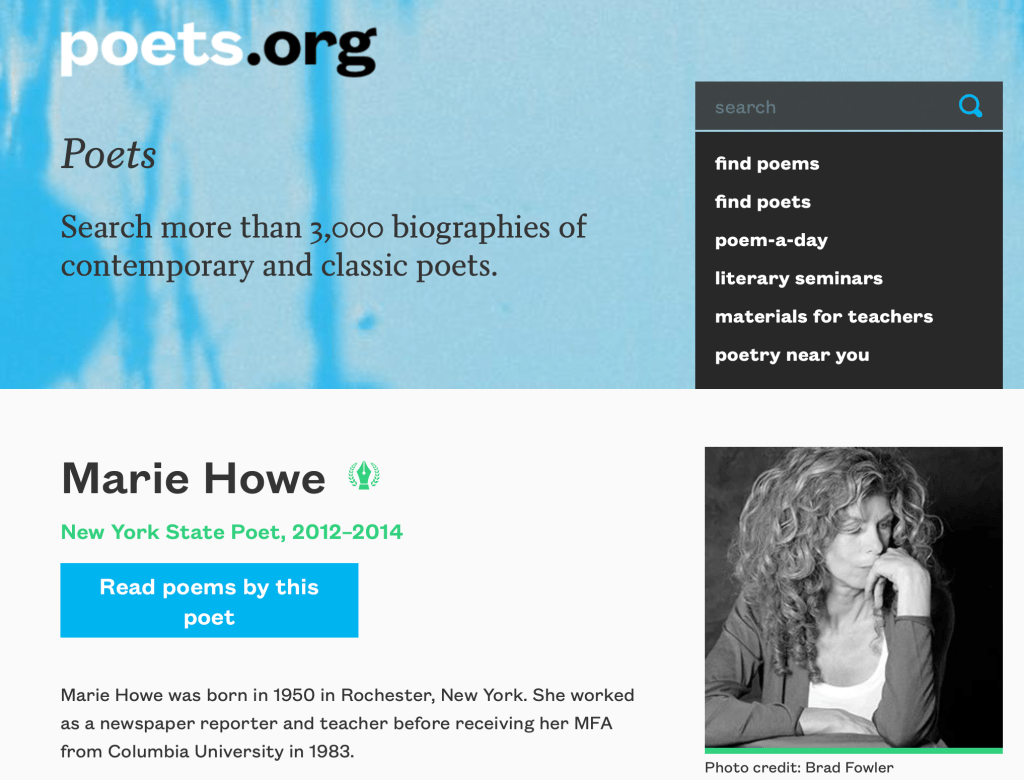
Yes, poetry collections win Pulitzer Prizes too. The 2025 Pulitzer Prize for Poetry has been awarded to Marie Howe’s New and Selected Poems. Howe is known for her observations of everyday life. She explores themes of contemporary womanhood, personal loss, human miracles, sorrow and joy. There are 111 poems in the winning collection. Howe’s direct and honest voice is her trademark. She’s a poet of our time who should not be missed. Some of her most well-known poems involve the loss of her brother in 1989 who died of AIDS-related illnesses. This is what drew me personally to her work many years ago, because I lost a brother about the same time in the same way. Here is one of her poems about this terrible sadness.
Johnny, the kitchen sink has been clogged for days, some utensil probably fell down there. And the Drano won’t work but smells dangerous, and the crusty dishes have piled up
waiting for the plumber I still haven’t called. This is the everyday we spoke of. It’s winter again: the sky’s a deep, headstrong blue, and the sunlight pours through
the open living-room windows because the heat’s on too high in here and I can’t turn it off. For weeks now, driving, or dropping a bag of groceries in the street, the bag breaking,
I’ve been thinking: This is what the living do. And yesterday, hurrying along those wobbly bricks in the Cambridge sidewalk, spilling my coffee down my wrist and sleeve,
I thought it again, and again later, when buying a hairbrush: This is it. Parking. Slamming the car door shut in the cold. What you called that yearning.
What you finally gave up. We want the spring to come and the winter to pass. We want whoever to call or not call, a letter, a kiss—we want more and more and then more of it.
But there are moments, walking, when I catch a glimpse of myself in the window glass, say, the window of the corner video store, and I’m gripped by a cherishing so deep
for my own blowing hair, chapped face, and unbuttoned coat that I’m speechless: I am living. I remember you.
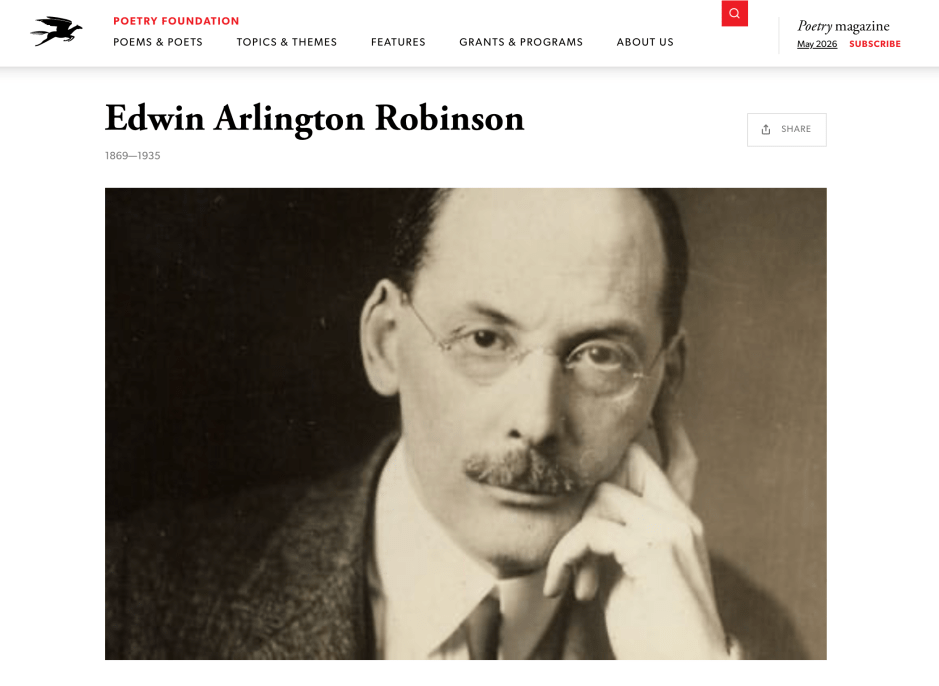
I thought it might be fun to revisit the winner of the first Pulitzer Prize for Poetry. That poet’s name was Edwin Arlington Robinson, and he won the prize two more times after being the first winner. He was known for his narrative skill and psychological depth. Here is what is considered by many to be his most famous poem. It seems a long time ago when he was writing poetry, yet when you read this poem in particular, it seems that he could be writing this poem today. This is because all poetry is about one very complicated subject: humanity.
Virginia Watts is the author of poetry and stories found in The MacGuffin, Epiphany,CRAFT, The Florida Review, Reed Magazine, Pithead Chapel, Eclectica Magazine among others. She has been nominated four times for a Pushcart Prize. Her debut short story collection Echoes from the Hocker House was short listed for 2024 Eric Hoffer Grand Prize, selected as one of the Best Indie Books of 2023 by Kirkus Book Reviews, and won third place in the 2024 Feathered Quill Book Awards. Please visit her.
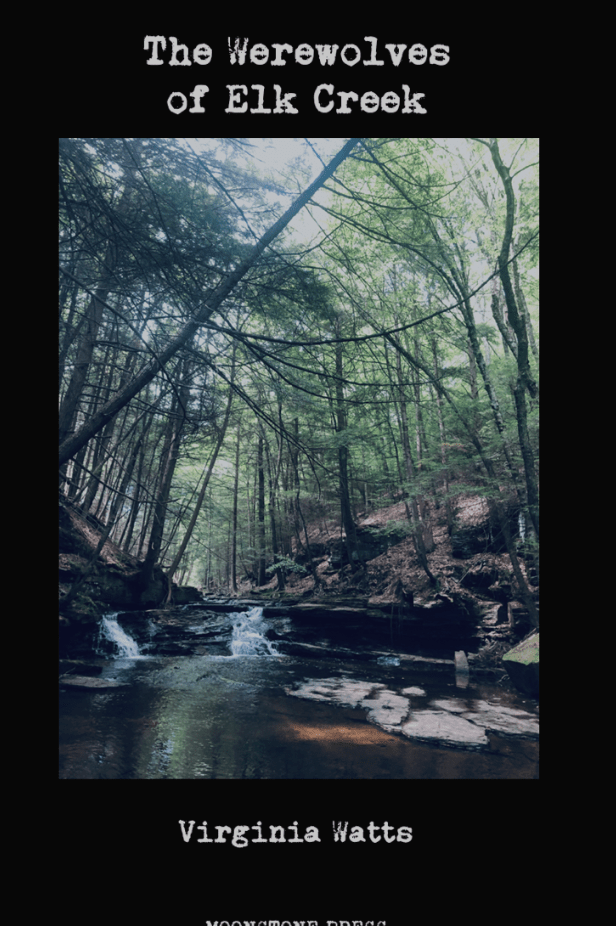
Virginia’s new book is now available from Old Scratch Press:
There are many types of formal poetry and for anyone who likes to write poetry, it’s worth your time getting to know these forms and trying a few as well. This teaches us all about meter and rhyme, how a poem should look on the page, and trying some of these is just plain fun. Here is a short run down of twenty different types of poetry. See how you do with some of these! You might surprise yourself, find a from you really like, and write a collection of them.
Acrostic: first letter of each line spells something
Ballad: narrative like a folk story
Blank Verse: Unrhymed but has iambic pentameter
Cinquain: five-line poem with 2-4-6-8-2 syllables per line
Concrete: has a shape on the page like a tree
Elegy: a mourning to someone gone
Epic: long, narrative work like Hiawatha
Found: taking and reframing words from other sources like newspapers
Ghazal: couplets that share rhyme and refrain
Haiku: Japanese form of 5-7-5 syllable pattern
Limerick: a humorous poem of 5 lines
Lyric: short poems of emotion
Narrative: a form of story telling
Ode: message to a subject, event or object
Pastural: Idealized environment, often rural life
Sestina: complex 39-line poem
Slam: Oral, competitive poetry
Sonnet: 14-line poem with specific rhyme scheme about love think Shakespeare
Villanelle: 19-line. 5 tercets followed by a quatrain with 2 repeating rhymes and 2 refrains
The Ode is a great form to try. Odes were developed in Ancient Greece. An ode then was a song or chant performed to celebrate athletic victories. Odes are praise using rich and clever description. Here’s a famous example of an ode poem.
Virginia Watts is the author of poetry and stories found in The MacGuffin, Epiphany,CRAFT, The Florida Review, Reed Magazine, Pithead Chapel, Eclectica Magazine among others. She has been nominated four times for a Pushcart Prize. Her debut short story collection Echoes from the Hocker House was short listed for 2024 Eric Hoffer Grand Prize, selected as one of the Best Indie Books of 2023 by Kirkus Book Reviews, and won third place in the 2024 Feathered Quill Book Awards. Please visit her.
Virginia’s new book is now available from Old Scratch Press:
This week in the New York Timesthere is an article about Mark Oppenheimer writing Judy Blume’s biography. When he began the project, so he says, she liked him and gave him access to her life and her circle, etc. When he sent her the draft, she no longer liked him or the book he was writing about her. Apparently she sent him quite a big pile of notes, and contact ceased soon after that. He published the book anyway. He, and book’s narrator, Molly Ringwald, feel like Judy has to put up with his book, and that Mark did a fine job. According to the NYT article, Molly said, “There might be moments that Judy doesn’t like or agree with, but overall I think it’s a respectful treatment of her and her literary significance.” And, “If Mark didn’t show Judy’s flaws or humanity, it would be hard to feel invested.”
At what point does your life stop being your own? I might argue it’s when you become a parent. But, eventually they grow up, and you get to pivot back to yourself somewhat. Mark could have written the book with, or without, Judy’s help, and that’s the danger of being that level of author, but the fact that she gave him permission at first, and then was unhappy with what he made of her life, gives me pause. How much do we own our own life story?
The NYT made the main photo of the piece one of Mark sitting in a bunk bed. I don’t like this. He’s not at the age, or in life circumstances where he would actually be the person who sleeps in that bed. To me it is a ploy to make him look more innocent. I don’t think he is. I’m disappointed in Molly. For full disclosure, I read a bit of Judy Blume as a kid, from Margaret to some of the adult books, most of them for the sexy bits, honestly. Hey, I was in middle school. But, with apologies to Judy, I have seldom thought of her since. I tried reading Margaret to my daughter when she was in middle school, and we both found it didn’t age well. Plus, my daughter was not raised with the same religiosity I was. So there’s that for the longevity of the book in my life. And anybody can write a biography of anybody. The trick, like it is with our own books, is to get people to read it.
Still, do Mark, Molly, and his publishing company have the right to own Judy’s story, to make the truth of Judy’s life Mark’s version of the truth?
I say no. I say this is another woman losing agency over her own body, life, and body of work, to a man and a corporation. And it seems her only recourse might be for Judy to write her autobiography, to set the record straight. I cannot imagine anything as boring as writing out my own life story. And believe you me, I’ve had a fascinating life. Ha! Whether I have or I haven’t, I’m not ready to relive it all like I’ve had a near death experience. No, no no.
So, whose life is it anyway?
I would love to hear your thoughts.
Dianne Pearce is the chief editor and bottle washer at Current Words Publishing, and the half-cocked imaginer behind Old Scratch Press and Instant Noodles. Pearce loves helping writers realize the dream of having their work published. I mean she is really crazy about doing that for some reason. To that end, to join in the fray, to look at the thing from the other side, to stand in another’s shoes, and all of those things, she is fully expecting and promising to publish her first collection of poetry, In the Cancer Cafeteria, spring of 2026. Please don’t hold your breath. For very long. Happy 2026!