
noun: an inclination downward
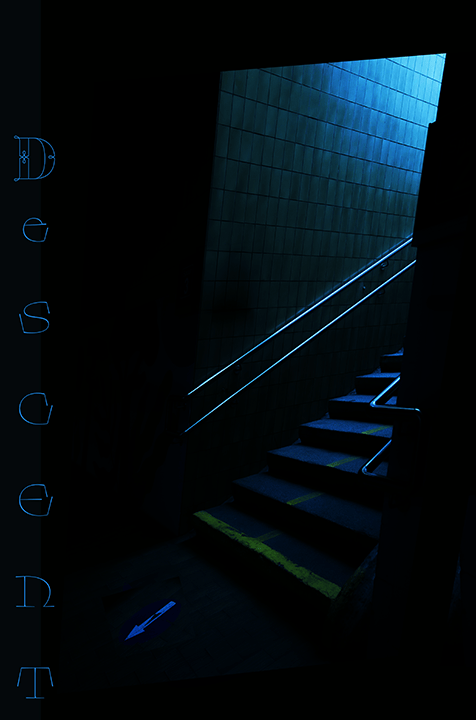
Go down; go down~
All Hallows’ Eve
the basement is calling….
noun: an inclination downward
Go down; go down~
All Hallows’ Eve
the basement is calling….
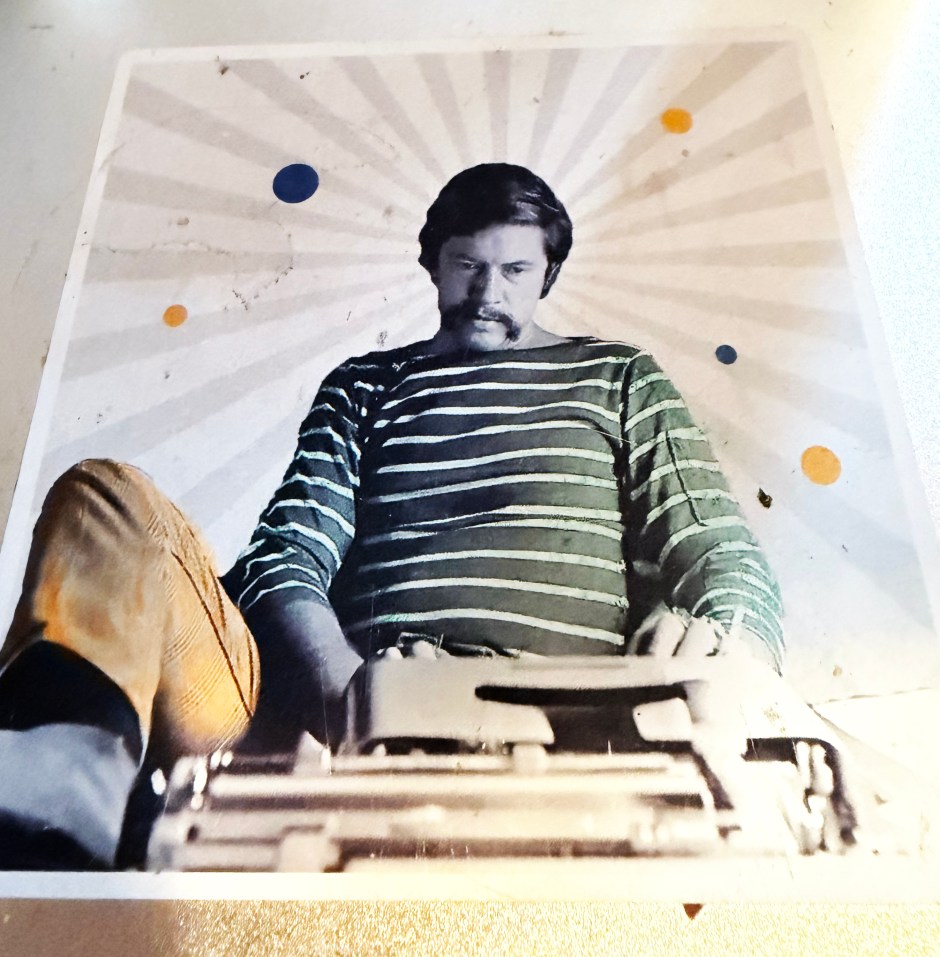
Our own Dianne Pearce (me) has a new post up at Authors Electric, and it begins with an important literary question:
Which author, living or dead, would you most want to get with? (A topic that deserves serious, serious daydreaming.)
The weirdo answer from Dianne (again, me) is Tom Robbins. Not because of what he looked like, but because of what his writing revealed about the strange, funny mind behind it. From there, Dianne (still me) wanders into attraction, humor, imagination, and the peculiar intimacy of reading someone else’s words.
I (Dianne, obviously) encourage you to go read it.
But while we’re (actually me, or rather, I, I am) sending you over there, there’s another reason writers should have Authors Electric on their radar.
Get off your duff, friends. Authors Electric accepts guest posts, and opportunities like that are worth looking for.
If you’re an author, it’s easy to spend all your blogging energy writing for your own website. That’s useful, but the people visiting your website are generally people who have already found you. A guest post puts your name and your writing somewhere else, in front of someone else’s readers.
And you don’t necessarily need to write about your book. In fact, please don’t turn every guest post into an advertisement for your book. And, on your own blog, don’t do that either. And certainly don’t blog on one blog solely about going to read something on another blog. That’s something we, here at OSP (well, rather I, me, actually; the rest of OSP has no idea what I’m writing here and will probably refuse to be held accountable for it), would never do. (Go read my post!)
Write something funny. Write about the books you love. Write about research that sent you down an unexpected rabbit hole. Write about some peculiar part of the writing life. Write something that makes a reader think, I like this person. What else have they written? People think that about me all the time (I am assured by my caretakers, who wish to keep me relatively compliant and still).
That’s the point.
Guest posting can give you another byline to share, another place for readers to encounter you, another link leading back to your work, and, perhaps most importantly, a chance to introduce yourself without standing on a chair yelling BUY MY BOOK (but seriously, people, buy our books. Well, mine’s not out yet, but buy the other books from OSP. Go ahead. Make a poet smile, and put down the bread knife. God, poets eat a lot of bread!).
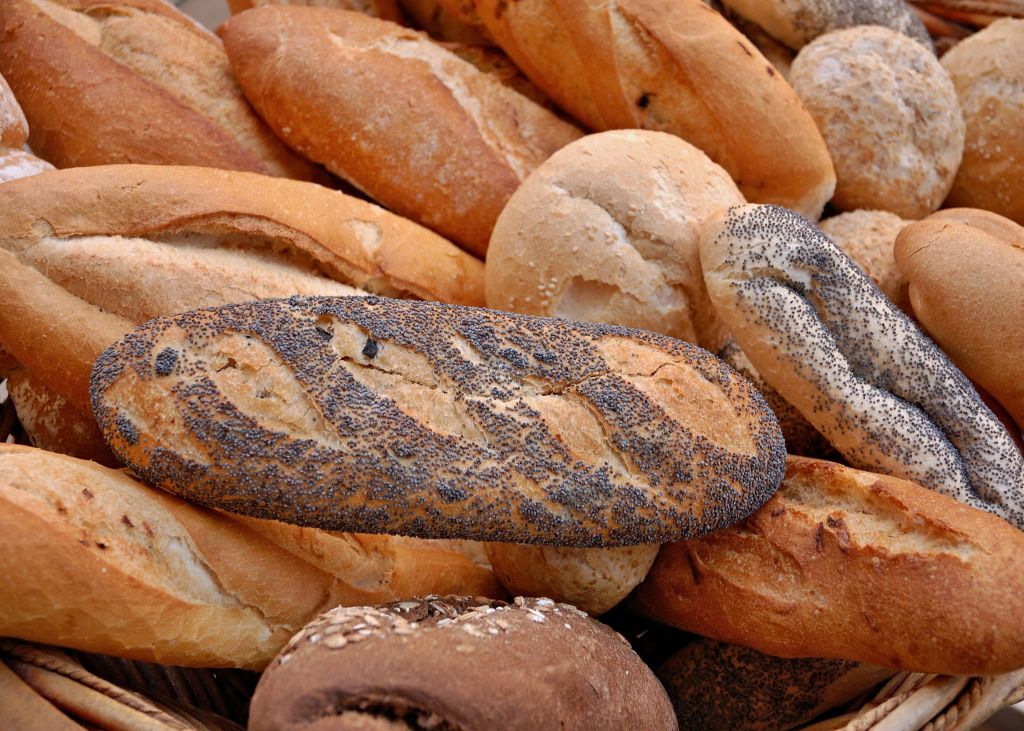
glorious poppy seeds
glorious poppy seeds
delicious and replete
I love your taste
so very much
I happily pick you
from my teeth
Authors Electric is one place to consider. There are others. Look at blogs and publications connected to your genre, your subject matter, your profession, your interests, or the subjects you research for your books. See whether they accept guest contributions. Read what they publish before you pitch them. (Or just pitch wildly, like me in AA softball in 1970-something; you don’t need to know the date. Shut up about the years gone by! I pitched so wildly they [the coach, my own father] stuck me on second base where I could chomp on a huge wad of Bazooka Joe, blowing bubbles so large they hid my face, and not do too much damage to our losing streak. Wait, what are we discussing here?)
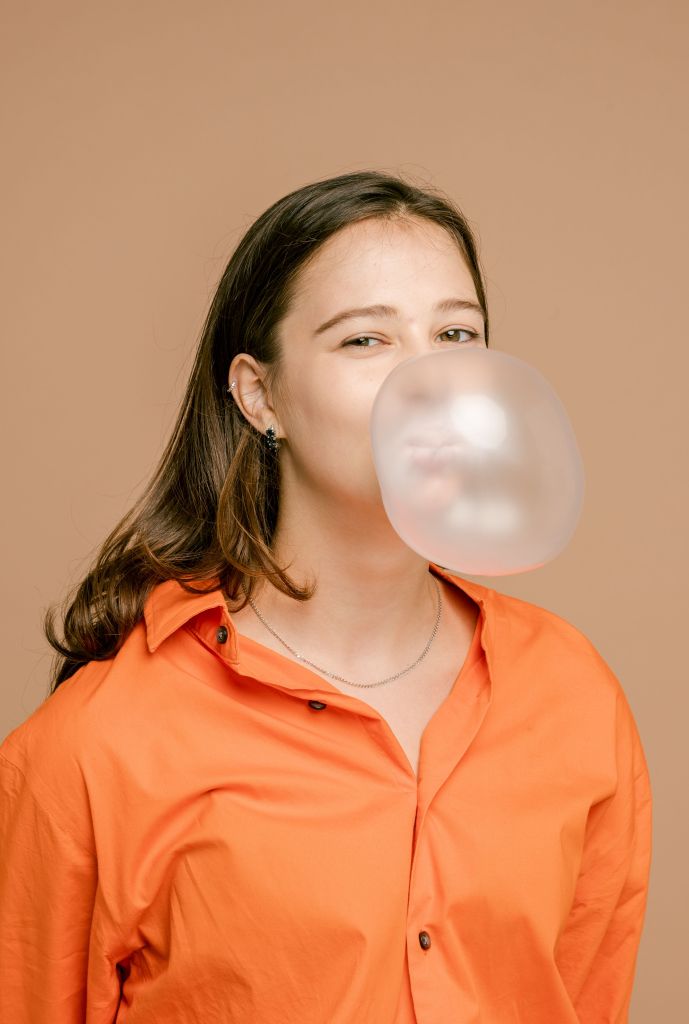
EXCLUSIVE!
Actual for real 100% photo of me in little league, wearing my official AA shirt and standing on second base with my beloved glove in my hand, age 9. People never could steal second from me because I was standing on it, and I could not see them coming, because of the gum.
Then come up with something their readers (which is to say readers who read their website/blog) might actually enjoy. Why would they let you post for them? Certainly because you are a serious author taking things seriously and not at all running around the yard barefoot and dangerously late for work. (By the way, forget the job. Poetry is lucrative!)
And how do you know what kinds of posts their gossamer readers like to read? I don’t know. Why you asking me? (Oh, um, read their blog and see what they write about? That might help.)
A quick scan of Authors Electric tells you that its readers are people who like books, writing, writers, publishing, and the odd places a writer’s mind wanders when nobody has stopped it in time. Posts range from writing and publishing to books and reading, author events, technology, literary memories, travel, personal stories, and whatever else can be dragged back, however tenuously, to a life lived among words. They’re personal, conversational, sometimes funny, sometimes serious, and not particularly interested in behaving like somebody’s content-marketing strategy. They seem to be genuinely nice people (as opposed to faking being nice), and that tracks because they’re mostly in Australia and the UK. I cast no stereotypes or aspersions on one side of the pond, the bog, the gulf of unreachable miscommunication, or the other. If you suggest that I am or that I do, or that I should, I will deny it with the vigor of a Dickens character.
They are also intentionally very light on salty words, unlike me and my prose, because I like every damn thing with extra freaking salt.
Why would anyone want a guest post from you? Your mother may have the answer. She thinks you’re great. But also because posting on a regular basis is really quite exhausting, and you can give another author access to another set of readers while giving the blog’s regular writers a bit of a break. Many hands make light work and all that. (Man, I’m tired. I wish someone else would write this and I could just go empty the percolator!)
And if you think you might like to guest post here, absolutely not, you shameless opportunist! Wait… No. I mean, hey, we might like that. Post a response to this post if you’re interested and tell us how to reach out and touch you (in a platonic way, of course).
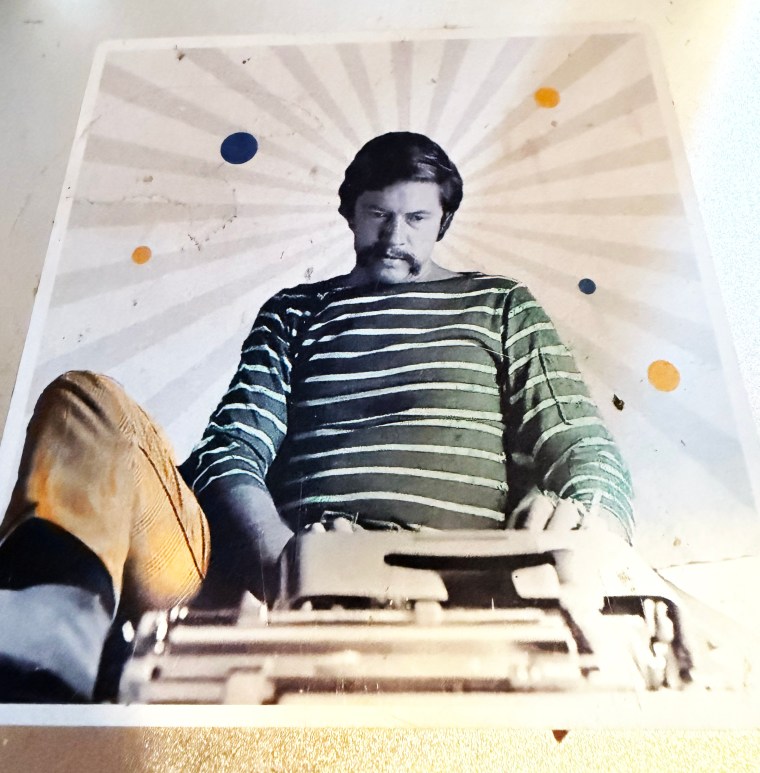
And if you’d like to see one example of exactly that, go find out why that lunatic Dianne Pearce (moi, bien sûr) had such a deep (and purely, very pure) professional affection for author Robbins that she would, apparently, have overlooked quite a lot, including the possibility of belly-button fungus.
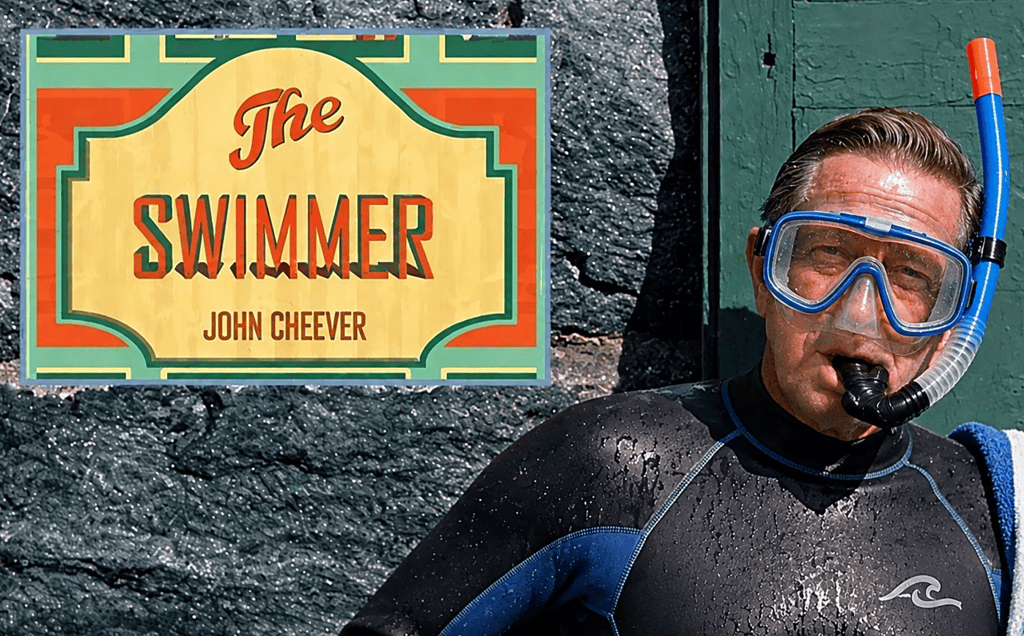
I mean, it’s Tom Robbins we’re (me, I’m) obsessed with, not John Cheever.
Read “Which Author Do You Most Want to Get With?” at Authors Electric. Go ahead. You know you want to (well, actually, you may not want to, but I would certainly like you to, so consider yourself cajoled)!
adjective: of or related to the space between what was and what comes next….
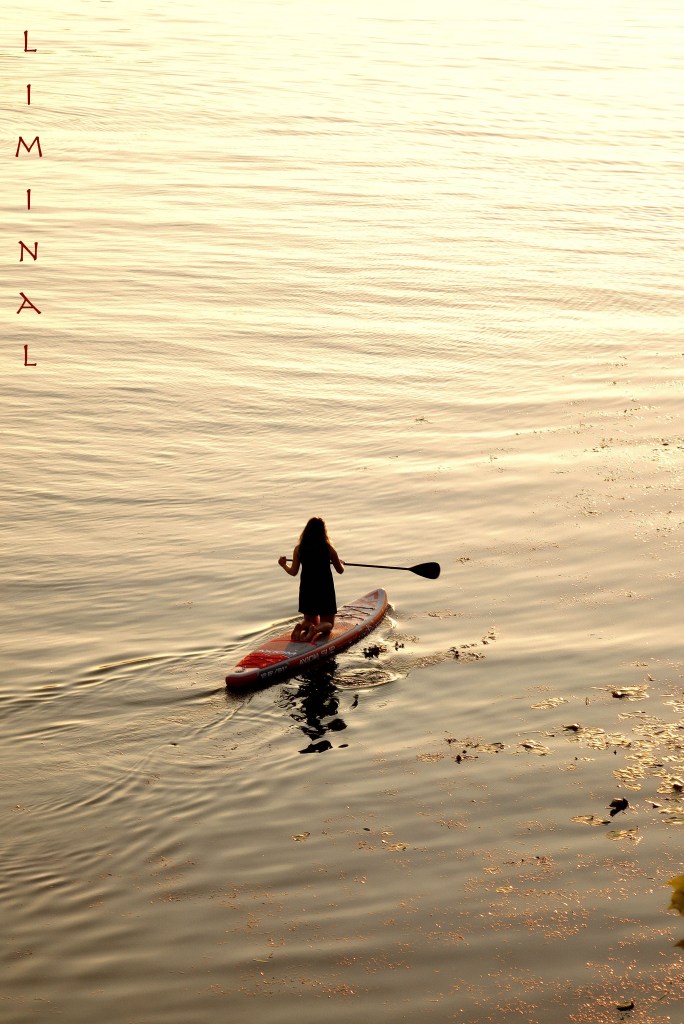
What comes next for you?
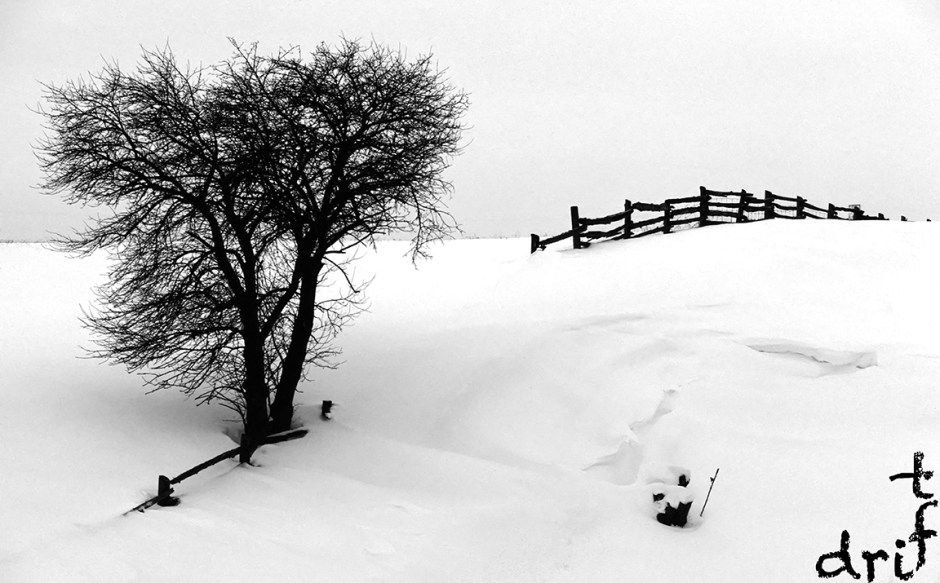
verb: to be piled up in heaps.
What would it be like to be piled up in heaps?
beguile, verb, as in to fascinate.
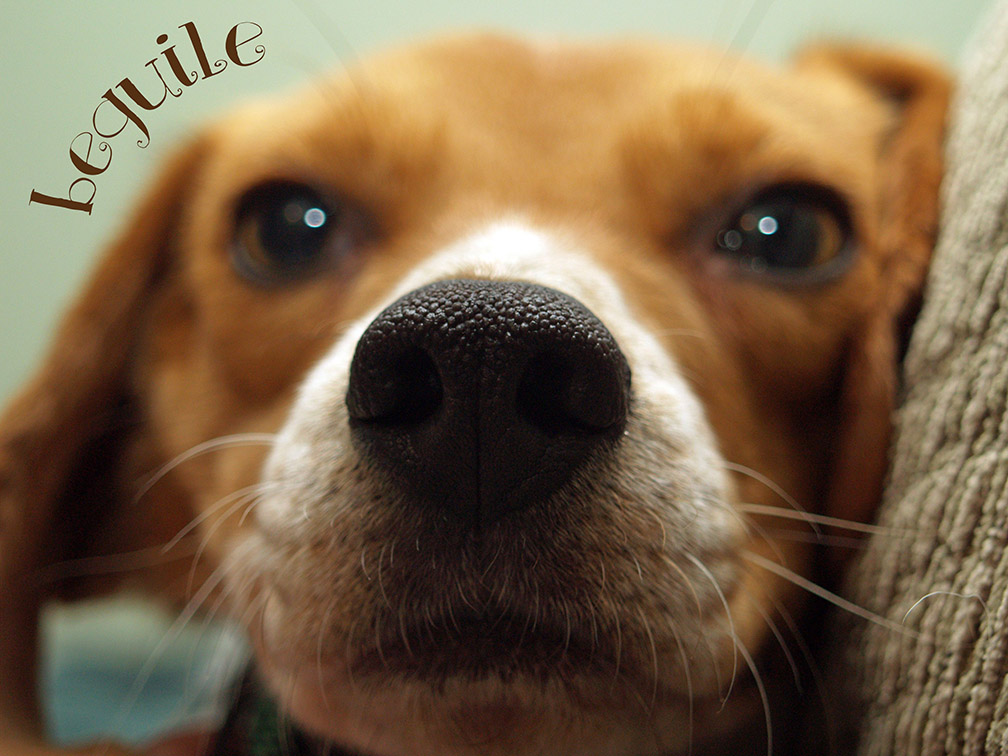
to attract or delight as if by magic…
What have you been beguiled by?
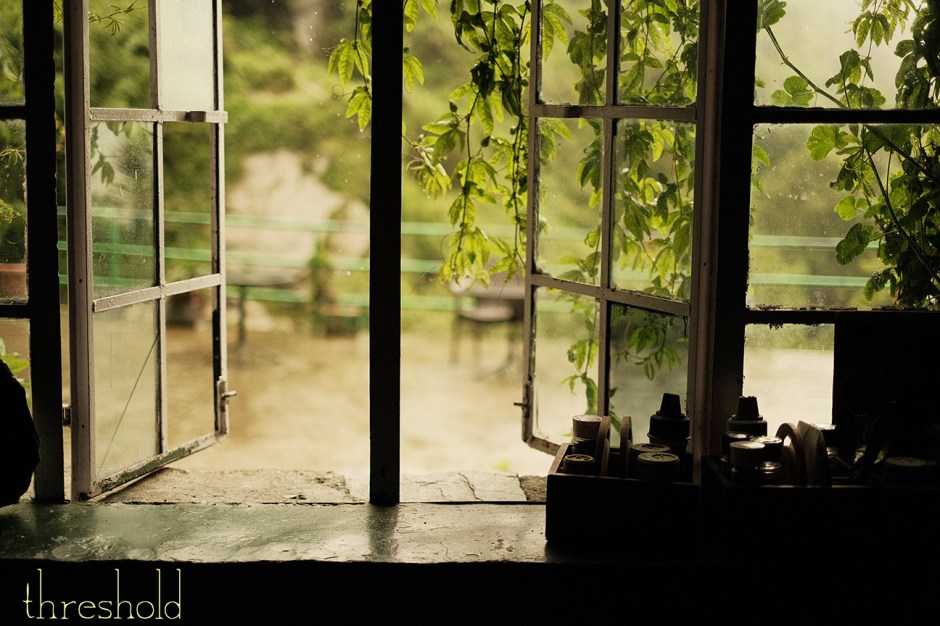
noun: the place or point of entering or beginning.
Have you ever written about a threshold?
Wouldn’t I just be lucky enough to get Mother’s Day as my regularly scheduled blog post day. *sigh*
I’m not a fan, in general, of prescribed celebration days like this one. However one of the first things my husband and I bonded over was Mother’s Day. We stood in a Ralphs together, a few weeks before the event, looking at cards:
“Mom, you were always there for me.”
“Not so much.”
“Mom your hugs are the warmest.”
“Um, well….”
And so on, until we smiled ruefully at each other, looking for the most non-sappy card, and laughing at our shared predicament.
Yes, it’s Mother’s Day, but we also have to be honest that not all mothers are the mother we need. Some are not kind or safe. Some are just cold, like hugging an ironing board instead of a loving mother, or absent, or not interested. In those cases, we learn something important. We mother ourselves. We learn to speak gently where others were harsh. We learn to protect what is still tender. We learn to become the steady presence we once needed. And, even those marginal mothers… I feel like we have to allow that not everyone who becomes a mother wanted to be a mother, and so it seems almost natural that some are not going to be good at it. Until all mothers become mothers solely by choice, there’s something demanded of, and taken from, women that also negates their personhood. So, Mother’s Day is a mixed bag at best, in my opinion and experience.
Mother’s Day does force us to think about our mothers, which I guess is the point, but let’s think beyond our biological mothers to all the ways mothers and mothering show up in our lives. Mothering does not belong to one shape, one role, or one person. We mother children. We mother pets who rely on us for warmth, routine, and the quiet comfort of being known. We mother friends when they are exhausted and cannot hold themselves up for a while. We mother partners, siblings, parents, and sometimes even strangers, offering care that asks for nothing back. Sometimes dads do the mothering better, and men can mother as well as women.
We also mother our homes, our gardens, our work. We tend to them. We notice what is growing and what is struggling. We prune what no longer serves, and we stay present long enough for things to take root.
Mothering is not only about giving birth. It is about giving attention. It is about noticing life and choosing to care for it, again and again, in all its forms.
As authors, we mother each other too. We nurture stories before they are ready to stand on their own. We encourage drafts that are still learning how to breathe. We remind each other to keep going when doubt gets loud. I have been especially grateful for Virginia Watts (who I also think of affectionately as “Dead Wood” because she has a remarkable gift for cutting away everything unnecessary from my writing). There is something deeply maternal in that kind of care. She has helped me shape my forthcoming book, and I am forever grateful because her mothering gave me courage to keep writing.
And, on Mother’s Day, I am always especially grateful for my daughter. I didn’t birth her, but I mother the heck out of her, and she often allows it and even tolerates it pleasantly, for which I am forever full of gratitude. I love being a mother, and I love mothering. It is one of my main joys in life, and on this day I send so much love to my pets, and my wonderful daughter, without whom I would not a mother be.
Happy Mother’s Day to all the variety of mothers, and to those grieving mothers or mother’s love, a hug and a wish for peace for you.
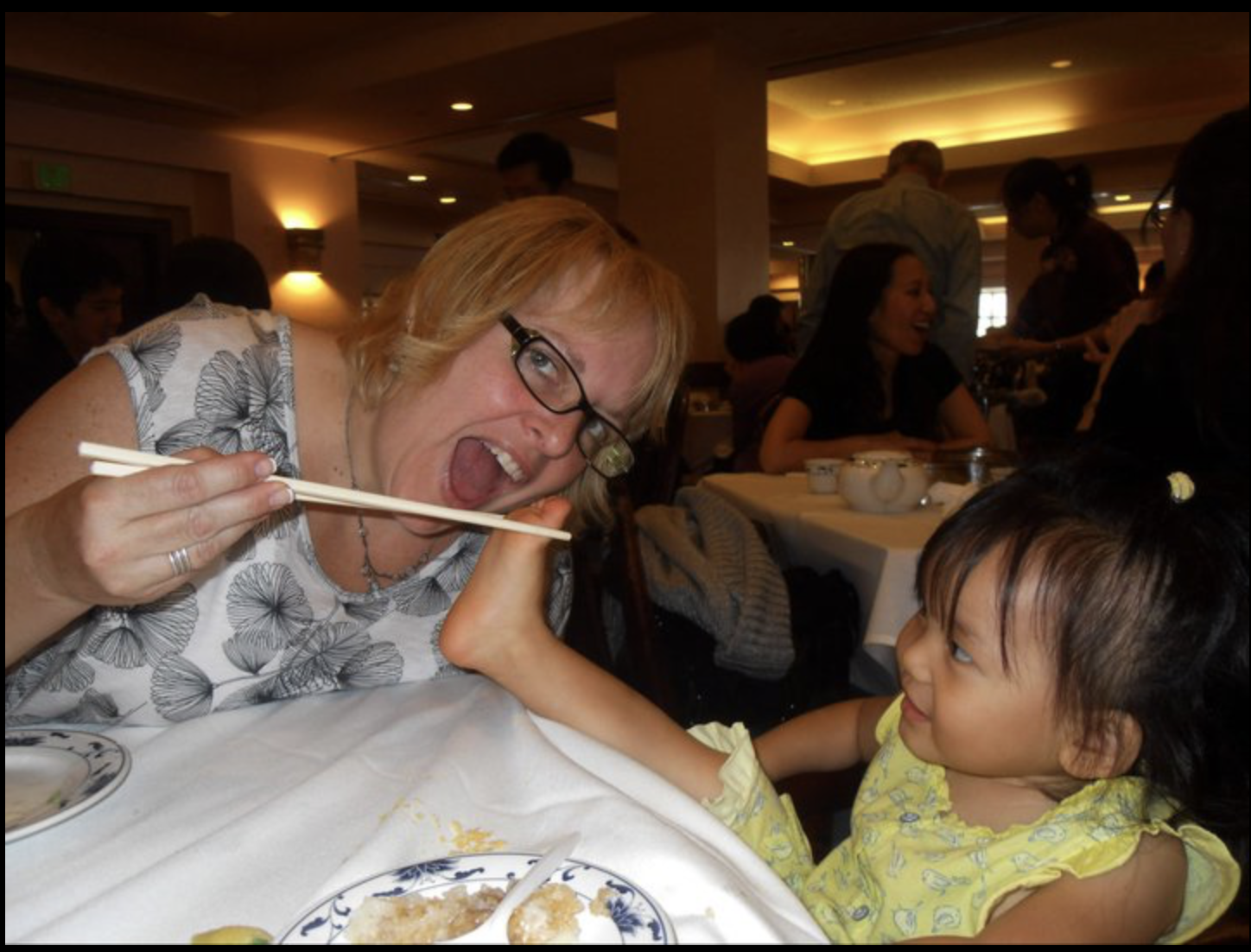
Mother’s Day also means forcing your family to do what you want to do. We’re gonna go eat dim sum now. LOL Sticky rice!
This week in the New York Times there is an article about Mark Oppenheimer writing Judy Blume’s biography. When he began the project, so he says, she liked him and gave him access to her life and her circle, etc. When he sent her the draft, she no longer liked him or the book he was writing about her. Apparently she sent him quite a big pile of notes, and contact ceased soon after that. He published the book anyway. He, and book’s narrator, Molly Ringwald, feel like Judy has to put up with his book, and that Mark did a fine job. According to the NYT article, Molly said, “There might be moments that Judy doesn’t like or agree with, but overall I think it’s a respectful treatment of her and her literary significance.” And, “If Mark didn’t show Judy’s flaws or humanity, it would be hard to feel invested.”
At what point does your life stop being your own? I might argue it’s when you become a parent. But, eventually they grow up, and you get to pivot back to yourself somewhat. Mark could have written the book with, or without, Judy’s help, and that’s the danger of being that level of author, but the fact that she gave him permission at first, and then was unhappy with what he made of her life, gives me pause. How much do we own our own life story?
The NYT made the main photo of the piece one of Mark sitting in a bunk bed. I don’t like this. He’s not at the age, or in life circumstances where he would actually be the person who sleeps in that bed. To me it is a ploy to make him look more innocent. I don’t think he is. I’m disappointed in Molly. For full disclosure, I read a bit of Judy Blume as a kid, from Margaret to some of the adult books, most of them for the sexy bits, honestly. Hey, I was in middle school. But, with apologies to Judy, I have seldom thought of her since. I tried reading Margaret to my daughter when she was in middle school, and we both found it didn’t age well. Plus, my daughter was not raised with the same religiosity I was. So there’s that for the longevity of the book in my life. And anybody can write a biography of anybody. The trick, like it is with our own books, is to get people to read it.
Still, do Mark, Molly, and his publishing company have the right to own Judy’s story, to make the truth of Judy’s life Mark’s version of the truth?
I say no. I say this is another woman losing agency over her own body, life, and body of work, to a man and a corporation. And it seems her only recourse might be for Judy to write her autobiography, to set the record straight. I cannot imagine anything as boring as writing out my own life story. And believe you me, I’ve had a fascinating life. Ha! Whether I have or I haven’t, I’m not ready to relive it all like I’ve had a near death experience. No, no no.
So, whose life is it anyway?
I would love to hear your thoughts.

Dianne Pearce is the chief editor and bottle washer at Current Words Publishing, and the half-cocked imaginer behind Old Scratch Press and Instant Noodles. Pearce loves helping writers realize the dream of having their work published. I mean she is really crazy about doing that for some reason. To that end, to join in the fray, to look at the thing from the other side, to stand in another’s shoes, and all of those things, she is fully expecting and promising to publish her first collection of poetry, In the Cancer Cafeteria, spring of 2026. Please don’t hold your breath. For very long. Happy 2026!
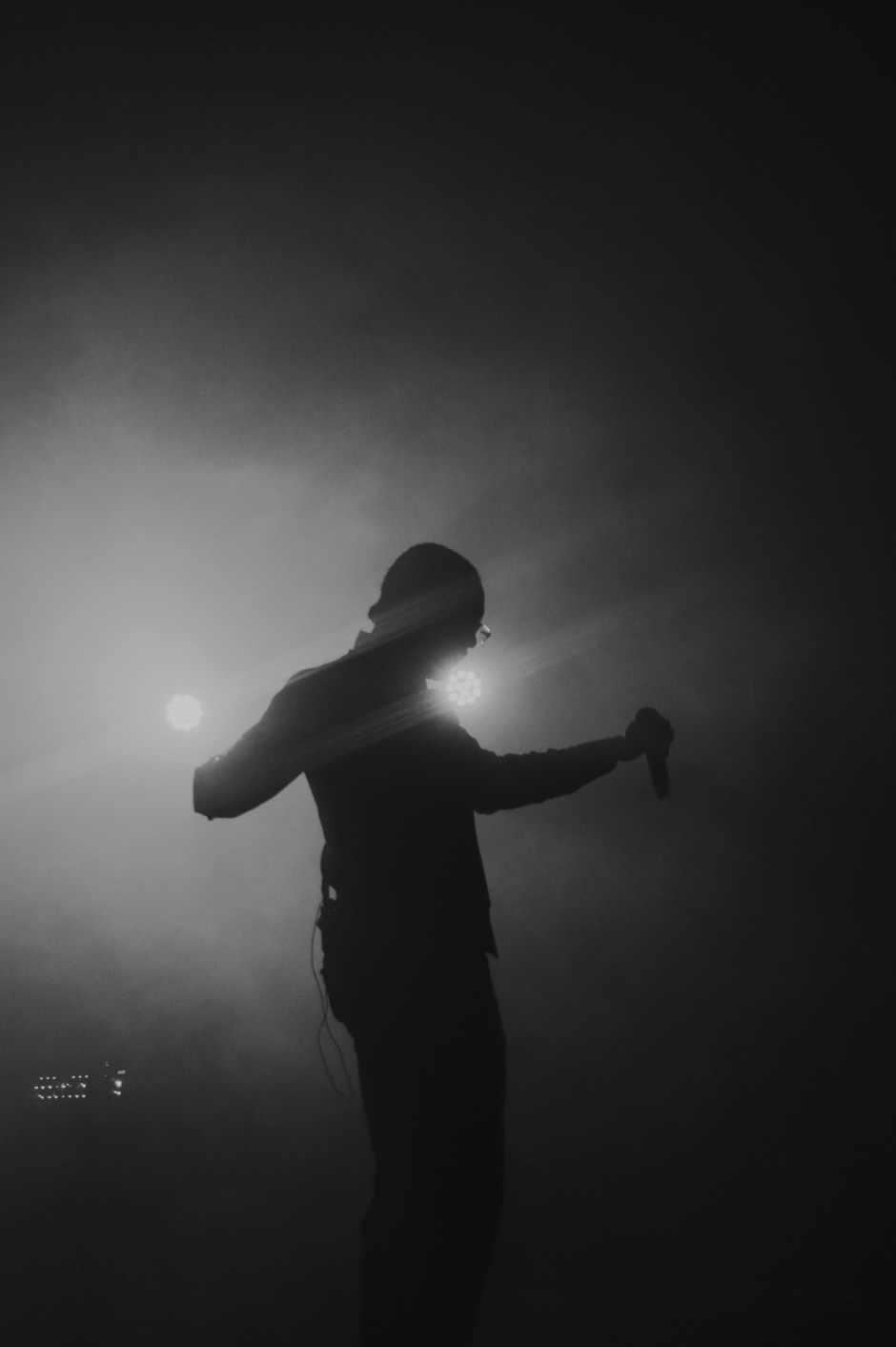
If you’ve ever been to a poetry reading, you’ve probably heard it. The slow cadence. The dramatic pauses. The slightly mystical tone. The voice that signals: I am now doing Poetry.
In fact, when I think about that sentence read in “poetry voice” it would be read like this:
The voice
that signals
I am now
doing
poetry
And each line would end with an up tone, as if the performer was asking a question.
The recent New York Times article digs into this phenomenon, often called the “poet voice,” and asks why many poets fall into the same stylized way of reading their work aloud.
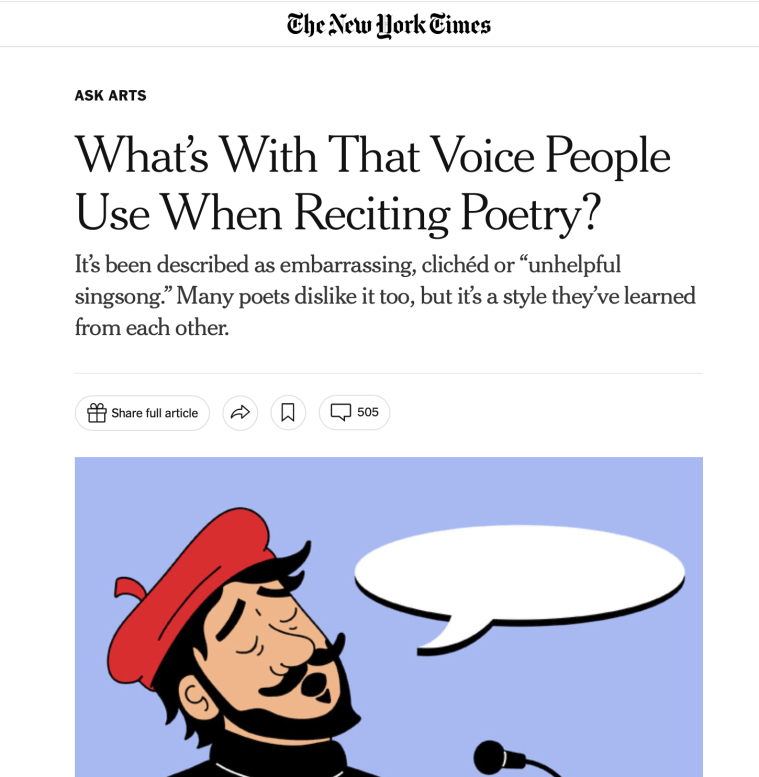
For some listeners, the article says, that way of reading feels comforting and familiar. For others, awkward, distancing, or makes the poem feel like a performance ritual rather than a piece of language meant to connect.
The article points out something important: this isn’t just about aesthetics. It’s about how poetry exists in two worlds at once. On the page, poetry is quiet, private, intimate. Out loud, it becomes physical, embodied, communal. Voice, breath, pacing, silence, and tone all reshape meaning. The same poem can feel completely different depending on how it’s read.
And yet, many readings sound strangely similar.
Why?
There’s also a bigger tension here. Poetry has deep roots in oral tradition. Long before books, poetry lived in voices, memory, and storytelling. But modern literary culture often treats performance and “serious writing” as separate worlds. Spoken word, slam, and performance poetry are seen as different categories entirely, even though they’re doing what poetry has always done: using voice to create meaning. They also might sound different, as performance, when compared to how people read on the performance evenings in your MFA program.
I remember, from the first time I saw poets read aloud, at a bar in Philadelphia in the 1990s, thinking that it was weird that many of them read their work in the same way, and wondering why they did. When I was in my MFA program, and we would read our work at student readings, us poets, fellow students, often read that way. I remember it as mainly the other white women, and that the students and teachers/established visiting poets, could be people who did it. Not that all of them did it, you understand, but that it happened at times among student readers, teacher readers, and visiting poet readers, and it was, in the main, done by my fellow white women. I don’t remember the guys reading that way. I also remember that the teachers (minus a few) and the students in the poetry track were incredibly serious about the writing and performing of poetry. I don’t know that I ever got quite that serious, which is probably a character flaw. You know I’ve got me some of those.
On Threads people are losing their minds about the article (slow news day?) so, let’s talk about it:
• When you hear poetry read aloud, does it deepen your connection to the work or pull you out of it?
• Do you think “poet voice” is a real thing, or just a stereotype we’ve internalized?
• When you hear poetry read aloud, does it deepen your connection to the work or pull you out of it?
• Have you heard “poet voice?”
• How do you read your own work aloud? Casually, dramatically, flat, musical, conversational?
• Should poetry readings sound like performance, conversation, or something else entirely?
• Is hearing the poet’s voice an added layer of meaning, or an intrusion on the reader’s imagination?
Could you….
drop your thoughts….
in the comments?

Langston Hughes, Maya Angelou, Gwendolyn Brooks, Joy Harjo, Claudia Rankine, Ocean Vuong, Elizabeth Acevedo, Terrance Hayes, Frank O’Hara, Audre Lorde, Allen Ginsburg, all poets who have enhanced the canon of American writing with their writing and their diversity. Have you read any of them? Which ones have you tried? Which diverse poet is your favorite? What poem do you like that you can share with us?
Did you know that Dr. Martin Luther King Jr. believed deeply in the power of voices, especially voices that had been ignored, dismissed, or pushed aside? That belief matters just as much in literature as it does anywhere else.
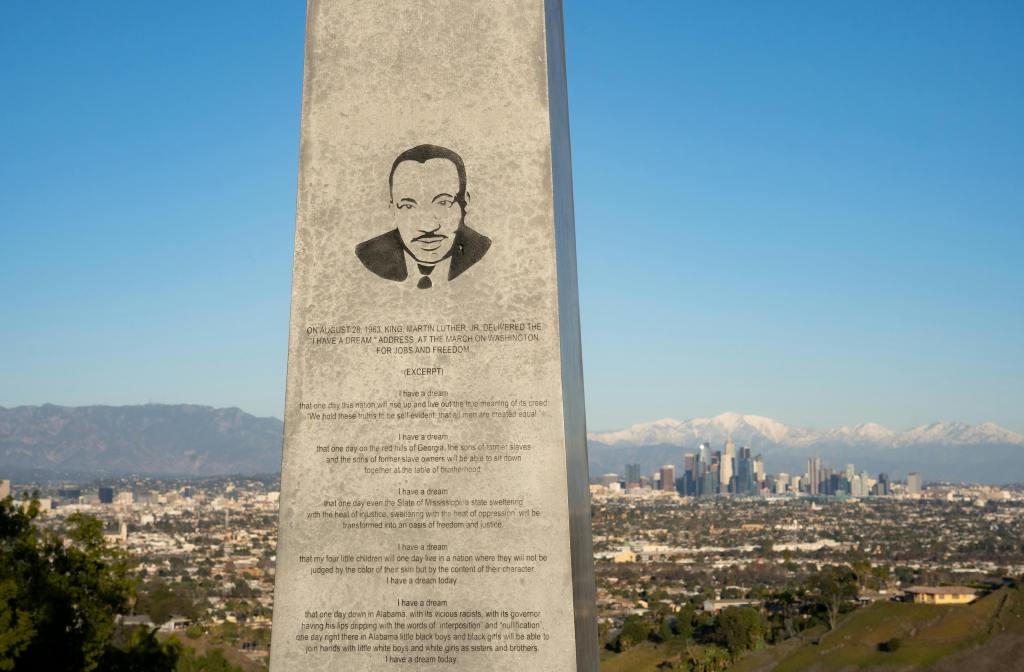
The literary canon is not a fixed monument. It is a living body of work that grows stronger, more truthful, and more beautiful when it includes diverse authors and perspectives. American literature is incomplete without the poets and writers who reflect the full range of American experience. Reading these voices does not diminish the canon. It expands it, strengthens it, and makes it more honest.
It may seem as if diverse authors exist on the margins of literature, but they don’t. They are central to it. They shape language, challenge assumptions, and help us see both history and the present more clearly. I have enjoyed so many authors who are so different from me, especially when we count the wealth of male writers we read in school. They are all wonderful writers, and I am also glad school now includes more writers who look like me, as well as writers who look like my daughter and my friends.
So today, as we celebrate Dr. King, let’s also celebrate the voices that widen our understanding of who we are. Pick up a book. Read a poem. Listen closely to someone, anyone, different from you, or simply listen to someone in need. How can you share your light?

On a slightly off-topic note, I was visiting my sister this weekend, and we each chose a stand up special to watch that is a pretty new special. I chose Mohaned Elshieky’s special No Need to Address Me, and my sister chose Marcello Hernandez’s special American Boy. Both were incredibly funny. Comedy benefits from diversity too.

I am happy for this day. Hurray for Dr. King and his marvelous legacy. Hurray for all poets. And hurray for a literary world that makes room for all of us.
~Dianne
Dianne Pearce is the chief editor and bottle washer at Current Words Publishing, and the half-cocked imaginer behind Old Scratch Press and Instant Noodles. Pearce loves helping writers realize the dream of having their work published. I mean she is really crazy about doing that for some reason. To that end, to join in the fray, to look at the thing from the other side, to stand in another’s shoes, and all of those things, she is fully expecting and promising to publish her first collection of poetry, In the Cancer Cafeteria, spring of 2026. Please don’t hold your breath. For very long. Happy 2026!

