Why I Still Love Literary Magazines

One of the joys of literary magazines is that they introduce us to work we might never have sought out on our own.

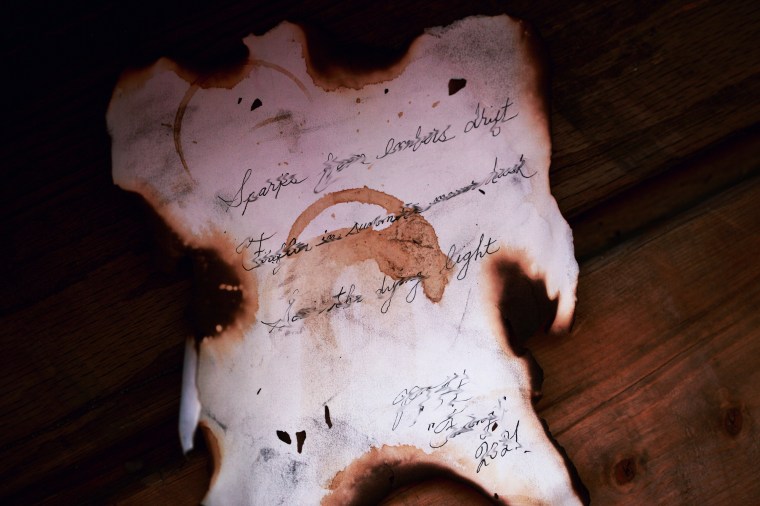
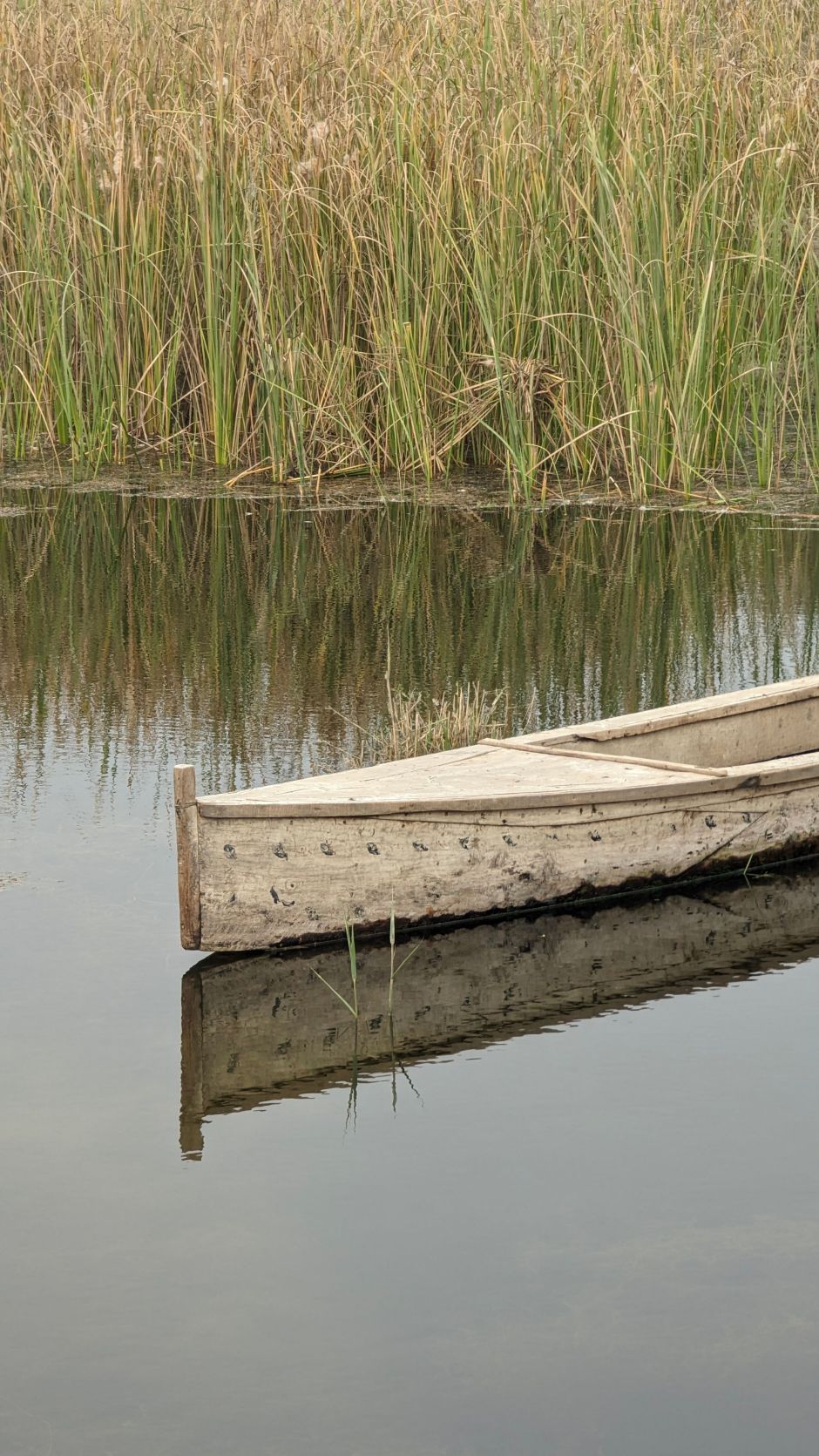
If someone had asked me whether I was looking for a poem about a pine-bark boat carrying a birthday-candle across a marsh under an equinox moon, I probably would have said no.

And yet here I am thinking about exactly that poem.

Morgan Golladay’s “Equinox Moon,” published in Instant Noodles Literary Magazine, is the kind of poem that reminds me why I keep returning to literary journals. It creates an entire world in just a few lines. We feel the cold leaching through boots and mittens. We see the still marsh. We watch a tiny handmade boat drift into the darkness carrying a small flame.

What I admire most is the poem’s quiet confidence. Nothing dramatic happens. There is no great revelation, no sudden twist. Instead, the poem trusts observation. It trusts atmosphere. It trusts the reader.

One image in particular stayed with me:

The line works beautifully within the scene, but it also feels larger than the poem itself. We have all experienced moments when something small, a kindness, a memory, a friend, a poem, becomes enough to carry us through a dark stretch of life.

That ability to suggest more than it says is one of poetry’s great strengths.

Reading a little about Golladay afterward made the poem make even more sense. She has said that poetry works best when it is heard and that it should be concise, simple, and tight. “Equinox Moon” embodies that philosophy. Every image earns its place. Nothing feels wasted.

It also reminds me that literary magazines are not simply collections of writing. They are collections of discoveries. Every issue offers readers the opportunity to encounter voices, perspectives, and images they might otherwise miss.

That’s certainly what happened to me here.

If you haven’t visited Instant Noodles Literary Magazine recently, I encourage you to spend some time with the current issue. You’ll find poetry, fiction, nonfiction, humor, and artwork from writers and artists working in a wide variety of styles and genres.

You may come for one piece and leave thinking about another entirely.

That’s part of the magic.

Have you discovered a poem recently that stayed with you long after you finished reading it? What poem was it?

A Ghost Ship, a Revenge Tale, and a Perfect Ending

Every once in a while, a piece lands in Instant Noodles Literary Magazine that reminds me exactly why I enjoy reading short fiction.

John Tures’s “Lex Talionis” has everything I could want in a flash piece: a ghost ship, naval warfare, a dash of history, supernatural revenge, and an ending that lands exactly where it should.

Set during the War of 1812, the story follows a British frigate pursuing what appears to be an American privateer. The captain dismisses warnings that the vessel ahead may be something far more dangerous than an enemy ship. Unfortunately for him, ghost stories have a way of becoming real at exactly the wrong moment.

One of the pleasures of flash fiction is watching a writer establish a world, create tension, and deliver a satisfying payoff in only a few hundred words. Tures accomplishes all three. The story moves quickly, but it never feels rushed. Instead, it unfolds like a campfire tale told by someone who knows exactly when to reveal the next detail.

I was also drawn to the historical setting. The War of 1812 doesn’t receive nearly as much attention in fiction as the American Revolution or the Civil War, which makes it fertile ground for storytelling. Add a phantom privateer seeking revenge on the British Navy, and you have a premise that immediately grabbed my attention.

The title is a clever touch as well. Lex talionis is a Latin phrase often translated as “the law of retaliation” or “an eye for an eye.” By the time the story reaches its conclusion, readers will understand exactly why that title was chosen.

One of the things I enjoy most about literary magazines is discovering work I might never have found otherwise. Every issue introduces me to new voices, new ideas, and occasionally a story that simply makes me smile because it delivers exactly what it promises.

“Lex Talionis” was one of those stories.

If you enjoy historical fiction, ghost stories, maritime adventures, or simply a well-executed piece of flash fiction, I encourage you to give it a read. Just remember: if an experienced sailor tells you not to chase the ghost ship, you should probably listen!

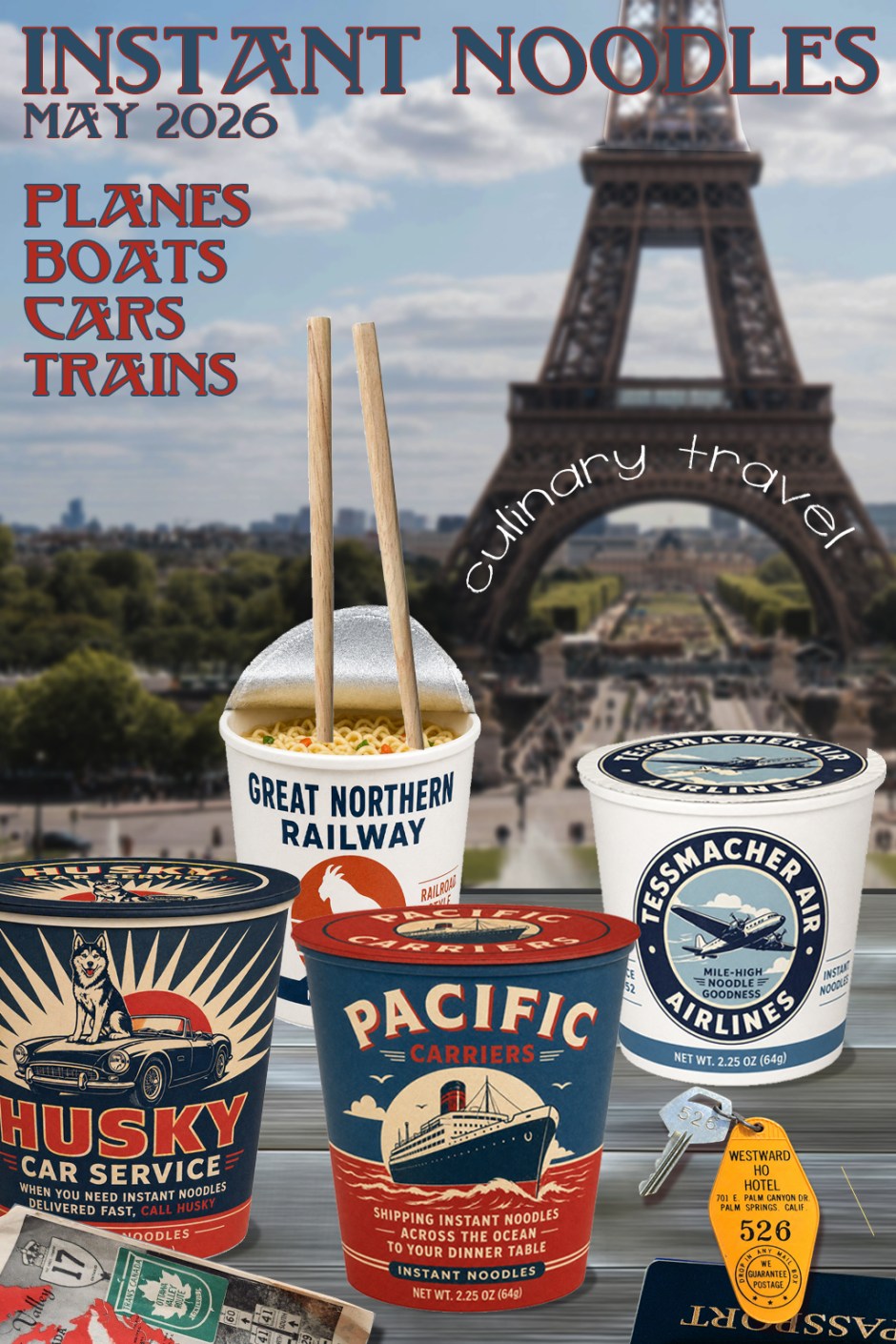
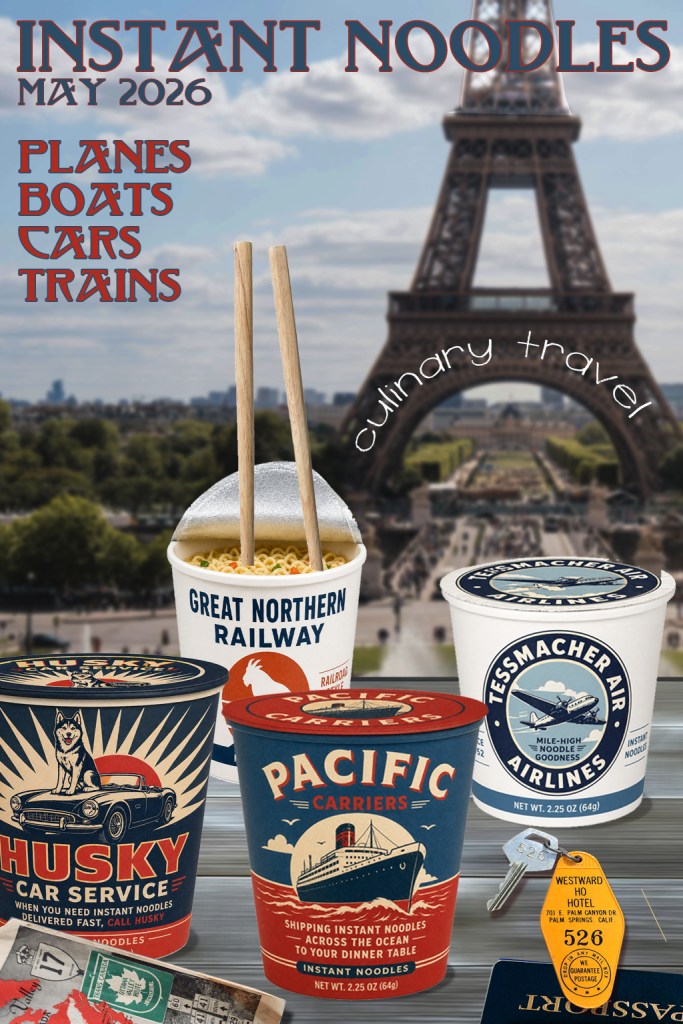
Have you gotten to peruse Boats Planes Cars and Trains yet? What was your favorite piece?


See John read “Lex Talionis”

The Person We Think We See

One of poetry’s great strengths is its ability to capture a moment of recognition.

Or, in some cases, a moment of misrecognition.

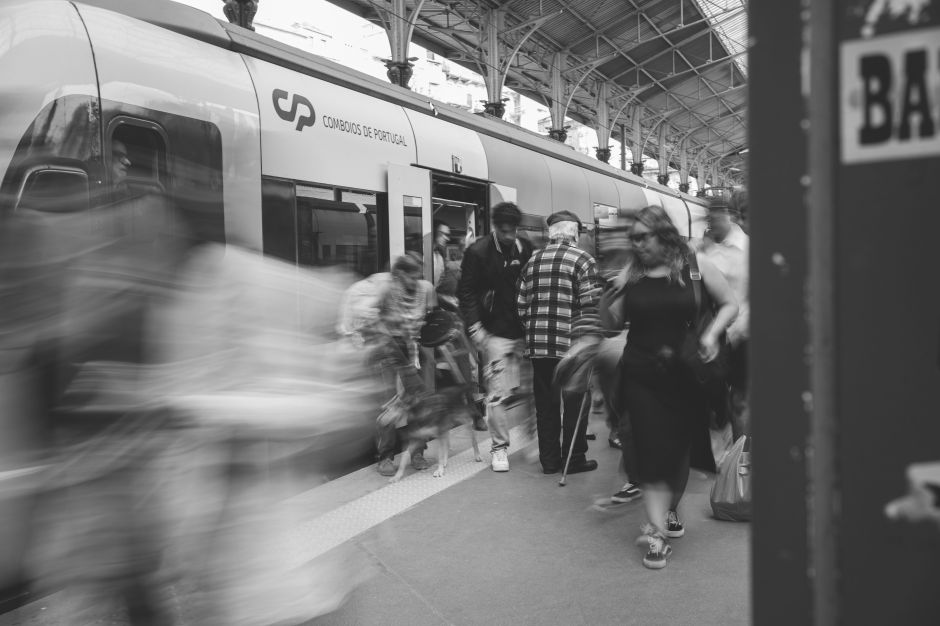
Toni Artuso’s “To the Woman Waiting on the Train Station Platform” begins with observation. The speaker notices a woman dressed in striking over-the-knee boots, a miniskirt, and a dark jacket. The details are vivid. The woman commands attention. She appears confident, glamorous, and perhaps a little intimidating.

Like the speaker, readers begin constructing a story.

Who is she?

Where is she going?

What kind of person dresses like this on a cold day?

The poem invites us to ask these questions while quietly reminding us that we don’t actually know the answers.

What follows is a wonderful example of how poetry can examine the assumptions we make about strangers. We see someone for a few moments and immediately begin filling in the blanks. Clothing becomes personality. Posture becomes character. Appearance becomes identity.

Then comes the turn.

The woman looks back.

Suddenly, the speaker notices traces of adolescent acne beneath carefully applied makeup. It is a small detail, but it changes everything. The glamorous stranger becomes a human being with a history. The mystery remains, but the distance narrows.

What I admire about the poem is its restraint. It never tells us what to think about the woman. It simply shows us how quickly we create stories about people we do not know and how easily those stories can be disrupted by a single unexpected detail.

In only a few lines, Artuso moves from attraction and curiosity to something deeper: empathy.

The poem also feels particularly well suited to its author. Toni Artuso is an emerging, and as she humorously describes herself, “aging” trans writer from Salem, Massachusetts. Her work has appeared in numerous publications, including The Christian Science MonitorThe Ekphrastic ReviewSalamander, and Honeyguide Literary Magazine, which nominated one of her villanelles for both a Pushcart Prize and Best of the Net.

Reading this poem, I found myself thinking about how often we mistake appearance for understanding. We notice what is visible and assume we know the rest. Yet every person carries experiences, struggles, triumphs, and insecurities that remain hidden from view.

The woman on the platform remains largely unknown to us. That is precisely why the poem succeeds. Artuso allows her to remain a stranger while reminding us that strangers are always more complicated than the stories we tell ourselves about them.

Long after I finished reading the poem, I found myself returning to that final image. Not because it answers the mystery of who the woman is, but because it reminds us how much of every human being remains unseen.

Have you ever imagined the life of a stranger?

There are so many more wonderful works to read, listen to, and see. Visit Instant Noodles!

When Art Follows You Home

One of the unexpected joys of editing a literary magazine is discovering artists whose work stays with you long after you’ve finished the issue.

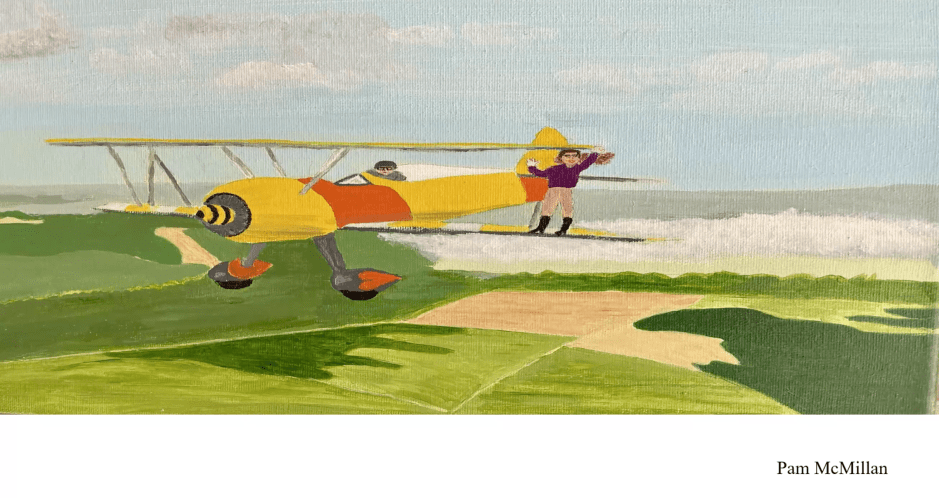
That happened to me recently with a painting by Pam McMillan that appeared in Instant Noodles Literary Magazine. I admired the piece so much that I reached out to Pam and purchased it.

Pam began drawing as a student and later studied watercolor with artists Hank Meier, James Toogood, and Sarah Yeoman. Her artistic interests also include acrylic painting, pastels, and photography. Drawing inspiration from both her travels and her imagination, she creates work that is colorful, inviting, and full of personality. Along the way, she has earned numerous awards at the Delaware State Fair, belongs to several local art leagues, and teaches watercolor painting.

What struck me most about this particular painting was its sense of movement and joy. Some artwork simply makes you stop scrolling and look a little longer. This was one of those pieces.

One of the things I love about literary magazines is that they introduce us not only to new writers, but also to talented artists we might never have discovered otherwise. Every issue is filled with opportunities for unexpected connections.

This time, one of those connections followed me home.

Do you collect art? What moves you to buy a piece?

Friendly Reminder: This Is Today.

I can help you submit! Submit!

You know that story you’ve been meaning to write? The poem sitting in your notebook? The idea you’ve been carrying around for three weeks while telling yourself you’ll get to it “soon”?

Well, this is your official notice. “Soon” is today.

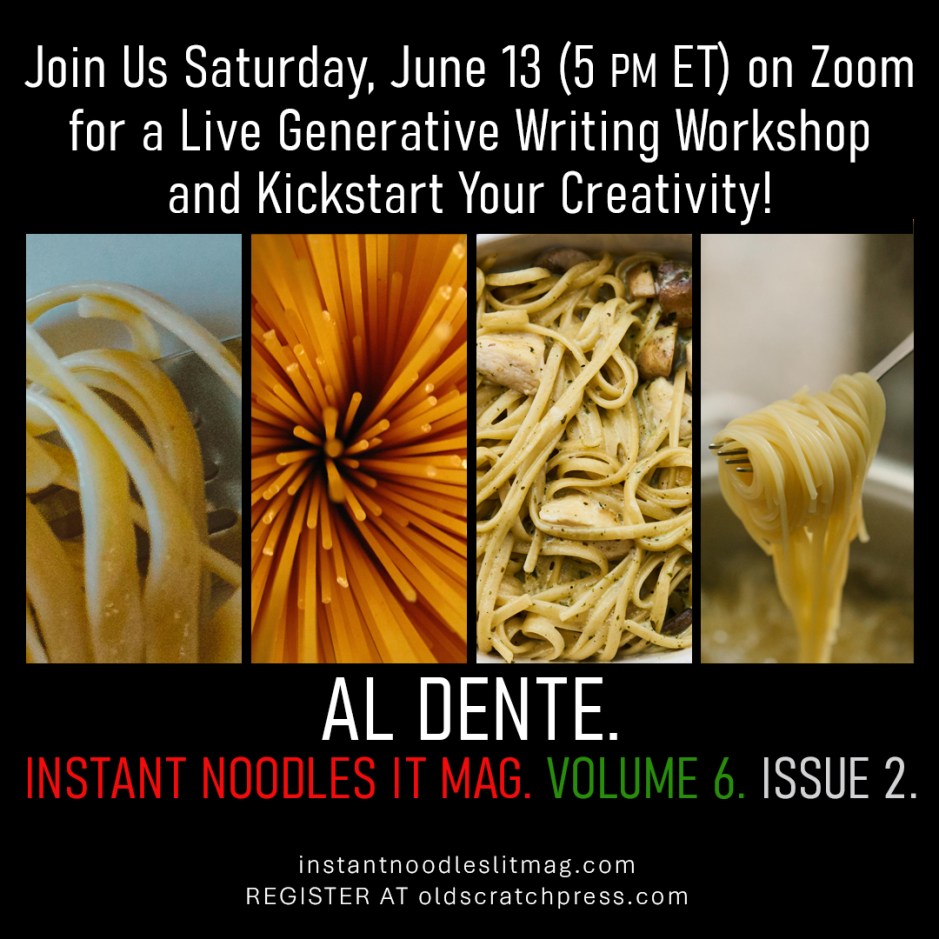
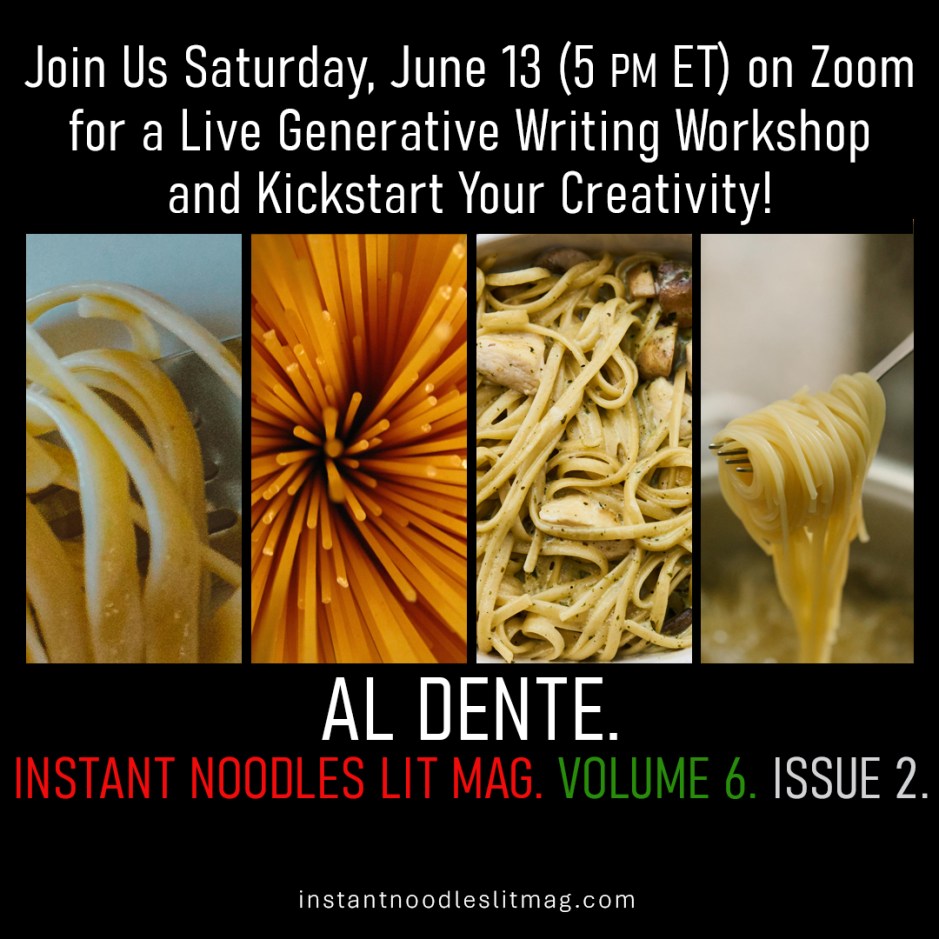
The Instant Noodles Lit Mag Al Dente Writing Workshop with Robert Fleming takes place today at 5 PM Eastern (2 PM Pacific), and we’d love to see you there.

Whether you’re a writer, poet, artist, or creative dabbler who occasionally stares out a window pretending to work, this free online workshop is designed to help spark ideas, answer questions about submissions, and get you thinking about our upcoming Al Dente issue.

No fancy credentials required. No publication history required. No secret literary handshake required.

Just bring yourself, your curiosity, and whatever creative project has been lurking in the back of your mind.

Seats are limited, and once the workshop starts, you’ll have to live with the knowledge that everyone else is talking about writing while you’re reorganizing a drawer or scrolling social media.

Register now.

We’ll save you a seat:

Join the Free Workshop!

Thinking about submitting to the upcoming Instant Noodles Lit Mag issue, Al Dente?

Before you hit “send,” join Editor Robert Fleming for a free online workshop on Saturday, June 13, at 5 PM Eastern (2 PM Pacific).

This informal session is designed for writers, poets, and artists who want to learn more about the theme, explore ideas, and discover what kinds of work might be a good fit for the issue.

Literary magazines can sometimes feel intimidating from the outside. This workshop is an opportunity to ask questions, generate new material, and connect with fellow creatives in a welcoming environment.

Whether you already have a submission in progress or are still waiting for inspiration to strike, you’ll leave with fresh ideas and a better understanding of where your work might fit.

Attendance is free, but seating is limited.

Reserve your spot today and help us make the next issue of Instant Noodles Lit Mag something special.

Got Writer’s Block? Bring It to Robert.

Every issue of Instant Noodles Lit Mag starts somewhere.

A line scribbled in a notebook. A strange image that won’t leave you alone. A poem that refuses to behave. A story that exists everywhere except on the page.

If you’ve been looking for a reason to finally sit down and create something, consider this your invitation.

On Saturday, June 13, at 5 PM Eastern (2 PM Pacific), Instant Noodles Lit Mag Editor Robert Fleming will host a free online Al Dente Writing Workshop designed to help writers, poets, and artists generate ideas, get inspired, and learn more about submitting to our upcoming issue, Al Dente.

Whether you’re a seasoned contributor or someone who’s never submitted a piece before, you’re welcome to join us.

The workshop is free, but space is limited.

Bring your imagination. We’ll provide the noodles.

Register today and join us for an evening of creativity and community.

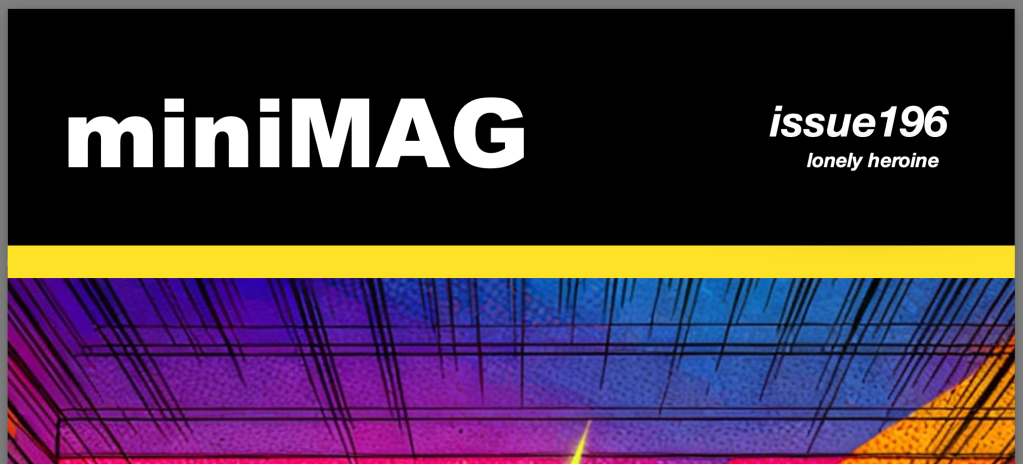
What Is miniMAG, and Why Old Scratch Press Is Stepping Into Its Pages?

If you’ve never encountered miniMAG before, it’s a literary space built around immediacy, intensity, and voice.

Known for publishing short, powerful work, miniMAG has created a home for writing that lands quickly and lingers. It’s a platform that embraces experimentation, emerging voices, and pieces that don’t always fit neatly into traditional categories. The emphasis has often been on brevity, but more importantly, on impact.

Which is exactly why it’s such an exciting space for Old Scratch Press to step into.

For this upcoming issue, we’re not curating the work. We are the work.

Old Scratch Press is taking over the issue as contributing writers and artists, bringing a collection that reflects the range of what we do. That includes longer pieces alongside shorter ones, visual work alongside written, and voices that move between forms rather than staying confined to one.

This isn’t about fitting into a format. It’s about expanding it.

You’ll find work that holds tension, work that experiments, work that stretches. You’ll find pieces that are immediate and pieces that take their time. And yes, you’ll find writing that pushes beyond the expectation of what “mini” might suggest, and art as well. Many of us make with words and with other mediums too.

At Old Scratch Press, we care deeply about voice, about risk, and about creating space for work that feels alive on the page. This issue of miniMAG gives us the opportunity to bring that energy into a platform already known for bold, concentrated storytelling, and to widen the lens just a bit while we’re there.

We’re proud to be part of it.

Stay tuned for the release date.