Flash Prose Submission Tips and October Publishing Opportunities

By Nadja Maril, a founding member of the Old Scratch Press

It’s October, the month of the harvest when the leaves turn vivid shades of red, orange and yellow before falling to the ground. Scores of literary publications have call-outs for scary stories to mark the Halloween season.

The celebration, from which Our Halloween evolved, is the Gaelic holiday Samhain. During Samhain, the curtain between the living and the dead was lifted for one night. Dressed as ghosts, people celebrating what became known as Halloween would go door-to-door to ask for food. Trick or Treat.

Scary is the goal. The carving of malevolent faces into pumpkins and the display of anything creepy outside your home was intended to calm the ghosts roaming the earth on October 31st. The creepier the better.

When it comes to submissions, many magazines including our own Instant Noodles Literary Magazine prize brevity. IF submission guidelines ask for stories less than 500 words, keep your submission below or as close to 500 words as possible. A short piece of fiction or nonfiction, should still be powerful and compelling to read.

Here are a few simple tips to get you started.
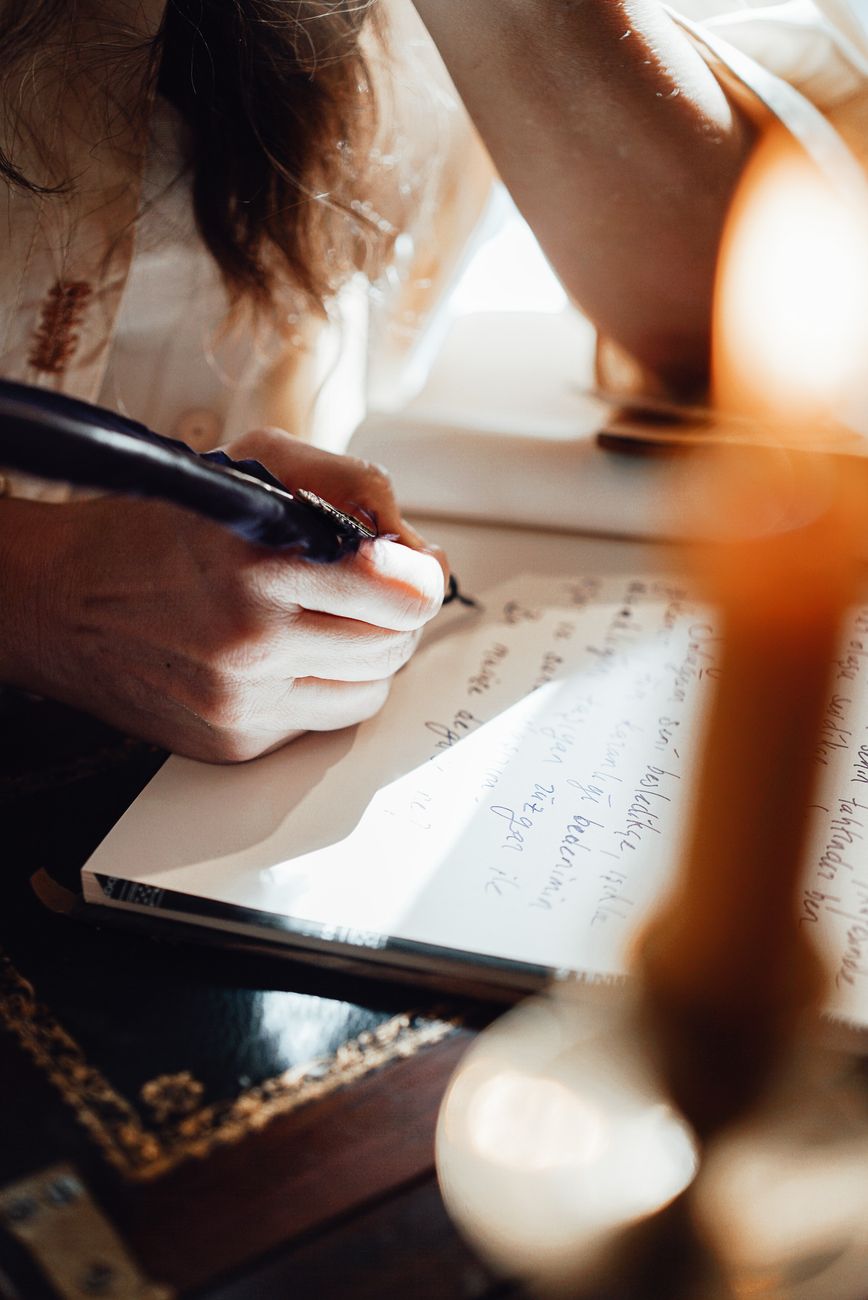
A close-up of a person's hand writing with a pen on a notebook, illuminated by soft light from a nearby candle.
Photo by furkanfdemir on Pexels.com
  1. Begin close to or with action. In a short piece you don’t have time for backstory.
  2. Write about one event, something simple but telling.
  3. Limit your characters. In a short piece there is no time for character development and too many characters will confuse the reader. Stay focused.
  4. Cut the adverbs. Look for all the words that end in “ly” such as slowly or carefully or quickly. You don’t need them. Choose a descriptive verb instead.
  5. Eliminate any filler words such as: just, almost, really, but.

If you’d like to read an example of a good piece of micro fiction, here is the link to the story that won the Fractured Fiction  2025 Micro Fiction prize.  “No Voltage on a Quiet Road” by Maxwell Orsen.

WRITING PROMPT: Think of a scene where something is about to change. A storm is coming. A thief is about to grab your protagonist’s wallet. How does the main character react? Are they changed by the experience? What made this situation explosive? What did they feel at the time? What were they thinking about?

At Instant Noodles Literary Magazine we are still reading submissions, but our “In Box” of fiction is getting full.  Ditto for our poetry submissions. There is more room in the Creative Nonfiction category.  To increase your odds of being published, I’ve put together a list of five more magazines you may want to consider submitting to via Duosoma this month.   https://duotrope.com/duosuma/    You can go directly to the Duosoma website to look for opportunities, but I recommend reading the magazines first to see if the writing they publish is writing you admire.

Inkhorn Review (reading poetry and short prose).

Iron & Salt Press  ( reading  horror and mystery flash short stories).

Macrame Literary Journal.  (reading poetry, fiction and micro fiction)

Bright Flash Literary Review (reading flash and short fiction)

Orion’s Belt  (Literary speculative fiction: reading poetry, flash and micro fiction).

If your work is repeatedly rejected, consider revising. Read it out loud sentence by sentence. Does each sentence provide action, description or surprise?

Keep writing and thank you for reading. Please follow us here on Word Press and on Facebook at https://www.facebook.com/OLDSCRATCHPRESS/

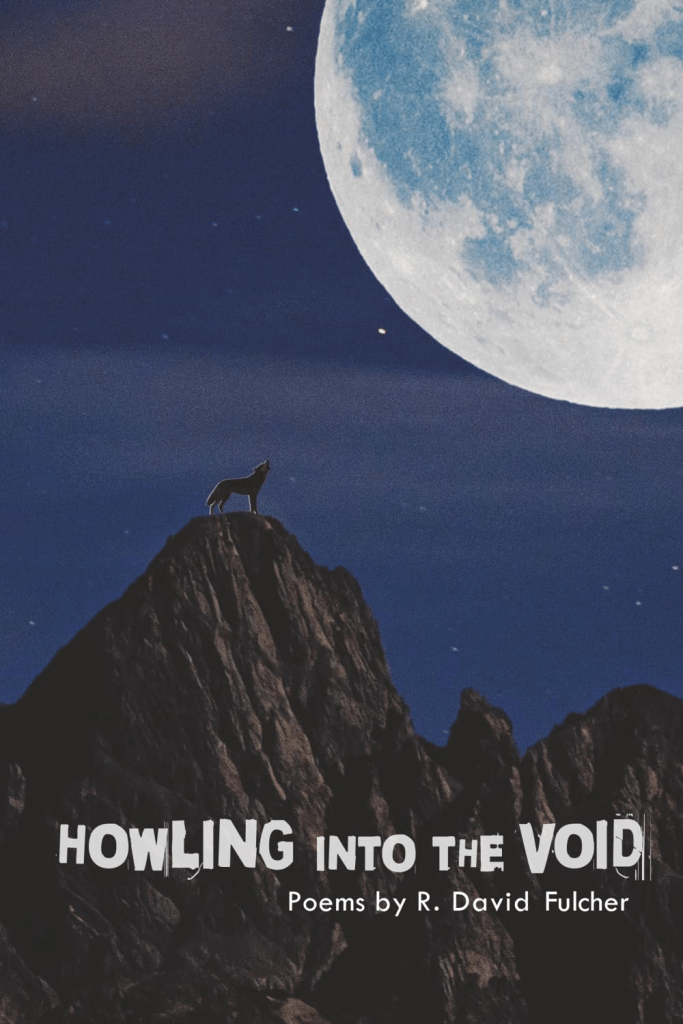
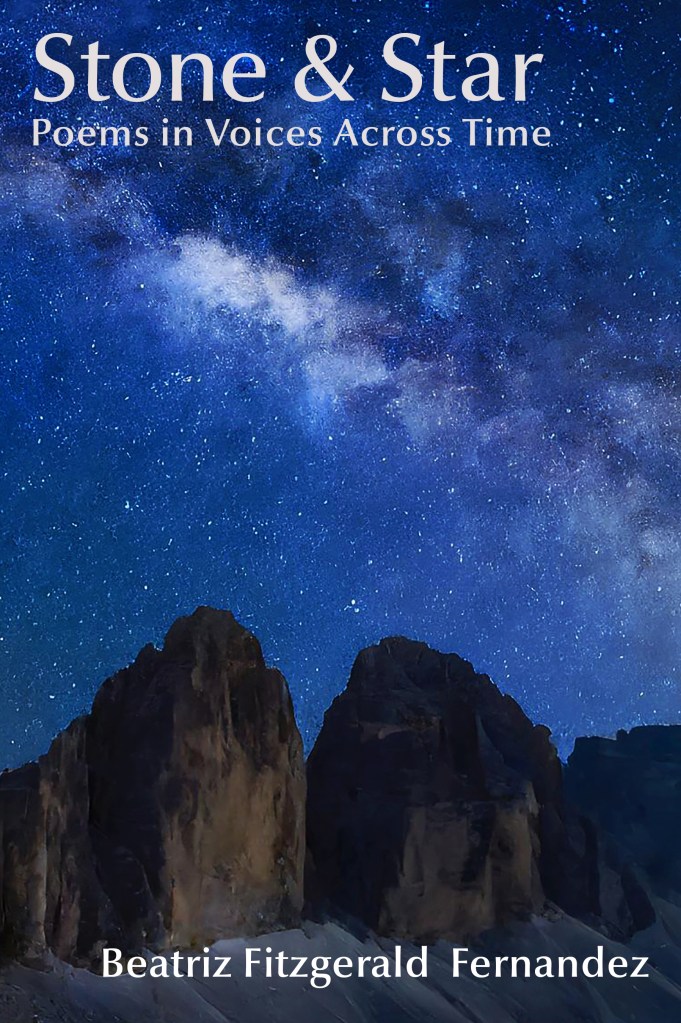
Check out our newest chapbooks by Beatriz Fernandez and R.David Fulcher.
IT’S LIT MAG WEEK!

It’s #LitMagWeek, a celebration of the independent literary magazines that give writers a place to take chances, find readers, and get their work out into the world.

Start with our own Instant Noodles Literary Magazine, sponsored by Current Words Publishing and curated by the Old Scratch Press Collective.

Then go exploring! Check out some of our fellow literary magazines celebrating this week:

F(r)iction
Mom Egg Review
The Dolomite Review
Midnight Mind Magazine

Read a lit mag. Discover a writer. Find something wonderful and weird.

Happy #LitMagWeek!

The Power of Oral Tradition in Songwriting

By Nadja Maril, a founding member of Old Scratch Press Poetry and Short Form Collective

Before humans had pen and paper, or stone and chisel, they had their voices. The oral tradition of storytelling goes back to the days preceding recorded history. Repetition and rhyme aid memory. In many cultures, the story becomes a poem or a song.

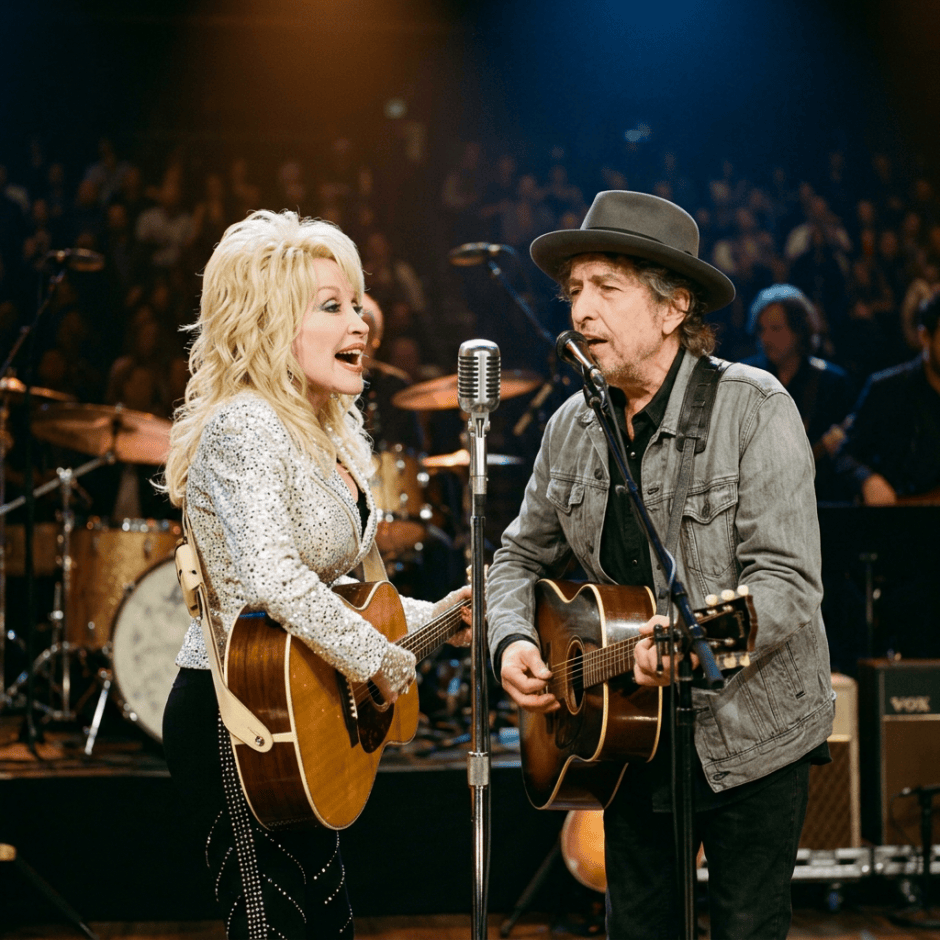
            I was thinking about this as I mourned the death of Dolly Parton. Not only was she an extraordinary performer and philanthropist, she wrote over 3000 original songs. Many of her songs, were inspired by her life experiences. Her song, “Coat of Many Colors” is really a mini memoir that shares a part of her early childhood.

The best creative nonfiction is written with honesty. Intuitively the reader can sense when the writer is inventing or exaggerating truth. Dolly Parton’s work comes across as genuine. I wrote in my personal blog about her authenticity as a human being. For the Old Scratch Press platform I’d like to further explore the art of songwriting.

In “Light of a Clear Blue Morning,” she shares her resolve that professionally following a path, minus her mentor Porter Wagner, is the right choice for her performance career. Listen to the first two lines of the chorus “Cause I can see the light of a clear blue morning/ I can see the light of a brand-new day’ https://genius.com/Dolly-parton-light-of-a-clear-blue-morning-lyrics

Photo by Pavel Danilyuk on Pexels.com

 Most of us have family members who challenge our patience. In her song “Family” Dolly conveys her feelings that despite their differences “When it’s family, they’re a mirror/ Of the worst and best in you.”

          Dolly is not the only great American Songwriter. I would be remiss if I didn’t give some space to Bob Dylan, another legend.   In 2016 the Nobel Prize Committee broke convention by awarding the Literature Prize to Bob Dylan for “for having created new poetic expressions within the great American song tradition.” Yes, songs are poems. Here is a link to the complete speech.

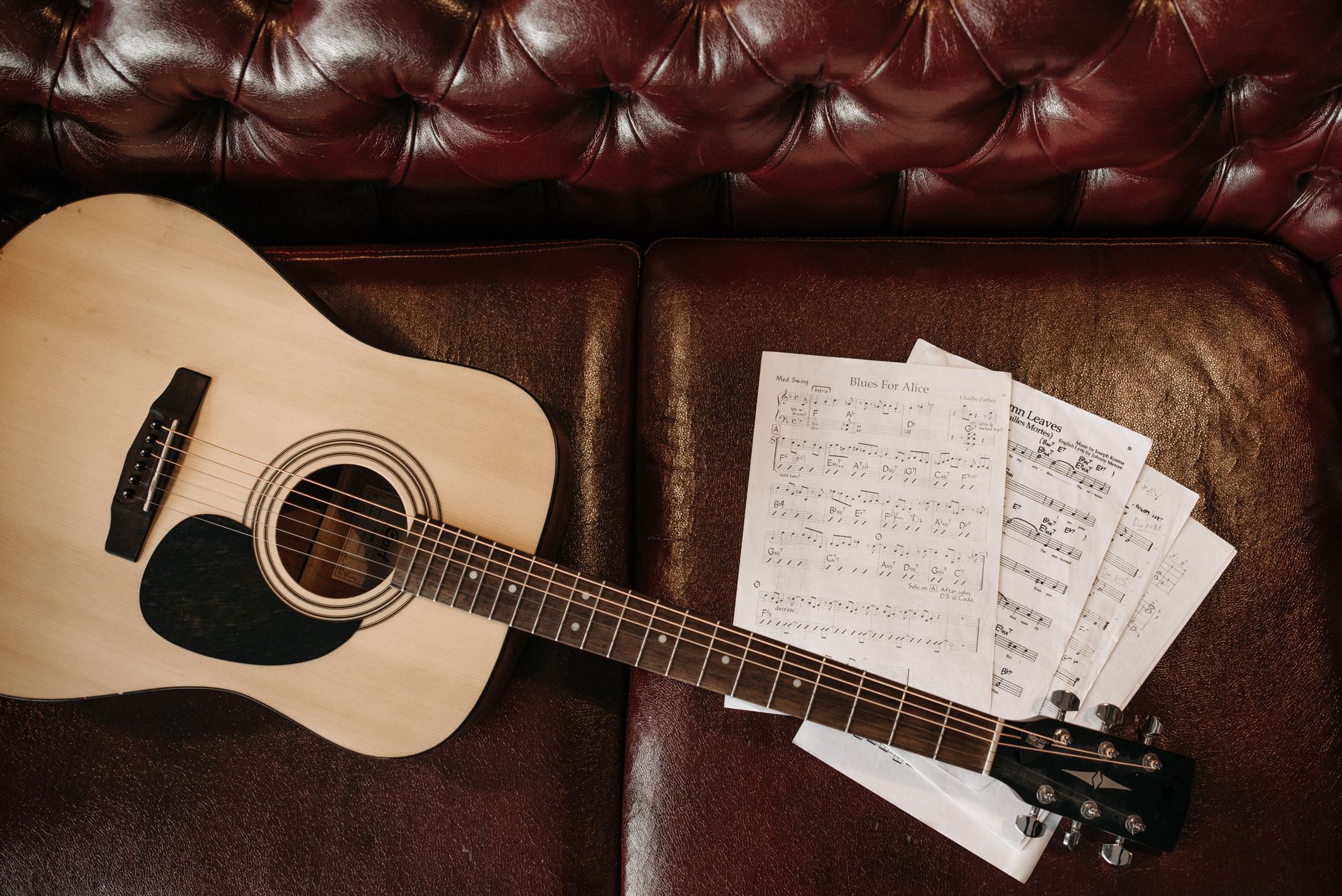
It’s hard to know where to begin when sharing which Bob Dylan song is my favorite. The first one I learned when I started playing the guitar was “Blowing in the Wind.” The song that always brings tears to my eyes is, “Forever Young” and the one I find particularly nostalgic is “If You See Her, Say Hello.”

Before I ever started writing poetry, I was writing little songs inside my head because that’s what all toddlers do. I am not unique. I just remember.

Photo by Enrique on Pexels.com

If you are having difficulty writing a line or a sentence, try saying it aloud as a chant. Maybe you hear it accompanied by music. Maybe you don’t. Not every songwriter has a voice meant for performing, but the act of saying/singing/chanting phrases can provide a new approach to your creative journey. It’s worth a try.  Writing includes experimentation.

If you’ve written a poem, song, or flash prose ( under 500 words) you are proud of, we’re still reading submissions for the Winter issue of Instant Noodles Literary Magazine. We accept multi-media submissions. Check us out and THANK YOU for reading. Follow us on Facebook at https://www.facebook.com/search/top?q=old%20scratch%20press

For the Love of Literary Late Bloomers

Some flowers spread their fragrance in spring, some tease us until late summer:  just when we think they’re dried up, spent, they surprise us with an explosion of blooms!

I’ve always had a soft spot for the late bloomers of literature.  (Maybe because I myself identify as a late bloomer!)  As thrilling as it is to read about young prodigies like S.E. Hinton of The Outsiders fame, (she wrote that book as a high school senior!), the late bloomers are just as amazing to me.

What is considered a late bloomer in literature?  The general consensus seems to be a writer whose first major work is produced after age 40.  

Debra Eve, publisher of the website Later Bloomer (now an archival site) has collected many fascinating essays and information about late bloomers in all fields of life, including literature and poetry.

Bloom (via Substack now) is another site devoted to the late bloomers in life.

This Write and Journal article states that late-blooming authors are more common than we think and why this may be a forward trend.

Eva Q. Tennant’s article on late bloomers shows how “the creative spark doesn’t dim with age — it deepens.”

Old Scratch Press founding member Nadja Maril has written about another late blooming author and OSP member, Morgan Holladay, author of The Song of the North Mountain, and her experience publishing this collection after age 50.

One of my personal favorite literary late bloomers is Mary Wesley, who turned to writing adult fiction in her 70s and went on to write ten bestsellers in the last twenty years of her life!  I learned of her work via the 1992 mini-series adaptation of one of her most well-known novels, The Camomile Lawn. 

In poetry, there are many later bloomers, but one that may not come to mind is Thomas Hardy, whose early fame was built on his 14 novels, but who considered himself a poet and wrote poetry for 30 years before publishing his first collection when he was 58.  After that, during the rest of his life, he published only poetry.

When I think of late bloomers, writer Winifred Watson also comes to mind, not because she was a late bloomer herself, but she wrote about an older woman experiencing a Cinderella-like transformation in Miss Pettigrew Lives for a Day, an experience that mirrored her own rise to fame in late life when her novel was rediscovered and republished by Persephone Books and made into a delightful film of the same name in 2008 starring the incomparable Frances McDomand.  This article on Anne Sebba’s site discusses how Watson’s unlikely second act came about.

So tell me, who are some of your favorite late bloomers?  Please share in the comments!

Beatriz F. Fernandez is a late-blooming poet and short fiction writer. Join me for my November 1st reading (along with Miguel Mitchell) as part of the Speculative Sunday Reading series!  Presented and moderated by Akua Lezlie Hope. Readings are live on Zoom and tickets are free via the Eventbrite link.

Thank you for reading and please follow us here and on Facebook:  https://www.facebook.com/OLDSCRATCHPRESS/

The Struggle of Choosing the Perfect Title

By Nadja Maril

A founding member of Old Scratch Press

A few years ago a short creative nonfiction essay of mine, titled “Lipstick” was published in Hare’s Paw Literary Journal. It took many attempts to find a home for this particular essay. On reflection, part of the difficulty was in deciding on an appropriate title.

In contemplating “writer’s notes” about this particular piece of writing, I remember thinking about how titles set up certain epectations.

During that lull, after I’ve sent out my work and for several months while waiting for a response, always there is self-doubt. Is the essay too short, too long. Did I mess up the tenses again. Is is too negative? Will readers find it disturbing? Will editors opposed to any type of make-up be turned off? Yes, a lot of weird thoughts were whirling around in my mind, and several of them centered on the title I’d chosen. I’d started to question my choice . Did I give I it the right title?

I felt I’d written something good. I’d workshopped it with some colleagues and received some positive feedback from editors who ”couldn’t find space for this particular piece in our upcoming issue, but please send us more work…” so I sensed I’d written something powerful, but had I chosen the right title?

Photo by Dids . on Pexels.com

Titles are hard. At least they are hard for me. I know they are important. As a former journalist, I know it is the headlines ie titles that people read first and maybe the only thing they read. Maybe if they see the title “lipstick,” I thought, they will literally think it is an essay about lipstick. Maybe I should have chosen a title that indicated it was about a fraught relationship between a mother and a daughter.

If a piece has been submitted to a magazine and it’s anonymously sitting in the slush pile, a reader/editor might barely read the work, if they decide they don’t like the title. After all, they’ve got a whole bunch of other stories waiting to be read. Maybe they shouldn’t even bother. Perhaps they are asking themselves, will this particular story interest me?

As a writer, not as an editor, I want my title to be appropriate. When I put on my editor’s hat, I’m thinking I want a title that will draw readers in and how does one do that?

As a writer, I try to draw on advice from other writers, who suggest choosing a poignant line from your piece and taking that line as your title, or as an alternative approach, selecting a moment that will evoke surprise as your title. For surprise I could have chosen, What I did when I Found Her on the Floor. For an evocative line I could have chosen, “The silence grows longer and longer.”

Often I start writing and I do not know what I’m truly writing about until my journey is coming to a close. Selecting a title can help me clarify what are the most important aspects ot the story.

Photo by Pixabay on Pexels.com

I’m wondering whether this desire of mine to find the perfect title could be turned into a writing prompt. As the hot summer days seem longer forcing us to spend more time indoors and fellow writers are all looking for fresh approaches, here is an idea. Try writing your title first and specifically focus on a scene in the story that will create tension.

WRITING PROMPT: Think of a scene from your past, full of tension and conflict. Maybe it was the moment your boss handed you a pink slip or you were standing in the cafeteria line and realized you’d forgotten your voucher or wallet. What made this situation tense? How did you feel at the time? What were you thinking about? What were your physical responses?

You can do this with fictional characters and situations as well. The title, “The Moment My Boss Handed Me a Pink Slip” is obvious or maybe not. Perhaps the title will change depending on the actions that ensue. But it’s a beginning.

Picture the scene in your mind. Select a few important details that stand out. Try writing the same scene again for ten minutes with a different variation. Did you learn anything?

Thank you for reading and for your feedback. If you have a favorite technique for titling your work, please share. We’d love to post it.

Submissions are scurrently open for the final 2026 issue of Instant Noodles Literary Magazine. Check it out.https://duotrope.com/duosuma/submit/instant-noodles-O0jFm

How Weather Shapes Our Lives and Stories

By Founding Collective Member Nadja Maril

In polite conversation, unlike politics and religion, the weather is a safe topic.  Love that sunshine.   Do you think it’s going to snow?

The weather, however, is anything but safe. It’s lack of consistency affects all of us in one way or another. We may think it’s going to be another hot humid summer, but an unexpected chill might ruin a farmer’s crops.

 From a practical standpoint, the weather impacts the type of shelter we need, our household budget and our mode of transportation.  It’s an indication of our moods. Whether we are suffering through a drought  or an artic blast, the weather affects our daily lives.

Photo by Tanya Kash on Pexels.com

In polite conversation, unlike politics and religion, the weather is a safe topic.  Love that sunshine.   Do you think it’s going to snow?

The weather, however, is anything but safe. It’s lack of consistency affects all of us in one way or another. We may think it’s going to be another hot humid summer, but an unexpected chill might ruin a farmer’s crops.

 From a practical standpoint, the weather impacts the type of shelter we need, our household budget and our mode of transportation.  It’s an indication of our moods. Whether we are suffering through a drought  or an artic blast, the weather affects our daily lives.

Photo by Tanya Kash on Pexels.com

Weather Can Create Conflict and Provide Comfort

Setting, that catch all word for the description of where and when a story takes place, usually includes references to weather.  A bright sun, the need for a warmer coat, parched grass are clues a writer might provide to set a scene. The mention of a light rain may seem small, but ultimately the rain in some way will impact at least one of the characters.

Depending on the narrative, a weather event may create the obstacle a character must overcome.  Gale winds, high waves and rain cause a small vessel to sink and its passengers to fight for their lives. A tornado destroys someone’s home, causing them to seek shelter with family in another state and changes the trajectory of the protagonist’s future.

Last month I was reading a piece written by a writer friend and I was reminded that something as basic as a winter storm, can become a character. How strongly setting interacts with the various protagonists in a narrative is the writer’s choice. Anything—A animal, vegetable or mineral—can become a component of a well-crafted story.  

Examples of the use of Weather in Narrative

A classic story I often think of as an example of weather as a character, is Jack London’s short story, ‘To Build a Fire,”

While many discussions of the story focus on the protagonist’s arrogance and his inability to fully comprehend his limitations, it is the cold weather that serves as his antagonist. The dog understands the situation, but must follow his master’s lead.

A reader unfamiliar with survival in extreme weather may assume the human will have the upper hand.  Gradually as the story unfolds, the power of the artic is revealed.

My dog Chloe enjoying the snow.

In the twenty-first century, humans are faced with new challenges.  Survival on a rapidly warming planet is the subject of climate fiction titles that include Ministry of the Future by Kim Stanley Robinson, Termination Shock by Neal Stephenson, and Weather by Jenny Offill. Weather has inspired many best-selling novels.

But maybe as a writer you’d like to start small.  A piece of flash fiction, where the weather plays a strong role in the storyline, can make for a compelling read.

Most likely, if you’ve been writing for a while, you already think about setting, tone and mood when you begin writing a scene. I used to participate in theater productions both onstage and backstage. I remember the director choosing different lighting combinations, using colored gels to cover the spotlights, to emphasize the emotional tone of a scene. Yellow and orange were associated with warmth and happiness while the color green denotes nature and serenity. Red might be used to amplify the intensity of a fight scene.

WRITING PROMPT:

Photo by Quang Nguyen Vinh on Pexels.com

Imagine a day in someone’s life. What kind of day is it? What color would you associate with this day?  Imagine the weather and focus on one part of the day. Perhaps it is the morning of a warm summer’s day, a day that heat and humidity will build in intensity, lightening will flash, thunder will sound and a heavy rain will follow. What role does this thunderstorm play in your story?

 Imagine a different kind of day, a brisk but sunny day. Maybe the main character has been too cold to leave their home, but the beauty of the day entices them to step outside.

Or take the concept of “To Build a Fire” but substitute the fire with something else. Maybe the protagonist is trying to set up a tent but the wind is blowing too hard. Or inspired by the summer conditions in europe write about an individual without air-conditioning trying to survive in extreme heat. Create a weather-related challenge and see if the protagonist can solve the problem.

Writers if you have a story you are working on, read it with a particular thought towards how the environment in your setting helps convey the mood. I close with a link to a story I wrote a few years ago called “Winter Solstice” on page 8 of the pdf. Courtesy of Atlantic Northeast Magazine. I chose the setting of a small cabin on a Maine lake in winter to emphasize the chill and isolation felt by the protagonist who is valiantly trying to buoy his spirits. Weather is a useful tool. Use it wisely.

Thank you for reading and feel free to share your comments and any questions. Don’t forget to follow Old Scratch Press on Facebook. Every few days we post blogs and share writing news. You can learn about all the wonderful little books we’ve published here.

If you enjoyed this post and want to support my writing, consider purchasing my little chapbook filled with short essays and poems,  RECIPES FROM MY GARDEN and check out some of my other books. Thanks again.

Crafting the Perfect Poem for Father’s Day

By Nadja Maril

June, the start of summer and the month of graduations and weddings has begun. It’s a month of beginnings and endings.

I’m someone who likes to plan ahead, particularly if gift giving is involved. The holidays this month are Flag Day, Juneteenth, Father’s Day, and Summer Solstice.  

This year Father’s Day falls on Sunday June 21st. I’ve been hearing advertisements for barbecue grills, power tools, personalized mugs.

But Father’s Day isn’t a day that has to be just about your father or the father of your children. And it doesn’t have to involve giving expensive items.  It can be a good time to recognize the men in your life who have inspired you, as well as male friends and neighbors who have been helpful and caring.  

As for gifts, the best gift is often a phone call, a card, the gift of time. From a writer, the best gift can be a story or poem.

Do not wait until the day before Father’s Day. I always find that my best work needs to sit for a while and undergo revisions before it is ready to be shared.

Photo by Edalisu . on Pexels.com

How to start. Everyone has their own technique. If I am writing a poem specifically to laud someone, I usually begin by listing everything about them I admire. We all notice different things. Details are important.

Or you can share an important memory and write it in prose or in verse. It can be serious or funny. Make someone laugh and you are halfway to penning something they’ll treasure.

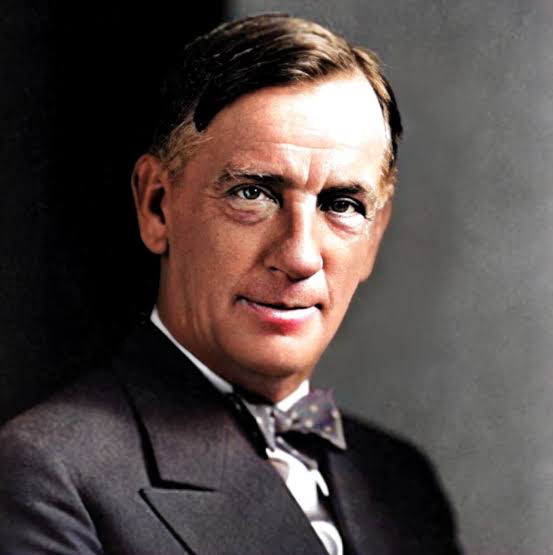
You are writing your piece for one person. It does not have to be a masterpiece. One poet, who was popular in his time, was widely published in newspapers. His name was Edgar Guest and he was an English poet who lived a long life, 1881-1959. His poems definitely make me laugh. Here are two.

Father

By Edgar Guest

My father knows the proper way 
The nation should be run;
He tells us children every day
Just what should now be done.
He knows the way to fix the trusts,
He has a simple plan;
But if the furnace needs repairs,
We have to hire a man.


My father, in a day or two
Could land big thieves in jail;
There's nothing that he cannot do,
He knows no word like "fail."
"Our confidence" he would restore,
Of that there is no doubt;
But if there is a chair to mend,
We have to send it out.


All public questions that arise,
He settles on the spot;
He waits not till the tumult dies,
But grabs it while it's hot.
In matters of finance he can
Tell Congress what to do;
But, O, he finds it hard to meet
His bills as they fall due.


It almost makes him sick to read
The things law-makers say;
Why, father's just the man they need,
He never goes astray.
All wars he'd very quickly end,
As fast as I can write it;
But when a neighbor starts a fuss,
'Tis mother has to fight it.


In conversation father can
Do many wondrous things;
He's built upon a wiser plan
Than presidents or kings.
He knows the ins and outs of each
And every deep transaction;
We look to him for theories,
But look to ma for action.

Only a Dad

By Edgar Guest

Only a dad with a tired face, 
Coming home from the daily race,
Bringing little of gold or fame
To show how well he has played the game;
But glad in his heart that his own rejoice
To see him come and to hear his voice.

Only a dad with a brood of four,
One of ten million men or more
Plodding along in the daily strife,
Bearing the whips and the scorns of life,
With never a whimper of pain or hate,
For the sake of those who at home await.

Only a dad, neither rich nor proud,
Merely one of the surging crowd
Toiling, striving from day to day,
Facing whatever may come his way,
Silent whenever the harsh condemn,
And bearing it all for the love of them.

Only a dad but he gives his all
To smooth the way for his children small,
Doing with courage stern and grim,
The deeds that his father did for him.
This is the line that for him I pen:
Only a dad, but the best of men.


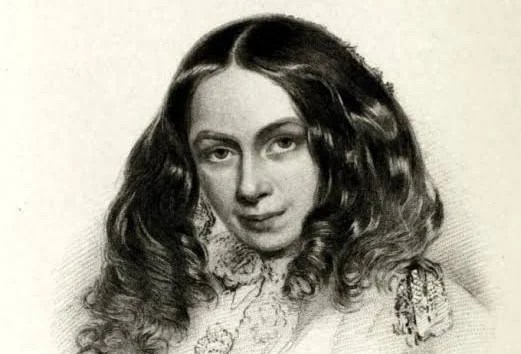
The famous English poet Elizabeth Barrett Browning, 1806-1861, was encouraged by her father to write poetry, and thus it is no surprise that she wrote poems especially for him. Here is one penned for his birthday.

To My Father on His Birthday

By Elizabeth Barrett Browning


Amidst the days of pleasant mirth,
That throw their halo round our earth;
Amidst the tender thoughts that rise
To call bright tears to happy eyes;
Amidst the silken words that move
To syllable the names we love;
There glides no day of gentle bliss
More soothing to the heart than this!
No thoughts of fondness e’er appear
More fond, than those I write of here!
No name can e’er on tablet shine,
My father! more beloved than thine!
‘Tis sweet, adown the shady past,
A lingering look of love to cast—
Back th’ enchanted world to call,
That beamed around us first of all;
And walk with Memory fondly o’er
The paths where Hope had been before—
Sweet to receive the sylphic sound
That breathes in tenderness around,
Repeating to the listening ear
The names that made our childhood dear—
For parted Joy, like Echo, kind,
Will leave her dulcet voice behind,
To tell, amidst the magic air,
How oft she smiled and lingered there.

Now it is time to write a poem or story of your own, in your style.

Elizabeth Barrett Browning may not be your style. The birthday poem to her dad was written when she was 20 years old. It captures her feelings at the time and was published in her 1826 poetry collection. Eventually she and her father had a falling out. He disowned her when she married the poet, Robert Browning.

Sometimes the memory or experience of something special, can help to inspire you. Remember you are writing for just one person, or maybe in this case two people, yourself and the recipient. Let your ideas flow and don’t start editing until you’ve written down all your thoughts.

If you’d like to create a card and a poem at the same time, here is a prompt on how to create Collage Poems. Whatever you come up with, if you consider it successful in capturing the essence of your dad, check out this opportunity to be published in the upcoming issue of Instant Noodles Literary Magazine,

THANK YOU FOR READING. FOLLOW US AT FACEBOOK AT https://www.facebook.com/OLDSCRATCHPRESS

How About Another Free Generative Workshop?

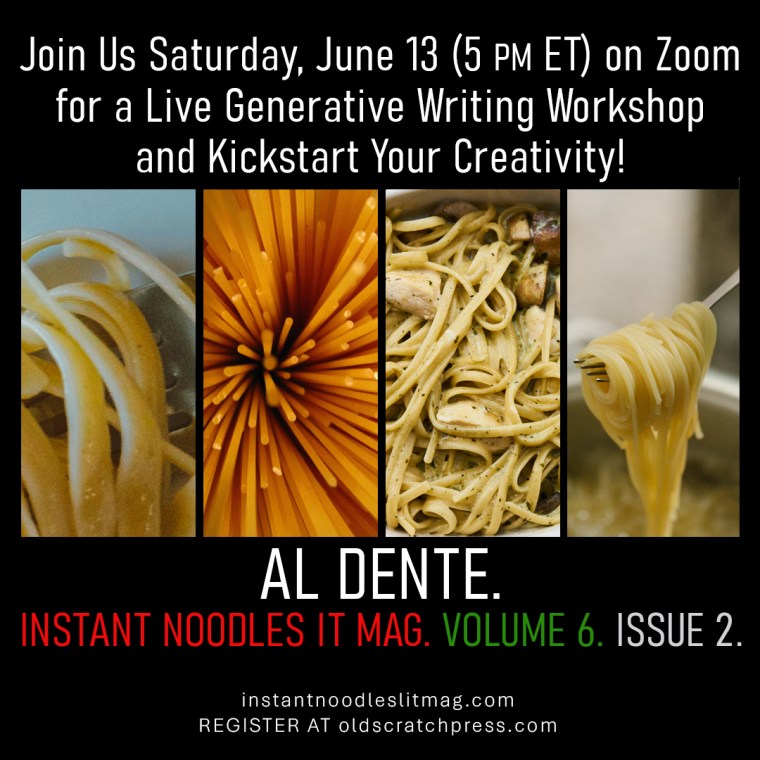
INSTANT NOODLES LIT MAG is seeking contributors for our upcoming issue, Al Dente — and we want your work

If you’re an indie writer, poet, or artist, join us Saturday, June 13, at 5 PM Eastern (2 PM Pacific) for a free online workshop to spark your creative energies and learn where to send completed submissions.

Hosted by Robert Fleming of Old Scratch Press, Instant Noodles Lit Mag, and the Rehoboth Beach Wrier’s Guild.

Seats are free, and limited. Three lucky participants will win a signed copied of an Old Scratch Press book!

In Praise of Some Great Writing in the May Issue of Instant Noodles Literary Magazine

By Nadja Maril

Whenever I’ve written something I feel really conveys what I was striving for, I want to share it. But often, it sits on the computer for a while. Until published, the words are out there but they are not being read. Enter the world of literary magazines, a wonderful opportunity to share not just your own work but to be part of a larger community.

In 2020, publishers Dianne Pearce and David Yurkovich launched Instant Noodles Literary Magazine. Six years later it is still going strong. As their business and projects have expanded, so has the Instant Noodles Literary Magazine team. While Dianne makes the final decisions, she has some help. Members of The Old Scratch Press short form and poetry collective serve on a rotational basis as Contributing Editors.  We have a voice in choosing the themes and selecting work.

As a writer and poet who frequently expresses herself through the medium of (CNF) Creative Non Fiction, these are the submissions I’m most often reading. I read each piece submitted to Instant Noodles several times. I’m interested to discover how the writing responds to our theme. Most of the fiction and poetry I write is inspired by true life events. I am awed by writers who successfully blend reality, imagery and memorable characters into story. Not every submission sits squarely within one genre. Some straddle the line between reality and fantasy, between poetry and prose. We can’t offer payment, but we can bestow praise.

This issue, I’d like to gush about a certain piece I really liked. A piece I’d like the world to read and think about. It was submitted as CNF. In many ways it comes across to me as poetry. As with any short piece of work, every word counts. As a reader, that’s what I’m reading for, power in each word.

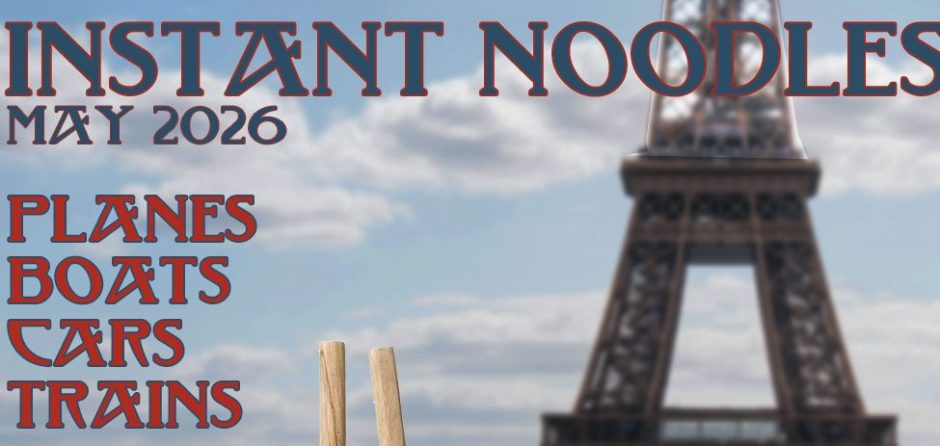
The 2026 issue May theme just released, is titled Planes Boats Cars Trains. When I suggested the theme, I envisioned all the ways transportation impacts our lives and how many exciting stories take place when a character is moving from one place to another. I wasn’t thinking about animals or freedom, but that is the beauty of words. We all perceive our world in different ways. A good artist can share their vision.

Photo by Boris Hamer on Pexels.com

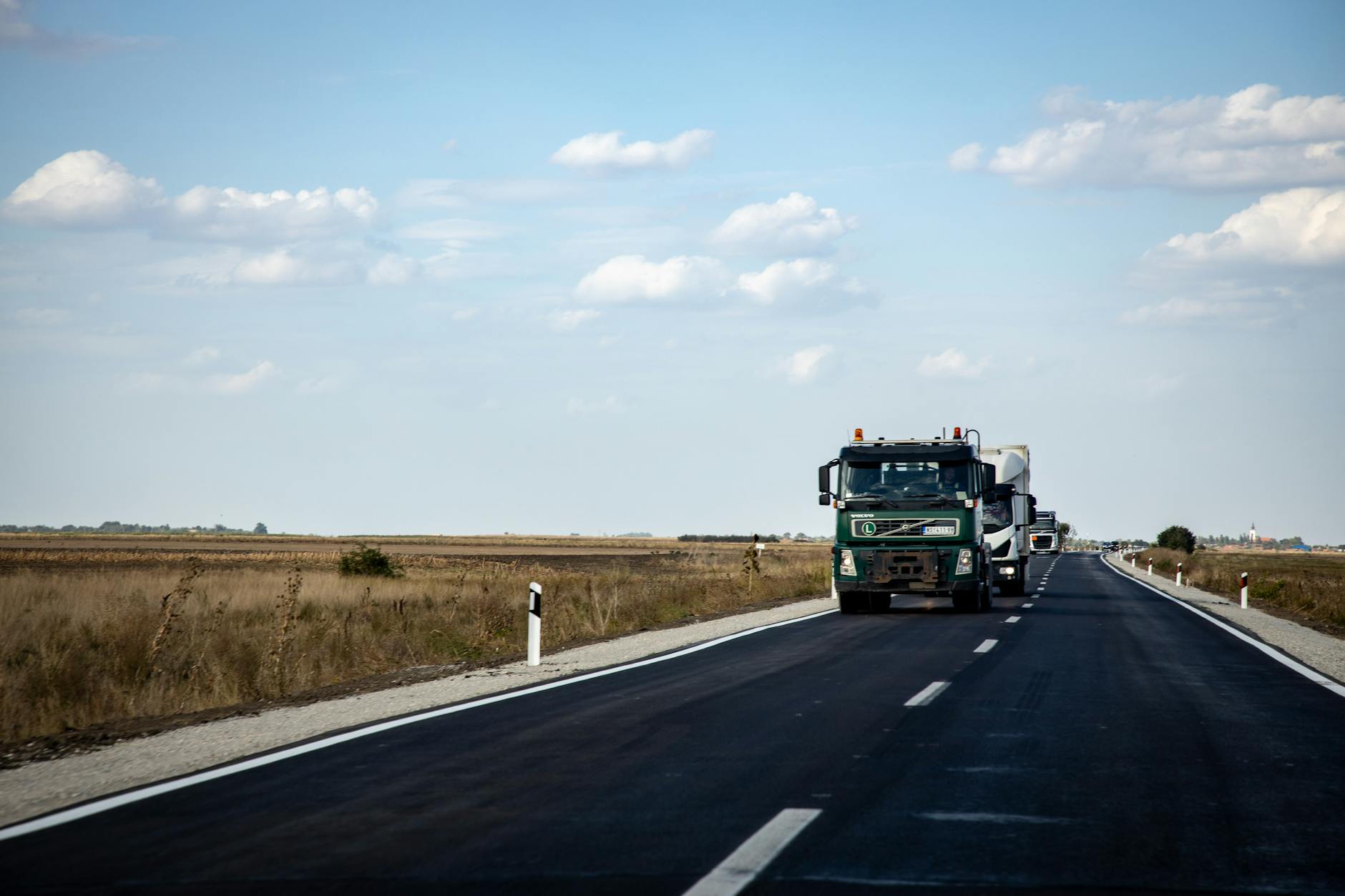
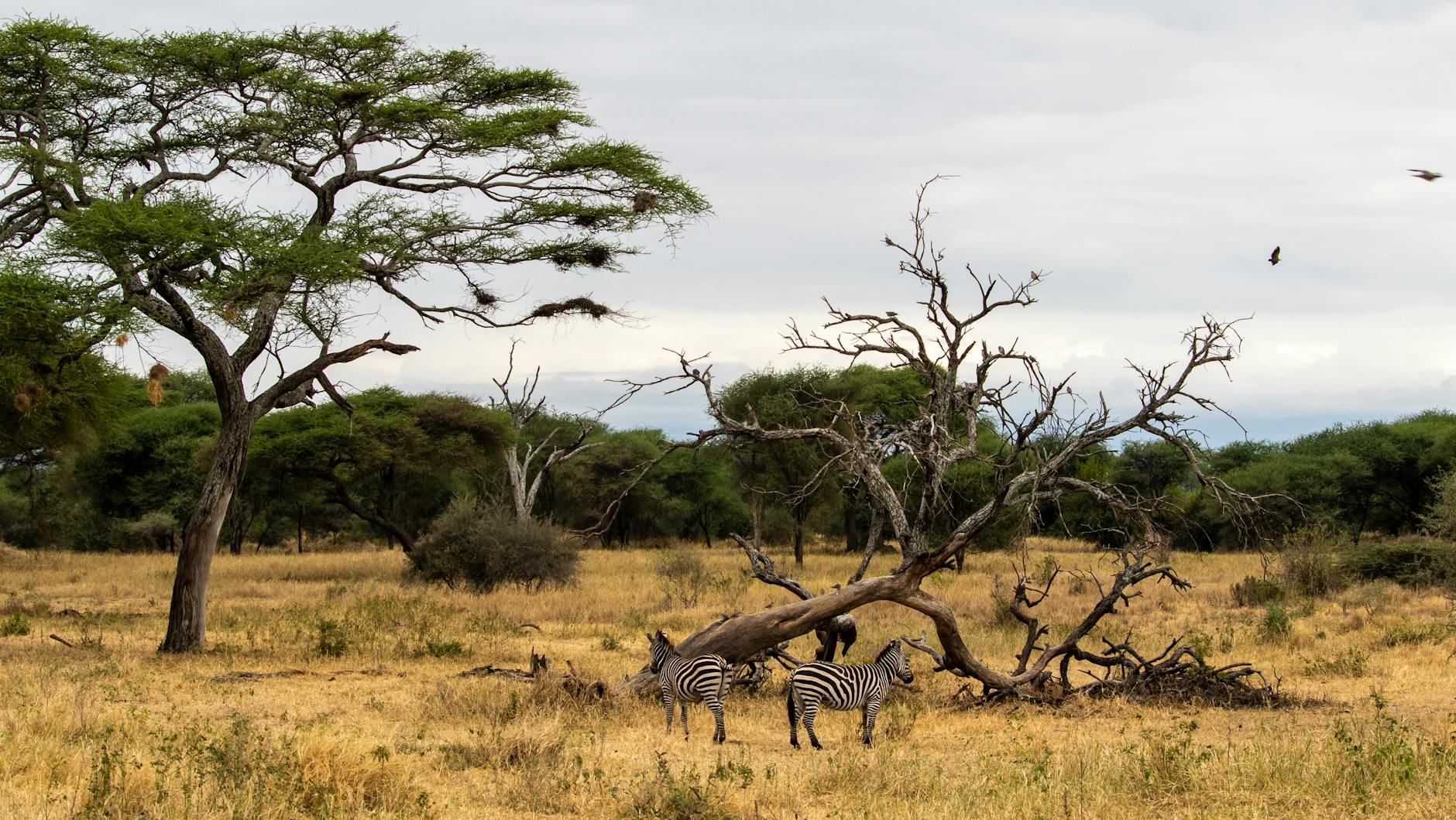
The piece is called, “From Cage to Street” and is written by Tamara-Lee Brereton-Karabetsos. It begins in the first sentence to take the reader to the Serengeti plains of East Africa where a line of trucks are transporting wild animals. You’ll have to use your imagination to decide whether these animals are zebras, tigers, gazelle or something else. What you do know is they have fur and ears that twitch.

“Engines hum. Metal shakes. Paperwork counts weight, not panic.

Inside, bodies shift where they can, small movements, breaths caught between bars.”

She contrasts the business of checking locks and papers with the vibrations of the shaking vehicle. The writer contrasts herself with the animals. She is walking free and unencumbered, Each selected image— a swing, running dog, a kite— echoes the contrast.

“The wind brushes my face, a dog darts past, a child’s kite catches the sun.

Each step is choice. Each breath is mine. Each glance is unbound.”

Her poem/essay shifts back to the unloading of the crates and in her telling she slows down time for me as she expresses the melancholy of the caged versus the free.

“Animals shift from one container to another. The journey continues, but choice is absent.

Instinct carries memory of plains, but the body moves through something imposed, not chosen.”

This piece creates a sense of place and communicates the author’s appreciation of the physical agency of walking and choosing your own destination. I am pleased we were able to publish it and I urge you to take the time to read it along with many of the other fine pieces in this issue.

Photo by G N on Pexels.com

Thank you Tamara and thank you writers for making ours such a strong community. The next theme currently being read is Al Dente. Think pasta cooked just so, not too soft and not too stiff. Do you have a piece of writing that meets that criteria? What does Al Dente mean to you?

Remember that Instant Noodles Literary Magazine believes in helping fellow writers by nominating their work for prizes. Please send us your best work.

Thank you for reading and please follow us here and on Facebook.

Nadja Maril is an award winning writer and poet who has been published in dozens of online and print literary journals and anthologies including: Lunch Ticket, Spry Literary Journal, Invisible City Literary Review, Instant Noodles and The Journal of Compressed Creative Arts. She is the author of Recipes From My Garden, published by Old Scratch Press (September 2024), a Midwest Review California Book Watch Reviewer’s Choice. An Anne Arundel County Arts Council Literary Arts Award winner, her work has been nominated for the Pushcart Prize and The Best of the Net. She has an MFA in creative writing from Stonecoast at USM.

Check out Nadja’s chapbook below and here.

Embracing Nature’s Beauty: A Morning Reflection

by Nadja Maril, a founding member of Old Scratch Press Collective

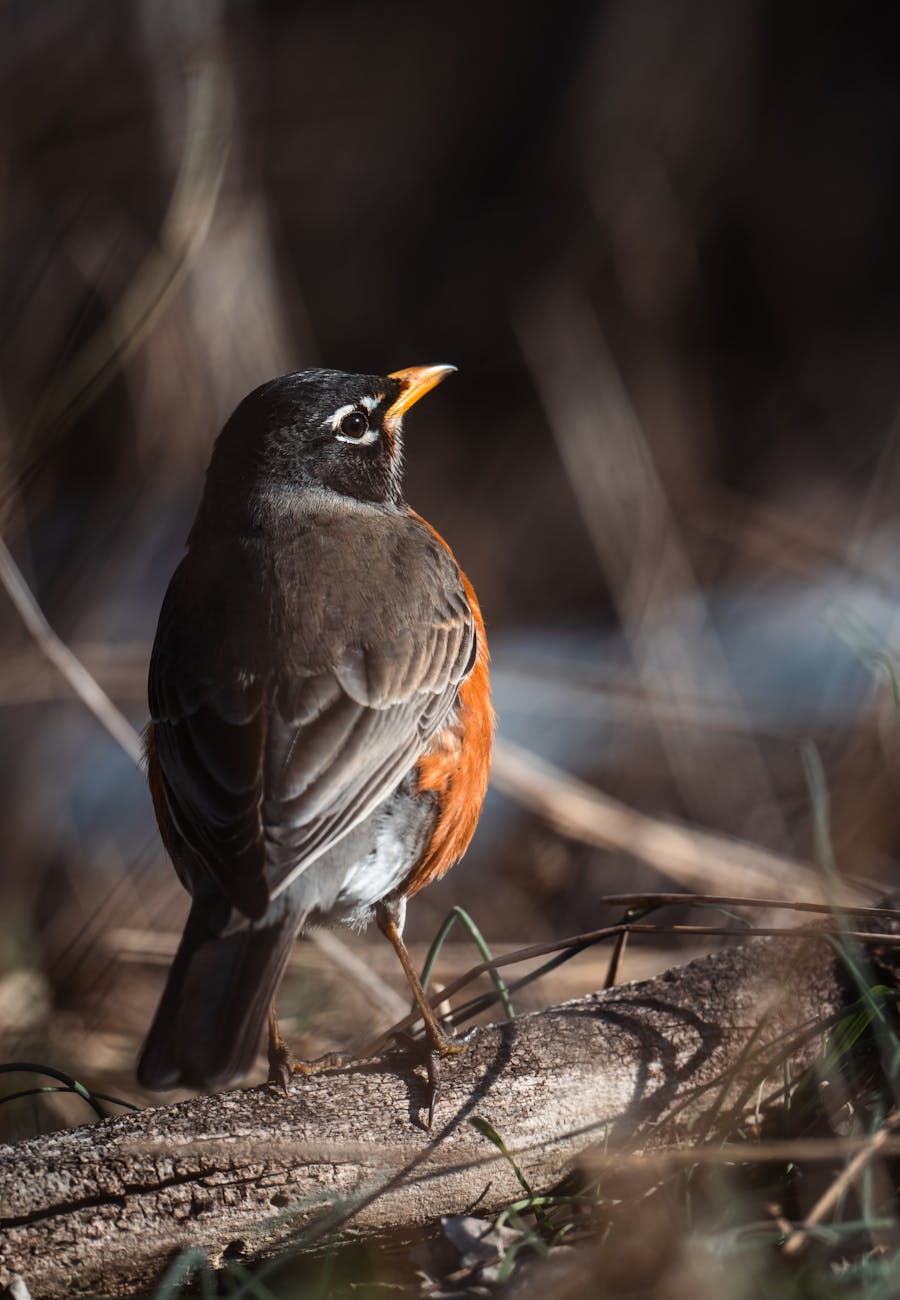
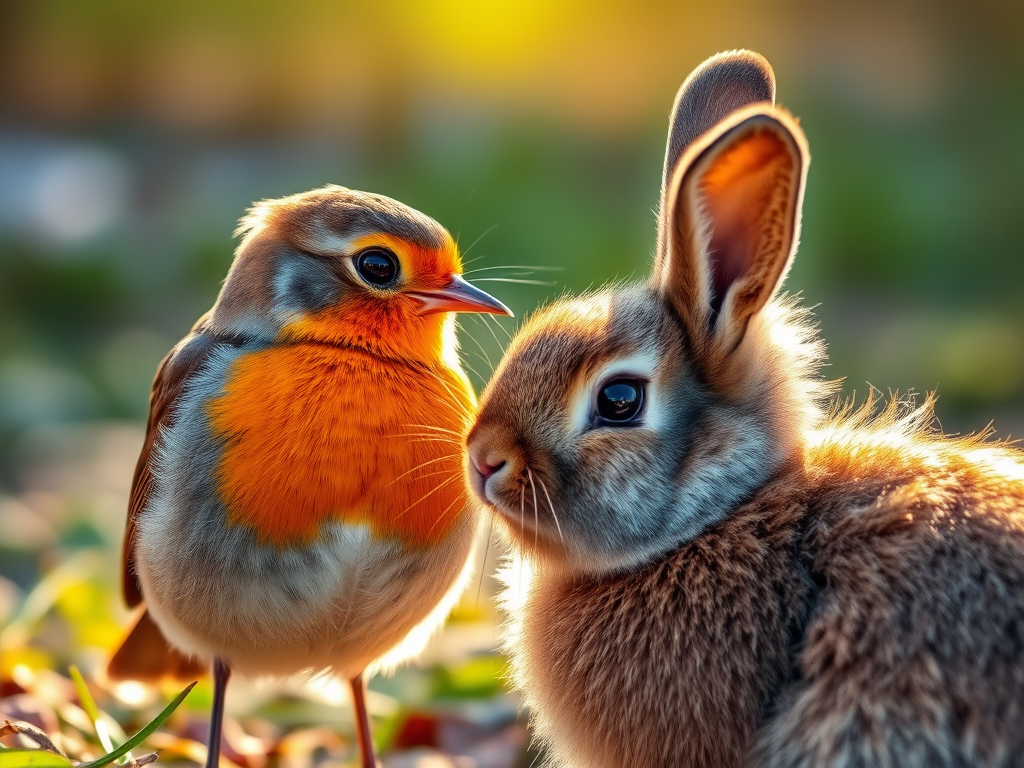
What a sight on a damp misty morning, a robin perched on a street sign preening its feathers. The orange red of its breast feathers contrasting sharply with the bright green and white lettered sign.

My cell phone was in my back pocket, but I didn’t snap a photo. I watched the bird fly away and listened to the other birds around me. The neighborhood was just beginning to awake. Down the road I spied a few dog-walkers taking advantage of the early hour temperatures.

A plump brown bunny nibbled on clover. I decided to take his photograph, but he didn’t pose for long and took refuge in a flower bed. My gaze shifted to the colors of all those flowers: purple, pink, yellow, blue and red.

 The current “tropical rain forest” weather hovering over our region has been a boon to gardeners. Blossoms are lush. It’s been a boon to weeds too, but it’s too early in the morning for me to think about that.

It’s the first day of April and the start of National Poetry Month. I get inspired by nature: birds, new buds, bunny sightings. Other writers are inspired by the hum of machines or the echo of human voices. Whatever gets your mind engaged in the world around you, write it down.

Focusing on the Moment

I’m focusing on the present moment, a difficult task. My mind tends to jump forwards and backwards. I worry about what I need to do and replay what I might have done wrong. I recall happy memories and then remind myself the past is over and if I stay there too long, I’ll miss what is happening in the present.

Photo by George Filatov on Pexels.com

This balance between present, past, and future is an interesting dilemma. Particularly because all is open to interpretation. What we remember as the past, is most likely different from our neighbor’s recollection. What we prioritize for the future is usually different too.

Politically, socially, environmentally our planet is at a crossroads. Some of us are just struggling to survive. Others of us want to change things for the better, but it can be a challenge to figure out how.

I read and listen to media reports, and hear different versions of the same event. I’ve heard the term “fake news” repeatedly bandied about. I hear leaders speaking outright lies. I hear people being described in ways designed to incite violence and hatred.

Photo by lalesh aldarwish on Pexels.com

Overwhelmed by all the negativity I tune out.

Change happens slowly, in small incremental ways, I remind myself. Small acts of courage. Small acts of kindness. The arts, the federal funding of which is currently under attack, is a way to share beauty and foster connection. Arts in education provides paths for children to develop alternative learning styles that can deepen comprehension. Whether you volunteer your time, donate money, or support the arts by buying a ticket to a museum or a play; you’re doing something positive.

Writers are witnesses. Documenting the good and the beauty you observe is an important job alongside the documentation of injustice and cruelty. Writing a short fable can be one way to start. Remember Aesop’s Fables?   

Aesop is thought to have been a storyteller, and possibly a slave, who lived in Greece between 620 and 564 B.C.  Translated from Greek and Latin, and available in versions for adults and children online and in print, I share below one of my favorites.


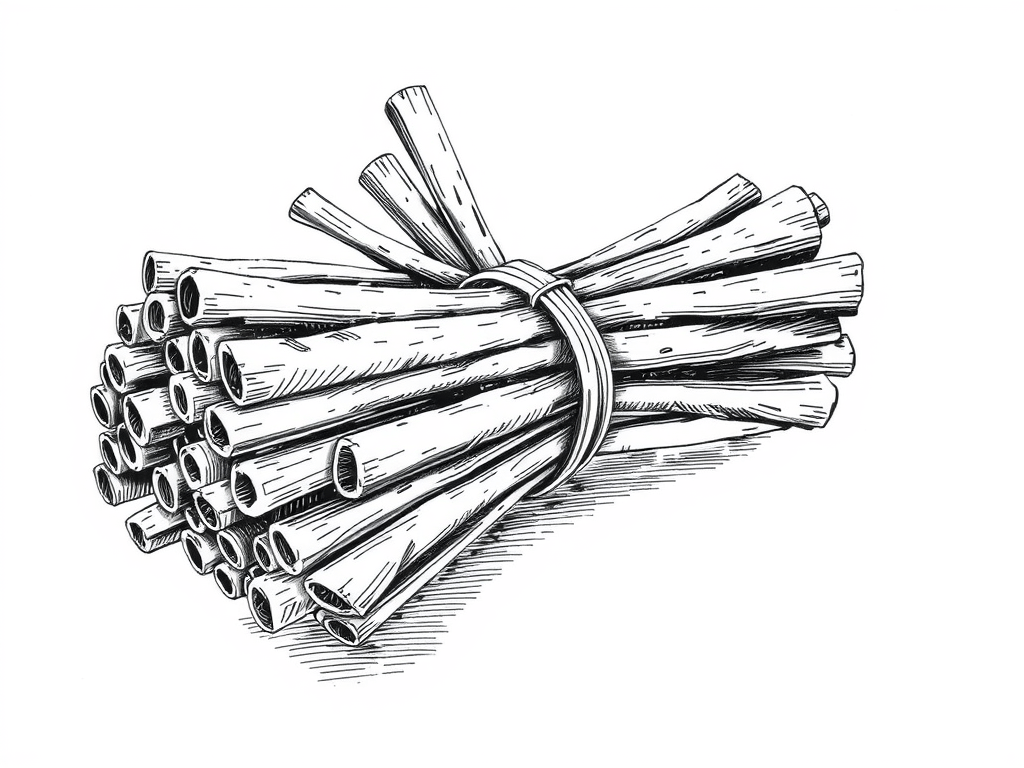
The Bundle of Sticks

A certain Father had a family of Sons, who were forever quarreling among themselves. No words he could say did the least good, so he cast about in his mind for some very striking example that should make them see that discord would lead them to misfortune.

One day when the quarreling had been much more violent than usual and each of the Sons was moping in a surly manner, he asked one of them to bring him a bundle of sticks. Then handing the bundle to each of his Sons in turn he told them to try to break it. But although each one tried his best, none was able to do so.

The Father then untied the bundle and gave the sticks to his Sons to break one by one. This they did very easily.

“My Sons,” said the Father, “do you not see how certain it is that if you agree with each other and help each other, it will be impossible for your enemies to injure you? But if you are divided among yourselves, you will be no stronger than a single stick in that bundle.”

In unity is strength.

WRITING PROMPT: Can you write your own modern-day fable? Whether you use animals, plants, or people, think of something simple you observed that taught you a lesson. Brief and to the point, maybe your fable is a piece of flash fiction. Set it aside and read it again out loud two days from now. If you think it is good, share it. Maybe sharing means posting it online yourself, printing it out and sending it to friends by “snail mail,” or perhaps sending it to a literary magazine. Check out Instant Noodles Literary Review. Our current theme for submissions is Al Dente. For more information click here.

Thank you for reading. 

Writers and Readers, don’t forget to forget to follow us on Facebook to get the latest news and learn about submission opportunities.

Nadja Maril is an award winning writer and poet who has been published in dozens of online and print literary journals and anthologies including: Lunch Ticket, Spry Literary Journal, Invisible City Literary Review, Instant Noodles and The Journal of Compressed Creative Arts. She is the author of Recipes From My Garden, published by Old Scratch Press (September 2024), a Midwest Review California Book Watch Reviewer’s Choice. An Anne Arundel County Arts Council Literary Arts Award winner, her work has been nominated for the Pushcart Prize and The Best of the Net. She has an MFA in creative writing from Stonecoast at USM.

Check out Nadja’s chapbook below and here.