
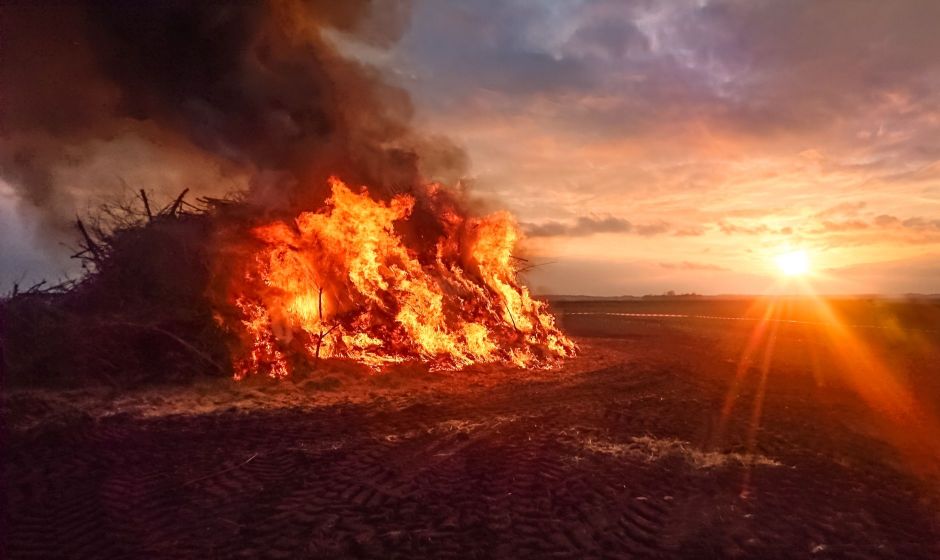
By Founding Collective Member Nadja Maril
In polite conversation, unlike politics and religion, the weather is a safe topic. Love that sunshine. Do you think it’s going to snow?
The weather, however, is anything but safe. It’s lack of consistency affects all of us in one way or another. We may think it’s going to be another hot humid summer, but an unexpected chill might ruin a farmer’s crops.
From a practical standpoint, the weather impacts the type of shelter we need, our household budget and our mode of transportation. It’s an indication of our moods. Whether we are suffering through a drought or an artic blast, the weather affects our daily lives.

In polite conversation, unlike politics and religion, the weather is a safe topic. Love that sunshine. Do you think it’s going to snow?
The weather, however, is anything but safe. It’s lack of consistency affects all of us in one way or another. We may think it’s going to be another hot humid summer, but an unexpected chill might ruin a farmer’s crops.
From a practical standpoint, the weather impacts the type of shelter we need, our household budget and our mode of transportation. It’s an indication of our moods. Whether we are suffering through a drought or an artic blast, the weather affects our daily lives.
Weather Can Create Conflict and Provide Comfort
Setting, that catch all word for the description of where and when a story takes place, usually includes references to weather. A bright sun, the need for a warmer coat, parched grass are clues a writer might provide to set a scene. The mention of a light rain may seem small, but ultimately the rain in some way will impact at least one of the characters.
Depending on the narrative, a weather event may create the obstacle a character must overcome. Gale winds, high waves and rain cause a small vessel to sink and its passengers to fight for their lives. A tornado destroys someone’s home, causing them to seek shelter with family in another state and changes the trajectory of the protagonist’s future.
Last month I was reading a piece written by a writer friend and I was reminded that something as basic as a winter storm, can become a character. How strongly setting interacts with the various protagonists in a narrative is the writer’s choice. Anything—A animal, vegetable or mineral—can become a component of a well-crafted story.
Examples of the use of Weather in Narrative
A classic story I often think of as an example of weather as a character, is Jack London’s short story, ‘To Build a Fire,”
While many discussions of the story focus on the protagonist’s arrogance and his inability to fully comprehend his limitations, it is the cold weather that serves as his antagonist. The dog understands the situation, but must follow his master’s lead.
A reader unfamiliar with survival in extreme weather may assume the human will have the upper hand. Gradually as the story unfolds, the power of the artic is revealed.

In the twenty-first century, humans are faced with new challenges. Survival on a rapidly warming planet is the subject of climate fiction titles that include Ministry of the Future by Kim Stanley Robinson, Termination Shock by Neal Stephenson, and Weather by Jenny Offill. Weather has inspired many best-selling novels.
But maybe as a writer you’d like to start small. A piece of flash fiction, where the weather plays a strong role in the storyline, can make for a compelling read.
Most likely, if you’ve been writing for a while, you already think about setting, tone and mood when you begin writing a scene. I used to participate in theater productions both onstage and backstage. I remember the director choosing different lighting combinations, using colored gels to cover the spotlights, to emphasize the emotional tone of a scene. Yellow and orange were associated with warmth and happiness while the color green denotes nature and serenity. Red might be used to amplify the intensity of a fight scene.
WRITING PROMPT:

Imagine a day in someone’s life. What kind of day is it? What color would you associate with this day? Imagine the weather and focus on one part of the day. Perhaps it is the morning of a warm summer’s day, a day that heat and humidity will build in intensity, lightening will flash, thunder will sound and a heavy rain will follow. What role does this thunderstorm play in your story?
Imagine a different kind of day, a brisk but sunny day. Maybe the main character has been too cold to leave their home, but the beauty of the day entices them to step outside.
Or take the concept of “To Build a Fire” but substitute the fire with something else. Maybe the protagonist is trying to set up a tent but the wind is blowing too hard. Or inspired by the summer conditions in europe write about an individual without air-conditioning trying to survive in extreme heat. Create a weather-related challenge and see if the protagonist can solve the problem.
Writers if you have a story you are working on, read it with a particular thought towards how the environment in your setting helps convey the mood. I close with a link to a story I wrote a few years ago called “Winter Solstice” on page 8 of the pdf. Courtesy of Atlantic Northeast Magazine. I chose the setting of a small cabin on a Maine lake in winter to emphasize the chill and isolation felt by the protagonist who is valiantly trying to buoy his spirits. Weather is a useful tool. Use it wisely.
Thank you for reading and feel free to share your comments and any questions. Don’t forget to follow Old Scratch Press on Facebook. Every few days we post blogs and share writing news. You can learn about all the wonderful little books we’ve published here.
If you enjoyed this post and want to support my writing, consider purchasing my little chapbook filled with short essays and poems, RECIPES FROM MY GARDEN and check out some of my other books. Thanks again.


