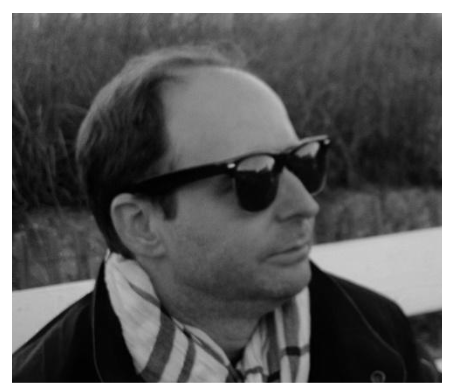
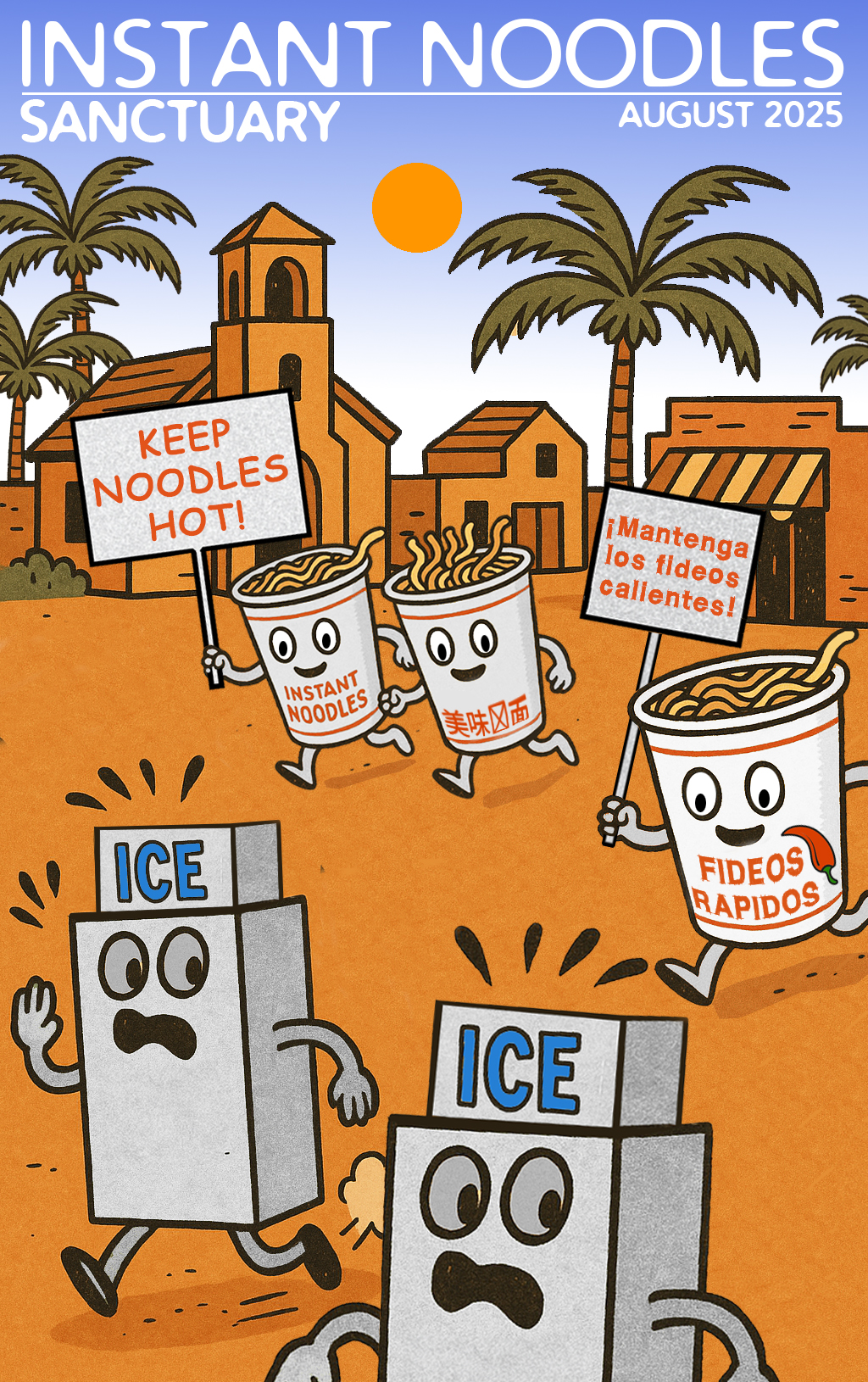
David Fulcher, a founding member and contributing editor of Old Scratch Press poetry/short form collective will be featured at Stone Soup Poetry October 28th, 7 pm ET, for a special horror-themed reading! David will be reading his poems and a short story.
To join this fun Halloween-themed event, go to Stone Soup’s Blog or follow the instructions below:
Stone Soup Poetry meets every Wednesday online from 7:00-9:00 PM via Zoom. Stay tuned for updates on any future live gatherings. On October 28, Stone Soup ends October with a proper horror themed reading from David Fulcher.
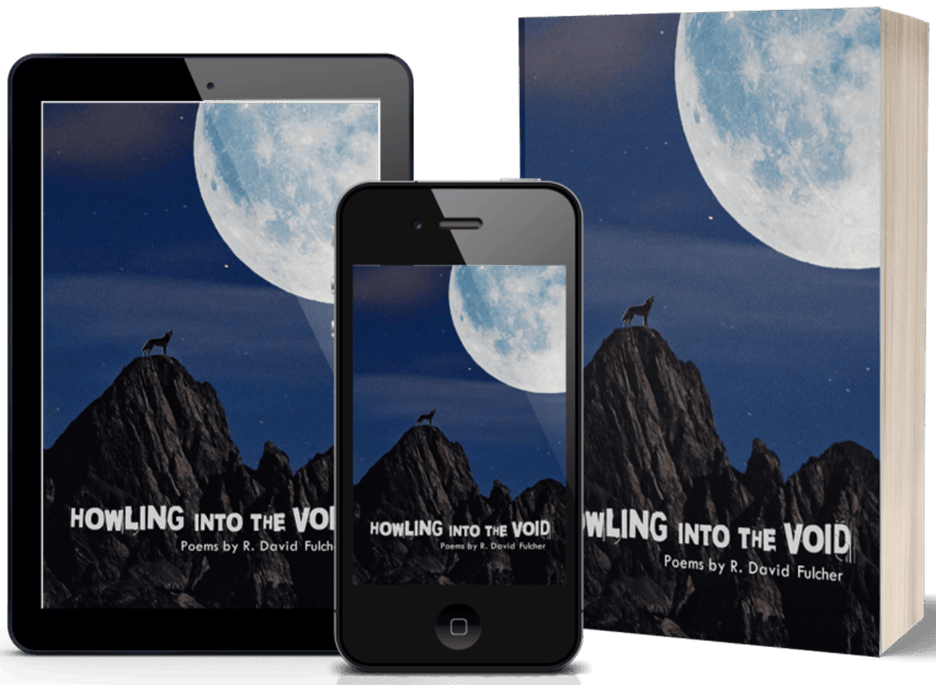
R. David Fulcher is a publisher, editor, and writer of fiction and poetry who lives in Ashburn, Virginia with his wife Lisa, and their rambunctious cats. He is a founding member/contributing editor of Old Scratch Press, including a curator for the digital magazine Instant Noodles. He also is a publisher/editor of the magazine Samsara. His books are The Pumpkin King and Other Tales of Terror, Asteroid 6: And Other Tales of Cosmic Horror, and Howling Into the Void. His shorter works are in Lovecraft’s Mystery Magazine, Black Satellite, The Martian Wave, Burning Sky, Shadowlands, Twilight Showcase, Heliocentric Net, Gateways, Weird Times, Freaky Frights and the anthologies Dimensions and Silken Ropes.
Join us on Wednesday, October 28, from 7:00 to 9:00 PM ET by clicking this link.
June, the start of summer and the month of graduations and weddings has begun. It’s a month of beginnings and endings.
I’m someone who likes to plan ahead, particularly if gift giving is involved. The holidays this month are Flag Day, Juneteenth, Father’s Day, and Summer Solstice.
This year Father’s Day falls on Sunday June 21st. I’ve been hearing advertisements for barbecue grills, power tools, personalized mugs.
But Father’s Day isn’t a day that has to be just about your father or the father of your children. And it doesn’t have to involve giving expensive items. It can be a good time to recognize the men in your life who have inspired you, as well as male friends and neighbors who have been helpful and caring.
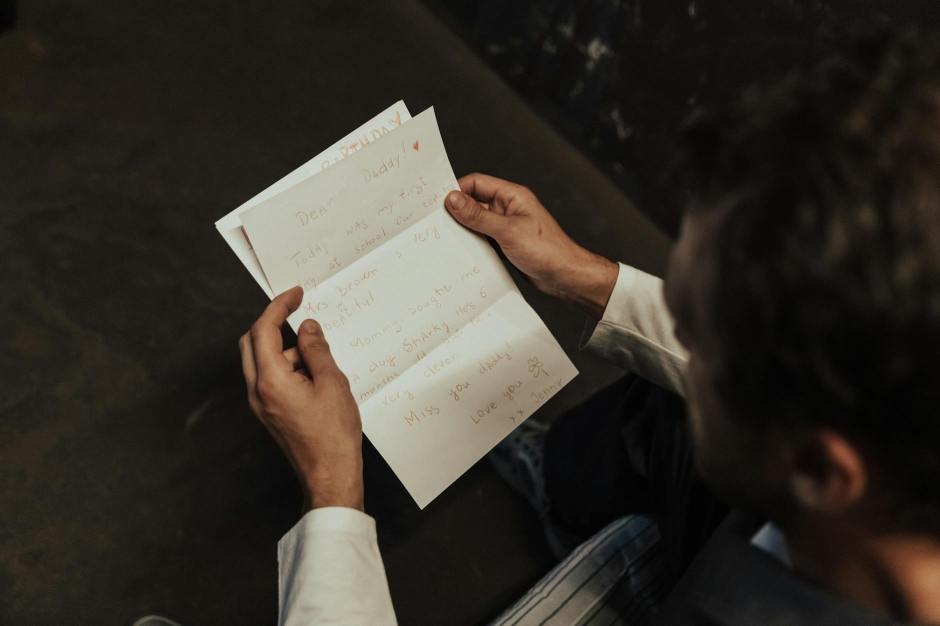
As for gifts, the best gift is often a phone call, a card, the gift of time. From a writer, the best gift can be a story or poem.
Do not wait until the day before Father’s Day. I always find that my best work needs to sit for a while and undergo revisions before it is ready to be shared.
How to start. Everyone has their own technique. If I am writing a poem specifically to laud someone, I usually begin by listing everything about them I admire. We all notice different things. Details are important.
Or you can share an important memory and write it in prose or in verse. It can be serious or funny. Make someone laugh and you are halfway to penning something they’ll treasure.
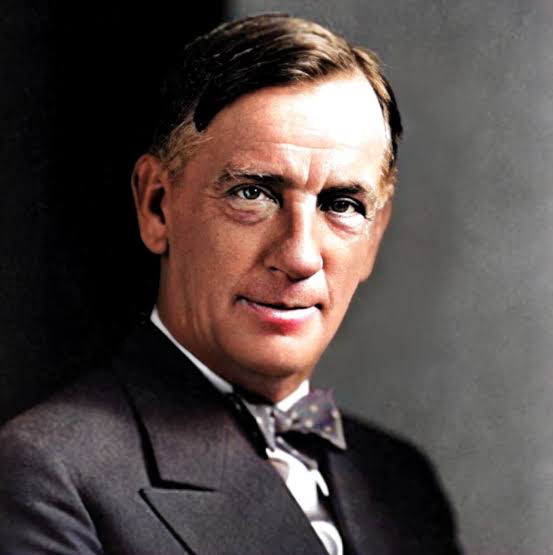
You are writing your piece for one person. It does not have to be a masterpiece. One poet, who was popular in his time, was widely published in newspapers. His name was Edgar Guest and he was an English poet who lived a long life, 1881-1959. His poems definitely make me laugh. Here are two.
Father
By Edgar Guest
My father knows the proper way
   The nation should be run;
He tells us children every day
   Just what should now be done.
He knows the way to fix the trusts,
   He has a simple plan;
But if the furnace needs repairs,
   We have to hire a man.


My father, in a day or two
   Could land big thieves in jail;
There's nothing that he cannot do,
   He knows no word like "fail."
"Our confidence" he would restore,
   Of that there is no doubt;
But if there is a chair to mend,
   We have to send it out.


All public questions that arise,
   He settles on the spot;
He waits not till the tumult dies,
   But grabs it while it's hot.
In matters of finance he can
   Tell Congress what to do;
But, O, he finds it hard to meet
   His bills as they fall due.


It almost makes him sick to read
   The things law-makers say;
Why, father's just the man they need,
   He never goes astray.
All wars he'd very quickly end,
   As fast as I can write it;
But when a neighbor starts a fuss,
   'Tis mother has to fight it.


In conversation father can
   Do many wondrous things;
He's built upon a wiser plan
   Than presidents or kings.
He knows the ins and outs of each
   And every deep transaction;
We look to him for theories,
   But look to ma for action.
Only a Dad
By Edgar Guest
Only a dad with a tired face,
Coming home from the daily race,
Bringing little of gold or fame
To show how well he has played the game;
But glad in his heart that his own rejoice
To see him come and to hear his voice.

Only a dad with a brood of four,
One of ten million men or more
Plodding along in the daily strife,
Bearing the whips and the scorns of life,
With never a whimper of pain or hate,
For the sake of those who at home await.

Only a dad, neither rich nor proud,
Merely one of the surging crowd
Toiling, striving from day to day,
Facing whatever may come his way,
Silent whenever the harsh condemn,
And bearing it all for the love of them.

Only a dad but he gives his all
To smooth the way for his children small,
Doing with courage stern and grim,
The deeds that his father did for him.
This is the line that for him I pen:
Only a dad, but the best of men.
The famous English poet Elizabeth Barrett Browning, 1806-1861, was encouraged by her father to write poetry, and thus it is no surprise that she wrote poems especially for him. Here is one penned for his birthday.
To My Father on His Birthday
By Elizabeth Barrett Browning


Amidst the days of pleasant mirth,
That throw their halo round our earth;
Amidst the tender thoughts that rise
To call bright tears to happy eyes;
Amidst the silken words that move
To syllable the names we love;
There glides no day of gentle bliss
More soothing to the heart than this!
No thoughts of fondness e’er appear
More fond, than those I write of here!
No name can e’er on tablet shine,
My father! more beloved than thine!
‘Tis sweet, adown the shady past,
A lingering look of love to cast—
Back th’ enchanted world to call,
That beamed around us first of all;
And walk with Memory fondly o’er
The paths where Hope had been before—
Sweet to receive the sylphic sound
That breathes in tenderness around,
Repeating to the listening ear
The names that made our childhood dear—
For parted Joy, like Echo, kind,
Will leave her dulcet voice behind,
To tell, amidst the magic air,
How oft she smiled and lingered there.
Now it is time to write a poem or story of your own, in your style.
Elizabeth Barrett Browning may not be your style. The birthday poem to her dad was written when she was 20 years old. It captures her feelings at the time and was published in her 1826 poetry collection. Eventually she and her father had a falling out. He disowned her when she married the poet, Robert Browning.
Sometimes the memory or experience of something special, can help to inspire you. Remember you are writing for just one person, or maybe in this case two people, yourself and the recipient. Let your ideas flow and don’t start editing until you’ve written down all your thoughts.
If you’d like to create a card and a poem at the same time, here is a prompt on how to create Collage Poems. Whatever you come up with, if you consider it successful in capturing the essence of your dad, check out this opportunity to be published in the upcoming issue of Instant Noodles Literary Magazine,
If you haven’t delved into the Zine scene lately, you may be missing out! A zine, pronounced “zeen,” short for “fanzine” or “magazine” is a personal hand-crafted publication that can contain anything the creator’s imagination can supply and often devoted to unconventional subject matter!
Zines are made to share, trade, explore, discover and celebrate all modes of self-expression that can be printed: writing, art, photography. All you need to create a basic one is pen and paper. (A photocopier helps if you want to produce more quantity!)
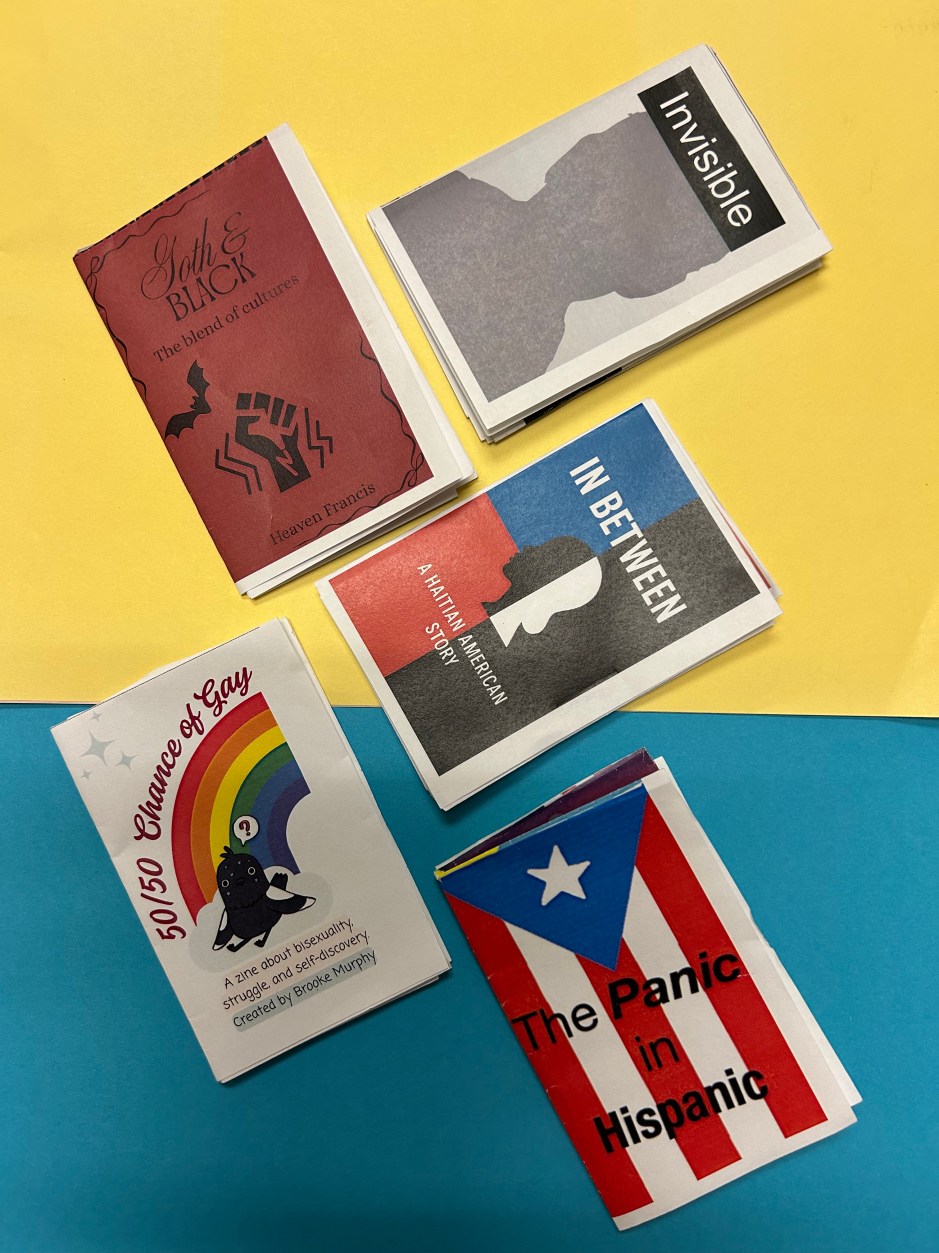
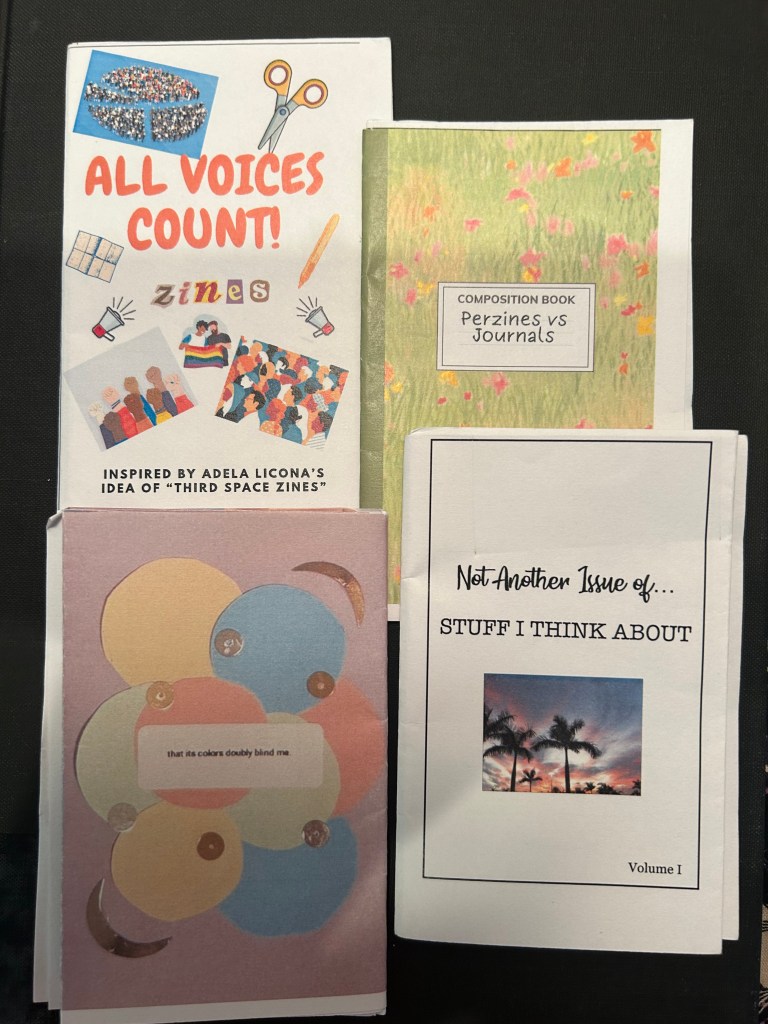
My latest close encounter with zines happened when a professor at the university where I work asked to display her students’ zines in the library where others could read them or even take one with them if they wanted. She was teaching a class called Zine Writing and her students produced a variety of zines on fascinating topics ranging from their personal struggles with cultural assimilation to social justice issues affecting them and their families. I was really captivated by their insightful observations and the accompanying artwork, which included collages, flags, maps, masks, pictures of food, drawings and even a playlist!
These zines were tiny pamphlets cleverly folded from a single 8.5 X 11 piece of paper, but zines come in all shapes and sizes.
How-to Zine
A quick YouTube search will yield many zine-making tutorials:
This guide shows how to make a zine from a single piece of paper such as the students did—no staples required!
Find a Zine Event Near You!
If you want to fire up your imagination, you can view original zines or learn how to craft one at a Zine fair or Zine fest! Zine events take place worldwide; you can easily search for your city or region and zine fair/ zine fest / zine event and the current year to find a zine-making workshop at your local library or a zine festival that includes many publishers:
Printed Matter lists both national and international zine events organized by state or country.
“Founded in 2015 by EXILE Projects as part of O, Miami Poetry Month, the Fair is a free, public celebration of self-publishing and independent print culture. Each year, it brings together over 150 artists, writers, illustrators, activists, and poets from Miami and beyond.
Visitors can explore hundreds of zines—handmade and expertly crafted—alongside workshops, performances, and multimedia projects. Open to all ages and backgrounds, the Miami Zine Fair invites the public to browse, touch, and engage with the vibrant world of independent publishing.”
Zine New Wave
Some see the Zine resurgence as a response to an increasingly digital world:
One reason writers and poets are attracted to the zine medium:
”Zines offer an intimate platform for sharing personal stories, poetry, and experimental writing that might not fit into traditional publishing models.”
The above article offers advice on how to delve deeper into the zine culture:
“Zine Fairs and Festivals: Keep an eye out for local and online zine fairs. These events are fantastic opportunities to discover new zines, meet creators, and connect with the community.
Independent Bookstores and Art Spaces: Many independent bookstores and art galleries are now stocking zines, recognizing their cultural significance.
Online Communities: Platforms like Instagram and Tumblr host thriving zine communities. Search hashtags like #zine, #zinester, #diyzine, and #[yourcountry]zines to discover creators and connect with others.
Directly from Creators: Many zine makers sell their work directly through their own websites or social media. Support independent artists by buying directly!”
“Social critiques, personal diary rants and impassioned protests are just some of the topics commonly discussed within feminist zines. Zines are able to bypass traditional gate-keeping mechanisms that silence non-dominant voices and perspectives. As a result, zines offer a platform upon which feminists of all genders are using words, images and other non-violent discursive practices to advocate for equity, mobilize activist efforts and build and sustain community.”
You can see how zines have become a much-valued venue for self-expression!
Dip a toe in the zine pool and you might wake up a tsunami of creativity!
by Nadja Maril,a founding member of Old Scratch Press Collective
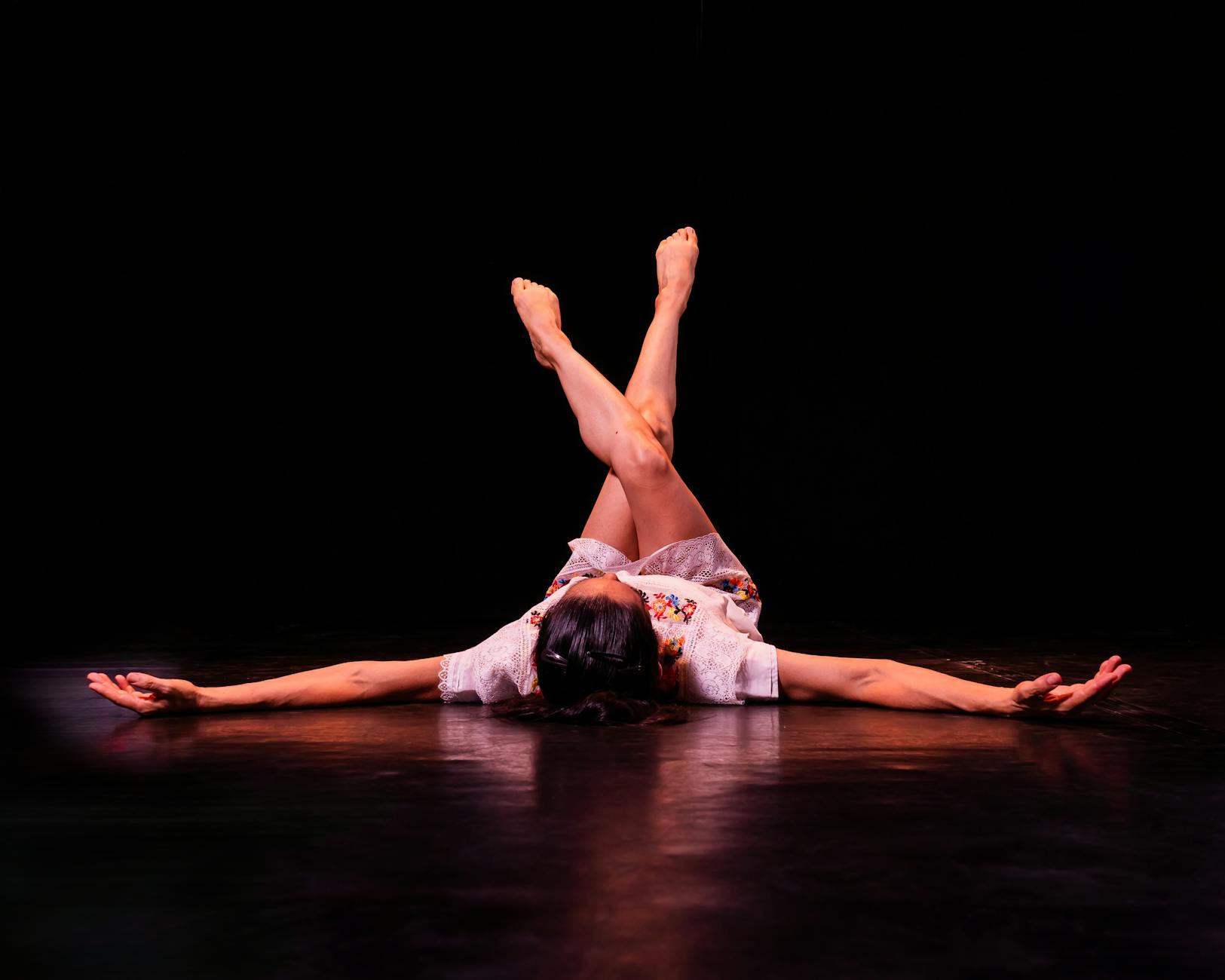
Many decades ago, I choreographed a dance to accompany a poem. I selected a poem by E.E. Cummings, “In Just—” Which in my mind I titled, “In Just Spring.”
I picked that particular poem for its exuberance. I could imagine myself interpreting the verse with movements that were both fast and slow, languorous and springy. The challenge was to select movements that I could execute while reciting the words.
in Just-
spring          when the world is mud-
luscious the little
lame balloonman

whistles          far          and wee

and eddieandbill come
running from marbles and
piracies and it's
spring

when the world is puddle-wonderful

the queer
old balloonman whistles
far          and             wee
and bettyandisbel come dancing

from hop-scotch and jump-rope and

it's
spring
and

         the

                  goat-footed

balloonMan          whistles
far
and
wee
This poem was written in 1923, over one hundred years ago.
Cummings was an experimenter who developed his own personal style. Although classically trained, with multiple degrees from Harvard University, he used punctuation as it suited him. Spaces on the page were seen as opportunities to spread out the pacing or to combine several words into one breath. Conjunctions were sometimes nouns and selected words might take on additional assigned meanings.
Hailed as one of the most influential and important poets of the 20th century, Cummings embraced the concept of Visual Poetry. Words were placed on the page to create shapes and images that serve to reinforce the mood of the verse.
It was easy for me to dance the role of the goat-footed balloon man, after seeing the words establishing his presence “skip” across the page.
The line “whistles far and wee” is spread out, which enabled me to say the individual words with enough time to run from one side of the stage to the other side.
In writing poetry, thought is often devoted to line breaks and capitalization. Traditional or avant garde, the last word in a line typically takes on greater importance. By choosing not to capitalize the first word of a line, emphasis is softened.
Try changing the line breaks on a poem you are working on. How do your changes impact the poem? Try adding extra spaces between words or merging them together. Once again, how do these changes reshape a poem’s texture and meaning?
In contrast, when you write a prose poem using sentences, it is the order and sound of the words that must create the poetry. No one approach is better than another. It all depends on what you are trying to achieve.
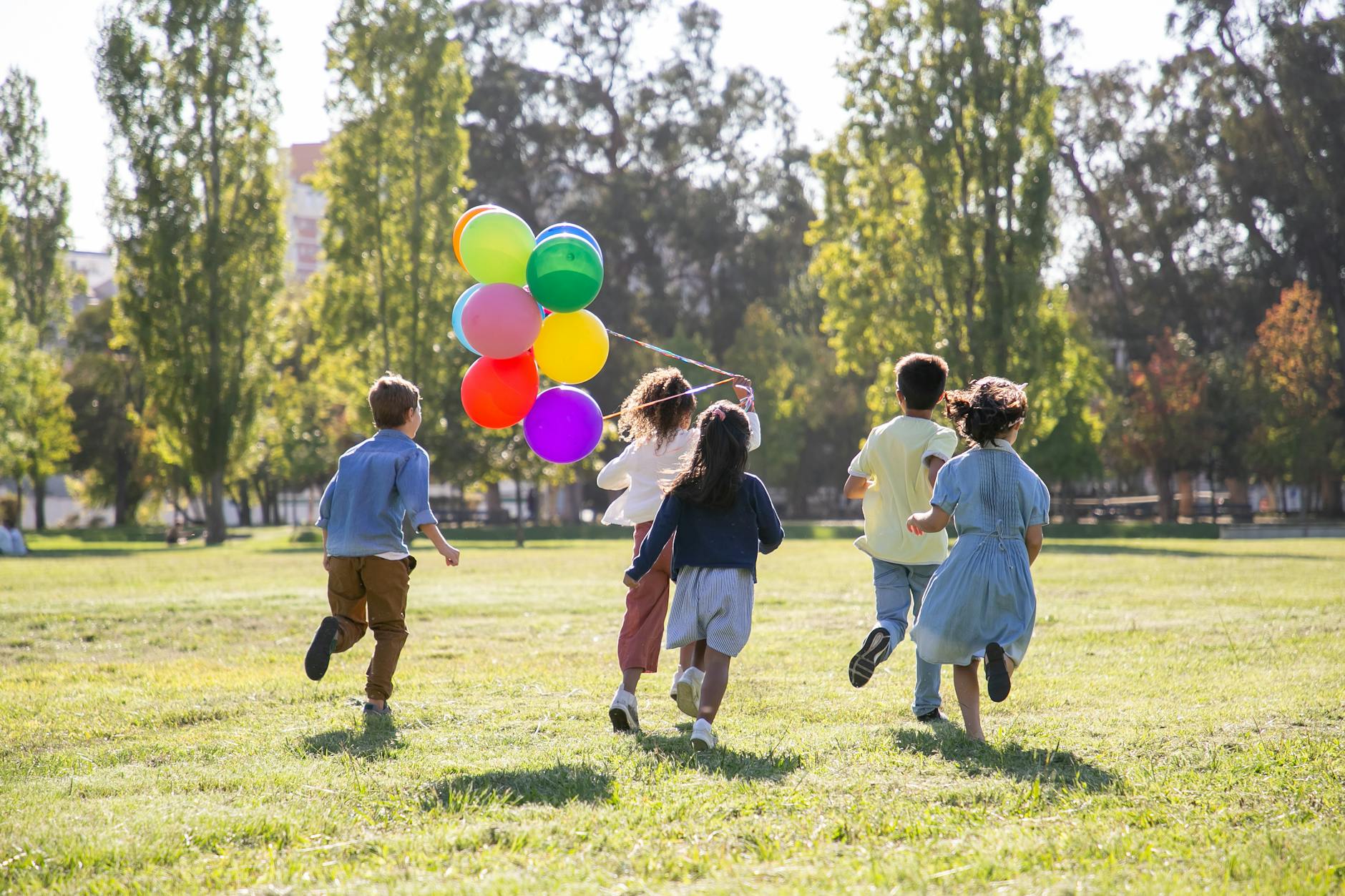
In a few more weeks it will officially be Spring, here in the Northeast USA where I live. I look for birds returning from the winter vacation in the south and I hear “in-Just” recited inside my head. Crocuses begin pushing up through the muddy soil. Bicycles are pulled out of storage and pastel chalk pictures are drawn on the sidewalk. No balloon man, but it is the start of outdoor birthday parties.
The idea of adding movement to your recitation of a poem, may inspire you to choose different words when writing verse.
WRITING PROMPT: Try writing a poem about a season, place, or time. Maybe your piece is about a mood such as anger or maybe it is about a feeling such as being satiated. Often a poem focuses on the visual, but instead think about movement. Use active verbs. In Cummings short poem the wind and the balloon man whistle. The children run and dance.
What did you create? Maybe you’re on to something you like. Keep playing with the concepts and see where they lead you. Part of the enjoyment of writing, is discovering what works and what doesn’t work.
Read the work of other poets, and as March is Women’s History month, I am going to suggest three women poets:
Writers and Readers, don’t forget to forget to follow us on Facebook to get the latest news and learn about submission opportunities.
Nadja Maril is an award winning writer and poet who has been published in dozens of online and print literary journals and anthologies including: Lunch Ticket, Spry Literary Journal, Invisible City Literary Review, Instant Noodles and The Journal of Compressed Creative Arts. She is the author of Recipes From My Garden, published by Old Scratch Press (September 2024), a Midwest Review California Book Watch Reviewer’s Choice. An Anne Arundel County Arts Council Literary Arts Award winner, her work has been nominated for the Pushcart Prize and The Best of the Net. She has an MFA in creative writing from Stonecoast at USM.
The holiday/end of year issue of INSTANT NOODLES, the issue where we always ask people to try for humor. Do you have what it takes to make us smile?
Submissions for 2025 are open through November 2, 2025.
The Old Scratch Press team asks that all fiction/non-fiction pieces adhere to a word count of 1,000 words or less.
2025 Themes and Topics
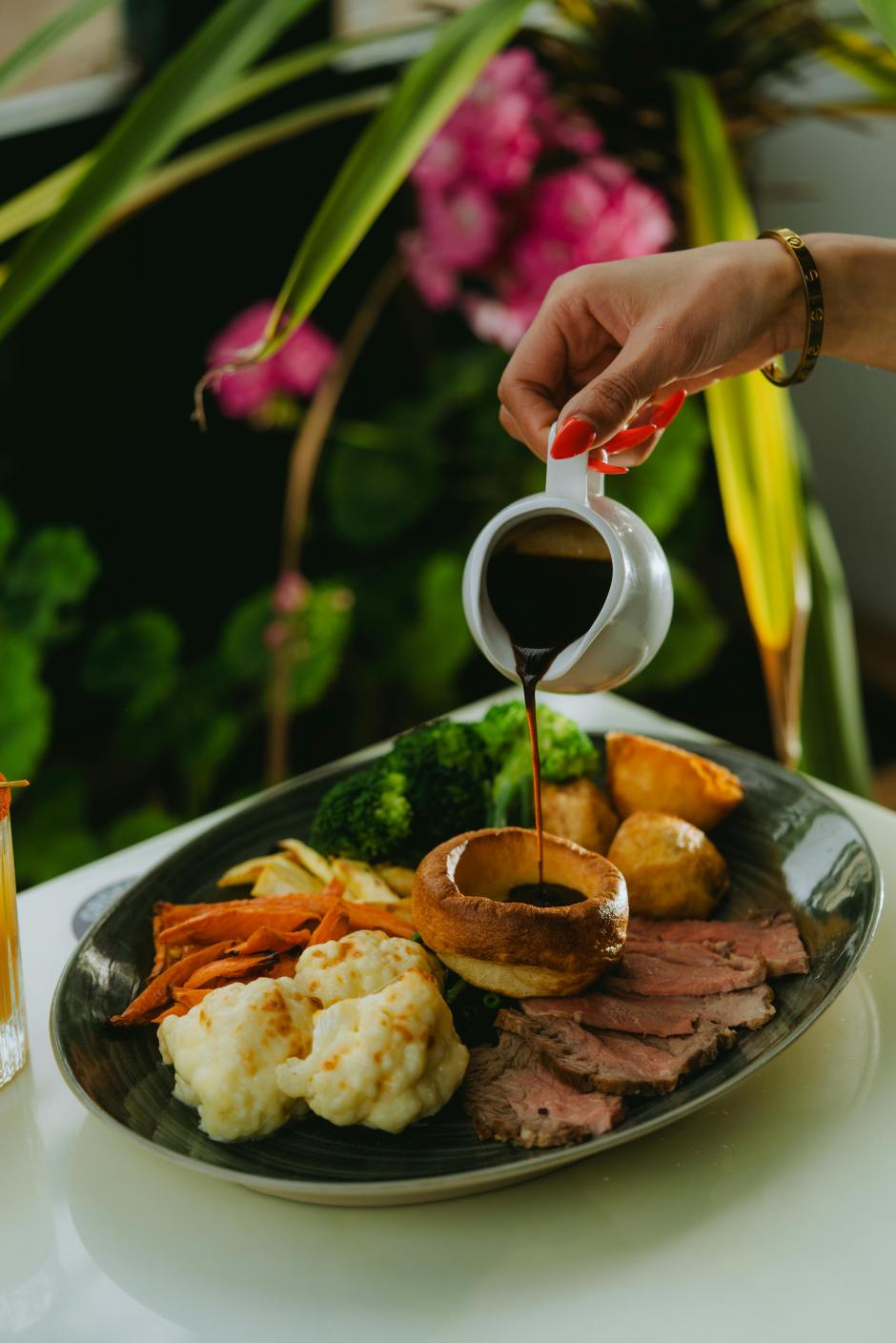
GRAVY is our 2025 winter holiday theme. Give us your best holiday gravy fails, mishaps, ridiculous gravy encounters (any December holiday, from Hannukah, to Solstice, to NYE, etc.) or your best wry work about gravy, in general. The point of the end-of-year issue is always to be light-hearted to downright silly. Submissions for GRAVY are open through NOVEMBER 2, 2025; the issue will publish on DECEMBER 1, 2025.Please CLICK HERE to submit. We’re looking for short fiction, non-fiction, poetry, drama, art, and multi-media.
INSTANT NOODLES is always free to submit to, and free to read. We’re about to announce the pieces that were published that we’re submitting to BEST OF THE NET and PUSHCART, so stay tuned to this station!
Thanks for being an INSTANT NOODLES participant and/or fan! We appreciate you giving indie authors a place to get read!
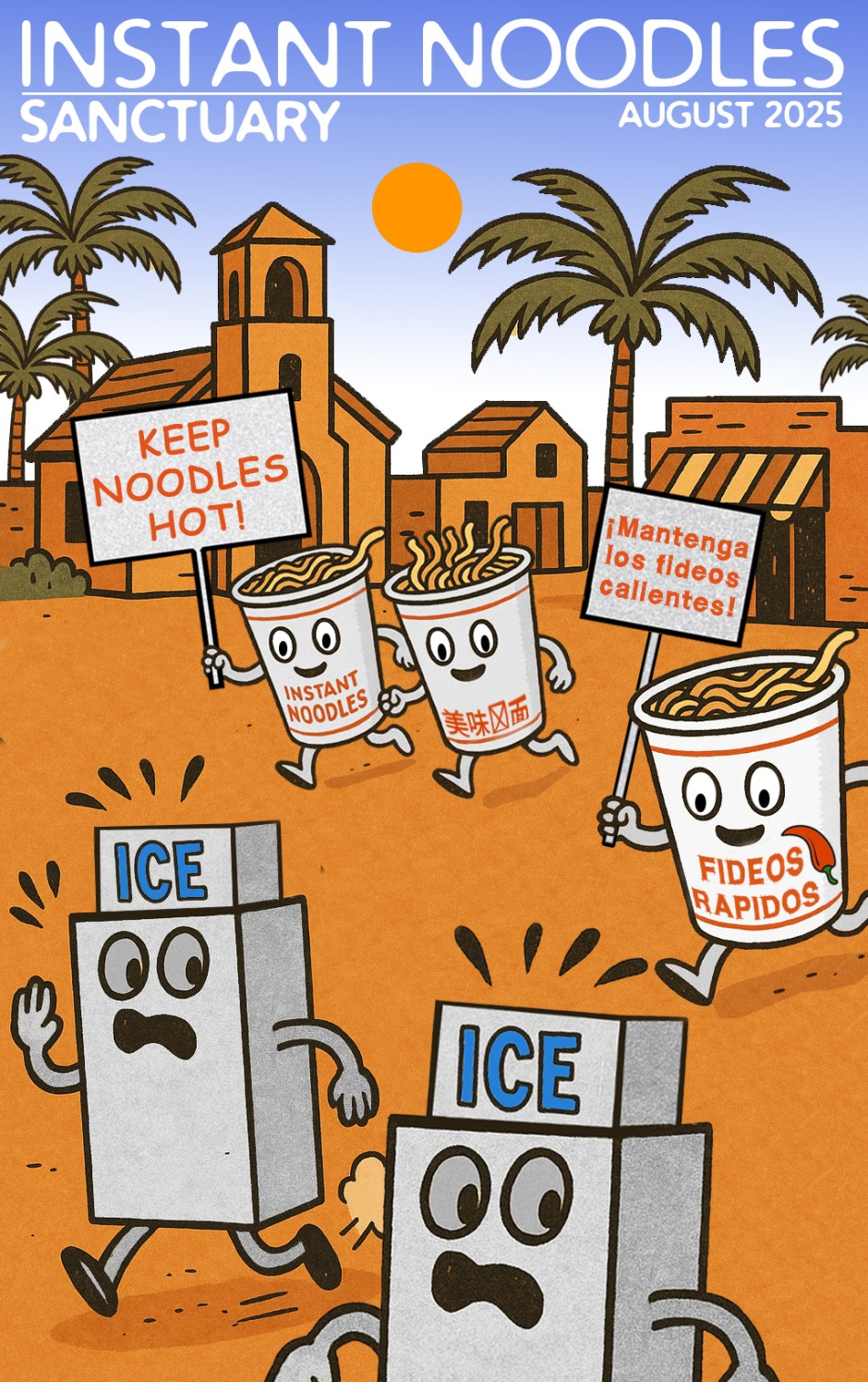
For many of us, reading is a means of escaping the clamor of the real world for a brief time. The theme of the current issue of Instant Noodles is “Sanctuary.” If you’re seeking to give your brain a respite from the news feed, head on over to read the latest issue, curated by the members of Old Scratch Press!
Instant Noodles is open for submissions for our Winter issue! If you have a piece that fits our “Gravy” theme and is on the light-hearted side, please check out the submission guidelines here! We try to fill our Winter issue with fun and mayhem, so please remember that HUMOR, not melancholy is our ask for this issue!
Old Scratch Press is also seeking new members to join our collective! If you write short form pieces (like flash fiction, poetry, or flash memoir), and you’re interested in working with our collective to publish your collection of work, check out our submission guidelines at Duotrope to see if we might be a good fit! The submission window closes on August 31!
Before you read this you’ll want to check out the NEW issue of Instant Noodles Literary Magazine which has some excellent examples of creative nonfiction along with poetry, short stories and eye catching artwork.https://instantnoodleslitmag.com/
Now let’s talk a little about CNF.
In my previous profession as an antiques dealer, I came across many 18th and 19th century journals and often the most remarkable thing about them was their impeccable penmanship.
Nowadays the word journaling connotes the writing of innermost thoughts; but often the journals I encountered contained lists of items purchased and/or a record of weather events. If someone did write down deep and personal information, they hadn’t left it behind to be found by a stranger.
In the 20th century it was fashionable to keep a “diary” and diaries came with locks and keys. Many stories have been told about a diary being read by a parent or a diary falling into the wrong hands. The locked diary contained things not meant to be shared.
Whatever was written in a journal or diary was someone’s truth.
Gradually a shift in what can be shared and what must be kept secret occurred. True stories, nonfiction, became popular fodder for books, movies, and television series. We are intrigued by the unbelievable. In literature, the memoir that thoughtfully reveals the life of the author is celebrated.
Creative nonfiction is a writing genre that can be tricky to define. Based on a true event, the creative designation, indicates the importance of artistry. The writer seeks to use their craft to convey a feeling, a fear, a triumph, a predicament they personally experienced or witnessed.
Often creative nonfiction and poetry cross paths. A poem can be inspired by a witnessed event or experience, and therefore some might call it creative nonfiction. A flash creative nonfiction story with rhyme, alliteration, and rhythmic sentences could be categorized by some as a prose poem.
Here is an example for you to ponder, a prose poem by American poet Amy Lowell.
Bath
By Amy Lowell (1874-1925)
The day is fresh-washed and fair, and there is a smell of tulips and narcissus in the air. The sunshine pours in at the bath-room window and bores through the water in the bath-tub in lathes and planes of greenish-white. It cleaves the water into flaws like a jewel, and cracks it to bright light. Little spots of sunshine lie on the surface of the water and dance, dance, and their reflections wobble deliciously over the ceiling; a stir of my finger sets them whirring, reeling. I move a foot and the planes of light in the water jar. I lie back and laugh, and let the green-white water, the sun-flawed beryl water, flow over me. The day is almost too bright to bear, the green water covers me from the too bright day. I will lie here awhile and play with the water and the sun spots. The sky is blue and high. A crow flaps by the window, and there is a whiff of tulips and narcissus in the air.
***
Each person’s perception of what they witnessed is slightly different. Then the question shifts to how much is fact and how much is fiction. Has the story has been changed to suit the storyteller? In the telling and the writing, the emphasis of what was important may shift. Once again, this can be the result of artistic interpretation.
The process of writing creative nonfiction has me returning to it again and again. Pure fiction has its own joys, but creative nonfiction provides an opportunity for personal discovery. Why do i remember an event a certain way, I ask myself, while someone else remembers it differently? Maybe that tells me something about myself.
The best way to develop an appreciation for creative nonfiction is to read it.
Thank you for reading this post and visiting the Old Scratch Press Blog. This Sunday, August 3rd. from 2:00 to 5:00 p.m., several members of the Old Scratch Press Team are participating in an international Poetry Reading, Blot of Blue
And you can attend online. Here is the information and invitation.