Thank you for reading. Please sign up to follow us on Facebook and to follow us here on WordPress to expand your knowledge about poetry and short form writing as well as to receive the latest news about publication opportunities.
In January, 2024 I wrote a blog on Hybrid Poetry which is an integration of two or more art forms, where one form is text.
If you create a hybrid work, who should you collaborate with? If you choose another person you will have to coordinate with them and all their peculiarities. Such a Drag! Why not collaborate with yourself? Only have to deal with when you are in a good or bad mood.
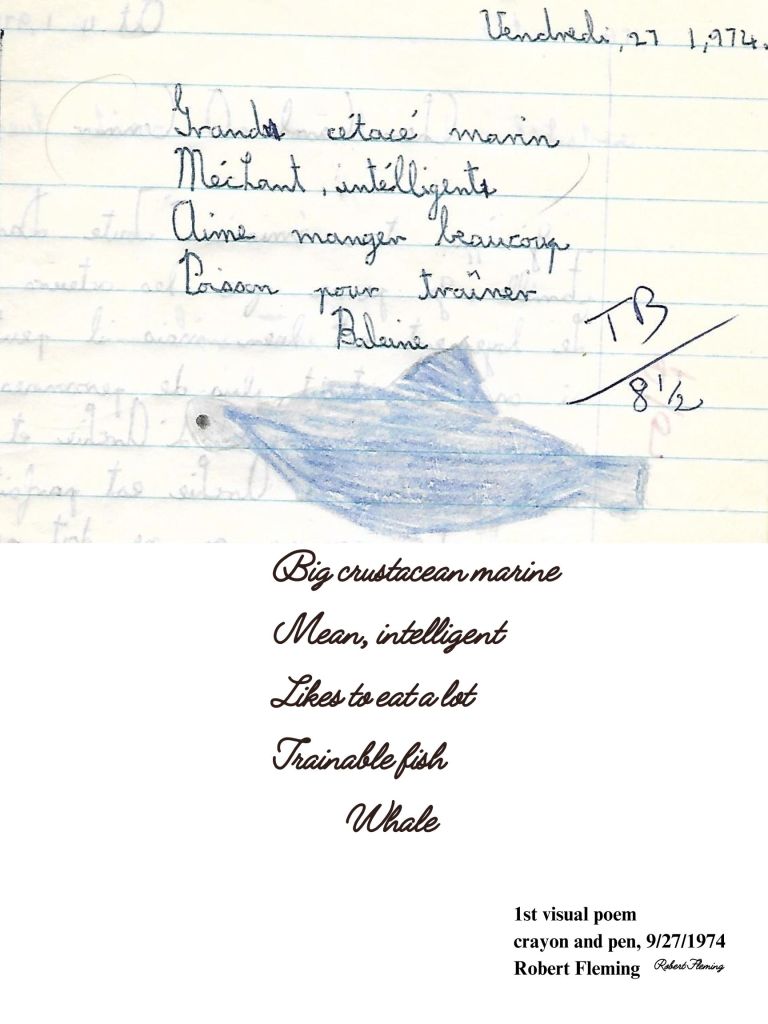
My hybrid blog showed my first visual poem, at age 11, I integrated poetry and visual drawing with crayons.
Figure 1.
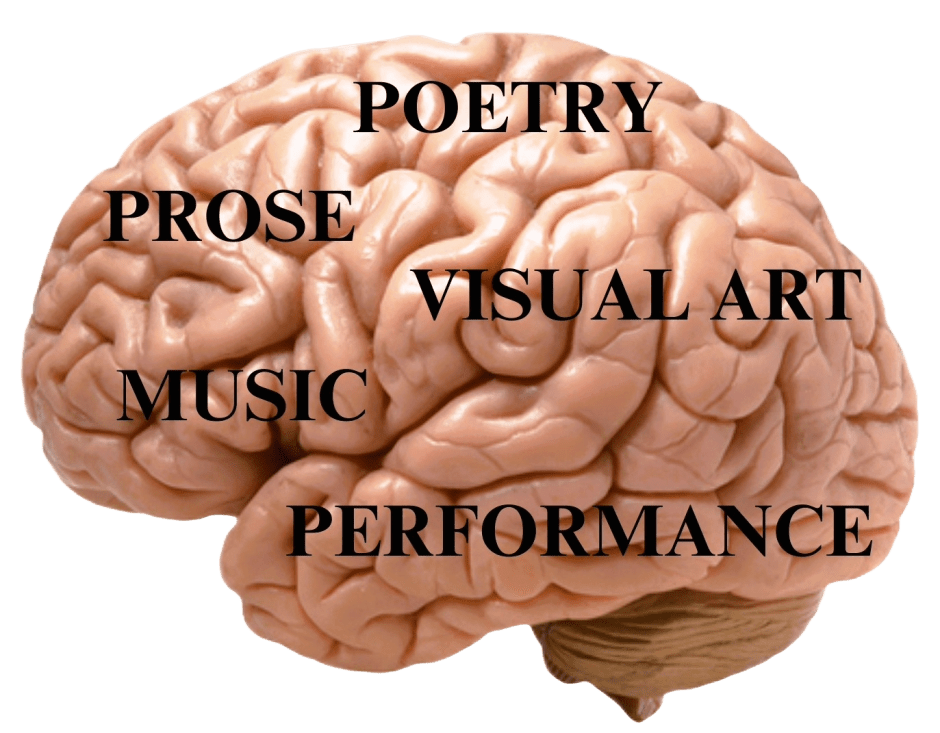
Do you have two or more skills that can be integrated? Pick them from this list.
writing poetry
writing prose
creating visual art
music: playing an instrument
singing
When you join two skills, it might have been given a name:
prose poetry = writing prose and writing poetry
visual poetry = writing poetry and creating visual art
performance poetry = (playing an instrument or singing) and writing poetry
If you have integrated two skills before:
How did it go?
Would you do it again?
Consider not just the quality of your work but did you enjoy it?
In deciding whether to collaborate with yourself:
Comparatively at what skill level (beginner, intermediate, advanced) are your two skills? Are they at the same skill level or different? My two skills of writing poetry and creating visual art are at the same level.
If your skills levels are not at the same level (e.g. intermediate in writing poetry, beginner in playing an instrument), can you accept that your work produced is likely to be at the lower skill level?
What will you do with your work: celebrate it and share it with others, share it with yourself, or trash it?
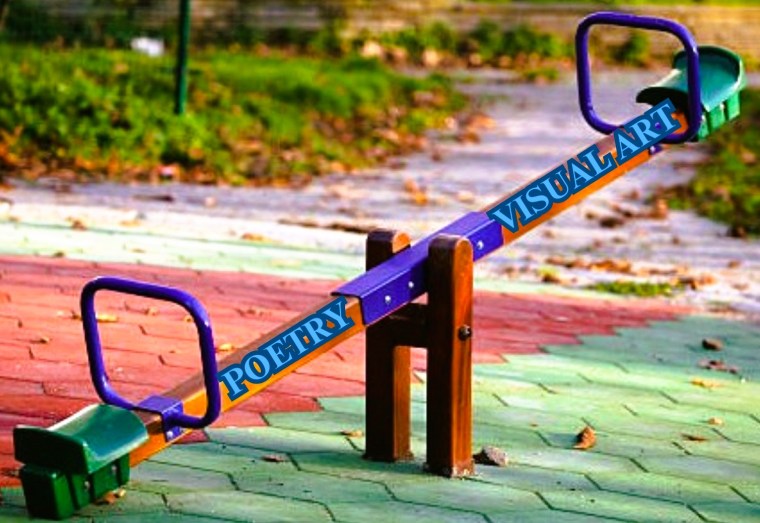
Mem So CA / Hole in Head Cover – seesaw 2
Cycling between genres: At the current time, what is your inspiration for creating different types of work? I cycle through different time periods where I am motivated to spend a different percent of time on each genre (25% poetry, 50% visual art, 25% visual poetry). In 2022, when I was producing my visual poetry book, White Noir, 75% of my time was in visual poetry.
What’s it going to be?
Collaborate with yourself?
No: stick to one genre
Yes: try it as an experiment
Collaborate with others? Read Robert’s upcoming blog.
Robert Fleming, a contributing editor of Old Scratch Press
Thank you for reading. Please sign up to follow us on Facebook and to follow us here on WordPress to expand your knowledge about poetry and short form writing as well as to receive the latest news about publication opportunities.
Thank you for reading. Please sign up to follow us on Facebook and to follow us here on WordPress to expand your knowledge about poetry and short form writing as well as to receive the latest news about publication opportunities.
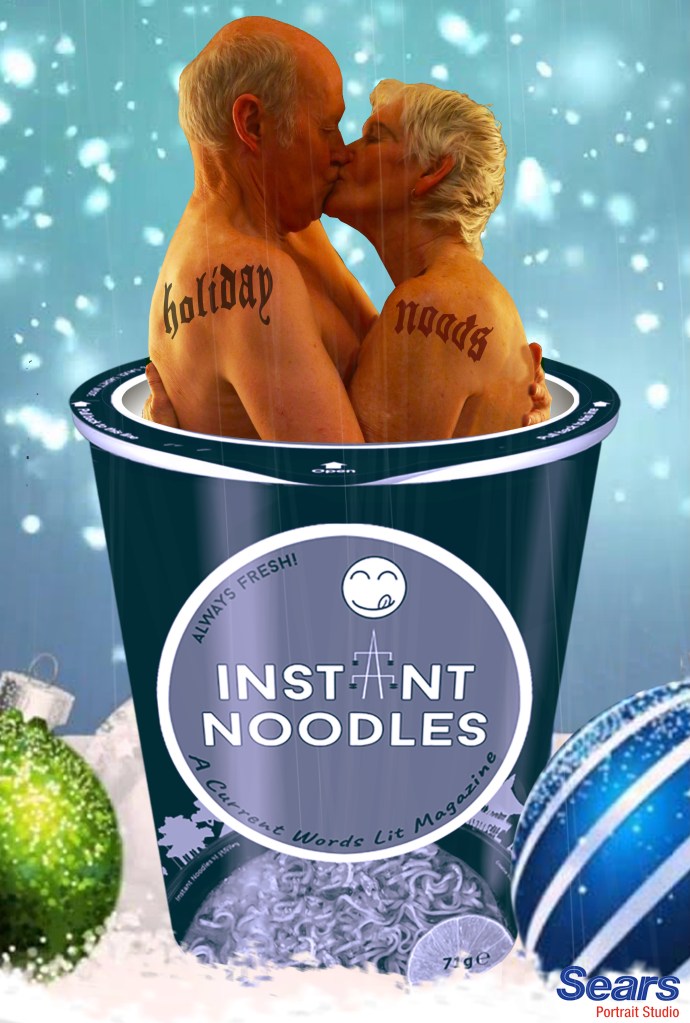
The holiday/end of year issue of INSTANT NOODLES, the issue where we always ask people to try for humor. Do you have what it takes to make us smile?
Submissions for 2025 are open through November 2, 2025.
The Old Scratch Press team asks that all fiction/non-fiction pieces adhere to a word count of 1,000 words or less.
2025 Themes and Topics
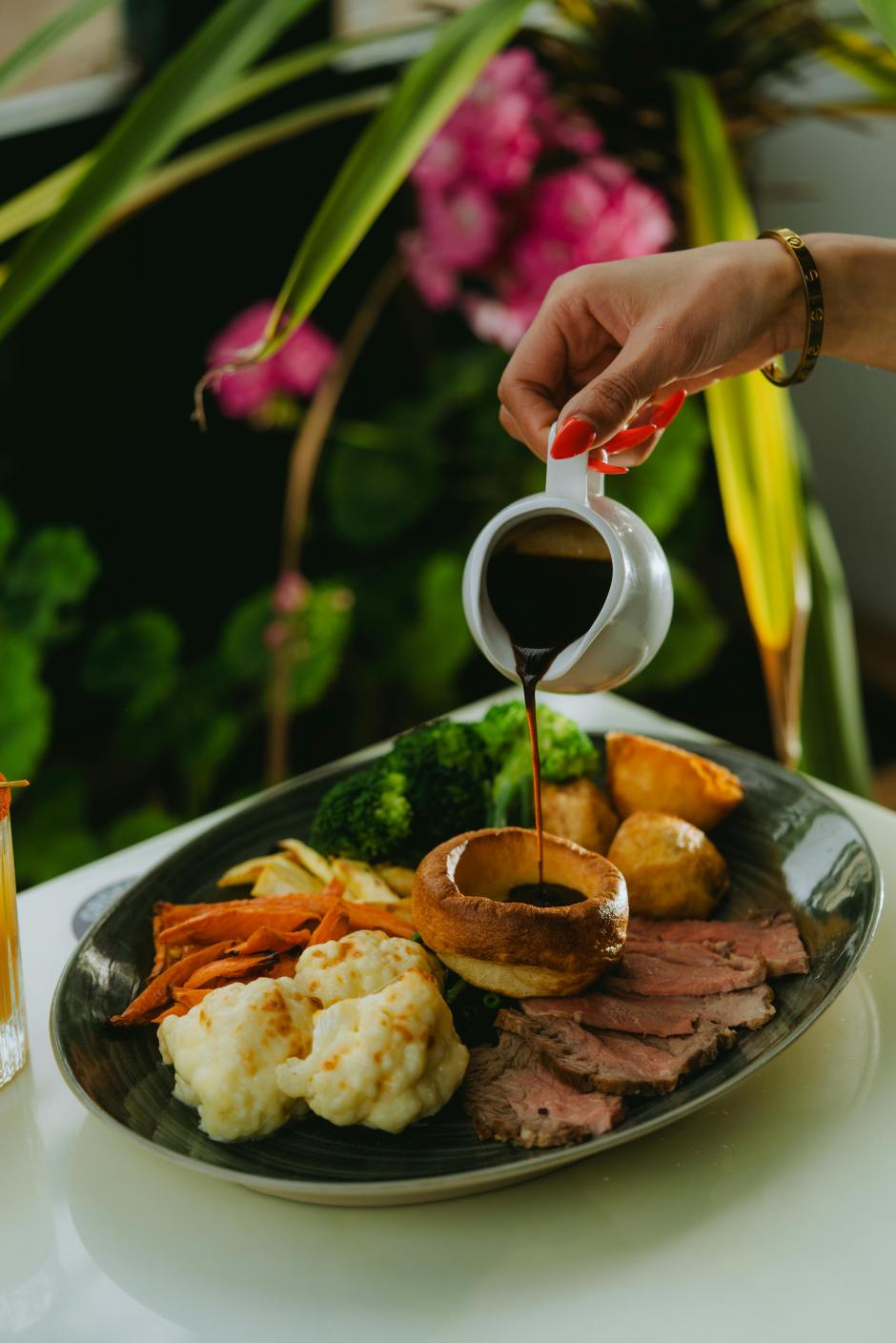
GRAVY is our 2025 winter holiday theme. Give us your best holiday gravy fails, mishaps, ridiculous gravy encounters (any December holiday, from Hannukah, to Solstice, to NYE, etc.) or your best wry work about gravy, in general. The point of the end-of-year issue is always to be light-hearted to downright silly. Submissions for GRAVY are open through NOVEMBER 2, 2025; the issue will publish on DECEMBER 1, 2025.Please CLICK HERE to submit. We’re looking for short fiction, non-fiction, poetry, drama, art, and multi-media.
INSTANT NOODLES is always free to submit to, and free to read. We’re about to announce the pieces that were published that we’re submitting to BEST OF THE NET and PUSHCART, so stay tuned to this station!
Thanks for being an INSTANT NOODLES participant and/or fan! We appreciate you giving indie authors a place to get read!
So confused. Isn’t a voice linked to speaking, singing, and screaming? What does a voice have to do with writing? What the fu** Robert?
A “writing voice” refers to the unique style and personality a writer expresses through their writing, which is a combination of their vocabulary, tone, sentence structure, and perspective, essentially how their individual personality comes across on the page.
Most poetry magazine acceptance rates are about 2.4%. In order to increase your chance of publication acceptance success, create a writing voice and then target publications that have published work with your voice within the last two-years.
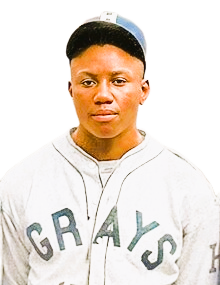
A writing acceptance rate is like a baseball player’s batting average (BA). Josh Gibson’s 1946 BA of 37.2% is the highest career Major League Baseball BA.
Josh Gibson
My poetry voice profile:
Style: experimental
Themes: masculinity, sexual orientation, sin/virtue, dystopia
Forms: visual poetry, free-verse, Japanese Haiku/Mondo, sonnet, and pantoum
Devices: sound (rhyme, alliteration, assonance), duality, homonyms, multiple-word-reversals, and end-titles
CREATING a WRITING VOICE
Oh NO Mr. Robert, an assignment is coming. Sir and madam, it is, I cannot lie.
A sleepless night, 3/14/1996, yours truly obsessed compulsed, to translate four of his favorite poets to a gay style: Robert Frost, William Shakespeare, John Berryman, and Dorothy Parker.
What I did for each poet:
Select a favorite poem
Analyze and document what the poem is (theme, form, devices) and why you like it
Read the poem out loud
Make an audio recording of your reading
Handwrite the poem
Type the poem
Translate the poem to your style
Place the original poem and translation side by side
What was the outcome impact of yours truly doing this exercise:
In 1997, a follow-up creation of a visual poem that translates Dorothy Parker was included in art show in the District of Columbia
Self-discovery that my style is experimental and an integration of one of the poets studied: Robert Frost and another poet: Dr. Seuss
More Voice Discovery guidelines: make diverse selections
Select work written in different time eras: 50% 1,800 or earlier, 50% 1,900 and later
Gender: 50% men, 50% woman
Style (traditional vs experimental): at least 1 experimental
Discover your writing voice and use it!
Yours Truly is:
Robert Fleming, a contributing editor of Old Scratch Press
Thank you for reading. Please sign up to follow us on Facebook and to follow us here on WordPress to expand your knowledge about poetry and short form writing as well as to receive the latest news about publication opportunities.
For Halloween what are digital graphic artists doing? Yours truly, is making digital images of monsters. Oops! Oh NO, I came out as a digital graphics artist. I will show you how, to make monsters.
My inspiration for monsters is the novel Frankenstein by Mary Shelley first published 1/1/1818. Since Mary died 2/1/1851 and Frankenstein sells 40,000 copies a year, who is collecting Mary’s royalties? Hmm?
Mary Shelley’s beautiful neckline
Frankenstein, Mary’s first monster child
HOW TO MAKE YOUR OWN MONSTER
One of the computer software tools I use to create digital graphics is Canva which has a free and paid version. Home – Canva. To create a monster:
access a device with www access
choose your image which could be a photograph you took or an image which is free (in public domain) on the www
cut away the parts you don’t want by cropping the image which is like using an electronic scissors
if the image background has a border frame (like white) you don’t want, you can remove it by using computer software to remove background like Adobe Express Free Image Background Remover | Adobe Express
on the www go to Canva
in Canva create a Design
upload your image(s) into Canva (toolbar to the left of your image)
copy/move your uploaded image to your design page
click on the image
duplicate the image page (so you will have the original), toolbar on the top right of the image, click on the +
move your curser to the duplicate image
click on edit, toolbar above your image, left side
on left side of image, click on apps “see all”
click on Liquify (4th row, far right)
click on Flow (2d row, far right)
set the flow options: melt amount 1 / melt scale 1/ woble amount 1 /woble scale 1
if you like the image, click on “save”
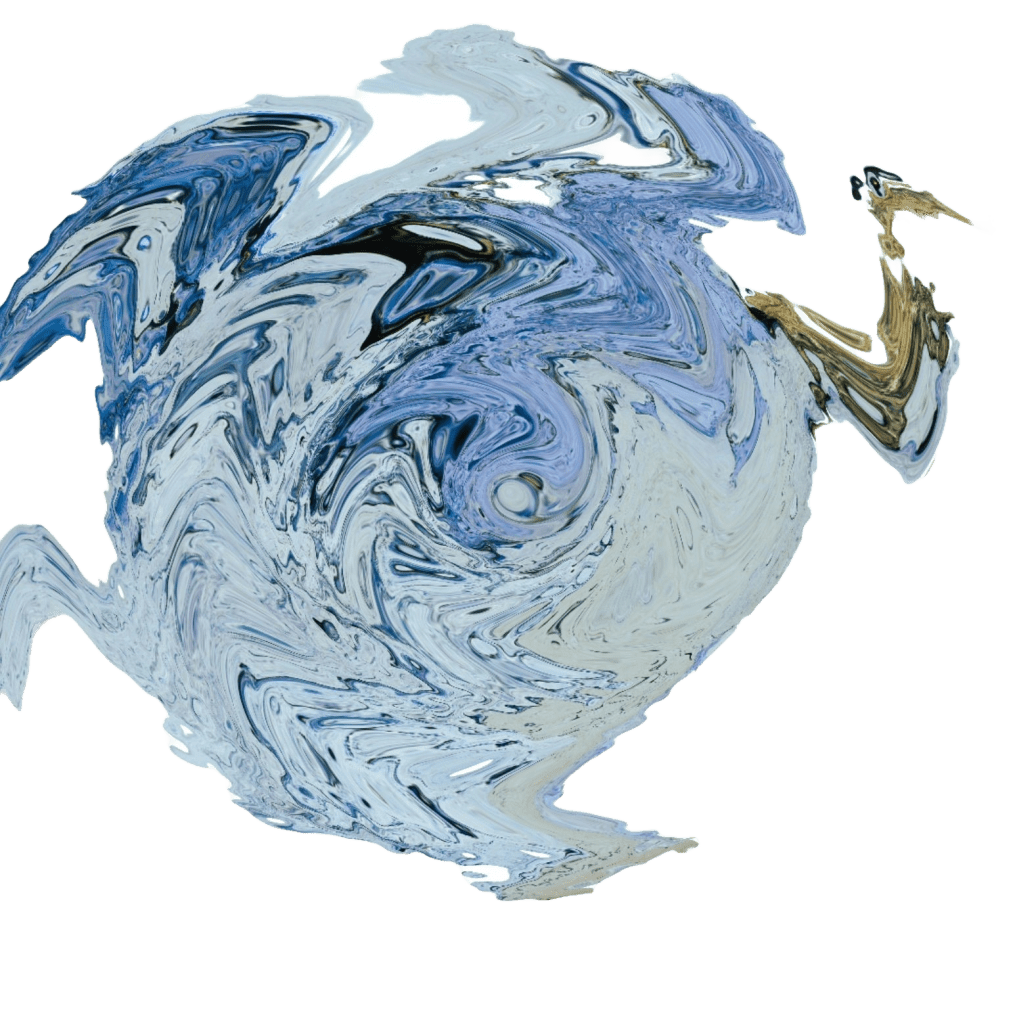
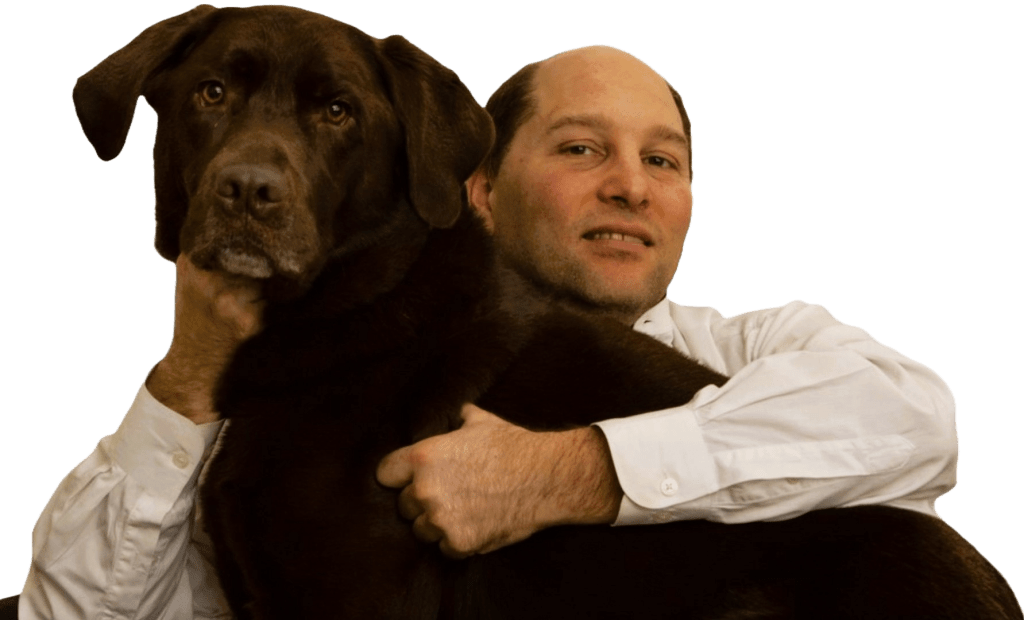
Original ImageEdited Monster Image
ADD COLOR
if you are confidant and feeling adventurous, then add color to the image click on the image
click on edit
click on the app ColorMix
click on the parakeet (2nd row, far right)
if you like the image, click on save
Monster image with different color.
Another example: Transforming a photograph using a funhouse technique.
Original Image edited monster image like mirror in fun house
DIRECTIONS
return to Liquify
Click on Melt (1st row, 2nd column)
set the melt options: melt amount .5 / melt scale .5
if you like the image, click save
I send you courage to make your own digital graphics monsters.
Yours Truly is:
Robert Fleming, a contributing editor of Old Scratch Press