It’s #LitMagWeek, a celebration of the independent literary magazines that give writers a place to take chances, find readers, and get their work out into the world.
Start with our own Instant Noodles Literary Magazine, sponsored by Current Words Publishing and curated by the Old Scratch Press Collective.
Then go exploring! Check out some of our fellow literary magazines celebrating this week:
By Nadja Maril, a founding member of Old Scratch Press Poetry and Short Form Collective
Before humans had pen and paper, or stone and chisel, they had their voices. The oral tradition of storytelling goes back to the days preceding recorded history. Repetition and rhyme aid memory. In many cultures, the story becomes a poem or a song.
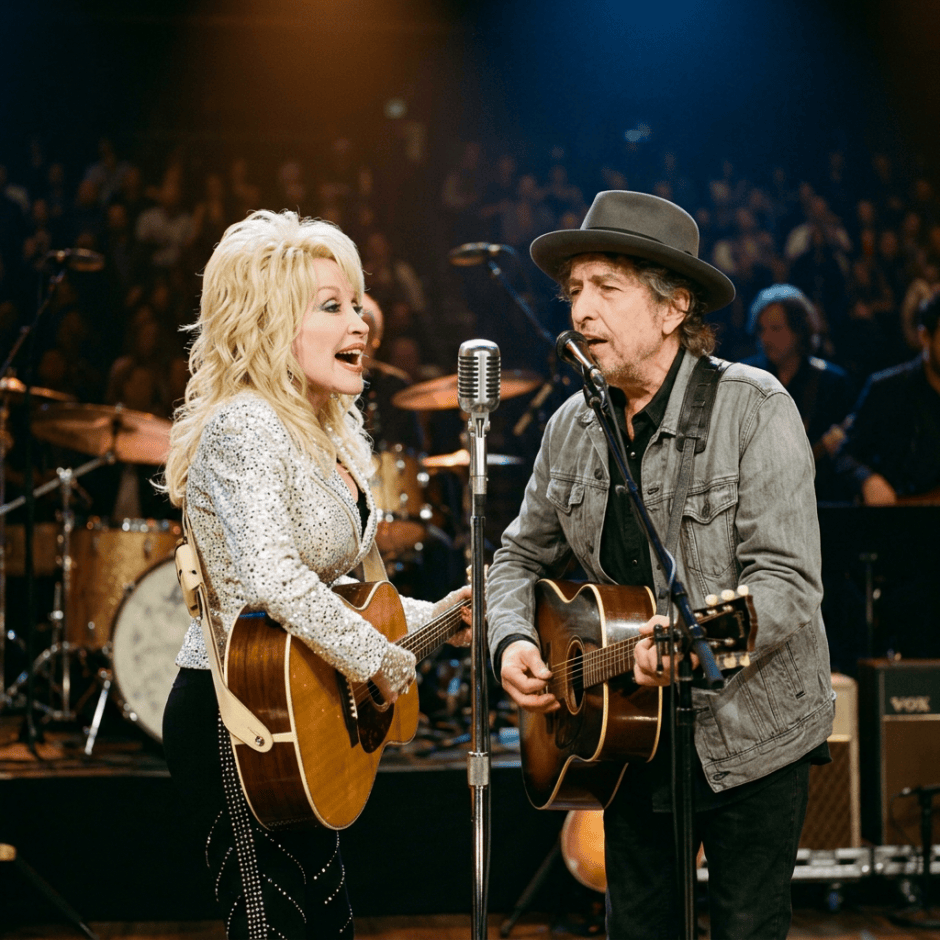
I was thinking about this as I mourned the death of Dolly Parton. Not only was she an extraordinary performer and philanthropist, she wrote over 3000 original songs. Many of her songs, were inspired by her life experiences. Her song, “Coat of Many Colors” is really a mini memoir that shares a part of her early childhood.
The best creative nonfiction is written with honesty. Intuitively the reader can sense when the writer is inventing or exaggerating truth. Dolly Parton’s work comes across as genuine. I wrote in my personal blog about her authenticity as a human being. For the Old Scratch Press platform I’d like to further explore the art of songwriting.
In “Light of a Clear Blue Morning,” she shares her resolve that professionally following a path, minus her mentor Porter Wagner, is the right choice for her performance career. Listen to the first two lines of the chorus “Cause I can see the light of a clear blue morning/ I can see the light of a brand-new day’ https://genius.com/Dolly-parton-light-of-a-clear-blue-morning-lyrics
Dolly is not the only great American Songwriter. I would be remiss if I didn’t give some space to Bob Dylan, another legend. In 2016 the Nobel Prize Committee broke convention by awarding the Literature Prize to Bob Dylan for “for having created new poetic expressions within the great American song tradition.” Yes, songs are poems. Here is a link to the complete speech.
It’s hard to know where to begin when sharing which Bob Dylan song is my favorite. The first one I learned when I started playing the guitar was “Blowing in the Wind.” The song that always brings tears to my eyes is, “Forever Young” and the one I find particularly nostalgic is “If You See Her, Say Hello.”
Before I ever started writing poetry, I was writing little songs inside my head because that’s what all toddlers do. I am not unique. I just remember.
If you are having difficulty writing a line or a sentence, try saying it aloud as a chant. Maybe you hear it accompanied by music. Maybe you don’t. Not every songwriter has a voice meant for performing, but the act of saying/singing/chanting phrases can provide a new approach to your creative journey. It’s worth a try. Writing includes experimentation.
A few years ago a short creative nonfiction essay of mine, titled “Lipstick” was published in Hare’s Paw Literary Journal. It took many attempts to find a home for this particular essay. On reflection, part of the difficulty was in deciding on an appropriate title.
In contemplating “writer’s notes” about this particular piece of writing, I remember thinking about how titles set up certain epectations.
During that lull, after I’ve sent out my work and for several months while waiting for a response, always there is self-doubt. Is the essay too short, too long. Did I mess up the tenses again. Is is too negative? Will readers find it disturbing? Will editors opposed to any type of make-up be turned off? Yes, a lot of weird thoughts were whirling around in my mind, and several of them centered on the title I’d chosen. I’d started to question my choice . Did I give I it the right title?
I felt I’d written something good. I’d workshopped it with some colleagues and received some positive feedback from editors who ”couldn’t find space for this particular piece in our upcoming issue, but please send us more work…” so I sensed I’d written something powerful, but had I chosen the right title?
Titles are hard. At least they are hard for me. I know they are important. As a former journalist, I know it is the headlines ie titles that people read first and maybe the only thing they read. Maybe if they see the title “lipstick,” I thought, they will literally think it is an essay about lipstick. Maybe I should have chosen a title that indicated it was about a fraught relationship between a mother and a daughter.
If a piece has been submitted to a magazine and it’s anonymously sitting in the slush pile, a reader/editor might barely read the work, if they decide they don’t like the title. After all, they’ve got a whole bunch of other stories waiting to be read. Maybe they shouldn’t even bother. Perhaps they are asking themselves, will this particular story interest me?
As a writer, not as an editor, I want my title to be appropriate. When I put on my editor’s hat, I’m thinking I want a title that will draw readers in and how does one do that?
As a writer, I try to draw on advice from other writers, who suggest choosing a poignant line from your piece and taking that line as your title, or as an alternative approach, selecting a moment that will evoke surprise as your title. For surprise I could have chosen, What I did when I Found Her on the Floor. For an evocative line I could have chosen, “The silence grows longer and longer.”
Often I start writing and I do not know what I’m truly writing about until my journey is coming to a close. Selecting a title can help me clarify what are the most important aspects ot the story.
I’m wondering whether this desire of mine to find the perfect title could be turned into a writing prompt. As the hot summer days seem longer forcing us to spend more time indoors and fellow writers are all looking for fresh approaches, here is an idea. Try writing your title first and specifically focus on a scene in the story that will create tension.
WRITING PROMPT: Think of a scene from your past, full of tension and conflict. Maybe it was the moment your boss handed you a pink slip or you were standing in the cafeteria line and realized you’d forgotten your voucher or wallet. What made this situation tense? How did you feel at the time? What were you thinking about? What were your physical responses?
You can do this with fictional characters and situations as well. The title, “The Moment My Boss Handed Me a Pink Slip” is obvious or maybe not. Perhaps the title will change depending on the actions that ensue. But it’s a beginning.
Picture the scene in your mind. Select a few important details that stand out. Try writing the same scene again for ten minutes with a different variation. Did you learn anything?
Thank you for reading and for your feedback. If you have a favorite technique for titling your work, please share. We’d love to post it.
If you’ve never had a writing mentor, you may not realize you need one. If you’ve had a mentor, you probably know what an impact they’ve had on your writing.
A mentor’s role can be complex, encompassing the roles of teacher, editor, advisor, parent, friend, coach, cheerleader, critic, judge, proofreader, and sounding board.
As such, they are an invaluable resource at any stage of your career, but especially so at the beginning, whatever your age.
Many poets go it alone at first, but almost no one significantly improves alone. A good mentor shortens the time and distance between where you are and where you want your writing to be. They help you see the habits you repeat without noticing, the strengths you underestimate, and the opportunities you’d never spot on your own.
In a field where progress can feel slow and uneven, the guiding hand of a mentor gives you structure, accountability, and a clearer path forward. If you want your work to grow better with intention—not just luck—mentorship is one of the most effective tools you can invest in.
If you are lucky enough to find a mentor at the right stage in your writing life, then you will be ahead of the game in more ways than one.
Reasons You Need a Mentor
This article by Shane Manier makes a great case, among many other excellent points, for hiring a mentor as a time and money-saving move.
Many writers naturally gravitate toward MFA programs hoping to find that kind of mentorship; sometimes the magic happens and an inspirational teacher becomes a long-time mentor:
Dr. Cody Smith found one in her MFA professor Jonathan Johnson.
“I remember thinking, This is what it means to be a teacher. Jonathan was a teacher who, instead of teaching you the material, taught you how to love the material.”
But realistically, given the elusive and indefinable chemistry that is involved in the mentor/mentee relationship, and the time constraints, there aren’t enough Creative Writing professors to go around and they have so many students throughout the years, that it can’t always work out.
For those of you outside creative writing programs, there are other places you can search for mentors. In my case, I went searching for mine online. I began looking for the websites of poets whose work I had read and admired. Some of them offered workshops or classes. I found that one poet whose poetry I had never forgotten over the years, Andrea Hollander, offered one-on-one tutorials, so I contacted her.
That fortunate decision led to a years-long series of phone tutorials (no Zoom back then!) with Andrea, who became a friend and mentor as well. We have kept in touch over the years; we share our writing news and she continues to support my work and alert me to publishing opportunities. Even after all these years, every time I write, I hear her voice in my head, guiding me, much as you would remember what a parent would say or advise in certain situations.
You might prefer to meet with your mentor in person, in which case you should attend local poetry events to search for one, as this author did successfully:
“At a poetry open-mic event, I connected and found one of my mentors, having witnessed his performance and interaction with fellow poets and event organisers.”
”The AWP Writer to Writer Mentorship Program is open to all AWP members who identify as emerging writers, but they particularly encourage applications from those writers who have never been associated with an MFA program, and those writing from regions, backgrounds, and cultures that are too often underrepresented in the literary world.”
”The Latinx in Publishing Writers Mentorship Program offers the opportunity for unpublished and unagented writers who identify as Latinx (mentees) to strengthen their craft, gain knowledge about the traditional publishing industry, and expand their professional connections through work with experienced Latinx authors (mentors).”
“A five-session workshop on the vocabulary of poetics · Taught by Tamarah Rockwood
The heart of the workshop is the mentorship. Starting in Session 2, every participant submits one poem per session for individual written feedback from me, returned by email before the next class. Across the series, that produces forty-eight feedback letters, one for every poem from every poet in the room. This is not a lecture you are buying. It is a writing relationship.”
Some of you may fear to be too heavily influenced by a more experienced poet’s style in a mentor/mentee relationship and this discussion from New Writing North addresses that issue:
“I’ve heard people speak of mentors with concern. The usual fear is usually one of influence – that the mentor’s style and interests will rub off too heavily on their work. Personally, I see it as a dialogue. The chance to speak directly to a writer you admire about poetry in general, and about your poems specifically.”
Pay It Forward
In the end, we all can hope that the advantages outweigh these concerns and the difficulties we have to overcome to find a poetry mentor. In my case, I know I would not be where I am without my mentor’s timely guidance. She gave me confidence to find my own voice and style and helped me learn to distinguish between a promising poem and one that needed more work. She pushed me to challenge my abilities and try poetic forms I had not attempted before. She inspired me to submit my work more widely and to dare to aspire to more discerning markets. But most of all, she taught me how to be a good mentor in my turn. I have tried, in my small way, to emulate her and to encourage budding poets that I have met and give them confidence to send their work out into the world.
Everyone needs encouragement and poets especially operate in a very obscure and underrated field that is not always well received or understood by the general public.
As poet Chloe Yelena Miller says in a Savvy Verse & Witinterview by Serena Agosto-Cox, “May we all find the mentors we need at the right time”!
AL DENTE In cooking, pasta or risotto al dente (/ælˈdɛnteɪ/, Italian: [al ˈdɛnte]; lit. ’to the tooth’) is cooked to be firm to the bite, requiring a brief cooking time. The term also extends to firmly-cooked vegetables. In contemporary Italian cooking, it is considered to be the ideal consistency for pasta.
What does al dente mean to you? To your neighborhood vampire it probably means something different. How about to the prospector mining gold?
Send us something that you haven’t overcooked!
Submissions close on July 5, 2026; the issue publishes SEPTEMBER 1, 2026.
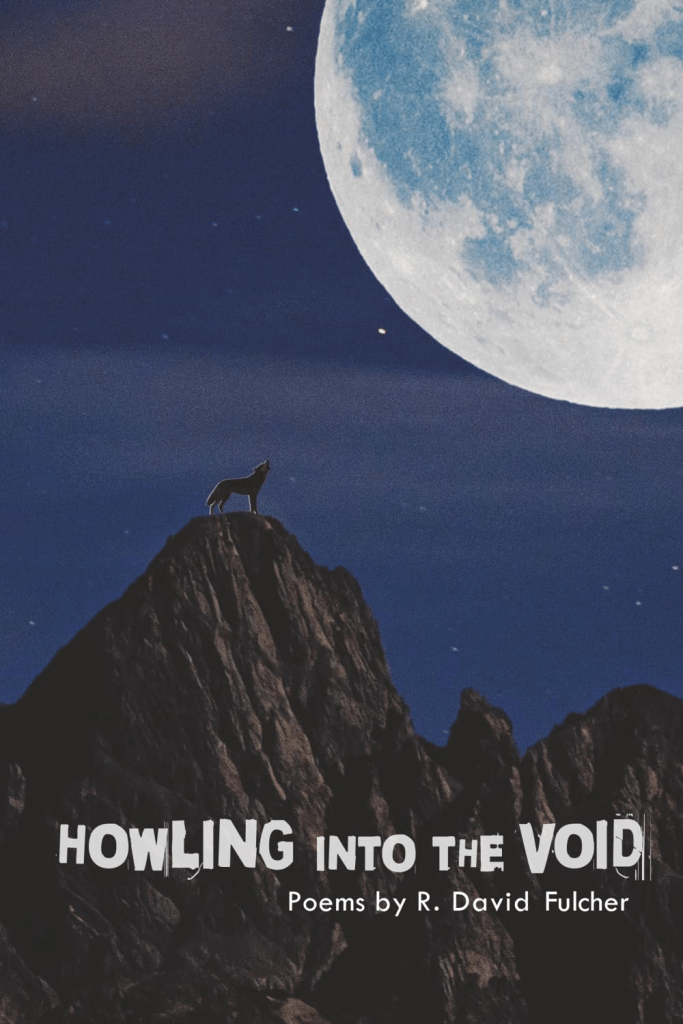
READ ONE OF OUR MEMBERS’ LATEST POETRY COLLECTION:
Whenever I’ve written something I feel really conveys what I was striving for, I want to share it. But often, it sits on the computer for a while. Until published, the words are out there but they are not being read. Enter the world of literary magazines, a wonderful opportunity to share not just your own work but to be part of a larger community.
In 2020, publishers Dianne Pearce and David Yurkovich launched Instant Noodles Literary Magazine. Six years later it is still going strong. As their business and projects have expanded, so has the Instant Noodles Literary Magazine team. While Dianne makes the final decisions, she has some help. Members of The Old Scratch Press short form and poetry collective serve on a rotational basis as Contributing Editors. We have a voice in choosing the themes and selecting work.
As a writer and poet who frequently expresses herself through the medium of (CNF) Creative Non Fiction, these are the submissions I’m most often reading. I read each piece submitted to Instant Noodles several times. I’m interested to discover how the writing responds to our theme. Most of the fiction and poetry I write is inspired by true life events. I am awed by writers who successfully blend reality, imagery and memorable characters into story. Not every submission sits squarely within one genre. Some straddle the line between reality and fantasy, between poetry and prose. We can’t offer payment, but we can bestow praise.
This issue, I’d like to gush about a certain piece I really liked. A piece I’d like the world to read and think about. It was submitted as CNF. In many ways it comes across to me as poetry. As with any short piece of work, every word counts. As a reader, that’s what I’m reading for, power in each word.
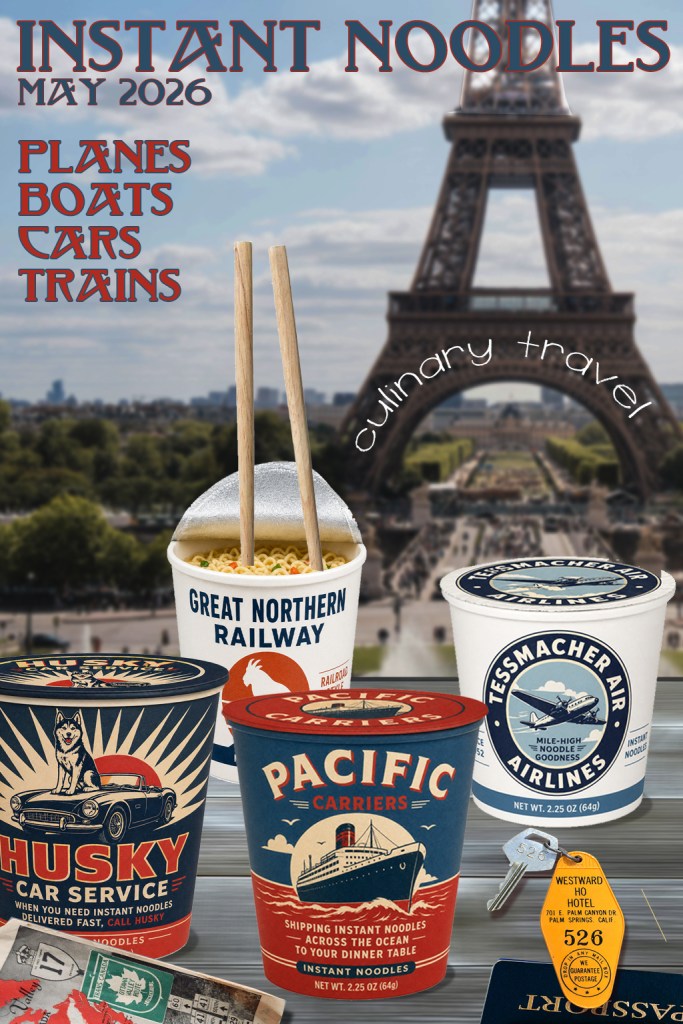
The 2026 issue May theme just released, is titled Planes Boats Cars Trains. When I suggested the theme, I envisioned all the ways transportation impacts our lives and how many exciting stories take place when a character is moving from one place to another. I wasn’t thinking about animals or freedom, but that is the beauty of words. We all perceive our world in different ways. A good artist can share their vision.
The piece is called, “From Cage to Street” and is written by Tamara-Lee Brereton-Karabetsos. It begins in the first sentence to take the reader to the Serengeti plains of East Africa where a line of trucks are transporting wild animals. You’ll have to use your imagination to decide whether these animals are zebras, tigers, gazelle or something else. What you do know is they have fur and ears that twitch.
“Engines hum. Metal shakes. Paperwork counts weight, not panic.
Inside, bodies shift where they can, small movements, breaths caught between bars.”
She contrasts the business of checking locks and papers with the vibrations of the shaking vehicle. The writer contrasts herself with the animals. She is walking free and unencumbered, Each selected image— a swing, running dog, a kite— echoes the contrast.
“The wind brushes my face, a dog darts past, a child’s kite catches the sun.
Each step is choice. Each breath is mine. Each glance is unbound.”
Her poem/essay shifts back to the unloading of the crates and in her telling she slows down time for me as she expresses the melancholy of the caged versus the free.
“Animals shift from one container to another. The journey continues, but choice is absent.
Instinct carries memory of plains, but the body moves through something imposed, not chosen.”
This piece creates a sense of place and communicates the author’s appreciation of the physical agency of walking and choosing your own destination. I am pleased we were able to publish it and I urge you to take the time to read it along with many of the other fine pieces in this issue.
Thank you Tamara and thank you writers for making ours such a strong community. The next theme currently being read is Al Dente. Think pasta cooked just so, not too soft and not too stiff. Do you have a piece of writing that meets that criteria? What does Al Dente mean to you?
Remember that Instant Noodles Literary Magazine believes in helping fellow writers by nominating their work for prizes. Please send us your best work.
Thank you for reading and please follow us here and on Facebook.
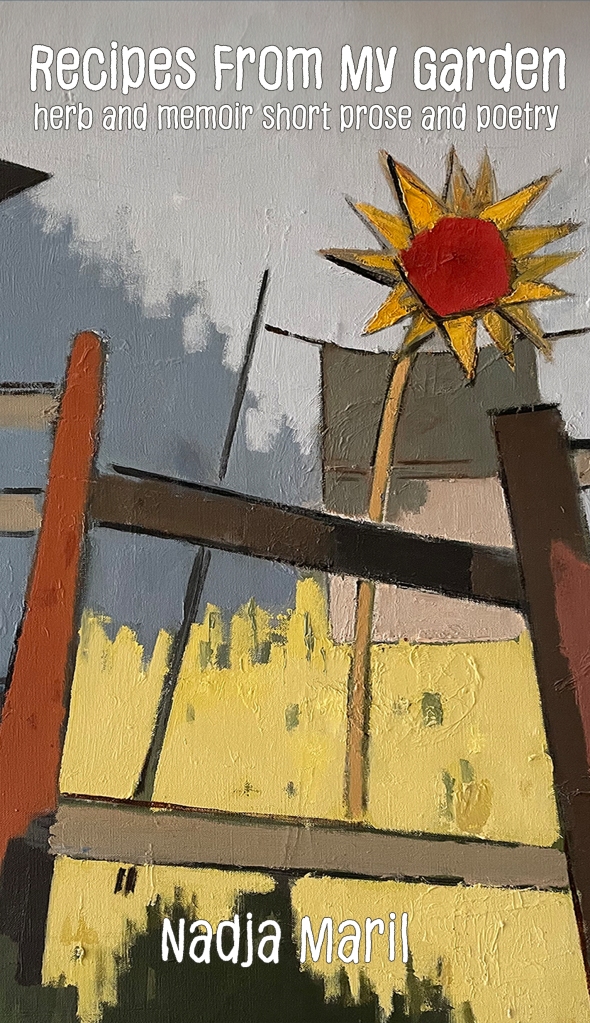
Nadja Maril is an award winning writer and poet who has been published in dozens of online and print literary journals and anthologies including: Lunch Ticket, Spry Literary Journal, Invisible City Literary Review, Instant Noodles and The Journal of Compressed Creative Arts. She is the author of Recipes From My Garden, published by Old Scratch Press (September 2024), a Midwest Review California Book Watch Reviewer’s Choice. An Anne Arundel County Arts Council Literary Arts Award winner, her work has been nominated for the Pushcart Prize and The Best of the Net. She has an MFA in creative writing from Stonecoast at USM.
You’re looking for something to read and you go online and start googling. You enter words that describe what you find entertaining.
This is what editors and publishers do when they solicit submissions by selecting a theme. They try to narrow the number and types of submissions to zero in on what they’re seeking, based on what they think their readers will enjoy.
They choose a word, WATER, for example, and they announce their next issue theme will be WATER. Or maybe they choose a more specific description such as CHILDHOOD MEMORIES ABOUT BASEBALL. They request that writers submit pieces specifically related to the theme. If you send something outside the theme, it will be automatically rejected
Seize the Opportunity
The call out can be very specific. For example, this month Screams and Wails Anthology( deadline 2/28/2026) Screams and Wails Anthology is looking for “Horror stories with music or music culture as a predominant theme.”
A part of you may be thinking, I love the music scene but I don’t write horror stories. Or maybe you write horror stories but you have very little inside information on music culture. Are you going to give up that easily? A call out for a specific theme narrows the competition, if you are willing to do the homework. Plus, you may learn something new and have fun.
is looking for submissions for Volume 18 for their “Gather ‘Round Children—a special issue celebrating oral-tradition poetry and the timeless power of stories carried by the human voice. Specifically they ask for poems that “feel as if they could be shared around a fire: lyrical, narrative, rooted in memory or myth, and crafted to live strongly on the page.”
Maybe you do not consider yourself a poet but you love to sing to your children. Perhaps this call-out might inspire you to try writing a poem that you imagine as a song.
Is looking for stories, essays and poems that associate with the theme Habits. The Editor’s tip: Habits are things you do the same way every time, usually with the hope of a positive outcome.
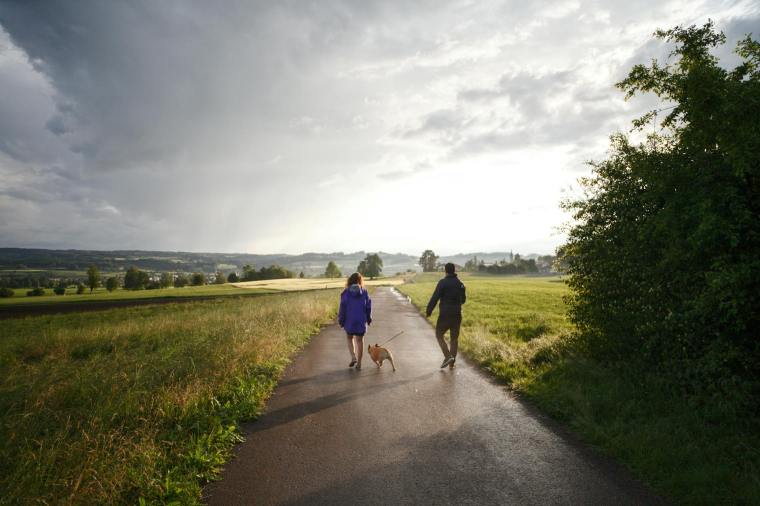
We all have habits. Some we do to make us healthier, for example, I take a walk each morning. What is a habit you’d enjoy writing about? As a bonus you could write about someone else’s habit that you admire and your poem or could be a special gift to them, even if it doesn’t get published.
Taking a walk each morning is a habit you might want to write about.
is putting together an anthology of short stories and the theme is Splash. The word splash provides a good deal of latitude. I can think of stories related to swimming, waterfalls, and jumping into puddles as well as the use of the word as a term for making an impressive and immediate impact. If you enjoy word puzzles, the challenge of all the different ways the word Splash can be used should yield impressive results.
has a theme call out: Planes, Boats, Cars, Trains. The request is for poems, short essays, memoir and fiction (under 500 words). The pieces are for publication online in Issue One of Volume 6 (Deadline 3/15/2026). The ideas one could conceive of that one could submit are fairly wide ranging. So if you are a writer, how are you going to make you piece of writing stand out from the crowd?
As one of the editors on the project, I thought I’d share what attracted me to this particular theme.
Most humans live a fairly frenetic life, often on the move. In the famous ancient Greek stories surrounding Oedipus, he is asked a riddle by the sphinx in exchange for safe passage and his life, “Who walks on four legs in the morning, two legs at noon and three feet in the evening? The answer “Man” has humans crawling as babies in the morning, walking on two legs as adults and needing a cane ( the 3rd leg) in the evening. Mankind is always on the go. If not walking, we’re in the car, on a train, plane, or boat. (Feel free to include buses, helicopters, and subways).
Many of the best stories and poems involve getting from point A to point B via a car, train, boat, or plane. Are you up to the challenge? LET’S START WRITING….
WRITING PROMPT
Planes, Boats, Cars, Trains
Looking out the window, inside at the passengers or thinking about something? What happens when you’re on the move?
Interesting things can happen when you’re on the move and in a confined space. Plenty of murder mysteries take place on a boat or a train. The number of passengers are limited and there are places to hide.
The passenger looks out a window and see images that may bring joy or dread. They may be stuck sitting next to a stranger they find fascinating or an acquaintance they’d prefer to avoid. Create a scene, write down a memory, convey your feelings about a brief journey.
Then think: What if? What happens if the protagonist has lost their ticket or the car breaks down? Maybe it happened, Maybe you’re imagining it happening.
Here’s the hard part. Make it short. Every word should count. Read what you’ve written out loud. Each phrase/ and/or sentence should provide something essential. Whatever you can eliminate, start crossing stuff out.
Read it again. Let it sit for a week. Do another revision and make certain whatever and whenever you submit to Instant Noodles Literary Magazine or any other publication, you have carefully reviewed your work and it is ready for publication. Check over carefully for grammar, spelling, and punctuation errors.
Nadja Maril is an award winning writer and poet who has been published in dozens of online and print literary journals and anthologies including: Lunch Ticket, Spry Literary Journal, Invisible City Literary Review, Instant Noodles and The Journal of Compressed Creative Arts. She is the author of Recipes From My Garden, published by Old Scratch Press (September 2024), a Midwest Review California Book Watch Reviewer’s Choice. An Anne Arundel County Arts Council Literary Arts Award winner, her work has been nominated for the Pushcart Prize and The Best of the Net. She has an MFA in creative writing from Stonecoast at USM.
Nadja Maril, author of RECIPES FROM MY GARDEN, is one of the founders of Old Scratch Press
The Editors of Instant Noodles Literary Review, published three times a year, have announced the themes for 2025: Current, Sanctuary and Gravy.
Edited by members of the Old Scratch Short Form Collective who have volunteered their time, submissions are free. The Instant Noodles submission box which you can access through Duotrope is filling up fast.
While artists and writers selected for publication receive no financial renumeration, the publishers and editors do their utmost to promote the work in each issue. Instant Noodles nominates for industry prizes, Best of the Net and the Pushcart Prize. One of the magazine’s promotions is a zoom reading, giving contributors around the world a chance to meet.
Published three times a year, the magazine is posted online for everyone to read. One of the biggest reasons work gets rejected, is that writers don’t follow submission guidelines and familiarize themselves with the publication.
In addition to Visual Art and Multimedia Creations, the magazine publishes Prose & Poetry
Instant Noodles focuses on SHORT pieces. Short work 500 and 750 words in length can be powerful. If you are submitting prose, whether is it hybrid, nonfiction, or fiction, the word limit is 1000 words or less.
All work must be original and must belong to the author. Works that have been previously published will not be considered. Stories must be complete and self-contained (i.e., do not submit chapters of a larger work).
NOTE: Accepted works will be published as submitted without editing; as such, in addition to the originality of the work itself, we are looking for manuscripts that are clean and press ready. Be sure to review your grammar, spelling, tenses, proper punctuation, and other general rules of the written word before hitting “Send.” Work should be submitted through Duotrope as a Microsoft Word file (when it is poetry, drama, NF or fiction) as 12-point New Times Roman, double-spaced (single-spaced for poetry submissions). All other types of work have details as to their file types on the Duotrope page.
Connect to the Theme
The Editors request that submissions should have a connection to one of the themes for which they were submitted: Current, Sanctuary and Gravy—and labelled as such.
They are looking for more submissions in the categories of creative nonfiction, drama, multimedia and visual art.
“When I’m reading poetry submissions for Instant Noodles,” Says contributing Poetry Editor Gabby Gilliam, “I’m looking for poems that concisely fit our theme and resonate. I want lines that linger in my mind long after I’m finished reading.
As a contributing editor, I suggest it is never too early to start contemplating ideas associated with our spring theme, current, as well as the subsequent themes that follow. What ideas does the word current evoke for you? Are you thinking about being hip, cool and up on “current” events or are you traveling on an air “current.” Where does the word take you?
Try writing a story about yourself, something you observed, or something entirely imaginary. Create a video, a picture, combine two mediums.
Work should be publication ready
Do not submit until your piece is ready. Have you read your piece out loud and checked for misspellings and grammar mistakes? Does it fit the theme and are you ready to share it with the world?
The deadline for the spring issue with the theme Current is March 16th. We look forward to reading your work!
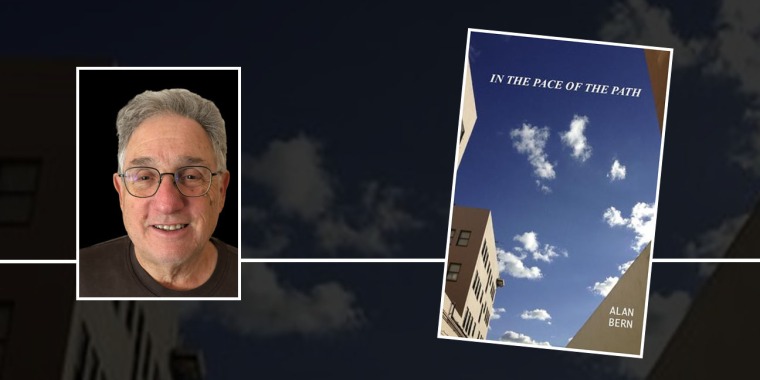
If you’re in the Berkely (California) area please join us at Pegasus Books Downtown on Thursday, June 27th for an evening of music, text, and storytelling with me, Alan Bern, Berkeley-based storyteller, performer, author of IN THE PACE OF THE PATH. Bern’s reading will beaccompanied by music from cellist Gael Alcock. Recently released by UnCollected Press, IN THE PACE OF THE PATHis a hybrid work of poetry, prose, and photos that charts my life in my hometown of Berkeley and my career at the Berkeley Public Library.
From 6:30-7pm, browse books and enjoy Bach’s Cello Suite #4 performed by Alcock, in memory of Larry Bensky, host of KPFA’s ‘Sunday Salon’ and ‘Piano’.” Reading and conversation with mewill follow, at 7pm. Copies of the book will be available for purchase and signing at the reading.
Alan Bern’s IN THE PACE OF THE PATH walks the border between poetry and prose, between the surreal and the realism where surrealism spawns, between the past and future which is the pace of the moment by moment of a life. I have learned from Bern’s clarity in poetry and prose to walk the edges of my homeland and step out into the unknown, while carrying the life I have lived within me. This is such an important work to read now and reread as we move through our lives.
—Rusty Morrison, Co-Publisher of Omnidawn—
Enjoy a video by L. Scott Jones of Wrapped in Ruins, a gallery piece and the most recent performance of PACES: dance & poetry fit to the space, a collaboration with other artists of dancer/choreographer Lucinda Weaver and me:
I will also present an art piece near the end of:
FREE LIVE EVENT: INSTANT NOODLES LAUNCH AND LIVE AUTHOR READING.
DATE: June 20, 2024 TIME: 4:30 PM PT | 7:30 PM ET Join us in celebrating the release of the newest issue of INSTANT NOODLES, the online literary magazine that features original poetry, art, and short fiction. Meet the authors and listen in as they perform their work live. This online event is open to the public. Click below to register.
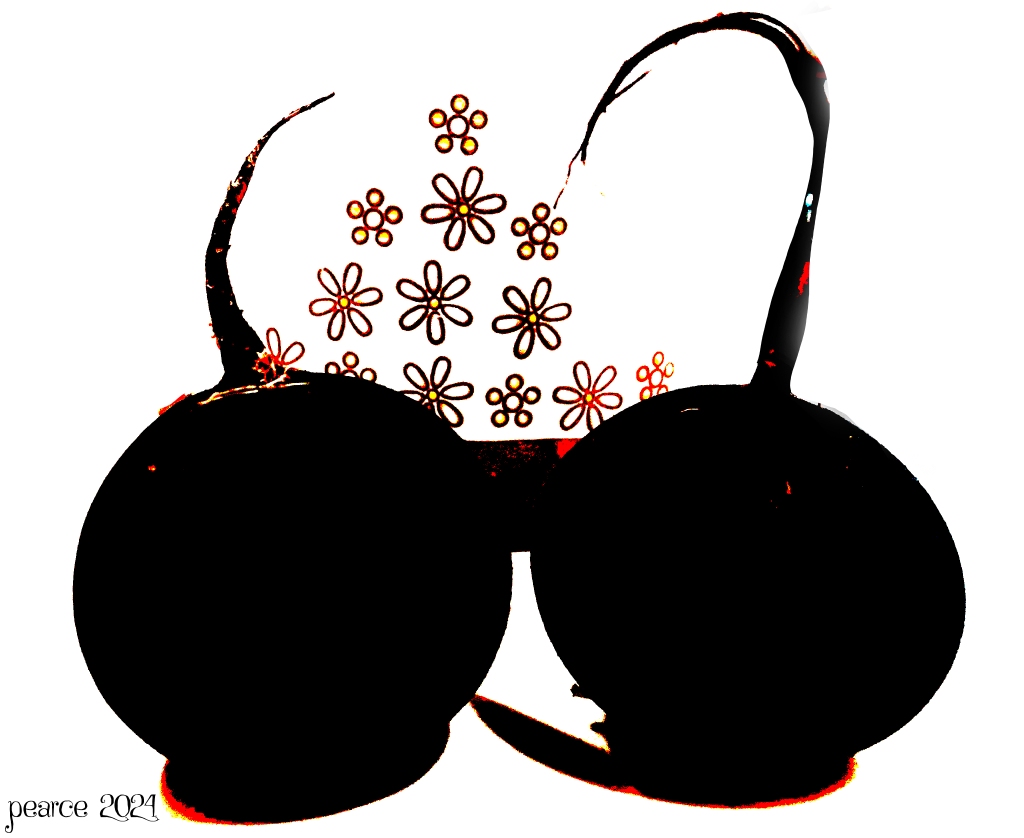
A photo I took, and then photoshopped a bit, of black radishes. I haven’t tried them yet. They’re as large as beets. Have you tried them?
As a human perhaps the toughest task I face is what the heck to feed me, and the spouse and child, each day for dinner. Breakfast everyone is on their own. Daughter, who has a light appetite, has a protein shake. Spouse, who has a sweet tooth, has some sort of flaky thing and coffee. I have several coffeeeeeees, and, well, I never know. Could be beans on toast. Coudl be leftover takeout. Could be tomatoes and olives in a bowl. Could be yogurt. Might be soup. Seldom is eggs.
Lunch… do people eat lunch? I don’t always. The meals seem to run into each other, and usually lunch is the loser for me, because there is not time to have breakfast, do all the morning things, then do the work things, and fit in lunch too, before it’s time for dinner. But I love lunch. I love lentils and tuna, salads of any kind, rice and tofu, possibly more yogurt. Daughter eats the same meal every day, packed in a lunch bag, Annie’s Organic Star Pasta. We put it in a thermos, and, for about four years now, she eats it…. every. single. day. Dedication. Spouse eats, most likely, more sweet and flaky things. But me, I am most apt to have more coffee, and maybe chomp on some lettuce as I am adding some to the guinea pig cage.
Dinner. Dinner ie exasperating. You know it is! There are, if your life is anything like mine, too many people (and we are only three) who like too disparate things, and have crazy schedules, and it can be downright tough to get everything ready on time for everyone’s schedule, but the toughest of all is thinking WHAT?? what to feed everyone.
Enter poetry, short memoir, short short stories, and art, to save the day, as usual!
As you may know, if you have read this blog before. I started a lit mag, Instant Noodles (gee, named after food. Obsessed? Maybe…..), and now Old Scratch Press is running it. Up until this year I was the only one choosing the pieces, and, often I was moved to choose pieces about food. And I have to say, on a side note, getting to read so many wonderful entries has been nothing but a pleasure. I love Instant Noodles, and I have really enjoyed all the pieces, and all the art too. But, yes, it may be possible to make the assumption that I am slightly food… centric? Motivated? Obsessed? And I have often been charmed by pieces that relate to food in some way, even if it is only in my mind.
And so, in this post, I want to direct you to take a look at a few of them.
The first is the memory piece by John Johnson, “Moss Soup and Manicotti,” where he remembers his grandmother’s cooking, “For love in this family was measured by the number of courses served and the temperature in the kitchen….”
I have long loved, “This Is Just to Say,” by William Carlos Williams, the famous short piece about plums. I also love “Stolen Plums,” by Benjiman B. White:
“Shit! I forgot to buy the fucking fresh tomatoes. But we have sun-dried. I’ll work around it.”
Of course she will, as she did two days prior when she forgot the dough needed 24 hours to rise and recovered by scrubbing the pizza for pasta primavera or five days earlier when she left her cherished butter lettuce at the grocery and could atone for the evil deed only with a luscious chopped salad or two weeks ago when she entered her realm crowing about the terrific tuna casserole we were going to enjoy only to realize she had bought sardines and would have to settle for a salad Niçoise (that of course was not chopped liver).
So, for dinner tonight, I fell back on a childhood meal that both my mother and my father used to make from time-to-time when magic and inspiration failed them: leftover meat in gravy ladled over extra cripsy toast. I like to eat mine with hot cherry peppers, and each bite will have, if I’m lucky, meat, bread, gravy, a smidgeon of some sort of potato (I made scalloped), a little scrap of veg., and a small bit of hot cherry pepper, to cut through all that thick buttery gravy and make the moutful pop.
It’s pouring down cold buckets of icy rain where I am.
Wherever you are, may you be full of something nice and warm.
We were linked long before we met. We have been down the same wrong path at different times with the same rancid rogues. When we met, I was coming out the wrong side; you were still there floundering hopelessly. At first, I didn’t pay you much notice at all. The death of a dear mutual friend brought us together at the freshly dug gravesite. We are good, now, together, walking that tightrope of ‘fall off the wagon at any time’ good that depends so much on breathing love’s balance.
Gerry’s poem, about all the ways that love connects us, adds wholeness to our lives, even as we get past the frenzy of youth.
My son found the dragon’s tooth amongst some rocks and fine white sand. He washed it clean in a tidal pool. A Hermit crab stole it, scraping the tip then sucking the remnant root. The boy threw some sand and stole it back. He climbed up on the rocks with me to sit. We examined the hard fire, inner blackened. Easily sold to tourists later, paying us much more to guarantee their safe return passage .
Colin’s poem I always took to be about parental love: how our children absolutely make us filled and absorbed and imaginative and plain old grateful to be in their magical world.
UNDER KEEL ON LITTLE DOE LAKE ~ Robert Fleming
moon over wooden hull us under birch wood left hand forward 4 ur bow thwarted by ur stern pry stroke back stroke 2 ur gunnel seeking ur back sweep stroke u j-stroke away non-swimming clothes on prefer clothes off cross draw stroke 2 ur dock u eskimo roll out ur knee on deck solo under skin draw stroke my wood
Robert, a member of Old Scratch Press, may correct me, but I always took this to be a poem at the beginning, heady stage of love, and so much about the abandonment that I always feel in the time of transition from spring to early summer.
Betahany’s poem always seemed like lust to me, which is beefy and delicious, in my view, like biting into a huge strawberry covered in dark, dark chocolate, and certainly an important part of romantic love.
Lastly, on this hopefully gentle day that comes to you with a hug, or, perhaps a kiss, another from Greg Hill, possibly my favorite poem submitted to Instant Noodles to date. Happy Valentine’s Day. May you find love, or love find you!