
adjective: of or related to the space between what was and what comes next….
What comes next for you?
adjective: of or related to the space between what was and what comes next….
What comes next for you?
By Nadja Maril, a founding member of Old Scratch Press Poetry and Short Form Collective
Before humans had pen and paper, or stone and chisel, they had their voices. The oral tradition of storytelling goes back to the days preceding recorded history. Repetition and rhyme aid memory. In many cultures, the story becomes a poem or a song.
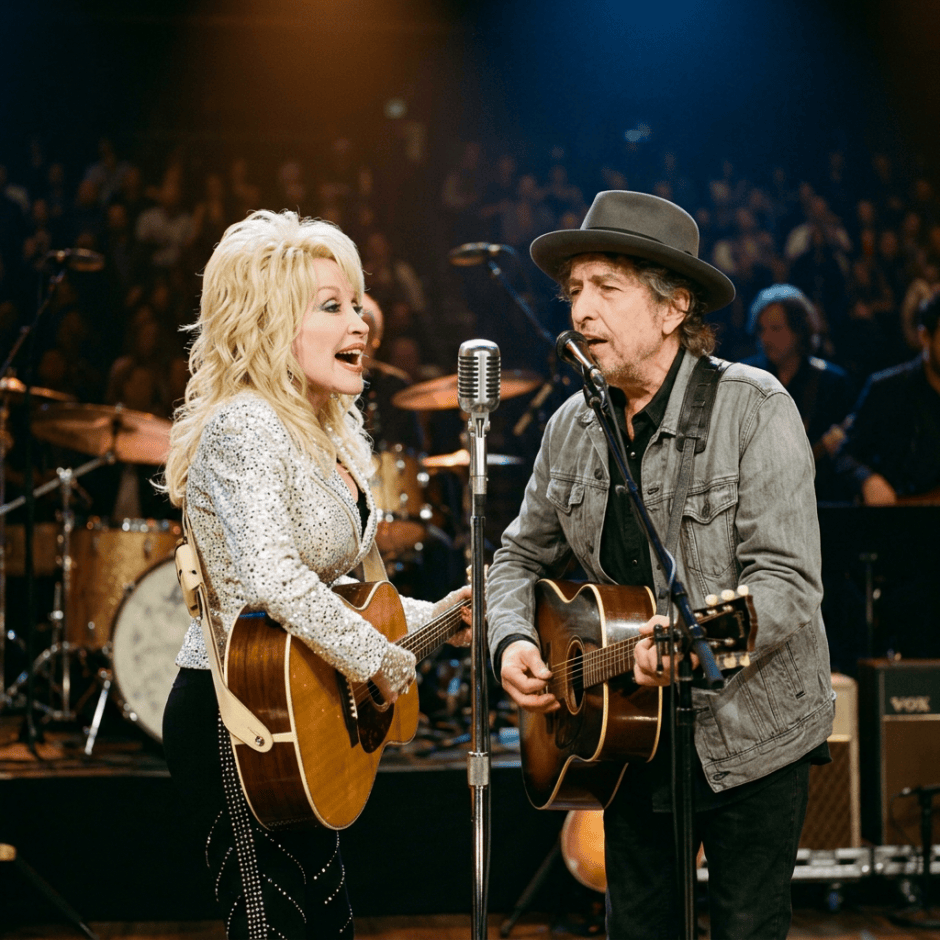
I was thinking about this as I mourned the death of Dolly Parton. Not only was she an extraordinary performer and philanthropist, she wrote over 3000 original songs. Many of her songs, were inspired by her life experiences. Her song, “Coat of Many Colors” is really a mini memoir that shares a part of her early childhood.
The best creative nonfiction is written with honesty. Intuitively the reader can sense when the writer is inventing or exaggerating truth. Dolly Parton’s work comes across as genuine. I wrote in my personal blog about her authenticity as a human being. For the Old Scratch Press platform I’d like to further explore the art of songwriting.
In “Light of a Clear Blue Morning,” she shares her resolve that professionally following a path, minus her mentor Porter Wagner, is the right choice for her performance career. Listen to the first two lines of the chorus “Cause I can see the light of a clear blue morning/ I can see the light of a brand-new day’ https://genius.com/Dolly-parton-light-of-a-clear-blue-morning-lyrics
Most of us have family members who challenge our patience. In her song “Family” Dolly conveys her feelings that despite their differences “When it’s family, they’re a mirror/ Of the worst and best in you.”
Dolly is not the only great American Songwriter. I would be remiss if I didn’t give some space to Bob Dylan, another legend. In 2016 the Nobel Prize Committee broke convention by awarding the Literature Prize to Bob Dylan for “for having created new poetic expressions within the great American song tradition.” Yes, songs are poems. Here is a link to the complete speech.
It’s hard to know where to begin when sharing which Bob Dylan song is my favorite. The first one I learned when I started playing the guitar was “Blowing in the Wind.” The song that always brings tears to my eyes is, “Forever Young” and the one I find particularly nostalgic is “If You See Her, Say Hello.”
Before I ever started writing poetry, I was writing little songs inside my head because that’s what all toddlers do. I am not unique. I just remember.
If you are having difficulty writing a line or a sentence, try saying it aloud as a chant. Maybe you hear it accompanied by music. Maybe you don’t. Not every songwriter has a voice meant for performing, but the act of saying/singing/chanting phrases can provide a new approach to your creative journey. It’s worth a try. Writing includes experimentation.
If you’ve written a poem, song, or flash prose ( under 500 words) you are proud of, we’re still reading submissions for the Winter issue of Instant Noodles Literary Magazine. We accept multi-media submissions. Check us out and THANK YOU for reading. Follow us on Facebook at https://www.facebook.com/search/top?q=old%20scratch%20press
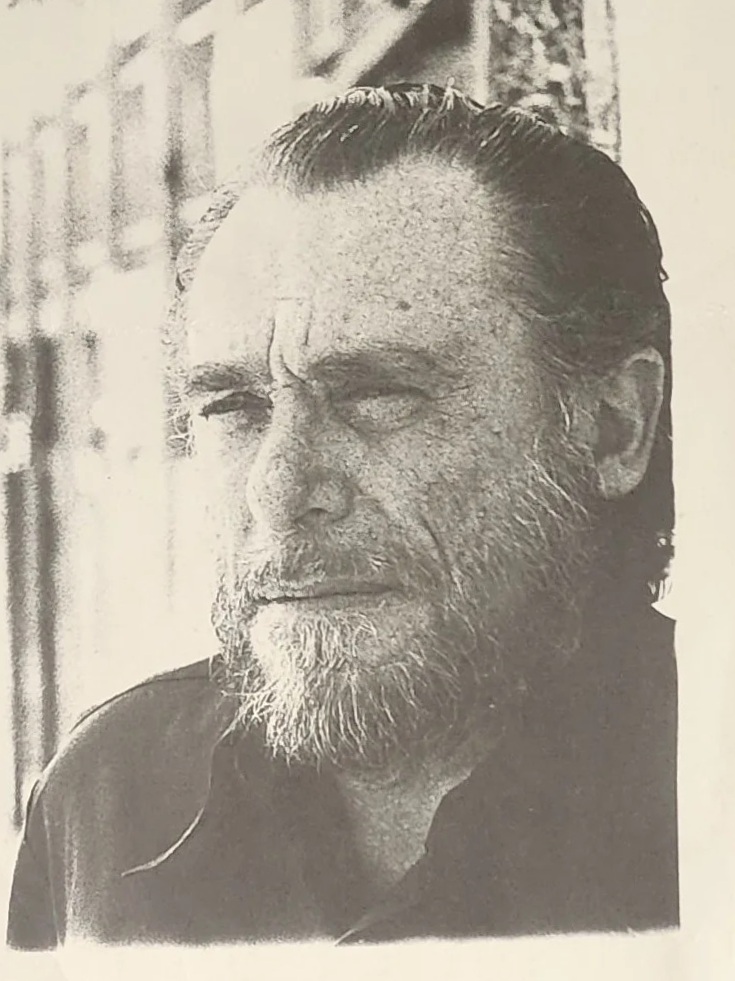
Charles Bukowski wrote about the gamblers, the rejects, factory workers, his job at the post office, those who had lost their way, his cats, his typewriter, a radio he threw on the roof repeatedly. He drank too much, gambled too much, treated women poorly, treated his wife poorly. He threw away tradition in poetry and aimed straight for the gut with unflinching honesty. His poetry focused on pain and boredom, uselessness and hopelessness, old age, heavy drinking, the underbelly of trying to survive a working-class life or worse. He’s a cult hero. He inspired a counterculture in poetry that lives on and continues around the world. He is one of the unforgettables.
Yes, he was unapologetic and rough and crude sometimes. He wasn’t always a good person, but his fan base runs deep. An icon, worshipped by many for how he took the foundations of traditional poetry and stood them on their head. His is one of the most polarizing writers of our time and one of the most inspirational to artists, singers and of course writers. It’s true that his work explores uncomfortable and upsetting things like sexism, racism, homophobia, inebriation. He wanted to write about what life can be and often is whether we like it or not and not try to act otherwise. Like him or not, he will always be seen as leading the way for poetry for the common man. Poetry for people and not for poets. Poetry for the social outcasts. Honesty in poetry. I say YES to all of that.
He wrote more than 5000 thousand poems during his lifetime. I am a fan and an admirer of Charles Bukowski. When I read him as a younger writer, I was able to believe that it was okay if I wanted to write about everyday life and nothing else. That even someone like me could have some worth as a writer. He was not a fan of poets who are overly slick, the conformists, the poets who try to tell us what to do. In other words, there is no right or wrong way to be a poet. There are no subjects that aren’t worthy of a poem. If you are a human being, you can be a poet. Click the photo below to see a favorite of mine by Bukowski:

There were reasons in his life that led to Bukowski’s style. He suffered as the son of a harsh, abusive father and he also had a disfiguring acne condition. The only way to really appreciated Charles Bukowski is to read a book of his work or several. Read a lot of poems. In this way, you will see beyond the language, the bravado, the street fighter, the drinker. You will come to know the heart of a complicated man who cared very deeply about his fellow man. He wrote so much about human suffering because he worried about human suffering and not just his own.
He was the master of direct language. The hero of not holding back. In any case, you don’t have to like him or how he lived to fall in love with his poetry or at the least learn from it or be inspired by it. Even if you hate it, you’ll feel emotion and I think Hank would say that’s good enough for him. It’s fun to try and write a poem in the Bukowski style too as a poet. As poets we are always learning. Below is a poem I wrote with him in mind. Give it a try! And read you some Hank as soon as possible!!!
FAIRY DUST
Virginia Watts
I never have anything to say to children
I’ll do anything to avoid those little shoes
hit the crapper, blow my nose
bones make lovely dust
the white and the wispy clouds
the silver of angel wings peeking
even though I don’t believe in angels
this little tiger lily really cornered me
stuck with a minimum wage dad
like it wasn’t his fault
scoring a six pack
and some Beam before noon on Sunday
she got herself up on that stool
I don’t know how without breaking her neck
How old. Four?
set patent toes on the side
of my bar stool and pushed off
Spun that thing
around and around like a pro
when I joined in she giggled the corner
of 9th and Fitzwater Street
down a waterfall and out to sea
he yanked her off that chair so hard
I would have beaten
the bejesus out of him
if she hadn’t been there
Virginia Watts is the author of poetry and stories found in The MacGuffin, Epiphany, CRAFT, The Florida Review, Reed Magazine, Pithead Chapel, Eclectica Magazine among others. She has been nominated four times for a Pushcart Prize. Her debut short story collection Echoes from the Hocker House was short listed for 2024 Eric Hoffer Grand Prize, selected as one of the Best Indie Books of 2023 by Kirkus Book Reviews, and won third place in the 2024 Feathered Quill Book Awards. Please visit her.
Virginia’s new book is now available from Old Scratch Press:

Her prior poetry chapbooks Shot Full of Holes and The Werewolves of Elk Creek
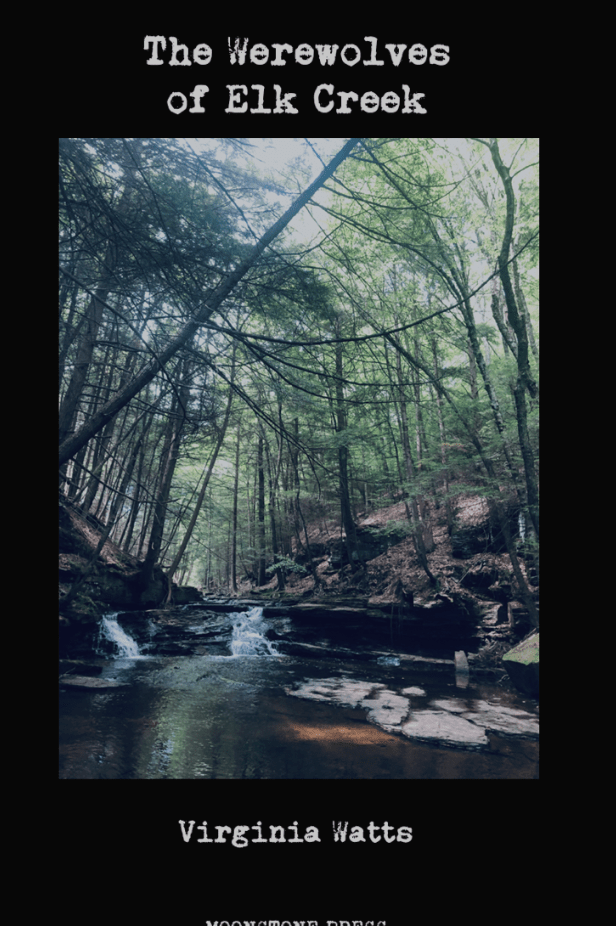
are available from Moonstone Press. And her debut short story collection Echoes from the Hocker House is not to be missed!


Some flowers spread their fragrance in spring, some tease us until late summer: just when we think they’re dried up, spent, they surprise us with an explosion of blooms!
I’ve always had a soft spot for the late bloomers of literature. (Maybe because I myself identify as a late bloomer!) As thrilling as it is to read about young prodigies like S.E. Hinton of The Outsiders fame, (she wrote that book as a high school senior!), the late bloomers are just as amazing to me.
What is considered a late bloomer in literature? The general consensus seems to be a writer whose first major work is produced after age 40.
Debra Eve, publisher of the website Later Bloomer (now an archival site) has collected many fascinating essays and information about late bloomers in all fields of life, including literature and poetry.
Bloom (via Substack now) is another site devoted to the late bloomers in life.
This Write and Journal article states that late-blooming authors are more common than we think and why this may be a forward trend.
Eva Q. Tennant’s article on late bloomers shows how “the creative spark doesn’t dim with age — it deepens.”
Old Scratch Press founding member Nadja Maril has written about another late blooming author and OSP member, Morgan Holladay, author of The Song of the North Mountain, and her experience publishing this collection after age 50.
One of my personal favorite literary late bloomers is Mary Wesley, who turned to writing adult fiction in her 70s and went on to write ten bestsellers in the last twenty years of her life! I learned of her work via the 1992 mini-series adaptation of one of her most well-known novels, The Camomile Lawn.
In poetry, there are many later bloomers, but one that may not come to mind is Thomas Hardy, whose early fame was built on his 14 novels, but who considered himself a poet and wrote poetry for 30 years before publishing his first collection when he was 58. After that, during the rest of his life, he published only poetry.
When I think of late bloomers, writer Winifred Watson also comes to mind, not because she was a late bloomer herself, but she wrote about an older woman experiencing a Cinderella-like transformation in Miss Pettigrew Lives for a Day, an experience that mirrored her own rise to fame in late life when her novel was rediscovered and republished by Persephone Books and made into a delightful film of the same name in 2008 starring the incomparable Frances McDomand. This article on Anne Sebba’s site discusses how Watson’s unlikely second act came about.
So tell me, who are some of your favorite late bloomers? Please share in the comments!
Beatriz F. Fernandez is a late-blooming poet and short fiction writer. Join me for my November 1st reading (along with Miguel Mitchell) as part of the Speculative Sunday Reading series! Presented and moderated by Akua Lezlie Hope. Readings are live on Zoom and tickets are free via the Eventbrite link.
Thank you for reading and please follow us here and on Facebook: https://www.facebook.com/OLDSCRATCHPRESS/
verb: to be piled up in heaps.
What would it be like to be piled up in heaps?

A lot of poets would rather wrestle an octopus than read one of their poems aloud. I am particularly creeped out by octopi, and I would take the octopus over the live event. When I was a young writer, twenties and thirties, I could not wait to perform my work. I always got good responses, as well, to my live readings, so I was so excited to do them. Now, though, standing in front of a room feels strangely vulnerable. I get so nervous I find myself choked up. As a young writer I had a lot of very kind teachers who were delightfully excited about my writing. When I look back at that “young” writing, I don’t think it was very good, so I wonder at that. But their support was marvelous. These days there’s no teacher to be wowed before I go out and attempt to wow the crowd, so I do feel especially …. clumsy, for lack of a better word.
Here’s the thing, though: audiences don’t expect perfection. They aren’t looking for a Broadway actor or a professional voice-over artist. They just want to hear the person who wrote the poem, read the poem. We have a few people every issue of Instant Noodles who record themselves reading their poems, and those always get more hits than the non-readers. Reading your own work gives people something the printed page can’t. They hear where you pause, which words you linger over, and where you smile without realizing it. Even a quiet, slightly nervous reading can help a listener connect with your poem in a new way.
You don’t have to book a poetry reading to do this. Prop your phone against a coffee mug, press record, and read your poem. Actually, if you want to look your best, prop your phone on something eye-level or higher, pointing down. Practice positioning until you feel confident you look okay. I often record myself on Zoom so I have more control over my look. Just open a Zoom account and hop into the “Personal Room” and hit RECORD. If you stumble over a line, pause and start over, in you’re on Zoom, or, if you’re on your phone, stop that recording and start another. Then read it again. Nobody has to know it took three tries. (I won’t tell if you won’t. Sometimes, when I record things, I need a calculator to count the tries!) If video isn’t your thing, record the audio instead. Share it in your newsletter, post it on social media, or add it to your website. You’d be surprised how many people enjoy hearing a poem in the poet’s own voice. It adds a warmth and familiarity the printed work doesn’t give. And, when I’ve listened to some of my favorite poets, I’ve been surprised by one or two who came across as decidedly… different from what I had expected. That added a new depth to the writing that really intrigued me. I would love to hear more of our Instant Noodles authors reader their work.
Next time, I’ll look at how one poem can become several meaningful posts without feeling like you’re repeating yourself.
beguile, verb, as in to fascinate.
to attract or delight as if by magic…
What have you been beguiled by?

Sometimes a writer submits a poem to Instant Noodles Literary Magazine, it gets published, and we never hear from that writer again. It’s almost as though the poem completed its mission in life and quietly retired to a folder on a laptop.
I’ve always found that a little surprising.
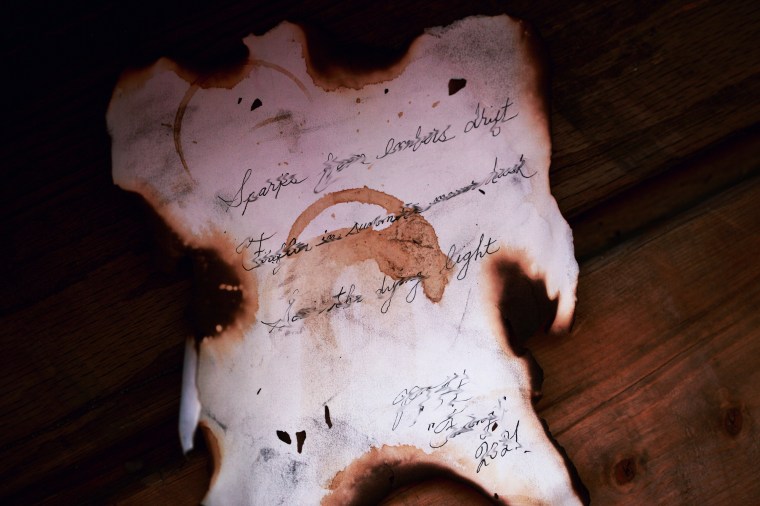
We work for weeks, sometimes months, on a poem. We submit it. We wait forever. We get the acceptance email, do a little happy dance in the kitchen (or maybe that’s just me), share the publication with a few friends, and then we’re off chasing the next shiny poem. But publication isn’t the end of a poem’s life. It’s the beginning of its conversation with readers.
Most people who would enjoy your work probably haven’t seen it. They don’t subscribe to the journal that published it. They weren’t refreshing the editor’s website waiting for the new issue to drop. They’re just people who like good poetry and would be delighted if your work happened to cross their path. So don’t be afraid to let a published poem keep doing its job. Read it at an open mic. Share a favorite line on social media. Tell the story behind it in your newsletter. Mention it on your website. Include it in a future reading. You spent a long time writing that poem. It has probably earned the right to stick around a little longer than the three days it spent on your Facebook page before disappearing beneath photos of someone’s lunch and a cousin’s vacation.
Next week, we’ll talk about one of the simplest ways to give a poem a longer life: reading it aloud. Don’t worry. Nobody says you have to sound like Lauren Bacall. Though if you do, I’m a little jealous.

A founding member of Old Scratch Press
A few years ago a short creative nonfiction essay of mine, titled “Lipstick” was published in Hare’s Paw Literary Journal. It took many attempts to find a home for this particular essay. On reflection, part of the difficulty was in deciding on an appropriate title.
In contemplating “writer’s notes” about this particular piece of writing, I remember thinking about how titles set up certain epectations.
During that lull, after I’ve sent out my work and for several months while waiting for a response, always there is self-doubt. Is the essay too short, too long. Did I mess up the tenses again. Is is too negative? Will readers find it disturbing? Will editors opposed to any type of make-up be turned off? Yes, a lot of weird thoughts were whirling around in my mind, and several of them centered on the title I’d chosen. I’d started to question my choice . Did I give I it the right title?
I felt I’d written something good. I’d workshopped it with some colleagues and received some positive feedback from editors who ”couldn’t find space for this particular piece in our upcoming issue, but please send us more work…” so I sensed I’d written something powerful, but had I chosen the right title?

Titles are hard. At least they are hard for me. I know they are important. As a former journalist, I know it is the headlines ie titles that people read first and maybe the only thing they read. Maybe if they see the title “lipstick,” I thought, they will literally think it is an essay about lipstick. Maybe I should have chosen a title that indicated it was about a fraught relationship between a mother and a daughter.
If a piece has been submitted to a magazine and it’s anonymously sitting in the slush pile, a reader/editor might barely read the work, if they decide they don’t like the title. After all, they’ve got a whole bunch of other stories waiting to be read. Maybe they shouldn’t even bother. Perhaps they are asking themselves, will this particular story interest me?
As a writer, not as an editor, I want my title to be appropriate. When I put on my editor’s hat, I’m thinking I want a title that will draw readers in and how does one do that?
As a writer, I try to draw on advice from other writers, who suggest choosing a poignant line from your piece and taking that line as your title, or as an alternative approach, selecting a moment that will evoke surprise as your title. For surprise I could have chosen, What I did when I Found Her on the Floor. For an evocative line I could have chosen, “The silence grows longer and longer.”
Often I start writing and I do not know what I’m truly writing about until my journey is coming to a close. Selecting a title can help me clarify what are the most important aspects ot the story.

I’m wondering whether this desire of mine to find the perfect title could be turned into a writing prompt. As the hot summer days seem longer forcing us to spend more time indoors and fellow writers are all looking for fresh approaches, here is an idea. Try writing your title first and specifically focus on a scene in the story that will create tension.
WRITING PROMPT: Think of a scene from your past, full of tension and conflict. Maybe it was the moment your boss handed you a pink slip or you were standing in the cafeteria line and realized you’d forgotten your voucher or wallet. What made this situation tense? How did you feel at the time? What were you thinking about? What were your physical responses?
You can do this with fictional characters and situations as well. The title, “The Moment My Boss Handed Me a Pink Slip” is obvious or maybe not. Perhaps the title will change depending on the actions that ensue. But it’s a beginning.
Picture the scene in your mind. Select a few important details that stand out. Try writing the same scene again for ten minutes with a different variation. Did you learn anything?
Thank you for reading and for your feedback. If you have a favorite technique for titling your work, please share. We’d love to post it.
Submissions are scurrently open for the final 2026 issue of Instant Noodles Literary Magazine. Check it out.https://duotrope.com/duosuma/submit/instant-noodles-O0jFm
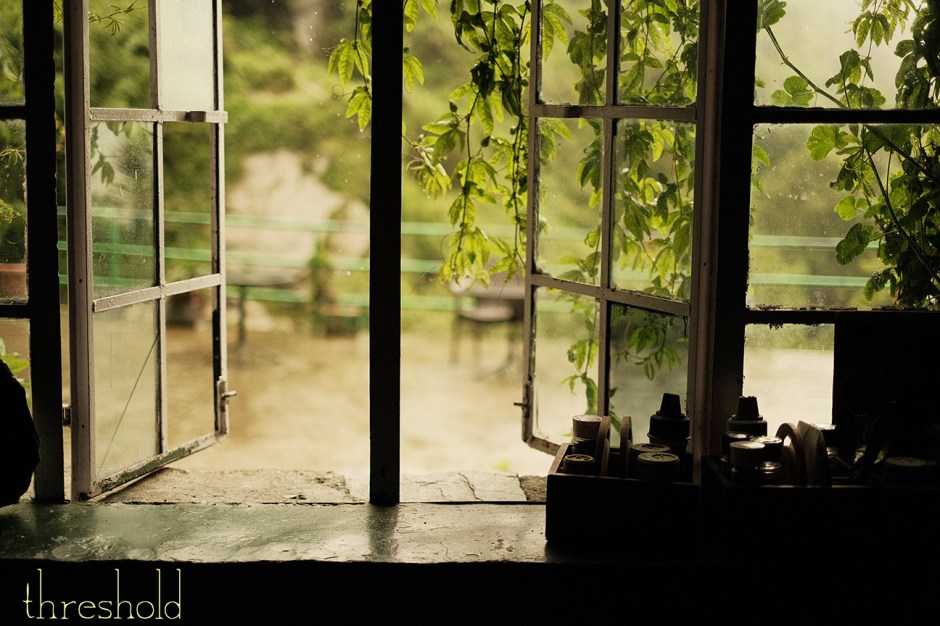
noun: the place or point of entering or beginning.
Have you ever written about a threshold?

