Have you been folkloring?

By R. David Fulcher, Old Scratch Press Founding Member

Recently I had the honor of joining the Folkloring podcast. This podcast addresses how we can integrate folklore into our everyday lives, including our writing.

Preparing for this podcast prompted me to reflect upon the influence of folklore, myth and legend on my own writing and was surprised to discover the influence has been quite profound.

Below are some of categories of folklore I came up with in case they could be an inspiration for your writing.

1. Global folklore 

By this I mean folklore that originated from a specific geographic location hundreds of years ago, but now is so well known it is generally accepted. 

An example of this would be the legend of the vampire from Romania.  First something that was very localized, vampires are now so common they now appear on cereal boxes and television series.

I integrate the vampire myth into my writing in several stories in my book The Pumpkin King and Other Tales of Terror in such stories as “The Night Flyer” and “The Watchman’s Web”.

2. Urban Legends/Localized Folklore 

In this category would be legends still most popular in specific geographic regions, such as the legend of the New Jersey Devil that haunts the woods of New Jersey, or the infamous Bunny Man of Clifton, Virginia.

I draw upon the legend of The Boogeyman in my book Asteroid 6 and Other Tales of Cosmic Horror in my story “The Boogeyman, Part II”.

3. Native American Myths

The mythology of native Americans is extremely rich and strongly connected to the natural world. 

In my book The Cemetery of Hearts, I reference a native American myth from the American Southwest that claims that the majestic canyons and mesas were spun out of a gigantic spider.

In my story “The Land Spider”, a gigantic spider starts swallowing a small town in New Mexico building by building.

These are just a few ideas to get you started, but the world is full of legends and folklore, and weaving them into your writing will enrich your fiction and poetry.

You can learn more about the Folkloring podcast here

Happy Writing!

R.David Fulcher, Founding Member of Old Scratch Press 

Oldscratchpress.com

Rdavidfulcher.com

In the Season of the Witch: Discovering the Appalachian Granny Witch

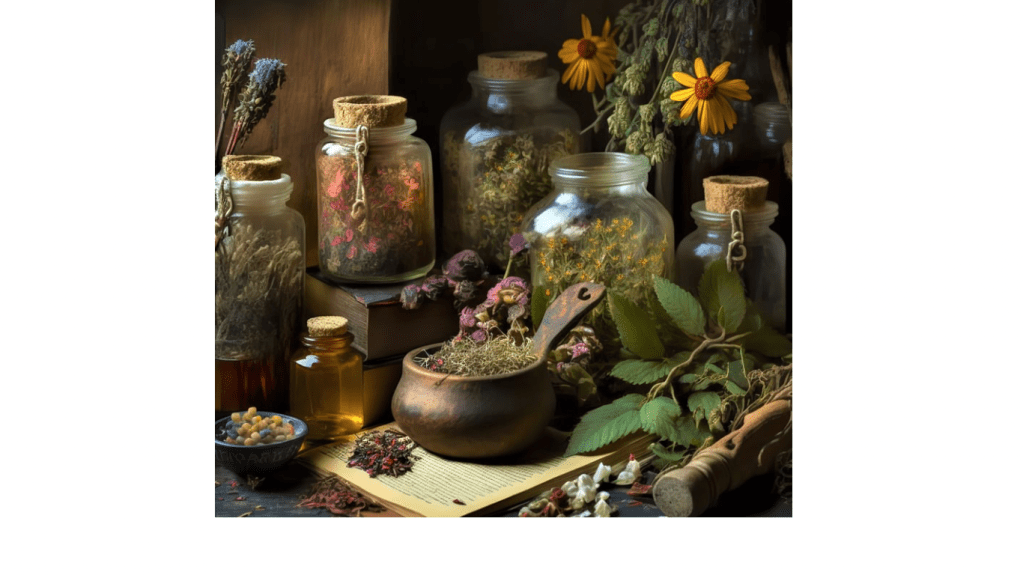
When I first read my great-great-grandfather’s Civil War memoir*, I wasn’t expecting to find stories that would inspire my own writing. But tucked among the tales of battle, violence, and survival was a mention of a woman named “Granny Grills”—a healer who gave him charms for protection and herbal preparations for healing. This mysterious “granny witch” lived in the mountains of East Tennessee, tending to her community with a mix of folk wisdom and the magic of the mountains.

Granny Grills introduced me to the rich tradition of the Appalachian Granny Witches (or Granny Women) who served in the isolated towns with the combined roles of midwife, herbal healer, and preparer of the dead for burial. While inspired by Appalachian folklore, the archetype of the folk healer—often a wise, self-sufficient woman—is found across many cultures, from Latin American curanderas to the hedge witches of England. Each of these traditions reflects our very human need to connect with the earth, heal with natural remedies, and seek wisdom from those who live closest to the land.

We live in an age where technology rules, and I think folk magic endures in literature because it connects us with something deeper and often forgotten: our roots. The figure of the granny witch, like other folk healers, symbolizes resilience, self-reliance, and a deep respect for nature—all qualities we find ourselves yearning for in our increasingly tech-centric world. These characters are timeless because they remind us of the power within ourselves (and for me, this is called intuition) and the importance of connection, whether it is to the earth, our community, or our heritage.

Bringing folk magic into fiction isn’t just about fantasy. It can be a way to explore values like resilience, diversity, and community. Granny witches and other similar folk traditions speak to readers because they represent a balance of independence and tradition. They remind us that wisdom is often found where it is least expected, and that those who honor nature and listen to their own “still, small voice” hold a unique kind of power.

*The Thrilling Adventures of Daniel Ellis: 1861-1865, Harper and Bros. 1867. Available on Amazon.

Ellis Elliott is the author of the poetry collection Break in the Field and is currently working on her first cozy mystery novel based on a lineage of Appalachian granny witches.