

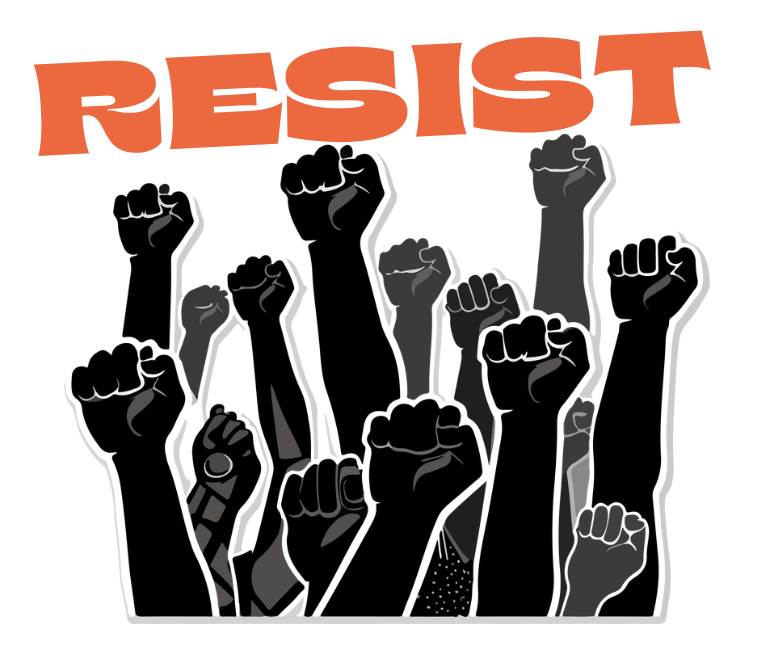
Words have power. In times of injustice, oppression, and uncertainty, words become more than just ink on a page—they become weapons, shields, and bridges. They can challenge unfair systems, inspire people to take action, and bring communities together. Writing and reading for the resistance means using stories, poems, and books to fight injustice and create a better future. Throughout history, people have used words to stand up against oppression—and today, we can do the same.
Writing as a Way to Fight Back
Writing can be a powerful tool in the fight for justice. To write is to document, to bear witness, and to refuse erasure. The act of storytelling itself can be a radical act, especially when it amplifies the voices of those who are silenced. It allows people to share their truths, educate others, and imagine a better world. Writing for the resistance can include:
- Telling Untold Stories – Write about important events or people that history books ignore.
- Challenging Misinformation – Speak out against lies and rewriting stories that are unfair or incomplete.
- Creating New Worlds – Use fiction, poetry, or essays to imagine new possibilities that envision a just world.
- Providing a Platform – Elevate marginalized voices, offering them space to share their truths.
Reading as a Form of Resistance
Reading isn’t just about learning—it can be a way to resist oppression. What we read shapes how we see the world, so choosing books wisely is important. Some ways reading can be an act of resistance include:
- Reading Banned Books – Books that are censored often contain ideas that challenge powerful systems.
- Learning from Activists and Leaders – Reading about people who fought for justice in the past can teach us how to do the same today.
- Supporting Diverse Authors – Seek out authors whose voices are often ignored by mainstream publishing. Choosing books by writers from different backgrounds helps bring new voices into the conversation.
- Sharing Knowledge – Share books, discuss ideas, and create spaces where literature fuels action. Talking about books with others can spread important ideas and inspire others to act.
How You Can Take Action
If you want to use reading and writing to create change, here are some ways to start:
- Join or Start a Book Club – Read books that challenge systems of oppression and discuss them with friends.
- Write and Share Your Ideas – Whether through social media, blogs, or poetry, use your words to stand up for what’s right.
- Support Independent Bookstores & Libraries – These places often carry books that challenge unfair systems.
- Document What’s Happening – Keep a journal, write about current events, or interview people to make sure important stories aren’t forgotten.
Resistance is an ongoing effort, and literature—whether through reading or writing—has always been a vital part of that struggle. Words have changed the world before, and they can do it again. By reading and writing with purpose, we can stand up against injustice and help create a better future.
What books have inspired you to take action? What stories still need to be told? Share your thoughts and let’s keep the conversation going!
Books About the Power of Words & Resistance
For Middle & High School Readers
- Stamped: Racism, Antiracism, and You by Jason Reynolds & Ibram X. Kendi – A powerful, engaging look at how racist ideas have shaped history and how we can challenge them.
- The Hate U Give by Angie Thomas – A novel about police violence, activism, and finding your voice in the face of injustice.
- Internment by Samira Ahmed – A dystopian novel about a near-future America where Muslim Americans are sent to internment camps, and a young girl fights back.
- Maus by Art Spiegelman – A graphic novel that tells the story of the Holocaust through the eyes of the author’s father, using animals to represent different groups.
- Brown Girl Dreaming by Jacqueline Woodson – A memoir in verse about growing up Black in America and the power of storytelling.
For Adult Readers (But Still Accessible)
- The Fire Next Time by James Baldwin – A powerful collection of essays about race and justice in America.
- We Should All Be Feminists by Chimamanda Ngozi Adichie – A short but powerful book about gender equality.
- 1984 by George Orwell – A classic novel about government control, censorship, and the fight for truth.
- Their Eyes Were Watching God by Zora Neale Hurston – A story of a Black woman’s journey to find her own voice in a society that tries to silence her.
- The Handmaid’s Tale by Margaret Atwood – A dystopian novel about a future where a theocratic government strips women of their rights, reducing them to roles based on reproduction.
Poetry & Essays for Resistance
- Citizen: An American Lyric by Claudia Rankine – A mix of poetry and essays that explore race, identity, and resistance.
- Milk and Honey by Rupi Kaur – Poetry about survival, resilience, and healing from oppression.
- The Hill We Climb by Amanda Gorman – The poem that was read at President Biden’s inauguration, full of hope and resistance.
- I Am Alfonso Jones by Tony Medina – A novel in verse about police violence and the impact of activism.
- How to Read the Air by Dinaw Mengestu – A novel about identity, immigration, and reclaiming personal and historical narratives.


 OLD SCRATCH PRESS