
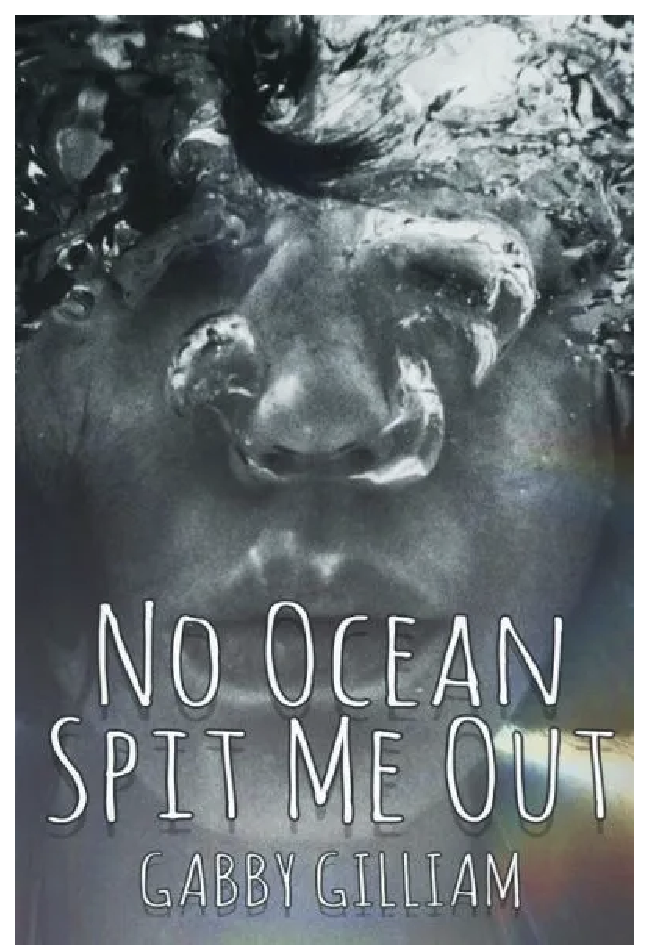
No Ocean Spit Me Out. Gabby Gilliam’s first chapbook of poems, published by Old Scratch Press, is now available for purchase. Shipments will begin on September 15th. Recently I had the opportunity to ask Gabby a few questions about her work and her newest book.

The poems in Gabby Gilliam’s new book, No Ocean Spit Me Out, explore the dynamics and evolution of family relationships.
A live reading zoom event is coming up, JUNE 15tth and you can register to hear Gabby read from her new book as well as hear poets Alan Bern and Robert Fleming read from their work as well. To register click here.
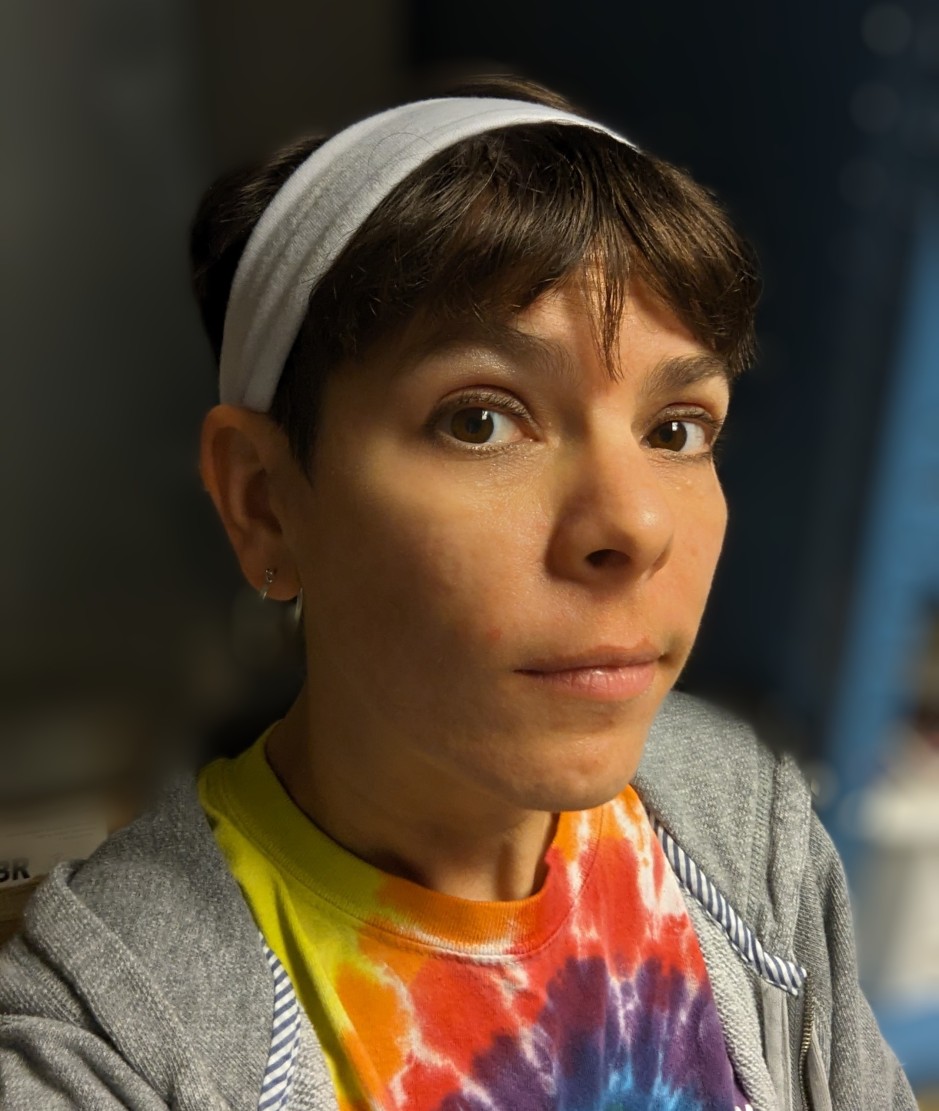
What do you like best about writing poetry?
I love that you can use poetry to describe things in new ways––to make the familiar fresh and universal at the same time. It’s one of the things I like best about reading poetry as well.
Which is your favorite poem in this collection and why?
I think my favorite poem might be the one that gives the book its title, No Ocean Spit Me Out. It’s a tribute to my dad. In this poem, I compare my dad to the god Zeus, and Zeus fails to measure up. Since my dad passed away, most of my poems about him are darker and focus more on my grief. I like this poem because it focuses on some of the things that made me love him so much.
What would you like readers to know about you in connection to your work?
Many of my poems focus on aspects of family connection. From dealing with addiction to witnessing my dad’s complicated relationship with his faith (which had an influence on my own struggle with religion and faith), the poems in this collection are a collage of my childhood and gradual self-acceptance. I hope readers can connect with my personal experiences by reflecting on the nuances of their own familial relationships and the impact they have on shaping our identities. I think the power of shared experiences is what make poetry so resonant, and I hope readers find that within the pages of this collection.
More about Gabby
Fellow collective member Gabby Gilliam is a writer, an aspiring teacher, and a mom. Gabby’s poetry has appeared in One Art, Anti-Heroin Chic, Plant-Human Quarterly, The Ekphrastic Review, Vermillion, Deep Overstock, and Spank the Carp.
Not only is she a poet, but Gabby pens the Drumming for the Cure series of novels. Two thus far, Trouble in Tomsk and Chasing the Cure have been published by Black Hare Press. She lives in the DC metro area with her husband and son.
To purchase your own copy of No Ocean Spit Me Out, click here. Please remember to leave a review if you like it because customer rankings count. And please follow Old Scratch Press on Facebook.


 OLD SCRATCH PRESS