New Year’s Resolutions for Writers: Setting Goals That Actually Stick


Make resolutions that are realistic

Every January, writers everywhere crack open a fresh notebook or a blank document filled with hope, ambition, and—if we’re honest—a little pressure. This will be the year you finally finish the novel, submit your work, or build a consistent writing habit. And yet, by February, many resolutions quietly fade away.

The problem isn’t that writers lack discipline or passion. It’s that traditional New Year’s resolutions often don’t work well for creative people. Writing is unpredictable, emotional, and deeply human. So instead of pipe dreams or unrealistic word counts, this year’s resolutions should support your creativity rather than fight it.

Here are some resolutions that focus on progress, not perfection.


1. Resolve to Write Consistently, Not Constantly

Instead of committing to “write every day for two hours,” try setting a goal you can realistically maintain. Consistency matters more than intensity.

That might look like:

  • Writing 300 words, three times a week
  • Sitting down for 20 minutes, no pressure to produce “good” work
  • Keeping a regular writing window, even if some days nothing flows

A sustainable habit builds confidence—and confidence builds momentum.


2. Separate Writing from Editing

One of the fastest ways to stall your progress is to edit while you write. This year, resolve to let your first drafts be messy.

Give yourself permission to:

  • Write clunky sentences
  • Leave gaps to fill in later
  • Finish drafts that aren’t “ready”

First drafts exist to be written, not judged. Editing is a separate skill—and it deserves its own time and attention.


3. Define Success on Your Own Terms

Publishing deals, social media metrics, and comparison culture can distort what “success” looks like. This year, decide what success means to you.

Maybe success is:

  • Finishing a personal essay you’ve been avoiding
  • Submitting your work for the first time
  • Rediscovering joy in writing again

When you define your own benchmarks, your goals become motivating instead of discouraging.


4. Make Reading Part of Your Writing Life

Good writers are attentive readers. Reading widely and intentionally feeds your craft in ways nothing else can.

Resolve to:

  • Read outside your usual genre
  • Revisit books you love as a writer, not just a reader
  • Pay attention to sentence structure, pacing, and voice

Reading isn’t procrastination—it’s professional development (so let that TBR pile grow!).


5. Embrace Small, Unfinished Wins

Writers often believe that only finished books or published pieces count. In reality, small steps add up to big breakthroughs.

Celebrate:

  • Outlining a chapter
  • Revising a paragraph or poem until it finally clicks
  • Showing up to write, even on hard days

Progress is cumulative, even when it feels invisible.


6. Build a Support System (Even a Small One)

Writing doesn’t have to be lonely. This year, resolve to connect—even modestly—with other writers.

That might mean:

  • Joining a writing group or online community
  • Sharing drafts with one trusted reader
  • Talking openly about writing struggles instead of hiding them

Creative work thrives in environments of encouragement and accountability.


7. Let Go of Guilt

Perhaps the most important resolution of all: release the guilt around how, when, or how much you write.

Life changes. Energy fluctuates. Some seasons are quieter than others—and that’s okay. Writing is not a moral obligation; it’s a practice you return to again and again.

Resolve to meet yourself where you are.


A Final Thought

The best writing resolutions aren’t about transformation overnight; they’re about creating conditions where your voice can show up more often.

So be gentle. Be realistic. And above all, keep writing.

Ready to kickstart your path to success? Here are some publishers who are currently accepting submissions:

January 5: Daikaijuzine is open to speculative content in fiction and poetry.

January 7: Only Poems is open to poems about about beginnings.

January 15: Georgia Review‘s Prose Prize accepts short stories and essays.

January 31: Rappahannock Review is open for multiple genres.

January 31: The Paris Review is accepting poetry submissions.

Opening soon: Months to Years will open on January 15 for previously unpublished nonfiction (including essay, memoir, and creative nonfiction) of up to 2,500 words that explore mortality, death, and dying-related topics.


The Year’s Not Over Yet!

Looking to get some final submissions in before we say good-bye to 2025? Here are some places that are open for submissions! Click the link to be taken to their submission guidelines.

FREE

Posit is accepting prose and poetry until December 5.

Have a good sense of humor? Defenestration is accepting short stories, poetry, creative nonfiction and visual submissions and seeking humorous pieces through December 5.

Up the Staircase Quarterly is accepting poetry and visual art until December 10. They have a tip jar option for $3.

Southern Florida Poetry Journal (SoFloPoJo) is open to poetry, essays, and flash fiction until December 14.

Fish Barrel Review is open to poetry, prose, and visual art until December 15. Submissions are free, but they do also have paid option for expedited responses or feedback.

The theme for Spectrum‘s Vol. 69 is ‘consumption.’ You can submit fiction, poetry, nonfiction, and art until December 31.

Psychopomp is accepting poetry, fiction, nonfiction until December 31.

PAID

For a $3, $5, or $10 donation, Passages North is accepting fiction, poetry, short-shorts, and nonfiction until December 13.

OnlyPoems is open to both free and paid submissions for poetry until December 15.

Red Ogre Review is accepting poetry, music, and visual art until December 31 for $3 or $5 donations.

For a $3 reading fee, Five Points is accepting very short fiction until December 31.

Arc Poetry is accepting poetry submission for a fee of $2 per poem until December 31.

Calyx is accepting poetry and prose until December 31 for a $5 fee ($3 if you are a student).

These are only a handful of the journals that are currently open to submissions. There’s still time to get your writing in before the end of the year. Start 2026 off strong by submitting before December ends!

Photo by Andrew Schwark on Pexels.com

Honoring Native American Heritage Month

Celebrating Native American Heritage Month Through Reading

Each November, Native American Heritage Month invites us to recognize and honor the histories, traditions, languages, and contributions of Indigenous peoples across the United States. It’s a time not only for celebration but also for reflection—an opportunity to deepen our understanding of Native cultures and voices. One of the most meaningful ways to do this is through reading.

Books open doors to perspectives and stories that might otherwise remain unseen. When we read works by Native authors or books that authentically portray Indigenous experiences, we help ensure that these voices continue to be heard and valued. Reading becomes an act of both appreciation and advocacy.

Why Reading Matters

Reading stories by Native authors supports cultural awareness and empathy, especially among young readers. In classrooms and homes, these stories help children see the richness of Native traditions and the diversity within Native communities. For some readers, seeing their identities reflected in literature can be empowering; for others, it fosters respect and curiosity about cultures different from their own.

Books to Explore

Here are a few titles that celebrate Native stories for readers of all ages:

For Young Readers

  • We Are Water Protectors by Carole Lindstrom (Ojibwe) – A beautifully illustrated picture book celebrating environmental stewardship and Indigenous activism.
  • Fry Bread: A Native American Family Story by Kevin Noble Maillard (Seminole Nation)– A heartfelt celebration of family, tradition, and resilience.
  • Thunder Boy Jr. by Sherman Alexie (Spokane/Coeur d’Alene) – A picture book where the main character struggles with his name and tries to find a new one that better represents who he is.

For Middle Grades

  • Healer of the Water Monster by Brian Young (Navajo)– An adventure that weaves modern life and Navajo stories.
  • Indian No More by Charlene Willing McManis (Umpqua) and Traci Sorell (Cherokee Nation) – A novel that draws upon Umpqua author Charlene Willing McManis’s own tribal history which tells the story of a girl on a quest to understand her identity as an Indian despite being so far from home.
  • Ancestor Approved: Intertribal Stories for Kids, edited by Cynthia Leitich Smith (Muscogee Creek Nation) – A collection of intersecting stories and poems set at a powwow that bursts with hope, joy, resilience, the strength of community, and Native pride.

For Teens & Adults

  • The Firekeeper’s Daughter by Angeline Boulley (Ojibwe) – A young adult thriller that addresses social issues impacting Indigenous communities, such as the drug crisis, racism, colonialism, and violence against Native American women.
  • There There by Tommy Orange (Cheyenne and Arapaho Tribes) – A multigenerational story about violence and recovery, memory and identity, and the beauty and despair woven into the history of a nation and its people. 
  • The Heartbeat of Wounded Knee by David Treuer (Ojibwe) – A compelling history that reframes Native American resilience and survival.

How to Celebrate Through Reading

  • Create space for Native voices in classroom and home libraries or book clubs.
  • Discuss what you read, focusing on themes of identity, resilience, and community.
  • Invite guest speakers or virtual author visits from Native writers.
  • Reflect on representation—whose stories are missing, and how can we bring them forward?

By reading and sharing Native stories, we help honor Indigenous heritage not just in November, but all year long. Books remind us that storytelling is one of humanity’s oldest and most powerful ways to preserve culture, inspire understanding, and connect us all.

The Importance of Networking

Writing may often feel like a solitary pursuit, but in today’s publishing world, no author truly succeeds alone. Networking—whether with fellow writers, industry professionals, or readers—is one of the most powerful tools an author can use to grow, learn, and thrive.

One great resource for authors are local bookstores! Many independently-owned bookstores have a shelf dedicated to local authors. They are usually happy to stock books by local authors and I’ve been asked to sign copies for my local bookstores as well!

There are a few bookstores near me that go above and beyond stocking local authors. One has a monthly series of workshops they hold for local authors to help them hone their craft and also to teach authors how to market themselves to readers. They also hold local book fairs and festivals and encourage authors to come and sell their book themselves! These book festivals are a great place to meet other local authors and to talk shop with them about local marketing opportunities. They are also a great place to meet new readers!

A group of authors stands beneath a sign that reads Local Authors.

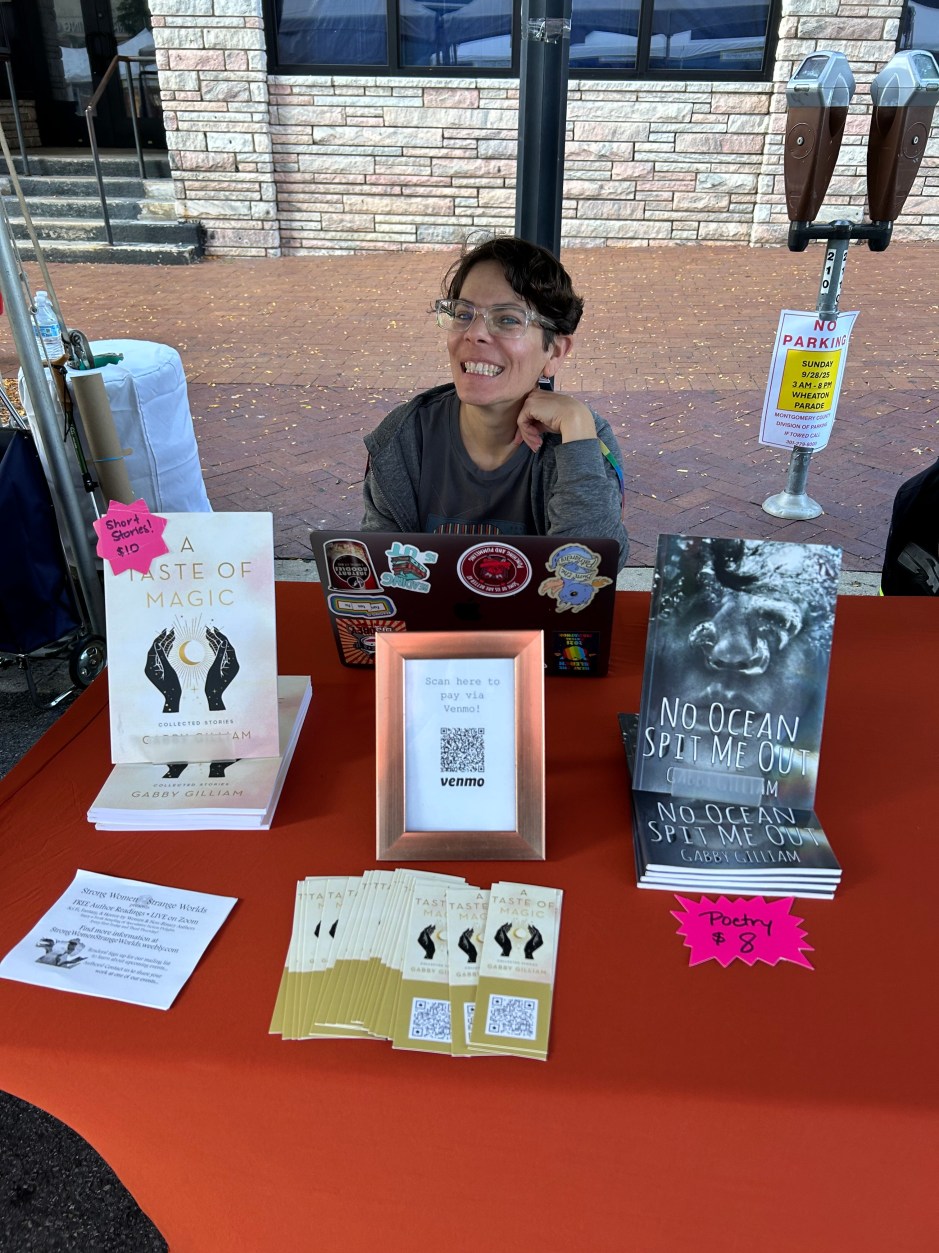
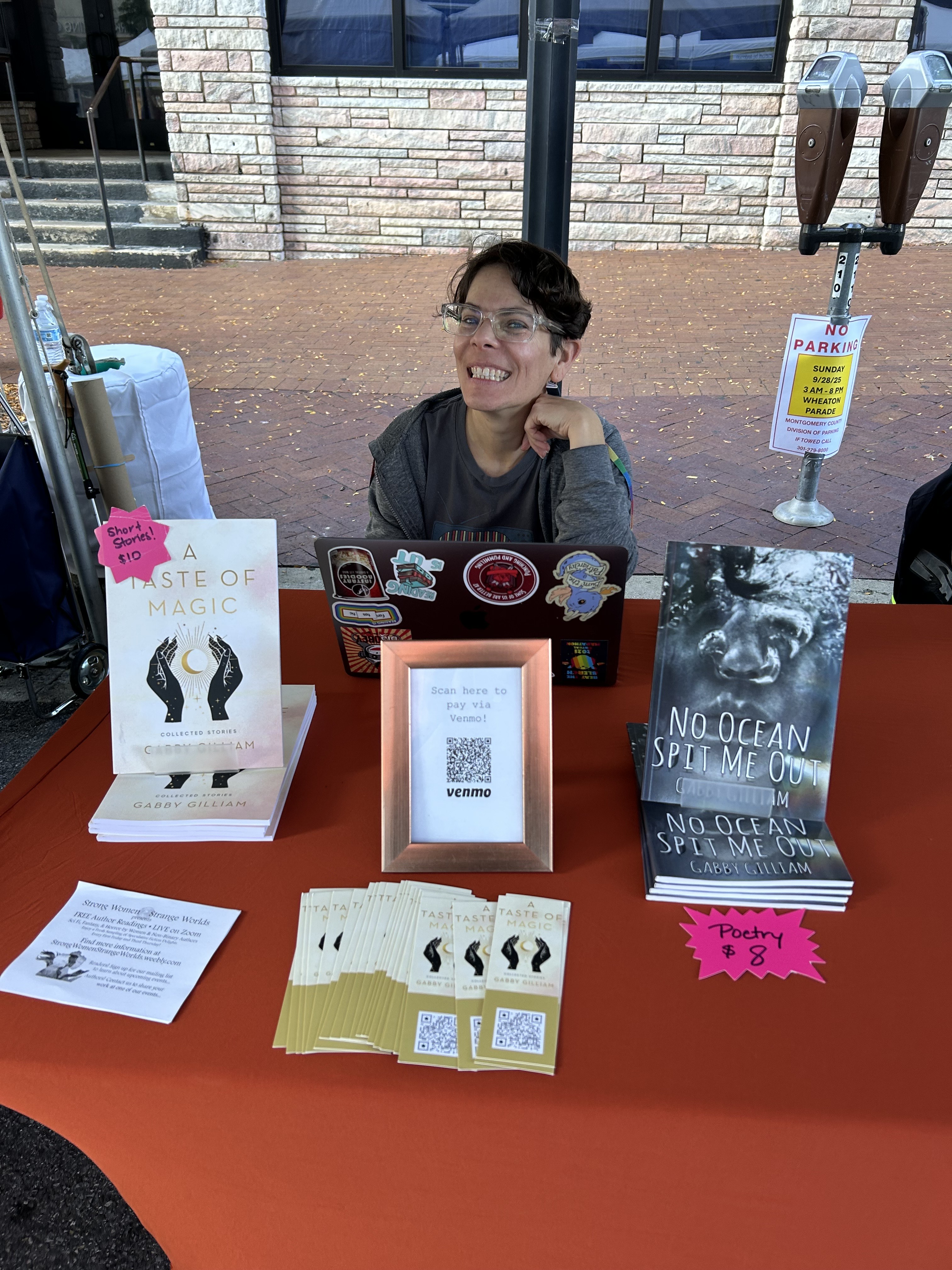
This local author group also has its own podcast! They interview local authors to help them promote their work to the reading community. I recently sat down with the host, Amy Watkins, for an interview with the Rock, Paper, Write podcast. You can listen to that episode here. Amy also invited me to the Wheaton Arts Parade to sell my books with some other Kensington Row Bookshop authors. The Kensington Row Bookshop also organizes the annual Kensington Day of the Book Festival. It’s such a supportive bookstore.

For authors, networking isn’t about self-promotion alone—it’s about building authentic relationships that provide growth, support, and opportunity. The more you engage with your writing community, the stronger your career foundation becomes. So, go out and make some new friends and sell some books!

Photo credit to Amy Watkins

Celebrate Books in September

It’s always a great time to immerse yourself in the literary world, but September seems to be an especially busy month if you want to celebrate books. Get ready to mark your calendar because whether you want to find a new read from an indie author, or you want to collect a signature from a well-known author, September gives you multiple chances to grab some new books for your TBR pile.


1. The National Book Festival (September 5-6, 2025) – Washington, D.C.

Organized by the Library of Congress, the National Book Festival in Washington, D.C. brings together a wide range of authors, journalists, and intellectuals to discuss literature and current affairs. With free events and a large roster of authors, this festival is a must-attend for book lovers.

Highlights:

  • Diverse Program: From fiction and memoirs to history and science, there’s something for everyone.
  • Author Signings: Meet bestselling authors and get your books signed.
  • Free Admission: All events are free to attend, making it accessible to everyone.
  • Panels & Discussions: Topics range from politics to personal stories and more.

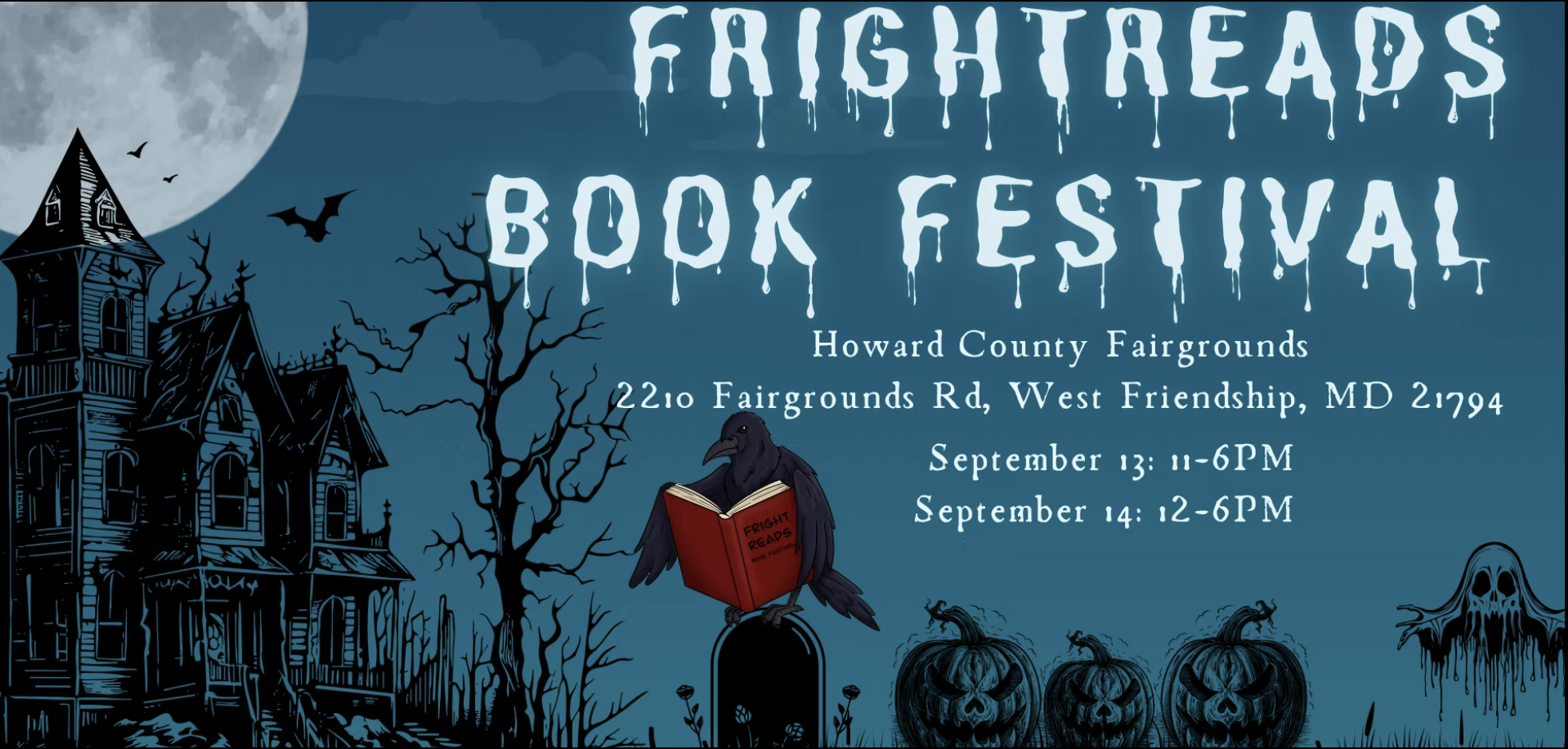
2. FrightReads Book Festival (September 13-14, 2025) – West Friendship, Maryland

FrightReads Book Festival is an all-ages event, dedicated to horror, sci-fi, mystery, paranormal and thriller books in Maryland! Featuring Celebrities, guest authors and tons to do! Old Scratch Press member Gabby Gilliam will be selling books at this event!

Free & Open to the Public: Kids 12 and under are free. Adult tickets need to be purchased.

Highlights:

  • Panels & Discussions: Topics cover everything from contemporary fiction to publishing trends.
  • Costume Contest: Categories for both children and adults.
  • Special Guests: Cosplayers, celebrities and more.
  • Film Festival: Screening 4 spooky films all afternoon.

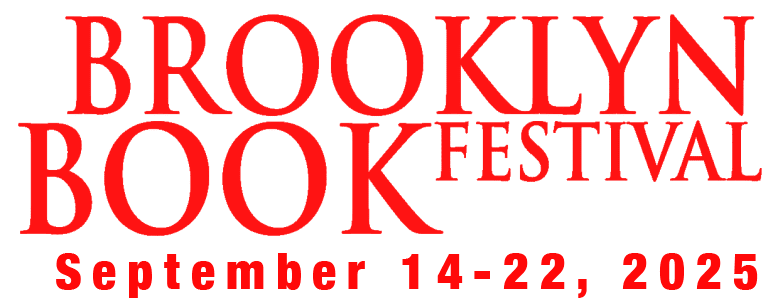
3. The Brooklyn Book Festival (September 14-22, 2025) – Brooklyn, New York

One of the largest and most anticipated literary events in New York, the Brooklyn Book Festival offers nine days filled with book signings, panels, and performances. It’s a wonderful opportunity to explore the literary scene in the heart of Brooklyn. The Brooklyn Book Festival is celebrating its 20th anniversary this year! BKBF is dedicated to celebrating diversity in literature, so they aim to develop original programming that is hip, smart, diverse, and inclusive. They also present free, literary, cultural events at the BKBF Day & Literary Marketplace, Virtual Festival Day, and the family friendly Children’s Day. Additionally, BKBF presents Bookend events in venues across NYC and on-line, which are overwhelmingly presented free to the public.

Highlights:

  • Children’s Day: September 20 is all about young readers.
  • Diverse Program: From fiction and memoirs to history and science, there’s something for everyone.
  • Panel Discussions: Topics on writing, editing, and publishing.

4. Indie Lit Festival (September 25-27, 2025) – Frostburg, Maryland

This event, hosted by the Frostburg University Center for Literary Arts, brings together editors and publishers with writers and educators of the local community. This event celebrates the writers, publishers, and readers of small press and independent publishing. The weekend features a poetry slam, readings, roundtable discussions, practical “how to” sessions, and a small press book fair in Frostburg, Maryland. Two Old Scratch Press members (David Fulcher and Gabby Gilliam) will be reading and selling books at this event!

Highlights:

Free & Open to the Public: Many of the events are free, making it an accessible event for all.

Friday 9/26:
Indie Lit Kickoff Reading featuring Lee Horikoshi Roripaugh at Main Street Books (2 E. Main St.), 7 PM

Followed by rock and roll with The Downstrokes at the Deep End (16 W. Main St.)

Saturday 9/27:
Panels, workshops, and readings in City Place (14 S. Water St), Mountain City Traditional Arts (25 E. Main St.) and the Frostburg Public Library (65 E. Main St.), 11-5

  • Poetry Slam: Thursday night @7, sponsored by Savage Mountain Punk Arts.
  • Book Signings & Readings: Hear authors read from their works and engage in discussions.
  • Workshops and Panels for Readers and Writers: Learn the ins and outs of writing and publishing.
  • Poetry & Fiction: Events covering a wide range of genres and literary styles.

Don’t see anything local to you? Bookreporter has a calendar with even more upcoming festivals.

These festivals offer fantastic opportunities to hear from both bestselling authors and indie authors, attend workshops, and get involved in the global literary community. Mark your calendars for these exciting events, and let me know which ones you’re most excited to attend!

Seeking Sanctuary in what you Read

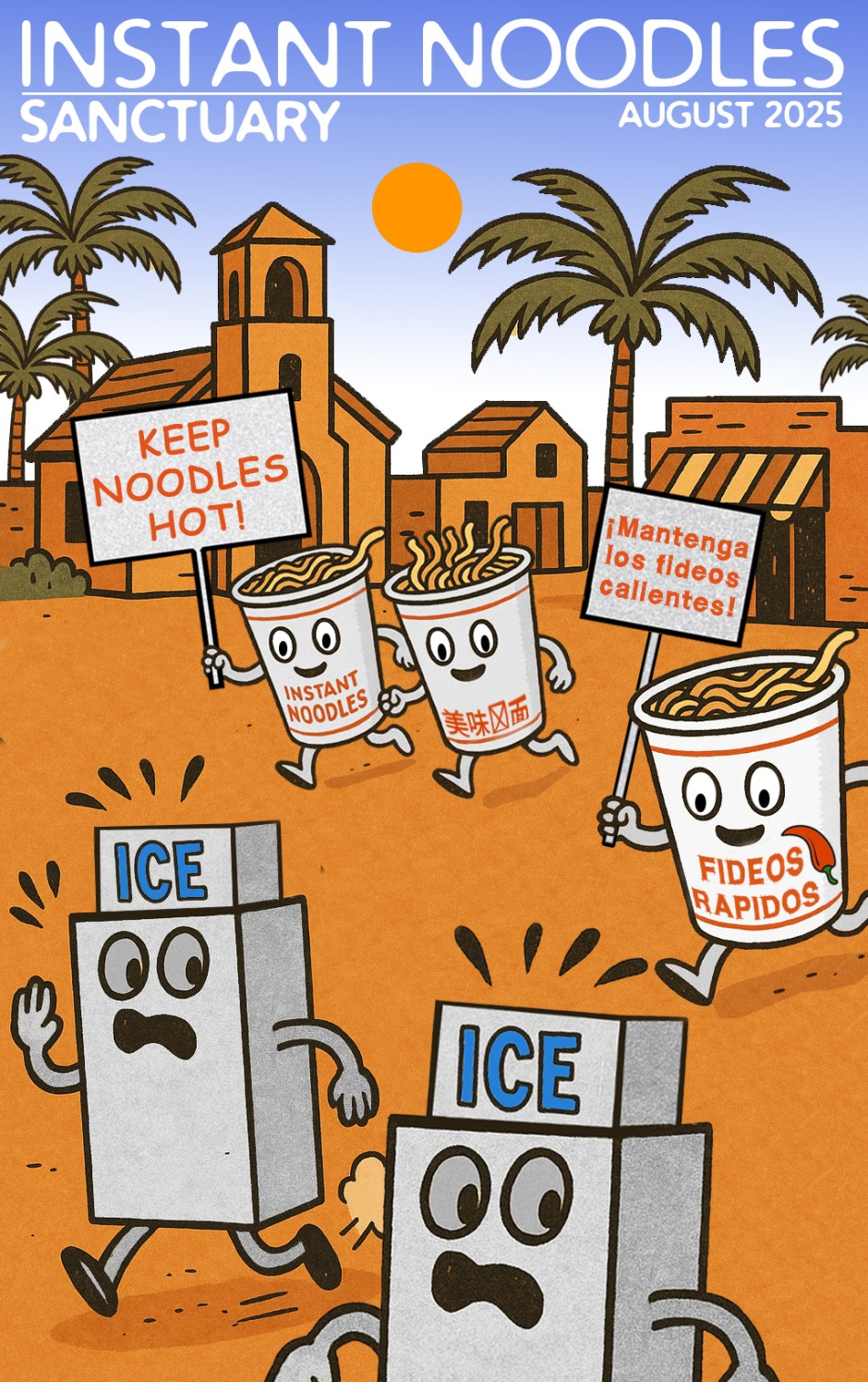
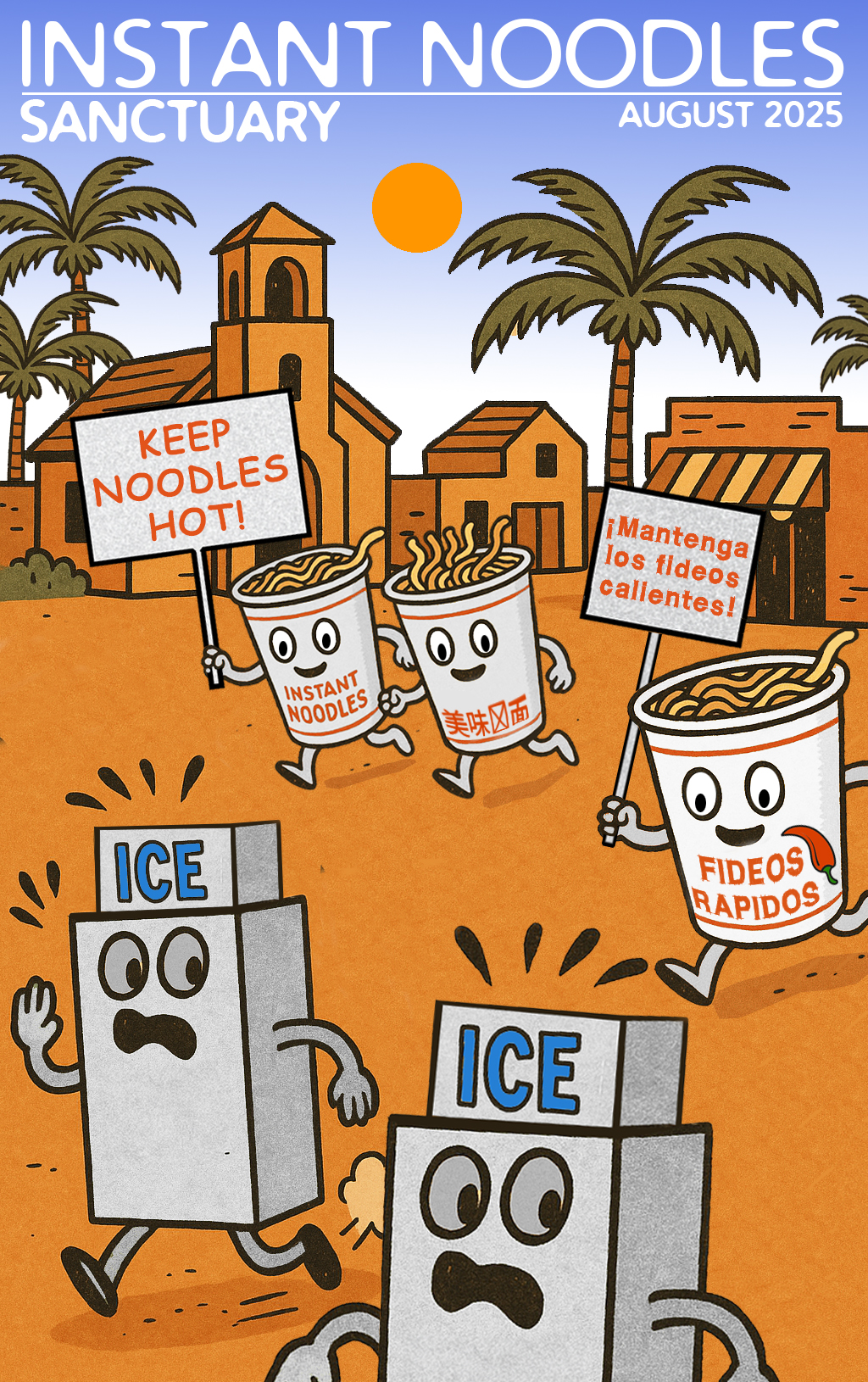
For many of us, reading is a means of escaping the clamor of the real world for a brief time. The theme of the current issue of Instant Noodles is “Sanctuary.” If you’re seeking to give your brain a respite from the news feed, head on over to read the latest issue, curated by the members of Old Scratch Press!

Instant Noodles is open for submissions for our Winter issue! If you have a piece that fits our “Gravy” theme and is on the light-hearted side, please check out the submission guidelines here! We try to fill our Winter issue with fun and mayhem, so please remember that HUMOR, not melancholy is our ask for this issue!

Old Scratch Press is also seeking new members to join our collective! If you write short form pieces (like flash fiction, poetry, or flash memoir), and you’re interested in working with our collective to publish your collection of work, check out our submission guidelines at Duotrope to see if we might be a good fit! The submission window closes on August 31!

Independent Reading

Are you finding it difficult to get into the holiday spirit this Independence Day? Artists have been exploring the concepts of freedom and independence through their art for ages. While fireworks light up the sky and flags wave proudly on July 4th, it’s also the perfect time to spark something else: a love of reading. Independence Day is about more than history—it’s about the ideals that shape our country: freedom, courage, justice, and hope. What better way to explore these themes than through reading?

Whether you’re holiday plans include relaxing at the beach, enjoying a backyard BBQ, or cooling off indoors, there are many ways you can bring some great reading with you.

Art can remind us where we came from, challenge us to think critically about the present, and inspire us to shape a better future.

Here is a poem by Langston Hughes that explores how he felt about America.

Or you might try an Abecedarian by Varsha Saraiya-Shah.

And if you want to stir your patriotism and spark some hope, try this poem by Carlos Bulosan.

This July 4th, don’t just celebrate with fireworks—celebrate with a poem or story.

If you’re a writer, there are some places looking for work on American themes.

WWPH is looking for American themed haiku. Submissions run through July 6.

Gnashing Teeth publishing is also looking for American themed poems, but their submissions close today, so you’ll have to write fast!

Missed the deadline? No problem! You can still enjoy reading their selections tomorrow!

Celebrating Pride Month Through Reading

June is Pride Month! It’s a time to recognize and celebrate people in the LGBTQ+ community. Pride Month is about love, acceptance, and being proud of who you are. One great way to celebrate is by reading books that share LGBTQ+ voices and stories.

Books help us understand each other. For LGBTQ+ people, reading stories with characters like them can help them feel seen and accepted. For others, reading these stories builds empathy and helps us learn more about people who may be different from us.

Books can also teach us about LGBTQ+ history, struggles, and victories. Reading is a powerful way to show support during Pride Month, especially when you buy books written by LGBTQ+ authors.

If you’re looking to add some pride to your bookshelf, we have two authors at Old Scratch Press who recently published books of poetry that would be great additions to your to-be-read list!

On May 1, Morgan was awarded Second Place in the Delaware Press Association Communications Awards for her book, The Song of North Mountain which was released by Old Scratch Press in May 2024. Not only did Morgan write the poems in this collection, she also did the interior artwork and illustrated the book’s cover. North Mountain is part of a 55-mile mountain ridge in the northern Shenandoah Valley in Virginia. Morgan says her collection of poems is a love song to that ridge.

Here is her poem, Ghost Light, which won also won Second Place in the DPAC Awards in its category.

Ghost Light

Looking back along the ridge
a thin rib of light briefly
illuminates the forest floor
and silhouettes trees stark against winter sky.
Look too soon
and you miss the mystery
of Dillon’s Mountain’s brief farewell
to nightsky and stars and sweet Venus.
Look too late
and the slumbering giant
lumbers slowly
into its ordinary dayspring.
But if you should,
by chance or intent,
catch the moment,
you will see life
and hope
renewed
in a sudden shaft of dawnbreak.

You can follow Morgan on Facebook and Instagram or visit her website.

Robert Fleming is a gay man who writes and creates art about gay, transgender, and universal themes. After coming-out, he published in LGBTQ magazines. He says that when he” stopped obsessing about being gay”, he realized that his sexual orientation is only one part of who he is. This enabled him to write on universal human themes and crossover into publishing in straight magazines.

For pride, one his favorite poems is one he wrote, Passed Over , that was published in 2020 in Trees In A Garden Of Ashes by Local Gems Press. Robert is grateful to James Wagner, the editor of Local Gems Press, who published many of his gay and transgender works.

For pride 2025, Robert recommends to submit to publish in Oddball magazine that has categories in nonsexual orientation and pride (LGBTQ). You can find submission guidelines here.

Robert is the author of the Amazon best-selling visual poetry book, White Noir.

Here is a link to his visual artist profile.

Follow Robert at Facebook

The best books are free books

What is Free Comic Book Day?

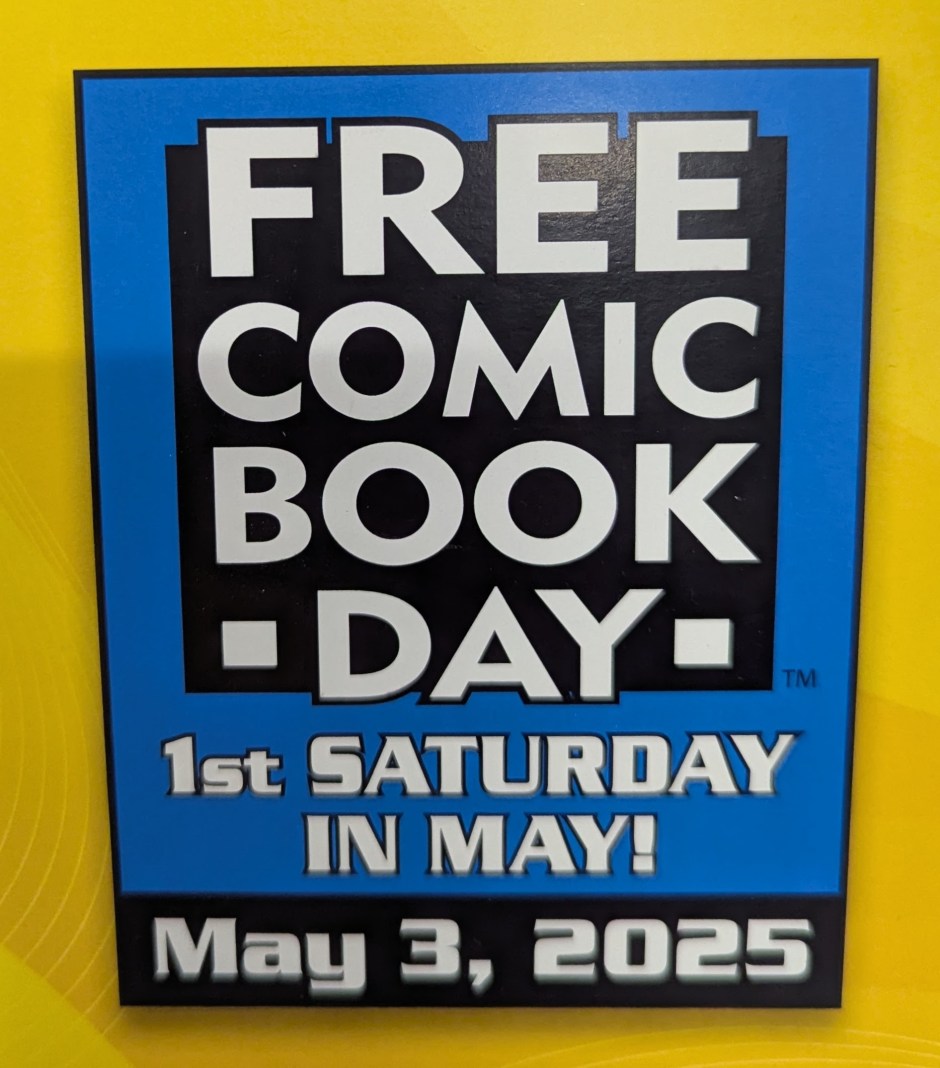
Every year on the first Saturday of May, comic shops across the country come alive with excitement, color, and creativity—because it’s Free Comic Book Day (FCBD)! Whether you’re a lifelong comic enthusiast, a casual reader, or someone looking to dive into the world of graphic storytelling for the first time, this day is all about celebrating comics, community, and the joy of reading.

Started in 2002, Free Comic Book Day is a promotional effort by the comic book industry to attract new readers. Participating comic book stores give away specially printed copies of free comics—completely free of charge. The event includes a wide variety of titles from major publishers like Marvel, DC, Dark Horse, Image, and smaller independent presses, offering something for every age group and interest.

Why It Matters

The world could use more heroes and happy endings. Comics aren’t just about superheroes (though there’s plenty of that if you’re into it!). They span genres—from fantasy and horror to history, science, and slice-of-life stories. They’re also a powerful tool for literacy and education, helping readers of all levels improve comprehension, vocabulary, and visual literacy.

For younger readers especially, comics can be a gateway into the joy of reading. The mix of artwork and text makes stories more accessible and engaging, which is especially beneficial for reluctant readers or multilingual learners.

How to Celebrate

  • Visit a Local Comic Shop: Use https://www.freecomicbookday.com/StoreLocator to find a participating shop near you.
  • Explore New Titles: Try something outside your usual favorites. You might find a new series or genre you love!
  • Bring the Family: Many stores host family-friendly events like signings, costume contests, games, and raffles.
  • Support Local Creators: Some stores use the day to highlight local artists and writers—don’t miss the chance to discover original voices.

My local comic book store had a local graphic novelist as well as comic artists in the shop signing autographs. They also work with local food pantries and offer an extra free comic for each can of food donated to the store. I always come away with comics I’ve never heard of that I end up enjoying once I get home and read them.

While free books are always amazing, Free Comic Book Day is more than just picking up a stack of comics—it’s about celebrating imagination, storytelling, and the communities that form around them. Whether you’re 8 or 80, there’s a comic out there for you. So mark your calendar, grab your friends or family, and make your way to your local shop. You never know what new world you’ll step into!

Celebrate National Poetry Month: Read a Poem a Day!

April is National Poetry Month, which makes it a great time to enjoy the beauty and power of words! Whether you love poetry or are just starting to explore it, reading a poem each day is a wonderful way to celebrate the art of the poem.

Why Read a Poem a Day?

Poetry helps us express feelings, tell stories, and learn new words. Reading one poem a day can:

  • Improve Reading Skills – Poems use creative language that helps build vocabulary and understanding.
  • Inspire Creativity – Poetry makes us think in new ways and see the world differently.
  • Help You Relax – The rhythm and emotions in poetry can be calming and enjoyable.
  • Grow Empathy – Poems share different experiences and feelings, helping us understand others better.

Easy Ways to Add Poetry to Your Day

  1. Start Your Morning with a Poem – Read a short poem to begin your day with inspiration.
  2. Read Poetry with Friends and Family – Share a poem out loud and talk about it together.
  3. Use Online Poetry Resources – Websites like Poets.org and Poetry Foundation offer daily poems.
  4. Write About What You Read – Keep a journal to jot down thoughts or even try writing your own poems!

Poets and other resources to Check Out

If you’re not sure where to start, here are some poets you might enjoy:

Join the Fun!

National Poetry Month is the perfect time to enjoy poetry. Challenge yourself to read a poem each day, share your favorites, or even try writing your own! Celebrate the power of poetry—one poem at a time.

What’s your favorite poem? Share it in the comments below!