The Not So Secret Lives of Poets! Fun Facts ABout Old Scratch Collective.

Looks can be deceiving. Can you guess who did what?

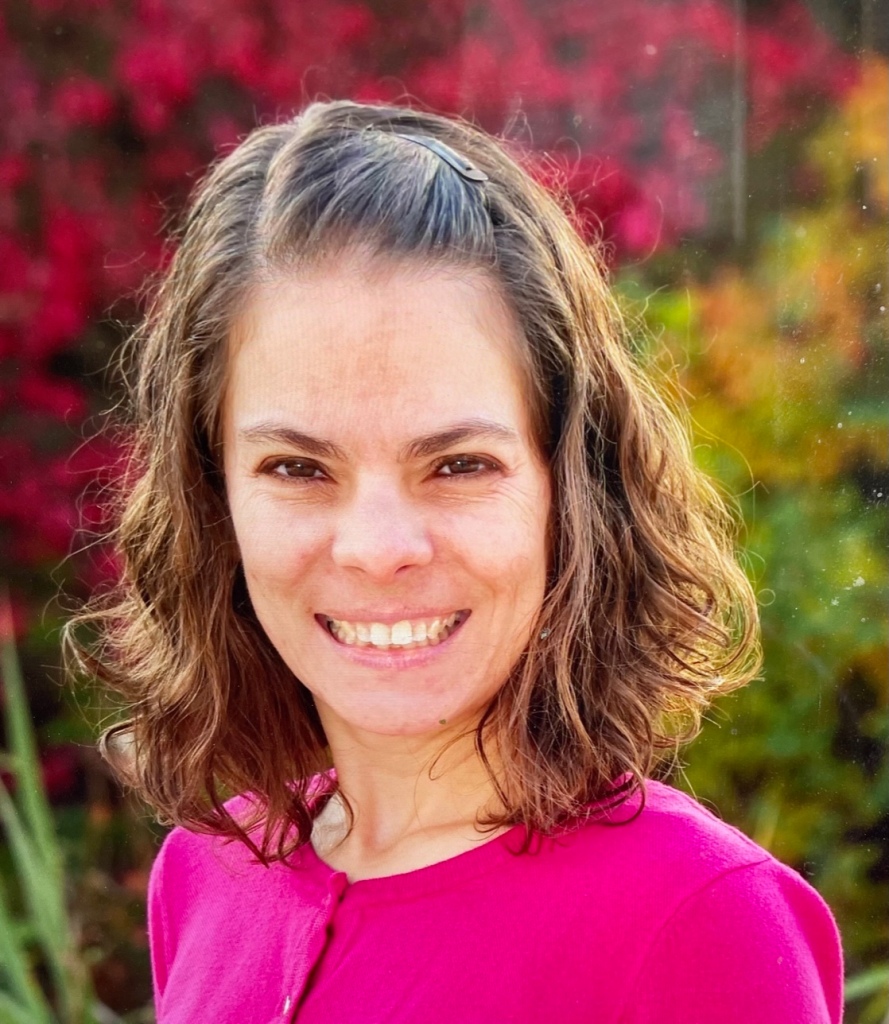
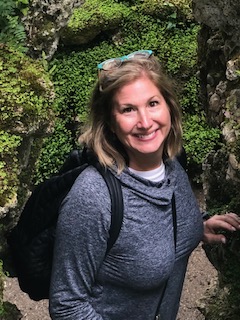
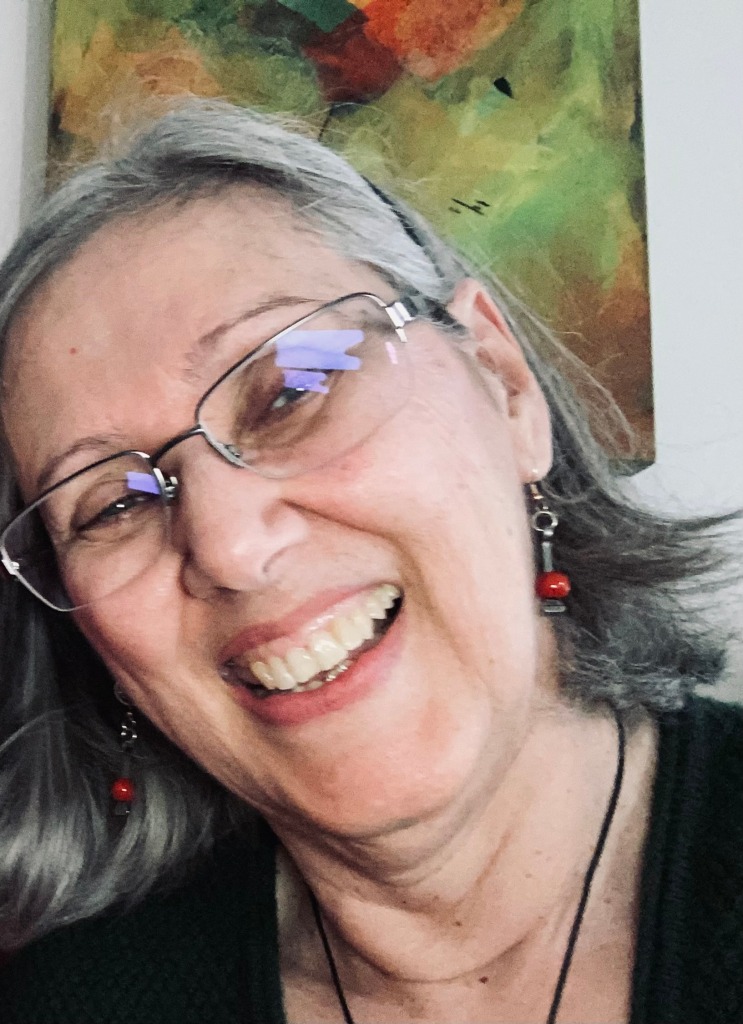
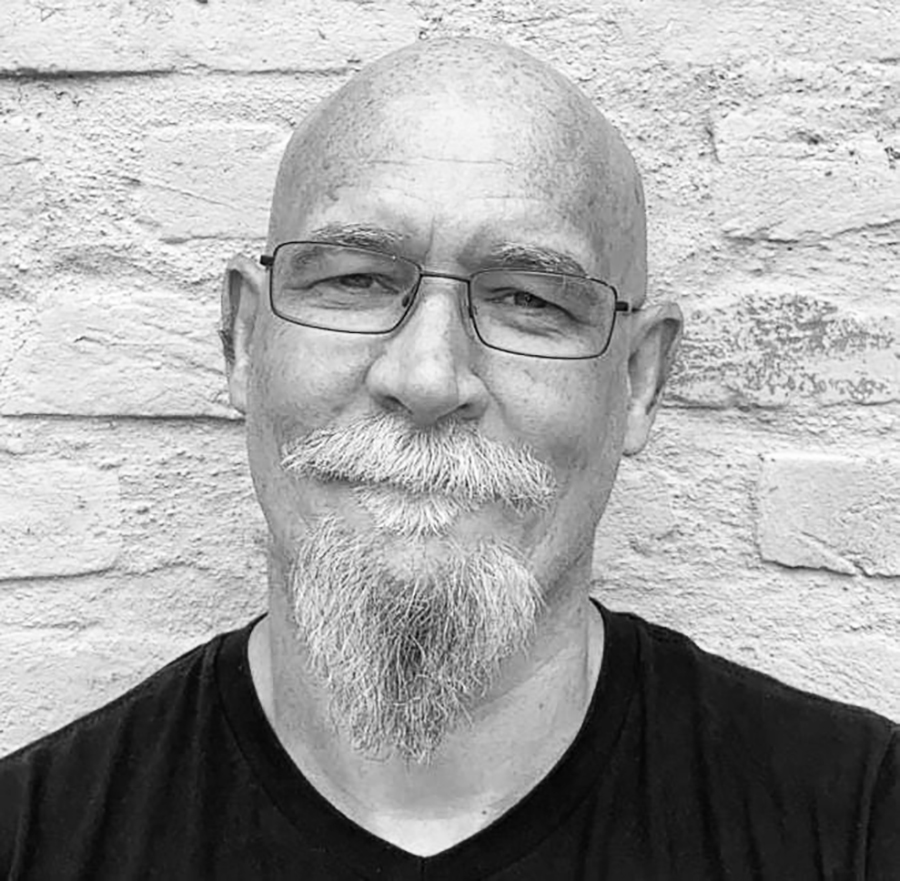
Can you match these poets: Alan Bern, Anthony Doyle, Ellis Elliot, Gabby Gilliam, Morgan Golloway, Nadja Maril, with the correct fun fact?
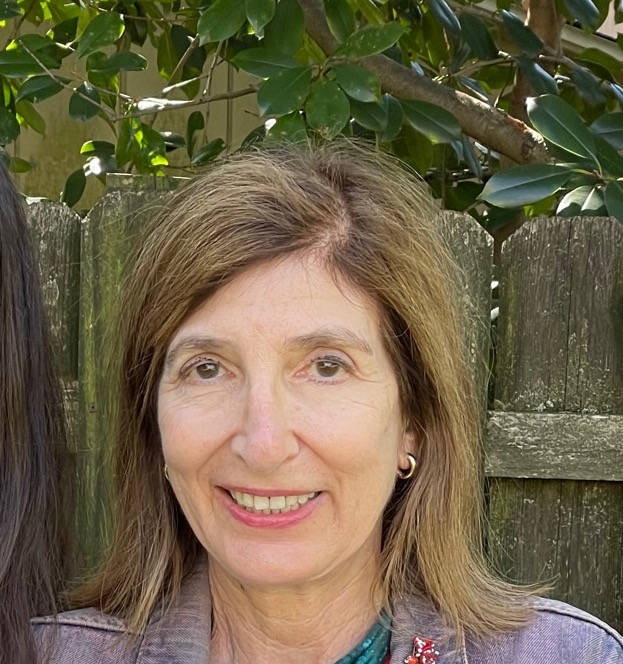
Alan Bern
Janet Uchendu

A. This writer/poet has a secret fantasy to be part of a singing flash mob.

B. This writer/poet was so afraid of sharks, they conquered their fears by participating in a White Shark Cage Dive.

C. At a Dallas Cowboy Cheerleader audition, this writer/poet taught the choreography.

D. In high school and college, this writer/poet had a following as a fortune teller. Their specialty was reading tarot cards.

E. This writer/poet was so embarrassed by their first attempt to bake an angel food cake, they buried the “cake” in their mother’s garden.

F. This writer/ poet fervently played the clarinet in their youth with hopes that the instruments vibrations would enhance the quality of their hair.

G. This writer/poet made a project of collecting all the dead ladybugs where they were working and lining them up on the top of their office cubicle walls.

AND THE ANSWERS ARE:

A. Gabby Gilliam secretly or not so secretly likes to be in the limelight. The many talented writer/ poet who by day works as a teacher, sometimes fantasizes about being part of a flash singing mob.
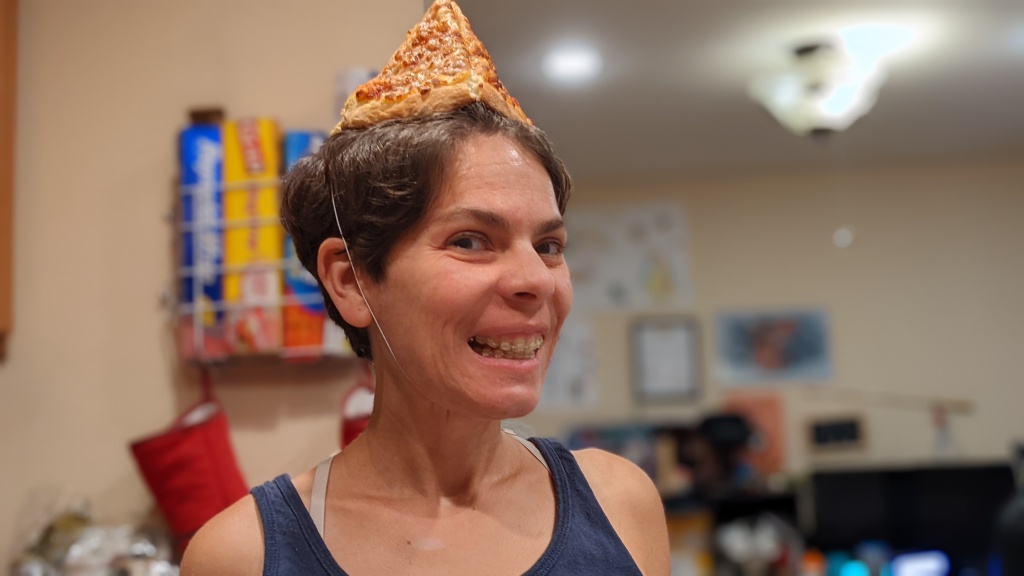
Poet and Writer Gabby Gilliam wearing what appears to be a pizza hat.

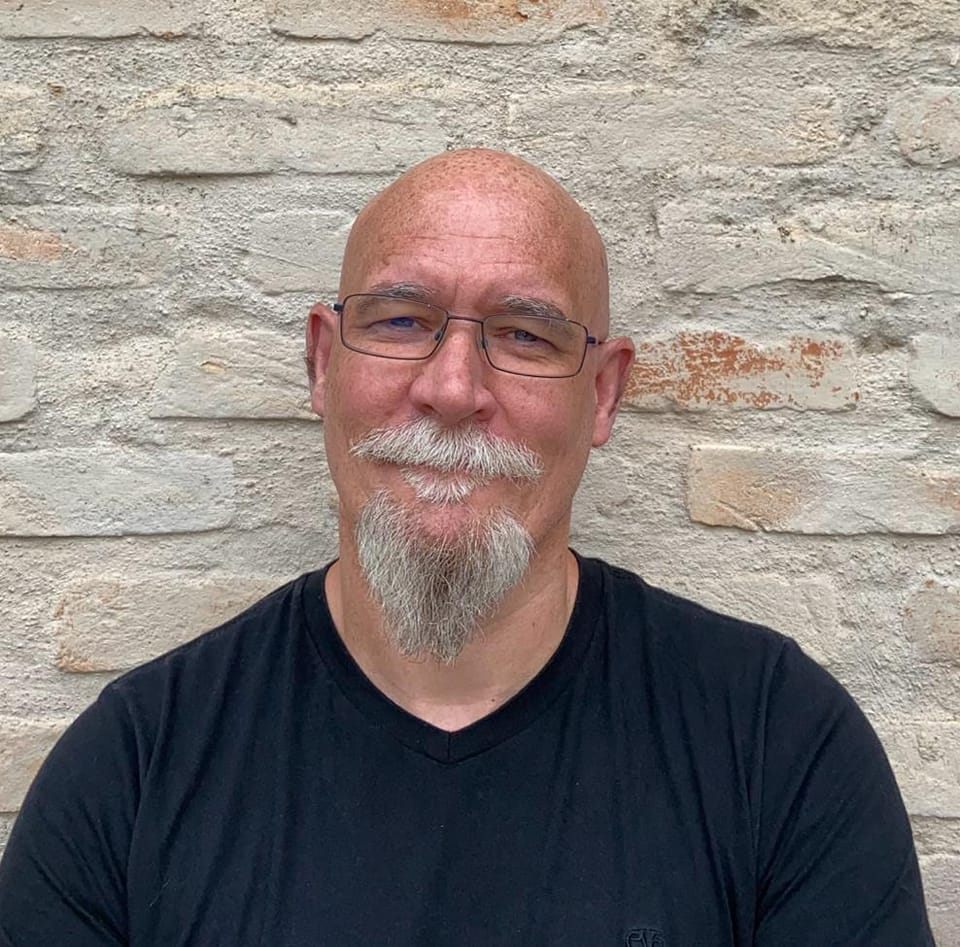
B. Poet and writer Anthony Doyle loves to swim. But he didn’t always feel safe in the water because he worried about being attacked by sharks. So in order to conquer his fears he allowed himself to be locked inside a protective cage and submerged in deep water, a White Shark Cage Dive in Gaansbai, South Africa, so he could confront his terror close up and now scuba dives as a hobby.

Photo by Jondave Libiran on Pexels.com

C. Poet/writer Ellis Elliot once taught ballet and was a dance choreographer too. So, once upon a time she taught choreography at a Dallas Cowboys cheerleader audition. Here’s a professional photo of her dancing.
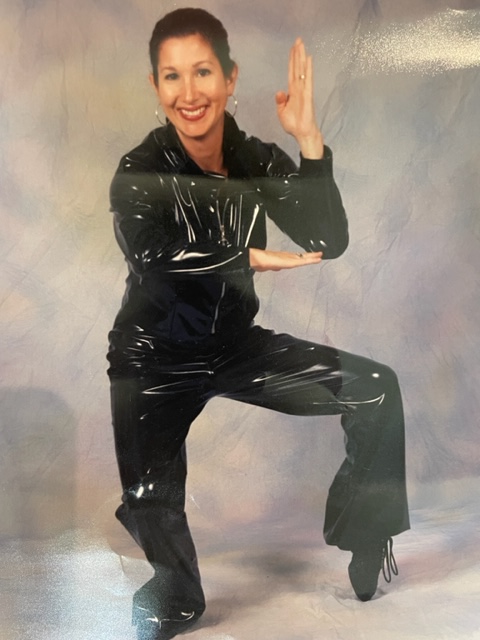
Ellis Elliot, dancer and choreographer.

D. In High School, Nadja Maril was fascinated by the occult: astrology, numerology, time travel and fortune telling. Her talent to predict the future in college, with the aid of a battered deck of Tarot cards had fellow students lined up outside her dorm room door. Eventually, she packed the cards away. “While influences, opportunities and obstacles can be predicted,” she says, “We make our own destiny.”
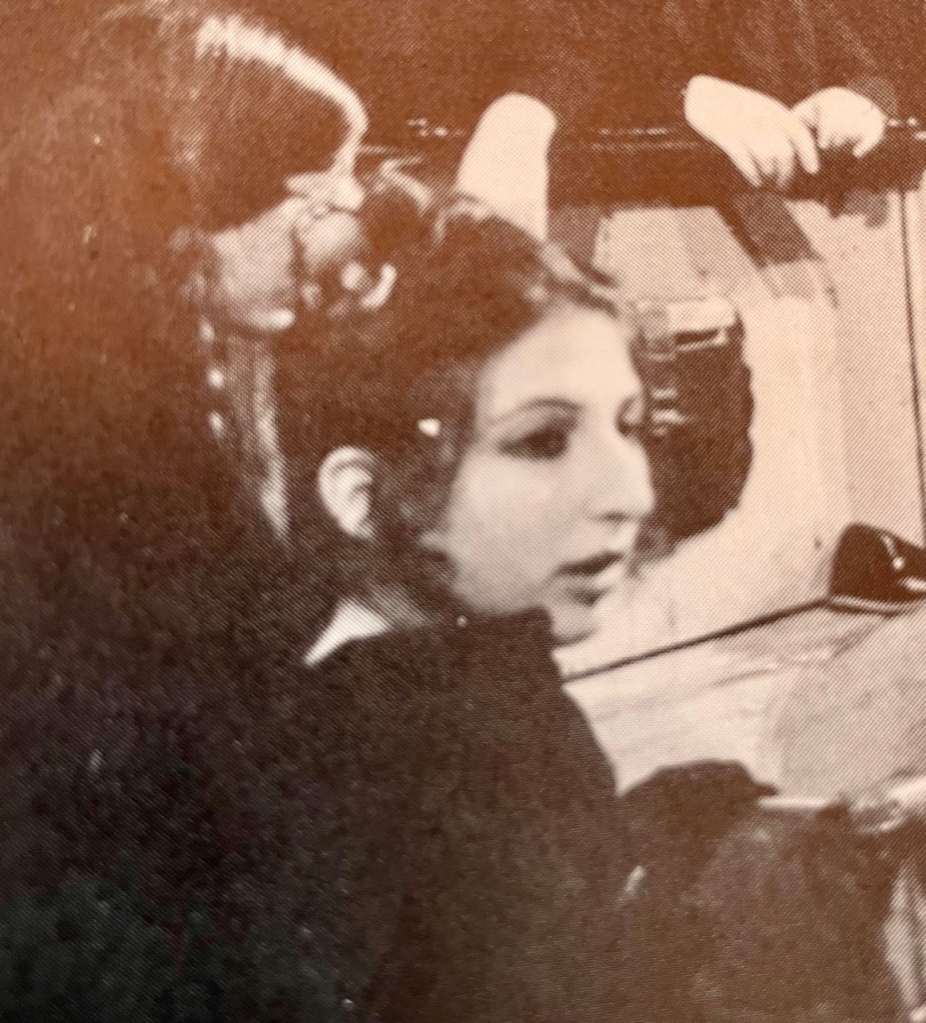
A very young Nadja performing in a High School play.

E. Writer, poet and artist Morgan Golladay is not afraid to tell the world her first attempt at baking an Angel Food Cake was such an embarrassment, she hid the evidence by burying it in her mother’s garden. Often the work of creating something “just right” takes multiple tries.

F. Allan Bern shares this wonderful photo of him in his youth when long full hair was “a thing” and he was convinced, if he kept practicing his clarinet, the vibrations of his instrument would enhance his hair growth. “Here I am in Napoli in 1966, ” says Alan. “My friend Umberto and I played the Clarinet, and he claimed the practicing made your head vibrate and, perhaps, helped your hair grow like this.”

Alan Bern in 1966.

E. Writer/Poet Janet Uchendu thought it odd that an inordinate amount of ladybugs were turning up dead inside the office where she worked. Like most writers, she is a keen observer. Perhaps it was the end of their lifecycle, but why inside that particular office? So she stacked them up on the top edge. of her cubicle. But much to her surprise, no one else noticed.
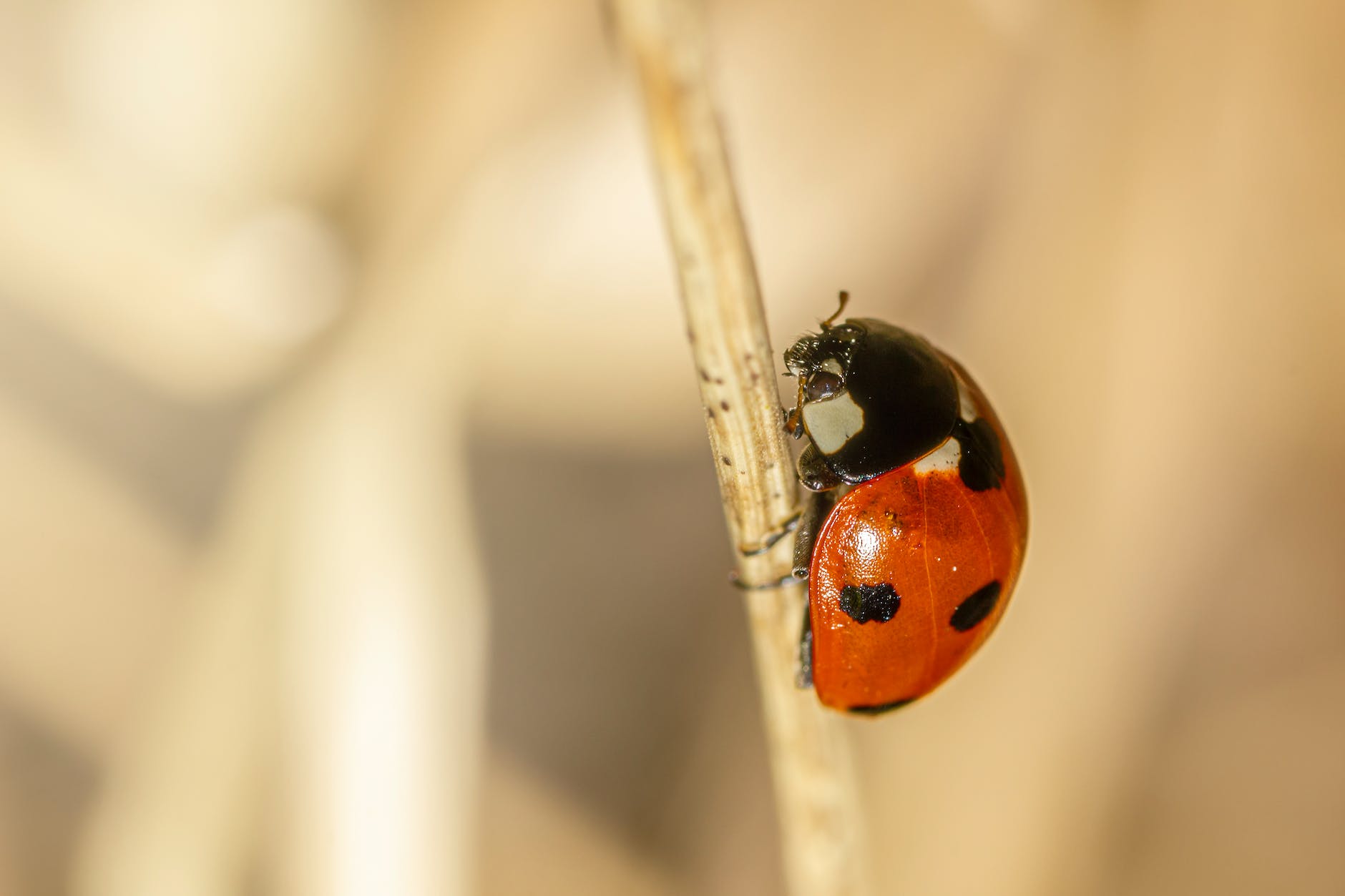
Ladybug ladybug fly away home.

Thank you for playing the game. Don’t forget to follow this blog for news and announcements. It’s free. Just sign up. Coming up is the October 15th deadline to the Coold Turkey issue of Instant Noodles Literary Magazine. Prose submissions this time must be approximately less than 500 words and no more than two poems, if you are submitting in the poetry category.

Writing Poetry, Publishing Poetry. When and How to Share Your Work.

Photo by William Fortunato on Pexels.com

By Nadja Maril

For many decades, my poetry writing was a private pursuit. By limiting word selection and phrases to focus only on what really mattered, poetry served to capture my observations and innermost thoughts and months later I could revisit those thoughts and perhaps develop them into a story or essay.

On special occasions and for friends, I would write poems, but these were personal gifts.

It wasn’t that I hadn’t thought about sending poems out to be published. I’d had some “Beginner’s Luck” in college and had a few poems published in a small local magazine, but when I started sending poetry to national publications, all I received were rejections. The pre-printed rejection forms were too painful to read. I packed away my poetry manuscripts and kept my poetry to myself.

I could consider myself in good company. After her death in 1886, Emily Dickinson’s family found 1800 unpublished poems compiled into booklets, amongst her things. The very first volume of Emily Dickinson poetry was published in 1890.

Statistically, the majority of literary magazines publishing poetry only accept approximately three percent of the poems they receive for consideration.

Photo by Ron Lach on Pexels.com

Old Scratch Press Collective member and published poet Virginia Watts says, “I consider myself more of a prose writer who turns to poetry to express creatively in a less structured way.” She has been writing poetry for over sixteen years.

“I believe it is very important for those new to poetry,” Virginia says, “to learn as much as they can about the craft of writing. For poetry, that means taking as many classes at locale universities as you can, attending workshops and getaways where a person can study traditional forms of poetry such sonnets, pastoral poetry, haiku, ode. Try your hand at these. Learn about meter and rhyme scheme, enjambment, alliteration, and so on. The more you know about poetry the better it is for finding your unique voice and style as a poet.”

So, what made me decide years later to send a few poems out for publication consideration? I realized that perhaps the short flash pieces of prose I’d successfully published might be considered by some to be prose poems. I decided to challenge myself to revisit other poem forms I’d tried in the past and be brave.

Virginia says, “When I select poems to submit, I generally give my poems some time to sit on the backburner without me. When I return to them a few months later, I can see where final revisions are needed. I submit a batch of poems that reflect where my poetry is at the moment. That simply means ideas that came to me that I couldn’t shake until I had written them down.”

 “Read poetry.” says Virginia Watts, “Listen to poets read their work. When you are ready join a poetry workshop where other poets will read and offer honest suggestions for editing your work.”

So here comes the tricky part, if you decide to start submitting to publications. 1) Read as many literary publications that publish poetry as you can. If you like what they publish and you think your work would be a good fit, submit your best. 2) To find data bases of publications check out Poets and Writers, Duotrope, Chill Subs, and Submittable. Some publications charge submission fees and some don’t. Take into account how many writers statistically they are known to reject and keep that in mind when you submit. 3) Keep good records with dates of submissions, responses, and any feedback. While most rejections are form letters, some will invite you to waive the waiting period for resubmission or even in rare instances invite you to re-submit with revisions. 4) Expect to submit as many as thirty times before you achieve success, depending on where you are sending your work. Good luck and if you are over forty and have poetry that fits the current theme, check out our sister publication ( published by Devil’s Party Press) Instant Noodles Literary Magazine.

Thank you for reading and don’t forget to sign up to follow this blog for more useful writer’s tips and information. We love hearing from our readers. Let us know what you want to know more about.

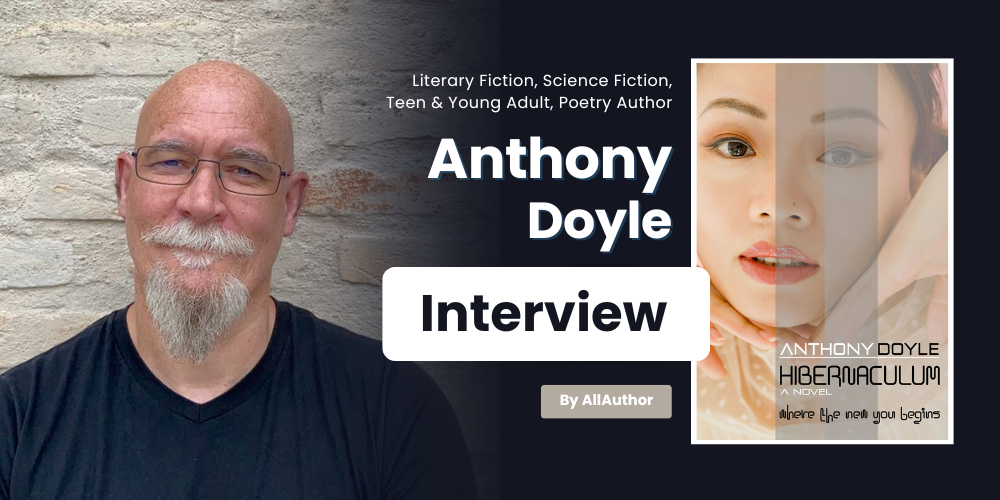
All Author Interview with OSP Author Anthony Doyle

Photo of the A. Doyle author page

Q:

Do you find that your work as a translator influences your approach to writing original works? 

A:

I can safely say I learned how to write from translating other people’s work. Translation has been a school to me. In a way, it’s like those painters you see reproducing great works at art galleries. They’re learning through reproduction. Translation is like that too. Translation means taking a text in one language and rewriting it in another. But literary translation is about taking an author’s text in one language and transferring it to another language in that author’s style. So it’s reproduction of content and form, to the extent that that’s possible. You learn a great deal from doing that. And it was through translation that I finally acquired those other competencies I mentioned before—planning, discipline and patience. It’s great training for a writer.

Want to read the rest of the interview?

Check out the full conversation @ All Author!

Publishing Opportunity for Poets and Prose Writers. Old Scratch to curate Instant Noodles.

DID YOU KNOW….

Instant Noodles is on online literary magazine. Part of the Devil’s Party Press family, Instant Noodles is the opportunity that brought the majority of the authors to Old Scratch Press. It is ALWAYS free to read, and free to submit to.

DID YOU KNOW….

Instant Noodles has its own website now? https://instantnoodleslitmag.com Bookmark it!

DID YOU KNOW…

Old Scratch Press is curating the December 2023 issue? The theme for the December edition is “Cooold Turkey.”

Please take note, we’re shortening our word count. Can you take the challenge and keep it brief by making every word count? For our Winter issue we’re asking our writers to limit their poetry submissions to 2 poems (up to a combined total of 500 words). Prose writers, we’ll be only publishing work that is 500 words or less. (If you need to finish a sentence, we’ll cut you a little slack). Remember, we only publish writers over the age of forty and it’s important to submit work that is somehow related to the theme.  Guest Editors for the Winter issue include: GABBY GILLIAM: Poetry, R.DAVID FULCHER: Fiction, ALAN BERN and DIANNE PEARCE: Art, and NADJA MARIL: Memoir/Creative Nonfiction.

The issue opens for submissions August 15, 2023. Submissions close on October 15th.

You can submit here!

HORROR POETRY ANYONE? NATIONAL “ALL KINDS OF POETRY” MONTH

Wanna submit to the Horror Writers Association (HWA) for their horror book of poetry? If you are published in HALLOWEEN PARTY, you can. Gravelight Press is part of the Old Scratch Press family, and we pay every author in HALLOWEEN PARTY $25 (and give each author a free copy of the anthology), and that $25 check is enough to qualify for membership in the HWA.

The HWA is currently soliciting for a volume of poetry. Why not submit?

Here’s a little horror ditty (I’m not saying it’s very pretty…).

Little Bo Weep (by D.Pearce)

Now I lay me down to sleep
and thinking ’bout dismembering sheep.
No hooves to leap
no baaaaahs to bleep
just nightmares in the meadow’s deep.
Like a tea with too much steep
the blood into the wool will seep.
I chopping chopping as she weeps
that simpering whimpering
dopey BoPeep.
Then I round the herd will creep
for bones and fuzz and tails to sweep
And when the sheep are in a heap
what will be the reap I reap?
At lastly long and blissful sleep.

Horror poetry. See? It’s easy. 😉

And fun!

C’mon, write a horror poem and submit!