The Joy of Sharing Poetry in Adult Reading Groups

Photo by Bade Saba: https://www.pexels.com/photo/a-woman-holding-an-open-book-with-seeds-in-it-15936115/

There are so many groups centered around the craft of writing, and book groups can be found at every local library, but what about those who enjoy poetry? Groups centered around poetry can help us tune out the digital noise of this fast-paced world and focus on the beauty and wonder that can be captured in a poem. Adult reading groups (even those that don’t focus on poetry!) provide a meaningful space for connection, reflection, and creativity, which can be hard to find these days. 

I recently received an invitation to be a guest speaker at a local poetry gathering. The meeting coordinator asked that I share not just my writing process, but what inspired each piece. We had a conversation between each poem where group members shared how the poem resonated with them and personal experiences they saw reflected in the poem. It was an open, engaging conversation that I’ve never experienced at other readings I’ve done. This group is accustomed to sharing poems with each other and closely reading them together (though often they aren’t poems written by any members of the group). I’m hoping to join more meetings in the future to participate in the discussions they have about other poets’ work.

Why Poetry?

Poetry has a unique ability to distill deep emotions and complex ideas into a few powerful lines. Unlike traditional book clubs that focus on lengthy narratives, poetry groups embrace the power of brevity and rhythm, allowing for rich discussions within a short span of time. Reading a poem is less of a time commitment than an entire novel. Whether exploring classic poets like Emily Dickinson and Rumi or contemporary voices such as Amanda Gorman and Ocean Vuong, these groups celebrate the diverse perspectives poetry offers. Close readings of poetry can also allow us to focus on the beauty of the language itself.

Benefits of Poetry Reading Groups

1. Help People Connect Emotionally

Poetry allows people to express their feelings and thoughts. Reading and talking about poems in a group helps members open up, relate to each other, and feel supported.

2. Encourage Creativity

Being part of a poetry group can inspire people to write their own poems. Whether they try writing on their own or share their work with the group, they get a chance to be creative and hear helpful feedback. However, the creative spark might extend beyond writing. One of the group members today brought up that she is a painter and is sometimes inspired to make art. Ekphrastic poems are inspired by visual art, but that inspiration can go both ways!

3. Improve Listening and Thinking Skills

Poetry can be deep and full of hidden meanings. When people read poetry together, they practice listening carefully and thinking about different interpretations, helping them see new perspectives.

4. Create a Sense of Community

Sharing poetry helps people feel connected. Whether meeting in person or online, poetry groups provide a friendly and welcoming space where people can relax, share ideas, and enjoy meaningful conversations.

How to Start or Join a Poetry Reading Group

  • Find a Local or Online Group: Many libraries, bookstores, and community centers host poetry groups. If you prefer a virtual option, platforms like Meetup and Facebook often feature online poetry discussions.
  • Select a Theme or Poet: Each session can focus on a specific poet, theme (e.g., love, nature, resilience), or poetic form (e.g., haiku, sonnets, free verse) to guide discussions.
  • Encourage Participation: Allow members to bring their favorite poems or share their own work.
  • Create a Welcoming Atmosphere: Set the tone for an inclusive and respectful dialogue where all voices are valued and diverse perspectives are celebrated. Also, snacks are always a crowd pleaser!

Final Thoughts

Poetry reading groups offer more than just literary discussion—they provide a space for connection, inspiration, and personal growth. Whether you’re an avid poetry lover or a newcomer to verse, joining a poetry group can open new doors to creative expression and meaningful relationships.

Do you participate in a poetry reading group? Share your experiences or favorite poems in the comments below!

Here is a link for one of my favorite poems submitted last year to Instant Noodles. We liked it so much, we nominated it for an award. THINGS THAT SOUND LIKE GUNSHOTS ~ Michelle Meyer

Writing and Reading for the Resistance: The Power of Words in a Time of Struggle

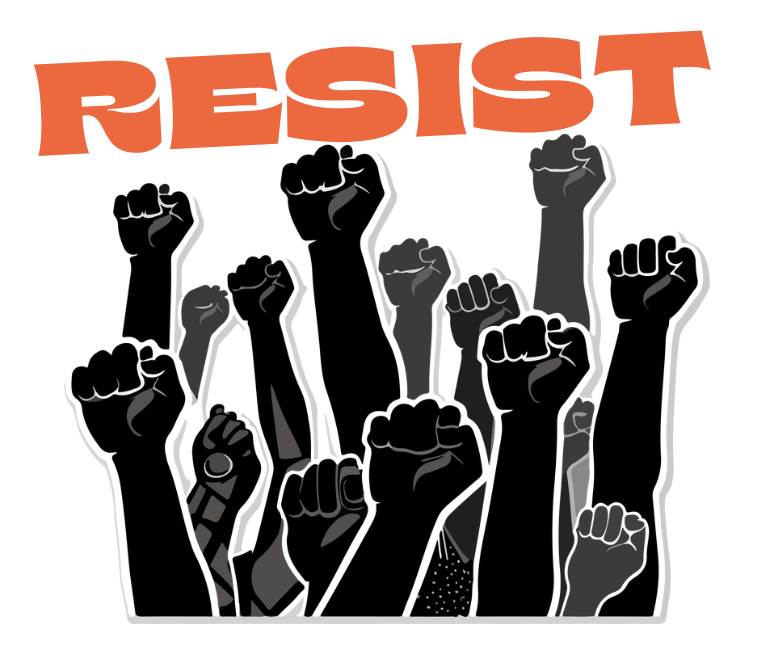
Photo shows raised fists beneath the word resist in orange block letters.

Words have power. In times of injustice, oppression, and uncertainty, words become more than just ink on a page—they become weapons, shields, and bridges. They can challenge unfair systems, inspire people to take action, and bring communities together. Writing and reading for the resistance means using stories, poems, and books to fight injustice and create a better future. Throughout history, people have used words to stand up against oppression—and today, we can do the same.

Writing as a Way to Fight Back

Writing can be a powerful tool in the fight for justice. To write is to document, to bear witness, and to refuse erasure. The act of storytelling itself can be a radical act, especially when it amplifies the voices of those who are silenced. It allows people to share their truths, educate others, and imagine a better world. Writing for the resistance can include:

  • Telling Untold Stories – Write about important events or people that history books ignore.
  • Challenging Misinformation – Speak out against lies and rewriting stories that are unfair or incomplete.
  • Creating New Worlds – Use fiction, poetry, or essays to imagine new possibilities that envision a just world.
  • Providing a Platform – Elevate marginalized voices, offering them space to share their truths.

Reading as a Form of Resistance

Reading isn’t just about learning—it can be a way to resist oppression. What we read shapes how we see the world, so choosing books wisely is important. Some ways reading can be an act of resistance include:

  • Reading Banned Books – Books that are censored often contain ideas that challenge powerful systems.
  • Learning from Activists and Leaders – Reading about people who fought for justice in the past can teach us how to do the same today.
  • Supporting Diverse Authors – Seek out authors whose voices are often ignored by mainstream publishing. Choosing books by writers from different backgrounds helps bring new voices into the conversation.
  • Sharing Knowledge – Share books, discuss ideas, and create spaces where literature fuels action. Talking about books with others can spread important ideas and inspire others to act. 

How You Can Take Action

If you want to use reading and writing to create change, here are some ways to start:

  1. Join or Start a Book Club – Read books that challenge systems of oppression and discuss them with friends.
  2. Write and Share Your Ideas – Whether through social media, blogs, or poetry, use your words to stand up for what’s right.
  3. Support Independent Bookstores & Libraries – These places often carry books that challenge unfair systems.
  4. Document What’s Happening – Keep a journal, write about current events, or interview people to make sure important stories aren’t forgotten.

Resistance is an ongoing effort, and literature—whether through reading or writing—has always been a vital part of that struggle. Words have changed the world before, and they can do it again. By reading and writing with purpose, we can stand up against injustice and help create a better future.

What books have inspired you to take action? What stories still need to be told? Share your thoughts and let’s keep the conversation going!

Books About the Power of Words & Resistance

For Middle & High School Readers

  1. Stamped: Racism, Antiracism, and You by Jason Reynolds & Ibram X. Kendi – A powerful, engaging look at how racist ideas have shaped history and how we can challenge them.
  2. The Hate U Give by Angie Thomas – A novel about police violence, activism, and finding your voice in the face of injustice.
  3. Internment by Samira Ahmed – A dystopian novel about a near-future America where Muslim Americans are sent to internment camps, and a young girl fights back.
  4. Maus by Art Spiegelman – A graphic novel that tells the story of the Holocaust through the eyes of the author’s father, using animals to represent different groups.
  5. Brown Girl Dreaming by Jacqueline Woodson – A memoir in verse about growing up Black in America and the power of storytelling.

For Adult Readers (But Still Accessible)

  1. The Fire Next Time by James Baldwin – A powerful collection of essays about race and justice in America.
  2. We Should All Be Feminists by Chimamanda Ngozi Adichie – A short but powerful book about gender equality.
  3. 1984 by George Orwell – A classic novel about government control, censorship, and the fight for truth.
  4. Their Eyes Were Watching God by Zora Neale Hurston – A story of a Black woman’s journey to find her own voice in a society that tries to silence her.
  5. The Handmaid’s Tale by Margaret Atwood – A dystopian novel about a future where a theocratic government strips women of their rights, reducing them to roles based on reproduction.

Poetry & Essays for Resistance

  1. Citizen: An American Lyric by Claudia Rankine – A mix of poetry and essays that explore race, identity, and resistance.
  2. Milk and Honey by Rupi Kaur – Poetry about survival, resilience, and healing from oppression.
  3. The Hill We Climb by Amanda Gorman – The poem that was read at President Biden’s inauguration, full of hope and resistance.
  4. I Am Alfonso Jones by Tony Medina – A novel in verse about police violence and the impact of activism.
  5. How to Read the Air by Dinaw Mengestu – A novel about identity, immigration, and reclaiming personal and historical narratives.

Why You Should Embrace Rejection

For many writers, rejection is a painful word. It’s the moment when your carefully crafted story, poem, or article is turned down by someone who didn’t see its potential—or worse, didn’t even bother to respond. But what if rejection didn’t mean failure? What if it actually meant progress?

The 100 Rejections Mindset

The idea is simple: Instead of focusing on success—acceptances, accolades, and bylines—shift your focus to failure. Aim to collect 100 rejections in a calendar year. This goal reframes rejection as proof of effort, not failure. Rejections become proof that you’re putting yourself out there and working toward your dreams.

The magic of this mindset lies in its paradox: By chasing rejection, you often end up with more acceptances than you expected.

Why 100 Rejections?

  1. It Builds Resilience
    Rejection is part of being a writer, but the more you face it, the less it hurts. When you set a goal of 100 rejections, you stop fearing the word “no.”
  2. It Normalizes the Process
    Submitting work becomes routine. Submitting your work feels less scary when you do it often. You stop overthinking and start seeing rejection as a normal part of the process.
  3. It Forces You to Write More
    To hit 100 rejections, you have to write and submit consistently. This sheer volume of effort improves your craft and increases your chances of success.
  4. It Turns Rejection into a Metric of Success
    Each rejection becomes a badge of honor. It’s not a reflection of your worth, but of your determination.

How to Get Started

  1. Make a Plan
    Use a notebook, spreadsheet, or app to track where and when you submit your work. Keep it organized so you can follow up if needed.
  2. Research Markets
    Find magazines, websites, anthologies, or publishers that align with your work. Having options makes it easier to submit regularly which in turn makes it easier it is to hit your goal.
  3. Celebrate Rejections
    Instead of feeling bad, celebrate each rejection as a step forward. Whether with a small treat, a happy dance, or by simply updating your tracker, take note of your hard work!
  4. Revise and Resubmit
    Not all rejections are final. Many editors give feedback. Use it to revise and submit elsewhere.

Unexpected Benefits

Here’s the secret: the more you submit, the more likely you are to get accepted. The sheer number of submissions increases your odds. And over time, you’ll notice patterns—certain markets might respond positively to your work, or you might discover that a piece rejected by one publication is a perfect fit for another.

It’s Worth It

The fear of rejection often holds writers back. But when you embrace it—when you actively pursue it—it loses its power. Aiming for 100 rejections a year might sound scary at first, but it’s one of the best ways to grow as a writer.

So, what are you waiting for? Start chasing those rejections. You’ll be amazed at what you can achieve when you stop letting rejection scare you.

Making Moments Count

One of the things I like best about poetry is its ability to capture the beauty of a single moment, even if it’s not something that would normally be seen as beautiful. At its heart, poetry is emotional storytelling. A moment becomes significant when it is infused with feeling—joy, sorrow, nostalgia, or wonder

Last year, I edited an issue of Instant Noodles with the theme of ‘instant.’ I was looking for poems that captured that exact essence of poetry that appeals so much to me. I wanted the beauty of the grief or the joy of a single moment captured in a poem. It’s probably my favorite issue of Instant Noodles that I’ve edited to date. I think the poems we published in that issue were the kind that will resonate long after reading them because every reader shares that moment with the poet.

That issue of Instant Noodles can be read for free here . I highly recommend giving it a look.

Life is filled with fleeting moments—those golden, mundane, or bittersweet slices of time that often pass unnoticed. But poetry has the unique ability to crystallize these moments, transforming them into something timeless and profound. Capturing moments in poetry is about taking the ephemeral and making it eternal.

Here’s a poem of mine that captures the moment when I held my son for the first time. It appeared in the Instant issue of Instant Noodles.

Contraction

After hours of flesh seizing 
muscles finally relaxed 
and I cradled a fresh universe 
in my arms, puckered face 
already rooting for food. 

My world imploded, contracting 
until nothing existed but this 
one tiny fist raised at the audacity 

of the air to be so dry 
the lights so bright 
the scream that replaced the rhythm 
of my familiar heartbeat 

and I traced constellations 
across freckled skin as I eased
into a new center of gravity.

The Power of Specificity

Great poetry thrives on specificity. Think of a single red leaf falling on a crisp autumn afternoon or the smell of fresh bread wafting through an open window. These details evoke emotions and anchor the reader in the poet’s world. Poetry doesn’t need grand metaphors to capture the essence of a moment. Sometimes, a simple, honest line is more powerful than elaborate language.

Share Your Moments

Because life is poetry, everyone is a poet. You can write about your own moments and shape your memories into poems. Then, you’re sharing that moment with others. Your words let them feel what you felt and maybe even remind them of their own special memories.

Poetry helps us slow down and notice what’s around us. It takes the little things that we might normally ignore and makes them important. So grab a notebook, start noticing the world, and turn your moments into poems that last forever.

5 Reasons Every Book Lover Should Attend a Book Festival

For book lovers, there’s nothing quite like the magic of a book festival. These vibrant events bring readers, authors, and publishers together in a celebration of storytelling, creativity, and community. If you’ve never been to one, here are five great reasons to mark your calendar for the next book festival near you.

1. Meet Your Favorite Authors

Imagine having a face-to-face conversation with the authors behind your favorite stories. Book festivals often feature a wide array of authors—from bestsellers to emerging voices. You can attend book signings, hear authors speak on panels, and even ask questions during Q&A sessions. It’s a great chance to connect with the creative minds shaping today’s literary landscape.

2. Discover New Books

Browsing through endless stalls at a book festival can feel like stepping into a treasure trove. You’ll have access to books you may not find at your local store, including limited editions, indie publications, and advanced releases. Plus, many vendors offer special discounts, so it’s the perfect time to stock up on fresh reads.

3. Participate in Workshops and Panels

Book festivals aren’t just for browsing and buying; they’re also educational. Many events feature workshops, panel discussions, and lectures that cover topics ranging from writing techniques to industry trends. Book festivals are usually free to attend which gives you the chance to attend these workshops for free! Whether you’re an aspiring writer or just curious about the publishing process, these sessions offer valuable insights.

4. Connect with Fellow Book Lovers

If you’re passionate about reading, there’s nothing quite like bonding with others who share your enthusiasm. Book festivals provide a space for literary conversations, allowing you to swap recommendations, discuss your favorite genres, and maybe even join a book club. It’s a community experience that extends beyond the event itself.

5. Support Local and Independent Authors

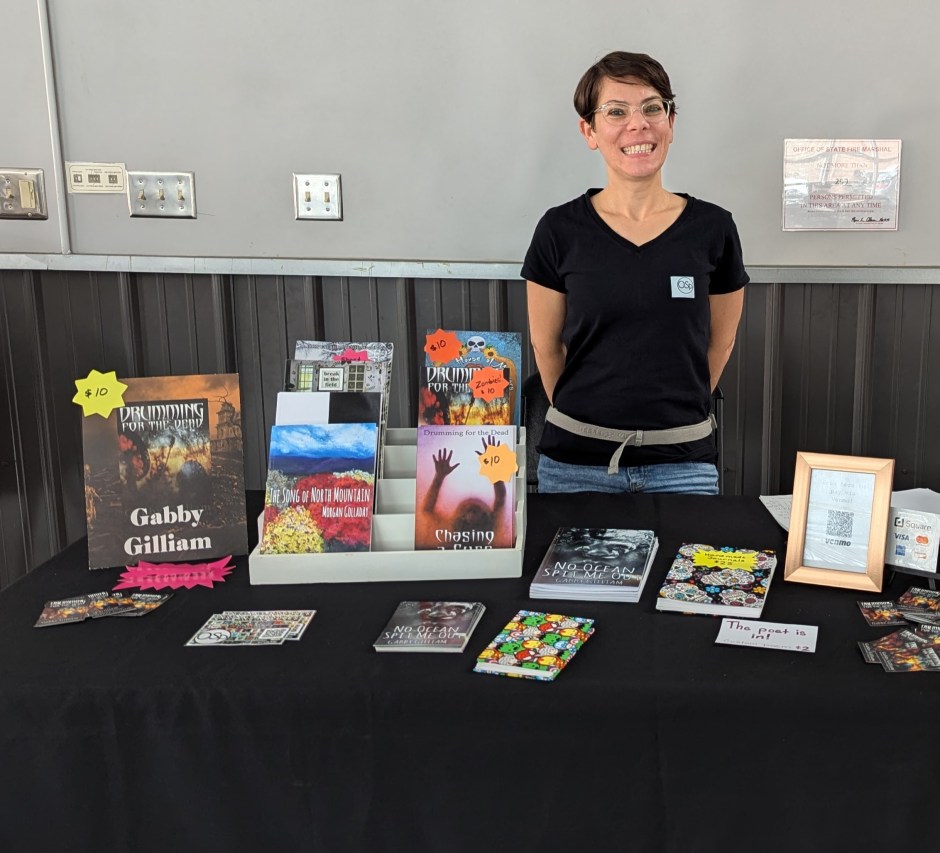
Book festivals often highlight local talent and independent authors (like me!) who might not have the same platform as big-name writers. Attending a festival gives you a chance to support these creators, discover hidden gems, and diversify your reading list with unique, lesser-known voices.

From meeting your favorite authors to discovering new books and making connections with fellow readers, book festivals are a must for anyone passionate about literature. Whether you’re a casual reader or a die-hard bibliophile, attending one can enhance your love of books in unexpected ways. So, find the next book festival near you, grab your tote bag, and dive into the literary world!

Five Books for Teens or Tweens to Read Before Halloween

With Halloween just around the corner, it’s the perfect time to cozy up with a good book that brings just the right mix of spooky thrills, chills, and adventure. Whether you’re a teen or tween looking for something eerie or simply a fan of supernatural stories, here are five great books to read before Halloween!

The Screaming Staircase (Lockwood & Co.) by Jonathan Stroud

Genre: Supernatural, Mystery

London is plagued by ghosts, and psychic agencies are tasked with containing them. Lockwood & Co. is a small but talented team of ghost hunters led by the charismatic Anthony Lockwood. When Lucy Carlyle joins them, they take on their most dangerous case yet, facing terrifying spirits and uncovering dark secrets. With fast-paced action, witty banter, and eerie hauntings, this series is a thrilling Halloween read. (As a bonus, Netflix made one season based off of this book series. It’s a great series, and a shame Netflix didn’t renew it.)

Perfect for fans of: Ghost hunting, supernatural mysteries, and witty characters.

City of Ghosts by Victoria Schwab

Genre: Paranormal, Adventure

Cassidy Blake can see ghosts, and her best friend happens to be one. When her family heads to Edinburgh, one of the world’s most haunted cities, for a paranormal TV show, Cassidy discovers that the city is filled with more than just legends. As she navigates her ability to cross the “Veil” between the living and the dead, she gets entangled in a chilling adventure. This spooky, fast-paced story is a perfect October read.

Perfect for fans of: Ghosts, supernatural adventures, and haunted locations.

Miss Peregrine’s Home for Peculiar Children by Ransom Riggs

Genre: Fantasy, Dark Adventure

This eerie fantasy novel is perfect for those who like a mix of spooky and magical elements. Sixteen-year-old Jacob stumbles upon an orphanage that houses children with peculiar abilities, and he quickly becomes involved in their strange world. The story, woven with vintage photographs, creates a mysterious and haunting atmosphere that’s bound to get readers in the Halloween spirit.

Perfect for fans of: Mysteries, dark fantasy, and stories with a touch of the supernatural.

The House with a Clock in its Walls by John Bellairs

Genre: Gothic Mystery

When orphaned Lewis Barnavelt moves in with his Uncle Jonathan, he expects an ordinary life. But he quickly learns his new home is anything but normal—his uncle and their neighbor, Mrs. Zimmermann, are both witches! Lewis is thrilled to witness their magical abilities and enjoys Mrs. Zimmermann’s delicious cookies. At first, simply watching is enough for Lewis, but his curiosity soon gets the best of him. When he tries magic on his own, he accidentally revives Selenna Izard, the house’s sinister former owner. Selenna and her husband had hidden a deadly clock in the walls—one that could wipe out humanity. With the ominous ticking growing louder, the Barnavelts must race against time to find the clock and stop its destructive power.


Perfect for fans of: Eerie atmospheres, ghost stories, and magical adventures.

The Dark Lord Clementine by Sarah Jean Horwitz

Genre: Fantasy, Adventure

Clementine Morcerous has grown up as the heir to her father’s dark magic throne. But when her father falls under a curse, Clementine begins to question her life as a future Dark Lord. This whimsical yet spooky story mixes dark humor, magic, and adventure, making it an entertaining Halloween read.

Perfect for fans of: Quirky fantasy, dark humor, and magical adventures.

If you didn’t see anything that inspired you to curl up under a blanket with a cup of cocoa or hot tea, I’d like to offer an extra suggestion. My novella duology is a spooky read for teen readers! Both books are available now. 

Two teens discover what they think is a cure for a dangerous parasite that turns humans into mindless husks. However, administering the cure is dangerous and none of the grown-ups in charge want to listen to them. Follow Tyler and Bree as they travel across husk-ravaged lands to test their cure and prove they might be able to save humanity from the threat of husks once a for all!

Happy Birthday, Sylvia Plath

Alamy/BBC

The month of October (October 27) marks the birthday of Sylvia Plath, one of the most famous poets of the 20th century. Sylvia Plath is known for writing about deep feelings like sadness, frustration, and the search for who we really are. Her poems are powerful and still connect with readers today.

Who Was Sylvia Plath?

Even from a young age, Sylvia Plath loved to write. She was born in Boston, MA in 1932 and published her first poem when she was only eight years old. Major themes that appear in her poetry are how hard it can be to figure out who you are, mental illness, and what it’s like to be a woman in society.

She studied at Smith College and, later, Cambridge University in England. While at Cambridge, she met and married the poet Ted Hughes. Sylvia Plath faced many struggles in her personal life, and took her own life when she was only 30 years old. However, her writing has lived on, and she remains one of the most important poets of her time.

You can hear a brief interview with Sylvia Plath about her early influences here:

Sylvia Plath’s Powerful Poetry

I first read a poem by Sylvia Plath in high school for a Dual Enrollment English course. I’m fairly certain we read “Lady Lazarus” because I can recall discussing the pronunciation of the German words in the poem. I remember being amazed by her work and remember that it was the first time I really paid attention to the language in a poem. Her word choices were striking and she was the first poet whose work I sought to read outside of class. 

Plath’s poems often show strong emotions. She writes in a way that can feel personal and sometimes painful, but also very honest. She nearly lost her life multiple times before her death and discusses those experiences in one of her most famous poems, called “Lady Lazarus.” In this poem, Plath writes about feeling reborn, even after going through something difficult. Here’s a part of it:

“Out of the ash  
I rise with my red hair  
And I eat men like air.”

While most of the poem recounts her previous experiences with death, these lines show how strong and fierce she feels after going through those difficult times. She compares herself to a phoenix, a mythical bird that rises from the ashes.

Another well-known poem by Sylvia Plath is “Daddy.” In this poem, she talks about her feelings toward her father, who died when she was young. It’s full of anger and sadness. Here’s a line from that poem: 

“You stand at the blackboard, daddy,
In the picture I have of you,
A cleft in your chin instead of your foot
But no less a devil for that, no not
Any less the black man who

Bit my pretty red heart in two.
I was ten when they buried you.
At twenty I tried to die
And get back, back, back to you.
I thought even the bones would do.”

Plath uses intense language to talk about how hard it was to live in the shadow of her father, but also the complicated feelings she has about him now that he’s dead.

These lines are just a small sample of Sylvia Plath’s ability to use words to explore complex feelings like despair, identity, and the search for meaning. Each one is a powerful reminder of her unique voice in literature.

Sylvia Plath also wrote a novel called “The Bell Jar” and her prose is just as lyrical as her poetry. In “The Bell Jar,” she writes:

“I took a deep breath and listened to the old brag of my heart: I am, I am, I am.”

This quote is famous for capturing the feeling of simply being alive, despite the struggles that come with it. It’s a powerful reminder of existence itself, and, paired with her poem “Lady Lazarus,” shows you how much she needed to remind herself that she was still alive.

Why We Remember Sylvia Plath

On Sylvia Plath’s birthday, we honor her for the way she used her writing to express feelings that many people go through. She wasn’t afraid to write about things like sadness, anger, and the search for identity. Her work gives readers a window into the struggles of life, but also shows the beauty of using words to express those feelings. Her poetry continues to inspire people of all ages. Even though her life was short, her words continue to resonate with readers.

What do you think about Sylvia Plath’s poetry? Does it make you feel something special? Share your thoughts in the comments below!

Bettmann / Getty Images

Poems to Read With Your Kids

By Gabby Gilliam

So many people think poetry is serious and difficult to understand. But language can also be fun. There are so many poets that use words to delight readers with something unexpected. Most people are familiar with Shel Silverstein, whose poems are light-hearted, but there are so many poems out there that both you and your kids will love for their silliness.

Many know Judith Viorst for Alexander and the No Good, Horrible, Very Bad Day, but she also wrote this fun poem about a mom who really doesn’t want a pet.

Photo by Lum3n on Pexels.com

Mother Doesn’t Want a Dog

by Judith Viorst

Mother doesn’t want a dog.
Mother says they smell,
And never sit when you say sit,
Or even when you yell.
And when you come home late at night
And there is ice and snow,
You have to go back out because
The dumb dog has to go.

Mother doesn’t want a dog.
Mother says they shed,
And always let the strangers in
And bark at friends instead,
And do disgraceful things on rugs,
And track mud on the floor,
And flop upon your bed at night
And snore their doggy snore.

Mother doesn’t want a dog.
She’s making a mistake.
Because, more than a dog, I think
She will not want this snake.

https://poets.org/poem/mother-doesnt-want-dog

One of the first books I ever remember buying for myself was The New Kid on the Block by Jack Prelutsky, so it’s no surprise that a poem by him makes this list. I was in elementary school, and must have used birthday money. I was so excited about getting the book that I started reading it in the car on the way to a different store. While I loved the poems, I also discovered reading makes me extremely carsick. It was not a pleasant birthday lesson, but I treasured the book anyway. Here’s a great example of the fun poems in that book.

Photo by Ksenia Chernaya on Pexels.com

Be Glad Your Nose is on Your Face

by Jack Prelutsky

Be glad your nose is on your face,
not pasted on some other place,
for if it were where it is not,
you might dislike your nose a lot.

Imagine if your precious nose
were sandwiched in between your toes,
that clearly would not be a treat,
for you’d be forced to smell your feet.

Your nose would be a source of dread
were it attached atop your head,
it soon would drive you to despair,
forever tickled by your hair.

Within your ear, your nose would be
an absolute catastrophe,
for when you were obliged to sneeze,
your brain would rattle from the breeze.

Your nose, instead, through thick and thin,
remains between your eyes and chin,
not pasted on some other place—
be glad your nose is on your face!

https://poets.org/poem/be-glad-your-nose-your-face

My son’s friend introduced me to the next poet. Chris Harris plays with words in a way that will delight both adults and kids alike. He claims he’s not very good at writing poems, but I think his I’m Just No Good at Rhyming books are delightful. I even used one as an example when we discussed humorous poetry in the Teen Poetry Workshop I facilitate at my local library.

By Chris Harris

We all seem to have an ingrained fear of the dark and what might be prowling in it. In this poem, Innarenko takes the reader on a fun adventure as multiple scenarios are conjured to explain where a strange noise might be coming from. The epiphany at the end is a delightful finale.

Home Alone

© Innarenko

Published by Family Friend Poems on 02/12/2020

My family’s gone; there’s no one home.
It’s only me who’s home alone.
I shouldn’t hear a single squeak.
There shouldn’t even be a creak,

So what’s that thumping that I hear?
It must mean one thing: death is near.
“You’re an adult, you’ll be just fine.”
I tell myself as I dial “nine”…

Was that a knock upon the door?
My heart beats faster than before
I know it’s closed; I’ve checked the lock.
At least my killer knows to knock?

I cannot sleep, though I’m in bed.
I’ve made amends with God instead.
If He decides that it’s my time,
Then this will be my very last rhyme.

I hear a bang and then a break.
My head shoots up; there’s no mistake!
I turn my music volume high
So I won’t hear the way I die.

I run upstairs, desk lamp in hand.
Over my head, ready to land,
And right before it did just that…
I remembered – I have a cat.

Those who aren’t familiar with Brian Bilson’s work are in for a treat. I will caution that some of his poems, though very fun, may not be suitable to read with children. This visual poem, though, is spatially interesting and shows poetry can do unexpected things. It makes me smile every time I come across it. If you enjoy this poem, I recommend checking out more of his work. Click below on the word “needles”.

Thank you for reading. Which poems are your favorite children’s poems. We’d like to know. We welcome guest posts. Please follow Old Scratch Press by subscribing to this blog for FREE and following us on Facebook. Learn more about Collective member Gabby Gilliam by visiting her website.

What Books Are You Reading? Author Gabby Gilliam Shares Five of Her Favorites

By Gabby Gilliam

Author of Drumming for the Dead, Black Hare Press and founding member of Old Scratch Press

Every year, I set a goal of reading 52 books before the year ends. In 2023, I went well above my goal, and read 74 books. I’ve made it a personal goal to read more collections of poetry, and I think that helped boost my number.

One of my top reads for the year was a collection of poems, Unshuttered, by Patricia Smith. An ekphrastic anthology of poems inspired by vintage photographs of Black men, women, and children the author collected, Smith’s poems give the photographs’ subjects a voice. The collection is powerful. I highly recommend it.

 The remaining books in my top five are fiction, and have at least a taste of magic in them.

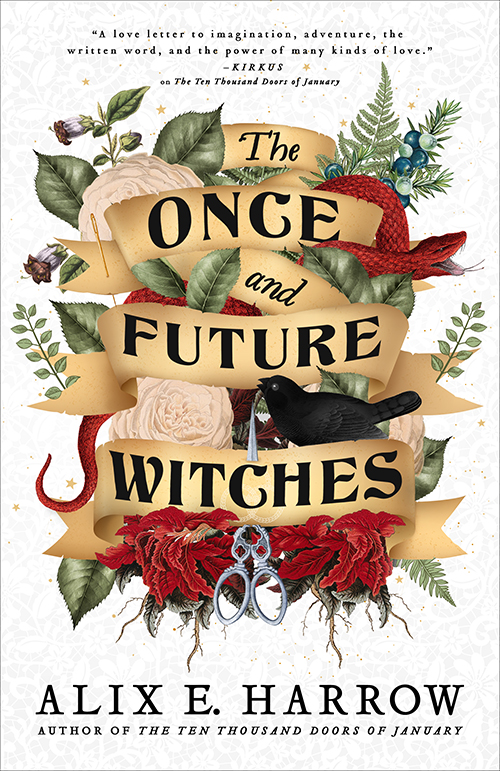
When I was younger, one of my favorite Disney films was The Sword in the Stone. In high school, I read The Once and Future King by E.B. White as an assigned novel for English class. So, when I came across The Once and Future Witches by Alix E. Harrow, I borrowed it from my local library.

I wasn’t disappointed. There’s magic and wit and the tangled storylines of three sisters that slowly converge. The youngest sister, Juniper reminds me of Granny Weatherwax from Terry Pratchett’s books (who is one of my favorite witches of all time). In Once and Future Witches, Harrow gives us a feminist adventure story full of magic, and I devoured every page of it.

I only picked up Nettle & Bone by T. Kingfisher because I was trying to read all of the Hugo Award nominees. I didn’t expect much since it’s such a short read. The heroine of the novella is given three impossible tasks and, through stubborn determination, begins to make her way through them. What I liked about this fairy tale is that the princess didn’t wait to be saved by anyone. She didn’t even want to marry a prince. Instead, she does her best to kill one.

I’m more than a little late to the party, but I started the Wheel of Time series by Robert Jordan last year. I decided to give the first book a try after watching the first season of the television series. The show left me with some questions that I hoped the book would answer. I was right. And the book was so good that I decided to dive into the rest of the series, even though I suspect it will be a few years before I make it through them all since the hold list for the audiobooks is rather long.

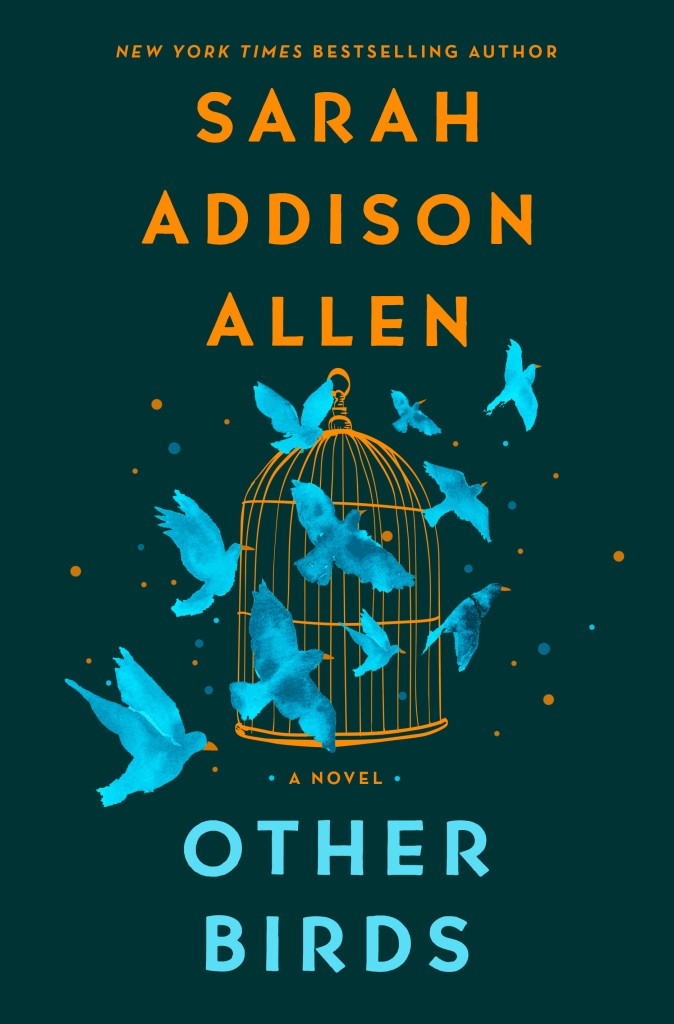
My favorite read of the year came from one of my favorite authors, Sarah Addison Allen. Allen is a master of magical realism. While her novel, Other Birds, wasn’t my all-time best-loved book of hers (that honor belongs to Garden Spells), I still loved this story of complicated grief and the bond formed between found family.

I’ve set a goal of 52 books again for 2024. I’m off to a slow start, but I really enjoyed Fourth Wing by Rebecca Yarros (I recommend the Graphic Audio version. A full cast really enhances the experience.).

The year is still young, and I’m looking forward to chipping away at my growing to-be-read list. What was the last great book you read? I’d love to add it to my list! Please leave a comment on this post on the Old Scratch website or on our Old Scratch Facebook page.