New Year’s Resolutions for Writers: Setting Goals That Actually Stick


Make resolutions that are realistic

Every January, writers everywhere crack open a fresh notebook or a blank document filled with hope, ambition, and—if we’re honest—a little pressure. This will be the year you finally finish the novel, submit your work, or build a consistent writing habit. And yet, by February, many resolutions quietly fade away.

The problem isn’t that writers lack discipline or passion. It’s that traditional New Year’s resolutions often don’t work well for creative people. Writing is unpredictable, emotional, and deeply human. So instead of pipe dreams or unrealistic word counts, this year’s resolutions should support your creativity rather than fight it.

Here are some resolutions that focus on progress, not perfection.


1. Resolve to Write Consistently, Not Constantly

Instead of committing to “write every day for two hours,” try setting a goal you can realistically maintain. Consistency matters more than intensity.

That might look like:

  • Writing 300 words, three times a week
  • Sitting down for 20 minutes, no pressure to produce “good” work
  • Keeping a regular writing window, even if some days nothing flows

A sustainable habit builds confidence—and confidence builds momentum.


2. Separate Writing from Editing

One of the fastest ways to stall your progress is to edit while you write. This year, resolve to let your first drafts be messy.

Give yourself permission to:

  • Write clunky sentences
  • Leave gaps to fill in later
  • Finish drafts that aren’t “ready”

First drafts exist to be written, not judged. Editing is a separate skill—and it deserves its own time and attention.


3. Define Success on Your Own Terms

Publishing deals, social media metrics, and comparison culture can distort what “success” looks like. This year, decide what success means to you.

Maybe success is:

  • Finishing a personal essay you’ve been avoiding
  • Submitting your work for the first time
  • Rediscovering joy in writing again

When you define your own benchmarks, your goals become motivating instead of discouraging.


4. Make Reading Part of Your Writing Life

Good writers are attentive readers. Reading widely and intentionally feeds your craft in ways nothing else can.

Resolve to:

  • Read outside your usual genre
  • Revisit books you love as a writer, not just a reader
  • Pay attention to sentence structure, pacing, and voice

Reading isn’t procrastination—it’s professional development (so let that TBR pile grow!).


5. Embrace Small, Unfinished Wins

Writers often believe that only finished books or published pieces count. In reality, small steps add up to big breakthroughs.

Celebrate:

  • Outlining a chapter
  • Revising a paragraph or poem until it finally clicks
  • Showing up to write, even on hard days

Progress is cumulative, even when it feels invisible.


6. Build a Support System (Even a Small One)

Writing doesn’t have to be lonely. This year, resolve to connect—even modestly—with other writers.

That might mean:

  • Joining a writing group or online community
  • Sharing drafts with one trusted reader
  • Talking openly about writing struggles instead of hiding them

Creative work thrives in environments of encouragement and accountability.


7. Let Go of Guilt

Perhaps the most important resolution of all: release the guilt around how, when, or how much you write.

Life changes. Energy fluctuates. Some seasons are quieter than others—and that’s okay. Writing is not a moral obligation; it’s a practice you return to again and again.

Resolve to meet yourself where you are.


A Final Thought

The best writing resolutions aren’t about transformation overnight; they’re about creating conditions where your voice can show up more often.

So be gentle. Be realistic. And above all, keep writing.

Ready to kickstart your path to success? Here are some publishers who are currently accepting submissions:

January 5: Daikaijuzine is open to speculative content in fiction and poetry.

January 7: Only Poems is open to poems about about beginnings.

January 15: Georgia Review‘s Prose Prize accepts short stories and essays.

January 31: Rappahannock Review is open for multiple genres.

January 31: The Paris Review is accepting poetry submissions.

Opening soon: Months to Years will open on January 15 for previously unpublished nonfiction (including essay, memoir, and creative nonfiction) of up to 2,500 words that explore mortality, death, and dying-related topics.


The Ugly Duckling: Lessons in Creative Rejection

by Nadja Maril, a Founding Member of the Old Scratch Press Short Form and Poetry Collective

I got a rejection this morning. I received the standard form rejection for a piece of creative writing: We appreciate the chance to read it. Unfortunately, the piece is not for us.

I get rejected all the time. It doesn’t matter how many times my work has been published, I’m not famous and editors have a multitude of tastes. What was interesting to me was the poem in question had already been published and well received.  This time I’d entered it into a contest that was also considering previously published work. Maybe they didn’t think it was prizeworthy, but I felt like they didn’t like the poem at all. This made me sad.

Then I thought of The Ugly Duckling, http://hca.gilead.org.il/ugly_duc.html by Hans Christian Anderson, one of my favorite fairy tales. The bird that emerges from a hatched egg is not at all like the other ducklings in the farmyard. He endures all kinds of painful ridicule until he discovers his true identity as a swan.

“He now felt glad at having suffered sorrow and trouble, because it enabled him to enjoy so much better all the pleasure and happiness around him; for the great swans swam round the new-comer, and stroked his neck with their beaks, as a welcome.

Photo by Ezgi Kaya on Pexels.com

Into the garden presently came some little children, and threw bread and cake into the water.”

I share this little story to remind all writers, particularly anyone just starting their journey, that it can take months or even years to find your audience. Yes, it could be you just don’t have the talent needed to “make it” as a writer, but tastes on what is good and worth publishing vary tremendously. An ugly duckling may also be a graceful swan.

We all have probably had the experience of seeing a movie or reading a book that got great reviews, but we found to be boring. We may have attended a party in someone’s home and overheard guests raving about a gorgeous painting or a rug that we secretly think is hideous.

People have different tastes. Where we grew up, where we’ve traveled, what our parents taught us, all influence what we value and how we judge things. The quest for diversity, when I wear an editor’s hat, is my desire to try to open my mind to a multitude of ways to see the world. But we tend to gravitate to the familiar because it’s comfortable.

A big word among editors is resonate. If a piece of writing resonates with the reader, it affects them emotionally and they may continue to think about that story or poem for days. That type of connection is something a writer longs to achieve.  But it’s unlikely to happen with every reader. We all have different histories. We’re all slightly different so what affects one reader may not necessarily affect another.

It may be that something you wrote is not ready for publication and needs more revision. On the other hand, it could be really good, but needs to find the right audience.

I can’t emphasize enough, writing groups and reading groups to gain different perspectives. A writer toils alone, but feedback is important.  I can’t emphasize enough the importance of beta readers, fellow writers with whom you can exchange work.

Fellow collective member Ellis Elliot wrote about writing groups back in January and you can read her blog here.  https://oldscratchpress.com/tag/writing-community/  and member Virginia Watts posted a blog in April that focused on critique groups  you can read here. https://oldscratchpress.com/author/virginiawatts/

Do not write in a vacuum. Find the approach that works best for you, but don’t give up on something you feel in your bones is important. If you’ve written something you’d like to share with the world, keep submitting. A rejection is a badge of honor. 

 It shows you’re out there swinging the bat and you’re still in the game.

About the author:

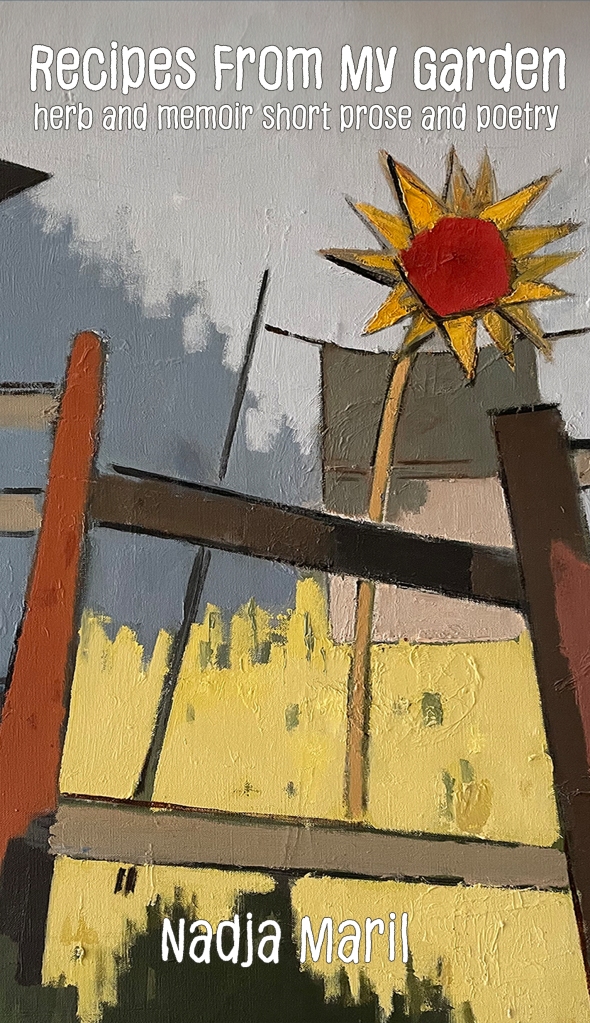
Nadja Maril is the author of Recipes from My Garden, Old Scratch Press, September 2024. Nadja Maril’s short stories, poems and essays have been published in dozens of small online and print literary journals and anthologies including: Lunch Ticket, Spry Literary Journal, Invisible City Literary Review, and The Journal of Compressed Creative Arts.She has an MFA in creative writing from Stonecoast at USM. A former newspaper columnist and magazine editor, she writes a weekly blog and you can visit her website at www.Nadjamaril.com.

Thank you for reading. Please sign up to follow us here on WordPress and on Facebook.