


The authors will be live on Saturday, November 4, at 2:25 – 2:50pm Central Time. Tune in to hear what they have to say!
And bid on these great items from OSP parent company Devil’s Party Press:
EDITING:

A DPP BOOK BUNDLE:


The authors will be live on Saturday, November 4, at 2:25 – 2:50pm Central Time. Tune in to hear what they have to say!
And bid on these great items from OSP parent company Devil’s Party Press:
by Nadja Maril
Halloween. The weather turns cool. Leaves on the trees change colors, fall to the ground, and orange pumpkins are set out on porches. As a child it was a big deal to decide, what sort of costume I’d find and wear, for Trick or Treating and parties. But first, it was important to get into the mood and one poem, in my favorite book of poems would always do the trick. In the original spelling, the author wrote orphant not orphan. So I knew the poem as Little Orphan Annie. The illustration showed a young woman in front of a kitchen hearth with small children gathered around her. I loved reading this poem, Little Orphan Annie, which was both fun and scary.
Here’s the original version written by James Whitcomb Riley (1849-1916) an American poet who hailed from Indiana, who was also a journalist. Folksinger Anne Hill has done a lovely job in the country bluegrass style, setting this poem to music and you can listen to her sing it here.
Little Orphant Annie
Little Orphant Annie’s come to our house to stay,
An’ wash the cups an’ saucers up, an’ brush the crumbs away,
An’ shoo the chickens off the porch, an’ dust the hearth, an’ sweep,
An’ make the fire, an’ bake the bread, an’ earn her board-an’-keep;
An’ all us other childern, when the supper things is done,
We set around the kitchen fire an’ has the mostest fun
A-list’nin’ to the witch-tales ‘at Annie tells about,
An’ the Gobble-uns ‘at gits you
Ef you
Don’t
Watch
Out!
Onc’t they was a little boy wouldn’t say his prayers,—
So when he went to bed at night, away up stairs,
His Mammy heerd him holler, an’ his Daddy heerd him bawl,
An’ when they turn’t the kivvers down, he wasn’t there at all!
An’ they seeked him in the rafter-room, an’ cubby-hole, an’ press,
An’ seeked him up the chimbly-flue, an’ ever’wheres, I guess;
But all they ever found was thist his pants an’ roundabout–
An’ the Gobble-uns’ll git you
Ef you
Don’t
Watch
Out!
An’ one time a little girl ‘ud allus laugh an’ grin,
An’ make fun of ever’one, an’ all her blood an’ kin;
An’ onc’t, when they was “company,” an’ ole folks was there,
She mocked ‘em an’ shocked ‘em, an’ said she didn’t care!
An’ thist as she kicked her heels, an’ turn’t to run an’ hide,
They was two great big Black Things a-standin’ by her side,
An’ they snatched her through the ceilin’ ‘fore she knowed what she’s about!
An’ the Gobble-uns’ll git you
Ef you
Don’t
Watch
Out!
An’ little Orphant Annie says when the blaze is blue,
An’ the lamp-wick sputters, an’ the wind goes woo-oo!
An’ you hear the crickets quit, an’ the moon is gray,
An’ the lightnin’-bugs in dew is all squenched away,–
You better mind yer parents, an’ yer teachers fond an’ dear,
An’ churish them ‘at loves you, an’ dry the orphant’s tear,
An’ he’p the pore an’ needy ones ‘at clusters all about,
Er the Gobble-uns’ll git you
Ef you
Don’t
Watch
Out!

American poet Carl Sandburg (1878-1967) takes a different approach with this beautiful poem that captures the magic of nature while igniting the element of the unknown.
Theme in Yellow
I spot the hills
With yellow balls in autumn.
I light the prairie cornfields
Orange and tawny gold clusters
And I am called pumpkins.
On the last of October
When dusk is fallen
Children join hands
And circle round me
Singing ghost songs
And love to the harvest moon;
I am a jack-o’-lantern
With terrible teeth
And the children know
I am fooling.
Fun and intimate, is how I’d characterize this third poem by American poet Sarah Teasdale (1884-1933). Which leads to the question of what kind of poem you’d write, if tasked with writing a “Halloween Poem.”
Dusk in Autumn
By Sarah Teasdale
The moon is like a scimitar,
A little silver scimitar,
A-drifting down the sky.
And near beside it is a star,
A timid twinkling golden star,
That watches likes an eye.
And thro’ the nursery window-pane
The witches have a fire again,
Just like the ones we make,—
And now I know they’re having tea,
I wish they’d give a cup to me,
With witches’ currant cake.

Decorate the outside of your house with scary poems. Instead of fortune cookies give out treats with poetry inside. Halloween is a time for bonfires and storytelling. What a great time to recite poetry. Don’t forget to follow us on Facebook and follow this blog. Today is October 9th which means there’s less than one week left to submit your Cooold Turkey themed Holiday/End of the Year start of a New Year Winter Poems (2), or very short fiction or fact to Instant Noodles Literary Magazine. Members of the Old Scratch Press Collective are guest editors for this upcoming issue. Submission Link here
 Hello fellow literary enthusiasts, We are thrilled to bring you the fall edition of the Instant Noodles Lit Mag! Get ready to dive into a world of literary delights: https://instantnoodleslitmag.com And for this issue celebrate the circle of life, the circle of the seasons as authors and artists interpret the theme: It Should Always Be Fall in the Cemetery. Hello fellow literary enthusiasts, We are thrilled to bring you the fall edition of the Instant Noodles Lit Mag! Get ready to dive into a world of literary delights: https://instantnoodleslitmag.com And for this issue celebrate the circle of life, the circle of the seasons as authors and artists interpret the theme: It Should Always Be Fall in the Cemetery.✨ Original Short Stories: Discover captivating tales from emerging and established authors that will transport you to different worlds and leave you craving more.🖋️ Poetry: Immerse yourself in the evocative and thought-provoking verses of poets who paint with words.🗞️ Engaging creative non-fiction that resonates deeply. 🌟 Art and Illustrations: Telling wordless stories as a way to hit the theme… perfect! And many of the authors read their pieces for you! For example: LIPSTICKS THE WITCHES WORE TO THE HALLOWEEN BALL ~ PAMELA BERKMAN 📣 Join Our Community 📣 We invite you to become a part of our literary community:✉️ Subscribe: Don’t miss a single issue of Instant Noodles Lit Mag! Sign up for our newsletter to receive updates, special content, and more directly in your inbox.📝 Submit Your Work: Are you a writer or artist looking for a platform to showcase your talent? We welcome submissions of fiction, poetry, essays, and artwork. Visit our website for submission guidelines. Next deadline in October 15th.🎉 Help Us Spread the Word 🎉 If you’re as excited as we are about Instant Noodles Lit Mag, please help us spread the word. Share our website and newsletter with your fellow bookworms, writers, and artists, and together, let’s create a vibrant literary community.🌐 Follow Us: Thank you for joining us on this literary adventure. We can’t wait to share our love for words and creativity with you. https://instantnoodleslitmag.com/ |
By Nadja Maril
Attend any writer’s conference or weekend of workshops and invariably a topic raised amongst the attendees, (those aspiring to be published writers), is a discussion on the value of an MFA.
Will an MFA is help me professionally?
Will graduate school provide me with useful introductions to members of the publishing industry?
Will the process of earning a Masters degree serve to teach me useful skills I couldn’t learn independently?
No simple answer exists, because every writer and their aspirations are different. And every MFA program is different.

I found pursuing an MFA to be a rewarding intellectual experience, as an older adult. I received my MFA from the Stonecoast Low Residency Writing Program at in University of Southern Maine in literary fiction in January 2020.
Low residency didn’t start up with the internet or the pandemic. For decades, many scholars have recognized that much of a graduate student’s work consists of independent study and research under the tutelage of a mentor. Low residency programs convene in person each semester for one or two weeks and the remainder of communication is done by email, snail mail and video conferencing. The set-up enables students to continue with another professional career and family responsibilities.
While I wished I ‘d attended grad school in my twenties or thirties, sometimes you appreciate something more when you are forced to wait.
When I asked some of my colleagues at Old Scratch Press if they could share some of their thoughts about MFA’s, Collective member Robert Fleming told me about Mark Fishbein, who he met at the Poetry Academy of the District of Columbia poetry critique workshop. To join contact Mark at mark@poetwithguitar.com
To Mark Fishbein, Robert posed the following questions:
Why did you choose an MFA?:
M.F.: As retired, the purpose at the age of 74 means deciding to buy your container of milk before or after your nap. As a young man I thought to live the life of poet/academician, but got sidetracked and spent my life differently. But as a lifelong poet, I now give lectures in poetry workshops and I would like to teach it. In order to do so I must have, at minimum, an MFA.
Mark began in the Fall, 2023 an in-person MFA in creative writing: poetry at Columbia College in Chicago, IL. This is a traditional residential full-time program.

Why did you chose this specific school? :
M.F.: The program is well received; it’s walking distance from home, the price is more reasonable and the vibe less full of itself as I have experienced. It’s in the heart of downtown. No campus fraternities.
Mark is the chancellor of the Poetry Academy of the District of Columbia and most recently published Reflections in the Time of Trumpius Maximus, by Mark Fishbein | Atmosphere Press
So what is your thoughts on the topic? We’d be happy to hear from you.

Thank you for reading. Check out the latest submission call from Instant Noodles Literary Magazine here.
Old Scratch Press is pleased to announce the forthcoming release of Robert Fleming’s newest poetry chapbook, White Noir.
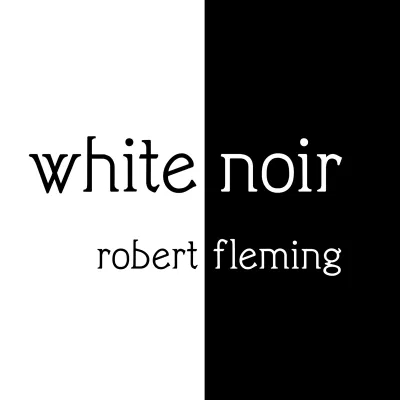
Are you ready to embark on an unforgettable journey through the depths of human existence? Look no further than WHITE NOIR, by Robert Fleming, a mesmerizing black and white visual poetry book that delves into the enigmatic tapestry of life, from birth to death and beyond. This book is not just a collection of verses; it’s a visual and emotional experience that will leave you spellbound.
Who Should Dive into WHITE NOIR?
What Awaits You in WHITE NOIR?
Why Will You Love WHITE NOIR?
Don’t miss the opportunity to explore the captivating world of “White Noir.” Order your copy today and join the ranks of those who have been moved and inspired by Robert Fleming’s unique vision of human existence.
It’s not just a book; it’s an experience waiting to be embraced….
Scheduled for November 15th release, order your copy now.
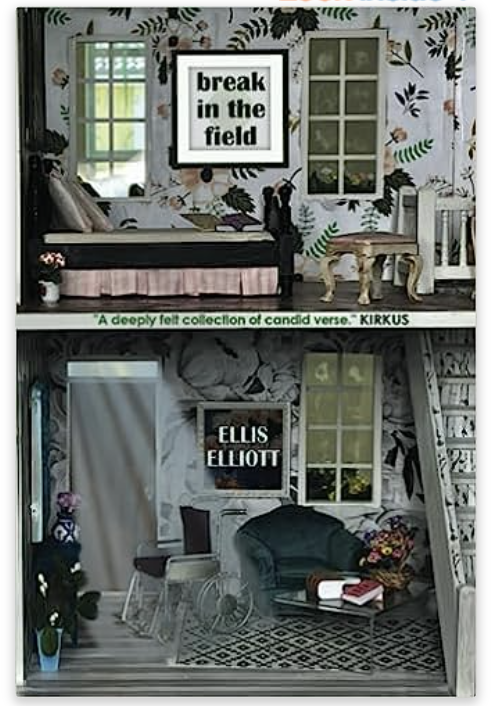
In a world overflowing with books, it’s not easy to choose what to read next. But if you’re looking for a captivating journey that promises to inspire, enlighten, and entertain, look no further than Break in the Field by Ellis Elliott. Why would you add this book to your reading list?
A Fresh Perspective on Life: Break in the Field offers refreshing insights into resilience, determination, and the pursuit of meaningful family life. Elliott’s storytelling has a unique ability to make you see your own life in a new way.
Relatable Stories: All poems are also stories, and stories in Break in the Field are relatable and well-developed. You’ll find yourself emotionally invested in this engaging and immersive read.
Inspirational Themes: One of the standout qualities of Break in the Field is its ability to tackle complex and thought-provoking themes like the nature and limitations of parenting, and the importance of community and self-discovery, weaving a rich tapestry of ideas and experiences that, while very intimate, will resonate with readers from all walks of life. Elliott’s writing style is both elegant and accessible. The book flows effortlessly, making it easy to immerse yourself in the poems. Whether you’re a seasoned reader or new to literature, you’ll appreciate the skillful storytelling and vivid descriptions found within the pages of this book.
“This gripping, heart wrenching exploration of her inner most thoughts and feelings while caring for her extreme needs stepson, “[whose] brain vessels shattered at birth into a million stars,” are so raw, so deeply forthright, from a place of such compassion, tenderness, and introspection that I found myself tearful many times.”
KARI GUNTER-SEYMOUR Ohio Poet Laureate and author of
ALONE IN THE HOUSE OF MY HEART
Support for a Talented Author: By purchasing Break in the Field you’re supporting a talented poet on her literary journey. Discovering and promoting new voices in literature is essential to the vibrant world of storytelling, and your purchase contributes to this endeavor.
Break in the Field, by Ellis Elliott, is more than just a collection of poetry; it’s an immersive experience that will challenge, inspire, and move you. With relatable characters, unexpected twists, and a narrative that delves deep into the human experience, this book is a valuable addition to any rlibrary. Purchase your copy here and embark on an unforgettable literary adventure.

Looks can be deceiving. Can you guess who did what?
Can you match these poets: Alan Bern, Anthony Doyle, Ellis Elliot, Gabby Gilliam, Morgan Golloway, Nadja Maril, with the correct fun fact?
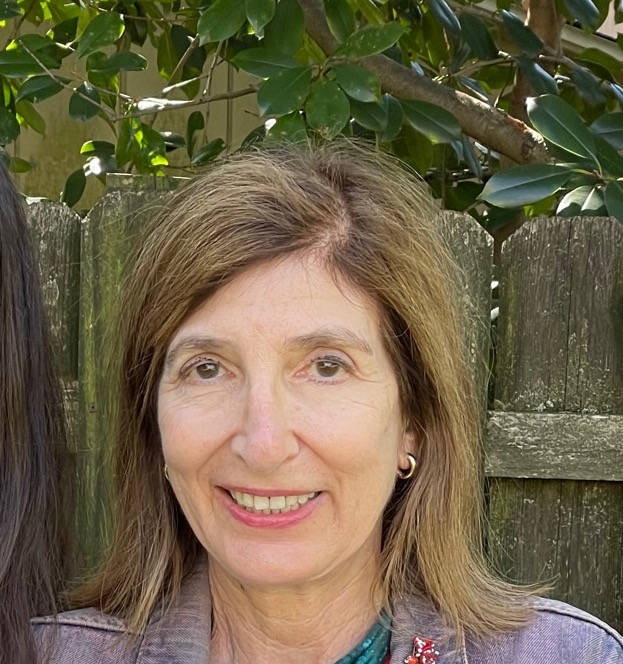
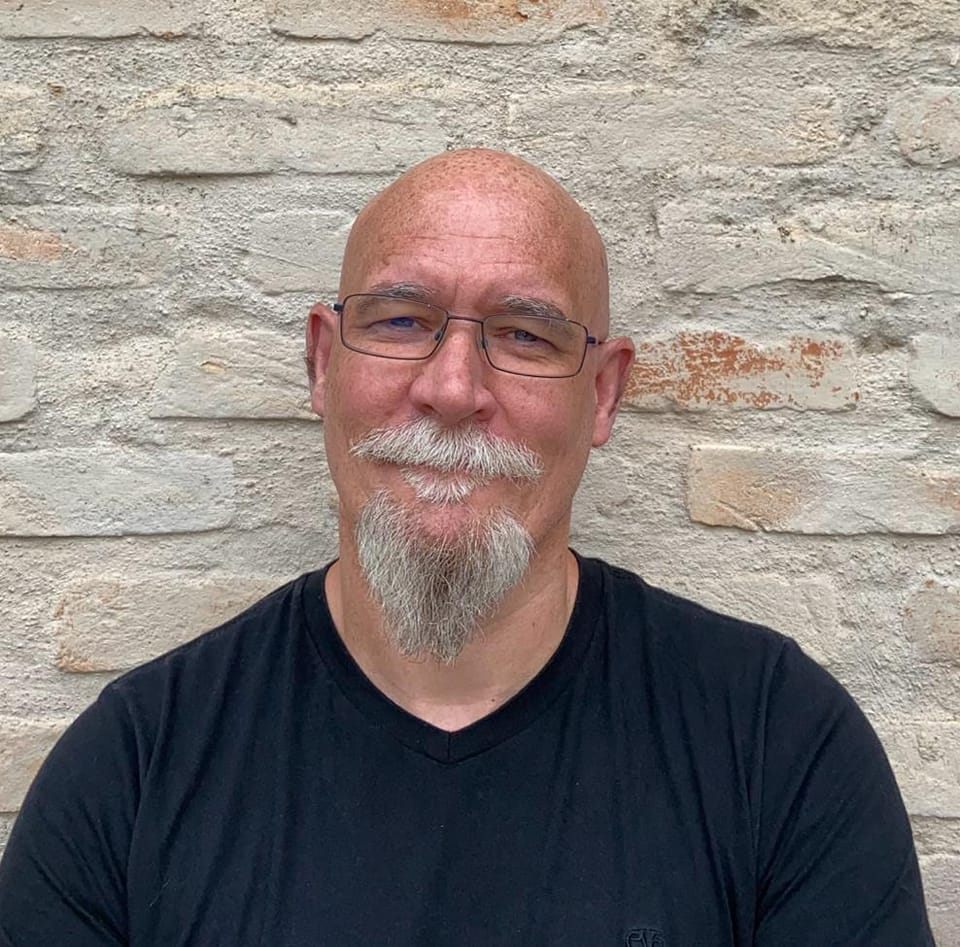


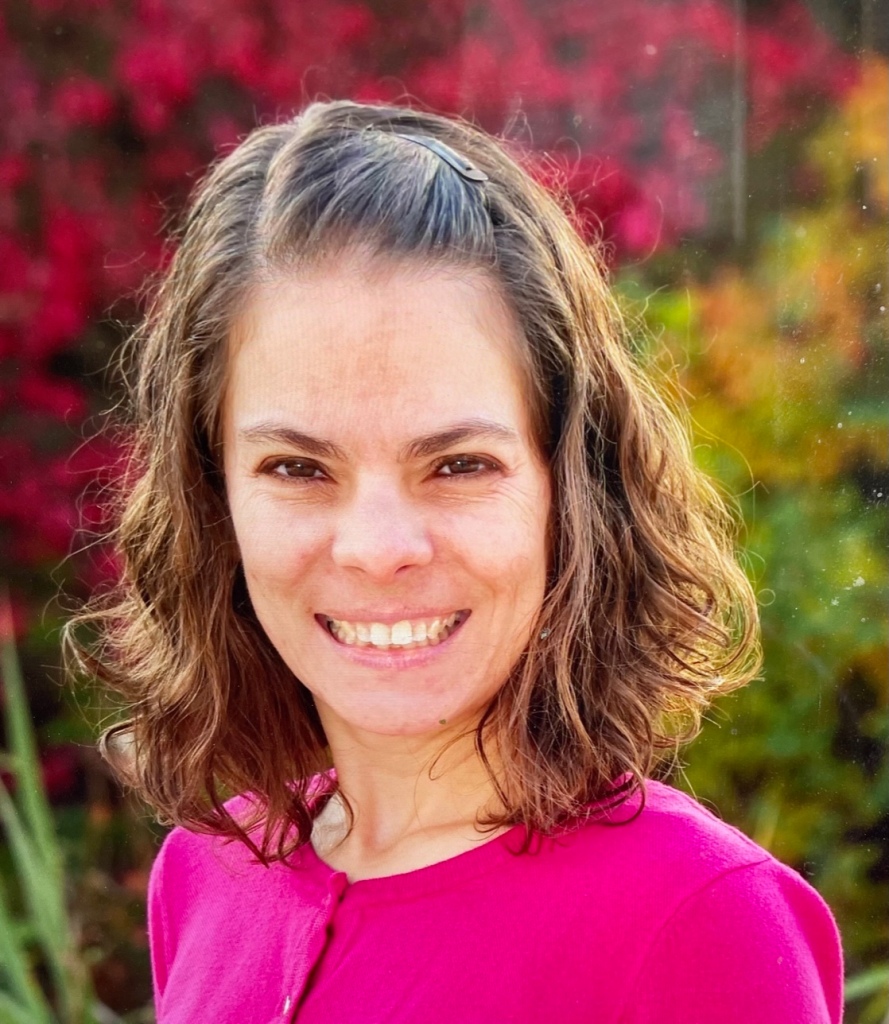
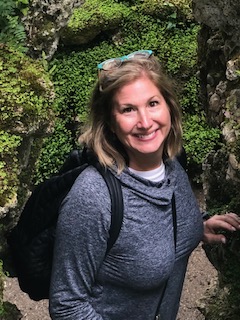
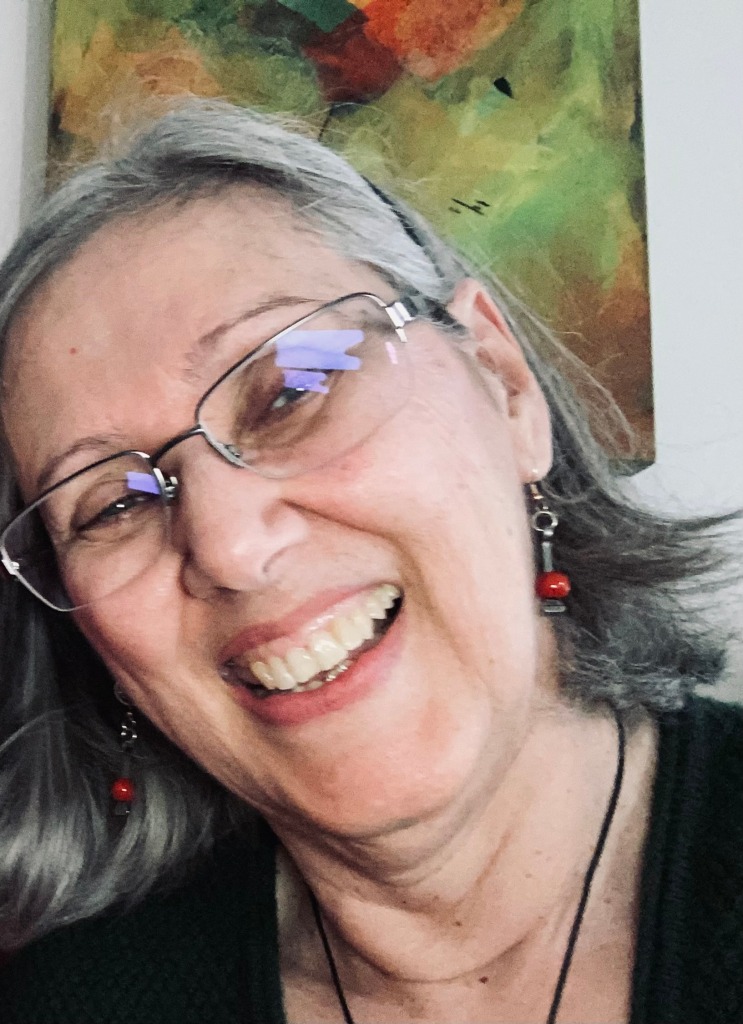
A. This writer/poet has a secret fantasy to be part of a singing flash mob.
B. This writer/poet was so afraid of sharks, they conquered their fears by participating in a White Shark Cage Dive.
C. At a Dallas Cowboy Cheerleader audition, this writer/poet taught the choreography.
D. In high school and college, this writer/poet had a following as a fortune teller. Their specialty was reading tarot cards.
E. This writer/poet was so embarrassed by their first attempt to bake an angel food cake, they buried the “cake” in their mother’s garden.
F. This writer/ poet fervently played the clarinet in their youth with hopes that the instruments vibrations would enhance the quality of their hair.
G. This writer/poet made a project of collecting all the dead ladybugs where they were working and lining them up on the top of their office cubicle walls.
AND THE ANSWERS ARE:
A. Gabby Gilliam secretly or not so secretly likes to be in the limelight. The many talented writer/ poet who by day works as a teacher, sometimes fantasizes about being part of a flash singing mob.
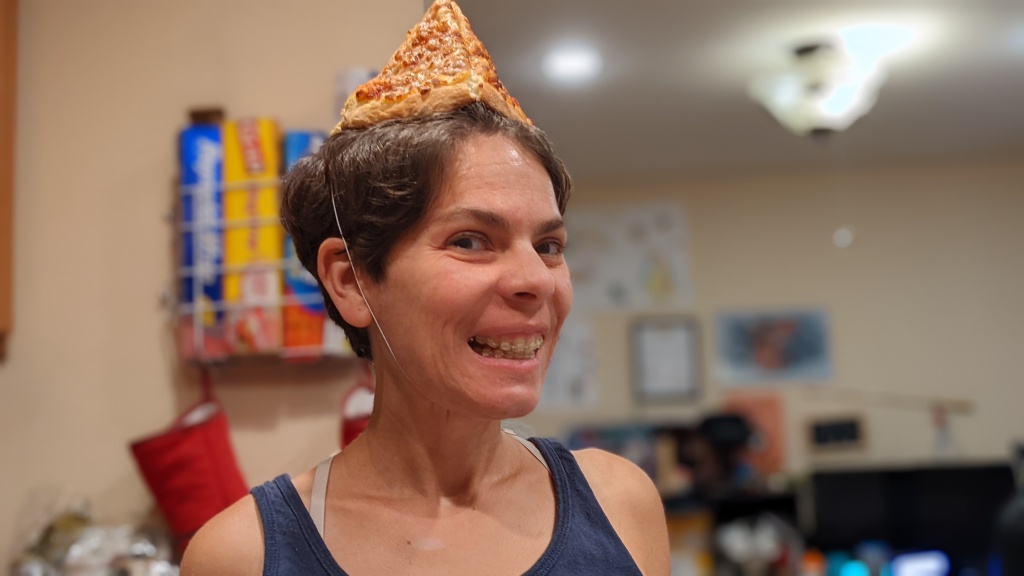
B. Poet and writer Anthony Doyle loves to swim. But he didn’t always feel safe in the water because he worried about being attacked by sharks. So in order to conquer his fears he allowed himself to be locked inside a protective cage and submerged in deep water, a White Shark Cage Dive in Gaansbai, South Africa, so he could confront his terror close up and now scuba dives as a hobby.

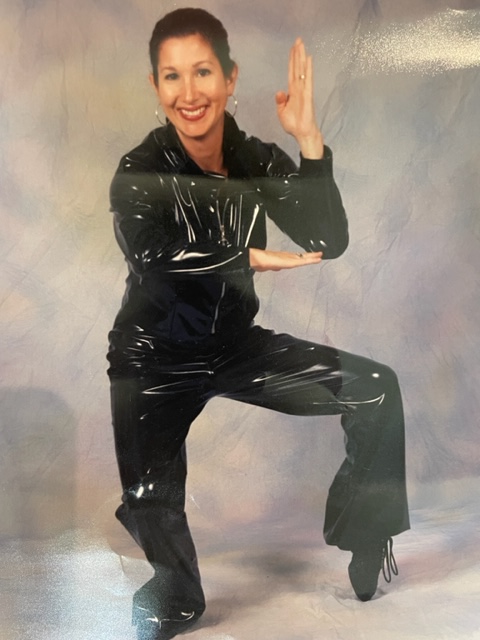
C. Poet/writer Ellis Elliot once taught ballet and was a dance choreographer too. So, once upon a time she taught choreography at a Dallas Cowboys cheerleader audition. Here’s a professional photo of her dancing.
D. In High School, Nadja Maril was fascinated by the occult: astrology, numerology, time travel and fortune telling. Her talent to predict the future in college, with the aid of a battered deck of Tarot cards had fellow students lined up outside her dorm room door. Eventually, she packed the cards away. “While influences, opportunities and obstacles can be predicted,” she says, “We make our own destiny.”
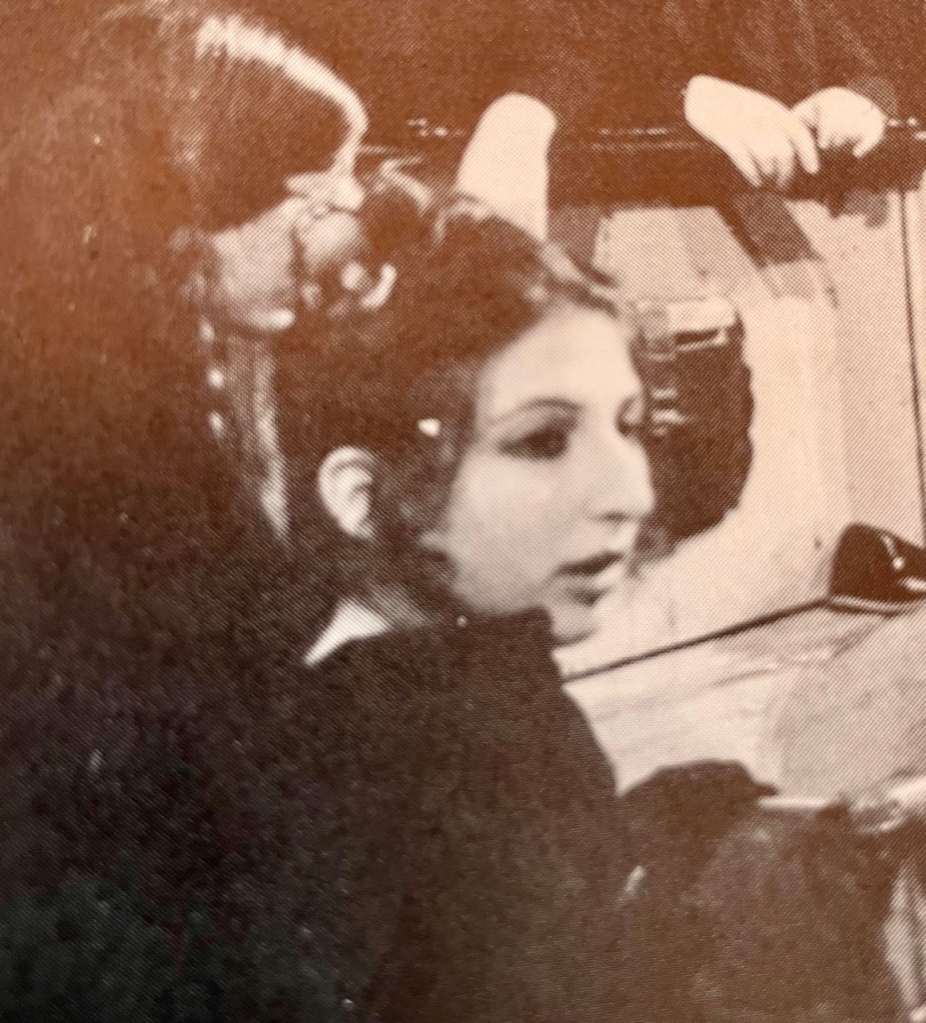
E. Writer, poet and artist Morgan Golladay is not afraid to tell the world her first attempt at baking an Angel Food Cake was such an embarrassment, she hid the evidence by burying it in her mother’s garden. Often the work of creating something “just right” takes multiple tries.

F. Allan Bern shares this wonderful photo of him in his youth when long full hair was “a thing” and he was convinced, if he kept practicing his clarinet, the vibrations of his instrument would enhance his hair growth. “Here I am in Napoli in 1966, ” says Alan. “My friend Umberto and I played the Clarinet, and he claimed the practicing made your head vibrate and, perhaps, helped your hair grow like this.”

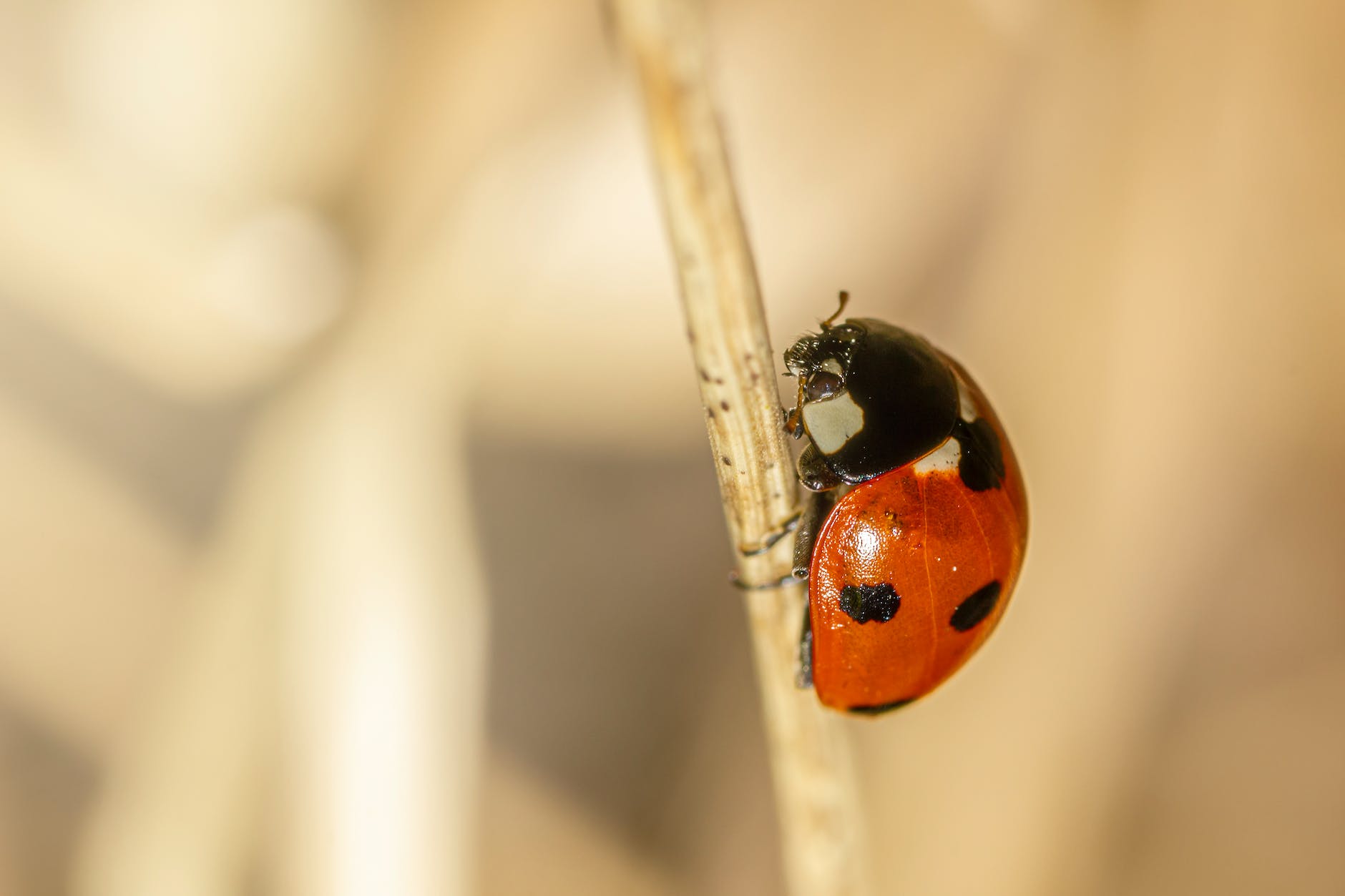
E. Writer/Poet Janet Uchendu thought it odd that an inordinate amount of ladybugs were turning up dead inside the office where she worked. Like most writers, she is a keen observer. Perhaps it was the end of their lifecycle, but why inside that particular office? So she stacked them up on the top edge. of her cubicle. But much to her surprise, no one else noticed.
Thank you for playing the game. Don’t forget to follow this blog for news and announcements. It’s free. Just sign up. Coming up is the October 15th deadline to the Coold Turkey issue of Instant Noodles Literary Magazine. Prose submissions this time must be approximately less than 500 words and no more than two poems, if you are submitting in the poetry category.

By Nadja Maril
For many decades, my poetry writing was a private pursuit. By limiting word selection and phrases to focus only on what really mattered, poetry served to capture my observations and innermost thoughts and months later I could revisit those thoughts and perhaps develop them into a story or essay.
On special occasions and for friends, I would write poems, but these were personal gifts.
It wasn’t that I hadn’t thought about sending poems out to be published. I’d had some “Beginner’s Luck” in college and had a few poems published in a small local magazine, but when I started sending poetry to national publications, all I received were rejections. The pre-printed rejection forms were too painful to read. I packed away my poetry manuscripts and kept my poetry to myself.
I could consider myself in good company. After her death in 1886, Emily Dickinson’s family found 1800 unpublished poems compiled into booklets, amongst her things. The very first volume of Emily Dickinson poetry was published in 1890.
Statistically, the majority of literary magazines publishing poetry only accept approximately three percent of the poems they receive for consideration.

Old Scratch Press Collective member and published poet Virginia Watts says, “I consider myself more of a prose writer who turns to poetry to express creatively in a less structured way.” She has been writing poetry for over sixteen years.
“I believe it is very important for those new to poetry,” Virginia says, “to learn as much as they can about the craft of writing. For poetry, that means taking as many classes at locale universities as you can, attending workshops and getaways where a person can study traditional forms of poetry such sonnets, pastoral poetry, haiku, ode. Try your hand at these. Learn about meter and rhyme scheme, enjambment, alliteration, and so on. The more you know about poetry the better it is for finding your unique voice and style as a poet.”
So, what made me decide years later to send a few poems out for publication consideration? I realized that perhaps the short flash pieces of prose I’d successfully published might be considered by some to be prose poems. I decided to challenge myself to revisit other poem forms I’d tried in the past and be brave.
Virginia says, “When I select poems to submit, I generally give my poems some time to sit on the backburner without me. When I return to them a few months later, I can see where final revisions are needed. I submit a batch of poems that reflect where my poetry is at the moment. That simply means ideas that came to me that I couldn’t shake until I had written them down.”
“Read poetry.” says Virginia Watts, “Listen to poets read their work. When you are ready join a poetry workshop where other poets will read and offer honest suggestions for editing your work.”
So here comes the tricky part, if you decide to start submitting to publications. 1) Read as many literary publications that publish poetry as you can. If you like what they publish and you think your work would be a good fit, submit your best. 2) To find data bases of publications check out Poets and Writers, Duotrope, Chill Subs, and Submittable. Some publications charge submission fees and some don’t. Take into account how many writers statistically they are known to reject and keep that in mind when you submit. 3) Keep good records with dates of submissions, responses, and any feedback. While most rejections are form letters, some will invite you to waive the waiting period for resubmission or even in rare instances invite you to re-submit with revisions. 4) Expect to submit as many as thirty times before you achieve success, depending on where you are sending your work. Good luck and if you are over forty and have poetry that fits the current theme, check out our sister publication ( published by Devil’s Party Press) Instant Noodles Literary Magazine.
Thank you for reading and don’t forget to sign up to follow this blog for more useful writer’s tips and information. We love hearing from our readers. Let us know what you want to know more about.

Writers and poets are complex individuals. They are not afraid to take risks. They reveal their innermost thoughts in their poetry and prose and they also like to have fun.
How well do you think you know the members of the Old Scratch Press Poetry and Short Form Collective and how well can you judge someone by their outward appearance?
Maybe you saw our FUN FACTS GAME on our Facebook page at https://www.facebook.com/OLDSCRATCHPRESS
If not, here are the questions:
Can you match these poets: Robert Fleming, R. David Fulcher, Dianne Pearce, or Virginia Watts with the correct fun fact?
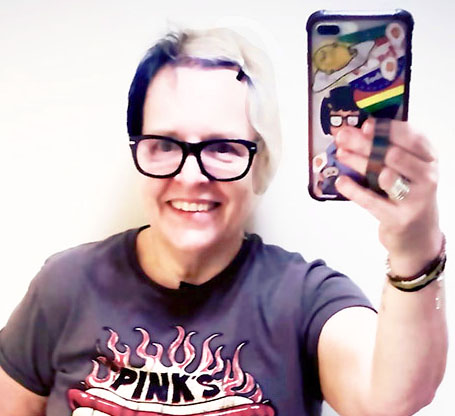


A. They met their spouse through a personal ad placed by their dog.
B. They performed as Frankenstein at the opening of the movie “Gods and Monsters.”
C. They once pursued a career as a folksinger and they have an original song available on the internet.
D. Their favorite Xmas Eve story is about a character named Giant Grummer who lived in a house of limburger cheese consuming pickles and vinegar.
THE ANSWERS
“I guess you could say that I met my spouse after my dog posted an ad in the Personals column of the city paper, looking for a daddy to join us on walks, ” says Dianne Pearce.
In 1998, Robert Fleming performed as Frankenstein at the opening of the movie Gods and Monsters and here is a photo to prove it!

Want to check out the movie itself. Here is a link to the trailer.
Perhaps the plaid shirt and the beard is a giveaway, but R. David Fulcher describes himself as a “wannabe folksinger.” Take a listen.
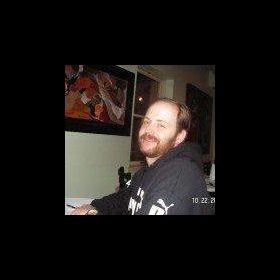
And last but not least, check out What Virginia Watts has to say about her favorite Christmas story. featuring Giant Grummer.

Play the game next week, when we’ll have more fun questions and photos to share. Don’t miss a post, sign up to follow us on WordPress and Facebook. Thank you for reading.
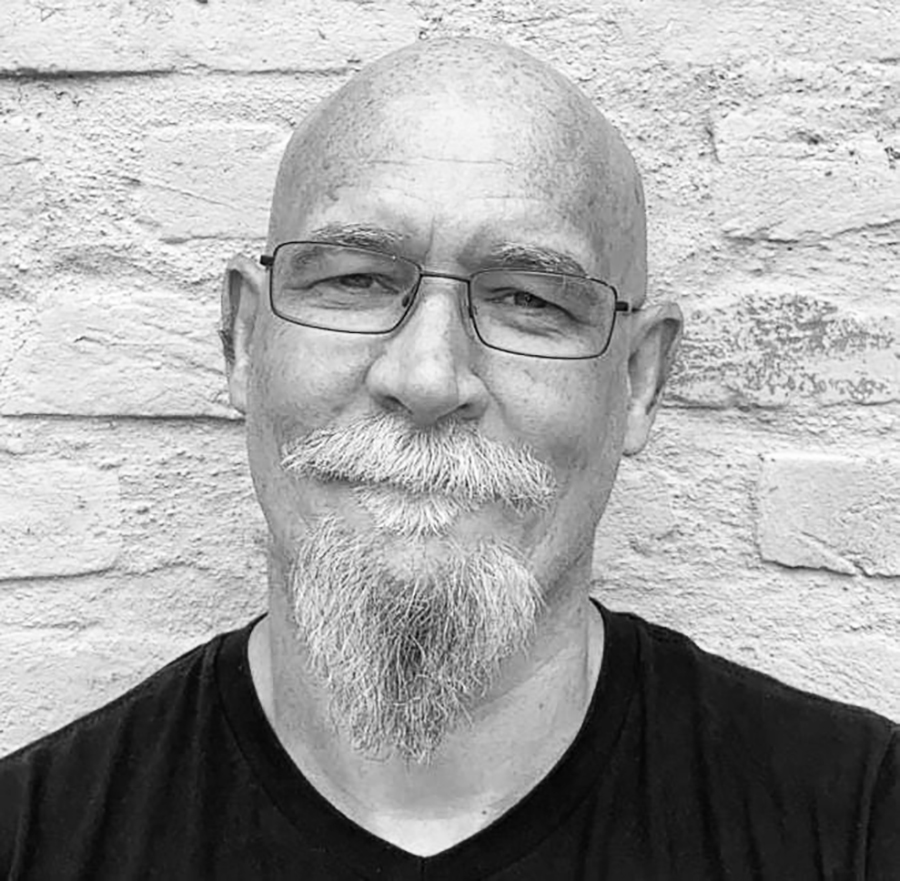
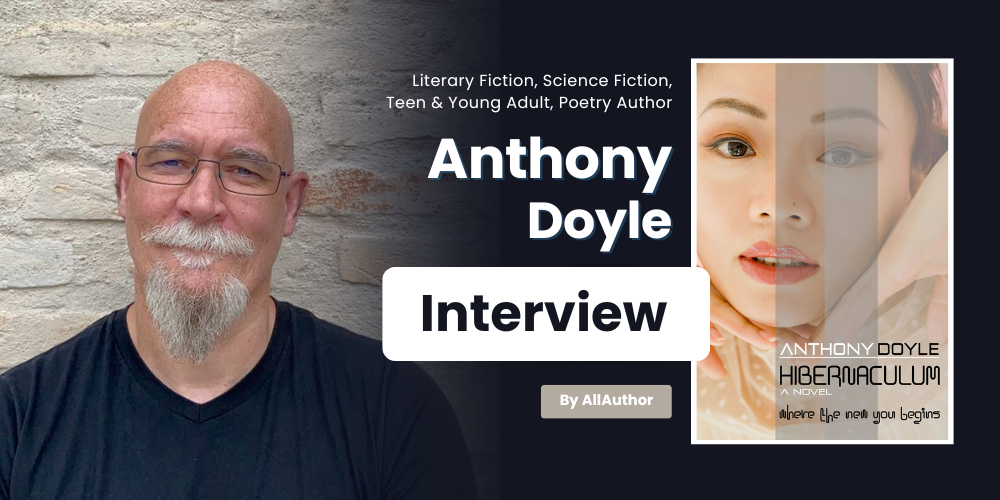
Q:
Do you find that your work as a translator influences your approach to writing original works?
A:
I can safely say I learned how to write from translating other people’s work. Translation has been a school to me. In a way, it’s like those painters you see reproducing great works at art galleries. They’re learning through reproduction. Translation is like that too. Translation means taking a text in one language and rewriting it in another. But literary translation is about taking an author’s text in one language and transferring it to another language in that author’s style. So it’s reproduction of content and form, to the extent that that’s possible. You learn a great deal from doing that. And it was through translation that I finally acquired those other competencies I mentioned before—planning, discipline and patience. It’s great training for a writer.
Want to read the rest of the interview?
Check out the full conversation @ All Author!
 OLD SCRATCH PRESS