Honoring Native American Heritage Month

Celebrating Native American Heritage Month Through Reading

Each November, Native American Heritage Month invites us to recognize and honor the histories, traditions, languages, and contributions of Indigenous peoples across the United States. It’s a time not only for celebration but also for reflection—an opportunity to deepen our understanding of Native cultures and voices. One of the most meaningful ways to do this is through reading.

Books open doors to perspectives and stories that might otherwise remain unseen. When we read works by Native authors or books that authentically portray Indigenous experiences, we help ensure that these voices continue to be heard and valued. Reading becomes an act of both appreciation and advocacy.

Why Reading Matters

Reading stories by Native authors supports cultural awareness and empathy, especially among young readers. In classrooms and homes, these stories help children see the richness of Native traditions and the diversity within Native communities. For some readers, seeing their identities reflected in literature can be empowering; for others, it fosters respect and curiosity about cultures different from their own.

Books to Explore

Here are a few titles that celebrate Native stories for readers of all ages:

For Young Readers

  • We Are Water Protectors by Carole Lindstrom (Ojibwe) – A beautifully illustrated picture book celebrating environmental stewardship and Indigenous activism.
  • Fry Bread: A Native American Family Story by Kevin Noble Maillard (Seminole Nation)– A heartfelt celebration of family, tradition, and resilience.
  • Thunder Boy Jr. by Sherman Alexie (Spokane/Coeur d’Alene) – A picture book where the main character struggles with his name and tries to find a new one that better represents who he is.

For Middle Grades

  • Healer of the Water Monster by Brian Young (Navajo)– An adventure that weaves modern life and Navajo stories.
  • Indian No More by Charlene Willing McManis (Umpqua) and Traci Sorell (Cherokee Nation) – A novel that draws upon Umpqua author Charlene Willing McManis’s own tribal history which tells the story of a girl on a quest to understand her identity as an Indian despite being so far from home.
  • Ancestor Approved: Intertribal Stories for Kids, edited by Cynthia Leitich Smith (Muscogee Creek Nation) – A collection of intersecting stories and poems set at a powwow that bursts with hope, joy, resilience, the strength of community, and Native pride.

For Teens & Adults

  • The Firekeeper’s Daughter by Angeline Boulley (Ojibwe) – A young adult thriller that addresses social issues impacting Indigenous communities, such as the drug crisis, racism, colonialism, and violence against Native American women.
  • There There by Tommy Orange (Cheyenne and Arapaho Tribes) – A multigenerational story about violence and recovery, memory and identity, and the beauty and despair woven into the history of a nation and its people. 
  • The Heartbeat of Wounded Knee by David Treuer (Ojibwe) – A compelling history that reframes Native American resilience and survival.

How to Celebrate Through Reading

  • Create space for Native voices in classroom and home libraries or book clubs.
  • Discuss what you read, focusing on themes of identity, resilience, and community.
  • Invite guest speakers or virtual author visits from Native writers.
  • Reflect on representation—whose stories are missing, and how can we bring them forward?

By reading and sharing Native stories, we help honor Indigenous heritage not just in November, but all year long. Books remind us that storytelling is one of humanity’s oldest and most powerful ways to preserve culture, inspire understanding, and connect us all.
Seeking Sanctuary in what you Read

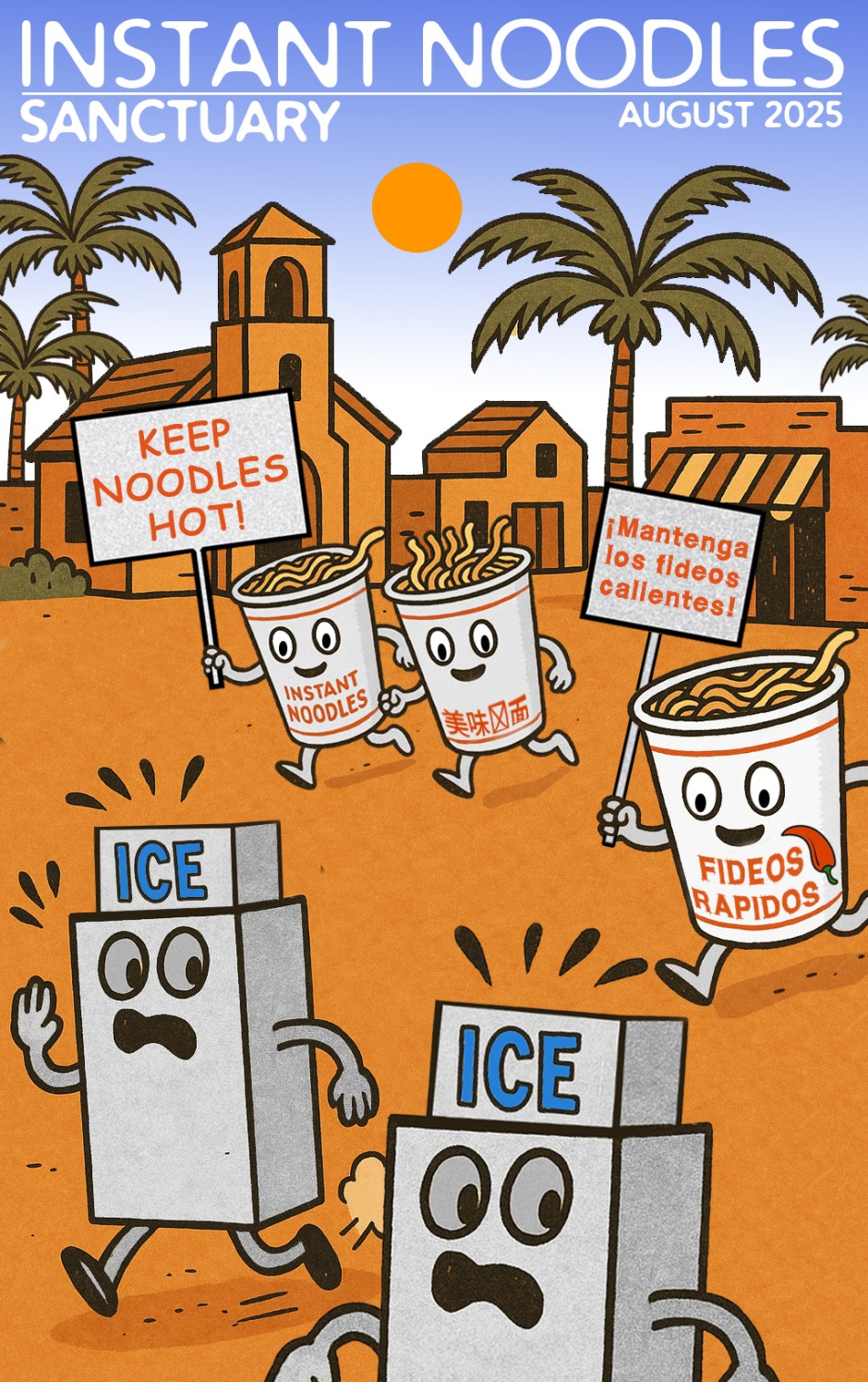
For many of us, reading is a means of escaping the clamor of the real world for a brief time. The theme of the current issue of Instant Noodles is “Sanctuary.” If you’re seeking to give your brain a respite from the news feed, head on over to read the latest issue, curated by the members of Old Scratch Press!

Instant Noodles is open for submissions for our Winter issue! If you have a piece that fits our “Gravy” theme and is on the light-hearted side, please check out the submission guidelines here! We try to fill our Winter issue with fun and mayhem, so please remember that HUMOR, not melancholy is our ask for this issue!

Old Scratch Press is also seeking new members to join our collective! If you write short form pieces (like flash fiction, poetry, or flash memoir), and you’re interested in working with our collective to publish your collection of work, check out our submission guidelines at Duotrope to see if we might be a good fit! The submission window closes on August 31!

Independent Reading

Are you finding it difficult to get into the holiday spirit this Independence Day? Artists have been exploring the concepts of freedom and independence through their art for ages. While fireworks light up the sky and flags wave proudly on July 4th, it’s also the perfect time to spark something else: a love of reading. Independence Day is about more than history—it’s about the ideals that shape our country: freedom, courage, justice, and hope. What better way to explore these themes than through reading?

Whether you’re holiday plans include relaxing at the beach, enjoying a backyard BBQ, or cooling off indoors, there are many ways you can bring some great reading with you.

Art can remind us where we came from, challenge us to think critically about the present, and inspire us to shape a better future.

Here is a poem by Langston Hughes that explores how he felt about America.

Or you might try an Abecedarian by Varsha Saraiya-Shah.

And if you want to stir your patriotism and spark some hope, try this poem by Carlos Bulosan.

This July 4th, don’t just celebrate with fireworks—celebrate with a poem or story.

If you’re a writer, there are some places looking for work on American themes.

WWPH is looking for American themed haiku. Submissions run through July 6.

Gnashing Teeth publishing is also looking for American themed poems, but their submissions close today, so you’ll have to write fast!

Missed the deadline? No problem! You can still enjoy reading their selections tomorrow!

Celebrate National Poetry Month: Read a Poem a Day!

April is National Poetry Month, which makes it a great time to enjoy the beauty and power of words! Whether you love poetry or are just starting to explore it, reading a poem each day is a wonderful way to celebrate the art of the poem.

Why Read a Poem a Day?

Poetry helps us express feelings, tell stories, and learn new words. Reading one poem a day can:

  • Improve Reading Skills – Poems use creative language that helps build vocabulary and understanding.
  • Inspire Creativity – Poetry makes us think in new ways and see the world differently.
  • Help You Relax – The rhythm and emotions in poetry can be calming and enjoyable.
  • Grow Empathy – Poems share different experiences and feelings, helping us understand others better.

Easy Ways to Add Poetry to Your Day

  1. Start Your Morning with a Poem – Read a short poem to begin your day with inspiration.
  2. Read Poetry with Friends and Family – Share a poem out loud and talk about it together.
  3. Use Online Poetry Resources – Websites like Poets.org and Poetry Foundation offer daily poems.
  4. Write About What You Read – Keep a journal to jot down thoughts or even try writing your own poems!

Poets and other resources to Check Out

If you’re not sure where to start, here are some poets you might enjoy:

Join the Fun!

National Poetry Month is the perfect time to enjoy poetry. Challenge yourself to read a poem each day, share your favorites, or even try writing your own! Celebrate the power of poetry—one poem at a time.

What’s your favorite poem? Share it in the comments below!

Writing and Reading for the Resistance: The Power of Words in a Time of Struggle

Photo shows raised fists beneath the word resist in orange block letters.

Words have power. In times of injustice, oppression, and uncertainty, words become more than just ink on a page—they become weapons, shields, and bridges. They can challenge unfair systems, inspire people to take action, and bring communities together. Writing and reading for the resistance means using stories, poems, and books to fight injustice and create a better future. Throughout history, people have used words to stand up against oppression—and today, we can do the same.

Writing as a Way to Fight Back

Writing can be a powerful tool in the fight for justice. To write is to document, to bear witness, and to refuse erasure. The act of storytelling itself can be a radical act, especially when it amplifies the voices of those who are silenced. It allows people to share their truths, educate others, and imagine a better world. Writing for the resistance can include:

  • Telling Untold Stories – Write about important events or people that history books ignore.
  • Challenging Misinformation – Speak out against lies and rewriting stories that are unfair or incomplete.
  • Creating New Worlds – Use fiction, poetry, or essays to imagine new possibilities that envision a just world.
  • Providing a Platform – Elevate marginalized voices, offering them space to share their truths.

Reading as a Form of Resistance

Reading isn’t just about learning—it can be a way to resist oppression. What we read shapes how we see the world, so choosing books wisely is important. Some ways reading can be an act of resistance include:

  • Reading Banned Books – Books that are censored often contain ideas that challenge powerful systems.
  • Learning from Activists and Leaders – Reading about people who fought for justice in the past can teach us how to do the same today.
  • Supporting Diverse Authors – Seek out authors whose voices are often ignored by mainstream publishing. Choosing books by writers from different backgrounds helps bring new voices into the conversation.
  • Sharing Knowledge – Share books, discuss ideas, and create spaces where literature fuels action. Talking about books with others can spread important ideas and inspire others to act. 

How You Can Take Action

If you want to use reading and writing to create change, here are some ways to start:

  1. Join or Start a Book Club – Read books that challenge systems of oppression and discuss them with friends.
  2. Write and Share Your Ideas – Whether through social media, blogs, or poetry, use your words to stand up for what’s right.
  3. Support Independent Bookstores & Libraries – These places often carry books that challenge unfair systems.
  4. Document What’s Happening – Keep a journal, write about current events, or interview people to make sure important stories aren’t forgotten.

Resistance is an ongoing effort, and literature—whether through reading or writing—has always been a vital part of that struggle. Words have changed the world before, and they can do it again. By reading and writing with purpose, we can stand up against injustice and help create a better future.

What books have inspired you to take action? What stories still need to be told? Share your thoughts and let’s keep the conversation going!

Books About the Power of Words & Resistance

For Middle & High School Readers

  1. Stamped: Racism, Antiracism, and You by Jason Reynolds & Ibram X. Kendi – A powerful, engaging look at how racist ideas have shaped history and how we can challenge them.
  2. The Hate U Give by Angie Thomas – A novel about police violence, activism, and finding your voice in the face of injustice.
  3. Internment by Samira Ahmed – A dystopian novel about a near-future America where Muslim Americans are sent to internment camps, and a young girl fights back.
  4. Maus by Art Spiegelman – A graphic novel that tells the story of the Holocaust through the eyes of the author’s father, using animals to represent different groups.
  5. Brown Girl Dreaming by Jacqueline Woodson – A memoir in verse about growing up Black in America and the power of storytelling.

For Adult Readers (But Still Accessible)

  1. The Fire Next Time by James Baldwin – A powerful collection of essays about race and justice in America.
  2. We Should All Be Feminists by Chimamanda Ngozi Adichie – A short but powerful book about gender equality.
  3. 1984 by George Orwell – A classic novel about government control, censorship, and the fight for truth.
  4. Their Eyes Were Watching God by Zora Neale Hurston – A story of a Black woman’s journey to find her own voice in a society that tries to silence her.
  5. The Handmaid’s Tale by Margaret Atwood – A dystopian novel about a future where a theocratic government strips women of their rights, reducing them to roles based on reproduction.

Poetry & Essays for Resistance

  1. Citizen: An American Lyric by Claudia Rankine – A mix of poetry and essays that explore race, identity, and resistance.
  2. Milk and Honey by Rupi Kaur – Poetry about survival, resilience, and healing from oppression.
  3. The Hill We Climb by Amanda Gorman – The poem that was read at President Biden’s inauguration, full of hope and resistance.
  4. I Am Alfonso Jones by Tony Medina – A novel in verse about police violence and the impact of activism.
  5. How to Read the Air by Dinaw Mengestu – A novel about identity, immigration, and reclaiming personal and historical narratives.

CONGRATULATIONS TO GABBY and THANK YOU!

Hi All~

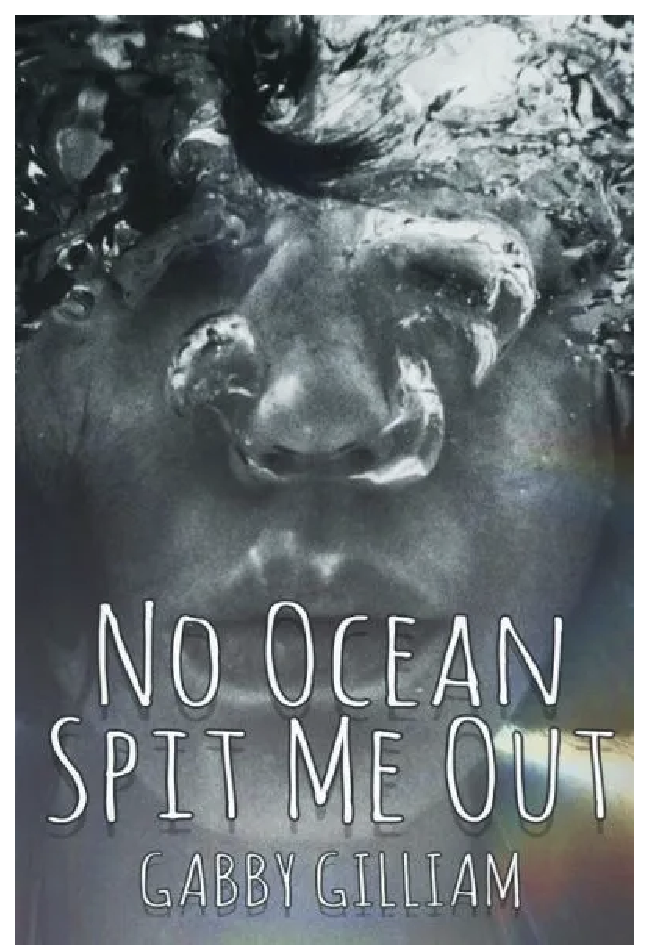
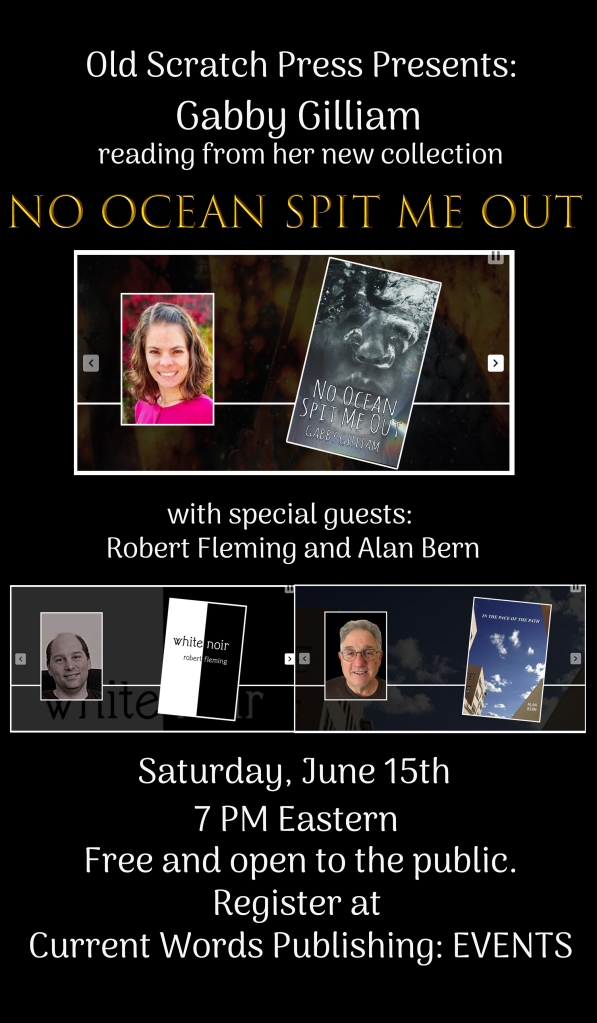
Today we celebrated the launch of Gabby Gilliam’s book: NO OCEAN SPIT ME OUT with a reading on Zoom by Gabby and Robert and Alan.

I am going to guess that many of the guests were friends/family of the authors, and I am so grateful for their kindness as we navigated our first live event since 2020, in a different house, on different equipment, and on the opposite coast. I’m not going to say we were a well-oiled machine, but our hearts were in the right place. 😉

Within the coming week we will create a nice video of the event and post it here, as well as send it to the participants.

If you attended, or if you missed, please consider coming to future events. It meant so much to me to hear the authors read the books live that Dave and I often work on alone, in silence. I tend to read the books we publish a few times, but this is a whole different and rich experience.

So, if you were able to attend, I thank you for doing so, and being such a gracious guest.

If you were unable to attend, not to worry, as we will be posting the event here ASAP.

And don’t forget to visit the catalogue page and see what OSP books are available! The OSP authors keep 100% of their royalties, so help them earn a little coin at this writing game.

Also, next week, if you’re feeling game and supportive, join us again for the live reading of INSTANT NOODLES… VOLUME 4 (has it been 4 years???) ISSUE 1.

The writing for this issue, chosen by Gabby Gilliam, Anthony Doyle, Nadja Maril, and with visuals chosen by Robert Fleming and Alan Bern, is not to be missed!

Thank you for supporting indie authors.

Much love~

Dianne & David