

Subscribe to continue reading
Subscribe to get access to the rest of this post and other subscriber-only content.
Subscribe to get access to the rest of this post and other subscriber-only content.


There has been much in the news within literary circles lately about literary journals with questionable practices, mostly focused upon submission fees and how these fees are used. No one should question the idea that it is expensive to run a literary magazine with such costs as editing and overhead, and most importantly, not everything about submission fees should be seen as negative. It is possible that when writers must pay a nominal fee to submit their work to literary magazines, they may be inspired to submit a more edited and stronger piece. However, it’s one thing to pay $3.00 to one journal to submit but let’s face it, most writers must submit the same piece to many magazines if they want to increase their chance of having it published. This is why submission fees can really add up. There is also the idea that if submission fees are charged, less submissions will come in and this will lead to faster publication decisions by editors. Like it or not, it does seem that submission fees are here to stay. If we accept that fact, then we must understand some realities about submission fees.
I am not going to name names here, but some well know literary journals have been engaging in practices that are shameful. It’s hard enough and expensive enough to be a writer trying to get work published in literary journals without these bad actors but, unfortunately, they do exist. One well known journal accepted submissions and charged for over a year but had already stopped reading and publishing new word. They later folded and changed their name. I have personally submitted to journals several times only to realize they had gone defunct. I was never able to get my submission fees back. Recently, several well-known journals held contests, charged the high submission fees customary in literary contests, and never announced any winners. Suffice it to say that just because something calls itself a literary journal doesn’t mean it should.
So, what is a writer to do? How can we protect ourselves from unethical practices and scam journals? Here are some practical ideas to consider.
I have been submitting to literary journals for many years and have been lucky to have some level of success. Be aware of where you are sending your writing, but don’t let a few bad apples dissuade you from submitting to literary journals!!! The overwhelming majority are ethical to a fault and the writing world would be lost without literary journals. They are an invaluable part of our art form. I read literary journals, subscribe to them, admire them immensely and thank them for all the wonderful writing they bring to the world. So, happy submitting to my fellow writers and the best of luck to you all!
~Ginny
Virginia Watts has been fortunate to have published nearly 100 pieces in literary magazines including CRAFT, The Florida Review, Reed Magazine, Pithead Chapel, Permafrost Magazine, Broadkill Review, Two Thirds North, Hawaii Pacific Review, Sky Island Journal, Eastern Iowa Review, Evening Star Review and Streetlight Magazine. Nominated four times for a Pushcart Prize and four times for Best of the Net, in 2019, Watts won The Florida Review Meek Award in nonfiction.
Virginia’s new book is now available from Old Scratch Press:

Her prior poetry chapbooks Shot Full of Holes and The Werewolves of Elk Creek
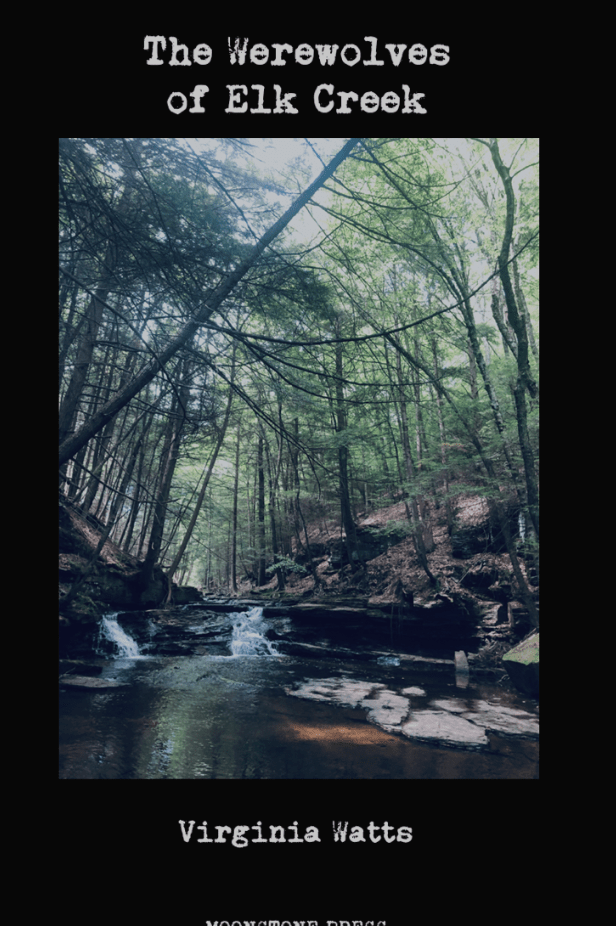
are available from Moonstone Press. And her debut short story collection Echoes from the Hocker House is not to be missed!


I have participated in quite a few of writing critique groups for many years now, and I can say that the feedback I have received from fellow writers has been critical to my success in publishing my work. It is true that if you remain with the same group over an extended period, there will be certain people that you will agree with more than others for suggestions for editing your work. There is nothing wrong with that. After all, everyone has different tastes and preferences. That being said, it is important to read and consider all comments you receive. Here are a few tips to guide you in getting the most from the process of critique.
Enjoy your group!
~Ginny
Virginia Watts has been fortunate to have published nearly 100 pieces in literary magazines including CRAFT, The Florida Review, Reed Magazine, Pithead Chapel, Permafrost Magazine, Broadkill Review, Two Thirds North, Hawaii Pacific Review, Sky Island Journal, Eastern Iowa Review, Evening Star Review and Streetlight Magazine. Nominated four times for a Pushcart Prize and four times for Best of the Net, in 2019, Watts won The Florida Review Meek Award in nonfiction.
Her poetry chapbooks The Werewolves of Elk Creek
and Shot Full of Holes are available from Moonstone Press. Her debut short story collection Echoes from the Hocker House is available on Amazon.
Many writers, including myself, write both prose and poetry. For me, it just depends on the subject matter as to which form I choose. Many writers begin with one form of writing and evolve to another. There are some writers who begin in one genre and stay there. In the end of the day, our paths are different, but we are all writers, and all writers want to tell a story. We want readers to feel something, experience something, remember something. We want them to leave us changed in some small way. Even if you don’t want to learn about the craft of poetry in a formal way, as in attending workshops, just reading a few poems a day will improve your prose writing in ways that will surprise you.
Poetry as a form succeeds on bold, visual imagery, exact information from all the senses. This is how the reader enters the poem and lives inside it for a brief time. By reading lines of poetry, prose writers will also experience and come to understand why rhythm matters. There is great impact when rhythm is found in sentences and phrases.
One of the defining benefits of studying and writing poetry for me as a prose writer has been that in poetry more than any other genre, each and every word must do work, and I mean each and every word. Poets take time and great care choosing words and prose writers, if you want to be your best, you should be doing that as well, but it takes practice. Read Hemingway again to see why this matters.
Poetry has the same elements as prose writing, such as characterization and narrative arc, but it contains more unexpected phrases, surprises and turns that send readers in directions they didn’t expect. This is often missing from prose writing, and it shouldn’t be. Additionally, poetry teaches us about pace. How long lines with no punctuation slow the reader down. How a short line placed just right can then really pack a punch.
Prose writers can also use traditional poetry techniques to enhance their narratives such as assonance, linking words with similar vowel sounds. Using words in this way can produce a desired effect on the reader such as a calming effect as if listening to music.
My greatest lesson and take away as a prose writer who reads poetry every single day is that endings are so incredibly important. When you read enough good poems, you’ll see what I mean. And stories, like poems, deserve the best endings possible. This is something to strive for.
So, you want to be a good prose writer? Then read poetry. Simple as that. Poetry teaches us all how to use our language. Poetry teaches how to describe. Poetry demonstrates mood, voice, momentum in unexpected ways. We all want the same thing. To tell the story we want to tell in the best way we can. Reading poetry will help us learn to do that.
There are many good online literary journals where you can read poems: Narrative Magazine, Agni, Carve, Rattle, 32 Poems, A Public Space, Apple Valley Review, Evergreen Review, The Cortland Review, Waxwing, Pigeon Pages, Cleaver Magazine, Able Muse.
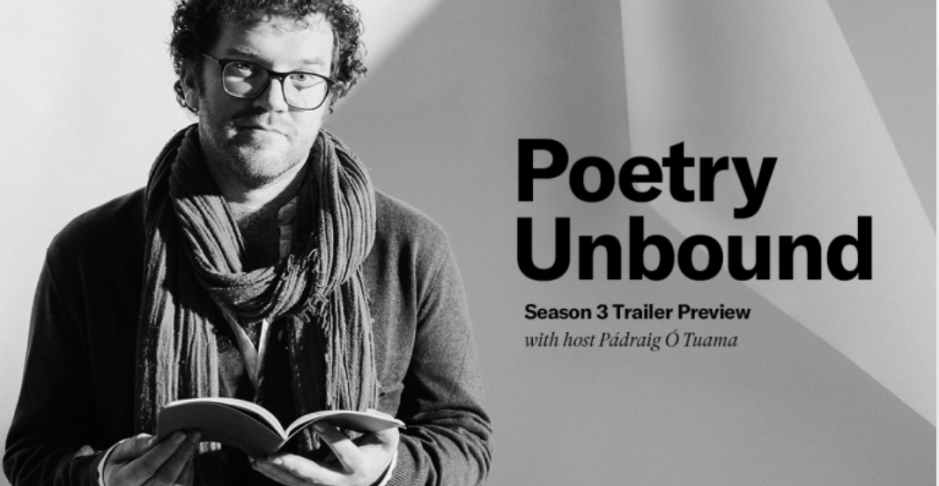
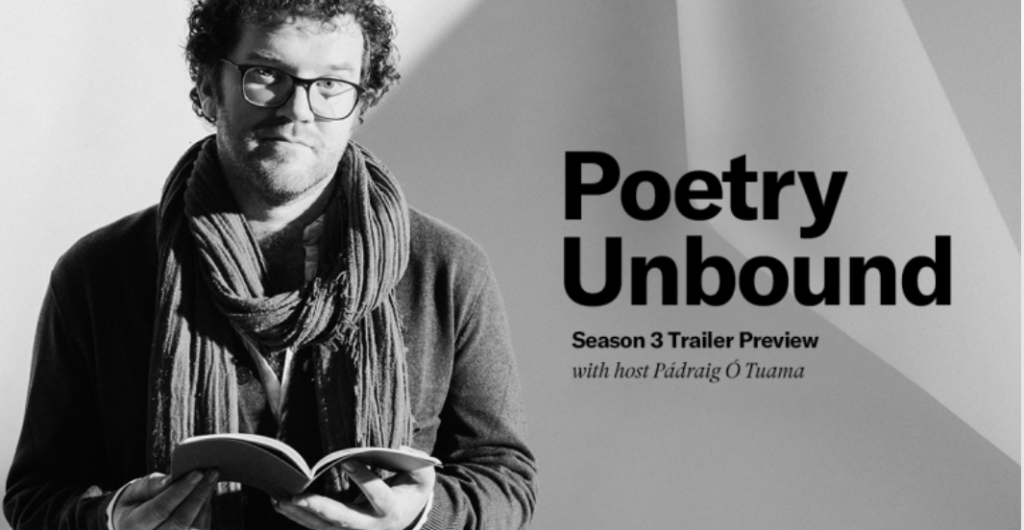
You can also sign up to receive daily poems from: Rattle, Your Daily Poem, Poem-a-Day, Poetry Daily, Poem of the Day. All these are free as is the wonderful podcast written and hosted by one of my favorite poets Padraig O Tuama: Poetry Unbound. I would also highly recommend Padraig’s wonderful book: 50 Poems to Open Your World.

Happy Reading!
~Ginny
Virginia Watts has been fortunate to have published nearly 100 pieces in literary magazines including CRAFT, The Florida Review, Reed Magazine, Pithead Chapel, Permafrost Magazine, Broadkill Review, Two Thirds North, Hawaii Pacific Review, Sky Island Journal, Eastern Iowa Review, Evening Star Review and Streetlight Magazine. Nominated four times for a Pushcart Prize and four times for Best of the Net, in 2019, Watts won The Florida Review Meek Award in nonfiction.
Her poetry chapbooks The Werewolves of Elk Creek
and Shot Full of Holes are available from Moonstone Press. Her debut short story collection Echoes from the Hocker House is available on Amazon.
 OLD SCRATCH PRESS