So confused. Isn’t a voice linked to speaking, singing, and screaming? What does a voice have to do with writing? What the fu** Robert?
A “writing voice” refers to the unique style and personality a writer expresses through their writing, which is a combination of their vocabulary, tone, sentence structure, and perspective, essentially how their individual personality comes across on the page.
Most poetry magazine acceptance rates are about 2.4%. In order to increase your chance of publication acceptance success, create a writing voice and then target publications that have published work with your voice within the last two-years.
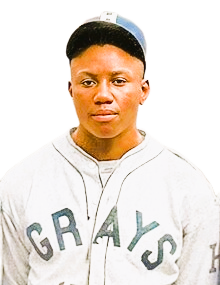
A writing acceptance rate is like a baseball player’s batting average (BA). Josh Gibson’s 1946 BA of 37.2% is the highest career Major League Baseball BA.
Josh Gibson
My poetry voice profile:
Style: experimental
Themes: masculinity, sexual orientation, sin/virtue, dystopia
Forms: visual poetry, free-verse, Japanese Haiku/Mondo, sonnet, and pantoum
Devices: sound (rhyme, alliteration, assonance), duality, homonyms, multiple-word-reversals, and end-titles
CREATING a WRITING VOICE
Oh NO Mr. Robert, an assignment is coming. Sir and madam, it is, I cannot lie.
A sleepless night, 3/14/1996, yours truly obsessed compulsed, to translate four of his favorite poets to a gay style: Robert Frost, William Shakespeare, John Berryman, and Dorothy Parker.
What I did for each poet:
Select a favorite poem
Analyze and document what the poem is (theme, form, devices) and why you like it
Read the poem out loud
Make an audio recording of your reading
Handwrite the poem
Type the poem
Translate the poem to your style
Place the original poem and translation side by side
What was the outcome impact of yours truly doing this exercise:
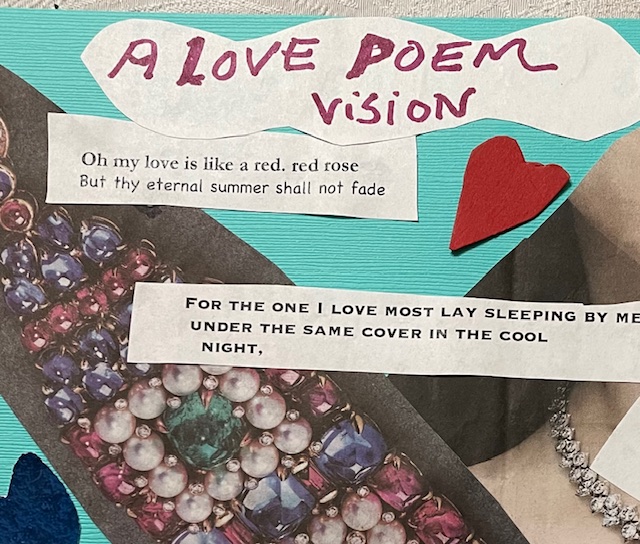
In 1997, a follow-up creation of a visual poem that translates Dorothy Parker was included in art show in the District of Columbia
Self-discovery that my style is experimental and an integration of one of the poets studied: Robert Frost and another poet: Dr. Seuss
More Voice Discovery guidelines: make diverse selections
Select work written in different time eras: 50% 1,800 or earlier, 50% 1,900 and later
Gender: 50% men, 50% woman
Style (traditional vs experimental): at least 1 experimental
Discover your writing voice and use it!
Yours Truly is:
Robert Fleming, a contributing editor of Old Scratch Press
Thank you for reading. Please sign up to follow us on Facebook and to follow us here on WordPress to expand your knowledge about poetry and short form writing as well as to receive the latest news about publication opportunities.
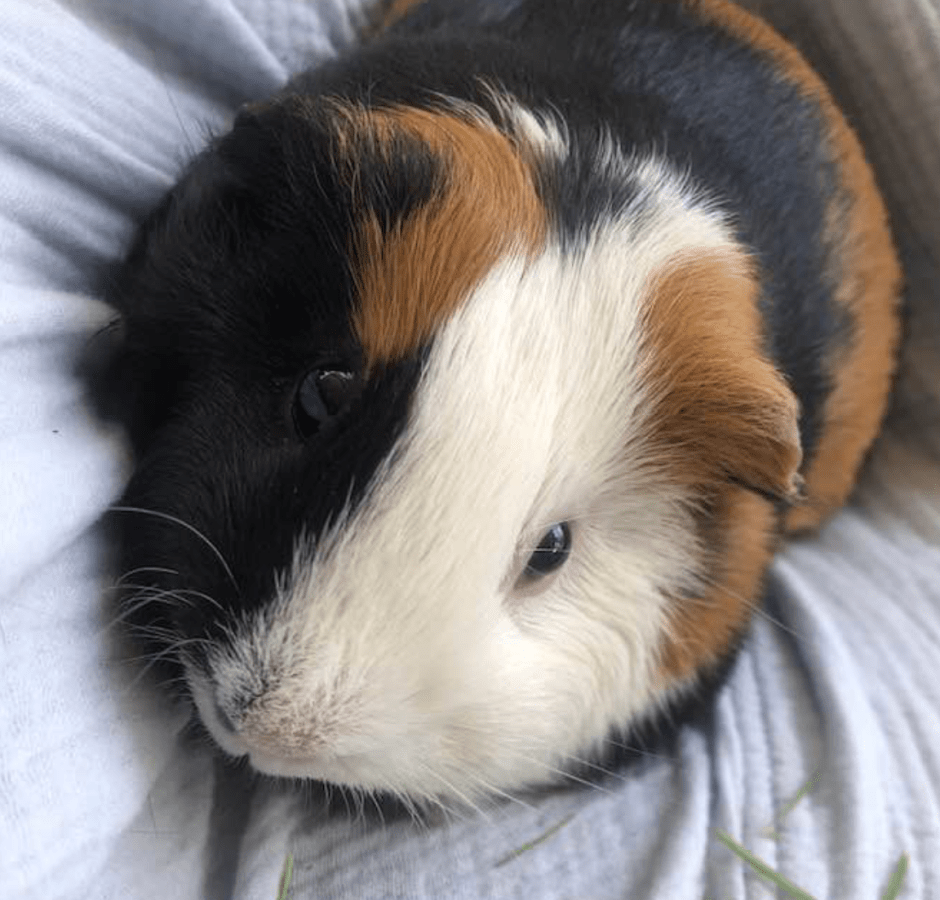
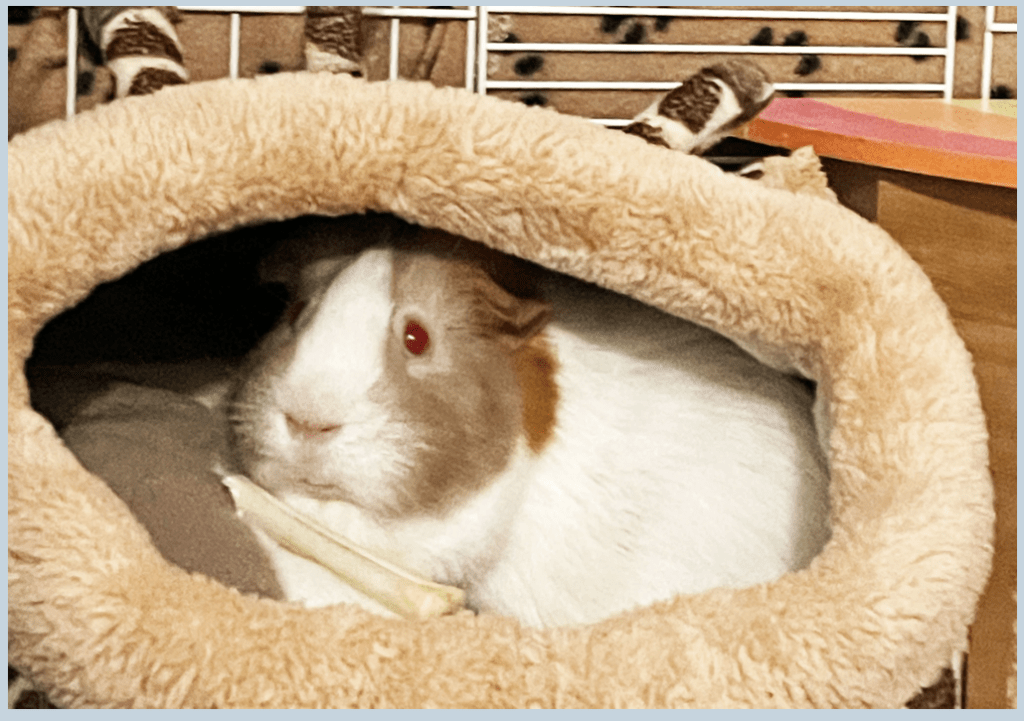
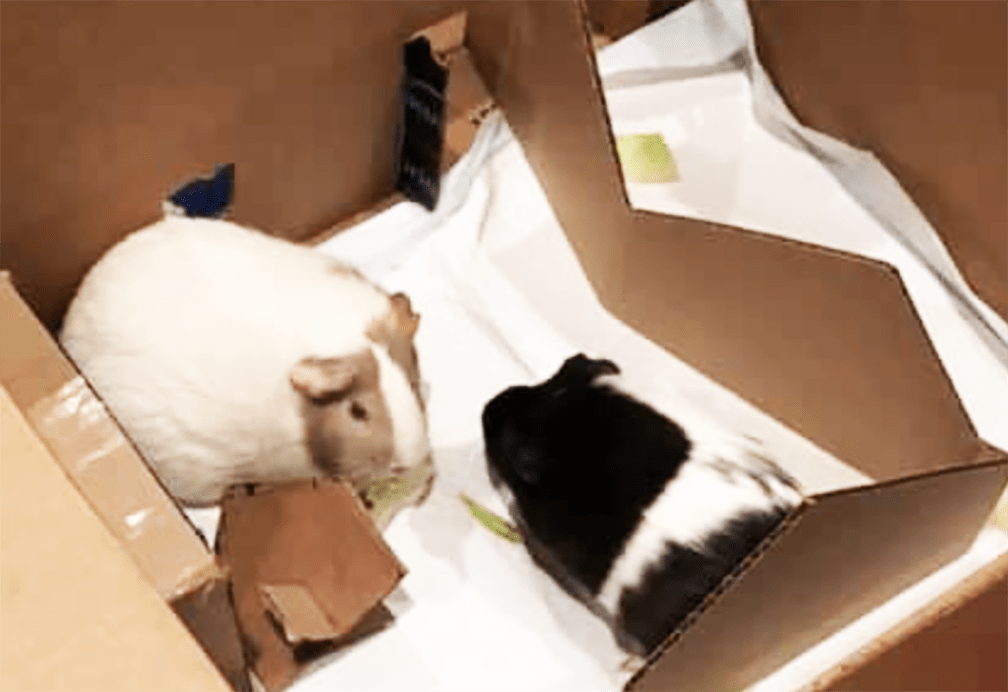
Just before the pandemic (the 2020s I feel the need to say for when we all are history), we were in search of a better situation for our daughter, and we moved her to a private school. She went from a class of 30 to a class of 12, and her academics improved immediately, though our finances did not! As a part of her classroom they had an animal student, the lovely Miss Addie pictured above lounging in her hidey with a tasty piece of bamboo. The school asked for a volunteer family to take her home over the Christmas break, and we volunteered. Addie and I bonded immediately (I am the pet-whisperer), and I must admit I delayed sending her back to school in January by almost a full week. When the school was shut down over Covid in March they asked me again if I would take her, and I eagerly said yes. She moved in with us, and by May the lovely school announced it was going out of business. Addie became family. During the stay-home days our daughter took courses on Outschool (highly recommend) where she learned female guinea pigs preferred to be in pairs. We then adopted Baby from a pet store. It turned out that Addie did not prefer to be in pairs, but eventually a tolerance developed.
When we moved back to California, again for a better school experience for our daughter, we drove across with two cats, two guinea pigs, and one dog. About a year after we settled in, I woke up a few days before Christmas to find Addie had left us. Baby, it turned out, was desperate not to be alone, and went on a hunger strike. After a forcing some food into her for two days (guinea pigs must eat constantly or they die), we adopted Punky (who looks a bit like a pumpkin). This past summer Baby followed Addie to Valhalla, and I saw, stretched before me, a long line of guinea pig adoptions for the rest of my life. I waited with bated breath until, lo and behold, it seemed Punky took after Addie, bless her. She seemed very interested in checking out Baby’s viewing and memorial, but then she was fine to have all the snacks and seed balls and pigetti (corn silk) to herself. She moves, in her luxuriously large cage, from hidey to hidey during the day, alternatively napping and yapping. She has a lot to say to me, and we perform a call and response between us where I say, “Woooo, Punkus!” and she chirps away back at me, whooping louder and louder until I bring her some fantastic treat.
The guinea pigs, as much as I don’t want to have a long line of them stretching to the end of my life in front of me, are part of my life’s rituals, and I love the job, and someday I know I will mourn the loss of it, as I mourn both the beautiful, pink-eyed Addie, and Baby, who looked like a tiny Holstein. Every other morning, without fail, I awake before the sun and the rest of my family, chat away with Punky as I remove all her bedding (I use cloth bedding, nice fluffy fleece pads), and all her hay, and all her snacks and poops, and I clean out the cage. All the linens go into the washer for a hot wash and an extra rinse, and the cage is refitted with clean bedding from my ample supply. Then I top off the snack bin (hay rings, seed balls, vitamin C chews), put in fresh hay, and add in some salad (lettuce, peppers, fresh baby corn, that sort of thing) and set Punky up for her new day. It takes me about 40 minutes (not counting the laundry time) and during that time I do not have to think what move to make next, and my conversation (Wooo Punkus!) pretty much doesn’t change, and is not the most thought provoking. That gives me some early-morning time to freshen up my brain as I freshen up Punky’s cage. We both enjoy it. For me it is both calming, and nurturing as I nurture my little Punky, and there is a clear sense of accomplishment in looking at the “beautiful once again” cage.
Of course, you might think, that’s a lot of work, lady, for a kid’s pet, work that the kid should be doing. My daughter and I traded years ago because, when Addie first moved in, my daughter was too short to clean the cage, and not very quick or proficient at it. I offered to trade emptying the dishwasher (a chore I despise). She agreed. So now she’s stuck with it! And I get the meditative and soothing time with Punky.
I want to address this next paragraph to my fellow non-believers out there, or, perhaps, non-conventional believers is a better term. I was raised really immersed in a traditional Christian church, but, as long as I can remember, though I didn’t really balk against going until late into my HS years, it had no effect on me. I didn’t click into the whole thing. I often read the Bible in church from boredom during the long services, but it came across as fairy tale to me, and the emotions I saw people experience in church were not there for me. Even during my beloved grandmom’s funeral, who loved her church dearly, what I remember feeling, aside from loss, was that I would have preferred to be somewhere else, somewhere emotionally warm, to hold her in my thoughts. I have no doubt that my delight of a grandma is somewhere, in some form, still being a delight, but hooking it into her own religious beliefs is beyond me. So, there are two points I want to make here about that based on my experiences in life: ritual, which is done so well by churches/temples/mosques, and their like, is not owned by them. And life needs ritual for space to process and to get in touch with emotions. We are all different, and some of us need more ritual in life than others, and that ritual can be as simple as how we decorate for holidays, certain meals we make at certain times, celebrating our own birthdays (of course! I’m glad I was born!). Ritual is, really, meditation, and for me it is more profound when it is a natural thing in my life rather than what I would view as a forced, arbitrary movement. The guinea pigs are a delight too. Their personalities remind me of my chubby grandma in many ways. She often whooped, and loved eating too. There’s no reason they should not be connected in my heart and in my thoughts. I love the ritual that they are.
And during the “mundane chore” of cleaning the guinea pig cage I get a lot of writing done (in my mind, not on my computer!). It’s a reset for me as well. There’s no pressure for perfection, and the thoughts roll in and out like a calm tide.
Of course Princess Punky will not outlast me (I am optimistic enough to assume). And I want to just mention my second very early morning ritual that will ride with me to the bitter end. OHHHHHHH…….
All I want is a proper cup of coffee Made in a proper copper coffee pot I may be off my dot but I want a proper coffee In a proper copper pot Iron coffee pots and tin coffee pots They are no use to me If I can't have a proper cup of coffee In a proper copper coffee pot, I'll have a cup of tea!
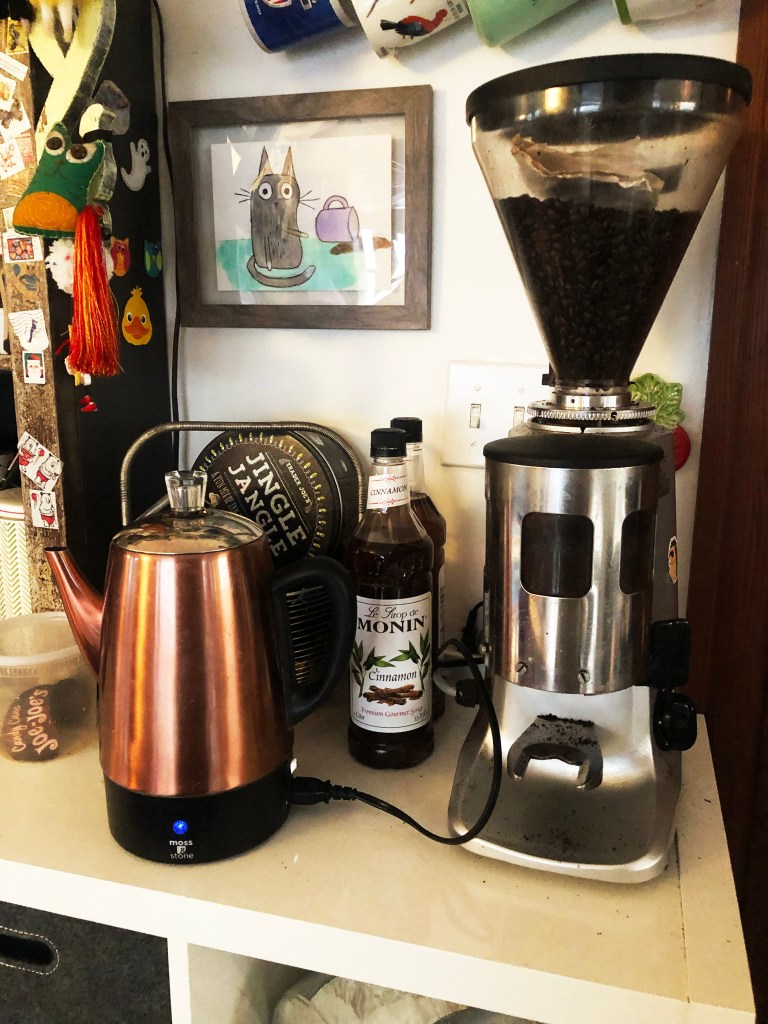
Gaze upon my magnificent second morning ritual… coffee made in a proper copper coffee percolator! A percolator has several ritual benefits: there are a few parts to take apart and clean; there is a prescribed way to put it back together, and when it is back together it moans suggestively and bubbles, and scents the air with perfume Chanel should be envious of. It is another opportunity for me to do labor that requires no brain power, that pleases me and affects me directly while also giving benefit to someone else (my spouse), and doing the “chore” brings about visible results that please me. It also offers me a hot cup to sip and enjoy as I slowly move from meditation to sitting down and writing out this post, or some other writing project.
Websters says that a blessing, as a noun, is grace (the thing said before meals), approval or encouragement, or a thing conducive to happiness or welfare (by which I take it Websters means well-being). Rituals are a blessing. And, for me, a lot of my blessings are my routines. I exhort you not to deny yourself of the blessing of your routines, even if they are “chores” (such a dirty word!). Slow them down a bit; use them to slow your thoughts, and plum the richness of repetition, a moment with no planning and no management needed, a moment on autopilot. There are so many writing gems to be found there, as well as quite a lot of balm for the nervous system. Enjoy that walk with your dog, scritches for kitty, a hot cup of coffee, or, if you can’t have a proper cup of coffee, a hot cup of tea. 😉 Whoop whoop!
For many writers, rejection is a painful word. It’s the moment when your carefully crafted story, poem, or article is turned down by someone who didn’t see its potential—or worse, didn’t even bother to respond. But what if rejection didn’t mean failure? What if it actually meant progress?
The 100 Rejections Mindset
The idea is simple: Instead of focusing on success—acceptances, accolades, and bylines—shift your focus to failure. Aim to collect 100 rejections in a calendar year. This goal reframes rejection as proof of effort, not failure. Rejections become proof that you’re putting yourself out there and working toward your dreams.
The magic of this mindset lies in its paradox: By chasing rejection, you often end up with more acceptances than you expected.
Why 100 Rejections?
It Builds Resilience Rejection is part of being a writer, but the more you face it, the less it hurts. When you set a goal of 100 rejections, you stop fearing the word “no.”
It Normalizes the Process Submitting work becomes routine. Submitting your work feels less scary when you do it often. You stop overthinking and start seeing rejection as a normal part of the process.
It Forces You to Write More To hit 100 rejections, you have to write and submit consistently. This sheer volume of effort improves your craft and increases your chances of success.
It Turns Rejection into a Metric of Success Each rejection becomes a badge of honor. It’s not a reflection of your worth, but of your determination.
How to Get Started
Make a Plan Use a notebook, spreadsheet, or app to track where and when you submit your work. Keep it organized so you can follow up if needed.
Research Markets Find magazines, websites, anthologies, or publishers that align with your work. Having options makes it easier to submit regularly which in turn makes it easier it is to hit your goal.
Celebrate Rejections Instead of feeling bad, celebrate each rejection as a step forward. Whether with a small treat, a happy dance, or by simply updating your tracker, take note of your hard work!
Revise and Resubmit Not all rejections are final. Many editors give feedback. Use it to revise and submit elsewhere.
Unexpected Benefits
Here’s the secret: the more you submit, the more likely you are to get accepted. The sheer number of submissions increases your odds. And over time, you’ll notice patterns—certain markets might respond positively to your work, or you might discover that a piece rejected by one publication is a perfect fit for another.
It’s Worth It
The fear of rejection often holds writers back. But when you embrace it—when you actively pursue it—it loses its power. Aiming for 100 rejections a year might sound scary at first, but it’s one of the best ways to grow as a writer.
So, what are you waiting for? Start chasing those rejections. You’ll be amazed at what you can achieve when you stop letting rejection scare you.