Thank you for reading. Please sign up to follow us on Facebook and to follow us here on WordPress to expand your knowledge about poetry and short form writing as well as to receive the latest news about publication opportunities.
by Nadja Maril, a founding member of Old Scratch Press Collective
A few months ago, I read a book purely for escapism, a cozy mystery populated by Jane Austen Characters entitled The Murder of Mr. Wickham by Claudia Gray. I didn’t have to think too hard as I’d already met: Fitzwilliam and Elizabeth Darcy, Marianne and Colonel Brandon, Anne and Frederick Wentworth, and Fanny and Edmund Bertram. Already familiar with the English country homes so well described in my favorite Jane Austen Novels: Emma, Persuasion, Mansfield Park, Pride and Prejudice, Sense and Sensibility, Northanger Abbey, I merely had to get to know the two new characters Jonathan Darcy (son of Fitzwilliam and Elizabeth) and Juliet Tilney ( daughter of Northanger Abbey’s Catherine and Henry) who team up together to solve the murder.
Combine characters created by other authors with AI (artificial intelligence) and we stand on shaky territory.
What is it that makes human writing truly unique ?
The novel started me thinking about where writers find inspiration, because certainly this particular set-up would theoretically be the perfect candidate for an AI (artificial intelligence) generated book. A good portion of the plot of The Murder of Mr. Wickham relies on tropes and scenes frequently present in other Jane Austen books.
As to be anticipated, in this cross between an Agatha Christie whodonit and a Jane Austen novel, we have a series of misunderstandings between couples, friends and romantic prospects as well as a grand ball, a visit by the gentry to the village where they are shunned, a church scene with more snubbing, and conflicts that center on income and social class. While I was curious to find out the identity of the murderer, with so many characters possessing motive, I found myself more interested in the potential for a romance to develop between Jonathan and Juliet.
Is picking up ready-made characters cheating? Certainly, the use of characters who have already proven themselves to be favorites among readers, give a writer an advantage when looking to find a publisher. What is the difference from taking a character or storyline from the Bible or a popular fairytale vs. taking a fictional character such as Sherlock Holmes or Sir Lancelot casting them in the starring role of your next short story or novel.
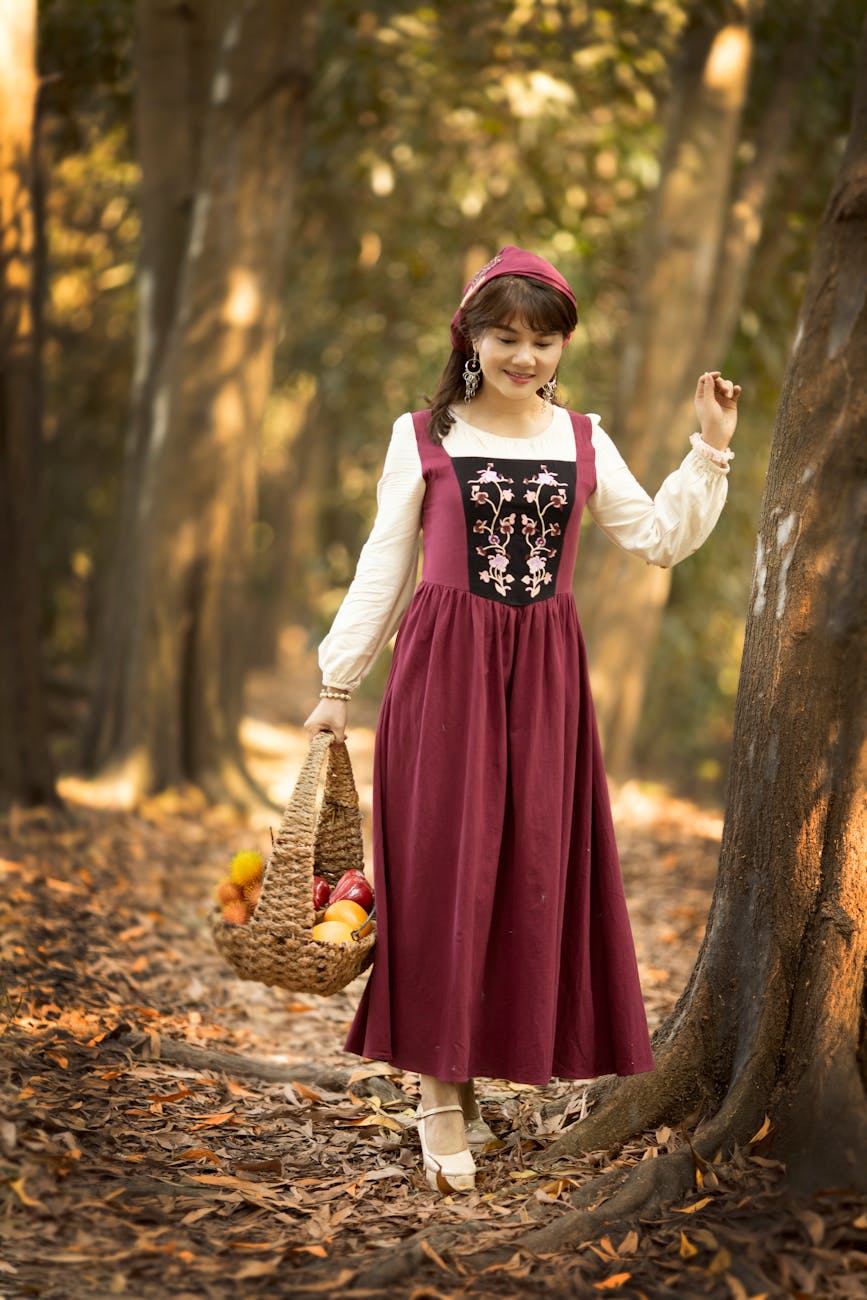
Folktales and Myths provide plenty of ideas for new versions of old stories. Photo by RDNE Stock project on Pexels.com
One thing I’ve noticed is the different ways a popular character can be used. Minor characters in a well-known fairy tale, perhaps one of the step-sisters in Cinderella may have a very different take on why Cinderella was not allowed to go to the ball. The Genie locked inside a bottle could probably tell a series of funny stories about badly chosen wishes. In the Broadway hit musical “Wicked,” partially adapted from the 1995 Gregory Maguire novel Wicked: The Life and Times of the Wicked Witch of the West, Glinda is not the spotless white witch she purports herself to be when one hears the tale from Elphaba’s prospective.
Anything that spurs new ideas is fair game, as long as borrowing a character or a plot is not plagiarism. The plot or the characters must have evolved and changed. The characters themselves must be unique (not duplicates of another author) and not protected by copyright rules.
As a general rule, for works created after January 1, 1978, copyright protection lasts for the life of the author plus an additional 70 years.
Thus, favorite characters such as the Harry Potter gang, are relegated to fan fiction only, meaning the work is “unauthorized” and cannot be used for monetary return.
Taking inspiration from classics can be a creative endeavor if not taken up by computers. It can make a great writing prompt.
You can use this prompt to write short stories and poetry, material that would be appropriate for a chapbook as well as specialized literary magazines.
Maybe Goldilocksbrings three bowls of Creme Brulee to the bears as a peace offering. Photo by Gerardo Manzano on Pexels.com
WRITING PROMPT
Think of a favorite folk/fairy tale such as The Three Bears. What if Goldilocks had the opportunity to apologize for her rude intrusion into the Bear’s Cottage. Imagine and write down what might happen. If the men who pretended to sell invisible cloth to the emperor were to tell the story of The Emperor’s New Clothes, would they tell it differently than the traditional fairy tale? Try different approaches. Have fun.
Thank you for reading. Please sign up to follow Old Scratch Press here on WordPress and on Facebook.
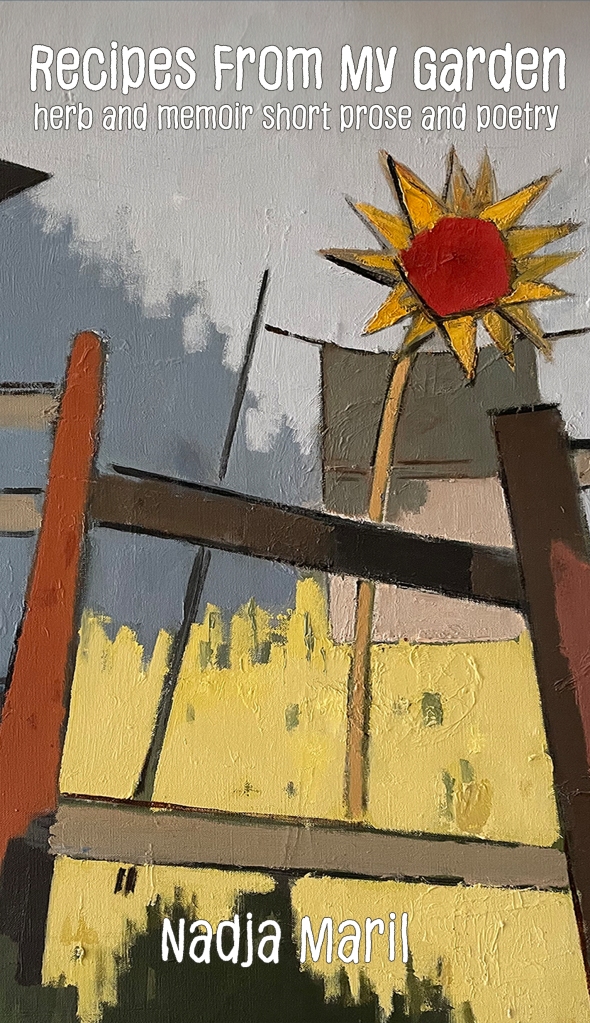
Nadja Maril is an award winning writer and poet who has been published in dozens of online and print literary journals and anthologies including: Lunch Ticket, Spry Literary Journal, Invisible City Literary Review, Instant Noodles and The Journal of Compressed Creative Arts. She is the author of Recipes From My Garden, published by Old Scratch Press (September 2024), a Midwest Review California Book Watch Reviewer's Choice. An Anne Arundel County Arts Council Literary Arts Award winner, her work has been nominated for the Pushcart Prize and The Best of the Net. She has an MFA in creative writing from Stonecoast at USM.
Check out Nadja's chapbook of flash memoir and poetry below.
There’s a certain stereotype about writers: distracted, dreamy, maybe a little moody, often lost in their own heads. Then there are those of us whose third-grade teacher writes on her report card, “Ellis is very sensitive. She says she doesn’t feel good when she doesn’t want to participate and sometimes puts her hands over her ears.”
What we don’t always name is that many of us identify with something more specific—ADHD, anxiety, depression, OCD, autism, bipolar disorder. In other words, neurodivergence.
Far from being a barrier, these brain patterns often come hand-in-hand with creativity. Our ability to notice connections others overlook, to hyper-focus on a project for hours, or to sense language at a heightened level can all be part of what makes us writers. (Doesn’t everyone have a list of words they hate simply because the way the word feels in their mouth?)
The Double-Edged Sword
Of course, the same brain that gifts us with creative leaps can also work against us. ADHD can make finishing projects feel like climbing Everest. Anxiety can whisper that nothing we write is ever good enough. Depression can steal the life-force necessary to even begin. The very sensitivity that makes us attuned to metaphor and meaning can leave us overwhelmed by the noise of the world.
Reframing the Narrative
Instead of treating neurodivergence as something to battle, what if we reframed it as part of the writer’s toolkit?
Hyperfocus can become a superpower for deep revision. Or help you finish the book!
Restless energy can fuel bursts of freewriting that break past creative blocks. That, and dance breaks.
Heightened sensitivity can deepen character work, dialogue, and description. As long as you remember to take breaks.
The key is learning how to manage the edges—finding rest, support, and strategies so that the gift doesn’t become a burden.
Practical Ways to Support Your Creative Brain
Chunk your writing time. Short, timed sessions (15–25 minutes) can harness focus without overwhelming you.
Write rituals, not rules. A small ritual (lighting a candle, stretching, a playlist) helps train your brain to enter writing mode.
Name the inner critic. Literally give it a name or persona so it loses power over you.
Seek community. Writing groups, workshops, or even online spaces help balance the solitary nature of the work.
Honor rest. Brains that run hot need recovery time. Pushing the pause-button isn’t failing—it’s part of the process.
Why It Matters
When we share openly about the link between writing and neurodivergence, we create permission for others. Permission to stop beating themselves up for struggling with deadlines. Permission to see their “quirks” as part of their artistry. Permission to make choices others might not understand. Permission to write anyway.
Do you identify as a neurodivergent writer? How does it show up in your creative process—both the gifts and the challenges?
Ellis Elliott
Founding member Old Scratch Press Poetry Collective
Author of Break in the Field poetry collection and A Witch Awakens: A Fire Circle Mystery.
There has been much in the news within literary circles lately about literary journals with questionable practices, mostly focused upon submission fees and how these fees are used. No one should question the idea that it is expensive to run a literary magazine with such costs as editing and overhead, and most importantly, not everything about submission fees should be seen as negative. It is possible that when writers must pay a nominal fee to submit their work to literary magazines, they may be inspired to submit a more edited and stronger piece. However, it’s one thing to pay $3.00 to one journal to submit but let’s face it, most writers must submit the same piece to many magazines if they want to increase their chance of having it published. This is why submission fees can really add up. There is also the idea that if submission fees are charged, less submissions will come in and this will lead to faster publication decisions by editors. Like it or not, it does seem that submission fees are here to stay. If we accept that fact, then we must understand some realities about submission fees.
I am not going to name names here, but some well know literary journals have been engaging in practices that are shameful. It’s hard enough and expensive enough to be a writer trying to get work published in literary journals without these bad actors but, unfortunately, they do exist. One well known journal accepted submissions and charged for over a year but had already stopped reading and publishing new word. They later folded and changed their name. I have personally submitted to journals several times only to realize they had gone defunct. I was never able to get my submission fees back. Recently, several well-known journals held contests, charged the high submission fees customary in literary contests, and never announced any winners. Suffice it to say that just because something calls itself a literary journal doesn’t mean it should.
So, what is a writer to do? How can we protect ourselves from unethical practices and scam journals? Here are some practical ideas to consider.
Is the journal listed on reputable databases such as Poets and Writers, Submittable, NewPages.com, Clifford Gastang Literary Magazine Rankings, MLA International Bibliography, JSTOR
Is the journal’s website polished, free of grammatical and spelling errors. Is it easy to navigate? Does is look professional? A poor website design might be a cause for concern.
Do their publication terms comply with normal industry standards. Publication guidelines should always be clear and concise and include all requirements such as formatting parameters.
Be very concerned if a journal is asking for all rights to your work. They should be asking only for first serial rights.
RED FLAG: Is their submission fee unreasonably high? Are they charging $15.00 as an example when most journals are at $3.00. This should worry you.
Do they explain why they are charging a submission fee of any amount?
If they do charge submissions fees, do they also have yearly contests where they offer a monetary prize?
It should never be difficult to find contact information on the journal’s website, and there should be some explanation of who the editors are and what their editorial process is. A journal should have a physical address and an email address.
Look at their publication history. Have they been publishing consistently? Can you purchase copies of the journal on their website? Look at the most recent issue. Look at the quality.
If the journal has a blog on their website, is it being maintained?
Does the journal submit work to contests such as Pushcart Prize or/and O. Henry Awards?
Do they have a social media presence such as Facebook where they regularly promote the work they publish?
Be aware of any unrealistic or boastful claims about readership.
If you are submitting to a contest, look to see if the list of winners from last year’s contest is listed on the journal’s website. It should be.
Be aware if a journal repeatedly pushes back contest deadlines.
I have been submitting to literary journals for many years and have been lucky to have some level of success. Be aware of where you are sending your writing, but don’t let a few bad apples dissuade you from submitting to literary journals!!! The overwhelming majority are ethical to a fault and the writing world would be lost without literary journals. They are an invaluable part of our art form. I read literary journals, subscribe to them, admire them immensely and thank them for all the wonderful writing they bring to the world. So, happy submitting to my fellow writers and the best of luck to you all!
~Ginny
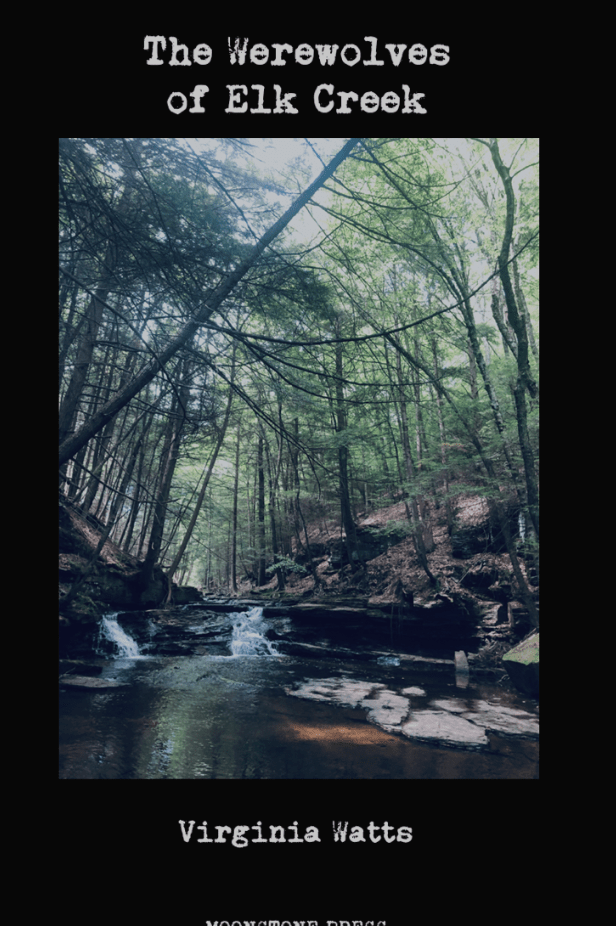
Virginia Watts has been fortunate to have published nearly 100 pieces in literary magazines including CRAFT, The Florida Review, Reed Magazine, Pithead Chapel, Permafrost Magazine, Broadkill Review, Two Thirds North, Hawaii Pacific Review, Sky Island Journal, Eastern Iowa Review, Evening Star Review and Streetlight Magazine. Nominated four times for a Pushcart Prize and four times for Best of the Net, in 2019, Watts won The Florida Review Meek Award in nonfiction.
Virginia’s new book is now available from Old Scratch Press:
by Nadja Maril, a Founding Member of the Old Scratch Press Short Form and Poetry Collective
I got a rejection this morning. I received the standard form rejection for a piece of creative writing: We appreciate the chance to read it. Unfortunately, the piece is not for us.
I get rejected all the time. It doesn’t matter how many times my work has been published, I’m not famous and editors have a multitude of tastes. What was interesting to me was the poem in question had already been published and well received. This time I’d entered it into a contest that was also considering previously published work. Maybe they didn’t think it was prizeworthy, but I felt like they didn’t like the poem at all. This made me sad.
Then I thought of The Ugly Duckling, http://hca.gilead.org.il/ugly_duc.html by Hans Christian Anderson, one of my favorite fairy tales. The bird that emerges from a hatched egg is not at all like the other ducklings in the farmyard. He endures all kinds of painful ridicule until he discovers his true identity as a swan.
“He now felt glad at having suffered sorrow and trouble, because it enabled him to enjoy so much better all the pleasure and happiness around him; for the great swans swam round the new-comer, and stroked his neck with their beaks, as a welcome.
Into the garden presently came some little children, and threw bread and cake into the water.”
I share this little story to remind all writers, particularly anyone just starting their journey, that it can take months or even years to find your audience. Yes, it could be you just don’t have the talent needed to “make it” as a writer, but tastes on what is good and worth publishing vary tremendously. An ugly duckling may also be a graceful swan.
We all have probably had the experience of seeing a movie or reading a book that got great reviews, but we found to be boring. We may have attended a party in someone’s home and overheard guests raving about a gorgeous painting or a rug that we secretly think is hideous.
People have different tastes. Where we grew up, where we’ve traveled, what our parents taught us, all influence what we value and how we judge things. The quest for diversity, when I wear an editor’s hat, is my desire to try to open my mind to a multitude of ways to see the world. But we tend to gravitate to the familiar because it’s comfortable.
A big word among editors is resonate. If a piece of writing resonates with the reader, it affects them emotionally and they may continue to think about that story or poem for days. That type of connection is something a writer longs to achieve. But it’s unlikely to happen with every reader. We all have different histories. We’re all slightly different so what affects one reader may not necessarily affect another.
It may be that something you wrote is not ready for publication and needs more revision. On the other hand, it could be really good, but needs to find the right audience.
I can’t emphasize enough, writing groups and reading groups to gain different perspectives. A writer toils alone, but feedback is important. I can’t emphasize enough the importance of beta readers, fellow writers with whom you can exchange work.
Do not write in a vacuum. Find the approach that works best for you, but don’t give up on something you feel in your bones is important. If you’ve written something you’d like to share with the world, keep submitting. A rejection is a badge of honor.
It shows you’re out there swinging the bat and you’re still in the game.
About the author:
Nadja Maril is the author of Recipes from My Garden, Old Scratch Press, September 2024. Nadja Maril’s short stories, poems and essays have been published in dozens of small online and print literary journals and anthologies including: Lunch Ticket, Spry Literary Journal, Invisible City Literary Review,and The Journal of Compressed Creative Arts.She has an MFA in creative writing from Stonecoast at USM. A former newspaper columnist and magazine editor, she writes a weekly blog and you can visit her website at www.Nadjamaril.com.
Thank you for reading. Please sign up to follow us here on WordPress and on Facebook.
Here I am with Linwood Jackson, President of the Delaware Press Association.
On May 1, I was awarded a Second Place in the Delaware Press Association Communications Awards for my book, The Song of North Mountain. This was my veryfirstever book released solely under my name, and the award presentation was exactly one year after the book hit publication.
I am quoting the judge, whose name I don’t know, in their comments regarding the award. “This is a beautifully crafted collection of poems that takes readers on a journey through nature, personal reflection, and the deep connection between the land and the human sprit. With vivid imagery and emotional insight, You (sic) capture the essence of the North Mountain landscape, blending personal growth, exploration, and the rhythms of life. The poems are rich with sensory details and metaphor, drawing readers into the natural world where every “rustle of leaves, shift of light, and breath of wind carries meaning.” I find that your writing, both introspective and outward-looking, intertwines the inner and outer worlds, exploring themes of solitude, contemplation, and the passage of time with tenderness and reverence, giving the collection a meditative quality.”
Many of us, particularly of my generation, suffer from imposter syndrome, that feeling that we’re really just pretending to be . . . smart, kind, good at what we do, talented, strong, etc. I’ve been writing since I was a teenager. Mostly doggerel, lines about angst, loss, imaginary friends, and wry observations. As I’ve aged and matured, so has my writing. I’ve discovered poets other than those I was raised on (Longfellow, Holmes, Browning) and many who write in rhymed and metered verse.
College introduced me to more complicated poetry – Ferlinghetti, Hopkins, Stevens, Auden, Eliot, Yeats. And then, foreign writers, like Rumi, whose ideas were so very different from those I had been immersed in.
So, I still wrote, but still privately, only sharing sparingly, for I still did not consider myself a “good” poet.
Well, I guess I am now. This anonymous judge really liked my work! The DPA, in their wisdom, selected judges that were not from Delaware. Delaware, being such a small state, is one where everyone knows everyone else, especially in communications and writing. So all I know about this anonymous judge is that he or she is not from around here. And, they liked my work.
Being a creator, whether in writing, arts, crafts, or just about anything, we have the angels and devils on our shoulders. One says, “Perfect. Absolutely PERFECT. Don’t change a thing!”
The other angel is the voice of the imposter. “Really? You expect anyone to like this? What balderdash! This is ROTTEN!” So we hide our creation away, or simply refuse to edit it.
I think we’ve all been there. The fact is, creating is a matter of taking risks. Making changes. Wondering if what we have written can be said better. And having the courage to play with it. Editing. Changing the recipe. Adding a stroke of color.
I can certainly attest that every single poem and sketch in this book was analyzed, edited, and reworked (and rethought) at least 5 times.
Ghost Light, the poem I included in my last blog, was awarded a Second Place, also. This judge commented that “Your evocative, photographic-like details set the ghost-like mood and scene from the beginning. . . .” And, ‘the last stanza is particularly well-turned — “by chance or intent,/ catch the moment, . . . in a sudden shaft of dawnbreak.’”
The judge noticed. They noticed the internal rhyme, the alliteration, the combining of words to create a new meaning. These are ‘tools’ I labored over, hoping the reader would listen to these words and how they created an atmosphere, a feeling, a response.
We all too often hesitate to read out loud, to ourselves or to anyone else. But it is important. Whether we read to a child, or are read to, there is a chance for us to escape into the word picture created by the author. That’s what I try to do — create word pictures for you to explore.
I have participated in quite a few of writing critique groups for many years now, and I can say that the feedback I have received from fellow writers has been critical to my success in publishing my work. It is true that if you remain with the same group over an extended period, there will be certain people that you will agree with more than others for suggestions for editing your work. There is nothing wrong with that. After all, everyone has different tastes and preferences. That being said, it is important to read and consider all comments you receive. Here are a few tips to guide you in getting the most from the process of critique.
Decide what you are honestly looking for before you submit a manuscript. If you just want to know if the story is worth working on at all, then submitting a very rough draft might make sense but I never do that. My approach is to put in all the time necessary to complete a short story or poem and make it the best I can. This means, for me, several months of writing and many edits. I probably edit a piece fifty times or more before I feel I have done all that I can for it. I prefer to circulate what I believe is “a finished story.”
During the critique, just sit quietly and listen. In the groups I attend, I will receive written comment, so I don’t have to write notes during the oral critique. You can learn a lot by listening to colleagues discuss and debates questions or concerns they may have about your writing. Above all, don’t say anything as the writer. You aren’t there to explain your work and above all, you are not there to defend it. You don’t want people to feel that they cannot give you honest and open feedback. That’s what you are there for and as writers, that is what we all need.
Try not to feel hurt about “negative” comments about your writing. At first, for most writers, we do feel hurt but in time, this goes away as you realize that critique is an honest exchange of creative suggestions meant only to help you decide what final edits you wish to make. We cannot read our own work in a way that will make it the best it can be. We don’t have the distance to be able to do this. In short, we need each other. Of course, the critique should be done in a constructive, professional way. I have always had good group leaders who have insisted upon this.
At the end of a critique, I always make sure to thank everyone for taking the time to read and critique my work. I know it takes time and effort, because when I read for others, I give it my all too. It is the greatest gift we can give to each other as writers.
So now that you have your critiques, it is very important to set everything aside for a minimum of a month before you return to make edits. Early on I made the mistake of making edits too quickly and they were knee jerk and not good. You need time to let things sink in and percolate. Give it a rest.
When I do edit, I go through each written critique and fix all mechanical edits first, such as spelling errors. While doing that, I keep a running list of more involved edits that I will look at more carefully to see if I agree with them. This might be things such as a section of unrealistic dialogue, an ending that needs less or more, a character that lacks some necessary background.
I have never not changed a story or a poem based on professional feedback. Some more than others, but all have been edited because of ideas or suggestions or questions raised by writing colleagues and I can honestly say that my work has been improved immeasurably by the critique process. I am so grateful for my writing colleagues and friends. I do have one writing friend who I give my final edited pieces to for one final read. And another tip for writers. Seek out readers of all ages to critique your work. You will get different perspectives that will improve your final product.
An important final comment about writing groups. Over the years. I have made such wonderful, close friendships with the people I have met in these groups. It’s funny how life works. You go looking for something and you come away with something so much more valuable than you expected.
Good luck with your writing and enjoy all of the process, including critique and editing in response to critique. I promise you that you will find it rewarding to not only give critique but also to receive it. It is part of our art form.
Enjoy your group!
~Ginny
Virginia Watts has been fortunate to have published nearly 100 pieces in literary magazines including CRAFT, The Florida Review, Reed Magazine, Pithead Chapel, Permafrost Magazine, Broadkill Review, Two Thirds North, Hawaii Pacific Review, Sky Island Journal, Eastern Iowa Review, Evening Star Review and Streetlight Magazine. Nominated four times for a Pushcart Prize and four times for Best of the Net, in 2019, Watts won The Florida Review Meek Award in nonfiction.
How we portray ourselves and others, is something memoirists grapple with.
We call it “Creative Nonfiction” when a writer presents truth in a creative format that can take the form of anything from a lyrical essay to a crossword puzzle. A selection of word artifacts can weave an interesting narrative inviting the reader to fill in the blanks, anything from a grouping of letters, the transcription of a phone call, or a photograph with a caption.
The words in a game or puzzle can inspire a short work of creative nonfiction.
In fiction, the writer shapes the story to create pacing and tension. In nonfiction, the writer selects and amplifies truth to produce a compelling piece they hope others will want to read.
The nonfiction writer often relies on memory. Memory and research. The research often draws on the memories and writings of others.
How accurate are those memories? According to the work of late 19th century German scientist Hermann Ebbinghaus’s research, graphed as a forgetting curve, much of what people experience each day is quickly forgotten. In the May 20th 2024 issue of The New Yorker, writer Jerome Groopman, discusses in a book review the recently released book Why We Remember by Charan Ranganath.
Ranganath is a neuropsychologist at U.C. Davis and in his book, he discusses memory and how we may be looking at memory the wrong way. Memory, he conjectures, more likely functions as an adaptive trait to keep humans alive. Selectively we remember some things and forget others. Perhaps the forgetting is as important as the remembering.
Photos may help prompt our memories, but sometimes what others tell us about a photo my influence our recollection.
From a writer’s point of view, I find it fascinating to hear how people’s memories of the same event can be slightly different. What do those differences reveal about each person?
Folk tales and fairy tales clearly demonstrate how the same story can be adjusted to reflect the story teller’s preferences. In some versions of little Red Riding Hood, grandmother is locked in a closet in another she is swallowed by the wolf. In a family, one sister may remember beloved pet that was hit by a car and another may forget the pet because the memory is too painful.
But the sources themselves: diaries, letters, newspaper articles, trial transcriptions all have their bias—according to who wrote them. And Kavanagh reveals in many instances, the ulterior motives and prejudices some of the parties may have possessed in how they reacted to the events that took place.
Writing a short nonfiction piece, based on a personal experience can take the form of a letter, diary or puzzle. Part of the writing adventure is trying new things.
If we acknowledge our memories are always shapeshifting, I think it can give us a certain amount of freedom to experiment. Playing with episodic memory, using a trigger such as music, smell or taste, can provide a means to travel back to a previous episode in your life and re-examine it.
WRITING PROMPT: A smell you love or a smell you hate. If you have the item around, use it as a trigger, if not try to remember it. What comes to mind. A person you were fond of? A party you attended? If you write something you like, put it away and revisit it the following week to review and edit. If the piece has power refine until it is ready and then if you want to share it, submit it to potential publishers.
About the author:
Nadja Maril is the author of Recipes from my Garden, Old Scratch Press, September 2024. Nadja Maril’s short stories, poems and essays have been published in dozens of small online and print literary journals and anthologies including: Lunch Ticket, Spry Literary Journal, Invisible City Literary Review,and The Journal of Compressed Creative Arts.She has an MFA in creative writing from Stonecoast at USM. A former newspaper columnist and magazine editor, she writes a weekly blog and you can visit her website at www.Nadjamaril.com.
Thank you for reading. Please sign up to follow us here on WordPress and on Facebook.
Many writers, including myself, write both prose and poetry. For me, it just depends on the subject matter as to which form I choose. Many writers begin with one form of writing and evolve to another. There are some writers who begin in one genre and stay there. In the end of the day, our paths are different, but we are all writers, and all writers want to tell a story. We want readers to feel something, experience something, remember something. We want them to leave us changed in some small way. Even if you don’t want to learn about the craft of poetry in a formal way, as in attending workshops, just reading a few poems a day will improve your prose writing in ways that will surprise you.
Poetry as a form succeeds on bold, visual imagery, exact information from all the senses. This is how the reader enters the poem and lives inside it for a brief time. By reading lines of poetry, prose writers will also experience and come to understand why rhythm matters. There is great impact when rhythm is found in sentences and phrases.
One of the defining benefits of studying and writing poetry for me as a prose writer has been that in poetry more than any other genre, each and every word must do work, and I mean each and every word. Poets take time and great care choosing words and prose writers, if you want to be your best, you should be doing that as well, but it takes practice. Read Hemingway again to see why this matters.
Poetry has the same elements as prose writing, such as characterization and narrative arc, but it contains more unexpected phrases, surprises and turns that send readers in directions they didn’t expect. This is often missing from prose writing, and it shouldn’t be. Additionally, poetry teaches us about pace. How long lines with no punctuation slow the reader down. How a short line placed just right can then really pack a punch.
Prose writers can also use traditional poetry techniques to enhance their narratives such as assonance, linking words with similar vowel sounds. Using words in this way can produce a desired effect on the reader such as a calming effect as if listening to music.
My greatest lesson and take away as a prose writer who reads poetry every single day is that endings are so incredibly important. When you read enough good poems, you’ll see what I mean. And stories, like poems, deserve the best endings possible. This is something to strive for.
So, you want to be a good prose writer? Then read poetry. Simple as that. Poetry teaches us all how to use our language. Poetry teaches how to describe. Poetry demonstrates mood, voice, momentum in unexpected ways. We all want the same thing. To tell the story we want to tell in the best way we can. Reading poetry will help us learn to do that.
There are many good online literary journals where you can read poems: Narrative Magazine, Agni, Carve, Rattle, 32 Poems, A Public Space, Apple Valley Review, Evergreen Review, The Cortland Review, Waxwing, Pigeon Pages, Cleaver Magazine, Able Muse.
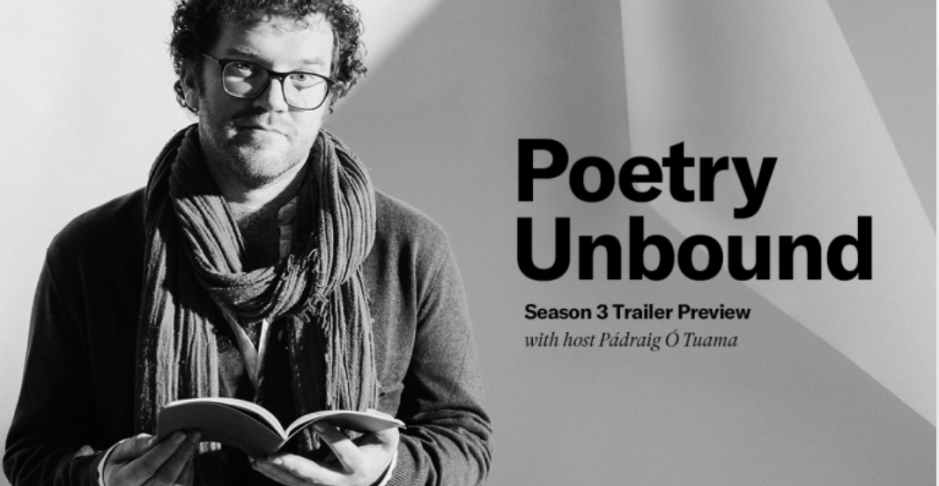
You can also sign up to receive daily poems from: Rattle, Your Daily Poem, Poem-a-Day, Poetry Daily, Poem of the Day. All these are free as is the wonderful podcast written and hosted by one of my favorite poets Padraig O Tuama: Poetry Unbound. I would also highly recommend Padraig’s wonderful book: 50 Poems to Open Your World.
Happy Reading!
~Ginny
Virginia Watts has been fortunate to have published nearly 100 pieces in literary magazines including CRAFT, The Florida Review, Reed Magazine, Pithead Chapel, Permafrost Magazine, Broadkill Review, Two Thirds North, Hawaii Pacific Review, Sky Island Journal, Eastern Iowa Review, Evening Star Review and Streetlight Magazine. Nominated four times for a Pushcart Prize and four times for Best of the Net, in 2019, Watts won The Florida Review Meek Award in nonfiction.
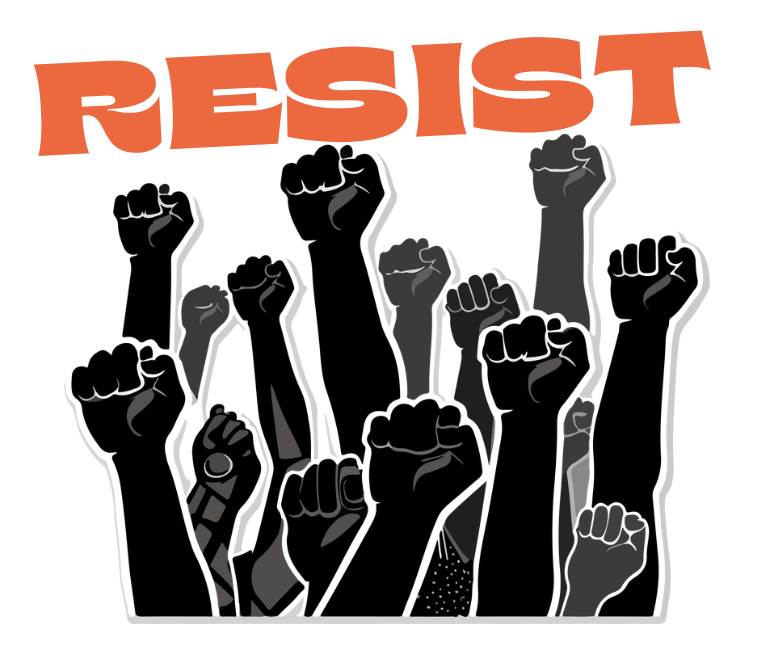
Words have power. In times of injustice, oppression, and uncertainty, words become more than just ink on a page—they become weapons, shields, and bridges. They can challenge unfair systems, inspire people to take action, and bring communities together. Writing and reading for the resistance means using stories, poems, and books to fight injustice and create a better future. Throughout history, people have used words to stand up against oppression—and today, we can do the same.
Writing as a Way to Fight Back
Writing can be a powerful tool in the fight for justice. To write is to document, to bear witness, and to refuse erasure. The act of storytelling itself can be a radical act, especially when it amplifies the voices of those who are silenced. It allows people to share their truths, educate others, and imagine a better world. Writing for the resistance can include:
Telling Untold Stories – Write about important events or people that history books ignore.
Challenging Misinformation – Speak out against lies and rewriting stories that are unfair or incomplete.
Creating New Worlds – Use fiction, poetry, or essays to imagine new possibilities that envision a just world.
Providing a Platform – Elevate marginalized voices, offering them space to share their truths.
Reading as a Form of Resistance
Reading isn’t just about learning—it can be a way to resist oppression. What we read shapes how we see the world, so choosing books wisely is important. Some ways reading can be an act of resistance include:
Reading Banned Books – Books that are censored often contain ideas that challenge powerful systems.
Learning from Activists and Leaders – Reading about people who fought for justice in the past can teach us how to do the same today.
Supporting Diverse Authors – Seek out authors whose voices are often ignored by mainstream publishing. Choosing books by writers from different backgrounds helps bring new voices into the conversation.
Sharing Knowledge – Share books, discuss ideas, and create spaces where literature fuels action. Talking about books with others can spread important ideas and inspire others to act.
How You Can Take Action
If you want to use reading and writing to create change, here are some ways to start:
Join or Start a Book Club – Read books that challenge systems of oppression and discuss them with friends.
Write and Share Your Ideas – Whether through social media, blogs, or poetry, use your words to stand up for what’s right.
Support Independent Bookstores & Libraries – These places often carry books that challenge unfair systems.
Document What’s Happening – Keep a journal, write about current events, or interview people to make sure important stories aren’t forgotten.
Resistance is an ongoing effort, and literature—whether through reading or writing—has always been a vital part of that struggle. Words have changed the world before, and they can do it again. By reading and writing with purpose, we can stand up against injustice and help create a better future.
What books have inspired you to take action? What stories still need to be told? Share your thoughts and let’s keep the conversation going!
Books About the Power of Words & Resistance
For Middle & High School Readers
Stamped: Racism, Antiracism, and You by Jason Reynolds & Ibram X. Kendi – A powerful, engaging look at how racist ideas have shaped history and how we can challenge them.
The Hate U Give by Angie Thomas – A novel about police violence, activism, and finding your voice in the face of injustice.
Internment by Samira Ahmed – A dystopian novel about a near-future America where Muslim Americans are sent to internment camps, and a young girl fights back.
Maus by Art Spiegelman – A graphic novel that tells the story of the Holocaust through the eyes of the author’s father, using animals to represent different groups.
Brown Girl Dreaming by Jacqueline Woodson – A memoir in verse about growing up Black in America and the power of storytelling.
For Adult Readers (But Still Accessible)
The Fire Next Time by James Baldwin – A powerful collection of essays about race and justice in America.
We Should All Be Feminists by Chimamanda Ngozi Adichie – A short but powerful book about gender equality.
1984 by George Orwell – A classic novel about government control, censorship, and the fight for truth.
Their Eyes Were Watching God by Zora Neale Hurston – A story of a Black woman’s journey to find her own voice in a society that tries to silence her.
The Handmaid’s Tale by Margaret Atwood – A dystopian novel about a future where a theocratic government strips women of their rights, reducing them to roles based on reproduction.
Poetry & Essays for Resistance
Citizen: An American Lyric by Claudia Rankine – A mix of poetry and essays that explore race, identity, and resistance.
Milk and Honey by Rupi Kaur – Poetry about survival, resilience, and healing from oppression.
The Hill We Climb by Amanda Gorman – The poem that was read at President Biden’s inauguration, full of hope and resistance.
I Am Alfonso Jones by Tony Medina – A novel in verse about police violence and the impact of activism.
How to Read the Air by Dinaw Mengestu – A novel about identity, immigration, and reclaiming personal and historical narratives.