New Year’s Resolutions for Writers: Setting Goals That Actually Stick


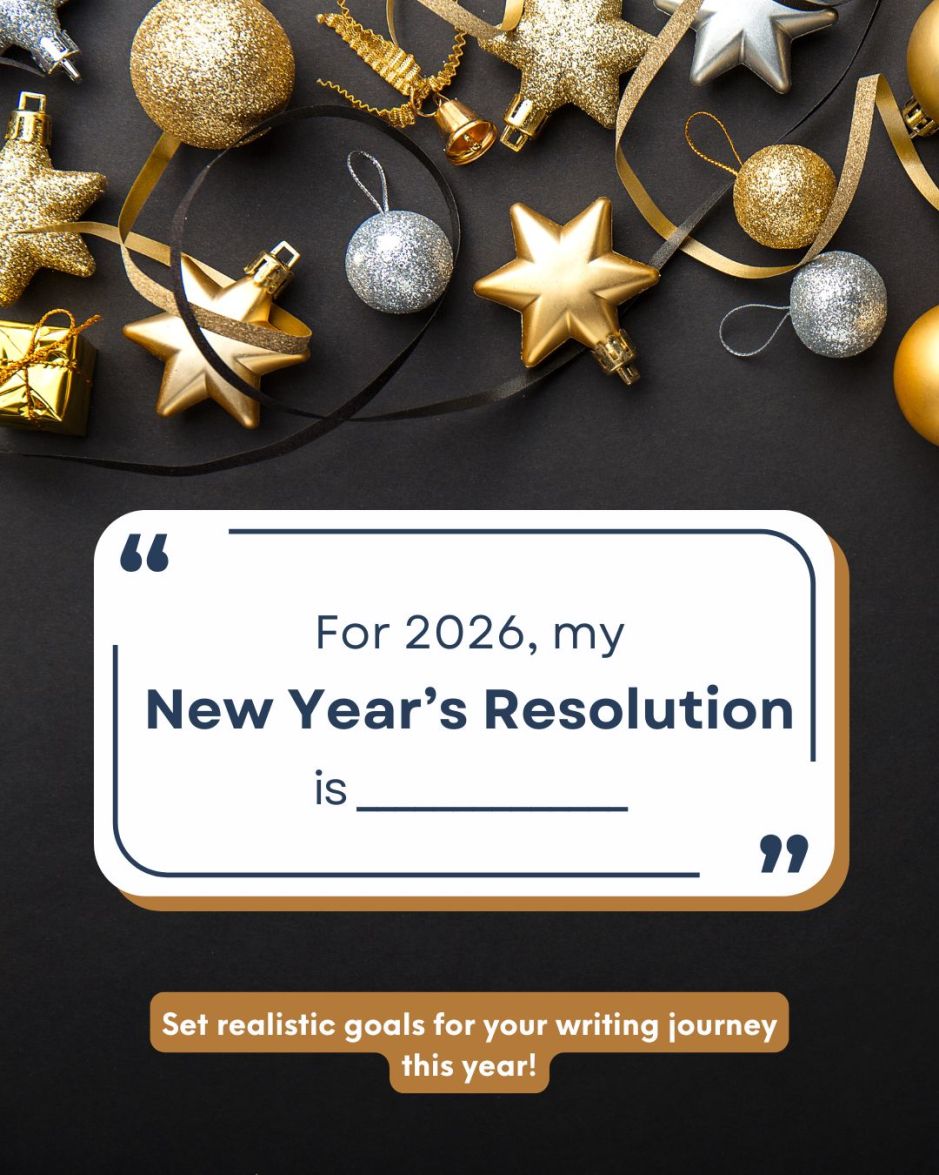
Make resolutions that are realistic

Every January, writers everywhere crack open a fresh notebook or a blank document filled with hope, ambition, and—if we’re honest—a little pressure. This will be the year you finally finish the novel, submit your work, or build a consistent writing habit. And yet, by February, many resolutions quietly fade away.

The problem isn’t that writers lack discipline or passion. It’s that traditional New Year’s resolutions often don’t work well for creative people. Writing is unpredictable, emotional, and deeply human. So instead of pipe dreams or unrealistic word counts, this year’s resolutions should support your creativity rather than fight it.

Here are some resolutions that focus on progress, not perfection.


1. Resolve to Write Consistently, Not Constantly

Instead of committing to “write every day for two hours,” try setting a goal you can realistically maintain. Consistency matters more than intensity.

That might look like:

  • Writing 300 words, three times a week
  • Sitting down for 20 minutes, no pressure to produce “good” work
  • Keeping a regular writing window, even if some days nothing flows

A sustainable habit builds confidence—and confidence builds momentum.


2. Separate Writing from Editing

One of the fastest ways to stall your progress is to edit while you write. This year, resolve to let your first drafts be messy.

Give yourself permission to:

  • Write clunky sentences
  • Leave gaps to fill in later
  • Finish drafts that aren’t “ready”

First drafts exist to be written, not judged. Editing is a separate skill—and it deserves its own time and attention.


3. Define Success on Your Own Terms

Publishing deals, social media metrics, and comparison culture can distort what “success” looks like. This year, decide what success means to you.

Maybe success is:

  • Finishing a personal essay you’ve been avoiding
  • Submitting your work for the first time
  • Rediscovering joy in writing again

When you define your own benchmarks, your goals become motivating instead of discouraging.


4. Make Reading Part of Your Writing Life

Good writers are attentive readers. Reading widely and intentionally feeds your craft in ways nothing else can.

Resolve to:

  • Read outside your usual genre
  • Revisit books you love as a writer, not just a reader
  • Pay attention to sentence structure, pacing, and voice

Reading isn’t procrastination—it’s professional development (so let that TBR pile grow!).


5. Embrace Small, Unfinished Wins

Writers often believe that only finished books or published pieces count. In reality, small steps add up to big breakthroughs.

Celebrate:

  • Outlining a chapter
  • Revising a paragraph or poem until it finally clicks
  • Showing up to write, even on hard days

Progress is cumulative, even when it feels invisible.


6. Build a Support System (Even a Small One)

Writing doesn’t have to be lonely. This year, resolve to connect—even modestly—with other writers.

That might mean:

  • Joining a writing group or online community
  • Sharing drafts with one trusted reader
  • Talking openly about writing struggles instead of hiding them

Creative work thrives in environments of encouragement and accountability.


7. Let Go of Guilt

Perhaps the most important resolution of all: release the guilt around how, when, or how much you write.

Life changes. Energy fluctuates. Some seasons are quieter than others—and that’s okay. Writing is not a moral obligation; it’s a practice you return to again and again.

Resolve to meet yourself where you are.


A Final Thought

The best writing resolutions aren’t about transformation overnight; they’re about creating conditions where your voice can show up more often.

So be gentle. Be realistic. And above all, keep writing.

Ready to kickstart your path to success? Here are some publishers who are currently accepting submissions:

January 5: Daikaijuzine is open to speculative content in fiction and poetry.

January 7: Only Poems is open to poems about about beginnings.

January 15: Georgia Review‘s Prose Prize accepts short stories and essays.

January 31: Rappahannock Review is open for multiple genres.

January 31: The Paris Review is accepting poetry submissions.

Opening soon: Months to Years will open on January 15 for previously unpublished nonfiction (including essay, memoir, and creative nonfiction) of up to 2,500 words that explore mortality, death, and dying-related topics.


The Year’s Not Over Yet!

Looking to get some final submissions in before we say good-bye to 2025? Here are some places that are open for submissions! Click the link to be taken to their submission guidelines.

FREE

Posit is accepting prose and poetry until December 5.

Have a good sense of humor? Defenestration is accepting short stories, poetry, creative nonfiction and visual submissions and seeking humorous pieces through December 5.

Up the Staircase Quarterly is accepting poetry and visual art until December 10. They have a tip jar option for $3.

Southern Florida Poetry Journal (SoFloPoJo) is open to poetry, essays, and flash fiction until December 14.

Fish Barrel Review is open to poetry, prose, and visual art until December 15. Submissions are free, but they do also have paid option for expedited responses or feedback.

The theme for Spectrum‘s Vol. 69 is ‘consumption.’ You can submit fiction, poetry, nonfiction, and art until December 31.

Psychopomp is accepting poetry, fiction, nonfiction until December 31.

PAID

For a $3, $5, or $10 donation, Passages North is accepting fiction, poetry, short-shorts, and nonfiction until December 13.

OnlyPoems is open to both free and paid submissions for poetry until December 15.

Red Ogre Review is accepting poetry, music, and visual art until December 31 for $3 or $5 donations.

For a $3 reading fee, Five Points is accepting very short fiction until December 31.

Arc Poetry is accepting poetry submission for a fee of $2 per poem until December 31.

Calyx is accepting poetry and prose until December 31 for a $5 fee ($3 if you are a student).

These are only a handful of the journals that are currently open to submissions. There’s still time to get your writing in before the end of the year. Start 2026 off strong by submitting before December ends!

Photo by Andrew Schwark on Pexels.com

Seeking Sanctuary in what you Read

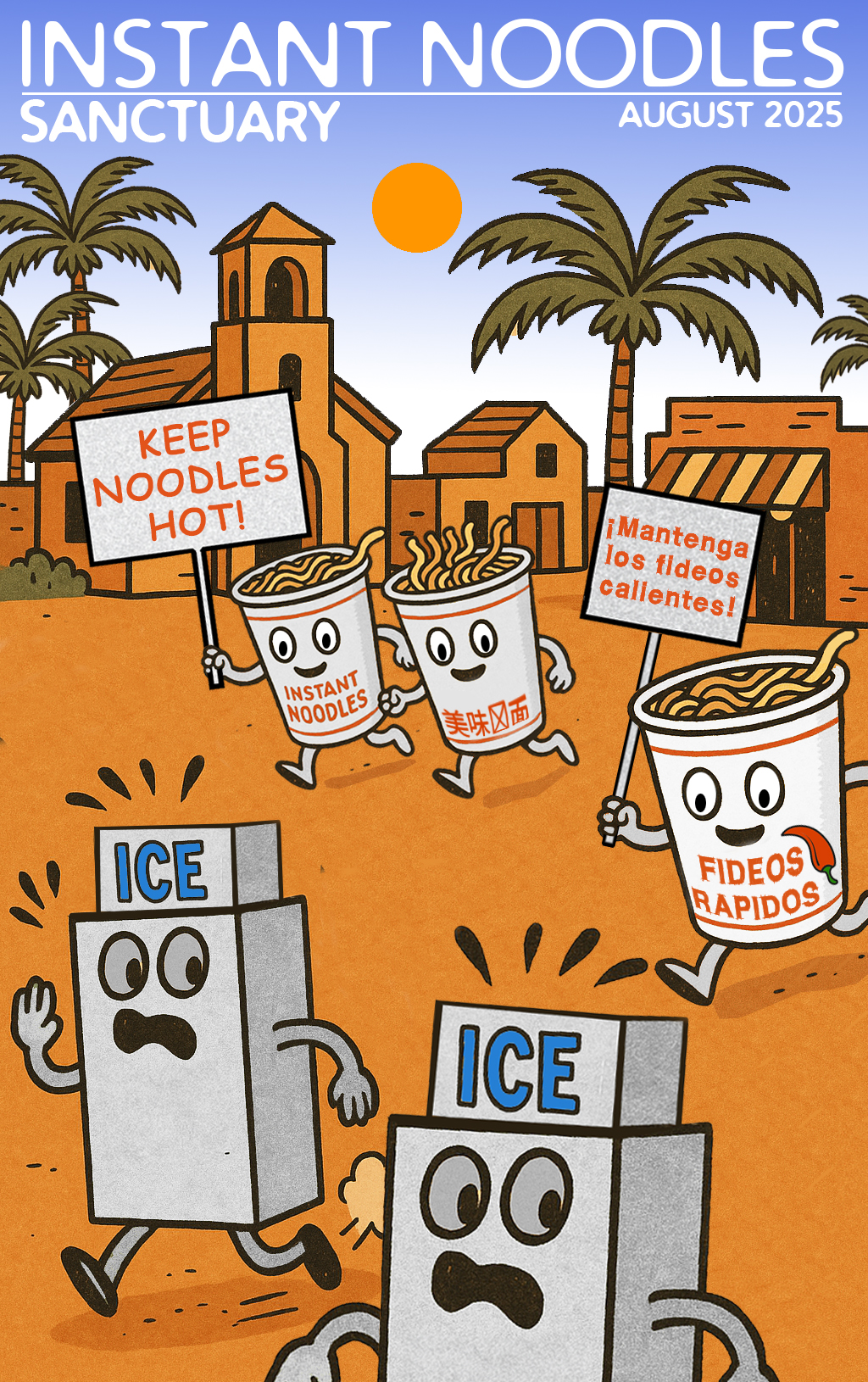
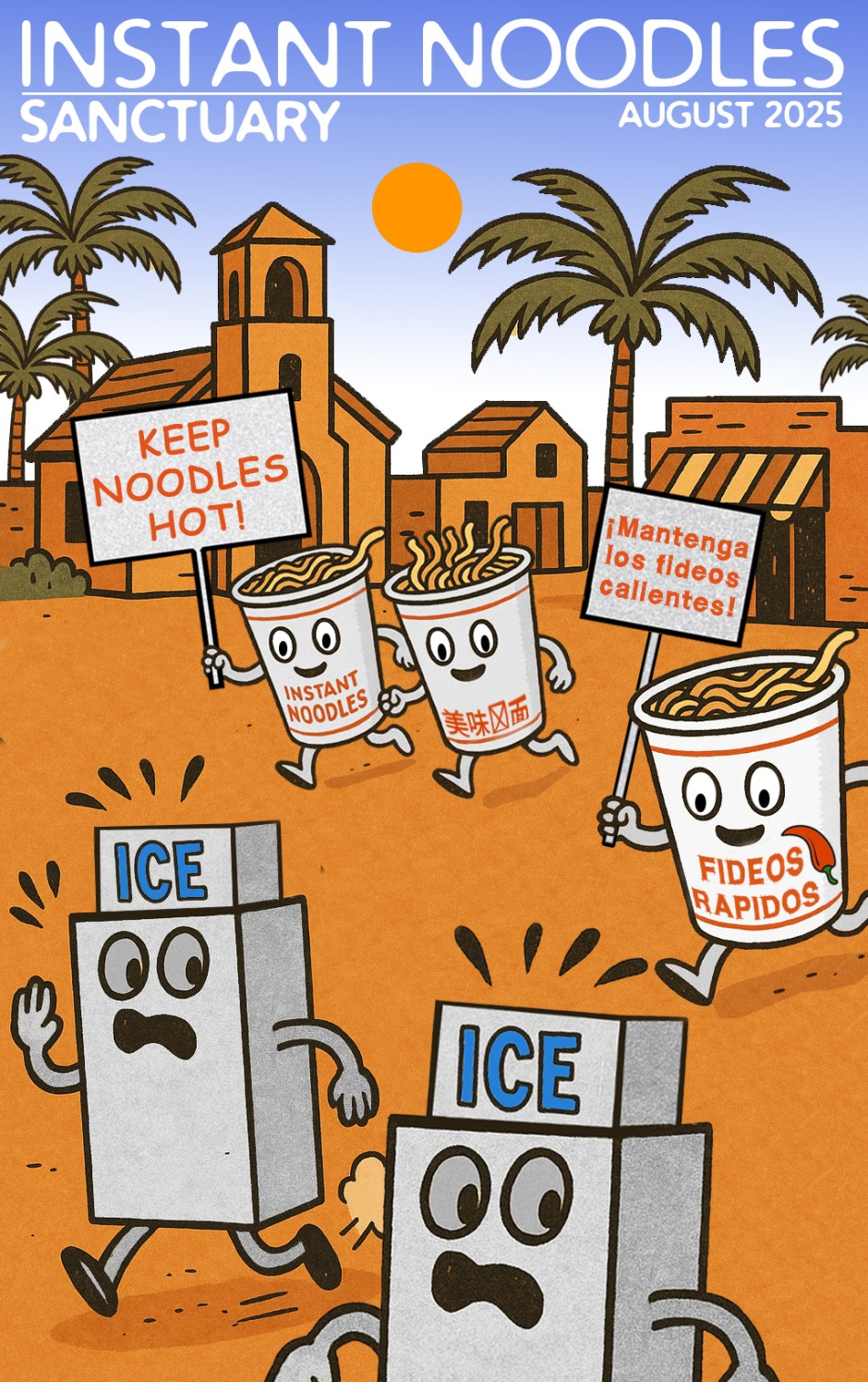
For many of us, reading is a means of escaping the clamor of the real world for a brief time. The theme of the current issue of Instant Noodles is “Sanctuary.” If you’re seeking to give your brain a respite from the news feed, head on over to read the latest issue, curated by the members of Old Scratch Press!

Instant Noodles is open for submissions for our Winter issue! If you have a piece that fits our “Gravy” theme and is on the light-hearted side, please check out the submission guidelines here! We try to fill our Winter issue with fun and mayhem, so please remember that HUMOR, not melancholy is our ask for this issue!

Old Scratch Press is also seeking new members to join our collective! If you write short form pieces (like flash fiction, poetry, or flash memoir), and you’re interested in working with our collective to publish your collection of work, check out our submission guidelines at Duotrope to see if we might be a good fit! The submission window closes on August 31!

Calls for Submissions: Instant Noodles Literary Review 2025

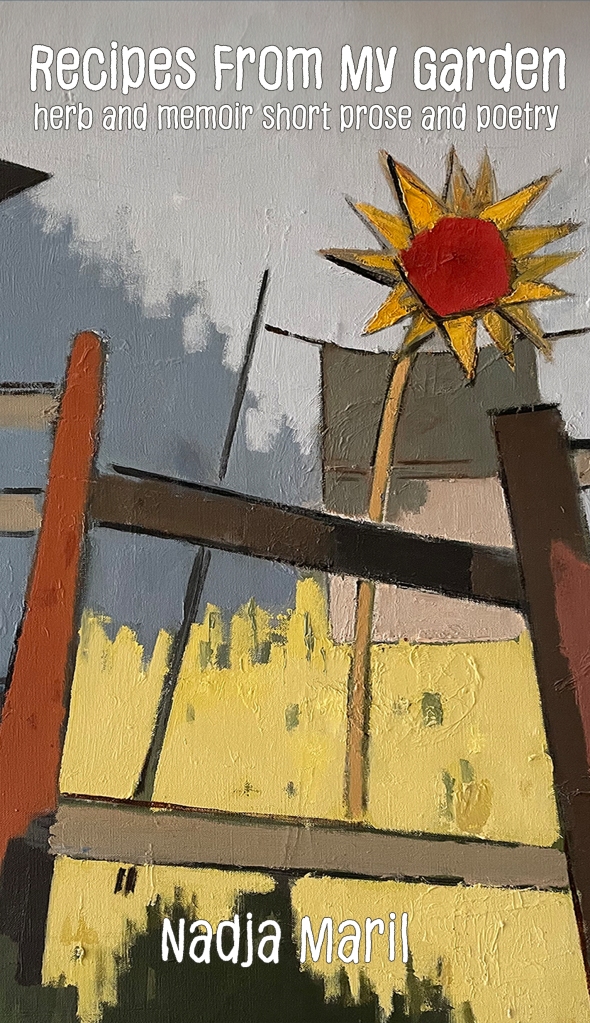
Nadja Maril, author of RECIPES FROM MY GARDEN, is one of the founders of Old Scratch Press

The Editors of Instant Noodles Literary Review, published three times a year, have announced the themes for 2025: Current, Sanctuary and Gravy.

Edited by members of the Old Scratch Short Form Collective who have volunteered their time, submissions are free. The Instant Noodles submission box which you can access through Duotrope is filling up fast.

While artists and writers selected for publication receive no financial renumeration, the publishers and editors do their utmost to promote the work in each issue. Instant Noodles nominates for industry prizes, Best of the Net and the Pushcart Prize. One of the magazine’s promotions is a zoom reading, giving contributors around the world a chance to meet.

Published three times a year, the magazine is posted online for everyone to read. One of the biggest reasons work gets rejected, is that writers don’t follow submission guidelines and familiarize themselves with the publication.

In addition to Visual Art and Multimedia Creations, the magazine publishes Prose & Poetry

Photo by Anni Roenkae on Pexels.com

Instant Noodles focuses on SHORT pieces. Short work 500 and 750 words in length can be powerful. If you are submitting prose, whether is it hybrid, nonfiction, or fiction, the word limit is 1000 words or less. 

All work must be original and must belong to the author. Works that have been previously published will not be considered. Stories must be complete and self-contained (i.e., do not submit chapters of a larger work). 

NOTE: Accepted works will be published as submitted without editing; as such, in addition to the originality of the work itself, we are looking for manuscripts that are clean and press ready. Be sure to review your grammar, spelling, tenses, proper punctuation, and other general rules of the written word before hitting “Send.” Work should be submitted through Duotrope as a Microsoft Word file (when it is poetry, drama, NF or fiction) as 12-point New Times Roman, double-spaced (single-spaced for poetry submissions). All other types of work have details as to their file types on the Duotrope page.

Connect to the Theme

The Editors request that submissions should have a connection to one of the themes for which they were submitted:  Current, Sanctuary and Gravy—and labelled as such.

They are looking for more submissions in the categories of creative nonfiction, drama, multimedia and visual art.

“When I’m reading poetry submissions for Instant Noodles,” Says contributing Poetry Editor Gabby Gilliam, “I’m looking for poems that concisely fit our theme and resonate. I want lines that linger in my mind long after I’m finished reading.

As a contributing editor, I suggest it is never too early to start contemplating ideas associated with our spring theme, current, as well as the subsequent themes that follow. What ideas does the word current evoke for you? Are you thinking about being hip, cool and up on “current” events or are you traveling on an air “current.”  Where does the word take you?

Try writing a story about yourself, something you observed, or something entirely imaginary. Create a video, a picture, combine two mediums.

Work should be publication ready

Do not submit until your piece is ready. Have you read your piece out loud and checked for misspellings and grammar mistakes? Does it fit the theme and are you ready to share it with the world?

The deadline for the spring issue with the theme Current is March 16th.  We look forward to reading your work!

Nadja Maril is the author of Recipes from my Garden, Old Scratch Press, September 2024.

Thank you for reading. Please sign up to follow us here on WordPress and on Facebook.