Writing About Food and Announcing the Latest Issue of Instant Noodles Literary Magazine!

by Nadja Maril,a founding member of Old Scratch Press Collective

Food. We spend a substantial part each day preparing, serving, and eating. The tastes, aromas and textures bring back memories. And over the winter holidays, the sensations become magnified as we taste the turkey roasting in the oven, the creamy mashed potatoes, the fragrant puddings, the sweet and savory carrots, onion topped green beans, latkes and apple sauce, cheese blintzes, and buttery chocolate chip cookies.

This is why I enjoy writing about food. It’s easy. All I have to do is close my eyes, remember and think of words to describe memorable dishes, new tastes I discovered, and meals I’ve shared. Try it. Think of a favorite meal, why it stands out in your mind and the emotions you associate with that time. Write down you uncensored thoughts. Read over what you’ve written. Maybe cross out a few sentences and rewrite others. You’ve begun to write memoir, the start of what is called Creative Nonfiction and it wasn’t hard at all.

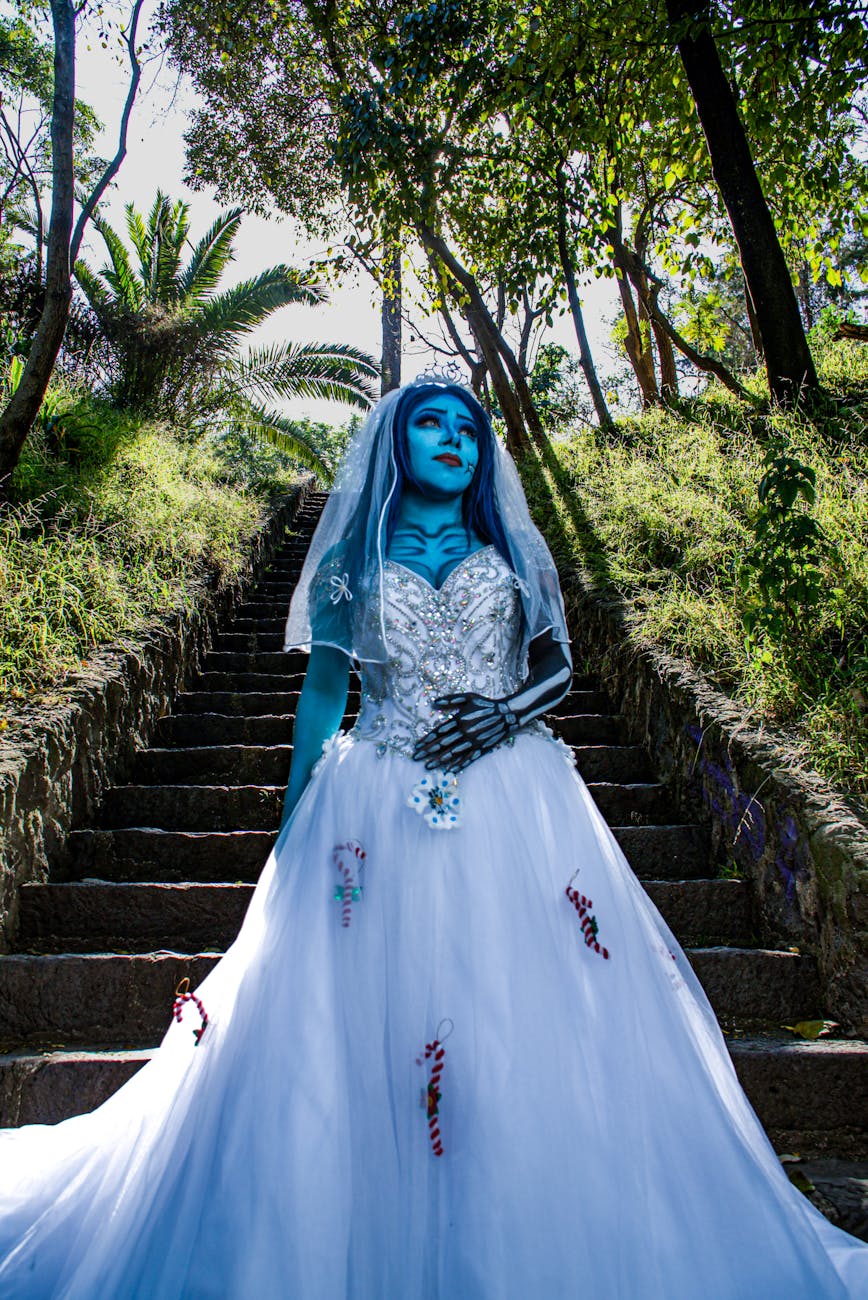
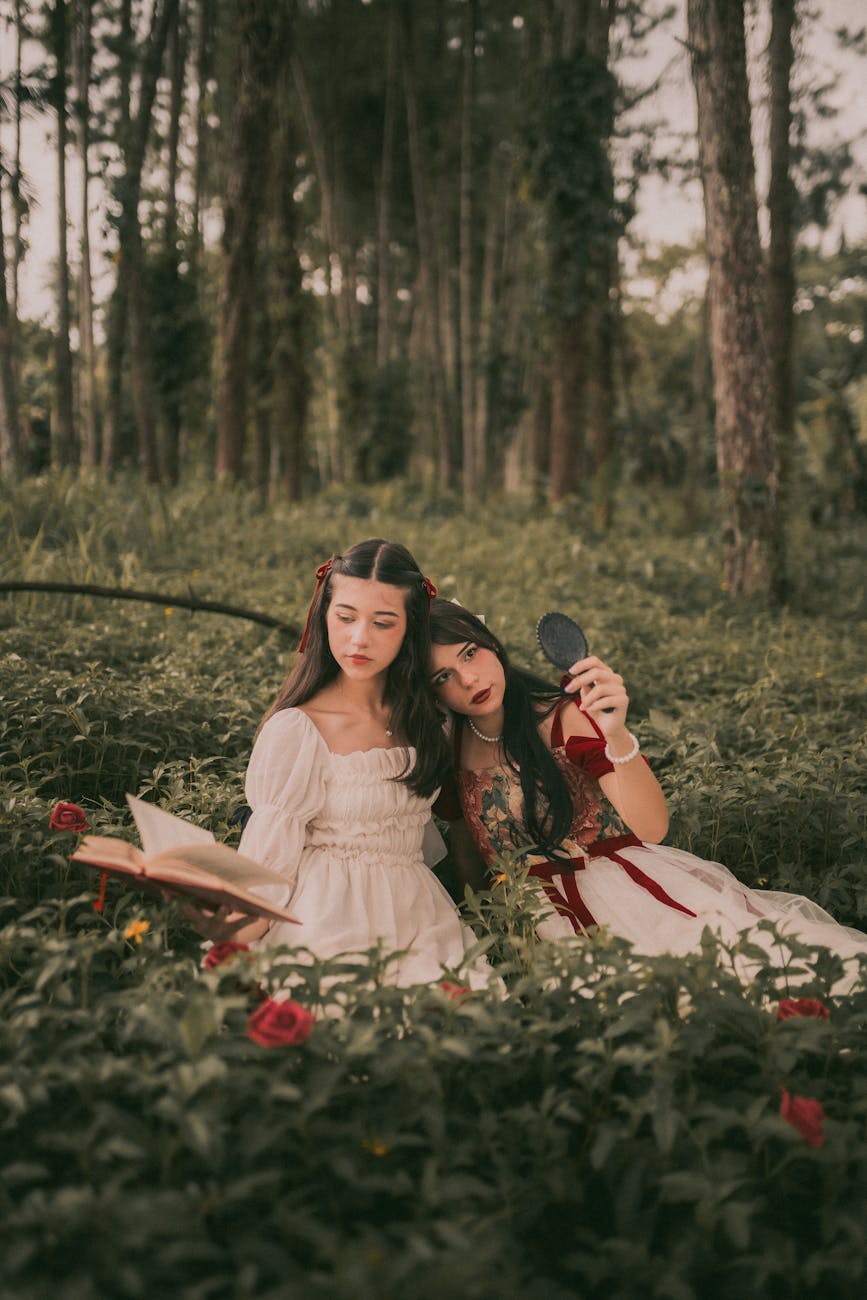
You can take those food thoughts and memories and turn them into fiction as well. There’s no shortage of food in fairy tales: the witch in Hansel and Gretal with the house made of gingerbread and candy, the red apple in Snow White, the porridge eaten by Goldilocks and the Three Bears.

Wonderful poems have been written about food ingredients. One of the most important items I use in savory dishes is onion. Chilean poet Pablo Neruda (1904-1973) wrote a wonderful poem about the onion I’d like to share.

ODE TO THE ONION
by Pablo Neruda

Onion,
luminous flask,
your beauty formed
petal by petal,
crystal scales expanded you
and in the secrecy of the dark earth
your belly grew round with dew.
Under the earth
the miracle
happened
and when your clumsy
green stem appeared,
and your leaves were born
like swords
in the garden,
the earth heaped up her power
showing your naked transparency,
and as the remote sea
in lifting the breasts of Aphrodite
duplicating the magnolia,
so did the earth
make you,
onion
clear as a planet
and destined
to shine,
constant constellation,
round rose of water,
upon
the table
of the poor.

You make us cry without hurting us.
I have praised everything that exists,
but to me, onion, you are
more beautiful than a bird
of dazzling feathers,
heavenly globe, platinum goblet,
unmoving dance
of the snowy anemone

and the fragrance of the earth lives
in your crystalline nature.

If you need more inspiration, start reading the latest issue of Instant Noodles Literary Magazine .All the stories and poems are inspired by GRAVY.

One of my favorites in this issue is “Thanksgiving Leftovers” by Arielle Arbushites which begins “Gravy gravy everywhere/and not a drop to drink” Hear her read the poem by clicking this link.
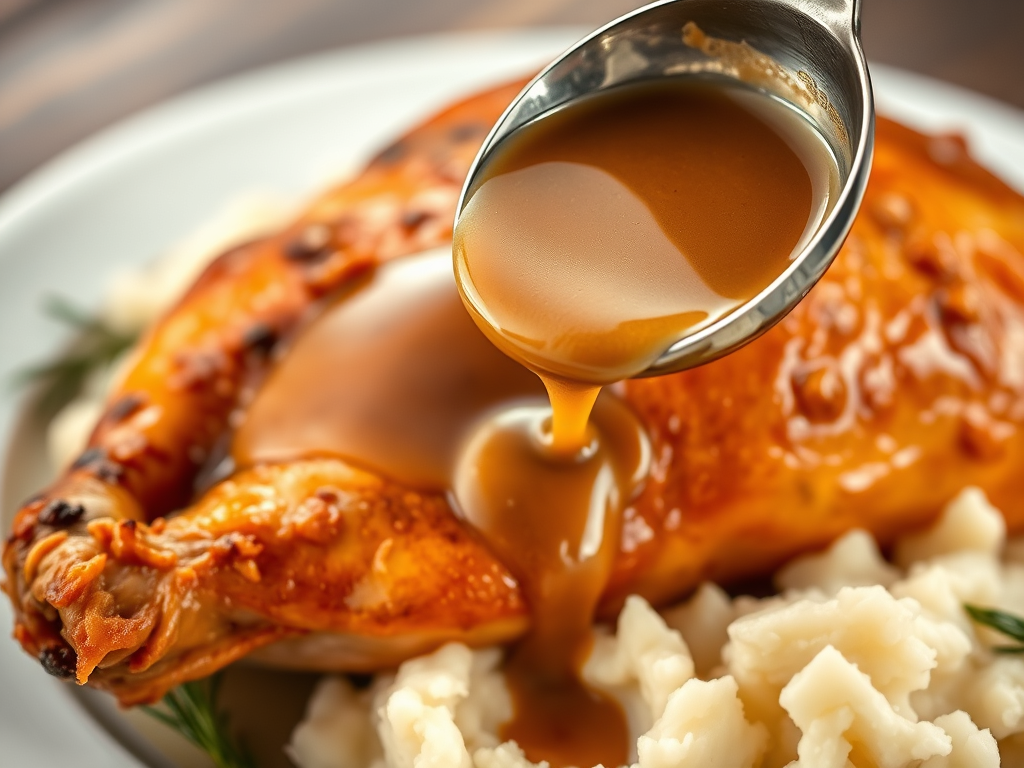
Forty-two creative expressions inspired by GRAVY! Who would have thought we’d get so many fine submissions on this topic. Read them and enjoy the writer’s different takes on the subject. Maybe it is a holiday dinner that goes wrong or a humble food offering that needs a splash of pzazz but all the stories have something to do with gravy.
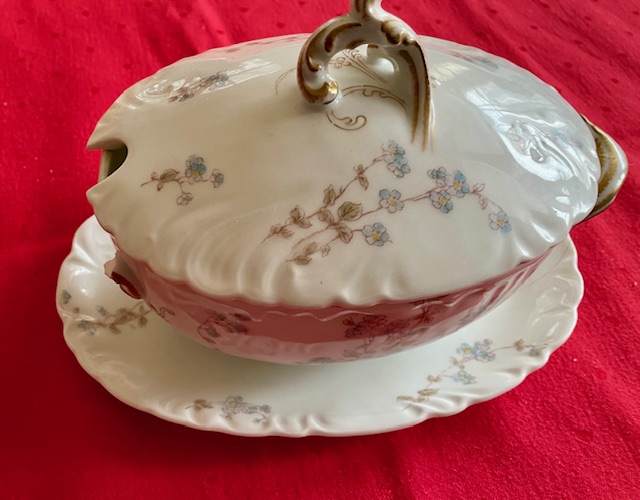
My creative nonfiction includes a nod to my great-grandmother’s Limoges covered gravy dish and a recipe. You can access it here or if you don’t want to read, you can listen here

Writers and Readers, don’t forget to forget to follow us on Facebook to get the latest news and learn about submission opportunities.

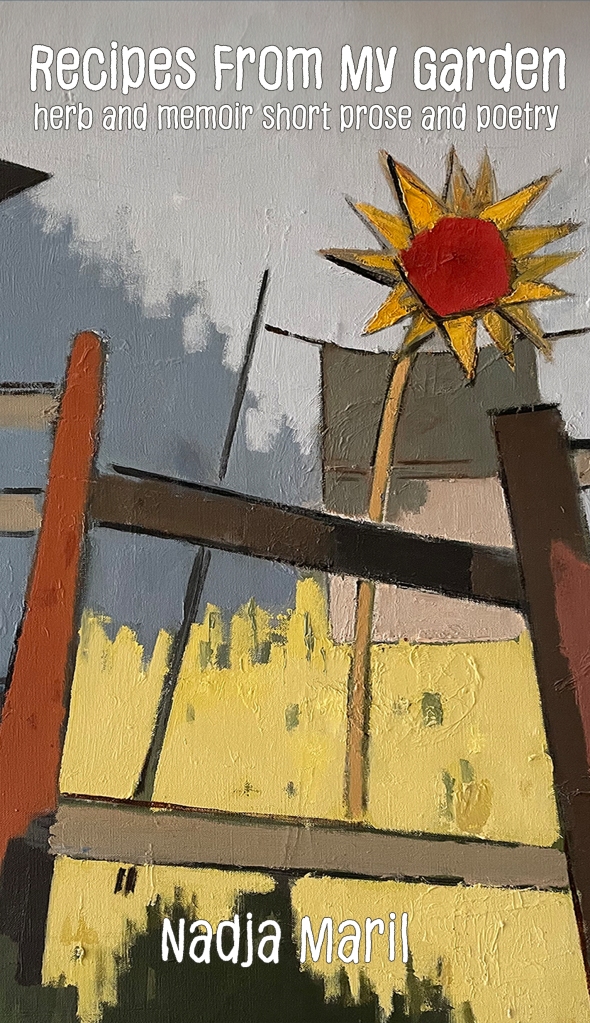
Nadja Maril is an award winning writer and poet who has been published in dozens of online and print literary journals and anthologies including: Lunch Ticket, Spry Literary Journal, Invisible City Literary Review, Instant Noodles and The Journal of Compressed Creative Arts. She is the author of Recipes From My Garden, published by Old Scratch Press (September 2024), a Midwest Review California Book Watch Reviewer’s Choice. An Anne Arundel County Arts Council Literary Arts Award winner, her work has been nominated for the Pushcart Prize and The Best of the Net. She has an MFA in creative writing from Stonecoast at USM.

Check out Nadja’s chapbook below and here.

The Art of Borrowing Characters: A Literary Debate

by Nadja Maril, a founding member of Old Scratch Press Collective

A few months ago, I read a book purely for escapism, a cozy mystery populated by Jane Austen Characters entitled The Murder of Mr. Wickham by Claudia Gray. I didn’t have to think too hard as I’d already met: Fitzwilliam and Elizabeth Darcy, Marianne and Colonel Brandon, Anne and Frederick Wentworth, and Fanny and Edmund Bertram. Already familiar with the English country homes so well described in my favorite Jane Austen Novels: Emma, Persuasion, Mansfield Park, Pride and Prejudice, Sense and Sensibility, Northanger Abbey, I merely had to get to know the two new characters Jonathan Darcy (son of Fitzwilliam and Elizabeth) and Juliet Tilney ( daughter of Northanger Abbey’s Catherine and Henry) who team up together to solve the murder.

Photo by Alexander Mass on Pexels.com

Combine characters created by other authors with AI (artificial intelligence) and we stand on shaky territory.

What is it that makes human writing truly unique ?

The novel started me thinking about where writers find inspiration, because certainly this particular set-up would theoretically be the perfect candidate for an AI (artificial intelligence) generated book. A good portion of the plot of The Murder of Mr. Wickham  relies on tropes and scenes frequently present in other Jane Austen books.

As to be anticipated, in this cross between an Agatha Christie whodonit and a Jane Austen novel, we have  a series of misunderstandings between couples, friends and romantic prospects as well as a grand ball, a visit by the gentry to the village where they are shunned, a church scene with more snubbing, and conflicts that center on income and social class. While I was curious to find out the identity of the murderer, with so many characters possessing motive, I found myself more interested in the potential for a romance to develop between Jonathan and Juliet.

Is picking up ready-made characters cheating? Certainly, the use of characters who have already proven themselves to be favorites among readers, give a writer an advantage when looking to find a publisher.  What is the difference from taking a character or storyline from the Bible or a popular fairytale vs. taking a fictional character such as Sherlock Holmes or Sir Lancelot casting them in the starring role of your next short story or novel.

Folktales and Myths provide plenty of ideas for new versions of old stories. Photo by RDNE Stock project on Pexels.com

One thing I’ve noticed is the different ways a popular character can be used. Minor characters in a well-known fairy tale, perhaps one of the step-sisters in Cinderella may have a very different take on why Cinderella was not allowed to go to the ball. The Genie locked inside a bottle could probably tell a series of funny stories about badly chosen wishes. In the Broadway hit musical “Wicked,” partially adapted from the 1995 Gregory Maguire novel Wicked: The Life and Times of the Wicked Witch of the West, Glinda is not the spotless white witch she purports herself to be when one hears the tale from Elphaba’s prospective.

Anything that spurs new ideas is fair game, as long as borrowing a character or a plot is not plagiarism. The plot or the characters must have evolved and changed. The characters themselves must be unique (not duplicates of another author) and not protected by copyright rules.

As a general rule, for works created after January 1, 1978, copyright protection lasts for the life of the author plus an additional 70 years.

Thus, favorite characters such as the Harry Potter gang, are relegated to fan fiction only, meaning the work is “unauthorized” and cannot be used for monetary return.

Taking inspiration from classics can be a creative endeavor if not taken up by computers. It can make a great writing prompt.

You can use this prompt to write short stories and poetry, material that would be appropriate for a chapbook as well as specialized literary magazines.

Maybe Goldilocks brings three bowls of Creme Brulee to the bears as a peace offering. Photo by Gerardo Manzano on Pexels.com

WRITING PROMPT

Think of a favorite folk/fairy tale such as The Three Bears. What if Goldilocks had the opportunity to apologize for her rude intrusion into the Bear’s Cottage. Imagine and write down what might happen. If the men who pretended to sell invisible cloth to the emperor were to tell the story of The Emperor’s New Clothes, would they tell it differently than the traditional fairy tale? Try different approaches. Have fun.

Thank you for reading. Please sign up to follow Old Scratch Press here on WordPress and on Facebook.

Nadja Maril is an award winning writer and poet who has been published in dozens of online and print literary journals and anthologies including: Lunch Ticket, Spry Literary Journal, Invisible City Literary Review, Instant Noodles and The Journal of Compressed Creative Arts. She is the author of Recipes From My Garden, published by Old Scratch Press (September 2024), a Midwest Review California Book Watch Reviewer's Choice. An Anne Arundel County Arts Council Literary Arts Award winner, her work has been nominated for the Pushcart Prize and The Best of the Net. She has an MFA in creative writing from Stonecoast at USM. 
Check out Nadja's chapbook of flash memoir and poetry below.

https://rb.gy/olqjwe.