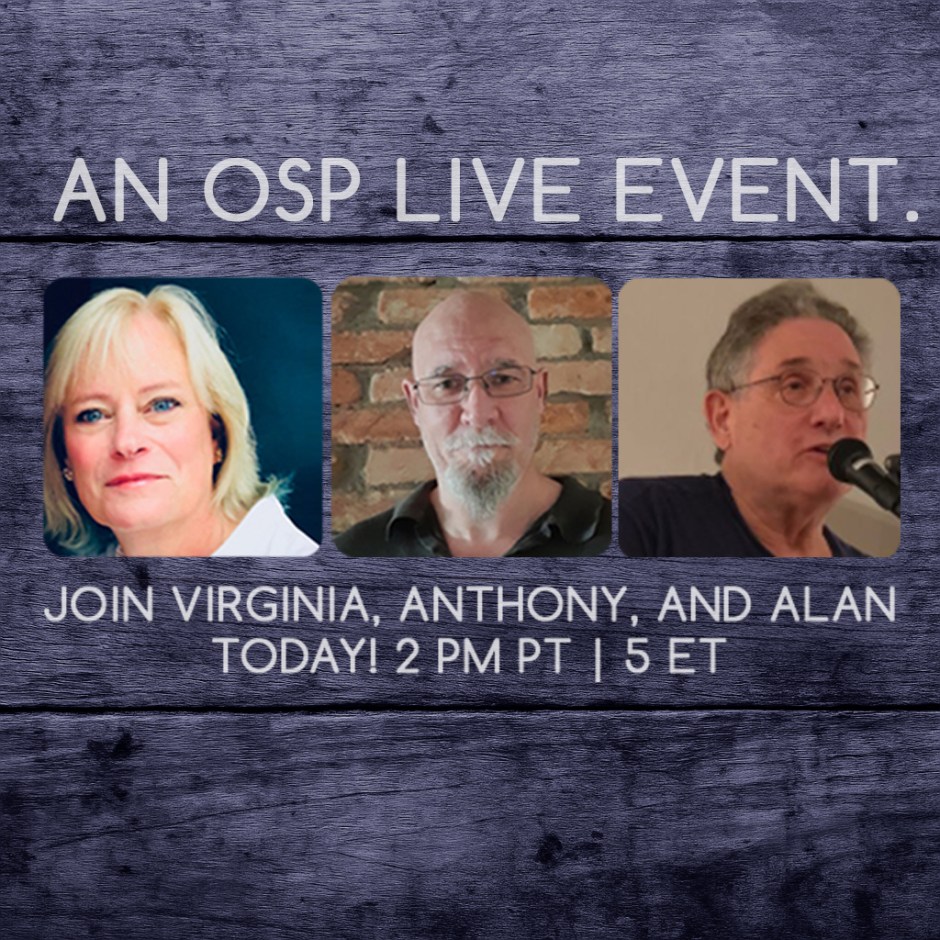
Join Us Today for Voices, Visions, and Poetry: A Live Reading & Book Launch

Join us today for a triple poetry book launch and live reading event taking place over Zoom.

This special online event will spotlight:

  • Alan Bern, Dreams of the Return
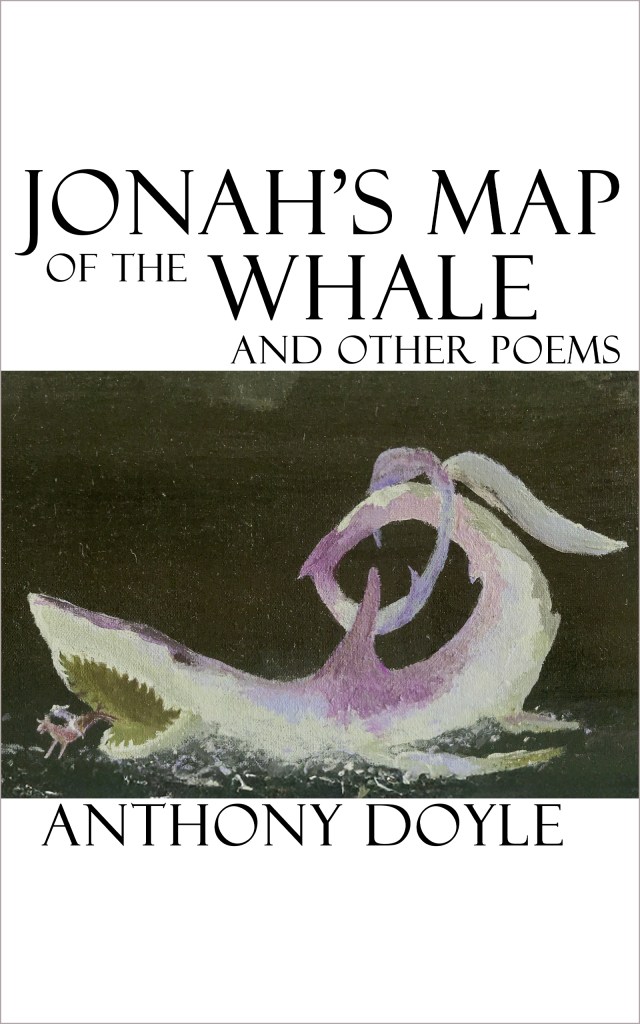
  • Anthony Doyle, Jonah’s Map of the Whale
  • Virginia Watts, Tracing Bodies

Each author will take the mic to share selections from their work, offering an intimate glimpse into the themes, rhythms, and stories behind their collections.

📅 Date: Saturday, October 25
Time: 2:00 PM PT | 5:00 PM ET
💻 Format: Virtual meeting (Zoom)

Preregistration has ended, but you can still attend by following the link below. Meeting will start promptly at 2 PM PT.

We can’t wait to see you there!


Meet the Authors

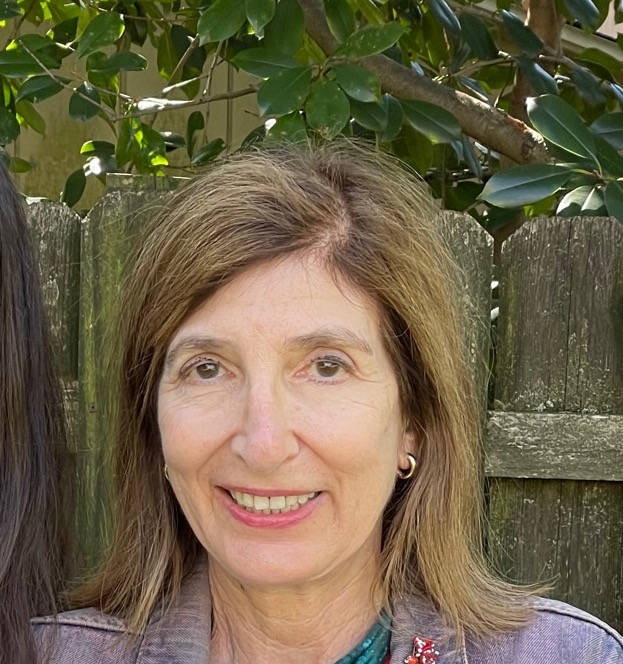
Alan Bern

Alan Bern is a poet, photographer, and retired children’s librarian whose creative work often explores themes of memory, migration, and belonging. His poetry pairs evocative imagery with emotional depth, reflecting on journeys both personal and collective. Alongside his writing, Bern’s photography provides a visual dialogue with the poetic world he creates, underscoring the interplay between text and image.

In Dreams of the Return, Bern reflects upon being a teenager in the mid-sixties, living in Napoli for a year with his family, and falling in love with it as if it were his true second home. His travels through Napoli and Southern Italy are expressed in poetry, prose, and photos, offering readers verse that moves fluidly between the outer landscapes of travel and the inner landscapes of longing.

“Bern captures nuances of disparate facets of Italian life with a flair for both drama and revelation.”
MIDWEST BOOK REVIEW


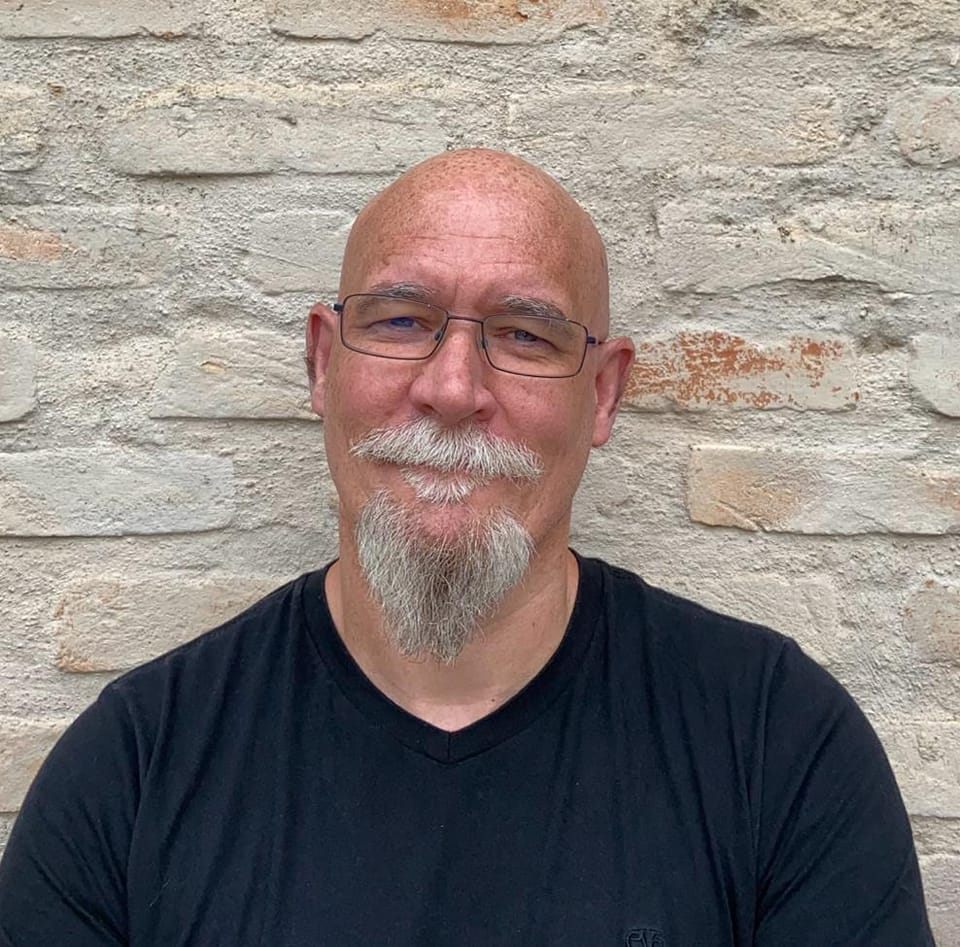
Anthony Doyle

Anthony Doyle is an Irish writer and translator whose work bridges cultures and languages. He has published fiction, nonfiction, and poetry, and his projects often weave together myth, history, and human experience in unexpected ways. As a translator, Doyle has brought the works of Brazilian writers to English-speaking audiences, deepening cultural exchange.

Hibernaculum, Doyle’s gripping speculative fiction tale of human hibernation, is a 2024 Next Generation Indie Book Awards Finalist in the SF category. His new poetry collection, Jonah’s Map of the Whale, charts vast emotional and imaginative territory, drawing on his keen ear for rhythm and layered meaning. Doyle’s poetry speaks with both intimacy and universality, inviting readers to journey through mythic depths and modern consciousness alike.

“A wonderfully inspiring read.”
MIDWEST BOOK REVIEW

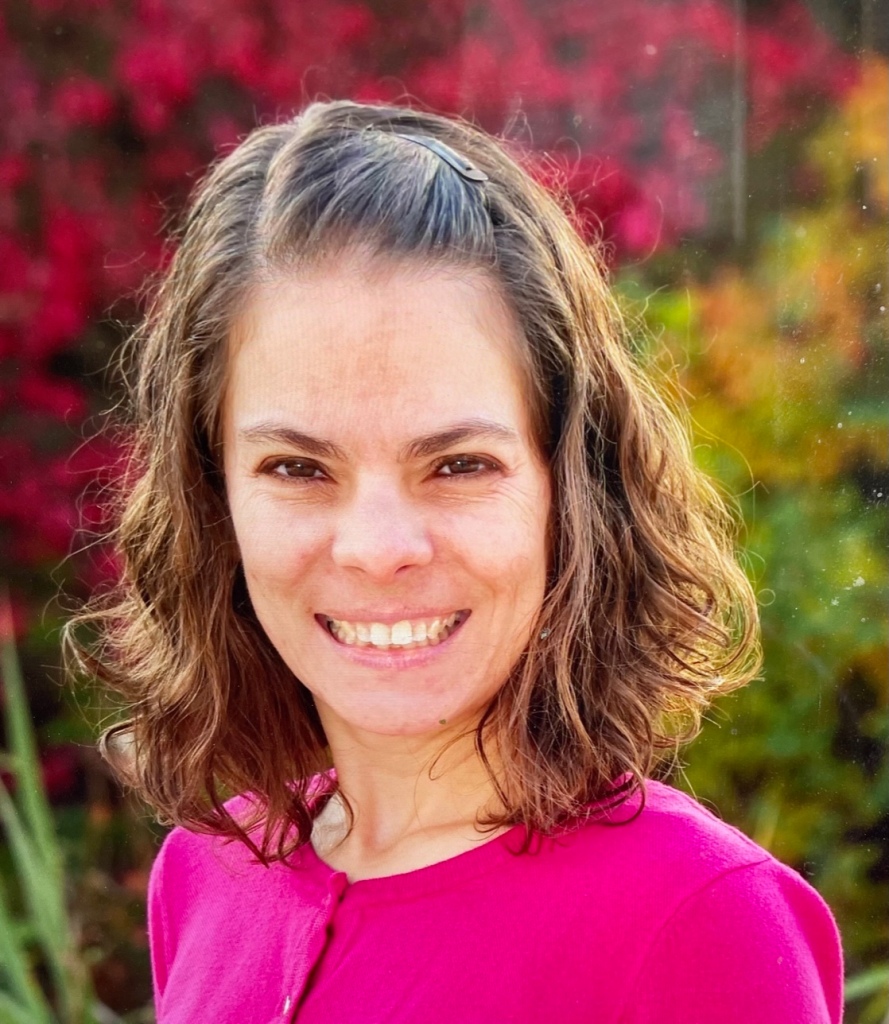
Virginia Watts

Virginia Watts is a fiction writer and poet whose work has appeared in numerous literary journals and anthologies. Her writing frequently examines the intricacies of human connection, place, and memory, offering poignant and sharply observed narratives. With a background in both short fiction and poetry, Watts brings an attentive eye to detail and a lyrical sensibility to her storytelling.

Watts’ debut prose collection, Echoes From the Hocker House, IS a 2023 KIRKUS Best Indy Books selection and a 2024 Eric Hoffer Book Awards finalist.

Her latest collection, Tracing Bodies, reveals Watts’ skill at mapping emotional terrain—tracing the fragile lines between presence and absence, past and present. Her voice resonates with honesty and tenderness, leaving lasting impressions on her readers.

“A vulnerable, cleareyed portrait of humanity.”
KIRKUS

Voices, Visions, and Poetry: A Live Reading & Book Launch

Old Scratch Press invites you to an unforgettable evening of words, imagery, and discovery. On Saturday, October 25 at 2:00 PM PT (5:00 PM ET), we’ll gather virtually to celebrate the launch of three extraordinary new poetry collections—each bringing a unique voice and vision to the page.

This special online event will spotlight:

  • Alan Bern, Dreams of the Return
  • Anthony Doyle, Jonah’s Map of the Whale
  • Virginia Watts, Tracing Bodies

Each author will take the mic to share selections from their work, offering an intimate glimpse into the themes, rhythms, and stories behind their collections.

📅 Date: Saturday, October 25
Time: 2:00 PM PT | 5:00 PM ET
💻 Format: Virtual meeting (Zoom)

👉 Click here to register for free

This event is free and open to the public, but preregistration is recommended. Come celebrate the power of poetry with Old Scratch Press and three remarkable voices—we can’t wait to see you there!


Meet the Authors

Alan Bern

Alan Bern is a poet, photographer, and retired children’s librarian whose creative work often explores themes of memory, migration, and belonging. His poetry pairs evocative imagery with emotional depth, reflecting on journeys both personal and collective. Alongside his writing, Bern’s photography provides a visual dialogue with the poetic world he creates, underscoring the interplay between text and image.

In Dreams of the Return, Bern reflects upon being a teenager in the mid-sixties, living in Napoli for a year with his family, and falling in love with it as if it were his true second home. His travels through Napoli and Southern Italy are expressed in poetry, prose, and photos, offering readers verse that moves fluidly between the outer landscapes of travel and the inner landscapes of longing.

“Bern captures nuances of disparate facets of Italian life with a flair for both drama and revelation.”
MIDWEST BOOK REVIEW


Anthony Doyle

Anthony Doyle is an Irish writer and translator whose work bridges cultures and languages. He has published fiction, nonfiction, and poetry, and his projects often weave together myth, history, and human experience in unexpected ways. As a translator, Doyle has brought the works of Brazilian writers to English-speaking audiences, deepening cultural exchange.

Hibernaculum, Doyle’s gripping speculative fiction tale of human hibernation, is a 2024 Next Generation Indie Book Awards Finalist in the SF category. His new poetry collection, Jonah’s Map of the Whale, charts vast emotional and imaginative territory, drawing on his keen ear for rhythm and layered meaning. Doyle’s poetry speaks with both intimacy and universality, inviting readers to journey through mythic depths and modern consciousness alike.

“A wonderfully inspiring read.”
MIDWEST BOOK REVIEW


Virginia Watts

Virginia Watts is a fiction writer and poet whose work has appeared in numerous literary journals and anthologies. Her writing frequently examines the intricacies of human connection, place, and memory, offering poignant and sharply observed narratives. With a background in both short fiction and poetry, Watts brings an attentive eye to detail and a lyrical sensibility to her storytelling.

Watts’ debut prose collection, Echoes From the Hocker House, IS a 2023 KIRKUS Best Indy Books selection and a 2024 Eric Hoffer Book Awards finalist.

Her latest collection, Tracing Bodies, reveals Watts’ skill at mapping emotional terrain—tracing the fragile lines between presence and absence, past and present. Her voice resonates with honesty and tenderness, leaving lasting impressions on her readers.

“A vulnerable, cleareyed portrait of humanity.”
KIRKUS

Poets and Punctuation

In his sonnets, Shakespeare would use end-stops rigorously, with most lines ending in commas, semi-colons, and colons. Sometimes he relied on enjambment or exclamations, but as far as possible, he seemed to save his full stops for the very last line. 

Take Sonnet 18,  “Shall I compare thee…”: six commas, four semi-colons, two colons, one question mark, and one full stop. 

Ezra Pound, on the other hand, would often refuse to use any end-stops at all. 

Take these lines from Canto LII:

The empress offers cocoons to the Son of Heaven

Then goes the Sun into Gemini

Virgo in mid heaven at sunset

indigo must not be cut

No wood burnt into charcoal

gates are all open, no tax on the booths.

No commas, no colons or semi-colons, “midheaven” is split for emphasis or for pause. There’s as little punctuation as possible, down to “gates are all open, no tax on the booths.”  That solitary comma functions almost as a speed bump near an intersection. 

According to Daniel Albright, W.B. Yeats had ‘punctuational quirks’ which he was happy to leave to his editors to sort out.  It was as if those technicalities were above or below the poet, who belonged to another realm of language.  

T.S. Eliot, like his mentor Pound, would sometimes drop punctuation altogether, but then he would go and stick in a full stop just to confound the reader:

On Margate Sands.

I can connect

Nothing with Nothing

(“The Waste Land,” lines 300–302)

Most people read those lines as “On Margate Sands, / I can connect / Nothing with Nothing.” So why the full stop? Some say it’s to heighten the sense of isolation and fragmentation, but it actually spoils the drama rather than intensify it. “I can connect / Nothing with Nothing” is no longer restricted to this moment, here-and-now, on Margate Sands. It steals some of the bombast. Perhaps that was the point, who knows? 

One thing that seems pretty clear is that punctuation plays by different—or fewer—rules in poetry. 

In “Un Coup de Dés,” Mallarmé throws punctuation out the window almost entirely, relying on spaces and font size to convey the necessary pauses and emphases. Punctuation becomes visual and spatial, and all the more effective for it.

Compare that with Sylvia Plath, who was a heavy punctuator:

Clownlike, happiest on your hands,

Feet to the stars, and moon-skulled,

Gilled like a fish. A common-sense

Thumbs-down on the dodo’s mode. 

(Opening lines of “You’re”) 

Apostrophes, hyphens, and commas in all the right places. 

So, the question is: does punctuation really matter in poetry? 

Perhaps it depends on whether it’s intended to be read aloud or read off the page. At a reading, intonation and cadence work magic that is sometimes hard to replicate in print, where that same impact disappears somewhere between too much and too little punctuation. 

I suppose we’ve all got our own punctuational foibles. I often neglect end-stops. I know I shouldn’t, but putting in a comma, semi-colon or colon just feels wrong at the end of some lines. Not all, just some. I could not actually say why. It’s not a rational thing. It’s pure feeling. 

So whether you’re partial to Elizabeth Bishop’s em-dashes or agree with Joyce that quotation marks “are an eyesore,” rules are strange visitors in poetry. You can choose whether to follow them, or which ones to follow, and no one can really complain—except the reader, who will have to read in all the end-stops and what-nots we choose to leave out.

Anthony Doyle is a founding member of Old Scratch Press. He is the author of the novel Hibernaculum and the recently-published Jonah’s Map of the Whale and Other Poems.

Join Us: Deadline to Apply 8/31/2025

Hi All~

We’re looking to add members to Old Scratch Press!
Here’s the deets:
Old Scratch Press (OSP), a poetry and short-form collective sponsored by Current Words Publishing, is seeking two new members to join us starting at the end of 2025. Your book would be slated for publication in 2026–2027, pending a successful trial period.

OSP is a collaborative, grassroots press focused on uplifting fresh, bold voices in poetry, flash fiction, and creative non-fiction. We publish three books per year, along with Instant Noodles Lit Mag (3 issues/year), which is curated and edited by our members. To learn more about our work, we invite you to explore past editions of Instant Noodles https://instantnoodleslitmag.com/ and OSP-published books https://oldscratchpress.com/catalog/.

As a member of OSP, you will:

  • Receive a free publication of your manuscript (poetry, short prose, hybrid, or a mix of writing and art).
  • Get 10 free copies of your book and keep 100% of your royalties.
  • Participate in monthly OSP meetings (except December and August).
  • Proofread and support fellow members’ books and contribute to blog and promo efforts.
  • Be invited to monthly marketing meetings hosted by Current Words Publishing.
  • Join a supportive community of working writers committed to mutual aid, creativity, and literary growth.

We’re looking for:

Members who are kind, reliable, and team-oriented.

Writers with a completed or nearly completed manuscript ready for publication in 2026–2027.

People who can commit to at least two years of active participation.

Writers who reflect diversity in identity, perspective, or experience—including (but not limited to) people of color, LGBTQ+ writers, disabled writers, and others underrepresented in publishing.

Applicants who are not full-time creative writing faculty. We aim to support writers who do not already have institutional resources or access.

Writers who have a track record of publication (a few poems, flash pieces, essays, etc.), and a clear desire to communicate something meaningful through their work—someone we can respect as a fellow writer and collaborator.

A note about our trial period:

New members will begin with a six-month trial period before we formally commit to publishing your book. This ensures a good fit and gives everyone time to build rapport, share work, and participate in OSP activities.

To apply:

Please send the following:

  • A brief cover letter introducing yourself, why you’re interested in joining OSP, and how you’d contribute to the group.
  • A short author bio (3–5 sentences).
  • A brief personal essay (500–750 words) about your writing journey. Feel free to include publication history (with links or footnotes) and anything you’d like to share about the manuscript you hope to publish.
  • A sample of your manuscript-in-progress (up to 10 pages).

Applications will be reviewed collectively by current OSP members. Finalists will be invited for a short conversation via Zoom.

If this sounds like your kind of creative home, we’d love to hear from you!

Apply, as usual, through Duotrope~

Johnny on the Railway…

Anthony Doyle

My grandmother was widowed young, and her sister and brother never married. The three lived together in the same flat in inner-city Dublin. My gran and great-aunt Fran worked at a chocolate factory for a time.  They also cleaned offices and, I think, a cinema.  

Aunt Fanny, as we knew her, was basically another grandmother to us. In fact, grandmother was very much a two-sided coin: May and Fran, Nanny and Fanny. There was also our Great-Aunt Annie, who barely moved or spoke, and spent the last decade or so of her life sitting in an armchair in the corner. She paid attention though, and if I didn’t get some Jaffa cake biscuits, she’d make sure that travesty was set to rights.  That corner of the flat felt irredeemably empty after she died. There may as well have been a hole in the floor. 

Aunt Fran, my mother’s aunt, was an unusual-looking woman. I suspect Roald Dahl would have turned her into a character if he’d ever met her. But she was also one of the kindest-hearted people I’ve ever met, and she had a wicked sense of humor. 

She also loved kids, and she had a good way with them, too; an instinctive knack at communicating with them. There were quite a few cousins on my mother’s side, and when Aunt Fran wasn’t threatening to “gobble” us all up, she’d sit us on her knee and launch into the famous, fabulous, ridiculous “Johnny on the Railway”. My mother didn’t approve, or feigned disapproval (probably the latter). She’d say this wasn’t the sort of thing you should sing to kids, but we all loved it. She’d bounce us on her knee and chant:

Johnny on the railway

picking up stones. 

Along came the engine

and broke all his bones. 

‘Oh’, said Johnny, 

‘that’s not fair!’

‘Oh’, said the engine,

‘I – DON’T – CARE!’

That simple little rhyme, delivered with her theatrical flair, never ceased to end in cackling laughter. 

I have never forgotten it. Funny and, well, cruel. 

Unconsciously, I’m sure its message was installed way back then, but I recently started thinking about it, and I was actually struck by its stark meaning. This evil relative of Thomas the Tank Engine is no simple train, and if you look past the obvious questions as to what the hell Johnny was doing (a) picking up stones and (b) on the railway tracks, of all places, there’s actually a frighteningly wise message here. One that our great-aunt, a woman with little or no formal education, but well-schooled in the ways of the world, thought important enough for us to learn early doors. 

Life is full of trains like this one. 

They run on tracks, so they don’t—wont’, can’t—swerve. They follow their grooves, their natures, and they don’t have fast-acting brakes or the slightest inclination to slow down. They run full-steam ahead, and god help anyone who strays into their path, because they won’t stop. 

Johnny is you, me, my Aunt Fran. Just people going about our business, which may be simple, perhaps even pointless—like picking up stones on rail tracks—but it’s what we do, and we have a right to do it. Rights are words, not shields. They don’t stop trains. Rights only work if they’re respected, and the trains of this world respect nothing and no-one. It could be an actual psychopath or sociopath, or a narcissist who dazzles, then destroys, or a power-drunk boss, beat cop, bureaucrat, a CEO who sees only figures on spreadsheets, or even—who knew?—a president. There are trains for every imaginable set of tracks, just as churches run on beliefs, parties on ideologies, empires on big ideas…Trains one and all. And there’s no point arguing with them, no point complaining about how unfair it is when they mow you down.

Stones and bones—there’s a beautiful parallel there. Stones are the bones of the earth. Bones are the pillars and architraves of the body. We—“bags of bones”, another of Aunt Fanny’s favorites—go looking for stones to fill our bags (because we’re still, in essence, Paleolithic), but when we meet that iron behemoth powered by steam, we get destroyed. All broken. Scissors cuts paper, rock breaks scissors, train breaks the rock, and all Johnny’s bones.    

One thing I’m sure of today, looking back at all the times my Aunt Fran gave us “the Johnny treatment”, is that she probably knew, deep down, perhaps even somewhat unconsciously, that there was more to that ditty than just a funny and slightly wicked rhyme. She knew, I’m sure, that there was a brutal truth in it, a message which no end of idealism should ever gloss over, and which we’d all do well to learn early on:

Stay away from life’s trains, because they will crush you, given half a chance. And no, they will not care.

Anthony Doyle is an Old Scratch Press member, the author of the novel Hibernaculum and the forthcoming poetry book Jonah’s Map of the Whale.

The Not So Secret Lives of Poets! Fun Facts ABout Old Scratch Collective.

Looks can be deceiving. Can you guess who did what?

Can you match these poets: Alan Bern, Anthony Doyle, Ellis Elliot, Gabby Gilliam, Morgan Golloway, Nadja Maril, with the correct fun fact?

Alan Bern
Janet Uchendu

A. This writer/poet has a secret fantasy to be part of a singing flash mob.

B. This writer/poet was so afraid of sharks, they conquered their fears by participating in a White Shark Cage Dive.

C. At a Dallas Cowboy Cheerleader audition, this writer/poet taught the choreography.

D. In high school and college, this writer/poet had a following as a fortune teller. Their specialty was reading tarot cards.

E. This writer/poet was so embarrassed by their first attempt to bake an angel food cake, they buried the “cake” in their mother’s garden.

F. This writer/ poet fervently played the clarinet in their youth with hopes that the instruments vibrations would enhance the quality of their hair.

G. This writer/poet made a project of collecting all the dead ladybugs where they were working and lining them up on the top of their office cubicle walls.

AND THE ANSWERS ARE:

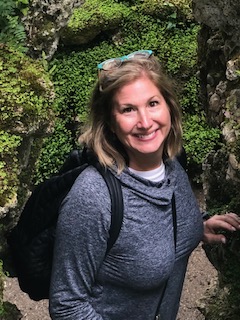
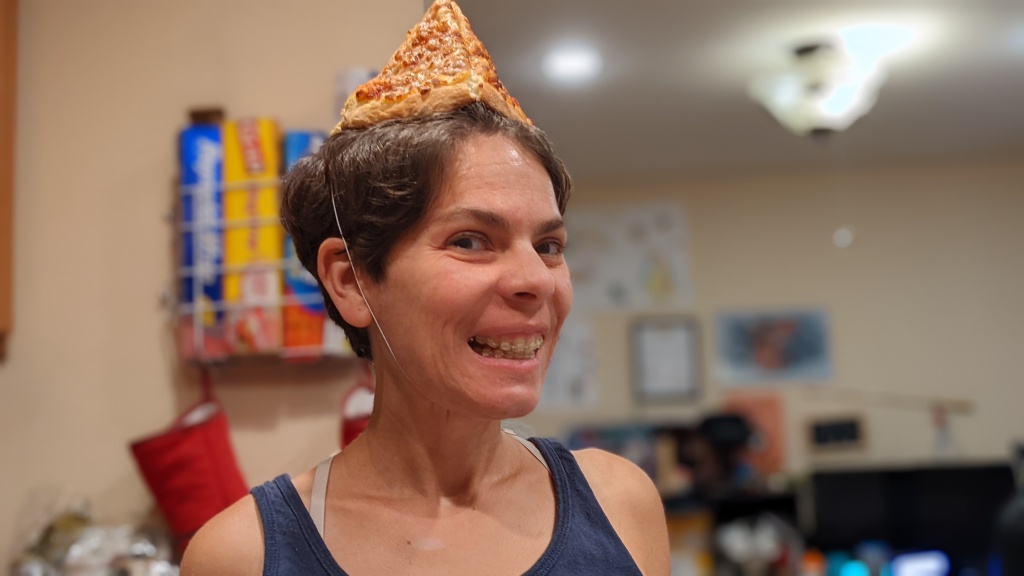
A. Gabby Gilliam secretly or not so secretly likes to be in the limelight. The many talented writer/ poet who by day works as a teacher, sometimes fantasizes about being part of a flash singing mob.

Poet and Writer Gabby Gilliam wearing what appears to be a pizza hat.

B. Poet and writer Anthony Doyle loves to swim. But he didn’t always feel safe in the water because he worried about being attacked by sharks. So in order to conquer his fears he allowed himself to be locked inside a protective cage and submerged in deep water, a White Shark Cage Dive in Gaansbai, South Africa, so he could confront his terror close up and now scuba dives as a hobby.

Photo by Jondave Libiran on Pexels.com

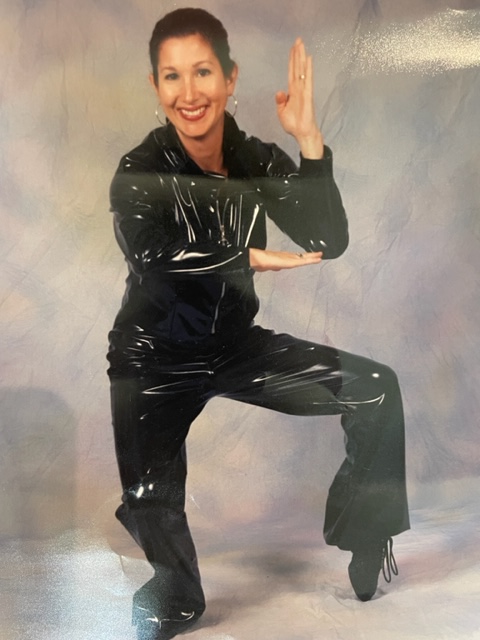
C. Poet/writer Ellis Elliot once taught ballet and was a dance choreographer too. So, once upon a time she taught choreography at a Dallas Cowboys cheerleader audition. Here’s a professional photo of her dancing.

Ellis Elliot, dancer and choreographer.

D. In High School, Nadja Maril was fascinated by the occult: astrology, numerology, time travel and fortune telling. Her talent to predict the future in college, with the aid of a battered deck of Tarot cards had fellow students lined up outside her dorm room door. Eventually, she packed the cards away. “While influences, opportunities and obstacles can be predicted,” she says, “We make our own destiny.”

A very young Nadja performing in a High School play.

E. Writer, poet and artist Morgan Golladay is not afraid to tell the world her first attempt at baking an Angel Food Cake was such an embarrassment, she hid the evidence by burying it in her mother’s garden. Often the work of creating something “just right” takes multiple tries.

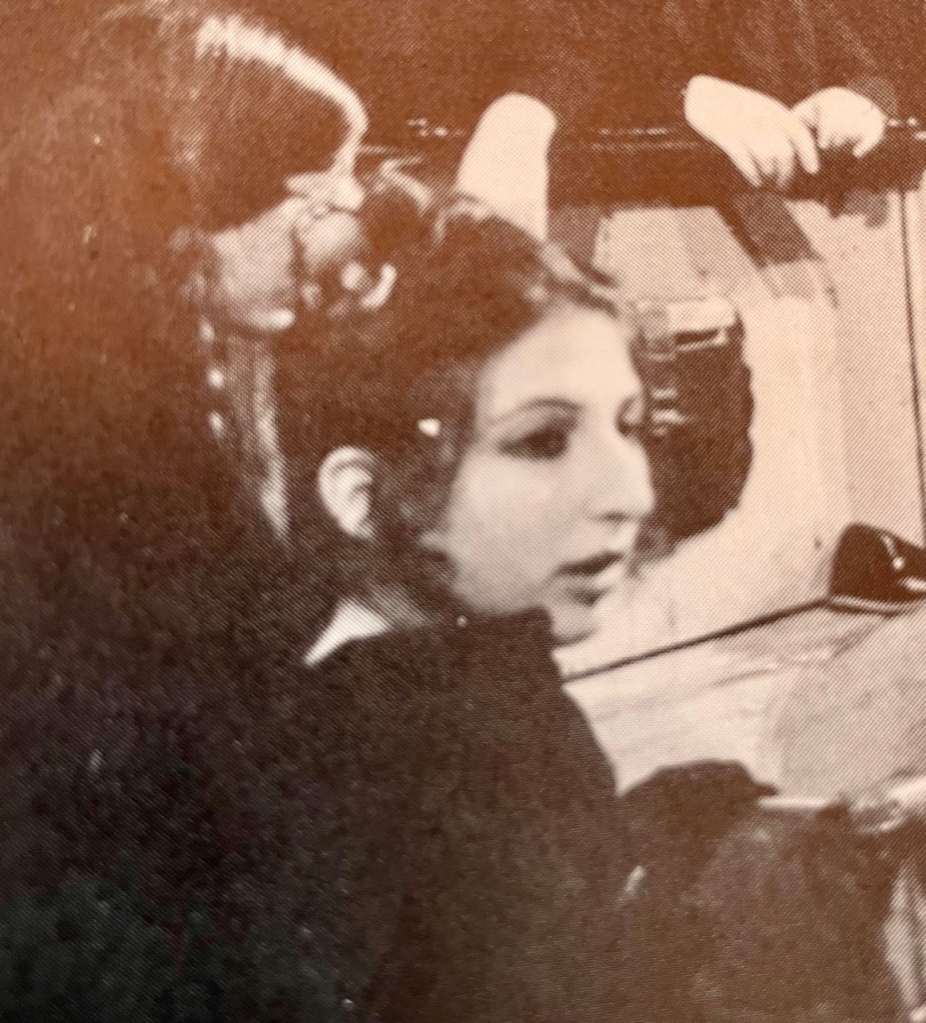
F. Allan Bern shares this wonderful photo of him in his youth when long full hair was “a thing” and he was convinced, if he kept practicing his clarinet, the vibrations of his instrument would enhance his hair growth. “Here I am in Napoli in 1966, ” says Alan. “My friend Umberto and I played the Clarinet, and he claimed the practicing made your head vibrate and, perhaps, helped your hair grow like this.”

Alan Bern in 1966.

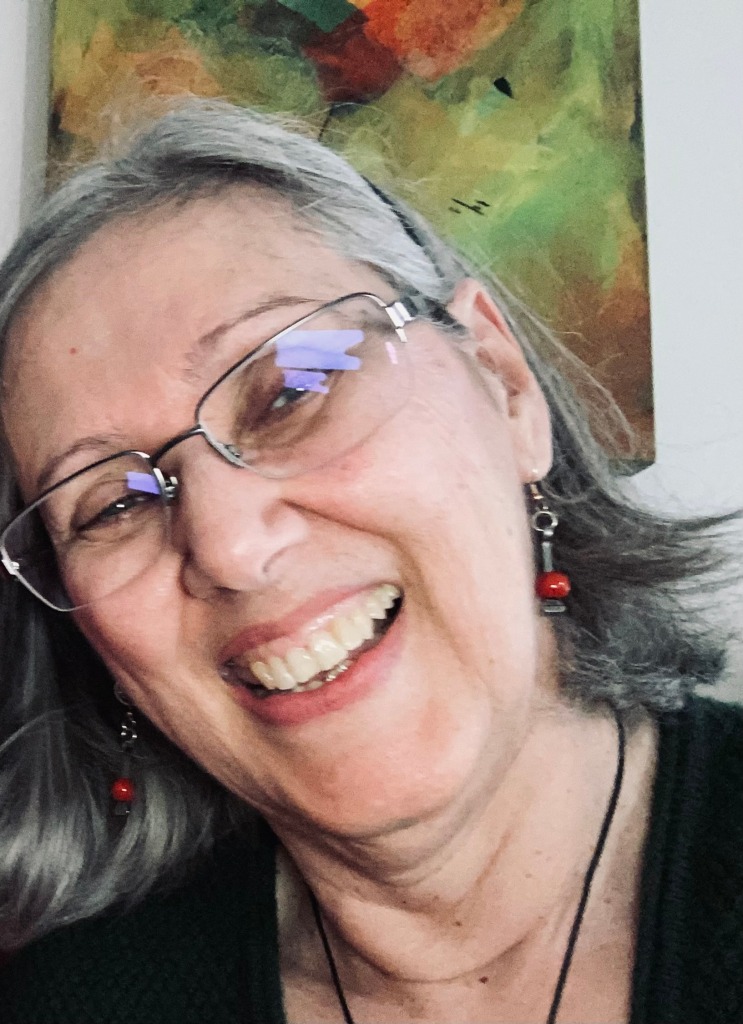
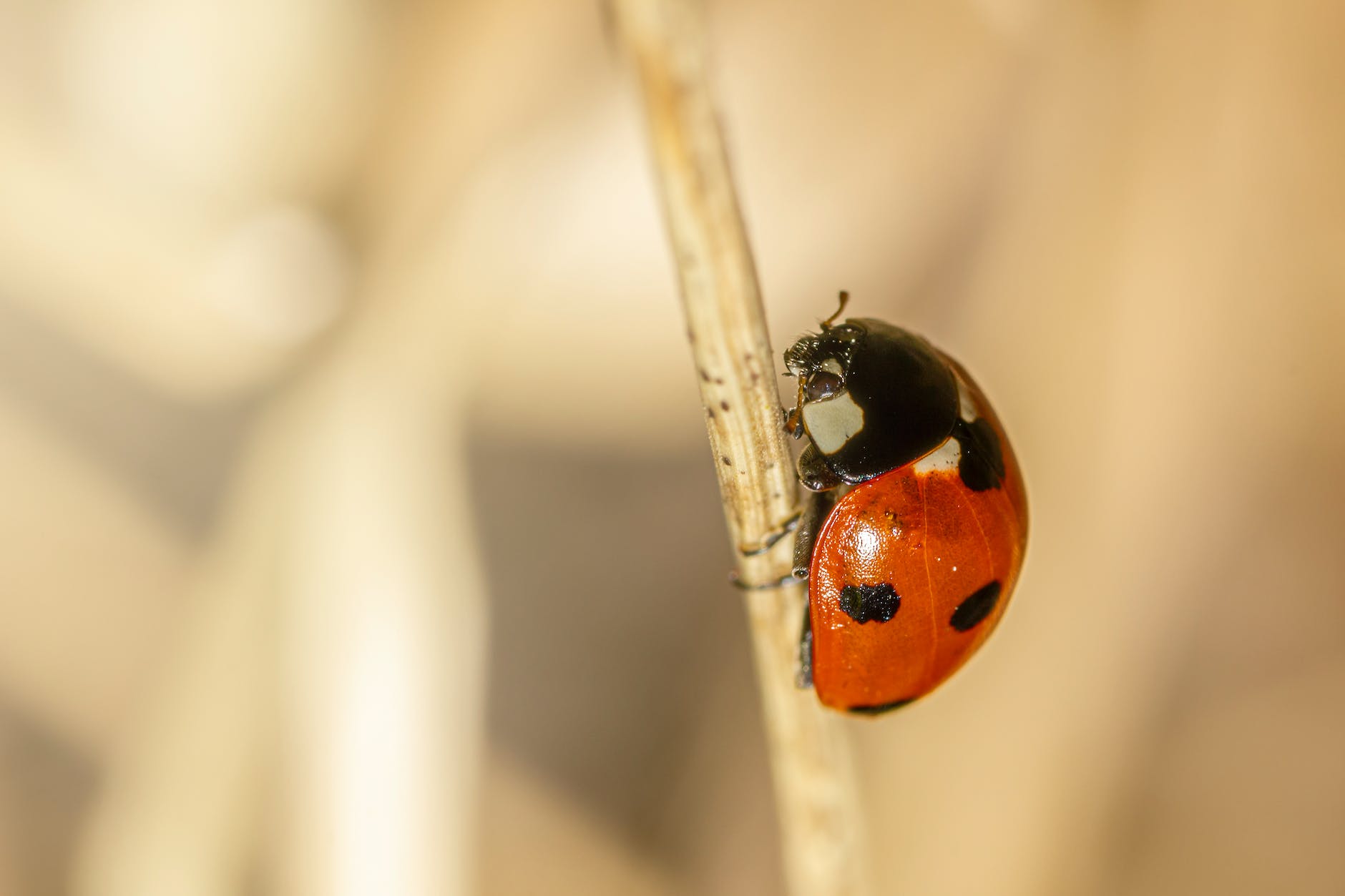
E. Writer/Poet Janet Uchendu thought it odd that an inordinate amount of ladybugs were turning up dead inside the office where she worked. Like most writers, she is a keen observer. Perhaps it was the end of their lifecycle, but why inside that particular office? So she stacked them up on the top edge. of her cubicle. But much to her surprise, no one else noticed.

Ladybug ladybug fly away home.

Thank you for playing the game. Don’t forget to follow this blog for news and announcements. It’s free. Just sign up. Coming up is the October 15th deadline to the Coold Turkey issue of Instant Noodles Literary Magazine. Prose submissions this time must be approximately less than 500 words and no more than two poems, if you are submitting in the poetry category.

INDIE PUBLISHER DEVIL PARTY PRESS LAUNCHES NEW IMPRINT

IN THE NEWS

Old Scratch Press will feature original chapbooks and short-form prose

For Immediate Release

June 15, 2023 – Los Angeles: Devil’s Party Press of Los Angeles announced the launch of a new publishing imprint, Old Scratch Press. This new imprint, based in southern Delaware, will produce quality chapbooks that feature poetry and short-form prose by leading authors.

Supporting this endeavor will be ten contributing editors, members of the Old Scratch Press Short-Form Prose and Poetry Collective: poets and writers Alan Bern, Anthony Doyle, Ellis Elliott, Robert Fleming. R. David Fulcher, Gabby Gilliam, Morgan Golladay, Nadja Maril, Dianne Pearce, Janet Holmes Uchendu, and Virginia Watts who will work together to help promote the love of poems and short form prose.

Old Scratch Press’ inaugural publication is Break in the Field, a collection of verse by award-winning poet, Ellis Elliott. Ms. Elliott is a contributing writer for the Southern Review of Books, an editor/workshop teacher for The Dewdrop, and facilitator of the Bewilderness Writing Workshops. Her publishing credits include Signal Mountain Review, Ignation Literary Magazine, and Literary Mama.

Break in the Field addresses how human perception can change, depending on the vantage point. “I am a perennial student of nature, inner realms, and the wisdom of the body,” says Elliott, “and I write to bear witness and disentangle the world as I perceive it.” Break in the Field will be available in mid-July 2023.

November 2023 will see the publication of White Noir, a chapbook by Robert Fleming. White Noir is a black and white visual poetry exploration of human birth to death and beyond on Earth. A prize-winning poet who explores masculinity, sexual orientation, sin and virtue, and dystopia in words and graphics, Fleming is a self-described word-artist whose work has been published internationally in more than 95 print and online publications, and has appeared in art galleries and in online mic features. “The vibe is dark, Goethe, and dystopian, but I lighten it up by including humor, and it offers a hopeful ending,” notes Fleming of his upcoming collection.

Beginning in 2024, Old Scratch Press will produce three or more original titles per year, available in both print and Ebook formats. For more information visit oldscratchpress.com and devilspartypress.com.

About Devil’s Party Press
Devil’s Party Press, LLC, an independent publishing house located in Los Angeles, was founded in 2017 by Dianne Pearce, an award-winning author, editor, and publisher. The mission of Devil’s Party is to help showcase the work of unsung authors over 40 years of age. Devil’s Party publishes literary fiction while its four imprints are genre specific: Gravelight Press (horror), Hawkshaw Press (crime/cozy), Out-of-This-World Press (sci-fi), and Old Scratch Press (poetry). To date, Devil’s Party and its imprints have published over 200 authors internationally. In addition to print publications, Devil’s Party produces the award-winning online literary magazine, Instant Noodles

INTRODUCING COLLECTIVE MEMBER ROBERT FLEMING

Ten dedicated writer poets comprise the Old Scratch Short Form Collective, with the goal of working with the Devil’s Party Press, a small independent publisher, to bring to fruition the concept of publishing chapbooks of poetry and short form prose under the imprint Old Scratch Press.

This week we are introducing Robert Fleming. His chapbook White Noir will be published in the fall of 2023.  Don’t forget to subscribe to our blog, as we’ll be introducing the contributing editors, member of the collective, one by one each week. You’ll also learn about poetry events, publishing opportunities, and new ways of approaching the genre of short form.

MEET ROBERT FLEMING

Robert Fleming is a word-artist born in Montreal, Quebec, Canada who emigrated to Lewes, Delaware, United States. Robert follows his mother as a visual artist and his grandfather as a poet. In his work, Fleming explores masculinity, sexual orientation, sin and virtue, and dystopia in words and graphics on earth and beyond.

Since 2017, more than 400 of his works were published internationally in more than 95 print and online publications, art galleries and online mic features. His style is influenced by the writers Robert Frost, Dr. Seuss, and the Beats and his graphics by surrealistic artists like Salvador Dali.  A Member of the Rehoboth Beach and Horror Writers Association, nominated twice for the Pushcart Award and twice for Best of the Net,  Robert Fleming’s is the winner of the  2022 San Gabriel Valley California Poetry Broadside Award and is in the 2021 Best of Mad Swirl.

Robert’s chapbook, White Noir, a Black and white visual poetry exploration of human birth to death and beyond on earth, is scheduled for publication in the November of 2023. He says about the book, the vibe is dark, goethe, and dystopian, but I lighten it up by including humor. And,” he adds, “ it offers a hopeful ending.”

Follow Robert on  https://www.facebook.com/robert.fleming.5030 .

Learn about the other writer/poets in our collective in the upcoming weeks, or click on their links here:

Alan Bern
Anthony Doyle

Ellis Elliot
Gabby Gilliam
Janet Holmes Uchendu
Morgan Golladay
Nadja Maril
R. David Fulcher
Robert Fleming
Virginia Watts

In just four more days April will be here, and you know what that means?… National Poetry Month!  If you have a favorite poem, we’d love to hear about it and possibly post it ( if it is in the public domain). Please use the comment space to get in touch, We’ll be sharing favorite poems and pieces we admire along with writing prompts, thoughts and musing about poetry, short form prose and other hybrid forms.

Old Scratch Press Logo

Do you have an idea for something you’d like to read about in this space? Let us know. Follow us on Facebook, Twitter, and Instagram.