The Art of Borrowing Characters: A Literary Debate

by Nadja Maril, a founding member of Old Scratch Press Collective

A few months ago, I read a book purely for escapism, a cozy mystery populated by Jane Austen Characters entitled The Murder of Mr. Wickham by Claudia Gray. I didn’t have to think too hard as I’d already met: Fitzwilliam and Elizabeth Darcy, Marianne and Colonel Brandon, Anne and Frederick Wentworth, and Fanny and Edmund Bertram. Already familiar with the English country homes so well described in my favorite Jane Austen Novels: Emma, Persuasion, Mansfield Park, Pride and Prejudice, Sense and Sensibility, Northanger Abbey, I merely had to get to know the two new characters Jonathan Darcy (son of Fitzwilliam and Elizabeth) and Juliet Tilney ( daughter of Northanger Abbey’s Catherine and Henry) who team up together to solve the murder.

Photo by Alexander Mass on Pexels.com

Combine characters created by other authors with AI (artificial intelligence) and we stand on shaky territory.

What is it that makes human writing truly unique ?

The novel started me thinking about where writers find inspiration, because certainly this particular set-up would theoretically be the perfect candidate for an AI (artificial intelligence) generated book. A good portion of the plot of The Murder of Mr. Wickham  relies on tropes and scenes frequently present in other Jane Austen books.

As to be anticipated, in this cross between an Agatha Christie whodonit and a Jane Austen novel, we have  a series of misunderstandings between couples, friends and romantic prospects as well as a grand ball, a visit by the gentry to the village where they are shunned, a church scene with more snubbing, and conflicts that center on income and social class. While I was curious to find out the identity of the murderer, with so many characters possessing motive, I found myself more interested in the potential for a romance to develop between Jonathan and Juliet.

Is picking up ready-made characters cheating? Certainly, the use of characters who have already proven themselves to be favorites among readers, give a writer an advantage when looking to find a publisher.  What is the difference from taking a character or storyline from the Bible or a popular fairytale vs. taking a fictional character such as Sherlock Holmes or Sir Lancelot casting them in the starring role of your next short story or novel.

Folktales and Myths provide plenty of ideas for new versions of old stories. Photo by RDNE Stock project on Pexels.com

One thing I’ve noticed is the different ways a popular character can be used. Minor characters in a well-known fairy tale, perhaps one of the step-sisters in Cinderella may have a very different take on why Cinderella was not allowed to go to the ball. The Genie locked inside a bottle could probably tell a series of funny stories about badly chosen wishes. In the Broadway hit musical “Wicked,” partially adapted from the 1995 Gregory Maguire novel Wicked: The Life and Times of the Wicked Witch of the West, Glinda is not the spotless white witch she purports herself to be when one hears the tale from Elphaba’s prospective.

Anything that spurs new ideas is fair game, as long as borrowing a character or a plot is not plagiarism. The plot or the characters must have evolved and changed. The characters themselves must be unique (not duplicates of another author) and not protected by copyright rules.

As a general rule, for works created after January 1, 1978, copyright protection lasts for the life of the author plus an additional 70 years.

Thus, favorite characters such as the Harry Potter gang, are relegated to fan fiction only, meaning the work is “unauthorized” and cannot be used for monetary return.

Taking inspiration from classics can be a creative endeavor if not taken up by computers. It can make a great writing prompt.

You can use this prompt to write short stories and poetry, material that would be appropriate for a chapbook as well as specialized literary magazines.

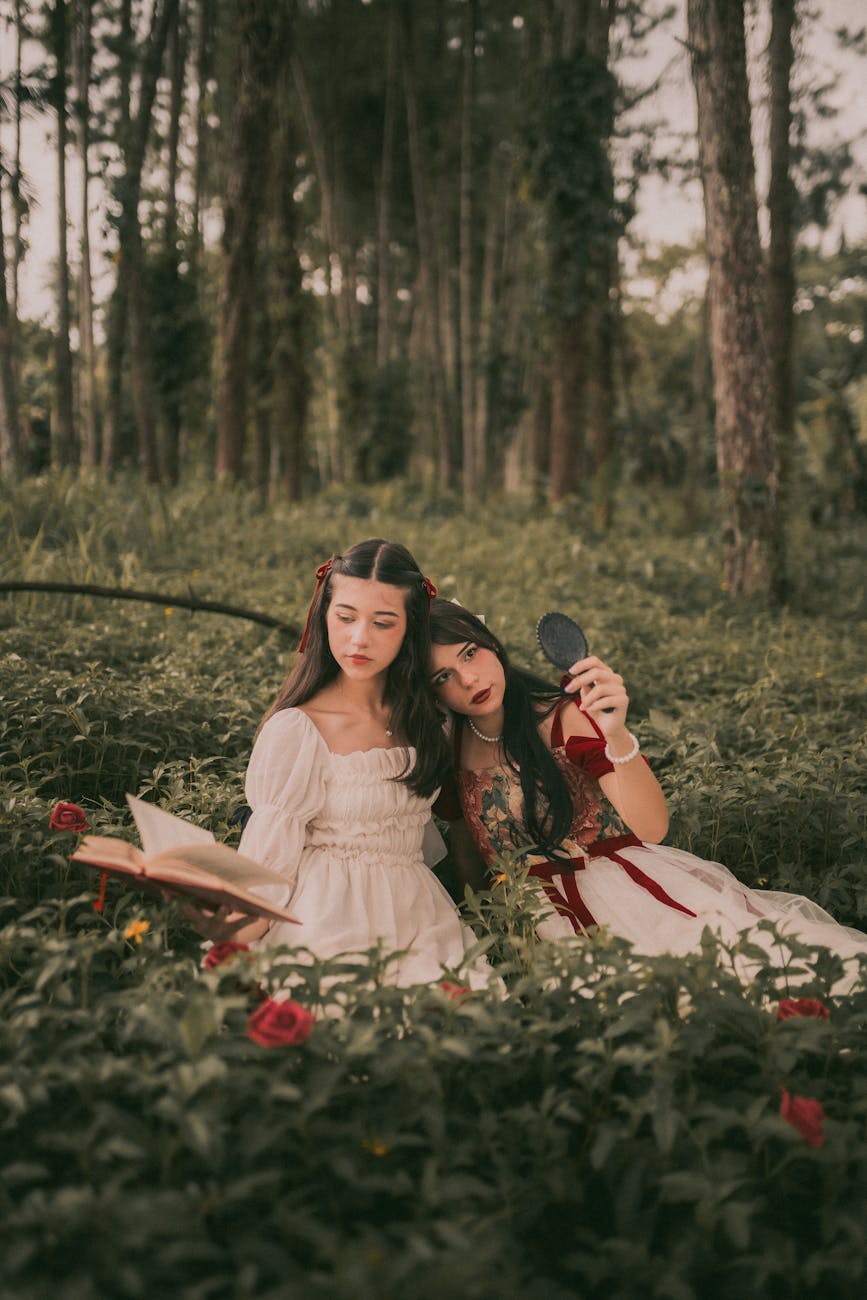
Maybe Goldilocks brings three bowls of Creme Brulee to the bears as a peace offering. Photo by Gerardo Manzano on Pexels.com

WRITING PROMPT

Think of a favorite folk/fairy tale such as The Three Bears. What if Goldilocks had the opportunity to apologize for her rude intrusion into the Bear’s Cottage. Imagine and write down what might happen. If the men who pretended to sell invisible cloth to the emperor were to tell the story of The Emperor’s New Clothes, would they tell it differently than the traditional fairy tale? Try different approaches. Have fun.

Thank you for reading. Please sign up to follow Old Scratch Press here on WordPress and on Facebook.

Nadja Maril is an award winning writer and poet who has been published in dozens of online and print literary journals and anthologies including: Lunch Ticket, Spry Literary Journal, Invisible City Literary Review, Instant Noodles and The Journal of Compressed Creative Arts. She is the author of Recipes From My Garden, published by Old Scratch Press (September 2024), a Midwest Review California Book Watch Reviewer's Choice. An Anne Arundel County Arts Council Literary Arts Award winner, her work has been nominated for the Pushcart Prize and The Best of the Net. She has an MFA in creative writing from Stonecoast at USM. 
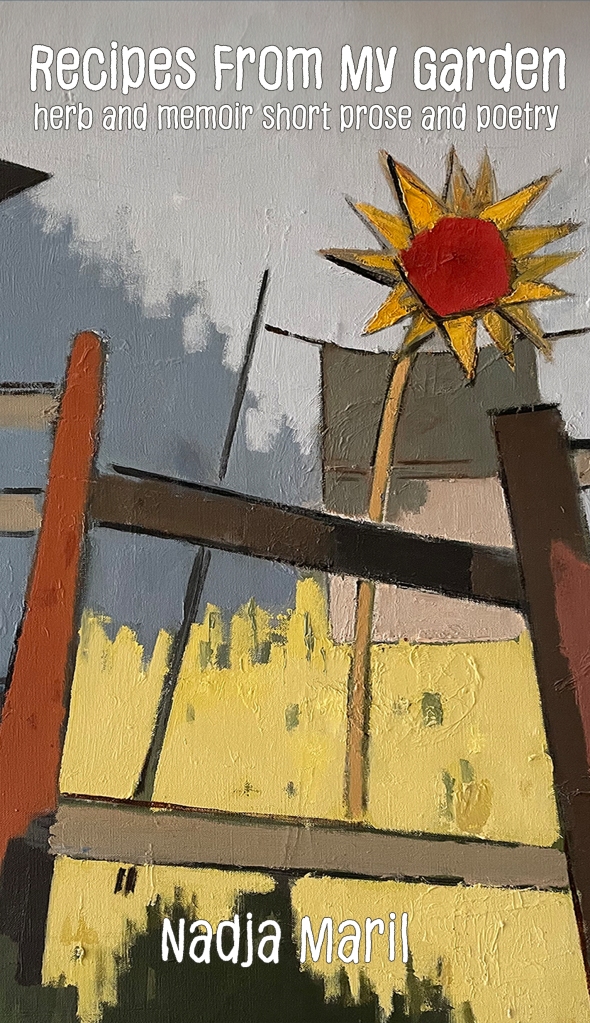
Check out Nadja's chapbook of flash memoir and poetry below.

https://rb.gy/olqjwe.

The Art of Storytelling: New Perspectives on Old Fairy Tales

By Nadja Maril

Perhaps it was the illustrations that captivated me when I’d pour through the fairytale books, the dragons and the princesses with long gowns and tresses, but of all the picture books in my room when I was a young child, I liked the fairytales the best.

I can still remember many of those books, the way they looked with their ornate borders and their detailed portraits of the handsome Puss N’ Boots or the angry face of Rumpelstiltskin as he stamps hard enough to crash through a floor and into oblivion. Styles evolve and change, and the animated images of the Walt Disney studios who’ve popularized many fairy tales by converting them into cartoon movies, don’t have the same depth of detail as those old illustrations. I love the old woodcut and color plate illustrations, but many contemporary artists add new magic and perspective to an old story.  When you read a fairytale or any story for that matter, the possibilities for elaboration are endless.

“Happily Ever After” isn’t always the case in some of the Hans Christian Anderson Tales, such as “The Red Shoes” and “The Little Mermaid.”  But as fairy tales have been told and retold so many times, multiple versions circulate. Children today probably have no idea that the original “Little Mermaid” is a tragic story of desire and loss. The little mermaid was unable to permanently become a human. Her attempts at transformation cause her to lose her life as a mermaid. What remains, is her hope that one day she’ll become part of the eternal universe.

In the hands of the Disney writing team, however, “The Little Mermaid,” became a story about family conflict, friendship, love, and fulfillment. The result is a story with a happy ending.

What story would you like to write?

But that’s okay, because fairy tales are part of our oral tradition and why not use the familiar tropes from our childhood as building blocks to create new stories or retell old ones. I think it is important to remember and learn from what went before. However, the stories of our lives keep evolving. So, what story would you like to tell?

To get you started, I’m sharing the work of several writers who were and still are inspired by fairy tales.

Many poetry enthusiasts will probably be familiar with the poem “Goblin Market “by Victorian era British poet Christina Rossetti(1830-1894). It utilizes the folklore of goblins to set the scene with lines like these:

"Pricking up her golden head:
"We must not look at goblin men
We must not buy their fruits:
Who knows upon what soil they fed
Their hungry thirsty roots?”
“Come buy,” call the goblins
Hobbling down the glen."

To read the entire poem and learn more about Christina Rossetti, click here.

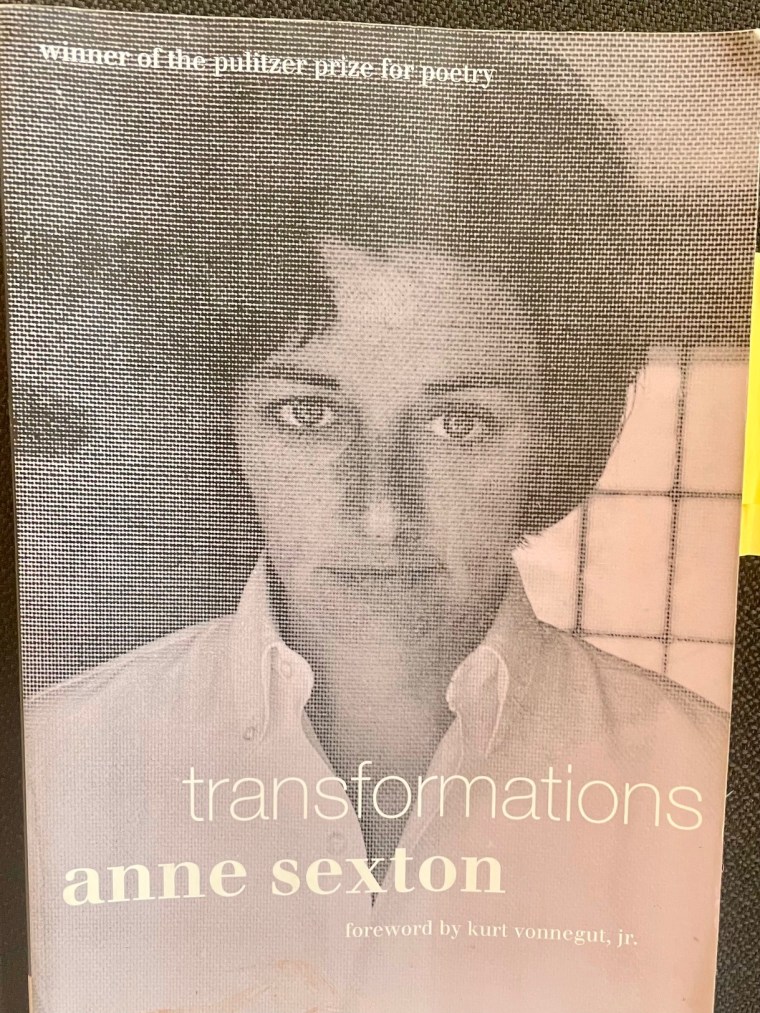
Another writer, Anne Sexton (1928-1974) took fairy tales as a launching point to reimagine social norms.

American poet Anne Sexton is considered a pivotal figure in the confessional poetry movement that emerged in the mid-20th century. Her work holds nothing back as it shares her personal struggles. Themes she explores include: mental illness, sexuality, and the complexities of womanhood. Her poetry collection Transformations contains seventeen poems inspired by Grimm Fairy Tales, that include Red Riding Hood, Rapunzel and CInderella, that challenged the prevailing norms of her times. I highly recommend adding this volume of poetry, the contents of which are unavailable online, to your library.

“The Cinder Girl Burns Brightly” by Theodora Goss is a different take on the Cinderella fairytale, told in poetry. Hungarian American author Theodora Goss (1968–) is a prolific author of novels, short stories, poetry and essays, and more of her work can be accessed at this link.

And finally I share a short story by American writer Michael Cunningham, famous for his novel The Hours, this little story, Wild Swan is inspired by the Hans Christian Anderson fairytale “The Wild Swans.” Brilliantly he takes the premise of the original story and creates an alternate re-telling set in modern times that focuses on one of the enchanted princes.

Need a writing prompt? Just read a favorite fairytale and think about how you’d like to retell it differently or take just one character or element and spin it into a poem or story.

Thank you for reading. Please sign up to follow Old Scratch Press here on WordPress and on Facebook.

Nadja Maril is an award winning writer and poet who has been published in dozens of online and print literary journals and anthologies including: Lunch Ticket, Spry Literary Journal, Invisible City Literary Review, Instant Noodles and The Journal of Compressed Creative Arts. She is the author of Recipes From My Garden, published by Old Scratch Press (September 2024), a Midwest Review California Book Watch Reviewer's Choice. An Anne Arundel County Arts Council Literary Arts Award winner, her work has been nominated for the Pushcart Prize and The Best of the Net. She has an MFA in creative writing from Stonecoast at USM. 


Exploring the Art of Creative Nonfiction

By Nadja Maril

Before you read this you’ll want to check out the NEW issue of Instant Noodles Literary Magazine which has some excellent examples of creative nonfiction along with poetry, short stories and eye catching artwork.https://instantnoodleslitmag.com/

Now let’s talk a little about CNF.

In my previous profession as an antiques dealer, I came across many 18th and 19th century journals and often the most remarkable thing about them was their impeccable penmanship.

Nowadays the word journaling connotes the writing of innermost thoughts; but often the journals I encountered contained lists of items purchased and/or a record of weather events.  If someone did write down deep and personal information, they hadn’t left it behind to be found by a stranger.

Photo by RDNE Stock project on Pexels.com

In the 20th century it was fashionable to keep a “diary” and diaries came with locks and keys. Many stories have been told about a diary being read by a parent or a diary falling into the wrong hands. The locked diary contained things not meant to be shared.

Whatever was written in a journal or diary was someone’s truth.

Gradually a shift in what can be shared and what must be kept secret occurred.  True stories, nonfiction, became popular fodder for books, movies, and television series. We are intrigued by the unbelievable. In literature, the memoir that thoughtfully reveals the life of the author is celebrated.

Creative nonfiction is a writing genre that can be tricky to define. Based on a true event, the creative designation, indicates the importance of artistry. The writer seeks to use their craft to convey a feeling, a fear, a triumph, a predicament they personally experienced or witnessed.

Often creative nonfiction and poetry cross paths. A poem can be inspired by a witnessed event or experience, and therefore some might call it creative nonfiction.  A flash creative nonfiction story with rhyme, alliteration, and rhythmic sentences could be categorized by some as a prose poem.

Here is an example for you to ponder, a prose poem by American poet Amy Lowell.

Bath

               By Amy Lowell (1874-1925)

The day is fresh-washed and fair, and there is a smell of tulips and narcissus in the air.
      The sunshine pours in at the bath-room window and bores through the water in the bath-tub in lathes and planes of greenish-white. It cleaves the water into flaws like a jewel, and cracks it to bright light.
      Little spots of sunshine lie on the surface of the water and dance, dance, and their reflections wobble deliciously over the ceiling; a stir of my finger sets them whirring, reeling. I move a foot and the planes of light in the water jar. I lie back and laugh, and let the green-white water, the sun-flawed beryl water, flow over me. The day is almost too bright to bear, the green water covers me from the too bright day. I will lie here awhile and play with the water and the sun spots. The sky is blue and high. A crow flaps by the window, and there is a whiff of tulips and narcissus in the air.

***

Each person’s perception of what they witnessed is slightly different. Then the question shifts to how much is fact and how much is fiction. Has the story has been changed to suit the storyteller? In the telling and the writing, the emphasis of what was important may shift. Once again, this can be the result of artistic interpretation.

The process of writing creative nonfiction has me returning to it again and again. Pure fiction has its own joys, but creative nonfiction provides an opportunity for personal discovery. Why do i remember an event a certain way, I ask myself, while someone else remembers it differently? Maybe that tells me something about myself.

The best way to develop an appreciation for creative nonfiction is to read it.

Some magazines I like to read for their flash creative nonfiction include: Riverteeth https://riverteethjournal.com/beautiful-things/

Hippocampus Magazine. https://hippocampusmagazine.com/

and Bending  Genres https://bendinggenres.com/

Thank you for reading this post and visiting the Old Scratch Press Blog. This Sunday, August 3rd.  from 2:00 to 5:00 p.m., several members of the Old Scratch Press Team are participating in an international Poetry Reading, Blot of Blue

And you can attend online. Here is the information and invitation.

https://www.facebook.com/events/764779602578772/?acontext=%7B%22event_action_history%22%3A[%7B%22surface%22%3A%22home%22%7D%2C%7B%22mechanism%22%3A%22surface%22%2C%22surface%22%3A%22groups_highlight_units%22%7D]%2C%22ref_notif_type%22%3Anull%7D

Creative Writing Prompt Inspired by Ann Patchett’s novel Tom Lake

By Nadja Maril, a founding member of the Old Scratch Short Form and Poetry Collective.

Summer and reading go hand in hand. You go on vacation and take along a stack of all those books you’ve been meaning to read.

Sometimes, for me I have to confess I’m actually listening instead of turning pages.( Did you know that most of the books published by Old Scratch Press are available as audio books as well as ebooks?) Half of the books I enjoy these days are recorded books because I can listen and do various chores at the same time.

I can also eat lunch and be entertained by a book without smearing avocado or salad dressing on its pages.

And then if I really love the book, or just want to see it laid out on the page, I get a physical copy from the library and enjoy it again.

I try really hard not to read books by the same authors, so I can introduce myself to new voices. However, I couldn’t resist downloading Ann Patchett’s latest novel, Tom Lake, because I was curious about what it had to do with cherry orchards. The audio version is narrated by Meryl Streep. What a treat.

I’m a Meryl Streep fan and the narrator and protagonist of Tom Lake, the novel is a former actress. True, she is a different kind of actress, “a natural”, as she reveals in her story telling, unlike Streep who has portrayed a wide range of characters, but the protagonist has performed on stage and screen nevertheless. Streep does an impeccable job

What I truly want to recommend about the novel is its construction. So, writers, and aspiring writers pay attention. Not only does Patchett incorporate unpredictable twists and turns into the storyline, but she skillfully interweaves past and present.

The present setting is a farm near Traverse City Michigan during the Covid Pandemic. The past setting, that jumps back and forth into the storyline, is a summer stock theater also in Northern Michigan called Tom Lake. Part of the fun of this story is the gradual reveal of how present and past fit together.

I highly dislike predictable plotlines. Thus, I shout the praises for a novel that continued to surprise me to the very last page.

If you are a writer, continuing. on the journey of further refining your craft, you may be interested in the upcoming opportunity to join the Old Scratch Press Writing Collective or the opportunity to become published in Instant Noodles Literary Review. The Collective applications are available here and the deadline is closing soon.

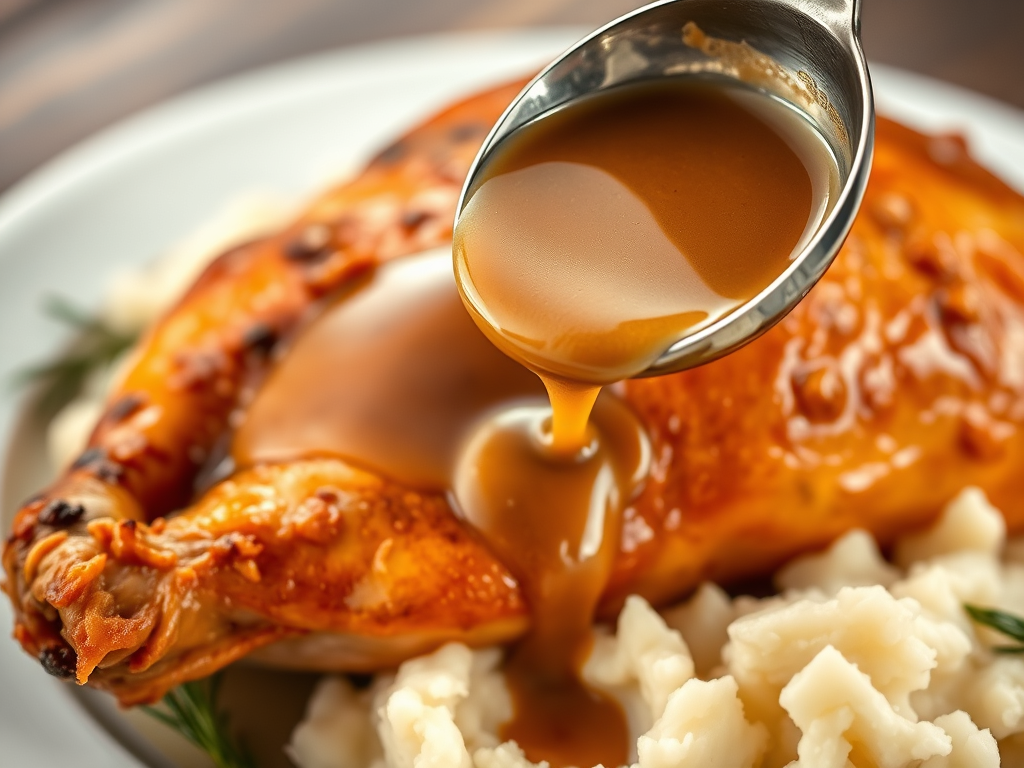
The next theme subject for the Holiday/Winter Issue of Instant Noodles is Gravy. Write a true story, a poem or a piece of fiction related to Gravy. Keep it short. We prefer prose that is less than 500 words in length.

Back to my thoughts on the novel Tom Lake and not wanting to give any spoilers, I’m going to provide a WRITING PROMPT instead:

Photo by Sarah Chai on Pexels.com

IMAGINE your very first boyfriend or girlfriend, remember what they were like to be with and then write about what attracted you to them, what you admired. Now, write about their flaws.

Take a break. Maybe wait an hour or a day. Then imagine yourself with that person and what your life would be like. The third part to this writing assignment is to first think about what you would tell that person, if you had the opportunity, write them something—a letter, an essay, a poem—whatever genre form you choose. Do you have things you’d like to apologize about, or explain, or share?

Maybe this exercise will give you an idea for a story. Maybe not, but I guarantee you’ll learn something about yourself.

THANK YOU for reading. If you haven’t already signed up (it’s free!), please follow me on WordPress. Medium or Substack and visit my website Nadjamaril.com to read more of my work.

Nadja Maril is an award winning writer and poet who has been published in dozens of online and print literary journals and anthologies including: Lunch Ticket, Spry Literary Journal, Invisible City Literary Review, Instant Noodles and The Journal of Compressed Creative Arts. She is the author of Recipes From My Garden, published by Old Scratch Press (September 2024), a Midwest Review California Book Watch Reviewer’s Choice. An Anne Arundel County Arts Council Literary Arts Award winner, her work has been nominated for the Pushcart Prize and The Best of the Net. She has an MFA in creative writing from Stonecoast at USM. 

The Ugly Duckling: Lessons in Creative Rejection

by Nadja Maril, a Founding Member of the Old Scratch Press Short Form and Poetry Collective

I got a rejection this morning. I received the standard form rejection for a piece of creative writing: We appreciate the chance to read it. Unfortunately, the piece is not for us.

I get rejected all the time. It doesn’t matter how many times my work has been published, I’m not famous and editors have a multitude of tastes. What was interesting to me was the poem in question had already been published and well received.  This time I’d entered it into a contest that was also considering previously published work. Maybe they didn’t think it was prizeworthy, but I felt like they didn’t like the poem at all. This made me sad.

Then I thought of The Ugly Duckling, http://hca.gilead.org.il/ugly_duc.html by Hans Christian Anderson, one of my favorite fairy tales. The bird that emerges from a hatched egg is not at all like the other ducklings in the farmyard. He endures all kinds of painful ridicule until he discovers his true identity as a swan.

“He now felt glad at having suffered sorrow and trouble, because it enabled him to enjoy so much better all the pleasure and happiness around him; for the great swans swam round the new-comer, and stroked his neck with their beaks, as a welcome.

Photo by Ezgi Kaya on Pexels.com

Into the garden presently came some little children, and threw bread and cake into the water.”

I share this little story to remind all writers, particularly anyone just starting their journey, that it can take months or even years to find your audience. Yes, it could be you just don’t have the talent needed to “make it” as a writer, but tastes on what is good and worth publishing vary tremendously. An ugly duckling may also be a graceful swan.

We all have probably had the experience of seeing a movie or reading a book that got great reviews, but we found to be boring. We may have attended a party in someone’s home and overheard guests raving about a gorgeous painting or a rug that we secretly think is hideous.

People have different tastes. Where we grew up, where we’ve traveled, what our parents taught us, all influence what we value and how we judge things. The quest for diversity, when I wear an editor’s hat, is my desire to try to open my mind to a multitude of ways to see the world. But we tend to gravitate to the familiar because it’s comfortable.

A big word among editors is resonate. If a piece of writing resonates with the reader, it affects them emotionally and they may continue to think about that story or poem for days. That type of connection is something a writer longs to achieve.  But it’s unlikely to happen with every reader. We all have different histories. We’re all slightly different so what affects one reader may not necessarily affect another.

It may be that something you wrote is not ready for publication and needs more revision. On the other hand, it could be really good, but needs to find the right audience.

I can’t emphasize enough, writing groups and reading groups to gain different perspectives. A writer toils alone, but feedback is important.  I can’t emphasize enough the importance of beta readers, fellow writers with whom you can exchange work.

Fellow collective member Ellis Elliot wrote about writing groups back in January and you can read her blog here.  https://oldscratchpress.com/tag/writing-community/  and member Virginia Watts posted a blog in April that focused on critique groups  you can read here. https://oldscratchpress.com/author/virginiawatts/

Do not write in a vacuum. Find the approach that works best for you, but don’t give up on something you feel in your bones is important. If you’ve written something you’d like to share with the world, keep submitting. A rejection is a badge of honor. 

 It shows you’re out there swinging the bat and you’re still in the game.

About the author:

Nadja Maril is the author of Recipes from My Garden, Old Scratch Press, September 2024. Nadja Maril’s short stories, poems and essays have been published in dozens of small online and print literary journals and anthologies including: Lunch Ticket, Spry Literary Journal, Invisible City Literary Review, and The Journal of Compressed Creative Arts.She has an MFA in creative writing from Stonecoast at USM. A former newspaper columnist and magazine editor, she writes a weekly blog and you can visit her website at www.Nadjamaril.com.

Thank you for reading. Please sign up to follow us here on WordPress and on Facebook.

From Onions to Tomatoes: A Writer’s Spring Garden

by Nadja Maril, a Founding Member of the Old Scratch Press Short Form and Poetry Collective

We’ve got onions, potatoes, and peas growing in our garden this year. The peas will be ready for harvest six weeks from now, according to my husband who planted the newly sprouting seeds.

In another part of the yard are the tomato plants, still very small. We got a late start. Perennial herbs: sage, oregano, rosemary, thyme, mint and dill made it through the winter. I’m waiting for my fresh basil and cilantro.

Dill,Thyme and Oregano

Each year the line-up of vegetables is different.  New vegetables. New challenges on how to best use these fresh ingredients. This year for 2025 we’ll be harvesting lettuces, spinach, beets, broccoli, peas, leeks, and peppers.

Always we must have tomatoes. They do well in Maryland and they are versatile both raw and cooked. Home prepared tomato sauce, gazpacho and tomatoes off the vine with fresh basil are the best.  

Nadja’s gazpacho

My chapbook,RECIPES FROM MY GARDEN, published by Old Scratch Press, is partially a tribute to herbs and vegetables. If curious about poems that are also recipes visit this link

At the end of March and start of April we were lucky enough to enjoy our own asparagus! Yes, you are supposed to wait until the third year after planting and this is only the second year, however, it looked good and tasted great! We only took a few stalks. The rest we are leaving to enable the plant to go through its cycle of developing leaves and establishing a good root system.

first season asparagus
Second Year Asparagus Crop.

So what is the best way to cook asparagus? I would suggest as minimally as possible. My mother and grandmother would put it in the pressure cooker until it became soft. Too much flavor is lost when asparagus  (Gus) is overcooked and the texture borders on mushy. Steaming a few minutes, or a coating of olive oil and a few minutes under the broiler or on the grill rotated half way through the process to keep the temperature even, are my favorite ways to enjoy Gus. You can also cut it up for use in a veggie stir fry or sauté with garlic, tomatoes and scallions to dress up a pasta.  Top with fresh grated parmesan.

Photo by Nati on Pexels.com

WRITING PROMPT:

You’ve been invited to a dinner. What are they serving? What do you notice on the table? How does it taste? How are the other guests reacting to what is being eaten and to what is being said? This can be fictional or it can be a memory, but select the details that clearly bring the scene into focus.  Write for fifteen minutes. Read back what you’ve written. Is there a sentence with power that pops? Take that sentence and start again maybe adding an action such as a glass is broken, there is a knock on the door ie something happens to change the scene slightly. Have fun with it and maybe you’ll develop it into a poem, story or essay.

Here is a piece of short prose inspired by the ingredients of an unusual stew. Enjoy.

Thank you for reading and if you haven’t already done so, please sign up for FREE to follow Old Scratch Press on Facebook and WordPress.

The Joy of Writing and Reading: A Personal Reflection

By Old Scratch Collective member Nadja Maril

I love words and sentences, writing them. I also love reading something really good. So, part of my day circles around writing and revising. Another part is reserved for reading.

If your desire is that each piece of writing you create is superior to its predecessor, then it’s a good idea to read other writer’s creations. We learn what we like and what we don’t like by reading the work of others. Experiencing through someone else’s words can give us the opportunity to learn new ways of approaching an essay, poem, or story.

Reading to write because writers are part of human expression.
Those five little earrings could represent the various framents of the essay that focuses on what we hear or don’t.

First thing this morning, I clicked on a link provided by the literary magazine, Sweet. A Literary Confection that was titled “In My Head: Tinnitus” by Marcia Aldrich which the editors have nominated for the 2023 “Best of the Net.” I liked the way Aldrich broke the essay into very short sections. This type of CNF essay is called a fragmented essay, specifically in this case, a narrative mosaic because all the sections were directly linked to the topic of Tinnitus, but all approached the word/ the subject/ the experience from different vantage points. Here is the link if you’d like to read it.

Next I read the under 250 word CNF essay  from Riverteeth’s weekly newsletter Beautiful Things titled  “Sugar in the Evening” by Jennifer Anderson. Deceptively simple. it resonates. I don’t necessarily like every weekly Beautiful Things selection, but this one is truly a gem. To read it click here.

Finally, to round out the morning, before I started revising a story of my own, I clicked to read some poems in Sunlight Press capturing a sense of nostalgia and the delight of movement by Alfred Fournier. You can click to read them here.

Evenings and Sunday afternoons are for “hard copy.” I love a book that pulls me in and keeps me guessing. I never want to be able to confidently predict where the plot is heading. So I’d like to recommend The Great Circle, published in 2021 by Maggie Shipstead, a Booker Prize finalist.

A very long novel (655 pages) I was lucky enough to pick up in one of the several Little Free Libraries in my neighborhood, it is both entertaining and instructive to fellow novelists in approach and structure. I try very hard not to read multiple books by the same author in an effort to “meet on the page” more writers and I’d already read Seating Arrangements, but I am so happy I did make an exception and grab that almost new paperback.  This novel is far superior to Shipstead’s previous work in that it adds multiple layers of time, place and setting to a compelling storyline.

Comprised of two narrative arcs, The Great Circle tells the story of a pioneering female aviator, Marian Graves, born in 1914, who wants to be the first to circumnavigate the globe by flying over both the North and South Poles.  The second storyline focuses on actress Hadley Baxter who is chosen to play the role of Marian in a Hollywood movie produced in 2014.

The 20th century narrative is told in third person, and while it primarily focuses on Marian’s life it also tells the story of her twin brother Jamie, and the role women aviators played in World War II. The 2lst century narrative is told in the first-person voice of Hadley.

As to what happens, I’ll leave it to you the reader to discover first-hand. Enjoy and keep reading, whether it is long or short, on paper or on your phone.  And yes, I listen to stories as well. My most recent listen was Companion Piece by Ali Smith, a melding of reality and splendid storytelling.

Here is CNF piece written and read by me nominated for “Best of the Net” ,”REBOOT” in Instant Noodles. While you are on the site, you might as well enjoy the rest of the issue– some great Spring inspired stories and poems. The next theme “word” for the autumn issue is Sanctuary followed for the Holiday 2025/26 issue by Gravy.

Thank you for reading and don’t forget to sign up to follow us on Facebook.

Exploring Creative Nonfiction: Truth Through Memory

By Nadja Maril, a Founding Member of the Old Scratch Short Form and Poetry Collective

How we portray ourselves and others, is something memoirists grapple with.

We call it “Creative Nonfiction” when a writer presents truth in a creative format that can take the form of anything from a lyrical essay to a crossword puzzle. A selection of word artifacts can weave an interesting narrative inviting the reader to fill in the blanks, anything from a grouping of letters, the transcription of a phone call, or a photograph with a caption.

The words in a game or puzzle can inspire a short work of creative nonfiction.

 In fiction, the writer shapes the story to create pacing and tension. In nonfiction, the writer selects and amplifies truth to produce a compelling piece they hope others will want to read.

The nonfiction writer often relies on memory. Memory and research. The research often draws on the memories and writings of others.

How accurate are those memories?  According to the work of late 19th century German scientist Hermann Ebbinghaus’s research, graphed as a forgetting curve, much of what people experience each day is quickly forgotten.  In the May 20th 2024 issue of The New Yorker, writer Jerome Groopman, discusses in a book review the recently released book Why We Remember by Charan Ranganath.

Ranganath is a neuropsychologist at U.C. Davis and in his book, he discusses memory and how we may be looking at memory the wrong way. Memory, he conjectures, more likely functions as an adaptive trait to keep humans alive.  Selectively we remember some things and forget others. Perhaps the forgetting is as important as the remembering.

Photos may help prompt our memories, but sometimes what others tell us about a photo my influence our recollection.

From a writer’s point of view, I find it fascinating to hear how people’s memories of the same event can be slightly different. What do those differences reveal about each person?

Folk tales and fairy tales clearly demonstrate how the same story can be adjusted to reflect the story teller’s preferences. In some versions of little Red Riding Hood, grandmother is locked in a closet in another she is swallowed by the wolf. In a family, one sister may remember beloved pet that was hit by a car and another may forget the pet because the memory is too painful.

Photo by Son Dang on Pexels.com

Prior to a trip to Ireland last year, I started reading the book, The Irish Assassins; Conspiracy, Revenge and the Phoenix Park Murders that Stunned England by Julie Kavanagh, to gain some understanding of Irish history. The three hundred plus page nonfiction narrative reads like a novel, but dialogue and descriptions are all based on meticulous research. The book has sixty pages of end notes and footnotes. 

But the sources themselves: diaries, letters, newspaper articles, trial transcriptions all have their bias—according to who wrote them. And Kavanagh reveals in many instances, the ulterior motives and prejudices some of the parties may have possessed in how they reacted to the events that took place.

Writing a short nonfiction piece, based on a personal experience can take the form of a letter, diary or puzzle. Part of the writing adventure is trying new things.

If we acknowledge our memories are always shapeshifting, I think it can give us a certain amount of freedom to experiment. Playing with episodic memory, using a trigger such as music, smell or taste, can provide a means to travel back to a previous episode in your life and re-examine it.

Photo by cottonbro studio on Pexels.com

WRITING PROMPT: A smell you love or a smell you hate. If you have the item around, use it as a trigger, if not try to remember it. What comes to mind. A person you were fond of? A party you attended? If you write something you like, put it away and revisit it the following week to review and edit. If the piece has power refine until it is ready and then if you want to share it, submit it to potential publishers.

About the author:

Nadja Maril is the author of Recipes from my Garden, Old Scratch Press, September 2024. Nadja Maril’s short stories, poems and essays have been published in dozens of small online and print literary journals and anthologies including: Lunch Ticket, Spry Literary Journal, Invisible City Literary Review, and The Journal of Compressed Creative Arts.She has an MFA in creative writing from Stonecoast at USM. A former newspaper columnist and magazine editor, she writes a weekly blog and you can visit her website at www.Nadjamaril.com.

Thank you for reading. Please sign up to follow us here on WordPress and on Facebook.

Creative Valentine’s Day Collage Poems

By Nadja Maril, a Founding Member of the Old Scratch Short Form and Poetry Collective

February is Valentine’s Day month. Instead of trying to send everyone Christmas and New Year’s cards, I like to surprise friends with Valentine’s Day cards. My handmade cards feature words as well as images. So why call them cards at all? They are actually Visual Poems. And because they are made from bits and pieces of collected words, colored paper and illustrations glued onto paper, they are also Collage Poems.

Try it. Once you created a few, you may become hooked. Many artists gravitate towards working in more than one medium. Visual art and poetry work well together. If you desire to be published, a market exists for creative work which combines the two mediums of visual art and words. I will providea list of publications at the end of this article. But first, let’s get started with a little inspiration.

Assembling the materials is part of the fun.

Valentine’s Day Origins

The name Valentine comes from Saint Valentine, and there are three men who are recognized as Saints by the Catholic Church. The most popular Valentine story, according to my research, is the one about the priest who performed secret marriages in opposition to Emperor Claudius II who ordered that all his soldiers remain single. Who the actual St. Valentine was is open to debate.  Maybe February 14th is the approximate date of one of the martyred  St. Valentines’ funerals, but it is remarkably close to the Roman fertility festival Lupercalia, once celebrated on the Ides of February ( February 15th).  In some Roman villages it is said that young men and women were matched up as lovers for a year in an effort to produce more children. A day that honored love and passion, in England and France February 14thwas the start of the birds’ mating season. 

The tradition of exchanging cards and love tokens is thought to begin in the middle of the 18th century. By the 19th century, the mass production of printed cards made Valentines’ cards even more popular. Gloves and handkerchiefs were two personal items lovers often gave to one another during the Victorian era. Flowers—pressed or fresh, as well as lines of verse given to our Valentine follow the romantic tradition of conveying ardor for those we adore. 

Collage Poem by Nadja Maril. This collage takes lines from several well-known poems and integrates them into a collage of images and shapes connected to love.

Collage

The word collage comes from the French verb coller, meaning to paste or glue. In visual art, a collage is comprised of pieces of paper, cloth or other gathered materials arranged and permanently attached to a surface. Old photos, advertising flyers, ticket stubs, magazine illustrations; are some typical collage materials. As a teenager I’d collect shells, dried seaweed, bits of sea glass to glue on to a flat piece of weathered wood; another type of collage. Whether you use buttons, lace, tissue paper, bits of colored plastic, feathers or fur- the possibilities really are infinite.

Now, think of a collage of words. Instead of collecting physical items collect words, phrases, entire articles that resonate with you. While modernist artists in the early 20th century were creating collages of shapes and colors, Avant-garde groups that included Surrealists and Dadaists took the form to another level by including language. Tristan Tzara famously advocated a “cut-up” method of composition, involving cutting out words from a newspaper and pulling them out of a hat to create a poem. Whether you take excerpts from a political speech, a nursery rhyme or a popular song, by incorporating a medley of sources you are creating a collage poem.

Take another step to combine a visual collage with a literary collage and you have a hybrid, a poem that provides a visual and verbal experience. Whether you want to call it a collage poem, a merging of two art forms or an awesome Valentine’s Day Card—that’s up to you.

Publications that Publish Work that Combine Images and Words

These are just a few to get you started.

A Velvet Giant

https://www.avelvetgiant.com/

ctrl +v

https://www.ctrlvjournal.com/

Diagram

https://thediagram.com/

Dream Pop Journal

https://www.dreampoppress.net/

Ghost Proposal

https://ghostproposal.com/

Instant Noodles Literary Review

The Offing

https://theoffingmag.com/

Timber

https://timberjournal.org/

If you need a different sort of Valentine’s Day gift, not the typical candy or flowers, considering purchasing a poetry chapbook and sending it to a friend. At Old Scratch Press we have published five chapbooks thus far, all under $9, with more to come.  Take some time out of your day for some quiet reflection and share the love. Whoever started the idea of a day celebrating our connection to one another, let’s try and keep it going.

Nadja Maril is the author of Recipes from my Garden, Old Scratch Press, September 2024. Nadja Maril’s short stories, poems and essays have been published in dozens of small online and print literary journals and anthologies including: Lunch Ticket, Spry Literary Journal, Invisible City Literary Review, and The Journal of Compressed Creative Arts.She has an MFA in creative writing from Stonecoast at USM. A former newspaper columnist and magazine editor, she writes a weekly blog and you can visit her website at www.Nadjamaril.com.

Thank you for reading. Please sign up to follow us here on WordPress and on Facebook.

Calls for Submissions: Instant Noodles Literary Review 2025

Nadja Maril, author of RECIPES FROM MY GARDEN, is one of the founders of Old Scratch Press

The Editors of Instant Noodles Literary Review, published three times a year, have announced the themes for 2025: Current, Sanctuary and Gravy.

Edited by members of the Old Scratch Short Form Collective who have volunteered their time, submissions are free. The Instant Noodles submission box which you can access through Duotrope is filling up fast.

While artists and writers selected for publication receive no financial renumeration, the publishers and editors do their utmost to promote the work in each issue. Instant Noodles nominates for industry prizes, Best of the Net and the Pushcart Prize. One of the magazine’s promotions is a zoom reading, giving contributors around the world a chance to meet.

Published three times a year, the magazine is posted online for everyone to read. One of the biggest reasons work gets rejected, is that writers don’t follow submission guidelines and familiarize themselves with the publication.

In addition to Visual Art and Multimedia Creations, the magazine publishes Prose & Poetry

Photo by Anni Roenkae on Pexels.com

Instant Noodles focuses on SHORT pieces. Short work 500 and 750 words in length can be powerful. If you are submitting prose, whether is it hybrid, nonfiction, or fiction, the word limit is 1000 words or less. 

All work must be original and must belong to the author. Works that have been previously published will not be considered. Stories must be complete and self-contained (i.e., do not submit chapters of a larger work). 

NOTE: Accepted works will be published as submitted without editing; as such, in addition to the originality of the work itself, we are looking for manuscripts that are clean and press ready. Be sure to review your grammar, spelling, tenses, proper punctuation, and other general rules of the written word before hitting “Send.” Work should be submitted through Duotrope as a Microsoft Word file (when it is poetry, drama, NF or fiction) as 12-point New Times Roman, double-spaced (single-spaced for poetry submissions). All other types of work have details as to their file types on the Duotrope page.

Connect to the Theme

The Editors request that submissions should have a connection to one of the themes for which they were submitted:  Current, Sanctuary and Gravy—and labelled as such.

They are looking for more submissions in the categories of creative nonfiction, drama, multimedia and visual art.

“When I’m reading poetry submissions for Instant Noodles,” Says contributing Poetry Editor Gabby Gilliam, “I’m looking for poems that concisely fit our theme and resonate. I want lines that linger in my mind long after I’m finished reading.

As a contributing editor, I suggest it is never too early to start contemplating ideas associated with our spring theme, current, as well as the subsequent themes that follow. What ideas does the word current evoke for you? Are you thinking about being hip, cool and up on “current” events or are you traveling on an air “current.”  Where does the word take you?

Try writing a story about yourself, something you observed, or something entirely imaginary. Create a video, a picture, combine two mediums.

Work should be publication ready

Do not submit until your piece is ready. Have you read your piece out loud and checked for misspellings and grammar mistakes? Does it fit the theme and are you ready to share it with the world?

The deadline for the spring issue with the theme Current is March 16th.  We look forward to reading your work!

Nadja Maril is the author of Recipes from my Garden, Old Scratch Press, September 2024.

Thank you for reading. Please sign up to follow us here on WordPress and on Facebook.