Nadja Maril’s prose and poetry has been published in literary magazines that include Change Seven, Lunch Ticket, Thin Air, and The Compressed Journal of Creative Arts. She is the author of Recipes From My Garden, a chapbook published by Old Scratch Press that includes both poetry and creative nonfiction prose. Author of two children’s books illustrated with paintings by her father Herman Maril, as well as Who IS Santa? for which she did her own illustrations, Nadja is also the author of two reference books on antique American Lighting, published by Schiffer. A former journalist and magazine editor, Nadja has an MFA in Creative Writing from the Stonecoast Program at the University of Southern Maine. To read more of her work and follow her weekly blog posts, visit Nadjamaril.com https://nadjamaril.com/
For Halloween what are digital graphic artists doing? Yours truly, is making digital images of monsters. Oops! Oh NO, I came out as a digital graphics artist. I will show you how, to make monsters.
My inspiration for monsters is the novel Frankenstein by Mary Shelley first published 1/1/1818. Since Mary died 2/1/1851 and Frankenstein sells 40,000 copies a year, who is collecting Mary’s royalties? Hmm?
Mary Shelley’s beautiful neckline
Frankenstein, Mary’s first monster child
HOW TO MAKE YOUR OWN MONSTER
One of the computer software tools I use to create digital graphics is Canva which has a free and paid version. Home – Canva. To create a monster:
access a device with www access
choose your image which could be a photograph you took or an image which is free (in public domain) on the www
cut away the parts you don’t want by cropping the image which is like using an electronic scissors
if the image background has a border frame (like white) you don’t want, you can remove it by using computer software to remove background like Adobe Express Free Image Background Remover | Adobe Express
on the www go to Canva
in Canva create a Design
upload your image(s) into Canva (toolbar to the left of your image)
copy/move your uploaded image to your design page
click on the image
duplicate the image page (so you will have the original), toolbar on the top right of the image, click on the +
move your curser to the duplicate image
click on edit, toolbar above your image, left side
on left side of image, click on apps “see all”
click on Liquify (4th row, far right)
click on Flow (2d row, far right)
set the flow options: melt amount 1 / melt scale 1/ woble amount 1 /woble scale 1
if you like the image, click on “save”
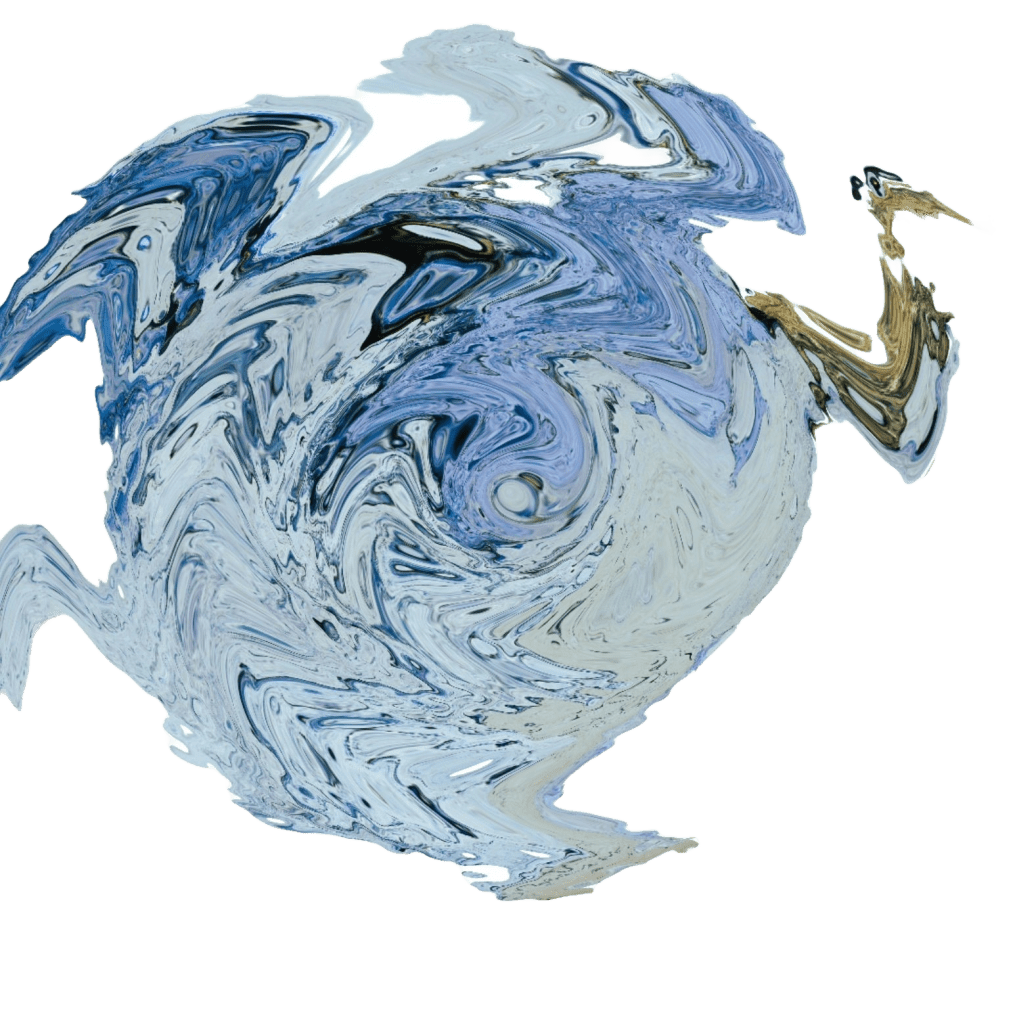
Original ImageEdited Monster Image
ADD COLOR
if you are confidant and feeling adventurous, then add color to the image click on the image
click on edit
click on the app ColorMix
click on the parakeet (2nd row, far right)
if you like the image, click on save
Monster image with different color.
Another example: Transforming a photograph using a funhouse technique.
Original Image edited monster image like mirror in fun house
DIRECTIONS
return to Liquify
Click on Melt (1st row, 2nd column)
set the melt options: melt amount .5 / melt scale .5
if you like the image, click save
I send you courage to make your own digital graphics monsters.
Yours Truly is:
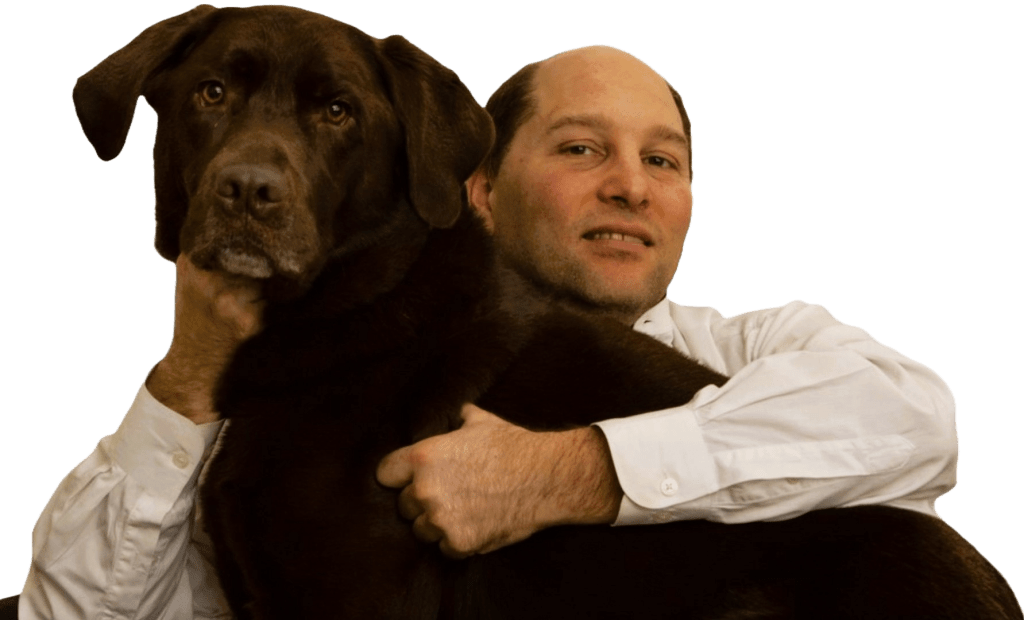
Robert Fleming, a contributing editor of Old Scratch Press
Poetry is an old art form dating back to ancient Greece. Why has it been with mankind so long? For one thing, writing and reading poetry is good for us. It allows us to manage our emotions which in today’s complicated and divided world can be an overwhelming task. During the recent pandemic many literary journals called for submissions about their experiences during the pandemic. Many poets answered the call, and no doubt felt better for it.
During the months of lockdown, people all over the world lost many things. We were suffering. Some of us lost loved ones, some of us were very ill ourselves. We all lost our normal sense of community, isolated as we were. Humans aren’t meant for isolation. Many people were lonely. Things we enjoyed such as travel, comradery in an office or school setting, had to be put on hold. Writing poetry and sharing poems created a bond among people when it was sorely needed.
As it turns out, poetry can be a powerful healer. Rhythmic language is soothing. Think of a lullaby. Poetry also helps us contemplate and reflect our lives back to us. Through poetry, we learn about different cultures and histories which helps us to stop focusing on ourselves and leads to a better understanding among peoples.
Through poetry we can stop to appreciate and experience what is beautiful in our world or share a poet’s experience with something we are also struggling with. This improves our mood. Poetry is often read to hospitalized children to reduce their fears and worries. Additionally, reading poetry out loud has been shown to slow breathing and help a person relax.
So, three cheers for all the healthy things poetry does for the human body and spirit. During the pandemic I remember reading this famous poem by Maggie Smith. It has stayed with me.
We learn from asking questions, and what better way to explore the craft of writing than through an engaging Q&A with an author! This month the author I’m interviewing is R. David Fulcher who happens to be a member of the Old Scratch Press Poetry and Short Form Collective.
R. David Fulcher is a talented author with multiple books to his name. His most recent work, a captivating short story collection titled THE PUMPKIN KING AND OTHER TALES OF TERROR, showcases his passion for storytelling. A writer of both poetry and prose, he deeply loves speculative fiction, particularly science fiction and horror. You can explore more of his work on his blog at Rdavidfulcher.com.
This is the perfect month—the season of ghosts and goblins—to delve into the exciting craft of writing horror. Most of my questions in this post will focus on the intriguing insights from THE PUMPKIN KING AND OTHER TALES OF TERROR. Let’s celebrate the art of writing together!
Q: Question
R: Response
R. David Fulcher
Q: As a writer, what is your primary goal when interacting with your readers?
R: As a horror writer, I have two primary goals: 1) Establish an “eerie” atmosphere; and 2) Elicit a physical response in the reader. Yes, I hope to stimulate the readers’ minds as well, but I primarily want to elicit fear – a racing pulse, the small hairs standing up on the back of your neck, a shiver in your spine – only good horror tales have this effect.
Q: Was there a specific moment you remember, perhaps an experience that spurred you on to want to write this particular book?
R: The Pumpkin King and Other Tales of Terror (and the follow-up volume “Asteroid 6 and Other Tales of Cosmic Horror”) is sort of a “greatest hits” collection of my short stories, so unlike a traditional novel the stories were developed over many years and inspired by many moments and experiences throughout my life.
To give a sense of the age of some of the stories, the title story “The Pumpkin King” first appeared in a small press magazine entitled Mausoleum back in 2001! Of course, all the stories have been heavily revised in the new book.
To provide an experience that spurred me to write a particular story, “Castle Marienburg” was inspired by a tour of that very castle during a visit to Germany in college.
Q: As both a horror writer and a poet, how has Edgar Allen Poe influenced your work?
R: In a way, Edgar Allen Poe led me to my genre. My high school English teacher taught a semester on Poe, and I was hooked. I started writing dark, gothic short stories that day after school and submitting them to small press magazines shortly thereafter.
Q: Writing poetry and writing prose, how has the two different types of genres influenced each other in your writing?
R: My love for both poetry and prose has caused me to experiment with inserting sequences of poetry into my fiction. Some examples of my stories that include embedded poems are “A Night Out with Mr. Bones”, “The Faerie Lights”, and “All Across the Mountain”.
Q: Did you work alone or did you rely on some feedback from others?
R: I initially write on my own, but I really enjoy it when people close to me review my work and give feedback on it. For example, my brother Dale helped proofread the manuscript for The Pumpkin King and Other Tales of Terror, and after reading my short story “Asteroid 6” my wife Lisa was really impressed with the tale, so I was inspired to title my second volume coming out this Fall as “Asteroid 6 and Other Tales of Cosmic Horror”.
Of course, my publishers David and Dianne are also tremendous editors and their feedback has been essential to my work.
Q:Do you imagine you are writing for a specific person or a certain audience?
R: No specific audience. I will say that my writing is almost always in the realm of the fantastic, so fans of my work must be able to “suspend their disbelief” and just go along for the ride, trusting me to take them to a magical, almost unbelievable ending, even if all the facts don’t line up with reality. I think fans of hard science-fiction (Isaac Asimov, etc.) will have a hard time enjoying my work.
Q: How do you approach revision?
R:This goes back to things I’d tell my former self. I used to put down the pen (yes, I write my stories out long-hand!) after a long, intense burst of writing (sometimes an entire story in a single sitting), push the manuscript back on the desk with a smile, and say “Perfect!”
I would then immediately submit the tale for publication, only to receive rejection after rejection, never understanding why.
I’ve finally learned that being a professional writer means spending almost twice the amount of time revising your work as you spent writing it in the first place. So I approach it like work. I allocate time for editing/proofreading, I set deadlines, and I hold myself to them. The difference between my original manuscript written after a burst of artistic inspiration and the manuscript after several rounds of revision is often night and day.
Q: If you could give advice to your younger self, what would you want to tell them?
R: I’d remind my younger self that the success of a book is up to me. I used to self-publish with AuthorHouse (formerly 1st Books) and believed that getting my book on Amazon and buying the publisher’s “marketing kit” would instantly propel me to fame and the bestseller’s list. I have learned the hard way over the years this is not the case. Publishing the book is just Step 1. The real work is in the marking and promotion.
Q: How did you find your publisher or did they find you?
R: David and Dianne of Devil’s Party Press (now Current Words Publishing) met at the Indie Lit Fest at Frostburg State University in Frostburg, MD. At the time they were accepting submissions for one of their Halloween Party anthologies and provided me with the information. I submitted and was accepted. The rest as they say is history!
Q: Do you have a specific horror story favorite you’ve read?
R: Several novels by modern horror writers have had a tremendous influence on my writing. They include “Something Wicked This Way Comes” by Ray Bradbury, “The Tommyknockers” by Stephen King, and “HIdeaway” by Dean Koontz.
In your own portfolio, a story you are particularly proud of?
R: I have a few favorites among my stories that don’t always correlate to fan favorites. The first is “Castle Marienburg”, which was originally titled “Eyes in the Night”. A horror editor in the small press called it one of the best horror stories he had ever read, which was very satisfying. Others include “Spectra’s Masterpiece”, a science fiction story about AI published back in the early 2000’s well before AI became a commonplace topic, and “The Land Spider” in the way that it incorporates native American mythology.
Q: Do you have a “day job” to help pay for your writing habit, and it so, has it impacted in any way your writing?
R: During my day job I work as an IT Contractor. My work with computers has spilled into my fiction with my stories “ELECTRIC”, where a boy becomes one with his home computer, and “The Witch Toaster,” where a group of programmers within an IT Department must battle supernatural forces.
Thank you for reading and visit the Old Scratch Press Website to learn more about our authors and upcoming publications.
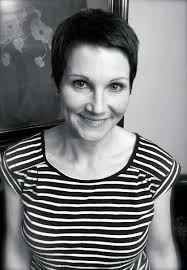
By Nadja Maril, a member of the Old Scratch Poetry and Short Form Collective
Note: Everyone who writes has a different approach. This is a repost of a blog I wrote several years ago for my Nadjamaril.com website and since then I’ve gotten a whole lot of stuff published so it could be that some of this works.
I just started listening to Chuck Palahniuk’s Consider This: Moments in My Writing Life After Which Everything Was Different for the second time. I wanted to remind myself again to put into practice some of many sage tips he gives to writers. Tips that include: use multiple points of view, active verbs, short sentences, and nonverbal communication to reduce dialogue.
Being read, being published is the end game, but it’s the act of writing which is for me most important. Before we write we read. It’s my love of reading that drew me to writing. What better charge is there than finding the perfect assemblage of words to create in someone else’s mind— a feeling, a scene, a story. I’m addicted.
This is why I write. It’s the creative process I become emerged in that has me hooked. It’s an art form that evolves. And I always want to improve my craft. This means I’m always challenging myself to try different approaches and learn from other writers.
Each writer has different visions of what they’re striving to convey, but for me I’m seeking to find new ways to describe a scene and the inner thoughts and motivations of my characters. I listen to books on tape and also like to read words on paper. Helpful are a number of books on my shelf. About fifteen years ago I picked up Steven King’s bible for writers, On Writing, published in 2000. I bought it on the remainder table for one dollar. I think initially “literary writers” were dubious that the king of pop fiction would have useful advice, but now in 2021 his book is a favorite. Open the book to the section entitled “Toolbox” and you’ll receive sound advice like, “Remember the basic rule of vocabulary is to use the first word that comes to your mind, if it is appropriate and colorful.” In his section entitled “On Writing” King explains that he gets his writing impetus not from imagining What if?. “ A strong enough situation renders the whole question of plot moot, which is fine with me. The most interesting situations can be expressed in the What-if question:
What is vampires invaded a small New England Village? ( Salem’s Lot)
What if a policeman in a remote Nevada town went berserk and started killing everyone in sight. (Desperation)
Both Palahniuk and King emphasize the importance of reading other writer’s work, one of the best books to guide you in this is Francine Prose’s Reading Like a Writer (2006). The book covers all the craft elements so important for all creative writers: close reading, words, sentences, paragraphs, narration, character, dialogue, details, and gestures. What is most invaluable, in addition to all the books she cites throughout the text, is the reading list at the end. Yes, we may all be readers, but it is important to seek out unfamiliar authors who are masters of their craft. Best sellers come and go. Books fall in and out of favor and an important authors are forgotten. While many of the authors and books on her list I was familiar with, I got introduced to Elizabeth Bowen, Henry Green and Denis Johnson (Yes, Denis Johnson who I selected for my in depth research MFA research project) thanks to Francine Prose.
Try not to repetitively read the same authors you like. Discover old and new talent.
I’ve got a number of books on writing in my library, John Gardner’s The Art of Fiction, Jon Franklin’s Writing for Story and The Half-known World on Writing Fiction by Robert Boswell, but it seems that all these books are written by men. As more women and people of color take leadership roles in publishing, perhaps we’ll see books on writing from a more diverse group of authors. Meanwhile I will close with talking about one more favorite book, number four on my list. I’ve read Unless It Moves the Human Heart by Roger Rosenblatt (2011) several times. Rosenblatt’s book shares the writing process from the teacher’s viewpoint as he interacts with his students at Stony Brook University. He taught classes in poetry, creative nonfiction, and fiction and what ensues is a thoughtful introspective dialogue that stimulates the reader to look at their own work with fresh eyes.
In closing I will repeat again for emphasis, read as well as write. You are never finished learning how to be a better writer. So what are you waiting for? Have you written, revised, and re-revised some stories today?
Follow Nadja Maril on {“X” at SN Maril or read one of her pieces at Nadjamaril.com. Check out Nadja’s soon to be released chapbook, RECIPES FROM MY GARDEN here. Don’t forget to submit your brief piece or poems on the theme “Holiday Noods” to be considered for publication in the Winter issue of Instant Noodles here.
Reprinted by permission from one of his blog posts available at Davidfulcher.com
When I was young, before I had written a word of fiction, I believed that all writers lived a glamorous life. Ernest Hemingway in particular seemed to embody this image – traveling on safari, sport fishing in the Gulf of Mexico, drinking whiskey as if he were a fish himself – doing almost everything except writing.
The writer Ernest Hemingway in his later years.
Now that I am older and wiser, I know that Hemingway wrote for hours each day, making him one of the more disciplined writers of his time. But the larger-than-life Hemingway was a more appealing character to imagine, and therefore the one my younger self gravitated towards.
So, I am writing this post to the new breed of writers out there to let them know some of the disciplines they will find useful in their writing lives, and leaving the catching of Marlins to Salt Water Sportsman Magazine.
Bait the hook and try to catch something big. It’s more difficult than you think.
What Writing is Really Like…Computer Programming
Computer Programming is all about language and syntax, and so is writing. I know something of this as programming is my day job. I have often spent hours debugging some code, only to find that a misplaced semi-colon or comma was the culprit. Writers also will find themselves laboring over the usage and placement of punctuation, understanding that punctuation in the wrong place can change the entire meaning of a sentence.
What Writing is Really Like…Project Management
Project Managers track task and project status, in addition to schedule, budget and other project elements. As your writing career grows, you will quickly find yourself in need of a spreadsheet, database or other tool to know what you’ve submitted where, when to send a query letter, relevant contact information for publishers and publications, etc. You will also need to track readings, book fairs, online interviews, etc. on your Outlook or Google calendar. These demands will intensify as your writing becomes a fulltime occupation, and as you began to spend more time collaborating with others.
What Writing is Really Like…Marketing Executive
While the big publishing houses have marketing resources of their own, new writers trying to make a name for themselves in small independent presses will find themselves on their own to promote their work. You will be faced with questions like which social media channels reach the biggest (or more importantly, the most relevant) reading audiences, and does it make sense to subscribe to marketing service to promote your books. Additional considerations involve creating your own author’s website and blog, all of which may require you to acquire new skill sets. Your ability to effectively promote your work becomes even more critical if your work is self-published.
What Writing is Really Like…Accountant
While writing is an art and not a science, sooner or later you will be focused with financial decisionsand issues related to your writing. These may be simple decisions such as whether to enter a writing contest that charges a fee, or whether to hire an independent designer to design your author’s web site. Other more complicated issues will involve reporting any book sale royalties on your income taxes or tracking the sales tax to be submitted from cash sales at a book fair. And when you’re finally ready to take the leap and go fulltime, the big financial question: how much will I have to make on my writing to make a living?
What Writing is Really Like…Lawyer
Finally, you will be faced with legal issues during your writing career. I’ll give you a real-life example. Unbeknownst to me, a designer at one of the publishing companies used an image on my book cover that was copyrighted. Several years later, I was contacted by the copyright holder demanding a correction, and I referred him to my publisher. The publisher finally admitted the mistake, and at their expense, corrected the cover. Other examples include understanding reprint rights for your previously published stories and interpreting contractual agreements with publishers when you begin to get your first professional sales of your stories and novels.
So, there you have it – instead of being glamorous, the above disciplines can be tedious, if not downright boring. However, these skills will propel your writing career much further than your ability to bait a hook.
You can read more of David Fulcher’s posts and learn about his books here.
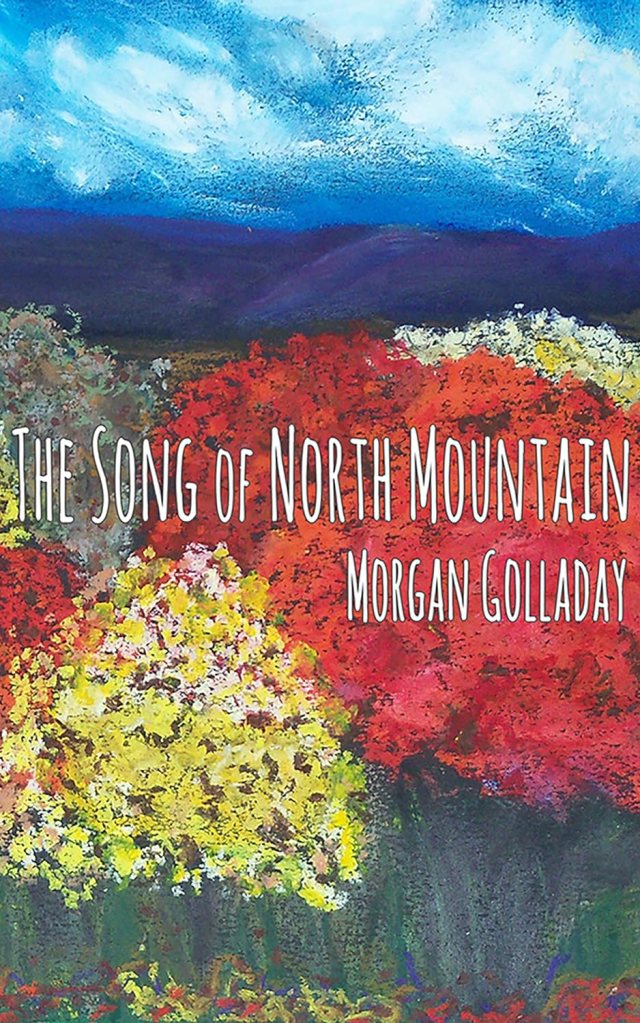
To learn more about the latest Old Scratch Press publications click here.The Song of North Mountain by prizewinning author Morgan Golladay is just one of several exciting new chapbooks! To learn more about Old Scratch Press and our poetry an short form collective follow us on WordPress at Oldscratchpress.comDav
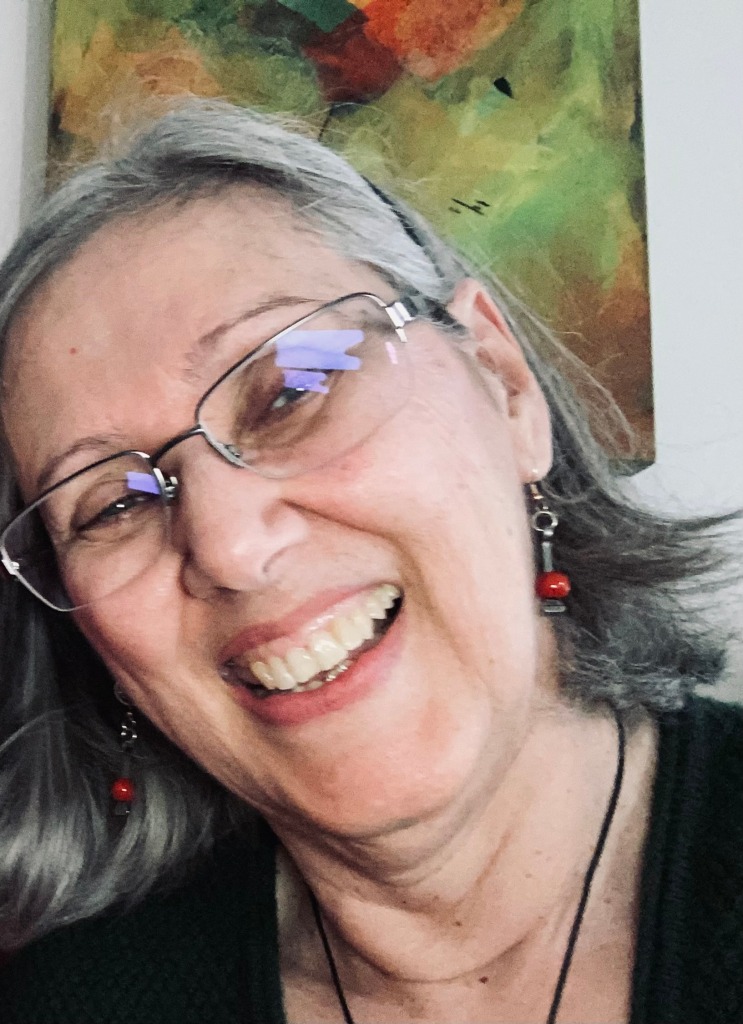
Causey Mansion in Milford Delaware is a beautiful spot to meet and greet poet/artist Morgan Golladay, author of the Song of North Mountain. Learn more about the historic mansion here. The event will be held in the gardens from 1-3 p.m.. Purchase your copies in advance online or purchase one at the event. Either way, Morgan will be there to autograph! The location is 2 Causey Avenue, Milford Delaware 19463
Editorial praise is just beginning. Here are a few samples:
“Sometimes stark, but always beautiful, these free verse celebrations of North Mountain introduce a seasonal sense of environmental transitions to the observer and reader’s eye, with time’s passage changing everything and nothing…Aside from a personal visit to North Mountain, there is no better way of appreciating its beauty, impact, and presence over the eons than through The Song of North Mountain.” MIDWEST BOOK REVIEW
This book is a praise-song of poetry and art for Golladay’s beloved mountains. With an eye for detail and ease of language, her poems revere and embrace the elements and seasons of nature. Accompanying her poetry, her art further conjures the scenes we are taken to. From Vincents Wood to the Devils Throne, the writer takes us along, like all good poetry, until we feel as if we, too, have been there. I think I’d do well to heed what the writer says: Look too soon and you miss the mystery
Morgan Golladay’s The Song of North Mountain is a wonderful love song to where she grew up, “to the hills, rivers, and ridges of the Shenandoah Valley of Virginia.” And Golladay is the perfect guide for this voyage, perceptive, kind, and empathic. I urge you to purchase her fine book that also contains her own fine original artwork: sit back in a comfortable chair and travel with her to this most beautiful part of our country. As Golladay invites the reader to accompany her and writes in “Back in the Woods” (p. 69),
I experienced the magic and awe of a creation larger than I could imagine.
“Rest with us,” whispered the granite. “Breathe with us,” crooned the breeze. “Stay with us,” encouraged the trees.
Learn more about Morgan and her poetry here. And don’t forget to follow Old Scratch Press on Facebook. Thank you for reading.
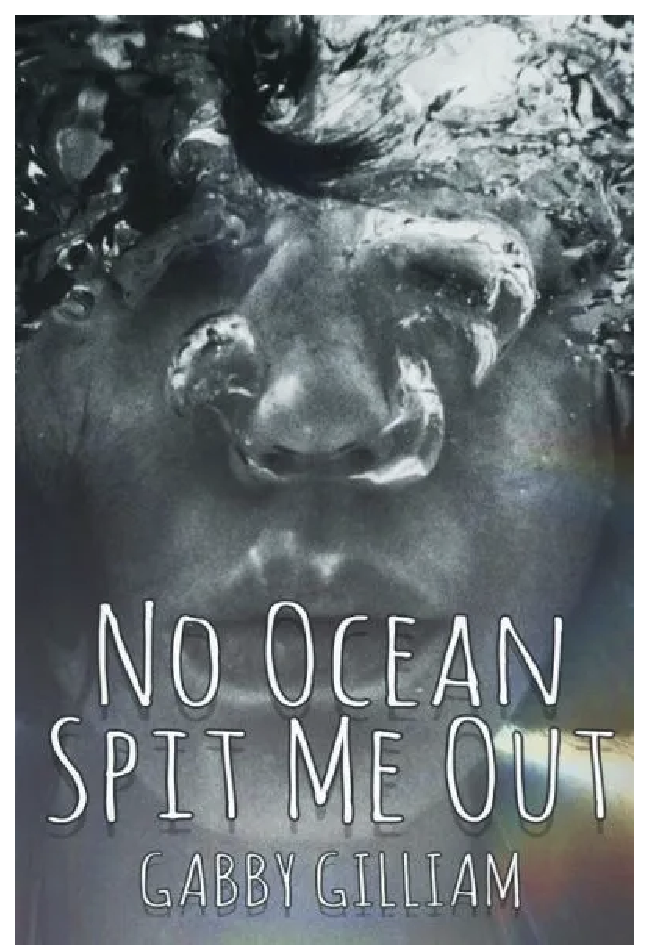
No Ocean Spit Me Out. Gabby Gilliam’s first chapbook of poems, published by Old Scratch Press, is now available for purchase. Shipments will begin on September 15th. Recently I had the opportunity to ask Gabby a few questions about her work and her newest book.
The poems in Gabby Gilliam’s new book, No Ocean Spit Me Out, explore the dynamics and evolution of family relationships.
A live reading zoom event is coming up, JUNE 15tth and you can register to hear Gabby read from her new book as well as hear poets Alan Bern and Robert Fleming read from their work as well. To register click here.
What do you like best about writing poetry?
I love that you can use poetry to describe things in new ways––to make the familiar fresh and universal at the same time. It’s one of the things I like best about reading poetry as well.
Which is your favorite poem in this collection and why?
I think my favorite poem might be the one that gives the book its title, No Ocean Spit Me Out. It’s a tribute to my dad. In this poem, I compare my dad to the god Zeus, and Zeus fails to measure up. Since my dad passed away, most of my poems about him are darker and focus more on my grief. I like this poem because it focuses on some of the things that made me love him so much.
What would you like readers to know about you in connection to your work?
Many of my poems focus on aspects of family connection. From dealing with addiction to witnessing my dad’s complicated relationship with his faith (which had an influence on my own struggle with religion and faith), the poems in this collection are a collage of my childhood and gradual self-acceptance. I hope readers can connect with my personal experiences by reflecting on the nuances of their own familial relationships and the impact they have on shaping our identities. I think the power of shared experiences is what make poetry so resonant, and I hope readers find that within the pages of this collection.
More about Gabby
Fellow collective member Gabby Gilliam is a writer, an aspiring teacher, and a mom. Gabby’s poetry has appeared in One Art, Anti-Heroin Chic, Plant-Human Quarterly, The Ekphrastic Review, Vermillion, Deep Overstock, and Spank the Carp.
Not only is she a poet, but Gabby pens the Drumming for the Cure series of novels. Two thus far, Trouble in Tomsk and Chasing the Cure have been published by Black Hare Press. She lives in the DC metro area with her husband and son.
To purchase your own copy of No Ocean Spit Me Out, click here. Please remember to leave a review if you like it because customer rankings count. And please follow Old Scratch Press on Facebook.
Five major publishing companies pretty much cover the market for books. But it’s the indies that take more risks on new authors, like me and my fellow writers at Old Scratch Press (an imprint of Current Word Publishing {CWP}). We write because we have something to say, not necessarily for fame and fortune (although that certainly wouldn’t hurt).
If you find a book you like, ESPECIALLY if it’s from an indie publisher, give it a review on whatever national website for books that comes up. Just that small bit of verbal support that says “I like this book” means a great deal to the writer, and the publisher. And it doesn’t have to be my book (but it’d be great if it were!).
So let me tell you about my book. There are fifty-five poems, 8 black and white full-page sketches, several smaller sketches, and other material in the book. They are all original I hope you’ll buy it, either in Kindle or print form.
Hot Off the Press: The Song of North Mountain an Amazon Top 100 Bestseller 8/17/24
For those of you who don’t know me, there are a few things that are important. I am 77, and I have retired from two jobs. I started publishing only in late 2019, and this truly is my Very First Book that is by myveryownself. At times I feel like it’s awfully late to start a new career, but then again.
I live in a community where many people move to when they downsize into their own retirements. THIS part is important: there’s no reason to stop just because we’re retired, or older, or more physically limited than we were when we were 35. We still have the ability to create, whether with words, paint and brush, whisks and casserole dishes, pottery wheels, or needle and thread. There really is nothing we can’t do, just some things we may not do as well as when we were younger (like blacksmithing, or crawling under vehicles).
Available here for pre-order on Kindle with delivery May 1st, I hope you like The Song of North Mountain. https://www.amazon.com/dp/B0D1P64FHC soon to be available in softbound print as well.
April is almost here, time for National Poetry Month, an entire month to celebrate poetry. Do you have a favorite poem or poet? Let us know and we’ll try to post a story about the poet or the poem on the Old Scratch Press website.
National Poetry Month was launched in 1996 by the Academy of American Poets as a way to promote educational events that encourage students to interact with poets and poetry.
One of these programs sponsored by the Academy of American Poets is called Dear Poet. Designed for students in grades five through twelve, participating students can write letters in response to poems this year ( 2024) read online by Patricia Smith, Ed Roberston, Mara Pastor, John James, Nikky Finney, Nicole Cecillia Delgado, Marilyn Chin, and Chen Chen.The submission period for Dear Poet 2024 is now open until April 22,2024.
If asked, who is my favorite poet it really very much depends on the time of year, time of day, and my mood because I was lucky to have grown up in a household filled with poetry books.
My mom was an English major and she enjoyed reading me her favorites. At a young age I listened to Gerald Manley Hopkins, T.S. Elliot, Robert Frost and Emily DIckinson.
Children love repetition, and when they discover a favorite story they like to have it read to them over and over again. Many Many times I’d ask to be read my two favorite poetry books in pre-school: A.A. Milne’s When We Were Very Young and Robert Louis Stevenson’s, A Child’s Garden of Verses.
I remember reading to myself “The Swing” at age eight.
I found all the poems in When We Were Very Young to be irresistible, but my constant favorite was the one about that difficult girl named Mary Jane.
Rice Pudding
By A.A. Milne ( 1882-1956)
What is the matter with Mary Jane? She’s crying with all her might and main, And she won’t eat her dinner – rice pudding again – What is the matter with Mary Jane?
What is the matter with Mary Jane? I’ve promised her dolls and a daisy-chain, And a book about animals – all in vain – What is the matter with Mary Jane?
What is the matter with Mary Jane? She’s perfectly well, and she hasn’t a pain; But, look at her, now she’s beginning again! – What is the matter with Mary Jane?
What is the matter with Mary Jane? I’ve promised her sweets and a ride in the train, And I’ve begged her to stop for a bit and explain – What is the matter with Mary Jane?
What is the matter with Mary Jane? She’s perfectly well and she hasn’t a pain, And it’s lovely rice pudding for dinner again! What is the matter with Mary Jane?
If you have school children, don’t forget to check out all the poetry programs this month and whatever your age make a point of reading a poem a day. The Old Scratch Press is trying to make new poetry more available by publishing several chapbooks each year, so check out what’s in our catalogue and what is about to be released by following us here as well as following our Facebook page.Thank you for reading.
Old Scratch Press is pleased to announce the upcoming release of The Song of North Mountain, by Morgan Golladay. Slated for May release, the book includes original artwork by the author to accompany her poems. The collection is now available for pre-order.
Founded in 2023, Old Scratch Press is a cooperative of poets and short-form authors who have come together to promote the publication and appreciation of poetry and short-form writing. The Song of North Mountain will be the third chapbook, published by the small independent press.
Break in the Field by Ellis Elliot was their first book, nominated for the National Book Award, followed by avante-garde wordsmith and artist Robert Fleming’s poetry collection, White Noir.
The Song of North Mountain, says Morgan, “is about my relationship with this Earth, focusing on one small mountain in one small chain, in one small part of this vast world.
This book is about a connection – my personal experience sitting in stillness on this mountain, as well as many other mountains. North Mountain is, for me, a symbol of my relationship with this Earth. The permanence of the land, regardless of how it changes; the cycles of life, the quiet continuation of change. It has been a long time since I personally was able to sit quietly and listen to the tree branches and leaves speak to each other. I cannot scale the trails as I once did. But the magic of place is still in my memory, whether it’s the rocks in the rivers, the trails on the mountain tops, or the joy of sharing ripe wild berries.
“…my personal experience sitting in stillness on this mountain, as well as many other mountains. North Mountain is, for me, a symbol of my relationship with this Earth.”
Morgan Golladay
The cover design, an original painting, and the 10 black and white interior illustrations were created specifically for the book. Pre-order availability on Amazon and on the Old Scratch catalogue page will be coming soon.
To keep up with the latest news, please follow our blog here for free and also follow us on Facebook. Later this year look for more chapbooks penned by Gabby Gilliam, Alan Bern, and Nadja Maril. Thank you for reading. Special note: the deadline for Instant Noodles LIterary Magazine submissions has been extended to the end of the month.















 OLD SCRATCH PRESS