A Poem Through the Ages

My grandfather was a schoolteacher, a school principal, and a child psychologist. He was an advocate for the idea that children should memorize poems. I believe he thought it would improve language skills, help with understanding rhythm in speech, and show children the joy of becoming emotionally attached to words and stories. There were five grandchildren. I was the youngest. I didn’t really want to memorize a poem. I remember it was summertime, and it felt too much like schoolwork, but I did. I chose the poem “Wynken, Blynken, and Nod” published in 1889 by Eugene Field. The original title of the poem was “Dutch Lullaby.” Field was known for his humorous newspaper columns and light verse for children. When I look back over my lifetime, I think my grandfather was onto something.

 The poem is a charming, soothing rhyme about three children who go on a journey. They sail on a “river of crystal light” and “into a sea of dew.” They fish for stars and the moon sings to them, encouraging them as a friend and companion. Later, it becomes clear that the story is really about one child, his eyes are Wynken and Blynken, and his head is Nod. His mother is singing to him in his trundle bed of the, “…wonderful sights he’ll see.” 

 The poem was written at a time when people were fascinated with dreams. While it describes sleep, and falling asleep, and dreaming, it’s also about what you can do with your own imagination. It’s a lesson in fantasy. I have recited the poem in my head many times in my lifetime. I recited it to my children at bedtime. Like any good lullaby, it has comforted me and reminded me of hope, beauty, magic and that dreams can still come true. It is a piece of work that makes me feel safe. It has been my trusty companion. So perhaps it is true that all children should memorize at least one poem. I am not the only one who fell in love with “Wynken, Blynken and Nod” and stayed that way. Mankind in general has. It was made into a song in 1890 by Ethelbert Woodbridge. It was recorded as a song again in 1930 and later by the Doobie Brothers. The song was also performed on the television shows Barney & Friends and Sesame Street. In 1938, Walt Disney released an adorable cartoon on the poem featuring three pajama-wearing children. (You can watch this below.)  In 1993, Mrs. Wilson recited the poem to Dennis in the movie Dennis the Menace. The poem is in the public domain and available to read from numerous sources, but here is the text:

Wynken, Blynken, and Nod one night
Sailed off in a wooden shoe—
Sailed on a river of crystal light,
Into a sea of dew.
'Where are you going, and what do you wish?'
The old moon asked the three.
'We have come to fish for the herring-fish
That live in this beautiful sea;
Nets of silver and gold have we!'
Said Wynken,
Blynken,
And Nod.

The old moon laughed and sang a song,
As they rocked in the wooden shoe,
And the wind that sped them all night long
Ruffled the waves of dew.
The little stars were the herring fish
That lived in the beautiful sea–
'Now cast your nets wherever you wish—
Never afeard are we';
So cried the stars to the fishermen three:
Wynken,
Blynken,
And Nod.

All night long their nets they threw
To the stars in the twinkling foam—
Then down from the skies came the wooden shoe,
Bringing the fishermen home;
'Twas all so pretty a sail it seemed
As if it could not be,
And some folk thought ’twas a dream they’d dreamed
Of sailing that beautiful sea–
But I shall name you the fishermen three:
Wynken,
Blynken,
And Nod.

Wynken and Blynken are two little eyes,
And Nod is a little head,
And the wooden shoe that sailed the skies
Is the wee one’s trundle-bed.
So shut your eyes while mother sings
Of wonderful sights that be,
And you shall see the beautiful things
As you rock in the misty sea,
Where the old shoe rocked the fishermen three:
Wynken,
Blynken,
And Nod.

May you find it soothes you to sleep too!
Sweet dreams!

Virginia Watts is the author of poetry and stories found in The MacGuffin, Epiphany, CRAFT, The Florida Review, Reed Magazine, Pithead Chapel, Eclectica Magazine among others. She has been nominated four times for a Pushcart Prize. Her debut short story collection Echoes from the Hocker House was short listed for 2024 Eric Hoffer Grand Prize, selected as one of the Best Indie Books of 2023 by Kirkus Book Reviews, and won third place in the 2024 Feathered Quill Book Awards. Please visit her.

Virginia’s new book is now available from Old Scratch Press:

Her prior poetry chapbooks Shot Full of Holes and The Werewolves of Elk Creek 
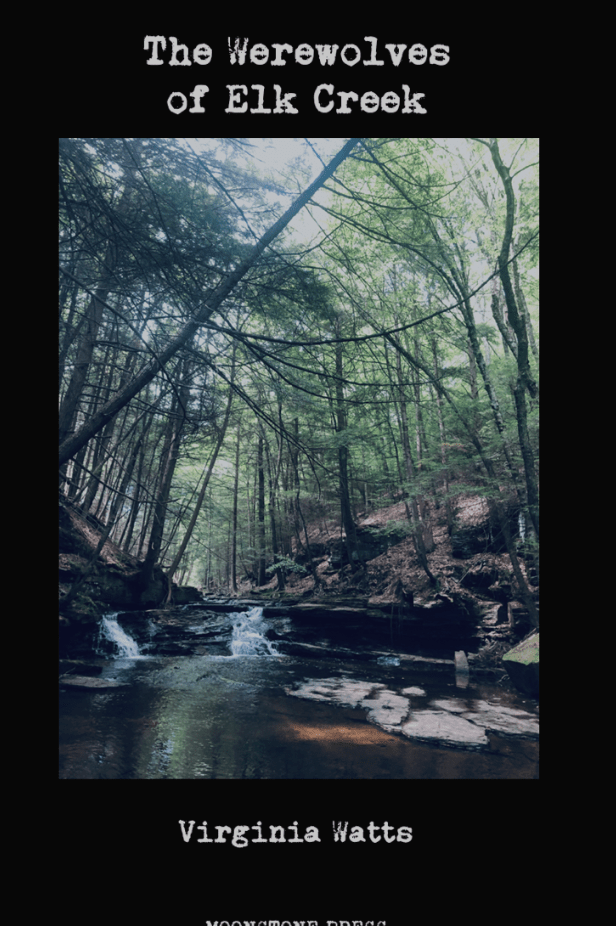
 are available from Moonstone Press. And her debut short story collection Echoes from the Hocker House is not to be missed!

Hello, Writers Voice, Are You in There?

            It’s one of those catch phrases you hear in literary circles. I really like the voice in this piece. You write with a confident voice. This is written in a voice that reminds me of J. K. Rowling. So, what does it mean, really, to have a writer’s voice, and what if you don’t have one or you can’t find yours. Writing for as long as I have, what follows is my personal take on the complicated and mysterious concept of writer’s voice.

            At first, you won’t know what your voice is, but you do have a voice. We all do. No one is like you. No one has lived your life experiences. No one aligns exactly with your values, world view, or beliefs. Every reader know what it feels like to read someone who is confident in their own writing. A writer who is genuinely themselves in every paragraph. This is voice. Think Rowling. Think Stephen King. Think Tracy Chevalier. We all begin as readers in life, but then most successful writers go further and begin taking classes and workshops where they study how others have done this thing called writing. At first, when we write, we may be copying what others have done already to some extent, but that is okay. It’s only how this process starts. We learn by those who have come before us, as they did when they started writing.

            So how do you find and hone your own voice as a writer, once you have learned some practical elements and lessons about the craft of writing. First of all, this is a lifelong process. A writer’s voice changes some over the years as we age and life adds new experiences, but a writer’s basic voice never changes. The only way to find your voice is to write. To practice. Only by writing a lot can you learn who you are. 

The critical part where you will begin to uncover your voice is during the first rough draft, because a writer’s voice is not created, it is unearthed. The trick with fresh writing is to let the voice take over. Don’t overthink while you write. Try not to look back or think ahead. Let each word come one at a time. Trust your gut and your heart, not your head. When it feels right, it is right. Don’t smother your own creativity by evaluating the flow of words during the first draft. 

            Another element of finding and flying with your own voice is what you choose to write about, and I see this as two separate issues. First, write what you know as a general rule. I don’t mean that you can’t invent things or make up characters or whole worlds, but in all great writing the writer still writes from what they know and understand about life and living. The second element is equally important. Write what you want to write about, even if it seems silly or too out there or too boring or too anything. Don’t ever write what you think you should write about or what you think will get published.

Early on in my writing career I attended a workshop where I submitted a story written in a child’s point of view. The instructor basically said that no one should ever write short stories in a child’s point of view, because no one will want to read them. I was devastated and confused. I liked the story. I believed in it. I kept that story and years later, when I had become more confident as a writer, I went back to it, fixed it up, send it out, and it was published in journal within a few months. While we should take advice and critique seriously, we shouldn’t take it if our heart and gut don’t agree. This sometimes takes courage, but if I can do it, you can too.

Another example of being yourself involves not chasing trends. Some years back it was popular to end short stories with everything up in the air. The idea was for the reader to figure out what they thought the ending was. That never set well with me, but I got caught up in the trend and wrote some stories that way. They didn’t succeed, because I wasn’t being true and honest with voice. I was shoving down my voice, my gut and heart, doing something because I thought I should. I learned my lesson. 

When you start writing you should be patient with yourself and give yourself time to find your own unique voice as a writer. I promise it is inside of you waiting to be found. Once you are more confident about your voice it is important to take yourself out of your comfort zone from time to time. I did this by changing what I wrote. First, I settled into nonfiction. As I learned more about myself, I added poetry and then fiction. In recent years, I have expanded to some science fiction and short stories with fantasy elements. So, keep reading always and write and write and write and write and above all, at the end of the day, trust yourself first above all others when it comes to what your voice is as a writer. Happy writing! 

Virginia Watts is the author of poetry and stories found in The MacGuffin, Epiphany, CRAFT, The Florida Review, Reed Magazine, Pithead Chapel, Eclectica Magazine among others. She has been nominated four times for a Pushcart Prize. Her debut short story collection Echoes from the Hocker House was short listed for 2024 Eric Hoffer Grand Prize, selected as one of the Best Indie Books of 2023 by Kirkus Book Reviews, and won third place in the 2024 Feathered Quill Book Awards. Please visit her.

Virginia’s new book is now available from Old Scratch Press:

Her prior poetry chapbooks Shot Full of Holes and The Werewolves of Elk Creek 

 are available from Moonstone Press. And her debut short story collection Echoes from the Hocker House is not to be missed!
In October OSP will present a live reading with Virginia, Anthony Doyle, and Alan Bern. Find more information here.

Steps Toward Your First Acceptance in a Literary Journal

Steps Toward Your First Acceptance in a Literary Journal

To my fellow writers out there, I began submitting prose and eventually poetry to literary magazines in 2014. Since that time, I have been published over a hundred times. How did I do it? I learned the ropes and never gave up. More importantly, I never wrote for the purpose of being published. It’s an honor, a wonderful feeling, to have a piece accepted, but in the end of the day, the real joy for me as it is for most writers, is the creative process. Publishing is a very small piece of this magical puzzle. Even so, as writers, most of us would like our work to be read so here are some tips I learned along the way.

  1. Present your best work always. If you have written something, set it aside for some time and return to it later for perspective. ALWAYS have feedback through a professional writing group. One or two friends reading your work will not do. You need professional critique and then you must listen and learn to edit accordingly. None of us can judge our own writing. We simply cannot. Don’t let your ego get in the way of your success.
  2. Prepare a third-person biography. Include information like your location, your publications if you have some, your social media handles and website. If you have not been published, simply say nothing about that or mention that this would be a debut publication. Don’t try to be funny or clever. Be professional.
  3. Prepare a cover letter and keep it simple and professional as well. Address the editor by name if you can. Start with something like: I appreciate the opportunity to submit my fiction story titled “Wind Warp” of 4900 words. Follow with your biography. End by thanking the editor for considering your work. That’s it.
  4. Make a list of journals where your work appears to be a fit as you prepare to submit your work. This will mean reading some of the work the journals have accepted in the past. Lucky for us, many journals are online now or have some excerpts online. Consult resources by Erika Krouse or Clifford Garstang for a ranking of literary journals. 
  5. At first, I tried to select mostly smaller, well-respected journals for the bulk of my submissions. Once I got some traction, I aimed higher. If you can find a local journal that limits submissions to local writers, even better.  One example of this is Philadelphia Stories, a journal that only publishes writers who are living in or originally from Pennsylvania, Delaware or New Jersey. A smaller pool helps your odds. There is nothing wrong with submitting to a new journal either. In fact, I recommend it. New journals need our support.
  6. I would send a piece to at least twenty journals to start with and see how it goes. 
  7. Use standard manuscript format 12-point font Times New Roman. Double Space prose. Single Space poetry. And don’t forget page numbers. 
  8. Be encouraged if editors write you a personal note about enjoying your work even though it was not accepted or asking you to submit more work in the future or telling you that you made it to the final cut. All of these are a very big deal so be happy!
  9. You will receive a lot of rejections. I submitted for about a year and a half before I received my first acceptance. Since then, I have had times where I have been “hot” and times of drought. Don’t give up and don’t get discouraged. There are many reasons a piece is not chosen that have nothing to do with the quality of the writing. You get used to the rejections. Promise me. The way I look at it is this writing that I am submitting is what I have to offer. I’ve got nothing else! This is me. I write what comes to me and what I want to write about. Above all, I just hope to tell a good story. I give every poem or story my all. There have been stories that I never placed, and I am okay with that. Some of these did get out in the world in later collections of mine alongside published stories. Be true to yourself and what your heart wants to write about and you will be fine.
  10. Do not follow up with inquiries about your work after it is submitted. If you don’t hear anything for a year, consider the piece unaccepted and move on.
  11. Make sure you keep a list of all the places you submit a piece so when you do have an acceptance, you can quickly withdraw it from other journals considering your piece.  
  12. Remember too that when submitting to always follow the guidelines such as whether the journal wants to read blind or not. 
  13. Set up a Submittable account because most journals use that now for submissions although some still have their own Submission System or they accept submissions via email only.
  14. Another good idea is to go out for dinner and some glasses of wine with fellow writers submitting their work to share your experiences. Laughter is the best medicine, and you can learn from each other. 
  15. I wish all of you the very best in your writing journey!

Virginia Watts is the author of poetry and stories found in The MacGuffin, Epiphany, CRAFT, The Florida Review, Reed Magazine, Pithead Chapel, Eclectica Magazine among others. She has been nominated four times for a Pushcart Prize. Her debut short story collection Echoes from the Hocker House was short listed for 2024 Eric Hoffer Grand Prize, selected as one of the Best Indie Books of 2023 by Kirkus Book Reviews, and won third place in the 2024 Feathered Quill Book Awards. Please visit her.

Virginia’s new book is now available from Old Scratch Press:

Her prior poetry chapbooks Shot Full of Holes and The Werewolves of Elk Creek 

 are available from Moonstone Press. And her debut short story collection Echoes from the Hocker House is not to be missed!

In October OSP will present a live reading with Virginia, Anthony Doyle, and Alan Bern. Find more information here.

And it’s not too late to get into the last Instant Noodles issue for 2025!

Look Over Here!

Sitting on a bench sharing a coffee with old friends in a little northern Pennsylvania village, I saw it for myself. How much poetry in public places matters, even there, in remote mountains, where only about a hundred people reside year-round. Dangling from the willing arms of trees, laminated cards with phrases from poems or short poems that captivated both young and old. Children read them to each other aloud. Adults stopped on their morning walk to pause, read, reflect, nod, sigh or smile. Even some hard to please teenagers stopped their bike tires to read. What I didn’t expect to feel is how much it meant to them and to me. Poetry matters, folks. It matters big time. All writing matters. The Arts make all the difference in the world. 

            This little town is reflecting other larger movements to display poetry in outdoor places from around the world. Many people have heard of the Poetry in Motion initiative launched 1992 by the NYC Metropolitan Transportation Authority and the Poetry Society of America to bring poetry to millions of harried and stressed commuters. Poetry was displayed is subway cars and digital screens in stations. Each poem was accompanied by artwork. By 2002, 150 poems had been shared from all over the world, spanning the centuries. The poems reached out and met people in their own busy lives and enriched them. Readers reported looking forward to a new poem. They would snap pictures and send them to their friends. The world was different, changed and better.

            The Poetry in Motion Initiative was relaunched in 2012 under MTA Arts and Design. You can visit their website to read poems and learn of upcoming programs. Over 30 other US cities launched similar initiatives in the wake of Poetry in Motion including Philadelphia, LA, Nashville, San Francisco and Providence. Public poetry has popped up in many other places such as cafes, libraries, playgrounds and picnic tables in seven national parks thanks to Ada Limon our 24th Poet Laureate who championed the idea of transforming picnic tables into public art by including a historic poem with some connection to the park. 

            There is also a Facebook page “The Poetry in Public Places Project” that encourages everyone, you and me, to display poetry outdoors. You can visit this page to enjoy creative and inspiring ideas. For example, from Hoboken, NJ, a photo of a box of poetry where people are invited to TAKE ONE, yard signs from the Mercer County Library System, a poem painted on a breakwater in Milwaukee. 

             I wondered what poems went first in the NYC Poetry in Motion. There were four of them. “Crossing Brooklyn Ferry” by Walt Whitman, “When You Are Old” by William Butler Yeats, “Let There Be New Flowering” by Lucille Clinton and one of my favorites. Enjoy this poem and cheers to more poetry in the open air and hope!

—Ginny


“Hope” is the thing with feathers

“Hope” is the thing with feathers –
That perches in the soul –
And sings the tune without the words –
And never stops – at all –
And sweetest – in the Gale – is heard –
And sore must be the storm –
That could abash the little Bird
That kept so many warm –
I’ve heard it in the chillest land –
And on the strangest Sea –
Yet – never – in Extremity,
It asked a crumb – of me.

                                                                Emily Dickinson


If the New York Subway System asked you for a poem, what would you write?


Virginia Watts has been fortunate to have published nearly 100 pieces in literary magazines including CRAFT, The Florida Review, Reed Magazine, Pithead Chapel, Permafrost Magazine, Broadkill Review, Two Thirds North, Hawaii Pacific Review, Sky Island Journal, Eastern Iowa Review, Evening Star Review and Streetlight Magazine. Nominated four times for a Pushcart Prize and four times for Best of the Net, in 2019, Watts won The Florida Review Meek Award in nonfiction.

Virginia’s new book is now available from Old Scratch Press:

Her prior poetry chapbooks Shot Full of Holes and The Werewolves of Elk Creek 

 are available from Moonstone Press. And her debut short story collection Echoes from the Hocker House is not to be missed!

Submitters Beware

There has been much in the news within literary circles lately about literary journals with questionable practices, mostly focused upon submission fees and how these fees are used. No one should question the idea that it is expensive to run a literary magazine with such costs as editing and overhead, and most importantly, not everything about submission fees should be seen as negative. It is possible that when writers must pay a nominal fee to submit their work to literary magazines, they may be inspired to submit a more edited and stronger piece. However, it’s one thing to pay $3.00 to one journal to submit but let’s face it, most writers must submit the same piece to many magazines if they want to increase their chance of having it published. This is why submission fees can really add up. There is also the idea that if submission fees are charged, less submissions will come in and this will lead to faster publication decisions by editors. Like it or not, it does seem that submission fees are here to stay. If we accept that fact, then we must understand some realities about submission fees.

I am not going to name names here, but some well know literary journals have been engaging in practices that are shameful. It’s hard enough and expensive enough to be a writer trying to get work published in literary journals without these bad actors but, unfortunately, they do exist. One well known journal accepted submissions and charged for over a year but had already stopped reading and publishing new word. They later folded and changed their name. I have personally submitted to journals several times only to realize they had gone defunct. I was never able to get my submission fees back. Recently, several well-known journals held contests, charged the high submission fees customary in literary contests, and never announced any winners. Suffice it to say that just because something calls itself a literary journal doesn’t mean it should. 

So, what is a writer to do? How can we protect ourselves from unethical practices and scam journals? Here are some practical ideas to consider.

  1. Is the journal listed on reputable databases such as Poets and Writers, Submittable, NewPages.com, Clifford Gastang Literary Magazine Rankings, MLA International Bibliography, JSTOR
  2. Is the journal’s website polished, free of grammatical and spelling errors. Is it easy to navigate? Does is look professional? A poor website design might be a cause for concern.
  3. Do their publication terms comply with normal industry standards. Publication guidelines should always be clear and concise and include all requirements such as formatting parameters. 
  4. Be very concerned if a journal is asking for all rights to your work. They should be asking only for first serial rights. 
  5. RED FLAG: Is their submission fee unreasonably high? Are they charging $15.00 as an example when most journals are at $3.00. This should worry you.
  6. Do they explain why they are charging a submission fee of any amount?
  7. If they do charge submissions fees, do they also have yearly contests where they offer a monetary prize?
  8. It should never be difficult to find contact information on the journal’s website, and there should be some explanation of who the editors are and what their editorial process is. A journal should have a physical address and an email address.
  9. Look at their publication history. Have they been publishing consistently? Can you purchase copies of the journal on their website? Look at the most recent issue. Look at the quality.
  10. If the journal has a blog on their website, is it being maintained? 
  11. Does the journal submit work to contests such as Pushcart Prize or/and O. Henry Awards?
  12. Do they have a social media presence such as Facebook where they regularly promote the work they publish?
  13. Be aware of any unrealistic or boastful claims about readership. 
  14. If you are submitting to a contest, look to see if the list of winners from last year’s contest is listed on the journal’s website. It should be.
  15. Be aware if a journal repeatedly pushes back contest deadlines. 

I have been submitting to literary journals for many years and have been lucky to have some level of success. Be aware of where you are sending your writing, but don’t let a few bad apples dissuade you from submitting to literary journals!!! The overwhelming majority are ethical to a fault and the writing world would be lost without literary journals. They are an invaluable part of our art form. I read literary journals, subscribe to them, admire them immensely and thank them for all the wonderful writing they bring to the world. So, happy submitting to my fellow writers and the best of luck to you all!

~Ginny

Virginia Watts has been fortunate to have published nearly 100 pieces in literary magazines including CRAFT, The Florida Review, Reed Magazine, Pithead Chapel, Permafrost Magazine, Broadkill Review, Two Thirds North, Hawaii Pacific Review, Sky Island Journal, Eastern Iowa Review, Evening Star Review and Streetlight Magazine. Nominated four times for a Pushcart Prize and four times for Best of the Net, in 2019, Watts won The Florida Review Meek Award in nonfiction.

Virginia’s new book is now available from Old Scratch Press:

Her prior poetry chapbooks Shot Full of Holes and The Werewolves of Elk Creek 

 are available from Moonstone Press. And her debut short story collection Echoes from the Hocker House is not to be missed!

How to Get the Most Out of Critique Groups

I have participated in quite a few of writing critique groups for many years now, and I can say that the feedback I have received from fellow writers has been critical to my success in publishing my work. It is true that if you remain with the same group over an extended period, there will be certain people that you will agree with more than others for suggestions for editing your work. There is nothing wrong with that. After all, everyone has different tastes and preferences. That being said, it is important to read and consider all comments you receive. Here are a few tips to guide you in getting the most from the process of critique. 

  1. Decide what you are honestly looking for before you submit a manuscript. If you just want to know if the story is worth working on at all, then submitting a very rough draft might make sense but I never do that. My approach is to put in all the time necessary to complete a short story or poem and make it the best I can. This means, for me, several months of writing and many edits. I probably edit a piece fifty times or more before I feel I have done all that I can for it. I prefer to circulate what I believe is “a finished story.” 
  • During the critique, just sit quietly and listen. In the groups I attend, I will receive written comment, so I don’t have to write notes during the oral critique. You can learn a lot by listening to colleagues discuss and debates questions or concerns they may have about your writing. Above all, don’t say anything as the writer. You aren’t there to explain your work and above all, you are not there to defend it. You don’t want people to feel that they cannot give you honest and open feedback. That’s what you are there for and as writers, that is what we all need. 
  • Try not to feel hurt about “negative” comments about your writing. At first, for most writers, we do feel hurt but in time, this goes away as you realize that critique is an honest exchange of creative suggestions meant only to help you decide what final edits you wish to make. We cannot read our own work in a way that will make it the best it can be. We don’t have the distance to be able to do this. In short, we need each other. Of course, the critique should be done in a constructive, professional way. I have always had good group leaders who have insisted upon this.
  • At the end of a critique, I always make sure to thank everyone for taking the time to read and critique my work. I know it takes time and effort, because when I read for others, I give it my all too. It is the greatest gift we can give to each other as writers.
  • So now that you have your critiques, it is very important to set everything aside for a minimum of a month before you return to make edits. Early on I made the mistake of making edits too quickly and they were knee jerk and not good. You need time to let things sink in and percolate. Give it a rest.
  • When I do edit, I go through each written critique and fix all mechanical edits first, such as spelling errors. While doing that, I keep a running list of more involved edits that I will look at more carefully to see if I agree with them. This might be things such as a section of unrealistic dialogue, an ending that needs less or more, a character that lacks some necessary background. 
  • I have never not changed a story or a poem based on professional feedback. Some more than others, but all have been edited because of ideas or suggestions or questions raised by writing colleagues and I can honestly say that my work has been improved immeasurably by the critique process. I am so grateful for my writing colleagues and friends. I do have one writing friend who I give my final edited pieces to for one final read. And another tip for writers. Seek out readers of all ages to critique your work. You will get different perspectives that will improve your final product. 
  • An important final comment about writing groups. Over the years. I have made such wonderful, close friendships with the people I have met in these groups. It’s funny how life works. You go looking for something and you come away with something so much more valuable than you expected.
  • Good luck with your writing and enjoy all of the process, including critique and editing in response to critique. I promise you that you will find it rewarding to not only give critique but also to receive it. It is part of our art form. 

Enjoy your group!  

~Ginny

Virginia Watts has been fortunate to have published nearly 100 pieces in literary magazines including CRAFT, The Florida Review, Reed Magazine, Pithead Chapel, Permafrost Magazine, Broadkill Review, Two Thirds North, Hawaii Pacific Review, Sky Island Journal, Eastern Iowa Review, Evening Star Review and Streetlight Magazine. Nominated four times for a Pushcart Prize and four times for Best of the Net, in 2019, Watts won The Florida Review Meek Award in nonfiction.

Her poetry chapbooks The Werewolves of Elk Creek 

and Shot Full of Holes are available from Moonstone Press. Her debut short story collection Echoes from the Hocker House is available on Amazon.

Why Prose Writers Should Make Reading Poetry a Daily Habit

Many writers, including myself, write both prose and poetry. For me, it just depends on the subject matter as to which form I choose. Many writers begin with one form of writing and evolve to another. There are some writers who begin in one genre and stay there. In the end of the day, our paths are different, but we are all writers, and all writers want to tell a story. We want readers to feel something, experience something, remember something. We want them to leave us changed in some small way. Even if you don’t want to learn about the craft of poetry in a formal way, as in attending workshops, just reading a few poems a day will improve your prose writing in ways that will surprise you. 

Poetry as a form succeeds on bold, visual imagery, exact information from all the senses. This is how the reader enters the poem and lives inside it for a brief time. By reading lines of poetry, prose writers will also experience and come to understand why rhythm matters. There is great impact when rhythm is found in sentences and phrases.

One of the defining benefits of studying and writing poetry for me as a prose writer has been that in poetry more than any other genre, each and every word must do work, and I mean each and every word. Poets take time and great care choosing words and prose writers, if you want to be your best, you should be doing that as well, but it takes practice. Read Hemingway again to see why this matters. 

Poetry has the same elements as prose writing, such as characterization and narrative arc, but it contains more unexpected phrases, surprises and turns that send readers in directions they didn’t expect. This is often missing from prose writing, and it shouldn’t be. Additionally, poetry teaches us about pace. How long lines with no punctuation slow the reader down. How a short line placed just right can then really pack a punch. 

Prose writers can also use traditional poetry techniques to enhance their narratives such as assonance, linking words with similar vowel sounds. Using words in this way can produce a desired effect on the reader such as a calming effect as if listening to music. 

My greatest lesson and take away as a prose writer who reads poetry every single day is that endings are so incredibly important. When you read enough good poems, you’ll see what I mean. And stories, like poems, deserve the best endings possible. This is something to strive for. 

So, you want to be a good prose writer? Then read poetry. Simple as that. Poetry teaches us all how to use our language. Poetry teaches how to describe. Poetry demonstrates mood, voice, momentum in unexpected ways. We all want the same thing. To tell the story we want to tell in the best way we can. Reading poetry will help us learn to do that. 

There are many good online literary journals where you can read poems: Narrative Magazine, Agni, Carve, Rattle, 32 Poems, A Public Space, Apple Valley Review, Evergreen Review, The Cortland Review, Waxwing, Pigeon Pages, Cleaver Magazine, Able Muse. 

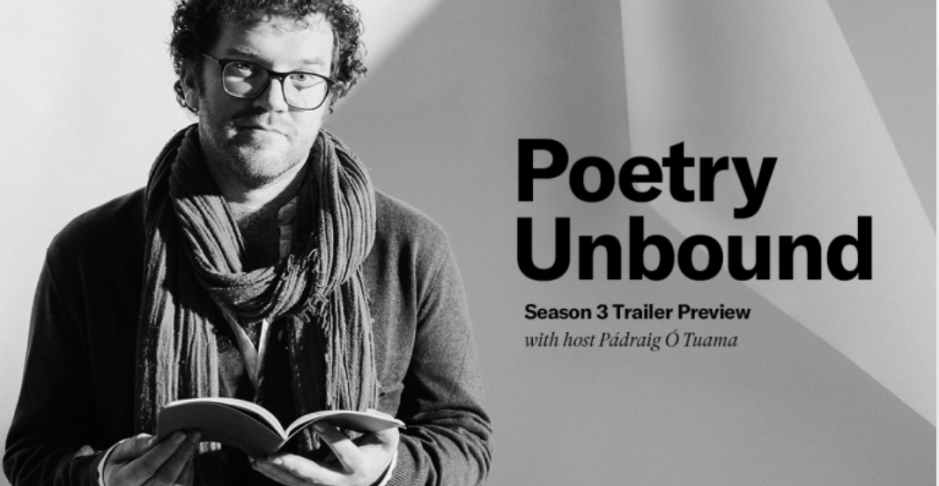
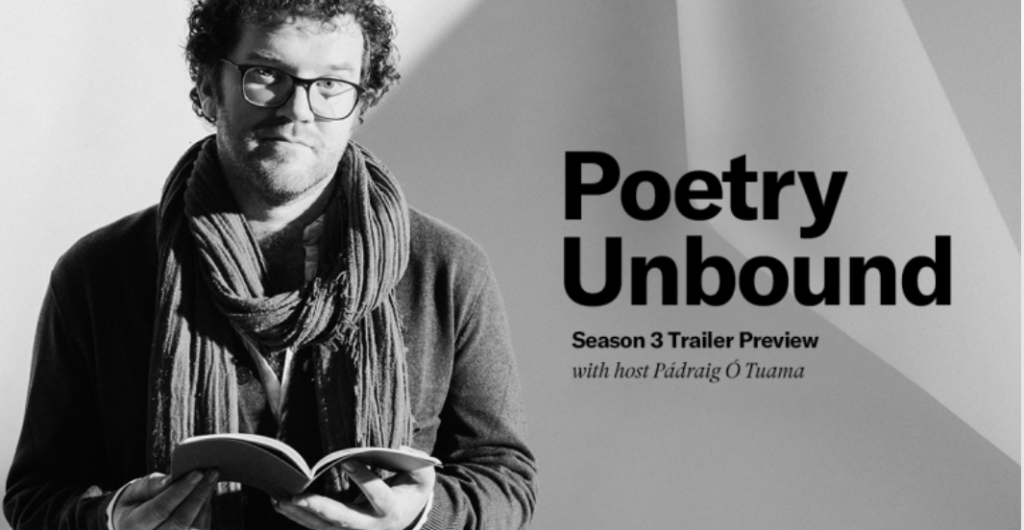
You can also sign up to receive daily poems from: Rattle, Your Daily Poem, Poem-a-Day, Poetry Daily, Poem of the Day. All these are free as is the wonderful podcast written and hosted by one of my favorite poets Padraig O Tuama: Poetry Unbound. I would also highly recommend Padraig’s wonderful book: 50 Poems to Open Your World.  

Happy Reading!  

~Ginny

Virginia Watts has been fortunate to have published nearly 100 pieces in literary magazines including CRAFT, The Florida Review, Reed Magazine, Pithead Chapel, Permafrost Magazine, Broadkill Review, Two Thirds North, Hawaii Pacific Review, Sky Island Journal, Eastern Iowa Review, Evening Star Review and Streetlight Magazine. Nominated four times for a Pushcart Prize and four times for Best of the Net, in 2019, Watts won The Florida Review Meek Award in nonfiction.

Her poetry chapbooks The Werewolves of Elk Creek 

and Shot Full of Holes are available from Moonstone Press. Her debut short story collection Echoes from the Hocker House is available on Amazon.

The Power of Poetry Workshops

By Virginia Watts ( a member of the Old Scratch Press Collective)

Several years ago, I was in an online poetry workshop with a woman called Joan. Even seated far away from each other in the real world and only together in the great, cold world of the internet, I felt a connection to her. What was it exactly. Her beautiful, novel, highly creative, arresting, heart rendered poetry for sure, but it was more than that. I appreciated how much thought she put into her critique of the other poetry in the group. I could tell she had taken a great deal of time to read and reread, to think and rethink, as I do when I am involved in writing critique groups, and I have and am a part of quite a few of those. I take my role as a fellow writer offering critique very seriously. Here’s the thing. No one can critique their own writing. It’s impossible. What you need to be the best you can be as a writer are fellow writers who give it their all when reading your work. People who are willing to always comment honestly on the work you circulate. In other works, you need people like Joan.

            So, imagine how thrilled I was when Joan emailed me after the online workshop ended to see if I would be interested in joining a Sunday morning critique group of six other poets. I couldn’t say yes fast enough and that started years of the best morning of the week on my calendar. We are a group of diverse styles living in different east coast states. Currently four men and four woman because another has joined our group. Each Sunday, we take turns reading our draft poem and then the floor opens up to comments. Titles that don’t do enough work are called out. Areas that are confusing, messages that seem weak or not fully realized. How the poem looks on the page. Whole stanzas that sometimes just don’t need to be there. All things poetry and how to make it better. Every single Sunday I sign off and look at my poem as revised by the group and think. There is absolutely no way I could have written this poem in the final best form it can be without them.

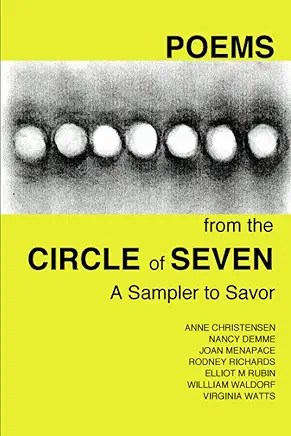
            A few years ago, the group put together a cooperative collection of poems available on Amazon called Poems from the Circle of Seven. A Sampler to Savor. One of the members’ sons kindly assisted us with our cover art which turned out beautifully. It was special and moving to see ourselves all together on the page inside the cover of one unified book.  Special because something special happens every Sunday morning that I don’t think we can explain exactly. Call it chemistry. Call if magic. We have eight now, so I am sure at some point we’ll put together another collection.

            And of course, while our writing brings us together, something we all care about, love to do and literally need in our lives, now we have a group friendship too. I can speak for myself in saying that less than a year ago I had open heart surgery and seeing the faces and hearing the words of encouragement before and after as I recovered meant a great deal to me. One of our members has a seriously ill spouse and we all grieve this. One has been going through the process of retiring and moving. On the flipside we have shared countless laughs about the ups and downs of real life. We have also heard about great adventures. Recently one member went skydiving. That made for an unforgettable poem. So, to writers everywhere, if you have the chance and are lucky enough to enter a circle of fellow writers sprint there and take your seat. It will uplift you and bring the greatest joy to your writing process.

What I Learned from Poet and Essayist Artress Bethany White

By Virginia Watts

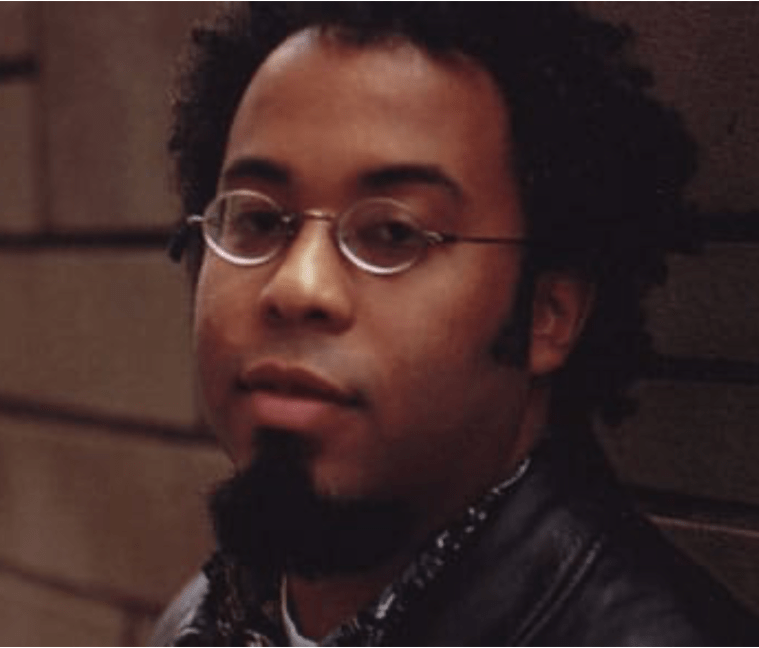
Artress Bethany White is a poet and essayist I met during a summer writing conference at Rosemont College. I was fortunate enough to attend her poetry workshop where I learned so much about the craft and art of poetry. Artress is the author of the essay collection Survivor’s Guilt: Essays on Race and American Identity (New Rivers Press, 2020) and My Afmerica: Poems (Trio House Press, 2019). Her work is unique and unflinching. She is forging new ground. It is at one turn poetry that leaves you dead in your tracks and in another historical documentation. She is an unfailingly brave writer willing to wade into the complex racial dilemma of our country. She is the kind of writer that can make a difference. Read one of her poems or essays and you will want to read them all. Then you will never forget them.

Her personal story adds another layer of interest to her work. She herself is descended from one of the largest slaveholding families in America and she is raising her own transracial family. What I remember about her most is how encouraging she was to her students, fledging poets. She had a way of making us believe in ourselves and that we too had something importantly human to say.

Pancakes Keep Coming to Mind: A Sestina Commemorating the Demise of Aunt Jemima on the Pancake Box 

BY ARTRESS BETHANY WHITE

June 2020

I invoke my great-great-grandmother’s name on exhaled breath,

the vowels arranging themselves in shorts and longs,

syntax and semantics duking it out.

Mima, that could have been birthed from an African tongue.

Enee, meenemimamo, respectable marriage of village,

continent, and town, without a diabolic Je like a pendulum swing

to the scarlet kerchief blooming in my brain, pancakes on my tongue,

unwilling to utter that name over black families now living out

their American dream. Like reinvention, how the heart longs

to reconcile past and present, within a village

raising a newer child clawing out of epicureal stink to swing

free from stereotypes, auction block, and Aunt Jemima’s mealy breath.

Instead, pancakes every time my forebears’ syllabics touch my tongue.

Mima sans  Je, not Meema, or Mi’ma[e], coy notes stepping out

of a history where grits and flapjacks were birthed in a village

to skirt my teeth or strut ’cross my lips on exhaled breath,

that ample bosom and backside mocking me, she who longs

to rear up and bark Breakfast! and Brunch! on a revolving door swing.

You are not my Auntie or Aunt pronounced like the creature crawling out

over cadavers of supermarket boxes choking my breath

on a collapsed lung of shady marketing to keep bodies bound in a village-

cum-ghetto of stranger than strange imagined black things, girl-on-a-swing

dreams culled from western imaginings of what that colored gal longs

to do over a hot stove, flipping and flapping ’cause the griddle got her tongue.

Names as revenue monikers on revue, line dancing on a hip swing.

Oh, how daring to cogitate on destiny, each syllable a village

of preferred ubiquity, once the Ghanaian name Afua translated out

to first girl child born on a Friday, sonic genealogy on the tongue,

but changed to post-baptismal Mary, a rigid catechism of colonial breath

blowing across centuries of arid longing.

Food me, fooled me, sold me, told me, held me, bled me, tongue

afire with dreams of love, life, and freedom a profusion of days swinging

between something and more. My village compound, my village

quarters, my village a city block, each century censuring my breath.

What I seek is what I speak, not handed a script of nostalgic longing.

Jemima wrenched from shelves, but a litany in my brain still playing out.

Ain’t nothing but a jonesing to tweak culinary history so my village

knows my branches are thick, swaying and swinging with longing and breath,

rolling descendancy off my tongue, blessing consumption out. 

Source: Poetry (May 2021)

Thank you for reading this week’s blog post from Old Scratch Press, written by collective member VIrginia Watts. Her collection of short stories Echoes From the Hocker House just won the Bronze Feathered Quill Book award fro Best Anthology. You can purchase a copy here.

Grateful

Hi All. Virginia (Ginny) Watts here. I am excited and honored to be a part of this new poetry collective. Poetry is good for the world and good for our souls! Sometimes people ask me what my favorite poem is or favorite poet. I have many, but one poet I read over and over again is Joy Harjo: three times the Poet Laureate of the United States. Here is one of her most famous and unforgettable works:


Perhaps the World Ends Here

By Joy Harjo

The world begins at a kitchen table. No matter what, we must eat to live.

The gifts of earth are brought and prepared, set on the table. So it has been since creation, and it will go on.

We chase chickens or dogs away from it. Babies teethe at the corners. They scrape their knees under it.

It is here that children are given instructions on what it means to be human. We make men at it, we make women.

At this table we gossip, recall enemies and the ghosts of lovers.

Our dreams drink coffee with us as they put their arms around our children. They laugh with us at our poor falling-down selves and as we put ourselves back together once again at the table.

This table has been a house in the rain, an umbrella in the sun.

Wars have begun and ended at this table. It is a place to hide in the shadow of terror. A place to celebrate the terrible victory.

We have given birth on this table, and have prepared our parents for burial here.

At this table we sing with joy, with sorrow. We pray of suffering and remorse. We give thanks.

Perhaps the world will end at the kitchen table, while we are laughing and crying, eating of the last sweet bite.

“Perhaps the World Ends Here” from The Woman Who Fell From the Sky by Joy Harjo. Copyright © 1994 by Joy Harjo. Used by permission of W.W. Norton & Company, Inc., http://www.wwnorton.com.

Source: The Woman Who Fell From the Sky (W. W. Norton and Company Inc., 1994)

  • Living
  • Relationships