
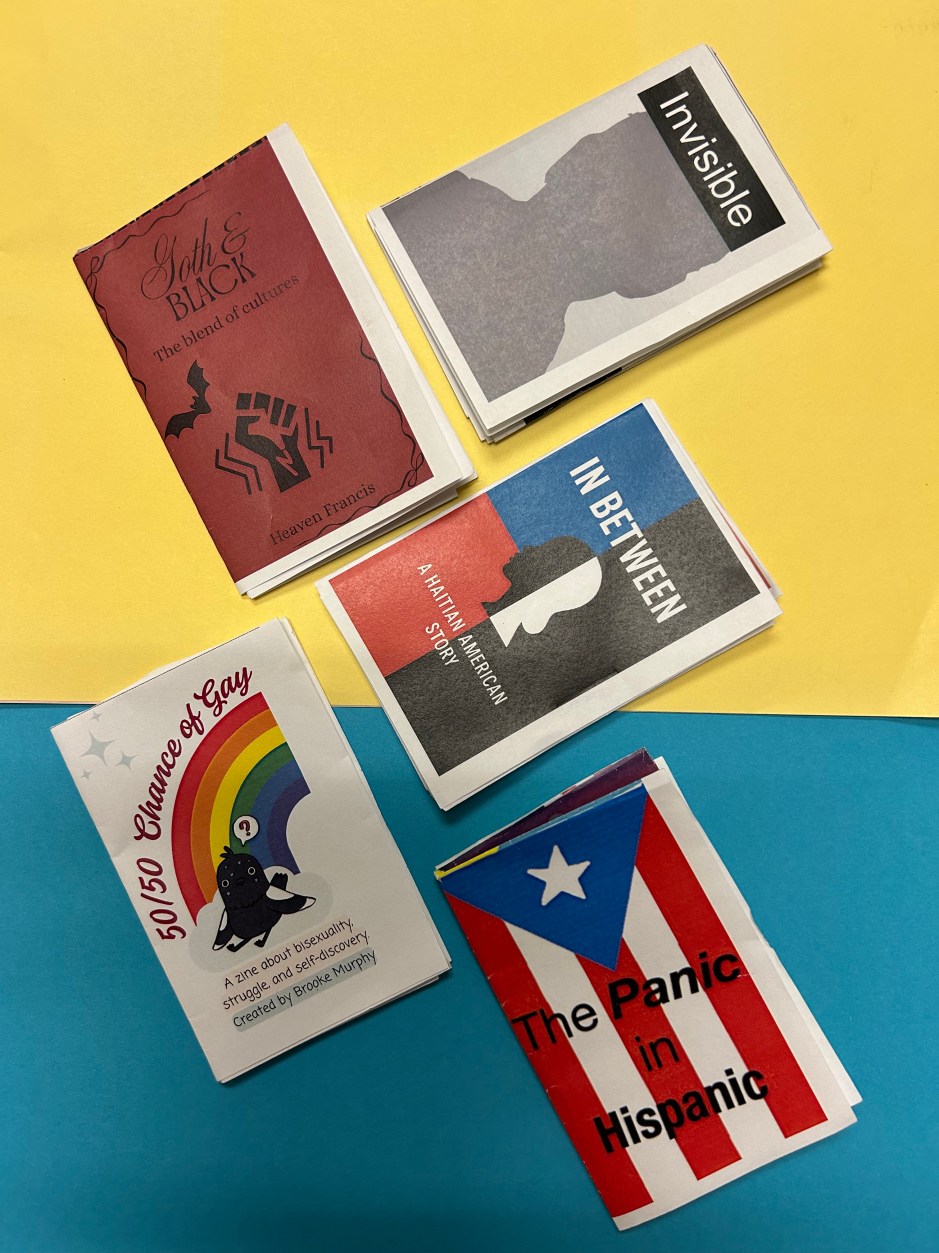
If you haven’t delved into the Zine scene lately, you may be missing out! A zine, pronounced “zeen,” short for “fanzine” or “magazine” is a personal hand-crafted publication that can contain anything the creator’s imagination can supply and often devoted to unconventional subject matter!
Zines are made to share, trade, explore, discover and celebrate all modes of self-expression that can be printed: writing, art, photography. All you need to create a basic one is pen and paper. (A photocopier helps if you want to produce more quantity!)
My latest close encounter with zines happened when a professor at the university where I work asked to display her students’ zines in the library where others could read them or even take one with them if they wanted. She was teaching a class called Zine Writing and her students produced a variety of zines on fascinating topics ranging from their personal struggles with cultural assimilation to social justice issues affecting them and their families. I was really captivated by their insightful observations and the accompanying artwork, which included collages, flags, maps, masks, pictures of food, drawings and even a playlist!
These zines were tiny pamphlets cleverly folded from a single 8.5 X 11 piece of paper, but zines come in all shapes and sizes.
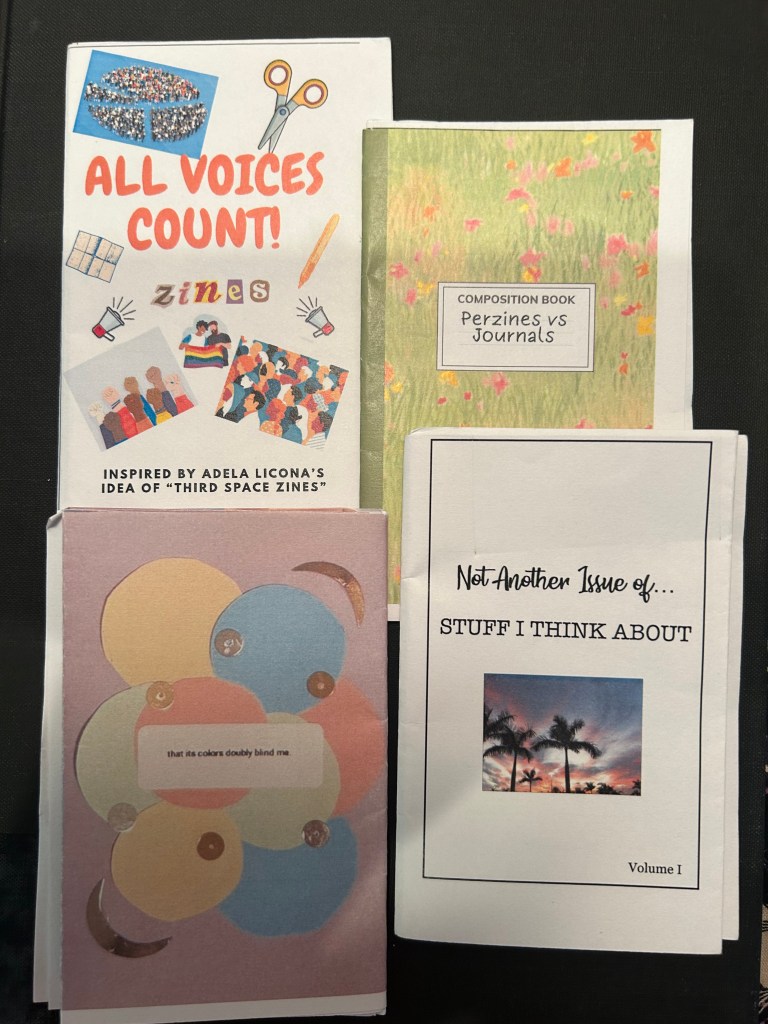
How-to Zine
A quick YouTube search will yield many zine-making tutorials:
This guide shows how to make a zine from a single piece of paper such as the students did—no staples required!
Find a Zine Event Near You!
If you want to fire up your imagination, you can view original zines or learn how to craft one at a Zine fair or Zine fest! Zine events take place worldwide; you can easily search for your city or region and zine fair/ zine fest / zine event and the current year to find a zine-making workshop at your local library or a zine festival that includes many publishers:
Printed Matter lists both national and international zine events organized by state or country.
Book and zine fairs – Printed Matter
Nicezines also lists worldwide zine events and other zine resources such as how to make them, price them and share them:
Zine events in 2026 – Nicezines
I found out the Miami Zine Fair is coming up in April:
“Founded in 2015 by EXILE Projects as part of O, Miami Poetry Month, the Fair is a free, public celebration of self-publishing and independent print culture. Each year, it brings together over 150 artists, writers, illustrators, activists, and poets from Miami and beyond.
Visitors can explore hundreds of zines—handmade and expertly crafted—alongside workshops, performances, and multimedia projects.
Open to all ages and backgrounds, the Miami Zine Fair invites the public to browse, touch, and engage with the vibrant world of independent publishing.”
Zine New Wave
Some see the Zine resurgence as a response to an increasingly digital world:
The New Wave of Zine Culture: Why Print Isn’t Dead in 2025 – Mole Empire
One reason writers and poets are attracted to the zine medium:
”Zines offer an intimate platform for sharing personal stories, poetry, and experimental writing that might not fit into traditional publishing models.”
The above article offers advice on how to delve deeper into the zine culture:
“Zine Fairs and Festivals: Keep an eye out for local and online zine fairs. These events are fantastic opportunities to discover new zines, meet creators, and connect with the community.
Independent Bookstores and Art Spaces: Many independent bookstores and art galleries are now stocking zines, recognizing their cultural significance.
Online Communities: Platforms like Instagram and Tumblr host thriving zine communities. Search hashtags like #zine, #zinester, #diyzine, and #[yourcountry]zines to discover creators and connect with others.
Directly from Creators: Many zine makers sell their work directly through their own websites or social media. Support independent artists by buying directly!”
From LitMag News:
Inside Zine Festivals (and Why Zines Matter)
Ironically, as zines are ephemeral print matter by nature, libraries have been digitizing them for preservation purposes.
Zine Collections in Libraries, Books on Zines
Many libraries have Zine collections (aka Zine libraries)
Barnard College’s site lists Zine libraries by region
Zine Libraries | Barnard Zine Library
And guides to zine history, books on zines, zine collections:
What is a Zine? – Zines – LibGuides at University of Texas at Austin
Search Worldcat.org for books on zines held in worldwide libraries:
Zine Culture
Even the Smithsonian has gotten involved as zines have grown in importance to our cultural development:
How Zines Brought Power to Those on the Margins of Culture
Specific subcultures have used zines to promote their ideas:
“The movement quickly spread well beyond its musical roots to influence the vibrant zine- and Internet-based nature of fourth-wave feminism’
Zine Classes
Apart from the DIY classes offered by your local library or zine fair, school systems have zine programs added to their curriculums:
Zines for Progress | The Wolfsonian | Florida International University | FIU
“Zines for Progress (Z4P) is a Miami-Dade County public high school outreach program centered on addressing topical issues through zine-making.”
At my university I found yet another class focused on Feminist Zine Writing.
Zine Writing Virtual Gallery – FIU Digital Writing Studio
“Social critiques, personal diary rants and impassioned protests are just some of the topics commonly discussed within feminist zines. Zines are able to bypass traditional gate-keeping mechanisms that silence non-dominant voices and perspectives. As a result, zines offer a platform upon which feminists of all genders are using words, images and other non-violent discursive practices to advocate for equity, mobilize activist efforts and build and sustain community.”
You can see how zines have become a much-valued venue for self-expression!
Dip a toe in the zine pool and you might wake up a tsunami of creativity!
Thank you for reading and please follow us here and on Facebook. https://www.facebook.com/OLDSCRATCHPRESS/
Beatriz F. Fernandez is a Miami area poet and University Reference librarian. She is the author of three poetry chapbooks, the most recent of which is Simultaneous States (2025) by Bainbridge Island Press. In 2025, she became a member of the Old Scratch Press writing collective.
(Pictures are of FIU students’ handcrafted zines and used with permission of the professor.)
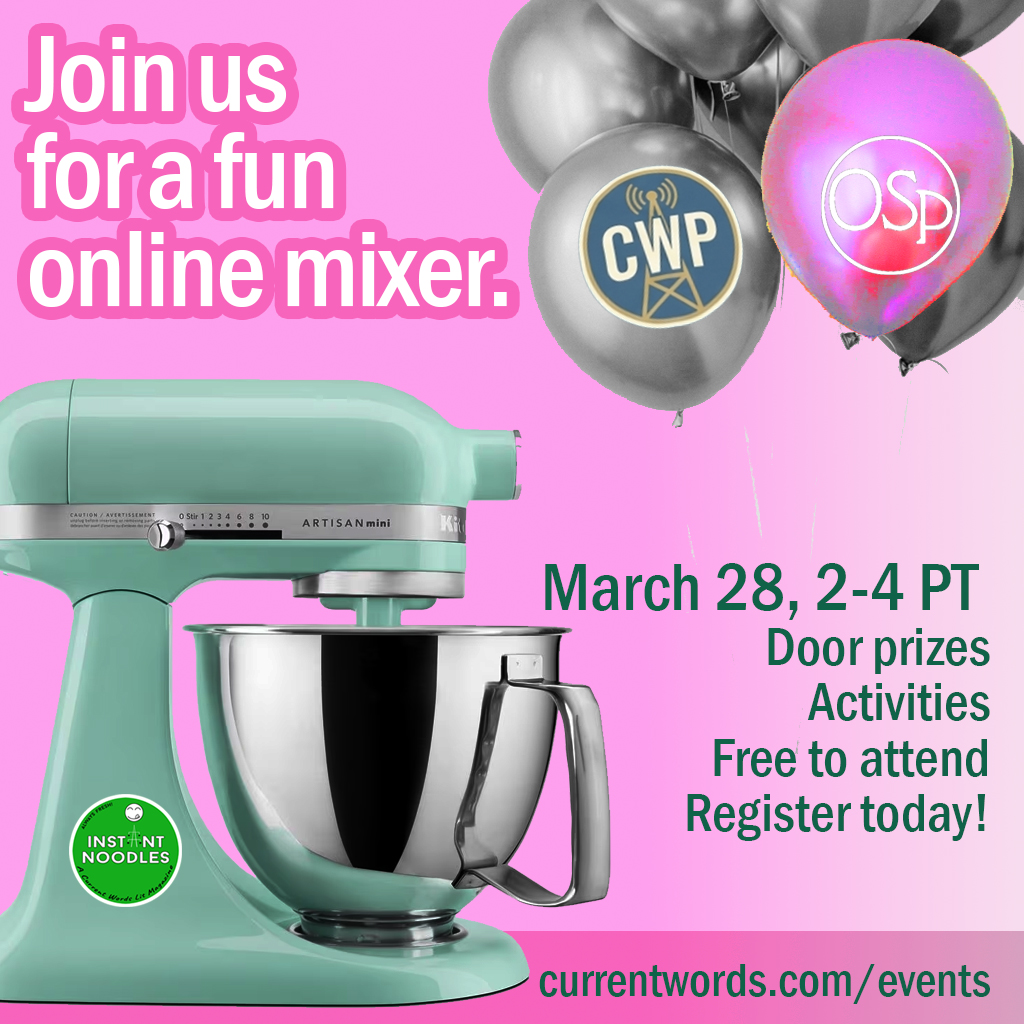
https://us06web.zoom.us/meeting/register/7eRgLvBPSkuyhpUtgLlkdw#/registration





 Are you ready to embark on an unforgettable journey through the depths of human existence? Look no further than WHITE NOIR, by Robert Fleming, a mesmerizing black and white visual poetry book that delves into the enigmatic tapestry of life, from birth to death and beyond. This book is not just a collection of verses; it’s a visual and emotional experience that will leave you spellbound.Who Should Dive into WHITE NOIR?Appreciators of Visual Poetry: If you’re someone who finds beauty in the fusion of words and images,WHITE NOIR is your treasure trove. Fleming’s mastery of visual poetry will leave you in awe.Lovers of Graphic Arts: This book is a canvas of creativity, merging the artistry of words and visuals in a way that will captivate anyone with an appreciation for graphic arts.Devotees of Dark Humor: WHITE NOIR thrives on dark humor, taking you on a rollercoaster ride of emotions that ultimately ends with a glimmer of hope. It’s a unique blend of wit and introspection.What Awaits You in WHITE NOIR?A Profound Human Journey: WHITE NOIR takes you on a journey that spans the entire lifespan of humanity. It explores the diverse facets of existence, from the raw and unfiltered to moments of humor and reflection.Balance of Text and Images: The book strikes a perfect balance between text and visuals, creating a multi-sensory experience that will leave you immersed in its world.Taboo Themes: Fleming fearlessly tackles taboo subjects, including religion, sex, politics, and gun violence, inviting readers to confront and contemplate these complex issues.Experimental Poetry Forms: Get ready for a literary adventure as Fleming explores experimental poetry forms, such as phone texting, Alexa questions, and palindromes, pushing the boundaries of conventional poetry.Why Will You Love WHITE NOIR?A Petite Delectation: You can devour this thought-provoking journey in a single sitting, making it perfect for a cozy afternoon or an intellectual escape.Original and Modern: “White Noir” is a testament to contemporary poetry, offering a fresh perspective on life’s most profound questions.Perfect Gift: Looking for a unique gift for a friend or loved one? “White Noir” is a one-of-a-kind present that will leave a lasting impression.Robert Fleming, the Doodleman, infuses his work with influences from literary giants like Robert Frost, Dr. Seuss, and the Beats, as well as the artistic visions of Salvador Dali and Andy Warhol. With over 400 works published internationally, Fleming’s talent is undeniable, earning him recognition and accolades from various literary circles.Don’t miss the opportunity to explore the captivating world of “White Noir.” Order your copy today and join the ranks of those who have been moved and inspired by Robert Fleming’s unique vision of human existence. It’s not just a book; it’s an experience waiting to be embraced….
  OLD SCRATCH PRESS