Writing About Food and Announcing the Latest Issue of Instant Noodles Literary Magazine!

by Nadja Maril,a founding member of Old Scratch Press Collective

Food. We spend a substantial part each day preparing, serving, and eating. The tastes, aromas and textures bring back memories. And over the winter holidays, the sensations become magnified as we taste the turkey roasting in the oven, the creamy mashed potatoes, the fragrant puddings, the sweet and savory carrots, onion topped green beans, latkes and apple sauce, cheese blintzes, and buttery chocolate chip cookies.

This is why I enjoy writing about food. It’s easy. All I have to do is close my eyes, remember and think of words to describe memorable dishes, new tastes I discovered, and meals I’ve shared. Try it. Think of a favorite meal, why it stands out in your mind and the emotions you associate with that time. Write down you uncensored thoughts. Read over what you’ve written. Maybe cross out a few sentences and rewrite others. You’ve begun to write memoir, the start of what is called Creative Nonfiction and it wasn’t hard at all.

You can take those food thoughts and memories and turn them into fiction as well. There’s no shortage of food in fairy tales: the witch in Hansel and Gretal with the house made of gingerbread and candy, the red apple in Snow White, the porridge eaten by Goldilocks and the Three Bears.

Wonderful poems have been written about food ingredients. One of the most important items I use in savory dishes is onion. Chilean poet Pablo Neruda (1904-1973) wrote a wonderful poem about the onion I’d like to share.

ODE TO THE ONION
by Pablo Neruda

Onion,
luminous flask,
your beauty formed
petal by petal,
crystal scales expanded you
and in the secrecy of the dark earth
your belly grew round with dew.
Under the earth
the miracle
happened
and when your clumsy
green stem appeared,
and your leaves were born
like swords
in the garden,
the earth heaped up her power
showing your naked transparency,
and as the remote sea
in lifting the breasts of Aphrodite
duplicating the magnolia,
so did the earth
make you,
onion
clear as a planet
and destined
to shine,
constant constellation,
round rose of water,
upon
the table
of the poor.

You make us cry without hurting us.
I have praised everything that exists,
but to me, onion, you are
more beautiful than a bird
of dazzling feathers,
heavenly globe, platinum goblet,
unmoving dance
of the snowy anemone

and the fragrance of the earth lives
in your crystalline nature.

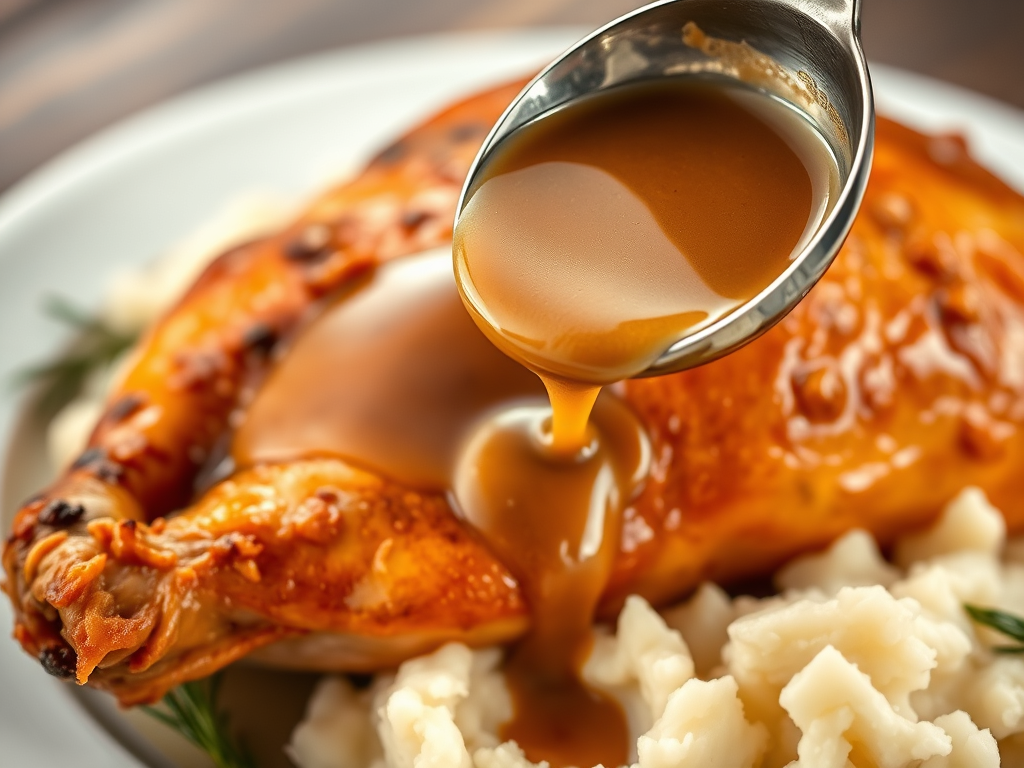
If you need more inspiration, start reading the latest issue of Instant Noodles Literary Magazine .All the stories and poems are inspired by GRAVY.

One of my favorites in this issue is “Thanksgiving Leftovers” by Arielle Arbushites which begins “Gravy gravy everywhere/and not a drop to drink” Hear her read the poem by clicking this link.

Forty-two creative expressions inspired by GRAVY! Who would have thought we’d get so many fine submissions on this topic. Read them and enjoy the writer’s different takes on the subject. Maybe it is a holiday dinner that goes wrong or a humble food offering that needs a splash of pzazz but all the stories have something to do with gravy.

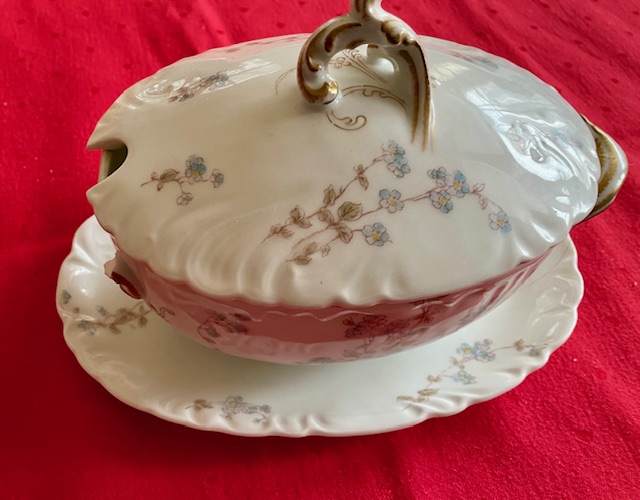
My creative nonfiction includes a nod to my great-grandmother’s Limoges covered gravy dish and a recipe. You can access it here or if you don’t want to read, you can listen here

Writers and Readers, don’t forget to forget to follow us on Facebook to get the latest news and learn about submission opportunities.

Nadja Maril is an award winning writer and poet who has been published in dozens of online and print literary journals and anthologies including: Lunch Ticket, Spry Literary Journal, Invisible City Literary Review, Instant Noodles and The Journal of Compressed Creative Arts. She is the author of Recipes From My Garden, published by Old Scratch Press (September 2024), a Midwest Review California Book Watch Reviewer’s Choice. An Anne Arundel County Arts Council Literary Arts Award winner, her work has been nominated for the Pushcart Prize and The Best of the Net. She has an MFA in creative writing from Stonecoast at USM.

Check out Nadja’s chapbook below and here.

Honoring Native American Heritage Month

Celebrating Native American Heritage Month Through Reading

Each November, Native American Heritage Month invites us to recognize and honor the histories, traditions, languages, and contributions of Indigenous peoples across the United States. It’s a time not only for celebration but also for reflection—an opportunity to deepen our understanding of Native cultures and voices. One of the most meaningful ways to do this is through reading.

Books open doors to perspectives and stories that might otherwise remain unseen. When we read works by Native authors or books that authentically portray Indigenous experiences, we help ensure that these voices continue to be heard and valued. Reading becomes an act of both appreciation and advocacy.

Why Reading Matters

Reading stories by Native authors supports cultural awareness and empathy, especially among young readers. In classrooms and homes, these stories help children see the richness of Native traditions and the diversity within Native communities. For some readers, seeing their identities reflected in literature can be empowering; for others, it fosters respect and curiosity about cultures different from their own.

Books to Explore

Here are a few titles that celebrate Native stories for readers of all ages:

For Young Readers

  • We Are Water Protectors by Carole Lindstrom (Ojibwe) – A beautifully illustrated picture book celebrating environmental stewardship and Indigenous activism.
  • Fry Bread: A Native American Family Story by Kevin Noble Maillard (Seminole Nation)– A heartfelt celebration of family, tradition, and resilience.
  • Thunder Boy Jr. by Sherman Alexie (Spokane/Coeur d’Alene) – A picture book where the main character struggles with his name and tries to find a new one that better represents who he is.

For Middle Grades

  • Healer of the Water Monster by Brian Young (Navajo)– An adventure that weaves modern life and Navajo stories.
  • Indian No More by Charlene Willing McManis (Umpqua) and Traci Sorell (Cherokee Nation) – A novel that draws upon Umpqua author Charlene Willing McManis’s own tribal history which tells the story of a girl on a quest to understand her identity as an Indian despite being so far from home.
  • Ancestor Approved: Intertribal Stories for Kids, edited by Cynthia Leitich Smith (Muscogee Creek Nation) – A collection of intersecting stories and poems set at a powwow that bursts with hope, joy, resilience, the strength of community, and Native pride.

For Teens & Adults

  • The Firekeeper’s Daughter by Angeline Boulley (Ojibwe) – A young adult thriller that addresses social issues impacting Indigenous communities, such as the drug crisis, racism, colonialism, and violence against Native American women.
  • There There by Tommy Orange (Cheyenne and Arapaho Tribes) – A multigenerational story about violence and recovery, memory and identity, and the beauty and despair woven into the history of a nation and its people. 
  • The Heartbeat of Wounded Knee by David Treuer (Ojibwe) – A compelling history that reframes Native American resilience and survival.

How to Celebrate Through Reading

  • Create space for Native voices in classroom and home libraries or book clubs.
  • Discuss what you read, focusing on themes of identity, resilience, and community.
  • Invite guest speakers or virtual author visits from Native writers.
  • Reflect on representation—whose stories are missing, and how can we bring them forward?

By reading and sharing Native stories, we help honor Indigenous heritage not just in November, but all year long. Books remind us that storytelling is one of humanity’s oldest and most powerful ways to preserve culture, inspire understanding, and connect us all.

Welcome Beatriz Fernandez: Newest Member of Old Scratch Press

Old Scratch Press Short Form and Poetry Collective is pleased to announce that Beatriz Fernandez has recently become our newest member.  “I am thrilled and honored, “she says, “to join an online community of fellow writers from around the globe who support each other’s work, provide feedback and share our various skills and strengths.”

Although she didn’t try to get published until she was in her late forties, Beatriz has been writing all her life. 

“I write in both form and free verse, both mainstream and genre, and have recently begun to write flash and short fiction. In poetry, I favor historical persona poems written in the voices of women, whether historical, mythological, or fictional figures. I also write speculative poetry and short fiction. I try to include my love of robots, androids, or time travel in most of my stories.” 

Over the past ten years, Beatriz Fernandez’s work has been nominated for the Pushcart prize four times, and has been published in anthologies and journals as various as Label Me Latina/o, Prime Number Magazine, Strange Horizons, and Whale Road Review.  She’s authored three poetry chapbooks: the most recent, Simultaneous States, (Bainbridge Island Press, 2025) included some poetry set in Puerto Rico and some speculative poems.  Her eco-science fiction flash fiction piece, “Flow Time” was published this summer in a special Florida themed anthology by Gaslamp Pulp, a division of Nat 1 Publishing.  That publisher also just accepted her Puerto Rican Frog Prince adaptation titled “The Coquí Captain” for a children’s anthology of reimagined fairy tales.

Beatriz grew up in Philadelphia, Spain, and mostly Puerto Rico and then came to Florida to attend college.  During her junior year she established her Florida residency, met her husband, and began working in libraries.  “I fell in love with all three,” she says, “and subsequently found no reason to leave any of them!”

Describing herself as a late bloomer in both her library and writing careers; she became a professional librarian in her mid 30s.  On the way, she obtained an M.A. in English literature but found herself to be too much of a generalist to focus on a dissertation topic. 

“During this time,” she says, “I seemed to be under the impression I was a budding novelist while the reality was that I was writing more poetry than anything else.  My lightbulb moment came when I won a Writer’s Digest poetry contest that I entered on the very last day.  That stroke of luck seemed to finally put me on the right road and actively seeking to improve my poetry style.  I embarked on a long-distance phone tutorial with poet Andrea Hollander, who is a brilliant teacher and mentor, for several years; she helped me find my true voice. “

“Many writing classes, confabs and workshops later,” she says, “I’ve published almost every poem I’ve ever written! Now I feel I have come full circle—after starting out my writing career with long-distance tutorials, I’ve joined an online community of fellow writers.”

To learn more about Beatriz and to hear her radio interview on “Here and Now,” you can visit her website here

Thank you for reading this post and visiting the Old Scratch Press Blog. Next Saturday October 25th at 5:00 p.m., three members of the Old Scratch Press Team are participating in a special online reading from their newly published books. FREE. Read more about it here. And follow us on Facebook.

Steps Toward Your First Acceptance in a Literary Journal

Steps Toward Your First Acceptance in a Literary Journal

To my fellow writers out there, I began submitting prose and eventually poetry to literary magazines in 2014. Since that time, I have been published over a hundred times. How did I do it? I learned the ropes and never gave up. More importantly, I never wrote for the purpose of being published. It’s an honor, a wonderful feeling, to have a piece accepted, but in the end of the day, the real joy for me as it is for most writers, is the creative process. Publishing is a very small piece of this magical puzzle. Even so, as writers, most of us would like our work to be read so here are some tips I learned along the way.

  1. Present your best work always. If you have written something, set it aside for some time and return to it later for perspective. ALWAYS have feedback through a professional writing group. One or two friends reading your work will not do. You need professional critique and then you must listen and learn to edit accordingly. None of us can judge our own writing. We simply cannot. Don’t let your ego get in the way of your success.
  2. Prepare a third-person biography. Include information like your location, your publications if you have some, your social media handles and website. If you have not been published, simply say nothing about that or mention that this would be a debut publication. Don’t try to be funny or clever. Be professional.
  3. Prepare a cover letter and keep it simple and professional as well. Address the editor by name if you can. Start with something like: I appreciate the opportunity to submit my fiction story titled “Wind Warp” of 4900 words. Follow with your biography. End by thanking the editor for considering your work. That’s it.
  4. Make a list of journals where your work appears to be a fit as you prepare to submit your work. This will mean reading some of the work the journals have accepted in the past. Lucky for us, many journals are online now or have some excerpts online. Consult resources by Erika Krouse or Clifford Garstang for a ranking of literary journals. 
  5. At first, I tried to select mostly smaller, well-respected journals for the bulk of my submissions. Once I got some traction, I aimed higher. If you can find a local journal that limits submissions to local writers, even better.  One example of this is Philadelphia Stories, a journal that only publishes writers who are living in or originally from Pennsylvania, Delaware or New Jersey. A smaller pool helps your odds. There is nothing wrong with submitting to a new journal either. In fact, I recommend it. New journals need our support.
  6. I would send a piece to at least twenty journals to start with and see how it goes. 
  7. Use standard manuscript format 12-point font Times New Roman. Double Space prose. Single Space poetry. And don’t forget page numbers. 
  8. Be encouraged if editors write you a personal note about enjoying your work even though it was not accepted or asking you to submit more work in the future or telling you that you made it to the final cut. All of these are a very big deal so be happy!
  9. You will receive a lot of rejections. I submitted for about a year and a half before I received my first acceptance. Since then, I have had times where I have been “hot” and times of drought. Don’t give up and don’t get discouraged. There are many reasons a piece is not chosen that have nothing to do with the quality of the writing. You get used to the rejections. Promise me. The way I look at it is this writing that I am submitting is what I have to offer. I’ve got nothing else! This is me. I write what comes to me and what I want to write about. Above all, I just hope to tell a good story. I give every poem or story my all. There have been stories that I never placed, and I am okay with that. Some of these did get out in the world in later collections of mine alongside published stories. Be true to yourself and what your heart wants to write about and you will be fine.
  10. Do not follow up with inquiries about your work after it is submitted. If you don’t hear anything for a year, consider the piece unaccepted and move on.
  11. Make sure you keep a list of all the places you submit a piece so when you do have an acceptance, you can quickly withdraw it from other journals considering your piece.  
  12. Remember too that when submitting to always follow the guidelines such as whether the journal wants to read blind or not. 
  13. Set up a Submittable account because most journals use that now for submissions although some still have their own Submission System or they accept submissions via email only.
  14. Another good idea is to go out for dinner and some glasses of wine with fellow writers submitting their work to share your experiences. Laughter is the best medicine, and you can learn from each other. 
  15. I wish all of you the very best in your writing journey!

Virginia Watts is the author of poetry and stories found in The MacGuffin, Epiphany, CRAFT, The Florida Review, Reed Magazine, Pithead Chapel, Eclectica Magazine among others. She has been nominated four times for a Pushcart Prize. Her debut short story collection Echoes from the Hocker House was short listed for 2024 Eric Hoffer Grand Prize, selected as one of the Best Indie Books of 2023 by Kirkus Book Reviews, and won third place in the 2024 Feathered Quill Book Awards. Please visit her.

Virginia’s new book is now available from Old Scratch Press:

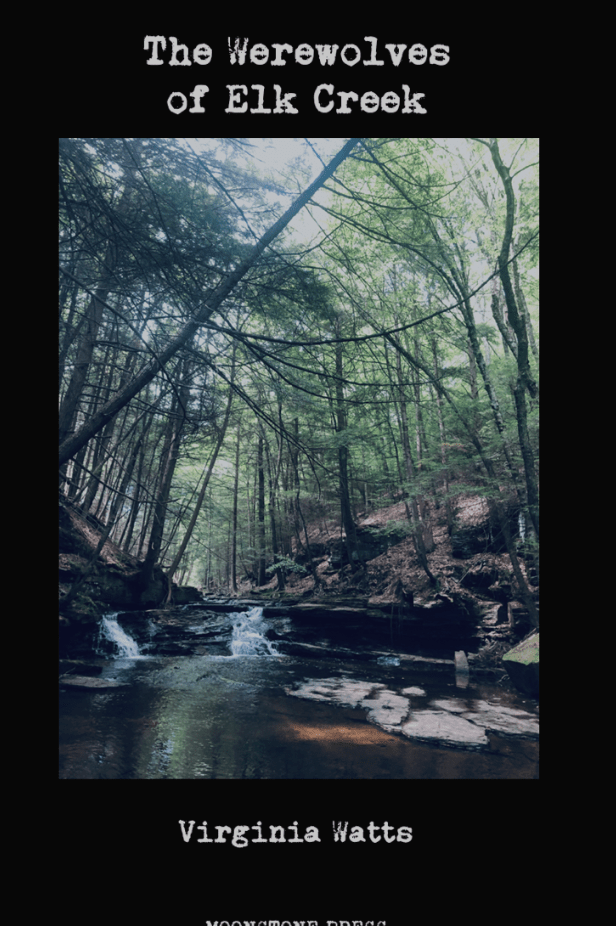
Her prior poetry chapbooks Shot Full of Holes and The Werewolves of Elk Creek 

 are available from Moonstone Press. And her debut short story collection Echoes from the Hocker House is not to be missed!

In October OSP will present a live reading with Virginia, Anthony Doyle, and Alan Bern. Find more information here.

And it’s not too late to get into the last Instant Noodles issue for 2025!

Celebrate Books in September

It’s always a great time to immerse yourself in the literary world, but September seems to be an especially busy month if you want to celebrate books. Get ready to mark your calendar because whether you want to find a new read from an indie author, or you want to collect a signature from a well-known author, September gives you multiple chances to grab some new books for your TBR pile.


1. The National Book Festival (September 5-6, 2025) – Washington, D.C.

Organized by the Library of Congress, the National Book Festival in Washington, D.C. brings together a wide range of authors, journalists, and intellectuals to discuss literature and current affairs. With free events and a large roster of authors, this festival is a must-attend for book lovers.

Highlights:

  • Diverse Program: From fiction and memoirs to history and science, there’s something for everyone.
  • Author Signings: Meet bestselling authors and get your books signed.
  • Free Admission: All events are free to attend, making it accessible to everyone.
  • Panels & Discussions: Topics range from politics to personal stories and more.

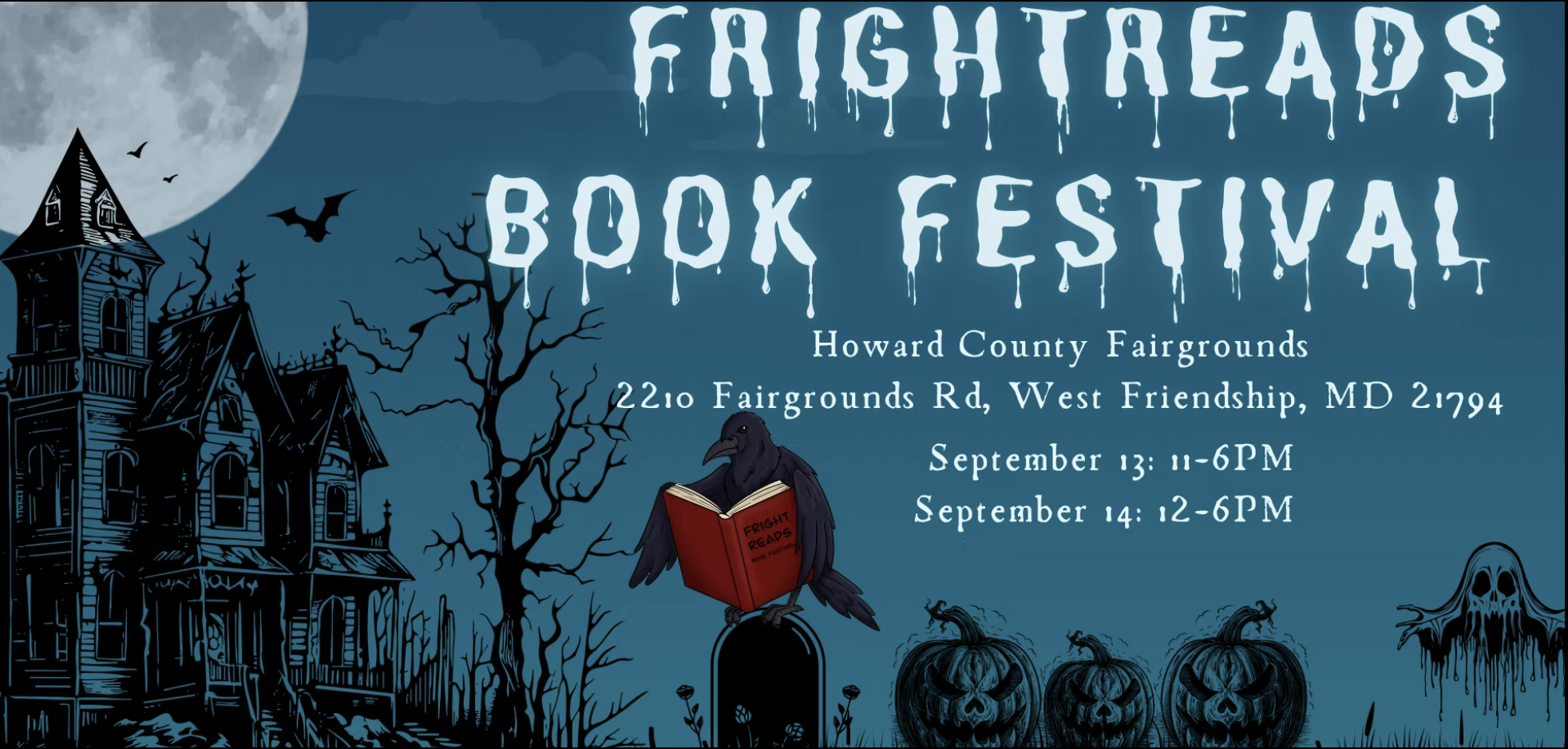
2. FrightReads Book Festival (September 13-14, 2025) – West Friendship, Maryland

FrightReads Book Festival is an all-ages event, dedicated to horror, sci-fi, mystery, paranormal and thriller books in Maryland! Featuring Celebrities, guest authors and tons to do! Old Scratch Press member Gabby Gilliam will be selling books at this event!

Free & Open to the Public: Kids 12 and under are free. Adult tickets need to be purchased.

Highlights:

  • Panels & Discussions: Topics cover everything from contemporary fiction to publishing trends.
  • Costume Contest: Categories for both children and adults.
  • Special Guests: Cosplayers, celebrities and more.
  • Film Festival: Screening 4 spooky films all afternoon.

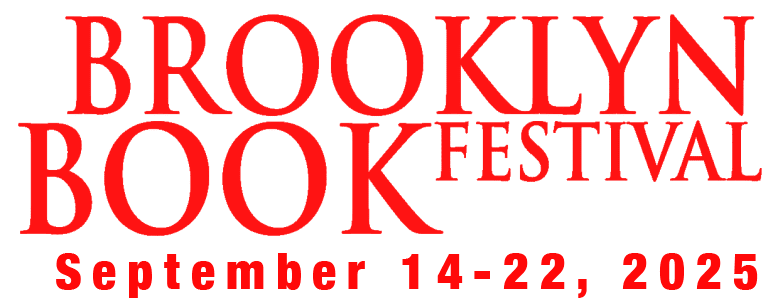
3. The Brooklyn Book Festival (September 14-22, 2025) – Brooklyn, New York

One of the largest and most anticipated literary events in New York, the Brooklyn Book Festival offers nine days filled with book signings, panels, and performances. It’s a wonderful opportunity to explore the literary scene in the heart of Brooklyn. The Brooklyn Book Festival is celebrating its 20th anniversary this year! BKBF is dedicated to celebrating diversity in literature, so they aim to develop original programming that is hip, smart, diverse, and inclusive. They also present free, literary, cultural events at the BKBF Day & Literary Marketplace, Virtual Festival Day, and the family friendly Children’s Day. Additionally, BKBF presents Bookend events in venues across NYC and on-line, which are overwhelmingly presented free to the public.

Highlights:

  • Children’s Day: September 20 is all about young readers.
  • Diverse Program: From fiction and memoirs to history and science, there’s something for everyone.
  • Panel Discussions: Topics on writing, editing, and publishing.

4. Indie Lit Festival (September 25-27, 2025) – Frostburg, Maryland

This event, hosted by the Frostburg University Center for Literary Arts, brings together editors and publishers with writers and educators of the local community. This event celebrates the writers, publishers, and readers of small press and independent publishing. The weekend features a poetry slam, readings, roundtable discussions, practical “how to” sessions, and a small press book fair in Frostburg, Maryland. Two Old Scratch Press members (David Fulcher and Gabby Gilliam) will be reading and selling books at this event!

Highlights:

Free & Open to the Public: Many of the events are free, making it an accessible event for all.

Friday 9/26:
Indie Lit Kickoff Reading featuring Lee Horikoshi Roripaugh at Main Street Books (2 E. Main St.), 7 PM

Followed by rock and roll with The Downstrokes at the Deep End (16 W. Main St.)

Saturday 9/27:
Panels, workshops, and readings in City Place (14 S. Water St), Mountain City Traditional Arts (25 E. Main St.) and the Frostburg Public Library (65 E. Main St.), 11-5

  • Poetry Slam: Thursday night @7, sponsored by Savage Mountain Punk Arts.
  • Book Signings & Readings: Hear authors read from their works and engage in discussions.
  • Workshops and Panels for Readers and Writers: Learn the ins and outs of writing and publishing.
  • Poetry & Fiction: Events covering a wide range of genres and literary styles.

Don’t see anything local to you? Bookreporter has a calendar with even more upcoming festivals.

These festivals offer fantastic opportunities to hear from both bestselling authors and indie authors, attend workshops, and get involved in the global literary community. Mark your calendars for these exciting events, and let me know which ones you’re most excited to attend!

The Art of Storytelling: New Perspectives on Old Fairy Tales

By Nadja Maril

Perhaps it was the illustrations that captivated me when I’d pour through the fairytale books, the dragons and the princesses with long gowns and tresses, but of all the picture books in my room when I was a young child, I liked the fairytales the best.

I can still remember many of those books, the way they looked with their ornate borders and their detailed portraits of the handsome Puss N’ Boots or the angry face of Rumpelstiltskin as he stamps hard enough to crash through a floor and into oblivion. Styles evolve and change, and the animated images of the Walt Disney studios who’ve popularized many fairy tales by converting them into cartoon movies, don’t have the same depth of detail as those old illustrations. I love the old woodcut and color plate illustrations, but many contemporary artists add new magic and perspective to an old story.  When you read a fairytale or any story for that matter, the possibilities for elaboration are endless.

“Happily Ever After” isn’t always the case in some of the Hans Christian Anderson Tales, such as “The Red Shoes” and “The Little Mermaid.”  But as fairy tales have been told and retold so many times, multiple versions circulate. Children today probably have no idea that the original “Little Mermaid” is a tragic story of desire and loss. The little mermaid was unable to permanently become a human. Her attempts at transformation cause her to lose her life as a mermaid. What remains, is her hope that one day she’ll become part of the eternal universe.

In the hands of the Disney writing team, however, “The Little Mermaid,” became a story about family conflict, friendship, love, and fulfillment. The result is a story with a happy ending.

What story would you like to write?

But that’s okay, because fairy tales are part of our oral tradition and why not use the familiar tropes from our childhood as building blocks to create new stories or retell old ones. I think it is important to remember and learn from what went before. However, the stories of our lives keep evolving. So, what story would you like to tell?

To get you started, I’m sharing the work of several writers who were and still are inspired by fairy tales.

Many poetry enthusiasts will probably be familiar with the poem “Goblin Market “by Victorian era British poet Christina Rossetti(1830-1894). It utilizes the folklore of goblins to set the scene with lines like these:

"Pricking up her golden head:
"We must not look at goblin men
We must not buy their fruits:
Who knows upon what soil they fed
Their hungry thirsty roots?”
“Come buy,” call the goblins
Hobbling down the glen."

To read the entire poem and learn more about Christina Rossetti, click here.

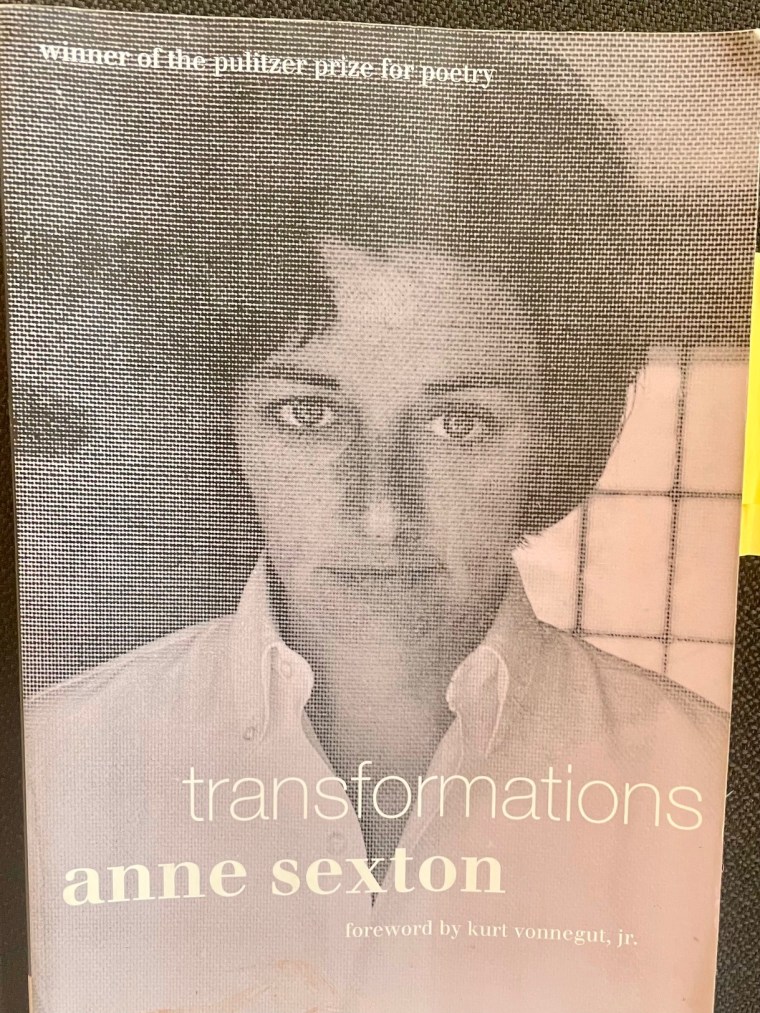
Another writer, Anne Sexton (1928-1974) took fairy tales as a launching point to reimagine social norms.

American poet Anne Sexton is considered a pivotal figure in the confessional poetry movement that emerged in the mid-20th century. Her work holds nothing back as it shares her personal struggles. Themes she explores include: mental illness, sexuality, and the complexities of womanhood. Her poetry collection Transformations contains seventeen poems inspired by Grimm Fairy Tales, that include Red Riding Hood, Rapunzel and CInderella, that challenged the prevailing norms of her times. I highly recommend adding this volume of poetry, the contents of which are unavailable online, to your library.

“The Cinder Girl Burns Brightly” by Theodora Goss is a different take on the Cinderella fairytale, told in poetry. Hungarian American author Theodora Goss (1968–) is a prolific author of novels, short stories, poetry and essays, and more of her work can be accessed at this link.

And finally I share a short story by American writer Michael Cunningham, famous for his novel The Hours, this little story, Wild Swan is inspired by the Hans Christian Anderson fairytale “The Wild Swans.” Brilliantly he takes the premise of the original story and creates an alternate re-telling set in modern times that focuses on one of the enchanted princes.

Need a writing prompt? Just read a favorite fairytale and think about how you’d like to retell it differently or take just one character or element and spin it into a poem or story.

Thank you for reading. Please sign up to follow Old Scratch Press here on WordPress and on Facebook.

Nadja Maril is an award winning writer and poet who has been published in dozens of online and print literary journals and anthologies including: Lunch Ticket, Spry Literary Journal, Invisible City Literary Review, Instant Noodles and The Journal of Compressed Creative Arts. She is the author of Recipes From My Garden, published by Old Scratch Press (September 2024), a Midwest Review California Book Watch Reviewer's Choice. An Anne Arundel County Arts Council Literary Arts Award winner, her work has been nominated for the Pushcart Prize and The Best of the Net. She has an MFA in creative writing from Stonecoast at USM. 


Look Over Here!

Sitting on a bench sharing a coffee with old friends in a little northern Pennsylvania village, I saw it for myself. How much poetry in public places matters, even there, in remote mountains, where only about a hundred people reside year-round. Dangling from the willing arms of trees, laminated cards with phrases from poems or short poems that captivated both young and old. Children read them to each other aloud. Adults stopped on their morning walk to pause, read, reflect, nod, sigh or smile. Even some hard to please teenagers stopped their bike tires to read. What I didn’t expect to feel is how much it meant to them and to me. Poetry matters, folks. It matters big time. All writing matters. The Arts make all the difference in the world. 

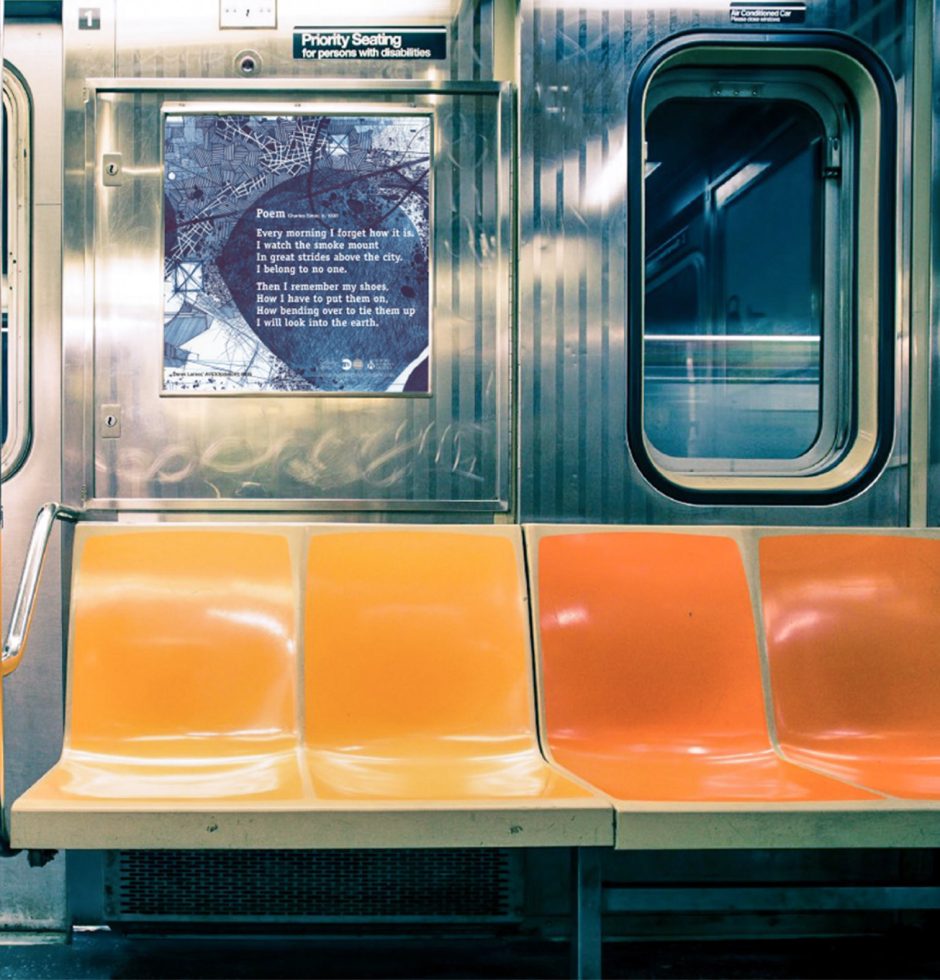
            This little town is reflecting other larger movements to display poetry in outdoor places from around the world. Many people have heard of the Poetry in Motion initiative launched 1992 by the NYC Metropolitan Transportation Authority and the Poetry Society of America to bring poetry to millions of harried and stressed commuters. Poetry was displayed is subway cars and digital screens in stations. Each poem was accompanied by artwork. By 2002, 150 poems had been shared from all over the world, spanning the centuries. The poems reached out and met people in their own busy lives and enriched them. Readers reported looking forward to a new poem. They would snap pictures and send them to their friends. The world was different, changed and better.

            The Poetry in Motion Initiative was relaunched in 2012 under MTA Arts and Design. You can visit their website to read poems and learn of upcoming programs. Over 30 other US cities launched similar initiatives in the wake of Poetry in Motion including Philadelphia, LA, Nashville, San Francisco and Providence. Public poetry has popped up in many other places such as cafes, libraries, playgrounds and picnic tables in seven national parks thanks to Ada Limon our 24th Poet Laureate who championed the idea of transforming picnic tables into public art by including a historic poem with some connection to the park. 

            There is also a Facebook page “The Poetry in Public Places Project” that encourages everyone, you and me, to display poetry outdoors. You can visit this page to enjoy creative and inspiring ideas. For example, from Hoboken, NJ, a photo of a box of poetry where people are invited to TAKE ONE, yard signs from the Mercer County Library System, a poem painted on a breakwater in Milwaukee. 

             I wondered what poems went first in the NYC Poetry in Motion. There were four of them. “Crossing Brooklyn Ferry” by Walt Whitman, “When You Are Old” by William Butler Yeats, “Let There Be New Flowering” by Lucille Clinton and one of my favorites. Enjoy this poem and cheers to more poetry in the open air and hope!

—Ginny


“Hope” is the thing with feathers

“Hope” is the thing with feathers –
That perches in the soul –
And sings the tune without the words –
And never stops – at all –
And sweetest – in the Gale – is heard –
And sore must be the storm –
That could abash the little Bird
That kept so many warm –
I’ve heard it in the chillest land –
And on the strangest Sea –
Yet – never – in Extremity,
It asked a crumb – of me.

                                                                Emily Dickinson


If the New York Subway System asked you for a poem, what would you write?


Virginia Watts has been fortunate to have published nearly 100 pieces in literary magazines including CRAFT, The Florida Review, Reed Magazine, Pithead Chapel, Permafrost Magazine, Broadkill Review, Two Thirds North, Hawaii Pacific Review, Sky Island Journal, Eastern Iowa Review, Evening Star Review and Streetlight Magazine. Nominated four times for a Pushcart Prize and four times for Best of the Net, in 2019, Watts won The Florida Review Meek Award in nonfiction.

Virginia’s new book is now available from Old Scratch Press:

Her prior poetry chapbooks Shot Full of Holes and The Werewolves of Elk Creek 

 are available from Moonstone Press. And her debut short story collection Echoes from the Hocker House is not to be missed!

Seeking Sanctuary in what you Read

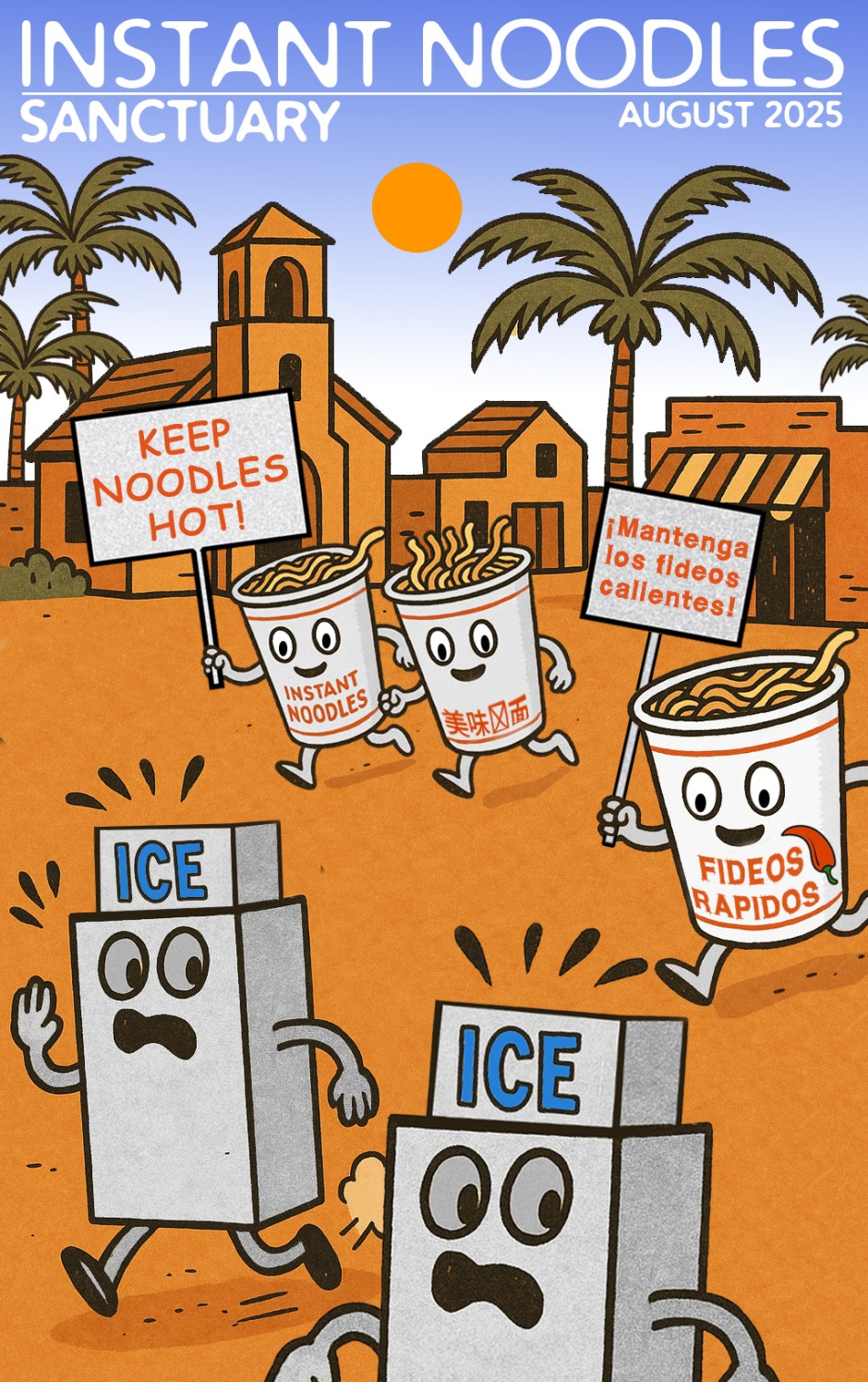
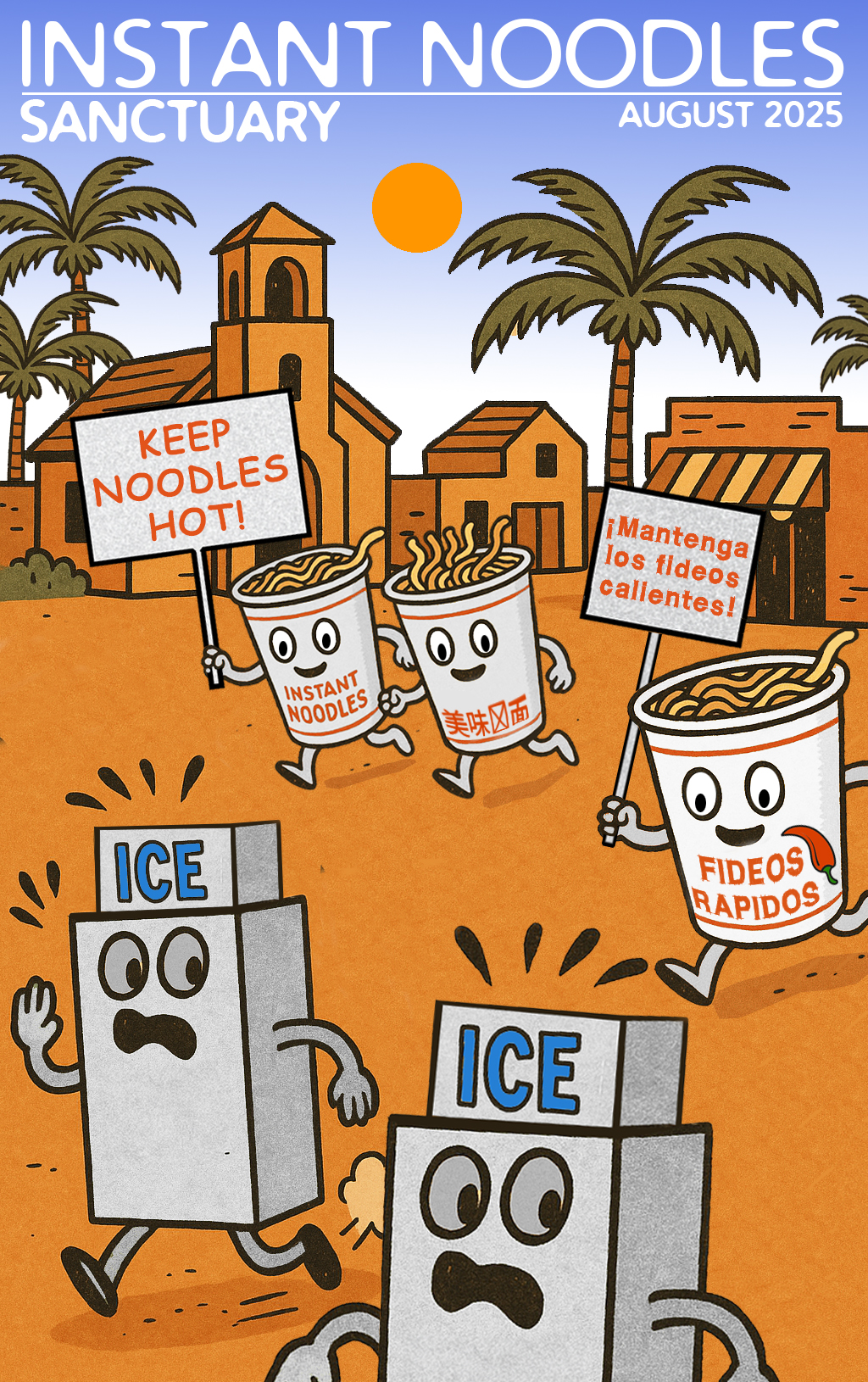
For many of us, reading is a means of escaping the clamor of the real world for a brief time. The theme of the current issue of Instant Noodles is “Sanctuary.” If you’re seeking to give your brain a respite from the news feed, head on over to read the latest issue, curated by the members of Old Scratch Press!

Instant Noodles is open for submissions for our Winter issue! If you have a piece that fits our “Gravy” theme and is on the light-hearted side, please check out the submission guidelines here! We try to fill our Winter issue with fun and mayhem, so please remember that HUMOR, not melancholy is our ask for this issue!

Old Scratch Press is also seeking new members to join our collective! If you write short form pieces (like flash fiction, poetry, or flash memoir), and you’re interested in working with our collective to publish your collection of work, check out our submission guidelines at Duotrope to see if we might be a good fit! The submission window closes on August 31!

Exploring the Art of Creative Nonfiction

By Nadja Maril

Before you read this you’ll want to check out the NEW issue of Instant Noodles Literary Magazine which has some excellent examples of creative nonfiction along with poetry, short stories and eye catching artwork.https://instantnoodleslitmag.com/

Now let’s talk a little about CNF.

In my previous profession as an antiques dealer, I came across many 18th and 19th century journals and often the most remarkable thing about them was their impeccable penmanship.

Nowadays the word journaling connotes the writing of innermost thoughts; but often the journals I encountered contained lists of items purchased and/or a record of weather events.  If someone did write down deep and personal information, they hadn’t left it behind to be found by a stranger.

Photo by RDNE Stock project on Pexels.com

In the 20th century it was fashionable to keep a “diary” and diaries came with locks and keys. Many stories have been told about a diary being read by a parent or a diary falling into the wrong hands. The locked diary contained things not meant to be shared.

Whatever was written in a journal or diary was someone’s truth.

Gradually a shift in what can be shared and what must be kept secret occurred.  True stories, nonfiction, became popular fodder for books, movies, and television series. We are intrigued by the unbelievable. In literature, the memoir that thoughtfully reveals the life of the author is celebrated.

Creative nonfiction is a writing genre that can be tricky to define. Based on a true event, the creative designation, indicates the importance of artistry. The writer seeks to use their craft to convey a feeling, a fear, a triumph, a predicament they personally experienced or witnessed.

Often creative nonfiction and poetry cross paths. A poem can be inspired by a witnessed event or experience, and therefore some might call it creative nonfiction.  A flash creative nonfiction story with rhyme, alliteration, and rhythmic sentences could be categorized by some as a prose poem.

Here is an example for you to ponder, a prose poem by American poet Amy Lowell.

Bath

               By Amy Lowell (1874-1925)

The day is fresh-washed and fair, and there is a smell of tulips and narcissus in the air.
      The sunshine pours in at the bath-room window and bores through the water in the bath-tub in lathes and planes of greenish-white. It cleaves the water into flaws like a jewel, and cracks it to bright light.
      Little spots of sunshine lie on the surface of the water and dance, dance, and their reflections wobble deliciously over the ceiling; a stir of my finger sets them whirring, reeling. I move a foot and the planes of light in the water jar. I lie back and laugh, and let the green-white water, the sun-flawed beryl water, flow over me. The day is almost too bright to bear, the green water covers me from the too bright day. I will lie here awhile and play with the water and the sun spots. The sky is blue and high. A crow flaps by the window, and there is a whiff of tulips and narcissus in the air.

***

Each person’s perception of what they witnessed is slightly different. Then the question shifts to how much is fact and how much is fiction. Has the story has been changed to suit the storyteller? In the telling and the writing, the emphasis of what was important may shift. Once again, this can be the result of artistic interpretation.

The process of writing creative nonfiction has me returning to it again and again. Pure fiction has its own joys, but creative nonfiction provides an opportunity for personal discovery. Why do i remember an event a certain way, I ask myself, while someone else remembers it differently? Maybe that tells me something about myself.

The best way to develop an appreciation for creative nonfiction is to read it.

Some magazines I like to read for their flash creative nonfiction include: Riverteeth https://riverteethjournal.com/beautiful-things/

Hippocampus Magazine. https://hippocampusmagazine.com/

and Bending  Genres https://bendinggenres.com/

Thank you for reading this post and visiting the Old Scratch Press Blog. This Sunday, August 3rd.  from 2:00 to 5:00 p.m., several members of the Old Scratch Press Team are participating in an international Poetry Reading, Blot of Blue

And you can attend online. Here is the information and invitation.

https://www.facebook.com/events/764779602578772/?acontext=%7B%22event_action_history%22%3A[%7B%22surface%22%3A%22home%22%7D%2C%7B%22mechanism%22%3A%22surface%22%2C%22surface%22%3A%22groups_highlight_units%22%7D]%2C%22ref_notif_type%22%3Anull%7D

Poets and Punctuation

In his sonnets, Shakespeare would use end-stops rigorously, with most lines ending in commas, semi-colons, and colons. Sometimes he relied on enjambment or exclamations, but as far as possible, he seemed to save his full stops for the very last line. 

Take Sonnet 18,  “Shall I compare thee…”: six commas, four semi-colons, two colons, one question mark, and one full stop. 

Ezra Pound, on the other hand, would often refuse to use any end-stops at all. 

Take these lines from Canto LII:

The empress offers cocoons to the Son of Heaven

Then goes the Sun into Gemini

Virgo in mid heaven at sunset

indigo must not be cut

No wood burnt into charcoal

gates are all open, no tax on the booths.

No commas, no colons or semi-colons, “midheaven” is split for emphasis or for pause. There’s as little punctuation as possible, down to “gates are all open, no tax on the booths.”  That solitary comma functions almost as a speed bump near an intersection. 

According to Daniel Albright, W.B. Yeats had ‘punctuational quirks’ which he was happy to leave to his editors to sort out.  It was as if those technicalities were above or below the poet, who belonged to another realm of language.  

T.S. Eliot, like his mentor Pound, would sometimes drop punctuation altogether, but then he would go and stick in a full stop just to confound the reader:

On Margate Sands.

I can connect

Nothing with Nothing

(“The Waste Land,” lines 300–302)

Most people read those lines as “On Margate Sands, / I can connect / Nothing with Nothing.” So why the full stop? Some say it’s to heighten the sense of isolation and fragmentation, but it actually spoils the drama rather than intensify it. “I can connect / Nothing with Nothing” is no longer restricted to this moment, here-and-now, on Margate Sands. It steals some of the bombast. Perhaps that was the point, who knows? 

One thing that seems pretty clear is that punctuation plays by different—or fewer—rules in poetry. 

In “Un Coup de Dés,” Mallarmé throws punctuation out the window almost entirely, relying on spaces and font size to convey the necessary pauses and emphases. Punctuation becomes visual and spatial, and all the more effective for it.

Compare that with Sylvia Plath, who was a heavy punctuator:

Clownlike, happiest on your hands,

Feet to the stars, and moon-skulled,

Gilled like a fish. A common-sense

Thumbs-down on the dodo’s mode. 

(Opening lines of “You’re”) 

Apostrophes, hyphens, and commas in all the right places. 

So, the question is: does punctuation really matter in poetry? 

Perhaps it depends on whether it’s intended to be read aloud or read off the page. At a reading, intonation and cadence work magic that is sometimes hard to replicate in print, where that same impact disappears somewhere between too much and too little punctuation. 

I suppose we’ve all got our own punctuational foibles. I often neglect end-stops. I know I shouldn’t, but putting in a comma, semi-colon or colon just feels wrong at the end of some lines. Not all, just some. I could not actually say why. It’s not a rational thing. It’s pure feeling. 

So whether you’re partial to Elizabeth Bishop’s em-dashes or agree with Joyce that quotation marks “are an eyesore,” rules are strange visitors in poetry. You can choose whether to follow them, or which ones to follow, and no one can really complain—except the reader, who will have to read in all the end-stops and what-nots we choose to leave out.

Anthony Doyle is a founding member of Old Scratch Press. He is the author of the novel Hibernaculum and the recently-published Jonah’s Map of the Whale and Other Poems.