Are you finding it difficult to get into the holiday spirit this Independence Day? Artists have been exploring the concepts of freedom and independence through their art for ages. While fireworks light up the sky and flags wave proudly on July 4th, it’s also the perfect time to spark something else: a love of reading. Independence Day is about more than history—it’s about the ideals that shape our country: freedom, courage, justice, and hope. What better way to explore these themes than through reading?
Whether you’re holiday plans include relaxing at the beach, enjoying a backyard BBQ, or cooling off indoors, there are many ways you can bring some great reading with you.
Art can remind us where we came from, challenge us to think critically about the present, and inspire us to shape a better future.
Here is a poem by Langston Hughes that explores how he felt about America.
Or you might try an Abecedarian by Varsha Saraiya-Shah.
And if you want to stir your patriotism and spark some hope, try this poem by Carlos Bulosan.
This July 4th, don’t just celebrate with fireworks—celebrate with a poem or story.
If you’re a writer, there are some places looking for work on American themes.
WWPH is looking for American themed haiku. Submissions run through July 6.
Gnashing Teeth publishing is also looking for American themed poems, but their submissions close today, so you’ll have to write fast!
Missed the deadline? No problem! You can still enjoy reading their selections tomorrow!
Anthony, you hit a number one. Congratulations! Although Anthony’s poetry is written in English, not Spanish, it does seem that his adopted cultures are loving his work. To read any of Anthony’s work is to know he is an extremely talented author, and now Amazon agrees! I hope readers in the US and in his home country of Ireland agree, and that this will bring readers to Anthony’s work from all over the world, because I really am a fan. And, apprently, so is book reviewer Emma Lee who says:
Jonah’s Map of the Whale is an exploration of self, self-identity and how much personhood is formed by external circumstances, through three different characters. One is pushed along by external pressure and lacks agency. One has agency but fears she carries a hollowness. One is faced by a life-changing experience that he can sink or swim from. Each character feels fully-developed. Anthony Doyle has created a quirky look at a set of beings tackling very different philosophical and physical circumstances, prompting readings to consider who might survive, who might thrive and which one reflects the reader best. It’s a map worth reading.
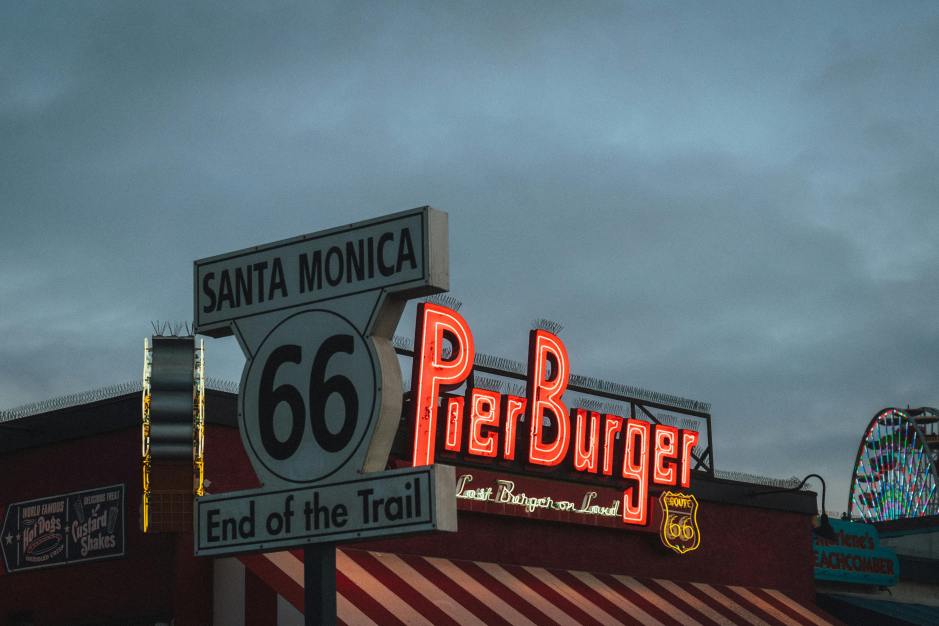
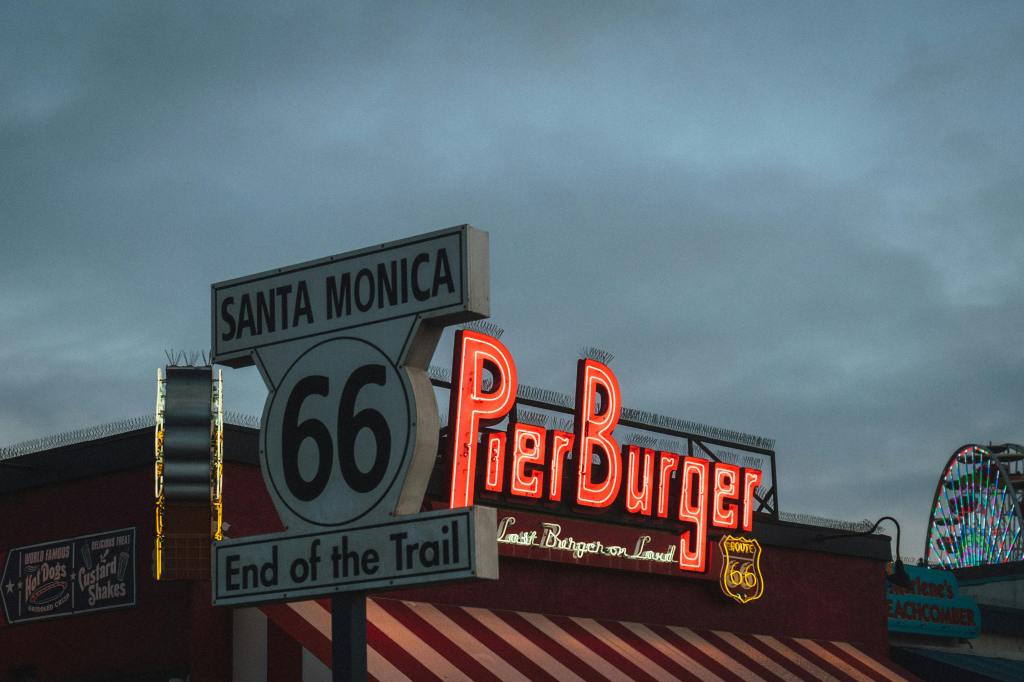
I live in Los Angeles, and it’s been a little bit unnerving to see what is on the news about us.
When I first moved to Los Angeles I lived in Venice Beach, on the Westside, by the Pacific Ocean. Venice Beach is beautiful, and weird, and has been heavily gentrified even since I lived there, and is now almost evenly split between people living in three million dollar homes, and people living in tents. It’s a problem on both ends of that financial situation. Of course, can you imagine being homeless? You would pitch a tent in a minute if you could, and you would definitely want to be in a temperate climate where people were laid-back, and where there were a lot of other people just like you around, to make you feel less obvious, and safer. I watched a video just yesterday about people who have chosen to live in vehicles (cars, campers) not in Venice Beach, but in the USA, and how they (being very digital) will meet up and hang out in different free camping areas to have a community. And why would people without homes be any different?
Los Angeles has a homeless, or unhoused, people problem.
Los Angeles, and all of Southern California, has a lot of immigrants. Many of them are legal immigrants, some are illegal. Some are only here for work. Many want to get enough money through work here to send home to family in order to eventually rejoin family. I have met many people with that plan from Asian countries and countries south of the USA. Those folks are not wanting to live here forever. They’re trying to make enough money that everyone can live well, back home. But there is no mechanism for that of any workable consequence here in the USA. The visas for work are not for waiters and day laborers. The visas for work are for IT people and doctors, that sort of person. In Los Angeles we know that the Uber driver, the waiter, the grass cutter, is probably not here legally, and not intending to stay. We get it, and I think, for the most part, we’re happy to have the low-cost help.
Then there are other people who want to stay: people who came here fleeing violence, people who came here as babies and have only known here, people who came here as students and experienced so much prosperity and freedom compared to life back home that they don’t want to go back. As Americans we cannot really understand how different life can be, especially for the very poor, and women in general, in other countries, even countries like China or India that we might see as very western. When we were in China (my husband Dave and I) to adopt our daughter in 2009 we met our daughter at our hotel, a huge, lovely hotel, about twenty floors or so, and absolutely where the wealthy and foreigners stayed. As soon as my daughter was placed in my arms I lost the ability to sleep, and so I spent the long nights in the hotel hanging out in the bathroom, so I didn’t wake up Dave and daughter, and it had a floor to ceiling glass window next to the shower, and I could see right down the main street of Nanchang. Next to us was another tall building, and each balcony had laundry and sausages hanging off of it. And if we were on flour fourteen of the hotel, it was probably floor eleven of the apartment building that was completely blown out. I don’t know what had happened there, but it was rubble like you might see in a Tom Cruise movie. And above it, and below it, the balconies had laundry and sausages hanging. Rain or dry, explosion, crumbled concrete or not, the balconies had laundry and sausages hanging. And on the streets, during the day, scores of people stood over lit barrels boiling eggs to sell, any kind of egg you could possibly want: quail, chicken, duck, and probably more I am too American to think of. The eggs came in all shapes and sizes, and the egg vendors huddled over the steamy pots trying to stay warm.
When we went into Nanchang from the airport we started first driving (in the passenger van with the other parents) through marsh, wetlands, dark and stinky, Then the marsh started having bits of high and dry land, and as soon as those appeared, there were tents and carboard shacks on them: people were living there. And as we progressed on (it was a long drive from the airport) there were more shacks. As the land got more livable the shacks got a little bigger, and then there were small villages with tiny crumbling houses, and then towns, and finally cities, and Nanchang was a huge city with underpasses and overpasses and pedestrian tunnels due to there being too much traffic on the eight-lane streets for people to cross safely. And in Nanchang the people lived stacked up twenty stories high in little efficiency apartments where their clothes and their dinner hung outside in the high breeze all year long, hot, cold, wet, dry, frozen or not. In Nanchang the city was so full and so busy that even at three in the morning there was a constant cacophony of car horns blaring below me, way below, fourteen stories below, in the street. The noise was significant, even up as high as I was. It was bumper to bumper car lights all night long. The bathtub in my bathroom was deep, and the hot water was endless, and I could soak and secretly watch the entire world below, all night long as I worried I was going to suck as a parent.
The day after we got our daughter we took the van across the street. The street was so large and so busy we had to take the van to safely get across, and we went to the “adopt your child here” building, which was easily fifteen stories high itself. I remember my ears popping as we rode the elevator up. When we got to the “this is where you give the boxed ginseng from Pennsylvania and sign the forms” floor we got off. It was freezing cold on that floor, and there were no electric lights turned on, so it was fairly dim, on a rainy forty degrees day, as we dipped our thumbs in red ink and signed our papers severing our child from one nation and attaching her to another. Each clerk we dealt with was wearing a winter coat and gloves with the fingertips cut out, over their business suits. I felt, in all honesty, both so lucky, and also that I had saved my tiny daughter from a hard life.
Dave and I ate Chinese food (of course we did) eagerly and with relish the whole time we were there, but there was one afternoon where I had been dragging Dave and our baby daughter exploring around, that we were just tired, and we went to a McDonalds in an eight-story shopping mall. I remember it was elevators only, and people were always waiting, and they would literally leap over you to get in. I think we waited at least three times to get on. When we got off and made our way to the McDonalds the line was about two blocks from the restaurant door. It moved quickly, and as we went inside I saw that they had the tables McDonalds had had when I was a kid, like cafeteria tables with immovable swivel chairs attached. Each chair had three people sitting on it. Let that sink in. One small hard plastic swivel chair, and three butts. Yes, butts in China are very much smaller than in the USA, and that tells you something right there that has nothing to do with genetics.
I remember when all of us (all across the world) who had submitted our paperwork in March of 2005 were talking in a Yahoo group about everything China-adoption related. It was common for people from the same month to design a t-shirt to wear in China so that they could spot each other (as if white people with Asian babies wasn’t enough of a clue). And I remember a whole passel of American members got up in arms because our group wanted a rainbow on the shirt, and those up in arms didn’t because they did not want to be associated with anything “gay.” And I remember thinking, in that moment, as if a lightning bolt had hit me, You may have been able to check a box for a gender preference, but even that wasn’t a guarantee, and what if your child turns out gay? Are you not open to whoever your child turns out to be? It wasn’t the first or last time the adoption process has taught me lessons about how little control I have in life. But what really hit me then was how it made me view those parents-to-be both as dumb, and unkind.
If you have not experienced life in a place with real poverty, you cannot imagine what people would do to get their families out of it. Could you sit all day in the cold, trying to sell your steaming eggs alongside hundreds of other people steaming eggs, baby tied to your back, little dog on a newspaper on the ground, everyone trying to stay warm and have enough to eat?
Los Angeles is okay, folks. It’s fine today, and it was fine last week, even with the homeless and all the immigrants of varying status. It’s actually a place where, rich or impoverished, people are generally in a good mood and kind and a heck of a lot more pleasant than my Philly neighbors used to be. (No disrespect Philly; you’re a great town, and you have your reasons.) We’re not bothered by immigrants at all. We are bothered, in many different ways, by some homes costing three million and some homes being cardboard shacks like in the marsh in China. But the current administration is not helping us with either of those problems. And it is potentially creating a lot more that we don’t need or deserve simply because most of us in this county voted for the Black woman.
But in this moment, what difference can I make? What can I do to help?
It is another hard lesson to learn that sometimes the only thing to do is to witness, to see, and to report back, honestly, on what you saw. There are many things that feel out of control right now, and many that you, also, probably want to stop, even if your list isn’t the same as mine. Take a picture, with your phone, camera, or mind, and share it. Write it down, make a picture with your words. Share it, and accept other people’s experiences too. You’re not playing fair if yours are the only right ones.
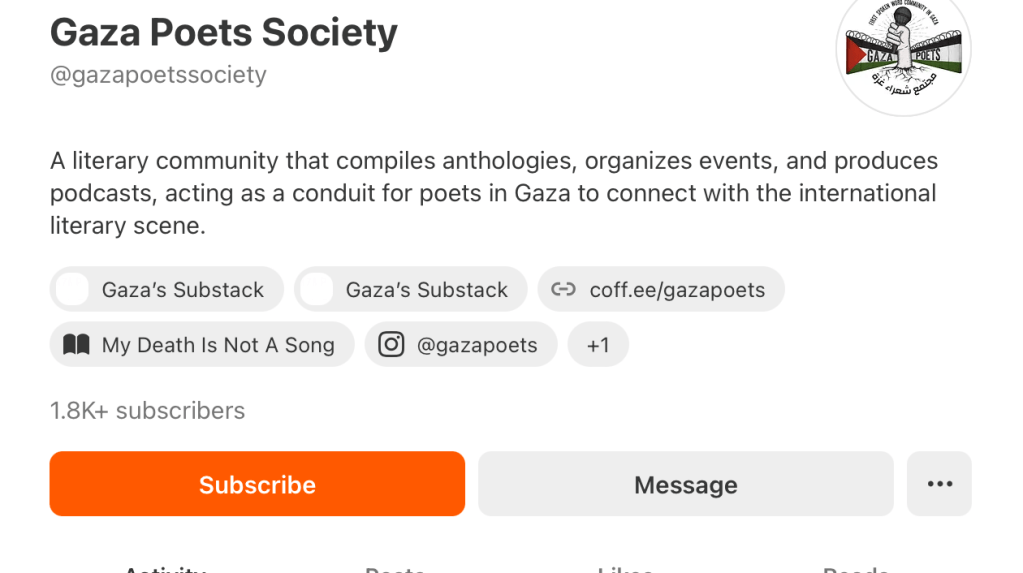
The reason I wrote this post is not because of what is happening in Los Angeles, actually. It is because my fellow member and friend Nadja shared The Gaza Poets Society Substack with me. When Hamas kidnapped those people from Israel it hit me in the heart. I’m of an age that indicates that I, and my fellow kids of the 70s and 80s, were raised on The Diary of Anne Frank as a big thing in school, and I went on, as a child, to order many other Holocaust-related books from the Scholastic catalogue. I read so many that I sometimes couldn’t sleep as I tried to plan how I would help my family escape from the Nazis (and I’m not Jewish by nationality or religion). And the first book I edited professionally was a Holocaust memoir. I just felt that Jewish people needed a place to be safe from the rest of us, and the kidnappings in 2023 underlined that.
But in college I read an interview with Yassar Arafat that changed how I thought about Palestinians. Though I still felt that Jewish people needed a place to be safe, I began to see that Palestinians also needed a place. Since the kidnappings happened in 2023, it’s been hard to watch the fallout. But, like the administration sending Marines we don’t need to Los Angeles to try and break it, there doesn’t seem to be much I can do about what the kidnappings unleashed.
Still it is important to know, to witness, to not turn your eyes away from something because it’s intractable, no matter what you think or feel is truth. And so I wanted to find a way, in this post, to share that Substack with you. The poetry is both well-written and moving. And as all writers share the feeling of “writing into the void,” I think the one thing we could give them is eyes on the page. It doesn’t mean we turn our back on one group for another. It does mean we take a look at all that is going on in the world of poetry. People in the USA often say, in the years since 2016, that not everything is political. But that is not true by a long shot. There is a reason some people in China shiver in a cardboard house in a marsh and some shiver next to a pot of boiling eggs in an actual metropolis. There is a reason why some people died of Covid and others did not. And in the USA, where most of us in this group are, the people in the nation do not (as a sweeping generalization, of course: so many shades of grey) easily understand how dangerous and revolutionary poetry often is in the rest of the world. Revolutionary precisely because it is a way of witnessing.
It seems not at all odd, to me, to hear that bombs are falling in Gaza, to see it on the news. Sadly it doesn’t shock me at all. But it does shock me to hear that there has been a mass shooting in Austria, and it does shock me to see that Marines are in downtown Los Angeles. It’s a matter of degree, of what narratives and images we are accustomed to versus those we are not.
As for what you see on the news, that’s not what I’m experiencing here, though I can hear helicopters for twenty-four hours now. It would take me about an hour, in good traffic, to get to where the news is taking its pictures, and it’s important to understand there is no one photo that can give you a true picture of all of Los Angeles. Can you imagine that it might be the same in other parts of the country and the world too?
Keep your spirits up, however you can. My recipe is potato chips, coffee, crosswords, and walking the dog. Check out the poetry on The Gaza Poets Society Substack. And don’t stop witnessing.
Please join OSP in congratulating Anthony on his wonderful collection of poetry and art!
Dive into the mythic in Jonah’s Map of the Whale and Other Poems, a daring and dazzling collection from Anthony Doyle (author of Hibernaculum). In the submerged world of Flounder— part everyman, part flatfish—shipwrecked longing, philosophical wit, and lyrical precision converge.
Doyle’s sea-born metaphors shimmer with heartbreak, absurdity, and revelation across the tide pools of memory and myth. From underwater boathouses to data-streamed cubicles, Doyle threads ancient voices through postmodern pulses. Featuring Flounder, Blundra, Alex Iden Gray, and more, this collection drifts between high poetry and sly humor, from trenches of despair to flickers of grace. Jonah’s Map of the Whale and Other Poems is a poetic deep-sea dive into the soul accessible to poetry and literature fans alike.
June is Pride Month! It’s a time to recognize and celebrate people in the LGBTQ+ community. Pride Month is about love, acceptance, and being proud of who you are. One great way to celebrate is by reading books that share LGBTQ+ voices and stories.
Books help us understand each other. For LGBTQ+ people, reading stories with characters like them can help them feel seen and accepted. For others, reading these stories builds empathy and helps us learn more about people who may be different from us.
Books can also teach us about LGBTQ+ history, struggles, and victories. Reading is a powerful way to show support during Pride Month, especially when you buy books written by LGBTQ+ authors.
If you’re looking to add some pride to your bookshelf, we have two authors at Old Scratch Press who recently published books of poetry that would be great additions to your to-be-read list!
On May 1, Morgan was awarded Second Place in the Delaware Press Association Communications Awards for her book, The Song of North Mountain which was released by Old Scratch Press in May 2024. Not only did Morgan write the poems in this collection, she also did the interior artwork and illustrated the book’s cover. North Mountain is part of a 55-mile mountain ridge in the northern Shenandoah Valley in Virginia. Morgan says her collection of poems is a love song to that ridge.
Here is her poem, Ghost Light, which won also won Second Place in the DPAC Awards in its category.
Ghost Light
Looking back along the ridge a thin rib of light briefly illuminates the forest floor and silhouettes trees stark against winter sky. Look too soon and you miss the mystery of Dillon’s Mountain’s brief farewell to nightsky and stars and sweet Venus. Look too late and the slumbering giant lumbers slowly into its ordinary dayspring. But if you should, by chance or intent, catch the moment, you will see life and hope renewed in a sudden shaft of dawnbreak.
Robert Fleming is a gay man who writes and creates art about gay, transgender, and universal themes. After coming-out, he published in LGBTQ magazines. He says that when he” stopped obsessing about being gay”, he realized that his sexual orientation is only one part of who he is. This enabled him to write on universal human themes and crossover into publishing in straight magazines.
For pride, one his favorite poems is one he wrote, Passed Over , that was published in 2020 in Trees In A Garden Of Ashes by Local Gems Press. Robert is grateful to James Wagner, the editor of Local Gems Press, who published many of his gay and transgender works.
For pride 2025, Robert recommends to submit to publish in Oddball magazine that has categories in nonsexual orientation and pride (LGBTQ). You can find submission guidelines here.
Robert is the author of the Amazon best-selling visual poetry book, White Noir.
by Nadja Maril, a Founding Member of the Old Scratch Press Short Form and Poetry Collective
I got a rejection this morning. I received the standard form rejection for a piece of creative writing: We appreciate the chance to read it. Unfortunately, the piece is not for us.
I get rejected all the time. It doesn’t matter how many times my work has been published, I’m not famous and editors have a multitude of tastes. What was interesting to me was the poem in question had already been published and well received. This time I’d entered it into a contest that was also considering previously published work. Maybe they didn’t think it was prizeworthy, but I felt like they didn’t like the poem at all. This made me sad.
Then I thought of The Ugly Duckling, http://hca.gilead.org.il/ugly_duc.html by Hans Christian Anderson, one of my favorite fairy tales. The bird that emerges from a hatched egg is not at all like the other ducklings in the farmyard. He endures all kinds of painful ridicule until he discovers his true identity as a swan.
“He now felt glad at having suffered sorrow and trouble, because it enabled him to enjoy so much better all the pleasure and happiness around him; for the great swans swam round the new-comer, and stroked his neck with their beaks, as a welcome.
Into the garden presently came some little children, and threw bread and cake into the water.”
I share this little story to remind all writers, particularly anyone just starting their journey, that it can take months or even years to find your audience. Yes, it could be you just don’t have the talent needed to “make it” as a writer, but tastes on what is good and worth publishing vary tremendously. An ugly duckling may also be a graceful swan.
We all have probably had the experience of seeing a movie or reading a book that got great reviews, but we found to be boring. We may have attended a party in someone’s home and overheard guests raving about a gorgeous painting or a rug that we secretly think is hideous.
People have different tastes. Where we grew up, where we’ve traveled, what our parents taught us, all influence what we value and how we judge things. The quest for diversity, when I wear an editor’s hat, is my desire to try to open my mind to a multitude of ways to see the world. But we tend to gravitate to the familiar because it’s comfortable.
A big word among editors is resonate. If a piece of writing resonates with the reader, it affects them emotionally and they may continue to think about that story or poem for days. That type of connection is something a writer longs to achieve. But it’s unlikely to happen with every reader. We all have different histories. We’re all slightly different so what affects one reader may not necessarily affect another.
It may be that something you wrote is not ready for publication and needs more revision. On the other hand, it could be really good, but needs to find the right audience.
I can’t emphasize enough, writing groups and reading groups to gain different perspectives. A writer toils alone, but feedback is important. I can’t emphasize enough the importance of beta readers, fellow writers with whom you can exchange work.
Do not write in a vacuum. Find the approach that works best for you, but don’t give up on something you feel in your bones is important. If you’ve written something you’d like to share with the world, keep submitting. A rejection is a badge of honor.
It shows you’re out there swinging the bat and you’re still in the game.
About the author:
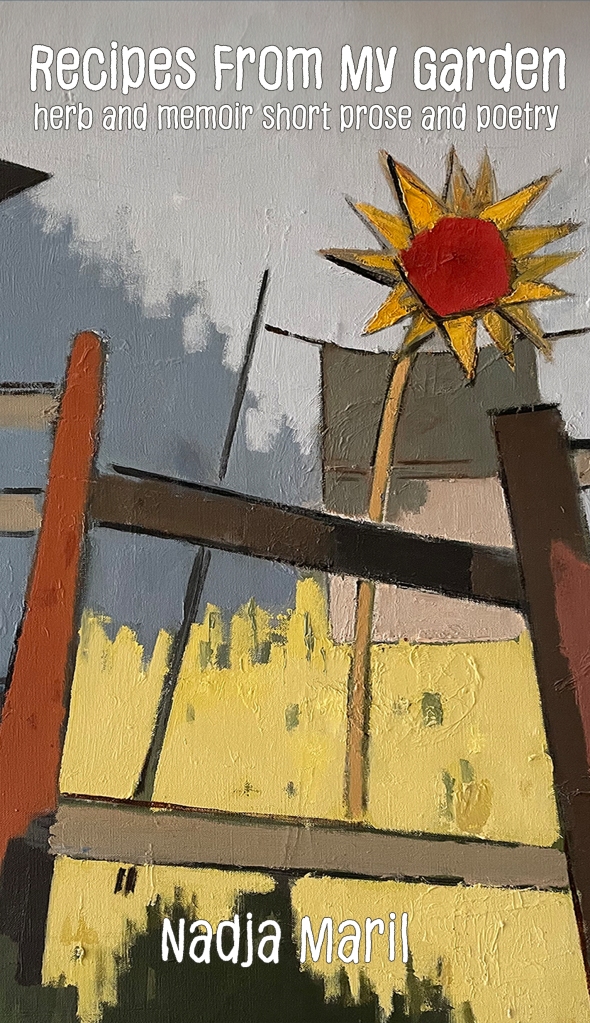
Nadja Maril is the author of Recipes from My Garden, Old Scratch Press, September 2024. Nadja Maril’s short stories, poems and essays have been published in dozens of small online and print literary journals and anthologies including: Lunch Ticket, Spry Literary Journal, Invisible City Literary Review,and The Journal of Compressed Creative Arts.She has an MFA in creative writing from Stonecoast at USM. A former newspaper columnist and magazine editor, she writes a weekly blog and you can visit her website at www.Nadjamaril.com.
Thank you for reading. Please sign up to follow us here on WordPress and on Facebook.
You know when it happens. The story has been built up in just the right way. You are fully invested with the characters and the plot. You keep reading “just one more chapter”. That’s when you know you’ve found a good mystery book.
Before I started writing my first cozy mystery novel, I had been a longtime fan of all types of mysteries, but I knew I needed to better understand the nuts and bolts of what goes into a mystery plot. What is happening behind the scenes to create that magic?
Here are five essential craft elements that keep a mystery ticking:
🔧 1. Tension and Pacing A good mystery walks the tightrope between suspense and reveal. You want to feel the pressure build—chapter by chapter—as secrets unravel. Tension isn’t just about danger. It’s also emotional: suspicion, urgency, grief, even humor can turn the screws.
🔍 2. A Compelling Question At the heart of every mystery is a question that demands an answer: What happened? Who did it? Why? This central mystery is what pulls the reader through the story. Subplots may swirl around it, but that core question is the lighthouse.
🧠 3. Misdirection and Fair Play Mystery readers love a challenge. They want to guess the killer but be surprised too. The trick is layering in clues that are “fair” (not cheats), while also planting red herrings. It’s a dance between revealing and concealing—just enough to keep readers guessing.
💔 4. Emotional Stakes The best mysteries aren’t just puzzles—they’re stories that matter. Maybe the sleuth is seeking justice for a friend, or the town’s peace is at risk. There’s something personal on the line. Emotion gives the mystery depth and resonance beyond the crime.
🎭 5. Character and Voice In cozy mysteries especially, voice is everything. Readers come back for the sleuth as much as the sleuthing. A quirky, determined, or vulnerable main character gives us someone to root for—and keeps the story grounded even when the plot twists like mountain roads.
What are some of your favorite mystery books? Can you identify these elements within them? Are you reading because you like the puzzle or is it more about the characters?
We’re looking to add members to Old Scratch Press! Here’s the deets: Old Scratch Press (OSP), a poetry and short-form collective sponsored by Current Words Publishing, is seeking two new members to join us starting at the end of 2025. Your book would be slated for publication in 2026–2027, pending a successful trial period.
OSP is a collaborative, grassroots press focused on uplifting fresh, bold voices in poetry, flash fiction, and creative non-fiction. We publish three books per year, along with Instant Noodles Lit Mag (3 issues/year), which is curated and edited by our members. To learn more about our work, we invite you to explore past editions of Instant Noodleshttps://instantnoodleslitmag.com/ and OSP-published books https://oldscratchpress.com/catalog/.
As a member of OSP, you will:
Receive a free publication of your manuscript (poetry, short prose, hybrid, or a mix of writing and art).
Get 10 free copies of your book and keep 100% of your royalties.
Participate in monthly OSP meetings (except December and August).
Proofread and support fellow members’ books and contribute to blog and promo efforts.
Be invited to monthly marketing meetings hosted by Current Words Publishing.
Join a supportive community of working writers committed to mutual aid, creativity, and literary growth.
We’re looking for:
Members who are kind, reliable, and team-oriented.
Writers with a completed or nearly completed manuscript ready for publication in 2026–2027.
People who can commit to at least two years of active participation.
Writers who reflect diversity in identity, perspective, or experience—including (but not limited to) people of color, LGBTQ+ writers, disabled writers, and others underrepresented in publishing.
Applicants who are not full-time creative writing faculty. We aim to support writers who do not already have institutional resources or access.
Writers who have a track record of publication (a few poems, flash pieces, essays, etc.), and a clear desire to communicate something meaningful through their work—someone we can respect as a fellow writer and collaborator.
A note about our trial period:
New members will begin with a six-month trial period before we formally commit to publishing your book. This ensures a good fit and gives everyone time to build rapport, share work, and participate in OSP activities.
To apply:
Please send the following:
A brief cover letter introducing yourself, why you’re interested in joining OSP, and how you’d contribute to the group.
A short author bio (3–5 sentences).
A brief personal essay (500–750 words) about your writing journey. Feel free to include publication history (with links or footnotes) and anything you’d like to share about the manuscript you hope to publish.
A sample of your manuscript-in-progress (up to 10 pages).
Applications will be reviewed collectively by current OSP members. Finalists will be invited for a short conversation via Zoom.
If this sounds like your kind of creative home, we’d love to hear from you!












 OLD SCRATCH PRESS