One of poetry’s great strengths is its ability to capture a moment of recognition.
Or, in some cases, a moment of misrecognition.
Toni Artuso’s “To the Woman Waiting on the Train Station Platform” begins with observation. The speaker notices a woman dressed in striking over-the-knee boots, a miniskirt, and a dark jacket. The details are vivid. The woman commands attention. She appears confident, glamorous, and perhaps a little intimidating.
Like the speaker, readers begin constructing a story.
Who is she?
Where is she going?
What kind of person dresses like this on a cold day?
The poem invites us to ask these questions while quietly reminding us that we don’t actually know the answers.
What follows is a wonderful example of how poetry can examine the assumptions we make about strangers. We see someone for a few moments and immediately begin filling in the blanks. Clothing becomes personality. Posture becomes character. Appearance becomes identity.
Then comes the turn.
The woman looks back.
Suddenly, the speaker notices traces of adolescent acne beneath carefully applied makeup. It is a small detail, but it changes everything. The glamorous stranger becomes a human being with a history. The mystery remains, but the distance narrows.
What I admire about the poem is its restraint. It never tells us what to think about the woman. It simply shows us how quickly we create stories about people we do not know and how easily those stories can be disrupted by a single unexpected detail.
In only a few lines, Artuso moves from attraction and curiosity to something deeper: empathy.
The poem also feels particularly well suited to its author. Toni Artuso is an emerging, and as she humorously describes herself, “aging” trans writer from Salem, Massachusetts. Her work has appeared in numerous publications, including The Christian Science Monitor, The Ekphrastic Review, Salamander, and Honeyguide Literary Magazine, which nominated one of her villanelles for both a Pushcart Prize and Best of the Net.
Reading this poem, I found myself thinking about how often we mistake appearance for understanding. We notice what is visible and assume we know the rest. Yet every person carries experiences, struggles, triumphs, and insecurities that remain hidden from view.
The woman on the platform remains largely unknown to us. That is precisely why the poem succeeds. Artuso allows her to remain a stranger while reminding us that strangers are always more complicated than the stories we tell ourselves about them.
Long after I finished reading the poem, I found myself returning to that final image. Not because it answers the mystery of who the woman is, but because it reminds us how much of every human being remains unseen.
Have you ever imagined the life of a stranger?
There are so many more wonderful works to read, listen to, and see. Visit Instant Noodles!
PATH 1: Building a Readership Through Poetry Readings
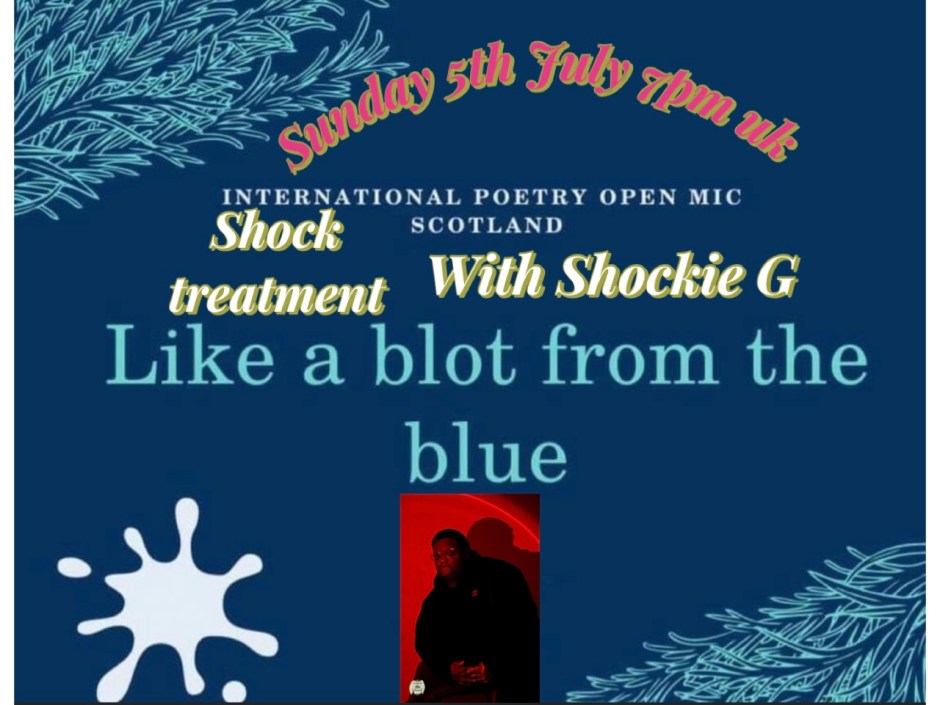
When poets talk about building an audience, the conversation often turns immediately to social media, websites, and marketing strategies. While those tools can certainly help, many poets overlook one of the oldest and most effective ways to find readers: reading their work aloud.
Poetry began as an oral art form. Long before poems appeared in books, journals, and websites, they were shared through voice and performance. Even today, a strong reading can create a connection that no social media post can match.
Many poets hesitate to participate in readings because they assume they need a published collection, a large following, or years of experience before they are ready. In reality, most reading communities welcome poets at a wide range of experience levels. Open mics, community events, library programs, and local literary gatherings can all provide opportunities to share your work.
If you’re wondering where to begin, start by looking close to home. Libraries, independent bookstores, arts organizations, community colleges, literary festivals, and local writing groups often host readings and open mics. Social media can also help uncover opportunities. Follow poets, literary journals, bookstores, and writing organizations in your region and pay attention to the events they promote. You may discover that there are more opportunities to share your work than you realized.
Don’t overlook virtual events. Organizations such as Poetry Super Highway, The Writers Center, Poets & Writers, and many regional poetry groups regularly host online readings and open mics. Event calendars on Poets & Writers and Eventbrite can also help uncover opportunities throughout the year. Many poets have built meaningful friendships, readerships, and professional connections through virtual events they attended from their own living rooms.
The benefits extend far beyond the reading itself. Every event introduces you to people who care about poetry. You meet other writers, potential readers, organizers, editors, and booksellers. Over time, these connections begin to form a literary community around your work.
Readings can also help you become a stronger poet. A poem that works beautifully on the page may reveal weaknesses when read aloud. Awkward phrasing, confusing transitions, and unnecessary words often become more obvious when spoken. The audience’s reaction can also teach you a great deal about how your work is being received.
One common misconception is that poetry readings only matter if they lead directly to book sales. While selling books is certainly welcome, the larger goal is visibility. Readers are far more likely to remember a poet whose work they have heard than a name they happened to scroll past online. Every reading plants seeds that may grow into future opportunities, whether that means invitations to other events, journal recommendations, workshop connections, or eventual book purchases.
For poets who are shy or nervous, it can help to start small. Attend a reading before signing up to participate. Read a single poem at an open mic. Volunteer to share work at a workshop or community event. Confidence grows with practice, and most poetry audiences are remarkably supportive.
If you have a collection available, bring copies. If you maintain a website, newsletter, or social media account, mention it briefly. Have a simple way for interested readers to stay connected. The goal is not to deliver a sales pitch, but to make it easy for people who enjoyed your work to find you again.
Perhaps most importantly, remember that building a readership happens one reader at a time. Very few poets wake up to discover thousands of devoted followers. Most audiences are built through repeated acts of showing up, sharing work, and participating in the literary community.
A successful poetry reading is not measured solely by the number of books sold or the size of the audience. Sometimes success looks like a conversation after the event, an invitation to read elsewhere, or a single person who tells you that your poem stayed with them long after the evening ended.
Poetry is meant to be read, but it is also meant to be heard. If you’re looking for ways to build a readership, consider stepping up to the microphone. You may discover that your next reader is already sitting in the audience.
Poetry is meant to be read, but it is also meant to be heard. If you’re looking for ways to build a readership, consider stepping up to the microphone. You may discover that your next reader is already sitting in the audience.
Just as importantly, be willing to sit in the audience yourself. Attend readings even when you’re not on the program. Support fellow poets. Listen carefully to their work. Literary communities thrive when writers show up for one another, and some of the most meaningful friendships, opportunities, and collaborations begin simply by being present. The poets who consistently support others often find that support returned when it is their turn to step up to the microphone.
Do you know of a virtual event that readers can apply to? Leave it in the comments, and we’ll share it!
One of the unexpected joys of editing a literary magazine is discovering artists whose work stays with you long after you’ve finished the issue.
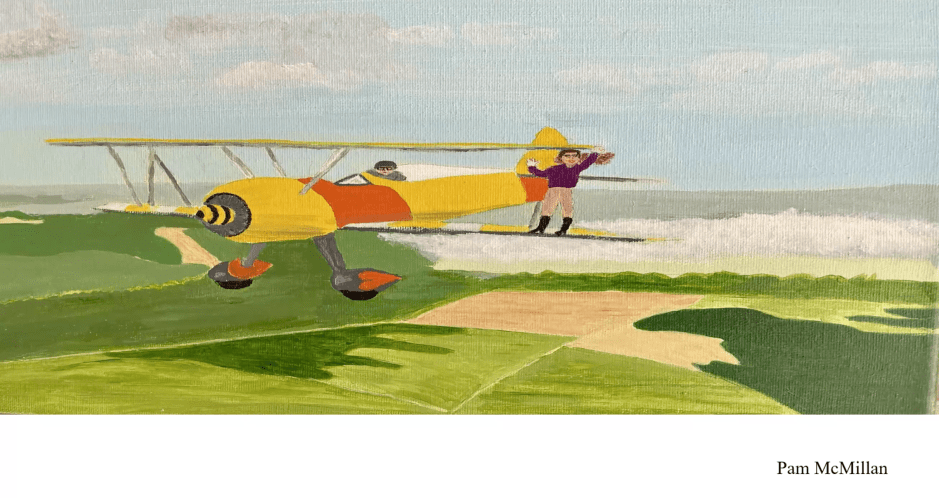
That happened to me recently with a painting by Pam McMillan that appeared in Instant Noodles Literary Magazine. I admired the piece so much that I reached out to Pam and purchased it.
Pam began drawing as a student and later studied watercolor with artists Hank Meier, James Toogood, and Sarah Yeoman. Her artistic interests also include acrylic painting, pastels, and photography. Drawing inspiration from both her travels and her imagination, she creates work that is colorful, inviting, and full of personality. Along the way, she has earned numerous awards at the Delaware State Fair, belongs to several local art leagues, and teaches watercolor painting.
What struck me most about this particular painting was its sense of movement and joy. Some artwork simply makes you stop scrolling and look a little longer. This was one of those pieces.
One of the things I love about literary magazines is that they introduce us not only to new writers, but also to talented artists we might never have discovered otherwise. Every issue is filled with opportunities for unexpected connections.
This time, one of those connections followed me home.
Do you collect art? What moves you to buy a piece?
One of the most common questions poets ask is whether they should self-publish their work or pursue traditional publication. Unfortunately, there is no single answer that fits every writer. The best choice depends on your goals, your audience, and what you hope to achieve with your collection.
Traditional publishing offers several advantages. An established publisher may provide editing, design, distribution, and marketing support. Publication through a respected press can also carry a certain level of prestige and may help introduce your work to readers who would not otherwise discover it. The challenge, of course, is that poetry collections can be difficult to place. Many presses receive far more submissions than they can publish, and acceptance often requires patience, persistence, and a willingness to face rejection.
Self-publishing offers a different path. It gives poets complete creative control over their work, from the selection of poems to the cover design and publication timeline. Rather than waiting months or years for a response from a publisher, authors can move forward when they feel their manuscript is ready. For poets who have already built an audience through readings, workshops, social media, or literary journals, self-publishing can be an effective way to connect directly with readers.
Some poets choose a middle path by working with a partner publisher or cooperative press. In these arrangements, authors may receive professional support with editing, design, production, and distribution while maintaining a greater degree of involvement and creative control than is typical in traditional publishing. Depending on the organization, costs, responsibilities, and royalties may be shared in different ways. For poets who value both collaboration and independence, this approach can offer an appealing alternative.
Regardless of the path you choose, publishing comes with responsibilities. Self-published authors often become project managers, responsible for editing, design, formatting, distribution, and promotion. While modern publishing platforms have made it easier than ever to produce a book, producing a professional-quality collection still requires time, effort, and attention to detail.
Cost and sales expectations should also be part of the decision. Most poetry collections sell modestly, regardless of how they are published. Traditional publishing may reduce or eliminate upfront costs for the author, but royalties are often lower and advances, when offered, tend to be small. Self-publishing allows authors to retain a larger share of each sale, but they are usually responsible for expenses such as editing, cover design, and formatting. Before choosing a path, it is worth considering not only how you want to publish your collection, but also who you expect to buy it and how you plan to reach those readers.
Another factor worth considering is where you are in your writing life. Many poets who choose self-publishing or cooperative publishing are not necessarily doing so because they failed to secure a traditional contract. Often, they are at a stage where they no longer wish to spend years waiting for permission to share work that feels ready. They want to hold the book in their hands, place it in front of readers, and move on to the next project.
At the same time, younger poets sometimes underestimate the opportunities self-publishing can create. A professionally produced collection can help establish a readership, create speaking opportunities, and serve as a foundation for future publishing projects. Publishing independently does not close doors. In some cases, it opens them.
Some poets hesitate to publish independently because they worry it will make them seem less legitimate than poets associated with universities, MFA programs, or established literary presses. Those concerns are understandable. The literary world can sometimes feel hierarchical, and it is easy to conclude that certain credentials matter more than the work itself.
In reality, good poetry emerges from many places. Many wonderful poets come out of MFA programs, universities, and literary journals. Poetry has always been larger than academia.
What is also true is that many poets outside those circles sometimes feel excluded, intimidated, or invisible. It can be easy to assume that publication by a university press or admission to a prestigious program automatically makes someone a better poet.
Yet poetry’s history tells a more complicated story. Whitman wasn’t an MFA. Dickinson wasn’t an MFA. Frost wasn’t an MFA. Bukowski wasn’t an MFA. Mary Oliver wasn’t an MFA.
The truth is that poetry has many rooms. The university is one of them. It isn’t the whole house.
There is also a reality that many poets, regardless of publishing path, eventually discover: marketing is largely the poet’s responsibility. Traditional publishers can help, and some presses do far more than others, but few poetry collections succeed because a publisher does all the promotional work. Readers connect with poets who are willing to participate in readings, interviews, social media, literary events, newsletters, podcasts, and conversations about their work. Whether your collection is traditionally published, self-published, or released through a cooperative press, your willingness to help readers discover it will have a significant impact on its success.
Perhaps the most important question is this: Why do you write poetry?
If your primary goal is to secure a publishing contract, your path may look very different from someone whose goal is to share meaningful work with readers. Most poets do not begin writing because they dream of contracts, advances, or industry recognition. They write because they love language, because they have something to say, or because poetry helps them make sense of the world.
A publishing contract can be gratifying, but it is not a measure of artistic worth. Many talented poets never receive one. Publication decisions are influenced by timing, editorial preferences, market considerations, and simple luck, not talent alone. Failing to secure a traditional publishing deal does not make someone a failed poet. Likewise, receiving a publishing contract does not automatically make someone a great one. The quality of the work and the commitment behind it matter far more than the path it takes into the world.
For many poets, the goal is not to generate significant income, but to be read. We spend countless hours shaping language in the hope that a poem will connect with another human being. Whether that connection happens with ten readers or ten thousand, there is something remarkable about knowing your words have found a home in someone else’s mind.
A well-crafted collection that finds its readers is a success, regardless of the path it takes to get there. Poetry isn’t really complete until somebody reads it.
What has your experience been? Have you self-published poetry, pursued traditional publication, or explored both routes? We’d love to hear your thoughts in the comments.
You know that story you’ve been meaning to write? The poem sitting in your notebook? The idea you’ve been carrying around for three weeks while telling yourself you’ll get to it “soon”?
Well, this is your official notice. “Soon” is today.
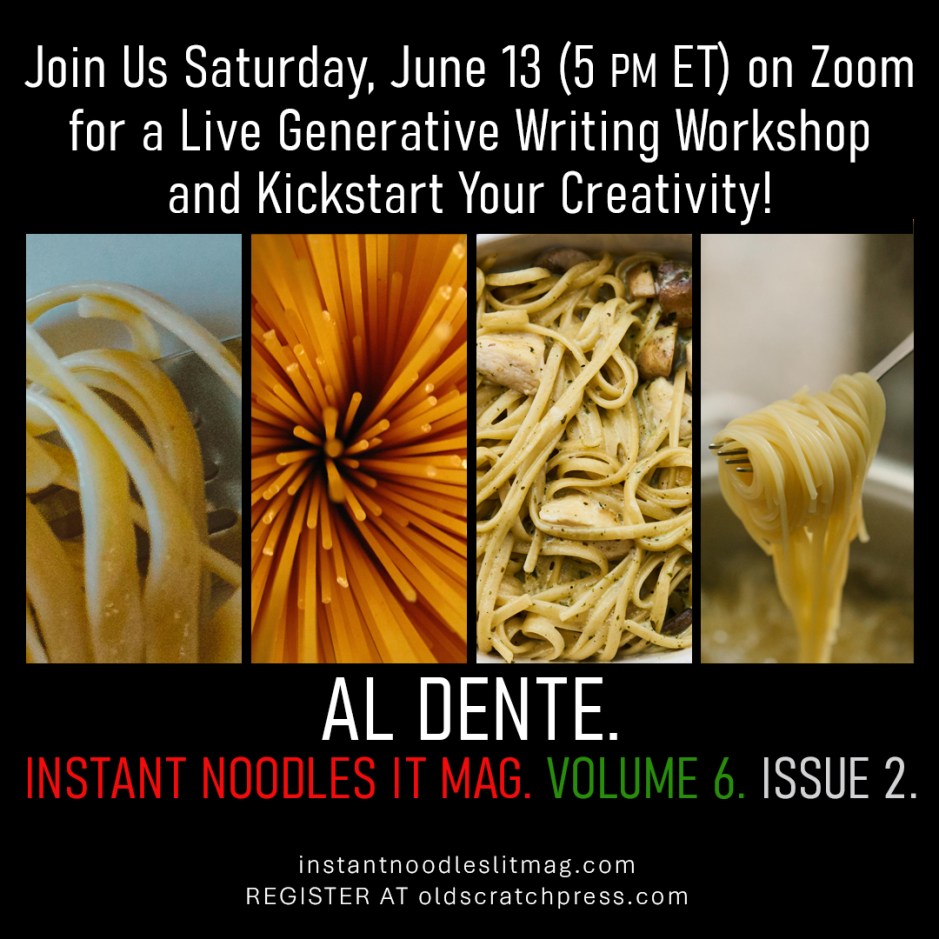
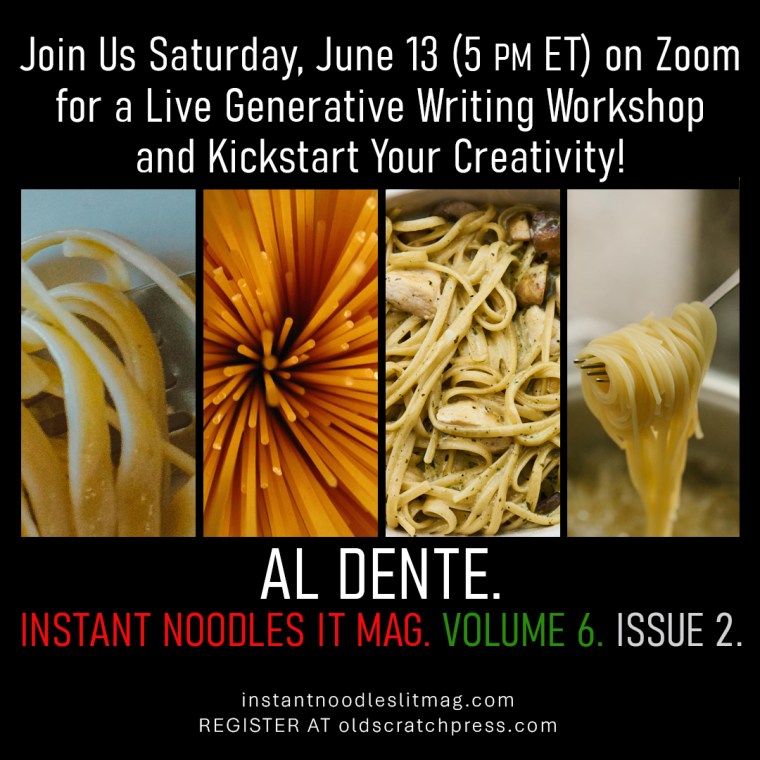
The Instant Noodles Lit Mag Al Dente Writing Workshop with Robert Fleming takes place today at 5 PM Eastern (2 PM Pacific), and we’d love to see you there.
Whether you’re a writer, poet, artist, or creative dabbler who occasionally stares out a window pretending to work, this free online workshop is designed to help spark ideas, answer questions about submissions, and get you thinking about our upcoming Al Dente issue.
No fancy credentials required. No publication history required. No secret literary handshake required.
Just bring yourself, your curiosity, and whatever creative project has been lurking in the back of your mind.
Seats are limited, and once the workshop starts, you’ll have to live with the knowledge that everyone else is talking about writing while you’re reorganizing a drawer or scrolling social media.
Thinking about submitting to the upcoming Instant Noodles Lit Mag issue, Al Dente?
Before you hit “send,” join Editor Robert Fleming for a free online workshop on Saturday, June 13, at 5 PM Eastern (2 PM Pacific).
This informal session is designed for writers, poets, and artists who want to learn more about the theme, explore ideas, and discover what kinds of work might be a good fit for the issue.
Literary magazines can sometimes feel intimidating from the outside. This workshop is an opportunity to ask questions, generate new material, and connect with fellow creatives in a welcoming environment.
Whether you already have a submission in progress or are still waiting for inspiration to strike, you’ll leave with fresh ideas and a better understanding of where your work might fit.
Attendance is free, but seating is limited.
Reserve your spot today and help us make the next issue of Instant Noodles Lit Mag something special.
Every June, Pride Month invites us to celebrate the LGBTQ community, but it also offers an opportunity to remember the writers who came before us. Long before rainbow flags appeared in storefronts and city parades filled the streets, LGBTQ writers were telling their stories, often at considerable personal risk.
For much of recorded history, openly writing about same-sex relationships or gender identity could result in social ostracism, censorship, imprisonment, or worse. As a result, many writers learned to communicate indirectly. They hid meaning in metaphor, coded language, and carefully crafted characters whose experiences reflected realities that could not be openly discussed.
Yet the stories persisted.
Ancient poets such as Sappho, writing on the Greek island of Lesbos more than 2,500 years ago, created works that expressed love between women with remarkable honesty and beauty. Centuries later, writers including Walt Whitman explored themes of affection, companionship, and identity that continue to inspire readers and scholars today.
The nineteenth and early twentieth centuries saw LGBTQ themes emerge more visibly in literature, though often behind a veil. Writers such as Oscar Wilde challenged social norms through wit, satire, and storytelling, while others concealed their identities entirely to protect themselves and their careers.
The twentieth century brought both tragedy and progress. Books dealing openly with LGBTQ experiences were frequently banned, challenged, or removed from shelves. At the same time, courageous authors continued to publish stories that reflected lives rarely represented in mainstream literature. Works by writers such as James Baldwin, Rita Mae Brown, Armistead Maupin, Audre Lorde, and many others helped expand the literary landscape and offered readers the powerful experience of seeing themselves on the page.
Today, LGBTQ literature spans every genre imaginable. Romance, horror, mystery, science fiction, fantasy, literary fiction, memoir, poetry, and children’s books all contain stories written by and about LGBTQ individuals. Readers can find characters whose identities are central to the story, as well as characters whose identities are simply one aspect of richly developed lives.
That may be one of the most important developments of all.
Representation matters, but so does normalization. LGBTQ characters no longer exist only to explain themselves or justify their place in the world. They can be heroes, villains, detectives, astronauts, poets, parents, dragonslayers, and everything in between.
Literature has always been one of humanity’s most powerful tools for understanding one another. Stories allow us to step into lives different from our own and discover shared hopes, fears, joys, and struggles.
This Pride Month, we celebrate not only LGBTQ writers, but the generations of storytellers who continued writing when doing so was difficult, dangerous, or unpopular. Their work expanded the literary world for everyone who came after.
And because of them, more voices than ever are able to tell their stories openly, honestly, and proudly.
Happy Pride Month!
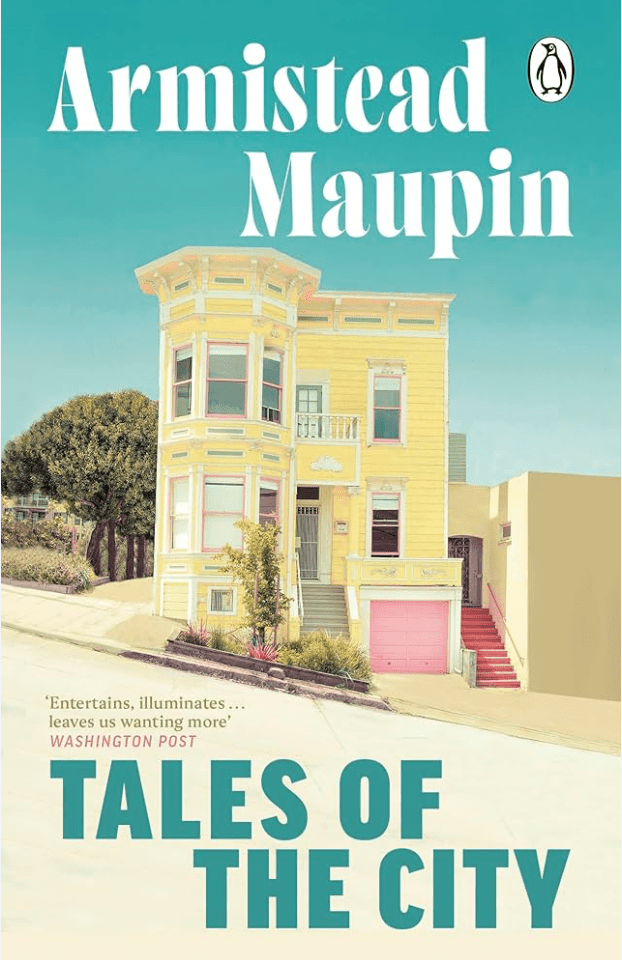
What’s your favorite LGBTQ-authored book? Mine is Tales of the City! In the 90s PBS (I think) made it into a mini series and I loved that too.
🙂
Dianne
OSP is part of CWP, which is a member of the Safe Space Alliance.
Hey there authors, have you submitted yet to Instant Noodles Volume 6 Issue 2:AL DENTE?
Al Dente: In cooking, pasta or risotto al dente (/ælˈdɛnteɪ/, Italian: [al ˈdɛnte]; lit. ’to the tooth’) is cooked to be firm to the bite, requiring a brief cooking time. The term also extends to firmly-cooked vegetables. In contemporary Italian cooking, it is considered to be the ideal consistency for pasta.
What does al dente mean to you? To your neighborhood vampire it probably means something different. How about to the prospector mining gold?
Send us something that you haven’t overcooked!
Submissions close on July 5, 2026; the issue publishes SEPTEMBER 1, 2026.