Perhaps it was the illustrations that captivated me when I’d pour through the fairytale books, the dragons and the princesses with long gowns and tresses, but of all the picture books in my room when I was a young child, I liked the fairytales the best.
I can still remember many of those books, the way they looked with their ornate borders and their detailed portraits of the handsome Puss N’ Boots or the angry face of Rumpelstiltskin as he stamps hard enough to crash through a floor and into oblivion. Styles evolve and change, and the animated images of the Walt Disney studios who’ve popularized many fairy tales by converting them into cartoon movies, don’t have the same depth of detail as those old illustrations. I love the old woodcut and color plate illustrations, but many contemporary artists add new magic and perspective to an old story. When you read a fairytale or any story for that matter, the possibilities for elaboration are endless.
“Happily Ever After” isn’t always the case in some of the Hans Christian Anderson Tales, such as “The Red Shoes” and “The Little Mermaid.” But as fairy tales have been told and retold so many times, multiple versions circulate. Children today probably have no idea that the original “Little Mermaid” is a tragic story of desire and loss. The little mermaid was unable to permanently become a human. Her attempts at transformation cause her to lose her life as a mermaid. What remains, is her hope that one day she’ll become part of the eternal universe.
In the hands of the Disney writing team, however, “The Little Mermaid,” became a story about family conflict, friendship, love, and fulfillment. The result is a story with a happy ending.
What story would you like to write?
But that’s okay, because fairy tales are part of our oral tradition and why not use the familiar tropes from our childhood as building blocks to create new stories or retell old ones. I think it is important to remember and learn from what went before. However, the stories of our lives keep evolving. So, what story would you like to tell?
To get you started, I’m sharing the work of several writers who were and still are inspired by fairy tales.
Many poetry enthusiasts will probably be familiar with the poem “Goblin Market “by Victorian era British poet Christina Rossetti(1830-1894). It utilizes the folklore of goblins to set the scene with lines like these:
"Pricking up her golden head:
"We must not look at goblin men
We must not buy their fruits:
Who knows upon what soil they fed
Their hungry thirsty roots?”
“Come buy,” call the goblins
Hobbling down the glen."
To read the entire poem and learn more about Christina Rossetti, click here.
Another writer, Anne Sexton (1928-1974) took fairy tales as a launching point to reimagine social norms.
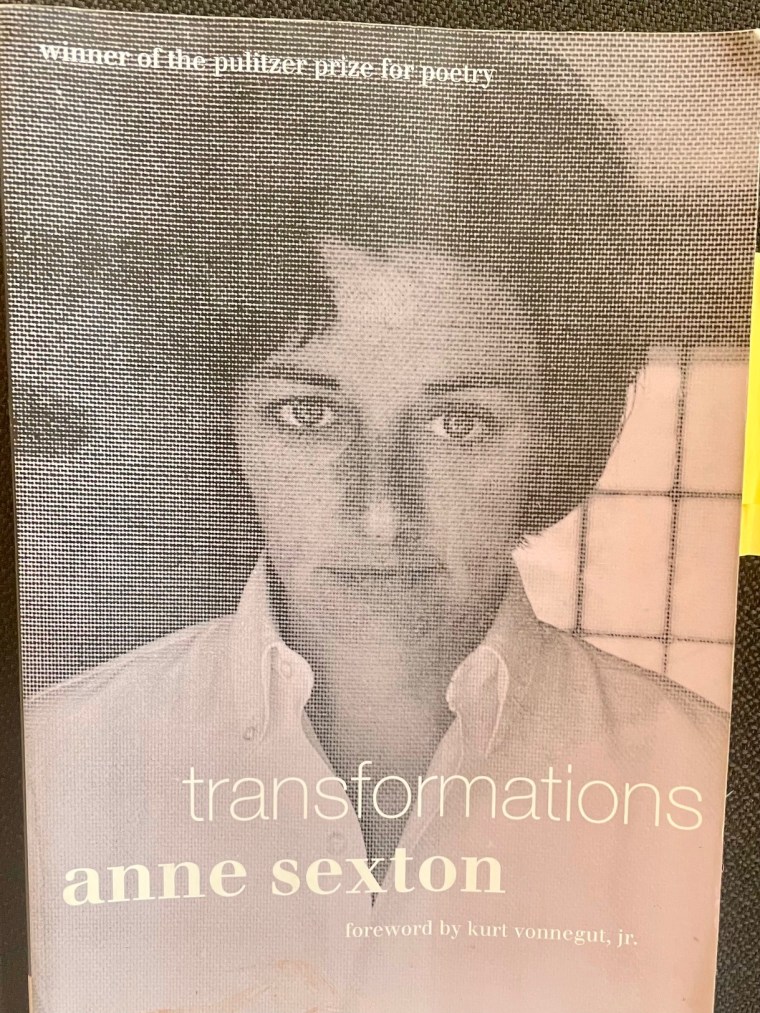
American poet Anne Sexton is considered a pivotal figure in the confessional poetry movement that emerged in the mid-20th century. Her work holds nothing back as it shares her personal struggles. Themes she explores include: mental illness, sexuality, and the complexities of womanhood. Her poetry collection Transformations contains seventeen poems inspired by Grimm Fairy Tales, that include Red Riding Hood, Rapunzel and CInderella, that challenged the prevailing norms of her times. I highly recommend adding this volume of poetry, the contents of which are unavailable online, to your library.
“The Cinder Girl Burns Brightly” by Theodora Goss is a different take on the Cinderella fairytale, told in poetry. Hungarian American author Theodora Goss (1968–) is a prolific author of novels, short stories, poetry and essays, and more of her work can be accessed at this link.
And finally I share a short story by American writer Michael Cunningham, famous for his novel The Hours, this little story, Wild Swan is inspired by the Hans Christian Anderson fairytale “The Wild Swans.” Brilliantly he takes the premise of the original story and creates an alternate re-telling set in modern times that focuses on one of the enchanted princes.
Need a writing prompt? Just read a favorite fairytale and think about how you’d like to retell it differently or take just one character or element and spin it into a poem or story.
Thank you for reading. Please sign up to follow Old Scratch Press here on WordPress and on Facebook.
Nadja Maril is an award winning writer and poet who has been published in dozens of online and print literary journals and anthologies including: Lunch Ticket, Spry Literary Journal, Invisible City Literary Review, Instant Noodles and The Journal of Compressed Creative Arts. She is the author of Recipes From My Garden, published by Old Scratch Press (September 2024), a Midwest Review California Book Watch Reviewer's Choice. An Anne Arundel County Arts Council Literary Arts Award winner, her work has been nominated for the Pushcart Prize and The Best of the Net. She has an MFA in creative writing from Stonecoast at USM.
Sitting on a bench sharing a coffee with old friends in a little northern Pennsylvania village, I saw it for myself. How much poetry in public places matters, even there, in remote mountains, where only about a hundred people reside year-round. Dangling from the willing arms of trees, laminated cards with phrases from poems or short poems that captivated both young and old. Children read them to each other aloud. Adults stopped on their morning walk to pause, read, reflect, nod, sigh or smile. Even some hard to please teenagers stopped their bike tires to read. What I didn’t expect to feel is how much it meant to them and to me. Poetry matters, folks. It matters big time. All writing matters. The Arts make all the difference in the world.
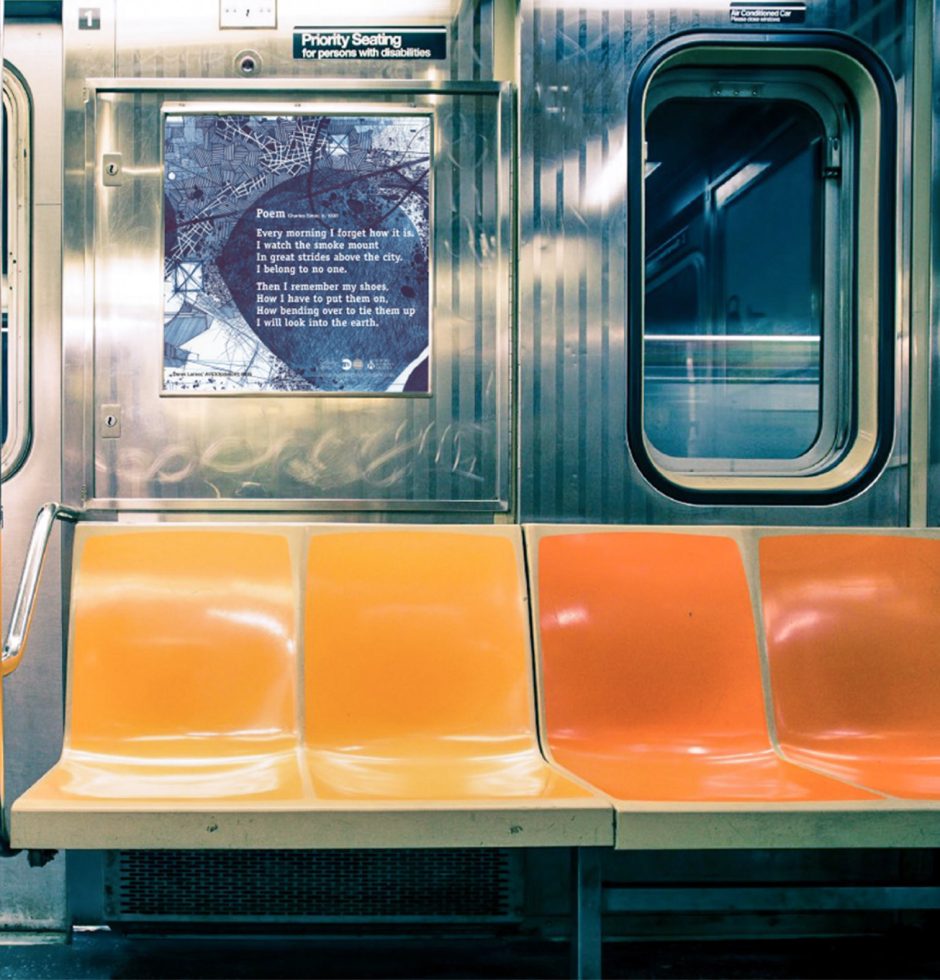
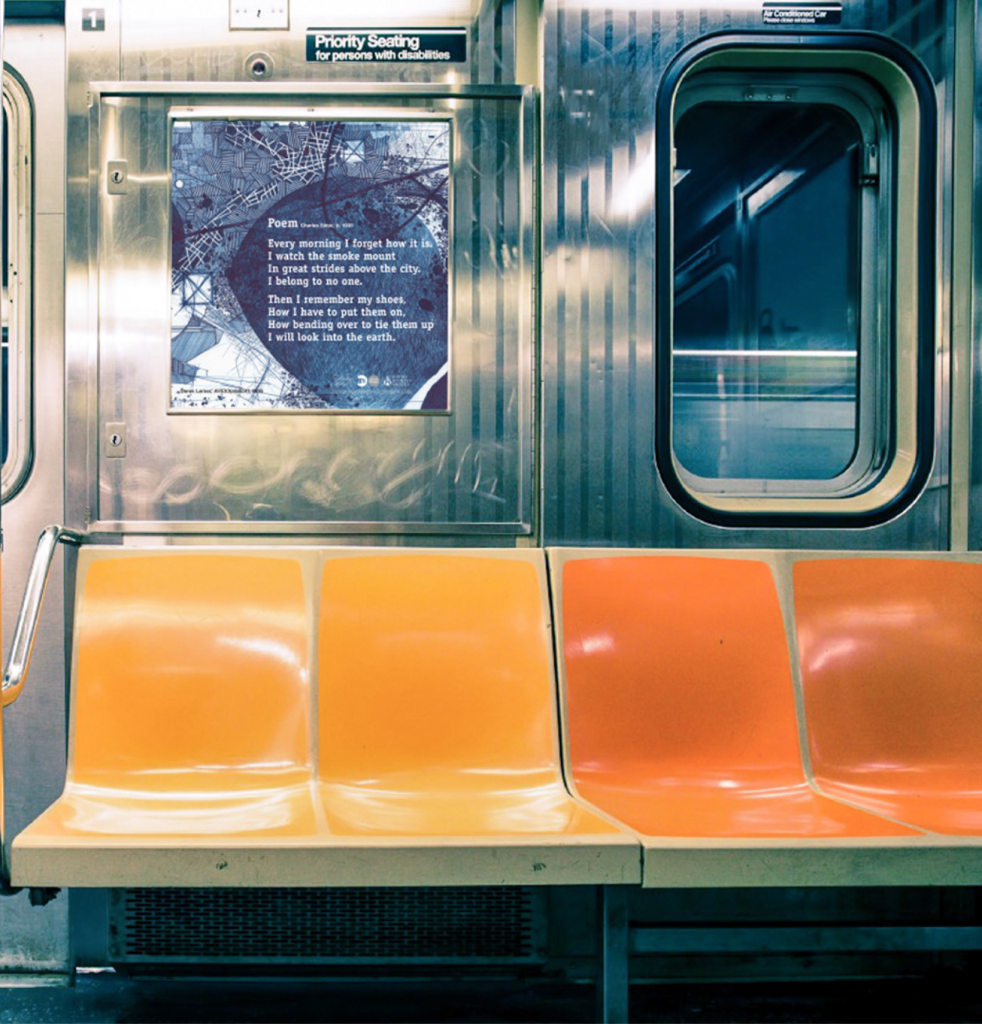
This little town is reflecting other larger movements to display poetry in outdoor places from around the world. Many people have heard of the Poetry in Motion initiative launched 1992 by the NYC Metropolitan Transportation Authority and the Poetry Society of America to bring poetry to millions of harried and stressed commuters. Poetry was displayed is subway cars and digital screens in stations. Each poem was accompanied by artwork. By 2002, 150 poems had been shared from all over the world, spanning the centuries. The poems reached out and met people in their own busy lives and enriched them. Readers reported looking forward to a new poem. They would snap pictures and send them to their friends. The world was different, changed and better.
The Poetry in Motion Initiative was relaunched in 2012 under MTA Arts and Design. You can visit their website to read poems and learn of upcoming programs. Over 30 other US cities launched similar initiatives in the wake of Poetry in Motion including Philadelphia, LA, Nashville, San Francisco and Providence. Public poetry has popped up in many other places such as cafes, libraries, playgrounds and picnic tables in seven national parks thanks to Ada Limon our 24th Poet Laureate who championed the idea of transforming picnic tables into public art by including a historic poem with some connection to the park.
There is also a Facebook page “The Poetry in Public Places Project” that encourages everyone, you and me, to display poetry outdoors. You can visit this page to enjoy creative and inspiring ideas. For example, from Hoboken, NJ, a photo of a box of poetry where people are invited to TAKE ONE, yard signs from the Mercer County Library System, a poem painted on a breakwater in Milwaukee.
I wondered what poems went first in the NYC Poetry in Motion. There were four of them. “Crossing Brooklyn Ferry” by Walt Whitman, “When You Are Old” by William Butler Yeats, “Let There Be New Flowering” by Lucille Clinton and one of my favorites. Enjoy this poem and cheers to more poetry in the open air and hope!
—Ginny
“Hope” is the thing with feathers
“Hope” is the thing with feathers – That perches in the soul – And sings the tune without the words – And never stops – at all – And sweetest – in the Gale – is heard – And sore must be the storm – That could abash the little Bird That kept so many warm – I’ve heard it in the chillest land – And on the strangest Sea – Yet – never – in Extremity, It asked a crumb – of me.
Emily Dickinson
If the New York Subway System asked you for a poem, what would you write?
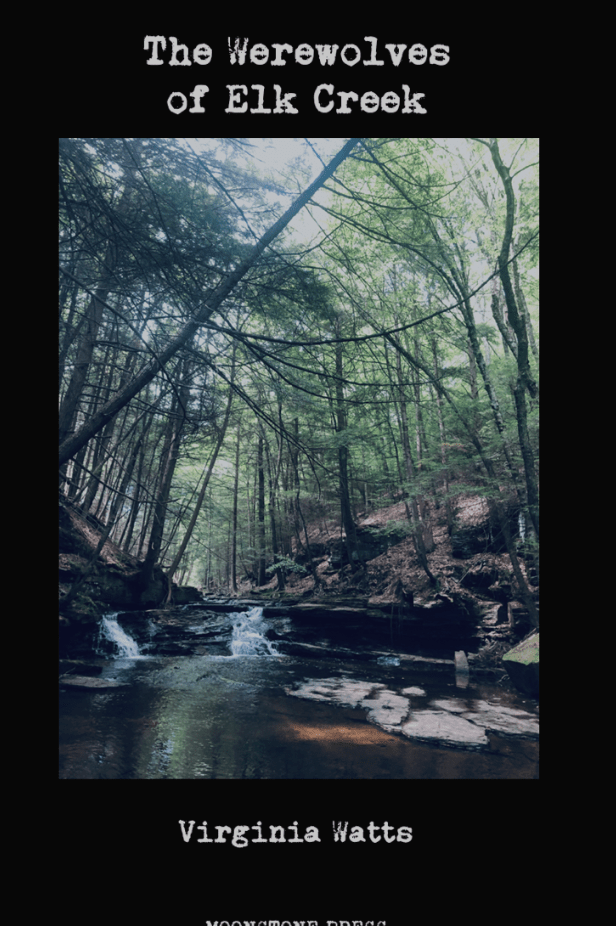
Virginia Watts has been fortunate to have published nearly 100 pieces in literary magazines including CRAFT, The Florida Review, Reed Magazine, Pithead Chapel, Permafrost Magazine, Broadkill Review, Two Thirds North, Hawaii Pacific Review, Sky Island Journal, Eastern Iowa Review, Evening Star Review and Streetlight Magazine. Nominated four times for a Pushcart Prize and four times for Best of the Net, in 2019, Watts won The Florida Review Meek Award in nonfiction.
Virginia’s new book is now available from Old Scratch Press:
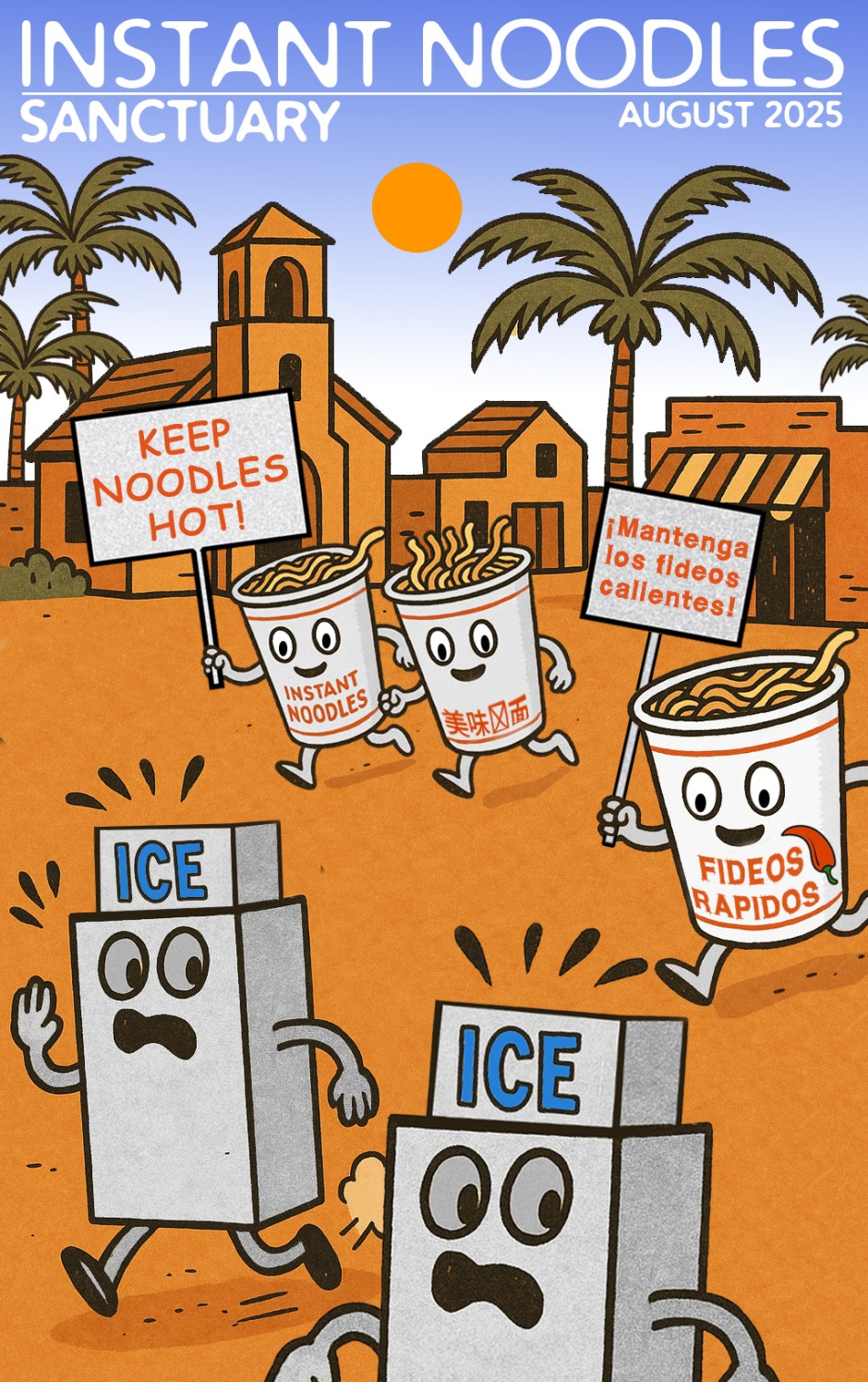
For many of us, reading is a means of escaping the clamor of the real world for a brief time. The theme of the current issue of Instant Noodles is “Sanctuary.” If you’re seeking to give your brain a respite from the news feed, head on over to read the latest issue, curated by the members of Old Scratch Press!
Instant Noodles is open for submissions for our Winter issue! If you have a piece that fits our “Gravy” theme and is on the light-hearted side, please check out the submission guidelines here! We try to fill our Winter issue with fun and mayhem, so please remember that HUMOR, not melancholy is our ask for this issue!
Old Scratch Press is also seeking new members to join our collective! If you write short form pieces (like flash fiction, poetry, or flash memoir), and you’re interested in working with our collective to publish your collection of work, check out our submission guidelines at Duotrope to see if we might be a good fit! The submission window closes on August 31!
Before you read this you’ll want to check out the NEW issue of Instant Noodles Literary Magazine which has some excellent examples of creative nonfiction along with poetry, short stories and eye catching artwork.https://instantnoodleslitmag.com/
Now let’s talk a little about CNF.
In my previous profession as an antiques dealer, I came across many 18th and 19th century journals and often the most remarkable thing about them was their impeccable penmanship.
Nowadays the word journaling connotes the writing of innermost thoughts; but often the journals I encountered contained lists of items purchased and/or a record of weather events. If someone did write down deep and personal information, they hadn’t left it behind to be found by a stranger.
In the 20th century it was fashionable to keep a “diary” and diaries came with locks and keys. Many stories have been told about a diary being read by a parent or a diary falling into the wrong hands. The locked diary contained things not meant to be shared.
Whatever was written in a journal or diary was someone’s truth.
Gradually a shift in what can be shared and what must be kept secret occurred. True stories, nonfiction, became popular fodder for books, movies, and television series. We are intrigued by the unbelievable. In literature, the memoir that thoughtfully reveals the life of the author is celebrated.
Creative nonfiction is a writing genre that can be tricky to define. Based on a true event, the creative designation, indicates the importance of artistry. The writer seeks to use their craft to convey a feeling, a fear, a triumph, a predicament they personally experienced or witnessed.
Often creative nonfiction and poetry cross paths. A poem can be inspired by a witnessed event or experience, and therefore some might call it creative nonfiction. A flash creative nonfiction story with rhyme, alliteration, and rhythmic sentences could be categorized by some as a prose poem.
Here is an example for you to ponder, a prose poem by American poet Amy Lowell.
Bath
By Amy Lowell (1874-1925)
The day is fresh-washed and fair, and there is a smell of tulips and narcissus in the air. The sunshine pours in at the bath-room window and bores through the water in the bath-tub in lathes and planes of greenish-white. It cleaves the water into flaws like a jewel, and cracks it to bright light. Little spots of sunshine lie on the surface of the water and dance, dance, and their reflections wobble deliciously over the ceiling; a stir of my finger sets them whirring, reeling. I move a foot and the planes of light in the water jar. I lie back and laugh, and let the green-white water, the sun-flawed beryl water, flow over me. The day is almost too bright to bear, the green water covers me from the too bright day. I will lie here awhile and play with the water and the sun spots. The sky is blue and high. A crow flaps by the window, and there is a whiff of tulips and narcissus in the air.
***
Each person’s perception of what they witnessed is slightly different. Then the question shifts to how much is fact and how much is fiction. Has the story has been changed to suit the storyteller? In the telling and the writing, the emphasis of what was important may shift. Once again, this can be the result of artistic interpretation.
The process of writing creative nonfiction has me returning to it again and again. Pure fiction has its own joys, but creative nonfiction provides an opportunity for personal discovery. Why do i remember an event a certain way, I ask myself, while someone else remembers it differently? Maybe that tells me something about myself.
The best way to develop an appreciation for creative nonfiction is to read it.
Thank you for reading this post and visiting the Old Scratch Press Blog. This Sunday, August 3rd. from 2:00 to 5:00 p.m., several members of the Old Scratch Press Team are participating in an international Poetry Reading, Blot of Blue
And you can attend online. Here is the information and invitation.
In his sonnets, Shakespeare would use end-stops rigorously, with most lines ending in commas, semi-colons, and colons. Sometimes he relied on enjambment or exclamations, but as far as possible, he seemed to save his full stops for the very last line.
Take Sonnet 18, “Shall I compare thee…”: six commas, four semi-colons, two colons, one question mark, and one full stop.
Ezra Pound, on the other hand, would often refuse to use any end-stops at all.
Take these lines from Canto LII:
The empress offers cocoons to the Son of Heaven
Then goes the Sun into Gemini
Virgo in mid heaven at sunset
indigo must not be cut
No wood burnt into charcoal
gates are all open, no tax on the booths.
No commas, no colons or semi-colons, “midheaven” is split for emphasis or for pause. There’s as little punctuation as possible, down to “gates are all open, no tax on the booths.” That solitary comma functions almost as a speed bump near an intersection.
According to Daniel Albright, W.B. Yeats had ‘punctuational quirks’ which he was happy to leave to his editors to sort out. It was as if those technicalities were above or below the poet, who belonged to another realm of language.
T.S. Eliot, like his mentor Pound, would sometimes drop punctuation altogether, but then he would go and stick in a full stop just to confound the reader:
On Margate Sands.
I can connect
Nothing with Nothing
(“The Waste Land,” lines 300–302)
Most people read those lines as “On Margate Sands, / I can connect / Nothing with Nothing.” So why the full stop? Some say it’s to heighten the sense of isolation and fragmentation, but it actually spoils the drama rather than intensify it. “I can connect / Nothing with Nothing” is no longer restricted to this moment, here-and-now, on Margate Sands. It steals some of the bombast. Perhaps that was the point, who knows?
One thing that seems pretty clear is that punctuation plays by different—or fewer—rules in poetry.
In “Un Coup de Dés,” Mallarmé throws punctuation out the window almost entirely, relying on spaces and font size to convey the necessary pauses and emphases. Punctuation becomes visual and spatial, and all the more effective for it.
Compare that with Sylvia Plath, who was a heavy punctuator:
Clownlike, happiest on your hands,
Feet to the stars, and moon-skulled,
Gilled like a fish. A common-sense
Thumbs-down on the dodo’s mode.
(Opening lines of “You’re”)
Apostrophes, hyphens, and commas in all the right places.
So, the question is: does punctuation really matter in poetry?
Perhaps it depends on whether it’s intended to be read aloud or read off the page. At a reading, intonation and cadence work magic that is sometimes hard to replicate in print, where that same impact disappears somewhere between too much and too little punctuation.
I suppose we’ve all got our own punctuational foibles. I often neglect end-stops. I know I shouldn’t, but putting in a comma, semi-colon or colon just feels wrong at the end of some lines. Not all, just some. I could not actually say why. It’s not a rational thing. It’s pure feeling.
So whether you’re partial to Elizabeth Bishop’s em-dashes or agree with Joyce that quotation marks “are an eyesore,” rules are strange visitors in poetry. You can choose whether to follow them, or which ones to follow, and no one can really complain—except the reader, who will have to read in all the end-stops and what-nots we choose to leave out.
Anthony Doyle is a founding member of Old Scratch Press. He is the author of the novel Hibernaculum and the recently-published Jonah’s Map of the Whale and Other Poems.
Are you finding it difficult to get into the holiday spirit this Independence Day? Artists have been exploring the concepts of freedom and independence through their art for ages. While fireworks light up the sky and flags wave proudly on July 4th, it’s also the perfect time to spark something else: a love of reading. Independence Day is about more than history—it’s about the ideals that shape our country: freedom, courage, justice, and hope. What better way to explore these themes than through reading?
Whether you’re holiday plans include relaxing at the beach, enjoying a backyard BBQ, or cooling off indoors, there are many ways you can bring some great reading with you.
Art can remind us where we came from, challenge us to think critically about the present, and inspire us to shape a better future.
Here is a poem by Langston Hughes that explores how he felt about America.
Or you might try an Abecedarian by Varsha Saraiya-Shah.
And if you want to stir your patriotism and spark some hope, try this poem by Carlos Bulosan.
This July 4th, don’t just celebrate with fireworks—celebrate with a poem or story.
If you’re a writer, there are some places looking for work on American themes.
WWPH is looking for American themed haiku. Submissions run through July 6.
Gnashing Teeth publishing is also looking for American themed poems, but their submissions close today, so you’ll have to write fast!
Missed the deadline? No problem! You can still enjoy reading their selections tomorrow!
Anthony, you hit a number one. Congratulations! Although Anthony’s poetry is written in English, not Spanish, it does seem that his adopted cultures are loving his work. To read any of Anthony’s work is to know he is an extremely talented author, and now Amazon agrees! I hope readers in the US and in his home country of Ireland agree, and that this will bring readers to Anthony’s work from all over the world, because I really am a fan. And, apprently, so is book reviewer Emma Lee who says:
Jonah’s Map of the Whale is an exploration of self, self-identity and how much personhood is formed by external circumstances, through three different characters. One is pushed along by external pressure and lacks agency. One has agency but fears she carries a hollowness. One is faced by a life-changing experience that he can sink or swim from. Each character feels fully-developed. Anthony Doyle has created a quirky look at a set of beings tackling very different philosophical and physical circumstances, prompting readings to consider who might survive, who might thrive and which one reflects the reader best. It’s a map worth reading.
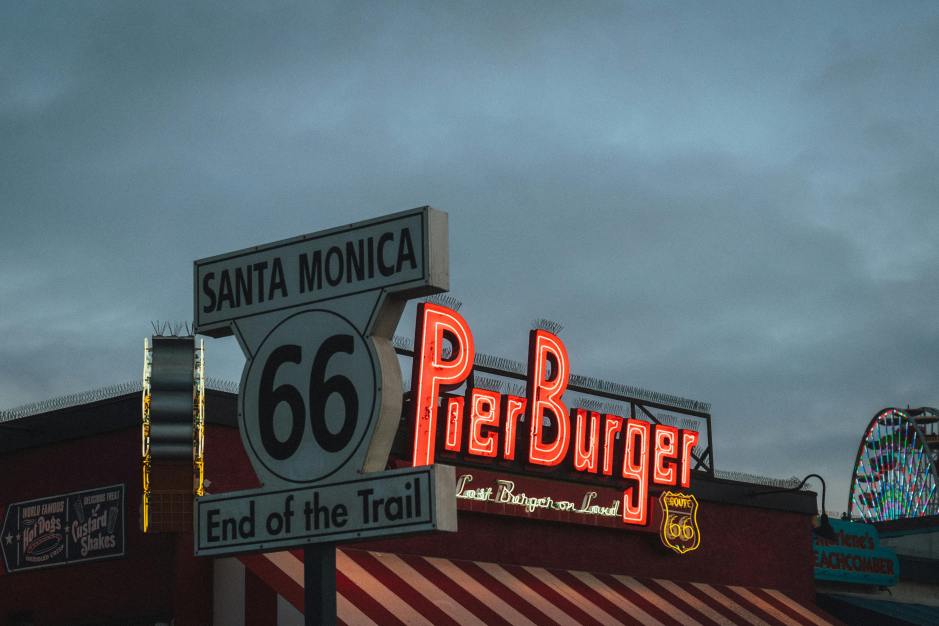
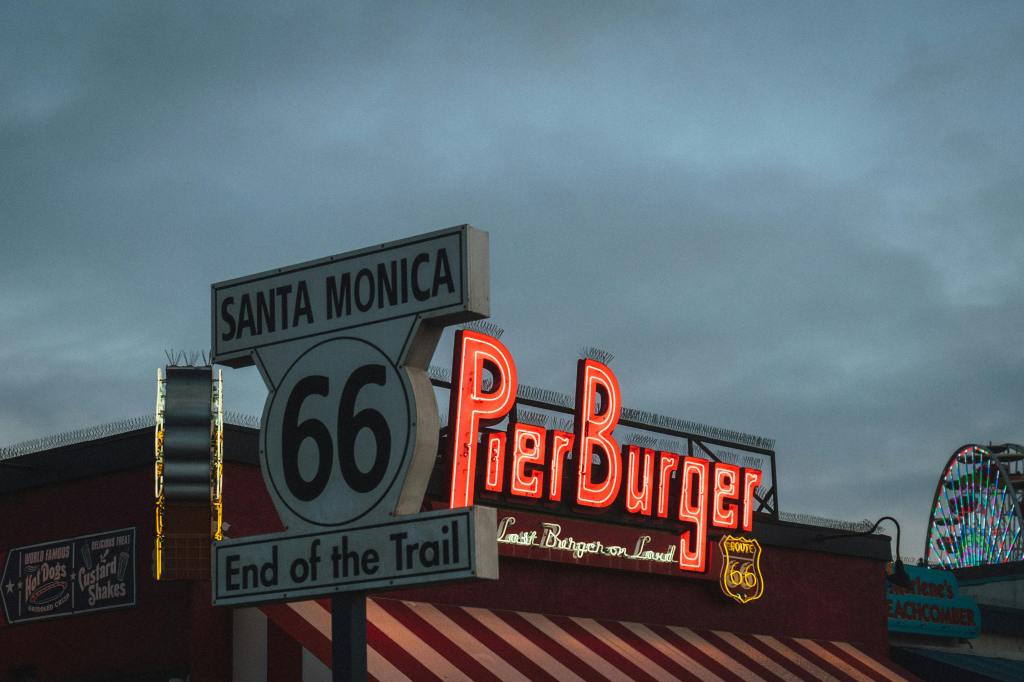
I live in Los Angeles, and it’s been a little bit unnerving to see what is on the news about us.
When I first moved to Los Angeles I lived in Venice Beach, on the Westside, by the Pacific Ocean. Venice Beach is beautiful, and weird, and has been heavily gentrified even since I lived there, and is now almost evenly split between people living in three million dollar homes, and people living in tents. It’s a problem on both ends of that financial situation. Of course, can you imagine being homeless? You would pitch a tent in a minute if you could, and you would definitely want to be in a temperate climate where people were laid-back, and where there were a lot of other people just like you around, to make you feel less obvious, and safer. I watched a video just yesterday about people who have chosen to live in vehicles (cars, campers) not in Venice Beach, but in the USA, and how they (being very digital) will meet up and hang out in different free camping areas to have a community. And why would people without homes be any different?
Los Angeles has a homeless, or unhoused, people problem.
Los Angeles, and all of Southern California, has a lot of immigrants. Many of them are legal immigrants, some are illegal. Some are only here for work. Many want to get enough money through work here to send home to family in order to eventually rejoin family. I have met many people with that plan from Asian countries and countries south of the USA. Those folks are not wanting to live here forever. They’re trying to make enough money that everyone can live well, back home. But there is no mechanism for that of any workable consequence here in the USA. The visas for work are not for waiters and day laborers. The visas for work are for IT people and doctors, that sort of person. In Los Angeles we know that the Uber driver, the waiter, the grass cutter, is probably not here legally, and not intending to stay. We get it, and I think, for the most part, we’re happy to have the low-cost help.
Then there are other people who want to stay: people who came here fleeing violence, people who came here as babies and have only known here, people who came here as students and experienced so much prosperity and freedom compared to life back home that they don’t want to go back. As Americans we cannot really understand how different life can be, especially for the very poor, and women in general, in other countries, even countries like China or India that we might see as very western. When we were in China (my husband Dave and I) to adopt our daughter in 2009 we met our daughter at our hotel, a huge, lovely hotel, about twenty floors or so, and absolutely where the wealthy and foreigners stayed. As soon as my daughter was placed in my arms I lost the ability to sleep, and so I spent the long nights in the hotel hanging out in the bathroom, so I didn’t wake up Dave and daughter, and it had a floor to ceiling glass window next to the shower, and I could see right down the main street of Nanchang. Next to us was another tall building, and each balcony had laundry and sausages hanging off of it. And if we were on flour fourteen of the hotel, it was probably floor eleven of the apartment building that was completely blown out. I don’t know what had happened there, but it was rubble like you might see in a Tom Cruise movie. And above it, and below it, the balconies had laundry and sausages hanging. Rain or dry, explosion, crumbled concrete or not, the balconies had laundry and sausages hanging. And on the streets, during the day, scores of people stood over lit barrels boiling eggs to sell, any kind of egg you could possibly want: quail, chicken, duck, and probably more I am too American to think of. The eggs came in all shapes and sizes, and the egg vendors huddled over the steamy pots trying to stay warm.
When we went into Nanchang from the airport we started first driving (in the passenger van with the other parents) through marsh, wetlands, dark and stinky, Then the marsh started having bits of high and dry land, and as soon as those appeared, there were tents and carboard shacks on them: people were living there. And as we progressed on (it was a long drive from the airport) there were more shacks. As the land got more livable the shacks got a little bigger, and then there were small villages with tiny crumbling houses, and then towns, and finally cities, and Nanchang was a huge city with underpasses and overpasses and pedestrian tunnels due to there being too much traffic on the eight-lane streets for people to cross safely. And in Nanchang the people lived stacked up twenty stories high in little efficiency apartments where their clothes and their dinner hung outside in the high breeze all year long, hot, cold, wet, dry, frozen or not. In Nanchang the city was so full and so busy that even at three in the morning there was a constant cacophony of car horns blaring below me, way below, fourteen stories below, in the street. The noise was significant, even up as high as I was. It was bumper to bumper car lights all night long. The bathtub in my bathroom was deep, and the hot water was endless, and I could soak and secretly watch the entire world below, all night long as I worried I was going to suck as a parent.
The day after we got our daughter we took the van across the street. The street was so large and so busy we had to take the van to safely get across, and we went to the “adopt your child here” building, which was easily fifteen stories high itself. I remember my ears popping as we rode the elevator up. When we got to the “this is where you give the boxed ginseng from Pennsylvania and sign the forms” floor we got off. It was freezing cold on that floor, and there were no electric lights turned on, so it was fairly dim, on a rainy forty degrees day, as we dipped our thumbs in red ink and signed our papers severing our child from one nation and attaching her to another. Each clerk we dealt with was wearing a winter coat and gloves with the fingertips cut out, over their business suits. I felt, in all honesty, both so lucky, and also that I had saved my tiny daughter from a hard life.
Dave and I ate Chinese food (of course we did) eagerly and with relish the whole time we were there, but there was one afternoon where I had been dragging Dave and our baby daughter exploring around, that we were just tired, and we went to a McDonalds in an eight-story shopping mall. I remember it was elevators only, and people were always waiting, and they would literally leap over you to get in. I think we waited at least three times to get on. When we got off and made our way to the McDonalds the line was about two blocks from the restaurant door. It moved quickly, and as we went inside I saw that they had the tables McDonalds had had when I was a kid, like cafeteria tables with immovable swivel chairs attached. Each chair had three people sitting on it. Let that sink in. One small hard plastic swivel chair, and three butts. Yes, butts in China are very much smaller than in the USA, and that tells you something right there that has nothing to do with genetics.
I remember when all of us (all across the world) who had submitted our paperwork in March of 2005 were talking in a Yahoo group about everything China-adoption related. It was common for people from the same month to design a t-shirt to wear in China so that they could spot each other (as if white people with Asian babies wasn’t enough of a clue). And I remember a whole passel of American members got up in arms because our group wanted a rainbow on the shirt, and those up in arms didn’t because they did not want to be associated with anything “gay.” And I remember thinking, in that moment, as if a lightning bolt had hit me, You may have been able to check a box for a gender preference, but even that wasn’t a guarantee, and what if your child turns out gay? Are you not open to whoever your child turns out to be? It wasn’t the first or last time the adoption process has taught me lessons about how little control I have in life. But what really hit me then was how it made me view those parents-to-be both as dumb, and unkind.
If you have not experienced life in a place with real poverty, you cannot imagine what people would do to get their families out of it. Could you sit all day in the cold, trying to sell your steaming eggs alongside hundreds of other people steaming eggs, baby tied to your back, little dog on a newspaper on the ground, everyone trying to stay warm and have enough to eat?
Los Angeles is okay, folks. It’s fine today, and it was fine last week, even with the homeless and all the immigrants of varying status. It’s actually a place where, rich or impoverished, people are generally in a good mood and kind and a heck of a lot more pleasant than my Philly neighbors used to be. (No disrespect Philly; you’re a great town, and you have your reasons.) We’re not bothered by immigrants at all. We are bothered, in many different ways, by some homes costing three million and some homes being cardboard shacks like in the marsh in China. But the current administration is not helping us with either of those problems. And it is potentially creating a lot more that we don’t need or deserve simply because most of us in this county voted for the Black woman.
But in this moment, what difference can I make? What can I do to help?
It is another hard lesson to learn that sometimes the only thing to do is to witness, to see, and to report back, honestly, on what you saw. There are many things that feel out of control right now, and many that you, also, probably want to stop, even if your list isn’t the same as mine. Take a picture, with your phone, camera, or mind, and share it. Write it down, make a picture with your words. Share it, and accept other people’s experiences too. You’re not playing fair if yours are the only right ones.
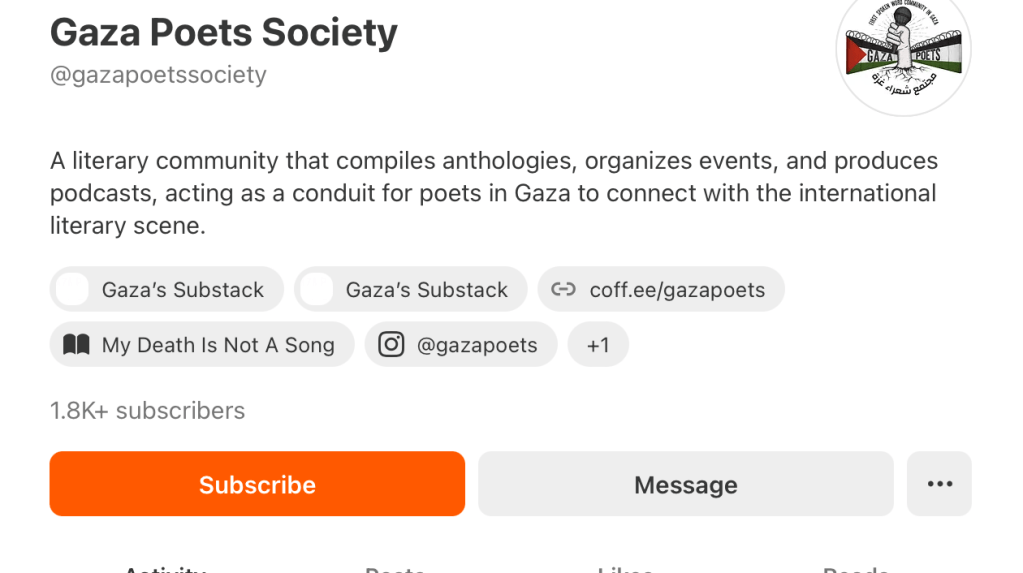
The reason I wrote this post is not because of what is happening in Los Angeles, actually. It is because my fellow member and friend Nadja shared The Gaza Poets Society Substack with me. When Hamas kidnapped those people from Israel it hit me in the heart. I’m of an age that indicates that I, and my fellow kids of the 70s and 80s, were raised on The Diary of Anne Frank as a big thing in school, and I went on, as a child, to order many other Holocaust-related books from the Scholastic catalogue. I read so many that I sometimes couldn’t sleep as I tried to plan how I would help my family escape from the Nazis (and I’m not Jewish by nationality or religion). And the first book I edited professionally was a Holocaust memoir. I just felt that Jewish people needed a place to be safe from the rest of us, and the kidnappings in 2023 underlined that.
But in college I read an interview with Yassar Arafat that changed how I thought about Palestinians. Though I still felt that Jewish people needed a place to be safe, I began to see that Palestinians also needed a place. Since the kidnappings happened in 2023, it’s been hard to watch the fallout. But, like the administration sending Marines we don’t need to Los Angeles to try and break it, there doesn’t seem to be much I can do about what the kidnappings unleashed.
Still it is important to know, to witness, to not turn your eyes away from something because it’s intractable, no matter what you think or feel is truth. And so I wanted to find a way, in this post, to share that Substack with you. The poetry is both well-written and moving. And as all writers share the feeling of “writing into the void,” I think the one thing we could give them is eyes on the page. It doesn’t mean we turn our back on one group for another. It does mean we take a look at all that is going on in the world of poetry. People in the USA often say, in the years since 2016, that not everything is political. But that is not true by a long shot. There is a reason some people in China shiver in a cardboard house in a marsh and some shiver next to a pot of boiling eggs in an actual metropolis. There is a reason why some people died of Covid and others did not. And in the USA, where most of us in this group are, the people in the nation do not (as a sweeping generalization, of course: so many shades of grey) easily understand how dangerous and revolutionary poetry often is in the rest of the world. Revolutionary precisely because it is a way of witnessing.
It seems not at all odd, to me, to hear that bombs are falling in Gaza, to see it on the news. Sadly it doesn’t shock me at all. But it does shock me to hear that there has been a mass shooting in Austria, and it does shock me to see that Marines are in downtown Los Angeles. It’s a matter of degree, of what narratives and images we are accustomed to versus those we are not.
As for what you see on the news, that’s not what I’m experiencing here, though I can hear helicopters for twenty-four hours now. It would take me about an hour, in good traffic, to get to where the news is taking its pictures, and it’s important to understand there is no one photo that can give you a true picture of all of Los Angeles. Can you imagine that it might be the same in other parts of the country and the world too?
Keep your spirits up, however you can. My recipe is potato chips, coffee, crosswords, and walking the dog. Check out the poetry on The Gaza Poets Society Substack. And don’t stop witnessing.
June is Pride Month! It’s a time to recognize and celebrate people in the LGBTQ+ community. Pride Month is about love, acceptance, and being proud of who you are. One great way to celebrate is by reading books that share LGBTQ+ voices and stories.
Books help us understand each other. For LGBTQ+ people, reading stories with characters like them can help them feel seen and accepted. For others, reading these stories builds empathy and helps us learn more about people who may be different from us.
Books can also teach us about LGBTQ+ history, struggles, and victories. Reading is a powerful way to show support during Pride Month, especially when you buy books written by LGBTQ+ authors.
If you’re looking to add some pride to your bookshelf, we have two authors at Old Scratch Press who recently published books of poetry that would be great additions to your to-be-read list!
On May 1, Morgan was awarded Second Place in the Delaware Press Association Communications Awards for her book, The Song of North Mountain which was released by Old Scratch Press in May 2024. Not only did Morgan write the poems in this collection, she also did the interior artwork and illustrated the book’s cover. North Mountain is part of a 55-mile mountain ridge in the northern Shenandoah Valley in Virginia. Morgan says her collection of poems is a love song to that ridge.
Here is her poem, Ghost Light, which won also won Second Place in the DPAC Awards in its category.
Ghost Light
Looking back along the ridge a thin rib of light briefly illuminates the forest floor and silhouettes trees stark against winter sky. Look too soon and you miss the mystery of Dillon’s Mountain’s brief farewell to nightsky and stars and sweet Venus. Look too late and the slumbering giant lumbers slowly into its ordinary dayspring. But if you should, by chance or intent, catch the moment, you will see life and hope renewed in a sudden shaft of dawnbreak.
Robert Fleming is a gay man who writes and creates art about gay, transgender, and universal themes. After coming-out, he published in LGBTQ magazines. He says that when he” stopped obsessing about being gay”, he realized that his sexual orientation is only one part of who he is. This enabled him to write on universal human themes and crossover into publishing in straight magazines.
For pride, one his favorite poems is one he wrote, Passed Over , that was published in 2020 in Trees In A Garden Of Ashes by Local Gems Press. Robert is grateful to James Wagner, the editor of Local Gems Press, who published many of his gay and transgender works.
For pride 2025, Robert recommends to submit to publish in Oddball magazine that has categories in nonsexual orientation and pride (LGBTQ). You can find submission guidelines here.
Robert is the author of the Amazon best-selling visual poetry book, White Noir.














 OLD SCRATCH PRESS