Exploring Creative Nonfiction: Truth Through Memory

By Nadja Maril, a Founding Member of the Old Scratch Short Form and Poetry Collective

How we portray ourselves and others, is something memoirists grapple with.

We call it “Creative Nonfiction” when a writer presents truth in a creative format that can take the form of anything from a lyrical essay to a crossword puzzle. A selection of word artifacts can weave an interesting narrative inviting the reader to fill in the blanks, anything from a grouping of letters, the transcription of a phone call, or a photograph with a caption.

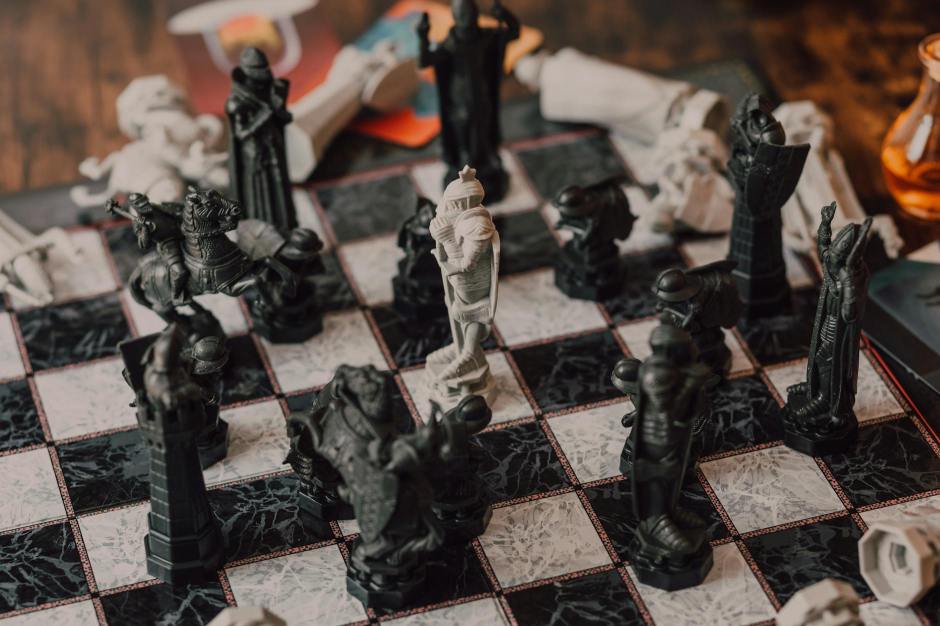
The words in a game or puzzle can inspire a short work of creative nonfiction.

 In fiction, the writer shapes the story to create pacing and tension. In nonfiction, the writer selects and amplifies truth to produce a compelling piece they hope others will want to read.

The nonfiction writer often relies on memory. Memory and research. The research often draws on the memories and writings of others.

How accurate are those memories?  According to the work of late 19th century German scientist Hermann Ebbinghaus’s research, graphed as a forgetting curve, much of what people experience each day is quickly forgotten.  In the May 20th 2024 issue of The New Yorker, writer Jerome Groopman, discusses in a book review the recently released book Why We Remember by Charan Ranganath.

Ranganath is a neuropsychologist at U.C. Davis and in his book, he discusses memory and how we may be looking at memory the wrong way. Memory, he conjectures, more likely functions as an adaptive trait to keep humans alive.  Selectively we remember some things and forget others. Perhaps the forgetting is as important as the remembering.

Photos may help prompt our memories, but sometimes what others tell us about a photo my influence our recollection.

From a writer’s point of view, I find it fascinating to hear how people’s memories of the same event can be slightly different. What do those differences reveal about each person?

Folk tales and fairy tales clearly demonstrate how the same story can be adjusted to reflect the story teller’s preferences. In some versions of little Red Riding Hood, grandmother is locked in a closet in another she is swallowed by the wolf. In a family, one sister may remember beloved pet that was hit by a car and another may forget the pet because the memory is too painful.

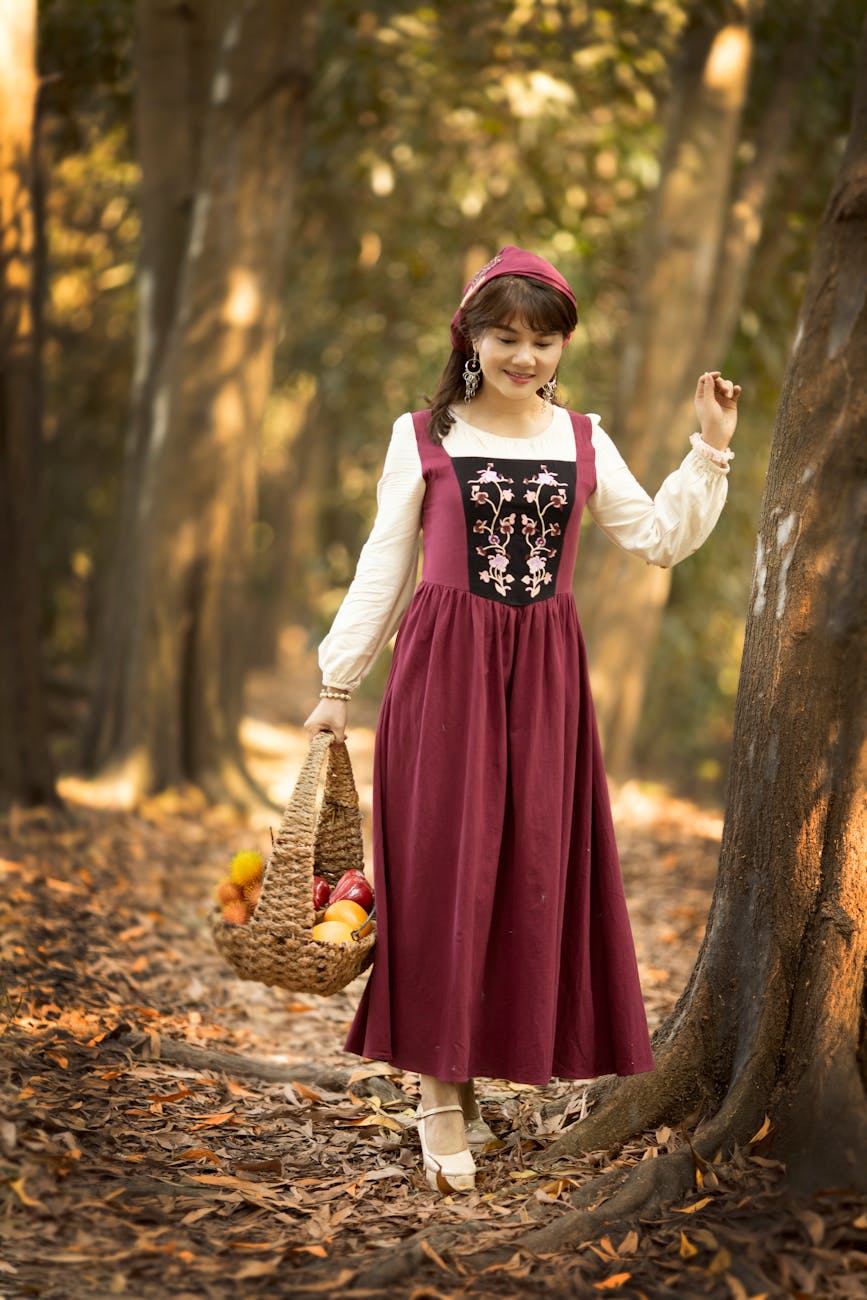
Photo by Son Dang on Pexels.com

Prior to a trip to Ireland last year, I started reading the book, The Irish Assassins; Conspiracy, Revenge and the Phoenix Park Murders that Stunned England by Julie Kavanagh, to gain some understanding of Irish history. The three hundred plus page nonfiction narrative reads like a novel, but dialogue and descriptions are all based on meticulous research. The book has sixty pages of end notes and footnotes. 

But the sources themselves: diaries, letters, newspaper articles, trial transcriptions all have their bias—according to who wrote them. And Kavanagh reveals in many instances, the ulterior motives and prejudices some of the parties may have possessed in how they reacted to the events that took place.

Writing a short nonfiction piece, based on a personal experience can take the form of a letter, diary or puzzle. Part of the writing adventure is trying new things.

If we acknowledge our memories are always shapeshifting, I think it can give us a certain amount of freedom to experiment. Playing with episodic memory, using a trigger such as music, smell or taste, can provide a means to travel back to a previous episode in your life and re-examine it.

Photo by cottonbro studio on Pexels.com

WRITING PROMPT: A smell you love or a smell you hate. If you have the item around, use it as a trigger, if not try to remember it. What comes to mind. A person you were fond of? A party you attended? If you write something you like, put it away and revisit it the following week to review and edit. If the piece has power refine until it is ready and then if you want to share it, submit it to potential publishers.

About the author:

Nadja Maril is the author of Recipes from my Garden, Old Scratch Press, September 2024. Nadja Maril’s short stories, poems and essays have been published in dozens of small online and print literary journals and anthologies including: Lunch Ticket, Spry Literary Journal, Invisible City Literary Review, and The Journal of Compressed Creative Arts.She has an MFA in creative writing from Stonecoast at USM. A former newspaper columnist and magazine editor, she writes a weekly blog and you can visit her website at www.Nadjamaril.com.

Thank you for reading. Please sign up to follow us here on WordPress and on Facebook.

Why Prose Writers Should Make Reading Poetry a Daily Habit

Many writers, including myself, write both prose and poetry. For me, it just depends on the subject matter as to which form I choose. Many writers begin with one form of writing and evolve to another. There are some writers who begin in one genre and stay there. In the end of the day, our paths are different, but we are all writers, and all writers want to tell a story. We want readers to feel something, experience something, remember something. We want them to leave us changed in some small way. Even if you don’t want to learn about the craft of poetry in a formal way, as in attending workshops, just reading a few poems a day will improve your prose writing in ways that will surprise you. 

Poetry as a form succeeds on bold, visual imagery, exact information from all the senses. This is how the reader enters the poem and lives inside it for a brief time. By reading lines of poetry, prose writers will also experience and come to understand why rhythm matters. There is great impact when rhythm is found in sentences and phrases.

One of the defining benefits of studying and writing poetry for me as a prose writer has been that in poetry more than any other genre, each and every word must do work, and I mean each and every word. Poets take time and great care choosing words and prose writers, if you want to be your best, you should be doing that as well, but it takes practice. Read Hemingway again to see why this matters. 

Poetry has the same elements as prose writing, such as characterization and narrative arc, but it contains more unexpected phrases, surprises and turns that send readers in directions they didn’t expect. This is often missing from prose writing, and it shouldn’t be. Additionally, poetry teaches us about pace. How long lines with no punctuation slow the reader down. How a short line placed just right can then really pack a punch. 

Prose writers can also use traditional poetry techniques to enhance their narratives such as assonance, linking words with similar vowel sounds. Using words in this way can produce a desired effect on the reader such as a calming effect as if listening to music. 

My greatest lesson and take away as a prose writer who reads poetry every single day is that endings are so incredibly important. When you read enough good poems, you’ll see what I mean. And stories, like poems, deserve the best endings possible. This is something to strive for. 

So, you want to be a good prose writer? Then read poetry. Simple as that. Poetry teaches us all how to use our language. Poetry teaches how to describe. Poetry demonstrates mood, voice, momentum in unexpected ways. We all want the same thing. To tell the story we want to tell in the best way we can. Reading poetry will help us learn to do that. 

There are many good online literary journals where you can read poems: Narrative Magazine, Agni, Carve, Rattle, 32 Poems, A Public Space, Apple Valley Review, Evergreen Review, The Cortland Review, Waxwing, Pigeon Pages, Cleaver Magazine, Able Muse. 

You can also sign up to receive daily poems from: Rattle, Your Daily Poem, Poem-a-Day, Poetry Daily, Poem of the Day. All these are free as is the wonderful podcast written and hosted by one of my favorite poets Padraig O Tuama: Poetry Unbound. I would also highly recommend Padraig’s wonderful book: 50 Poems to Open Your World.  

Happy Reading!  

~Ginny

Virginia Watts has been fortunate to have published nearly 100 pieces in literary magazines including CRAFT, The Florida Review, Reed Magazine, Pithead Chapel, Permafrost Magazine, Broadkill Review, Two Thirds North, Hawaii Pacific Review, Sky Island Journal, Eastern Iowa Review, Evening Star Review and Streetlight Magazine. Nominated four times for a Pushcart Prize and four times for Best of the Net, in 2019, Watts won The Florida Review Meek Award in nonfiction.

Her poetry chapbooks The Werewolves of Elk Creek 

and Shot Full of Holes are available from Moonstone Press. Her debut short story collection Echoes from the Hocker House is available on Amazon.

Writing and Reading for the Resistance: The Power of Words in a Time of Struggle

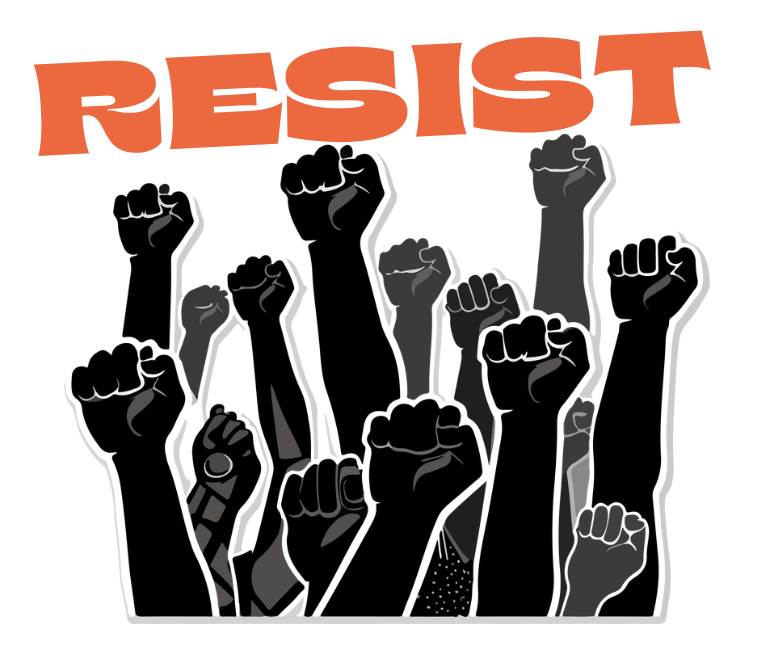
Photo shows raised fists beneath the word resist in orange block letters.

Words have power. In times of injustice, oppression, and uncertainty, words become more than just ink on a page—they become weapons, shields, and bridges. They can challenge unfair systems, inspire people to take action, and bring communities together. Writing and reading for the resistance means using stories, poems, and books to fight injustice and create a better future. Throughout history, people have used words to stand up against oppression—and today, we can do the same.

Writing as a Way to Fight Back

Writing can be a powerful tool in the fight for justice. To write is to document, to bear witness, and to refuse erasure. The act of storytelling itself can be a radical act, especially when it amplifies the voices of those who are silenced. It allows people to share their truths, educate others, and imagine a better world. Writing for the resistance can include:

  • Telling Untold Stories – Write about important events or people that history books ignore.
  • Challenging Misinformation – Speak out against lies and rewriting stories that are unfair or incomplete.
  • Creating New Worlds – Use fiction, poetry, or essays to imagine new possibilities that envision a just world.
  • Providing a Platform – Elevate marginalized voices, offering them space to share their truths.

Reading as a Form of Resistance

Reading isn’t just about learning—it can be a way to resist oppression. What we read shapes how we see the world, so choosing books wisely is important. Some ways reading can be an act of resistance include:

  • Reading Banned Books – Books that are censored often contain ideas that challenge powerful systems.
  • Learning from Activists and Leaders – Reading about people who fought for justice in the past can teach us how to do the same today.
  • Supporting Diverse Authors – Seek out authors whose voices are often ignored by mainstream publishing. Choosing books by writers from different backgrounds helps bring new voices into the conversation.
  • Sharing Knowledge – Share books, discuss ideas, and create spaces where literature fuels action. Talking about books with others can spread important ideas and inspire others to act. 

How You Can Take Action

If you want to use reading and writing to create change, here are some ways to start:

  1. Join or Start a Book Club – Read books that challenge systems of oppression and discuss them with friends.
  2. Write and Share Your Ideas – Whether through social media, blogs, or poetry, use your words to stand up for what’s right.
  3. Support Independent Bookstores & Libraries – These places often carry books that challenge unfair systems.
  4. Document What’s Happening – Keep a journal, write about current events, or interview people to make sure important stories aren’t forgotten.

Resistance is an ongoing effort, and literature—whether through reading or writing—has always been a vital part of that struggle. Words have changed the world before, and they can do it again. By reading and writing with purpose, we can stand up against injustice and help create a better future.

What books have inspired you to take action? What stories still need to be told? Share your thoughts and let’s keep the conversation going!

Books About the Power of Words & Resistance

For Middle & High School Readers

  1. Stamped: Racism, Antiracism, and You by Jason Reynolds & Ibram X. Kendi – A powerful, engaging look at how racist ideas have shaped history and how we can challenge them.
  2. The Hate U Give by Angie Thomas – A novel about police violence, activism, and finding your voice in the face of injustice.
  3. Internment by Samira Ahmed – A dystopian novel about a near-future America where Muslim Americans are sent to internment camps, and a young girl fights back.
  4. Maus by Art Spiegelman – A graphic novel that tells the story of the Holocaust through the eyes of the author’s father, using animals to represent different groups.
  5. Brown Girl Dreaming by Jacqueline Woodson – A memoir in verse about growing up Black in America and the power of storytelling.

For Adult Readers (But Still Accessible)

  1. The Fire Next Time by James Baldwin – A powerful collection of essays about race and justice in America.
  2. We Should All Be Feminists by Chimamanda Ngozi Adichie – A short but powerful book about gender equality.
  3. 1984 by George Orwell – A classic novel about government control, censorship, and the fight for truth.
  4. Their Eyes Were Watching God by Zora Neale Hurston – A story of a Black woman’s journey to find her own voice in a society that tries to silence her.
  5. The Handmaid’s Tale by Margaret Atwood – A dystopian novel about a future where a theocratic government strips women of their rights, reducing them to roles based on reproduction.

Poetry & Essays for Resistance

  1. Citizen: An American Lyric by Claudia Rankine – A mix of poetry and essays that explore race, identity, and resistance.
  2. Milk and Honey by Rupi Kaur – Poetry about survival, resilience, and healing from oppression.
  3. The Hill We Climb by Amanda Gorman – The poem that was read at President Biden’s inauguration, full of hope and resistance.
  4. I Am Alfonso Jones by Tony Medina – A novel in verse about police violence and the impact of activism.
  5. How to Read the Air by Dinaw Mengestu – A novel about identity, immigration, and reclaiming personal and historical narratives.

Creative Valentine’s Day Collage Poems

By Nadja Maril, a Founding Member of the Old Scratch Short Form and Poetry Collective

February is Valentine’s Day month. Instead of trying to send everyone Christmas and New Year’s cards, I like to surprise friends with Valentine’s Day cards. My handmade cards feature words as well as images. So why call them cards at all? They are actually Visual Poems. And because they are made from bits and pieces of collected words, colored paper and illustrations glued onto paper, they are also Collage Poems.

Try it. Once you created a few, you may become hooked. Many artists gravitate towards working in more than one medium. Visual art and poetry work well together. If you desire to be published, a market exists for creative work which combines the two mediums of visual art and words. I will providea list of publications at the end of this article. But first, let’s get started with a little inspiration.

Assembling the materials is part of the fun.

Valentine’s Day Origins

The name Valentine comes from Saint Valentine, and there are three men who are recognized as Saints by the Catholic Church. The most popular Valentine story, according to my research, is the one about the priest who performed secret marriages in opposition to Emperor Claudius II who ordered that all his soldiers remain single. Who the actual St. Valentine was is open to debate.  Maybe February 14th is the approximate date of one of the martyred  St. Valentines’ funerals, but it is remarkably close to the Roman fertility festival Lupercalia, once celebrated on the Ides of February ( February 15th).  In some Roman villages it is said that young men and women were matched up as lovers for a year in an effort to produce more children. A day that honored love and passion, in England and France February 14thwas the start of the birds’ mating season. 

The tradition of exchanging cards and love tokens is thought to begin in the middle of the 18th century. By the 19th century, the mass production of printed cards made Valentines’ cards even more popular. Gloves and handkerchiefs were two personal items lovers often gave to one another during the Victorian era. Flowers—pressed or fresh, as well as lines of verse given to our Valentine follow the romantic tradition of conveying ardor for those we adore. 

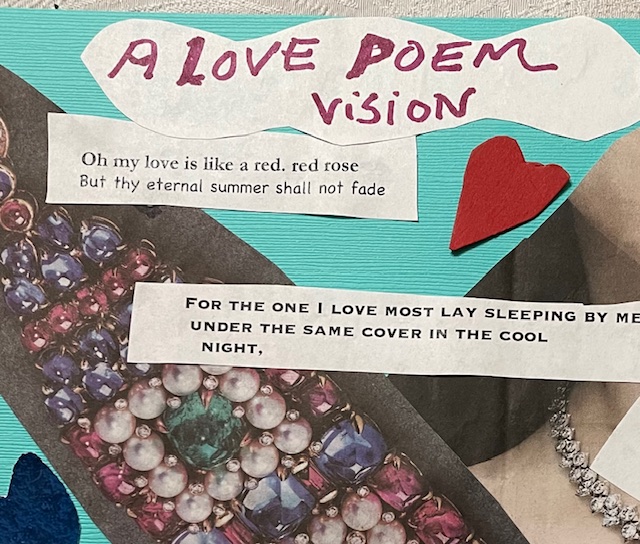
Collage Poem by Nadja Maril. This collage takes lines from several well-known poems and integrates them into a collage of images and shapes connected to love.

Collage

The word collage comes from the French verb coller, meaning to paste or glue. In visual art, a collage is comprised of pieces of paper, cloth or other gathered materials arranged and permanently attached to a surface. Old photos, advertising flyers, ticket stubs, magazine illustrations; are some typical collage materials. As a teenager I’d collect shells, dried seaweed, bits of sea glass to glue on to a flat piece of weathered wood; another type of collage. Whether you use buttons, lace, tissue paper, bits of colored plastic, feathers or fur- the possibilities really are infinite.

Now, think of a collage of words. Instead of collecting physical items collect words, phrases, entire articles that resonate with you. While modernist artists in the early 20th century were creating collages of shapes and colors, Avant-garde groups that included Surrealists and Dadaists took the form to another level by including language. Tristan Tzara famously advocated a “cut-up” method of composition, involving cutting out words from a newspaper and pulling them out of a hat to create a poem. Whether you take excerpts from a political speech, a nursery rhyme or a popular song, by incorporating a medley of sources you are creating a collage poem.

Take another step to combine a visual collage with a literary collage and you have a hybrid, a poem that provides a visual and verbal experience. Whether you want to call it a collage poem, a merging of two art forms or an awesome Valentine’s Day Card—that’s up to you.

Publications that Publish Work that Combine Images and Words

These are just a few to get you started.

A Velvet Giant

https://www.avelvetgiant.com/

ctrl +v

https://www.ctrlvjournal.com/

Diagram

https://thediagram.com/

Dream Pop Journal

https://www.dreampoppress.net/

Ghost Proposal

https://ghostproposal.com/

Instant Noodles Literary Review

The Offing

https://theoffingmag.com/

Timber

https://timberjournal.org/

If you need a different sort of Valentine’s Day gift, not the typical candy or flowers, considering purchasing a poetry chapbook and sending it to a friend. At Old Scratch Press we have published five chapbooks thus far, all under $9, with more to come.  Take some time out of your day for some quiet reflection and share the love. Whoever started the idea of a day celebrating our connection to one another, let’s try and keep it going.

Nadja Maril is the author of Recipes from my Garden, Old Scratch Press, September 2024. Nadja Maril’s short stories, poems and essays have been published in dozens of small online and print literary journals and anthologies including: Lunch Ticket, Spry Literary Journal, Invisible City Literary Review, and The Journal of Compressed Creative Arts.She has an MFA in creative writing from Stonecoast at USM. A former newspaper columnist and magazine editor, she writes a weekly blog and you can visit her website at www.Nadjamaril.com.

Thank you for reading. Please sign up to follow us here on WordPress and on Facebook.

SECRETS of a WRITING VOICE

by ROBERT FLEMING, Founding member of OLD SCRATCH PRESS – a poetry/short-form collective | estd. 2023

So confused. Isn’t a voice linked to speaking, singing, and screaming? What does a voice have to do with writing? What the fu** Robert?

A “writing voice” refers to the unique style and personality a writer expresses through their writing, which is a combination of their vocabulary, tone, sentence structure, and perspective, essentially how their individual personality comes across on the page. 

what is a writing voice – Google Search

For poetry, yours truly, defines a voice profile:

  • Style: traditional, experimental, vs in between
  • Themes (e.g. love, war)
  • Forms (e.g., free verse, iambic pentameter)
  • Devices (e.g. enjambment: 1 line continues onto next), metaphor, simile, rhyme)

CREATE A VOICE to INCREASE PUBLICATION SUCCESS

Most poetry magazine acceptance rates are about 2.4%. In order to increase your chance of publication acceptance success, create a writing voice and then target publications that have published work with your voice within the last two-years.

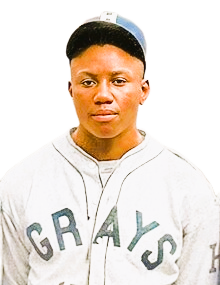
A writing acceptance rate is like a baseball player’s batting average (BA). Josh Gibson’s 1946 BA of 37.2% is the highest career Major League Baseball BA.

Josh Gibson

My poetry voice profile:

  • Style: experimental
  • Themes: masculinity, sexual orientation, sin/virtue, dystopia
  • Forms: visual poetry, free-verse, Japanese Haiku/Mondo, sonnet, and pantoum
  • Devices: sound (rhyme, alliteration, assonance), duality, homonyms, multiple-word-reversals, and end-titles

CREATING a WRITING VOICE

Oh NO Mr. Robert, an assignment is coming. Sir and madam, it is, I cannot lie.

A sleepless night, 3/14/1996, yours truly obsessed compulsed, to translate four of his favorite poets to a gay style: Robert Frost, William Shakespeare, John Berryman, and Dorothy Parker.

What I did for each poet:

  • Select a favorite poem
  • Analyze and document what the poem is (theme, form, devices) and why you like it
  • Read the poem out loud
  • Make an audio recording of your reading
  • Handwrite the poem
  • Type the poem
  • Translate the poem to your style
  • Place the original poem and translation side by side

What was the outcome impact of yours truly doing this exercise:

  • In 1997, a follow-up creation of a visual poem that translates Dorothy Parker was included in art show in the District of Columbia
  • Self-discovery that my style is experimental and an integration of one of the poets studied: Robert Frost and another poet: Dr. Seuss

More Voice Discovery guidelines: make diverse selections

  • Select work written in different time eras: 50% 1,800 or earlier, 50% 1,900 and later
  • Gender: 50% men, 50% woman
  • Style (traditional vs experimental): at least 1 experimental

Discover your writing voice and use it!

Yours Truly is:

Robert Fleming, a contributing editor of Old Scratch Press

OLD SCRATCH PRESS – a poetry/short-form collective | estd. 2023

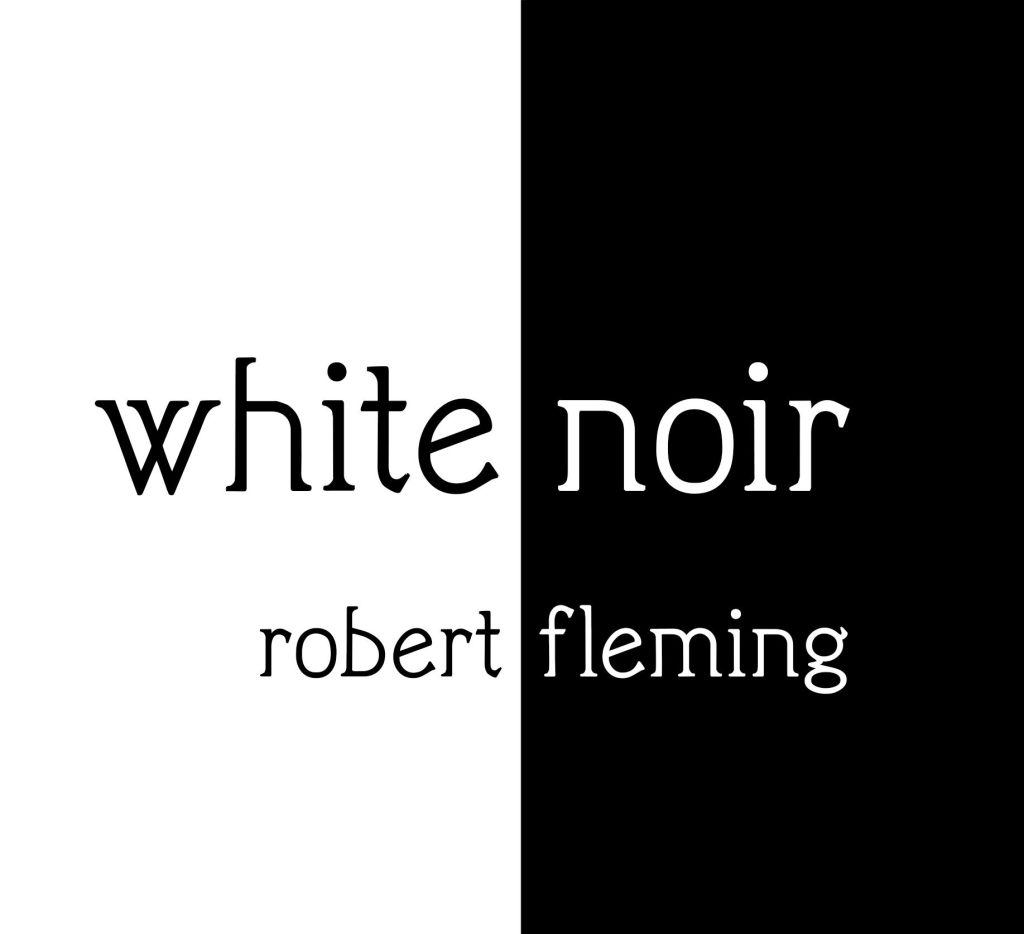
who published an Amazon best seller visual poetry book: White Noir

white noir: Fleming, Robert: 9781957224183: Amazon.com: Books

an editor of the digital magazine Instant Noodles

About – INSTANT NOODLES

Thank you for reading. Please sign up to follow us on Facebook and to follow us here on WordPress to expand your knowledge about poetry and short form writing as well as to receive the latest news about publication opportunities.

The Blessings of Ritual and Routine

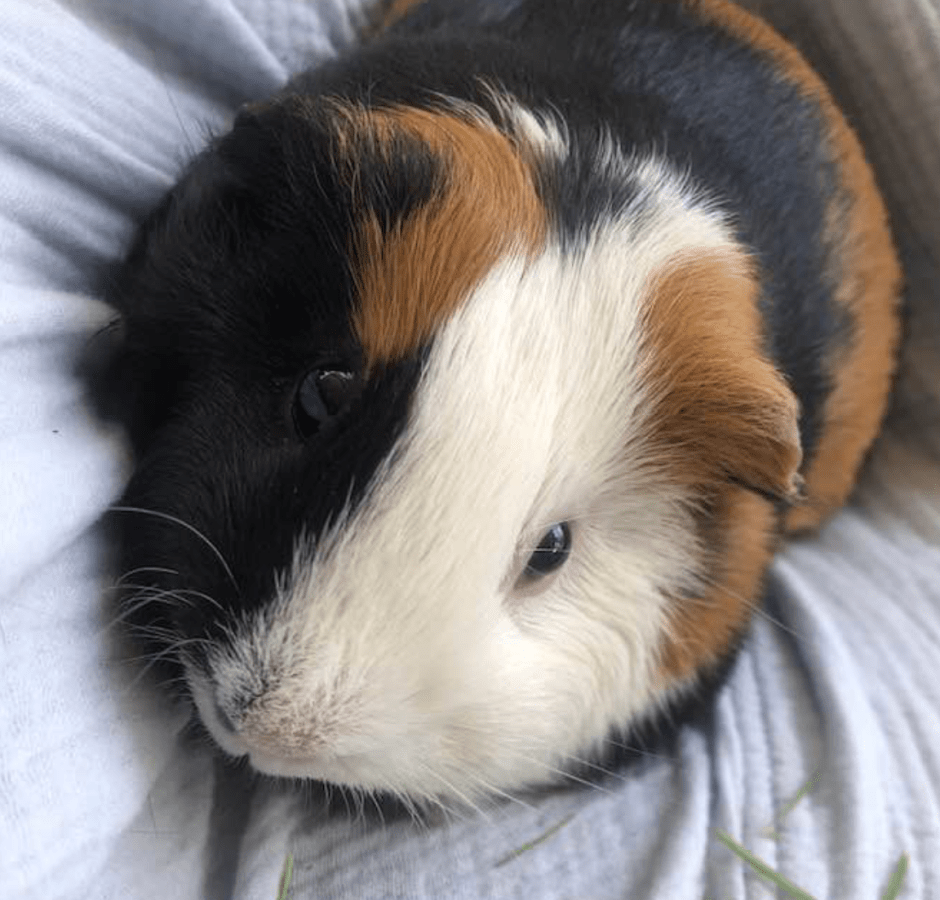
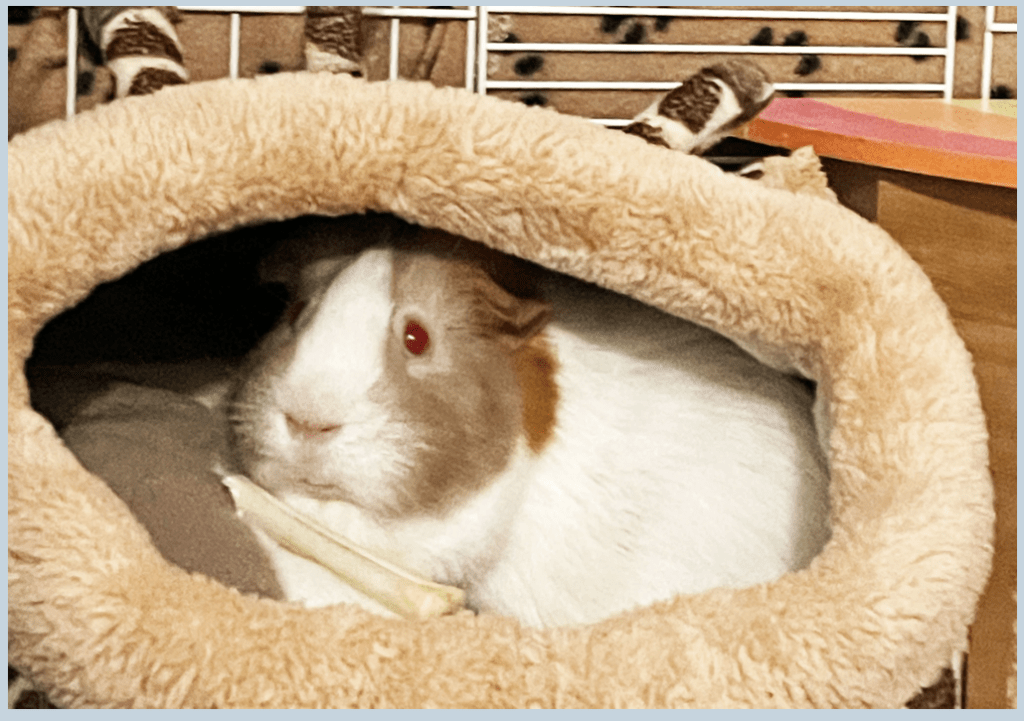
My dearly departed guinea pig, Addie, in her warm fuzzy hidey. Addie was carmel and white and had lovely pink eyes. Really, pink.

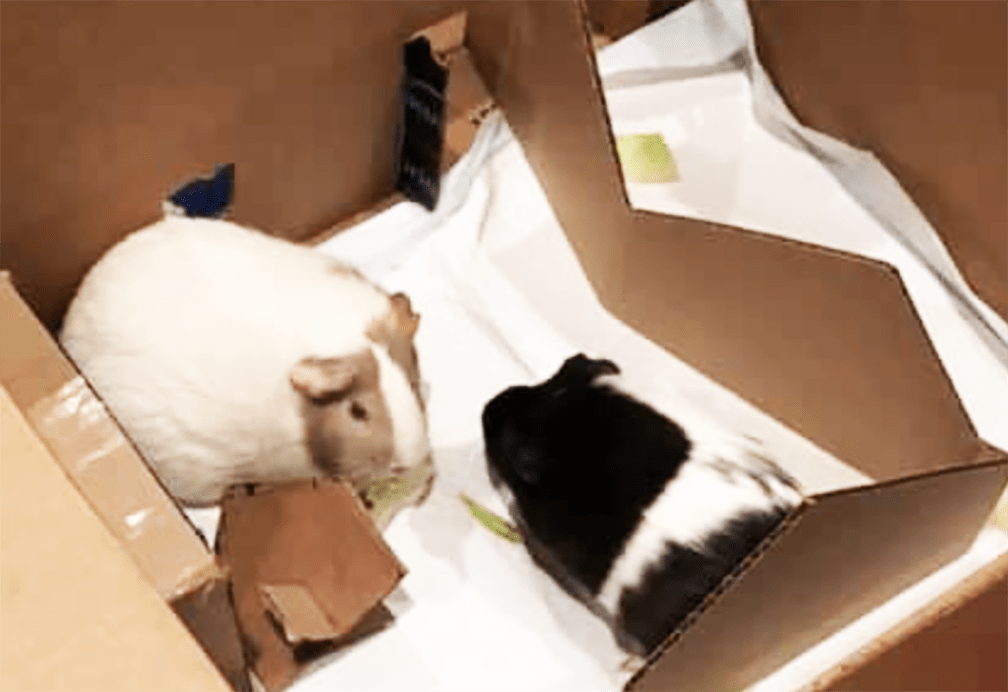
Just before the pandemic (the 2020s I feel the need to say for when we all are history), we were in search of a better situation for our daughter, and we moved her to a private school. She went from a class of 30 to a class of 12, and her academics improved immediately, though our finances did not! As a part of her classroom they had an animal student, the lovely Miss Addie pictured above lounging in her hidey with a tasty piece of bamboo. The school asked for a volunteer family to take her home over the Christmas break, and we volunteered. Addie and I bonded immediately (I am the pet-whisperer), and I must admit I delayed sending her back to school in January by almost a full week. When the school was shut down over Covid in March they asked me again if I would take her, and I eagerly said yes. She moved in with us, and by May the lovely school announced it was going out of business. Addie became family. During the stay-home days our daughter took courses on Outschool (highly recommend) where she learned female guinea pigs preferred to be in pairs. We then adopted Baby from a pet store. It turned out that Addie did not prefer to be in pairs, but eventually a tolerance developed.

When we moved back to California, again for a better school experience for our daughter, we drove across with two cats, two guinea pigs, and one dog. About a year after we settled in, I woke up a few days before Christmas to find Addie had left us. Baby, it turned out, was desperate not to be alone, and went on a hunger strike. After a forcing some food into her for two days (guinea pigs must eat constantly or they die), we adopted Punky (who looks a bit like a pumpkin). This past summer Baby followed Addie to Valhalla, and I saw, stretched before me, a long line of guinea pig adoptions for the rest of my life. I waited with bated breath until, lo and behold, it seemed Punky took after Addie, bless her. She seemed very interested in checking out Baby’s viewing and memorial, but then she was fine to have all the snacks and seed balls and pigetti (corn silk) to herself. She moves, in her luxuriously large cage, from hidey to hidey during the day, alternatively napping and yapping. She has a lot to say to me, and we perform a call and response between us where I say, “Woooo, Punkus!” and she chirps away back at me, whooping louder and louder until I bring her some fantastic treat.

The guinea pigs, as much as I don’t want to have a long line of them stretching to the end of my life in front of me, are part of my life’s rituals, and I love the job, and someday I know I will mourn the loss of it, as I mourn both the beautiful, pink-eyed Addie, and Baby, who looked like a tiny Holstein. Every other morning, without fail, I awake before the sun and the rest of my family, chat away with Punky as I remove all her bedding (I use cloth bedding, nice fluffy fleece pads), and all her hay, and all her snacks and poops, and I clean out the cage. All the linens go into the washer for a hot wash and an extra rinse, and the cage is refitted with clean bedding from my ample supply. Then I top off the snack bin (hay rings, seed balls, vitamin C chews), put in fresh hay, and add in some salad (lettuce, peppers, fresh baby corn, that sort of thing) and set Punky up for her new day. It takes me about 40 minutes (not counting the laundry time) and during that time I do not have to think what move to make next, and my conversation (Wooo Punkus!) pretty much doesn’t change, and is not the most thought provoking. That gives me some early-morning time to freshen up my brain as I freshen up Punky’s cage. We both enjoy it. For me it is both calming, and nurturing as I nurture my little Punky, and there is a clear sense of accomplishment in looking at the “beautiful once again” cage. 

Of course, you might think, that’s a lot of work, lady, for a kid’s pet, work that the kid should be doing. My daughter and I traded years ago because, when Addie first moved in, my daughter was too short to clean the cage, and not very quick or proficient at it. I offered to trade emptying the dishwasher (a chore I despise). She agreed. So now she’s stuck with it! And I get the meditative and soothing time with Punky.

I want to address this next paragraph to my fellow non-believers out there, or, perhaps, non-conventional believers is a better term. I was raised really immersed in a traditional Christian church, but, as long as I can remember, though I didn’t really balk against going until late into my HS years, it had no effect on me. I didn’t click into the whole thing. I often read the Bible in church from boredom during the long services, but it came across as fairy tale to me, and the emotions I saw people experience in church were not there for me. Even during my beloved grandmom’s funeral, who loved her church dearly, what I remember feeling, aside from loss, was that I would have preferred to be somewhere else, somewhere emotionally warm, to hold her in my thoughts. I have no doubt that my delight of a grandma is somewhere, in some form, still being a delight, but hooking it into her own religious beliefs is beyond me. So, there are two points I want to make here about that based on my experiences in life: ritual, which is done so well by churches/temples/mosques, and their like, is not owned by them. And life needs ritual for space to process and to get in touch with emotions. We are all different, and some of us need more ritual in life than others, and that ritual can be as simple as how we decorate for holidays, certain meals we make at certain times, celebrating our own birthdays (of course! I’m glad I was born!). Ritual is, really, meditation, and for me it is more profound when it is a natural thing in my life rather than what I would view as a forced, arbitrary movement. The guinea pigs are a delight too. Their personalities remind me of my chubby grandma in many ways. She often whooped, and loved eating too. There’s no reason they should not be connected in my heart and in my thoughts. I love the ritual that they are.

And during the “mundane chore” of cleaning the guinea pig cage I get a lot of writing done (in my mind, not on my computer!). It’s a reset for me as well. There’s no pressure for perfection, and the thoughts roll in and out like a calm tide. 

Of course Princess Punky will not outlast me (I am optimistic enough to assume). And I want to just mention my second very early morning ritual that will ride with me to the bitter end. OHHHHHHH…….

All I want is a proper cup of coffee
Made in a proper copper coffee pot
I may be off my dot but I want a proper coffee
In a proper copper pot

Iron coffee pots and tin coffee pots
They are no use to me
If I can't have a proper cup of coffee
In a proper copper coffee pot, I'll have a cup of tea
!

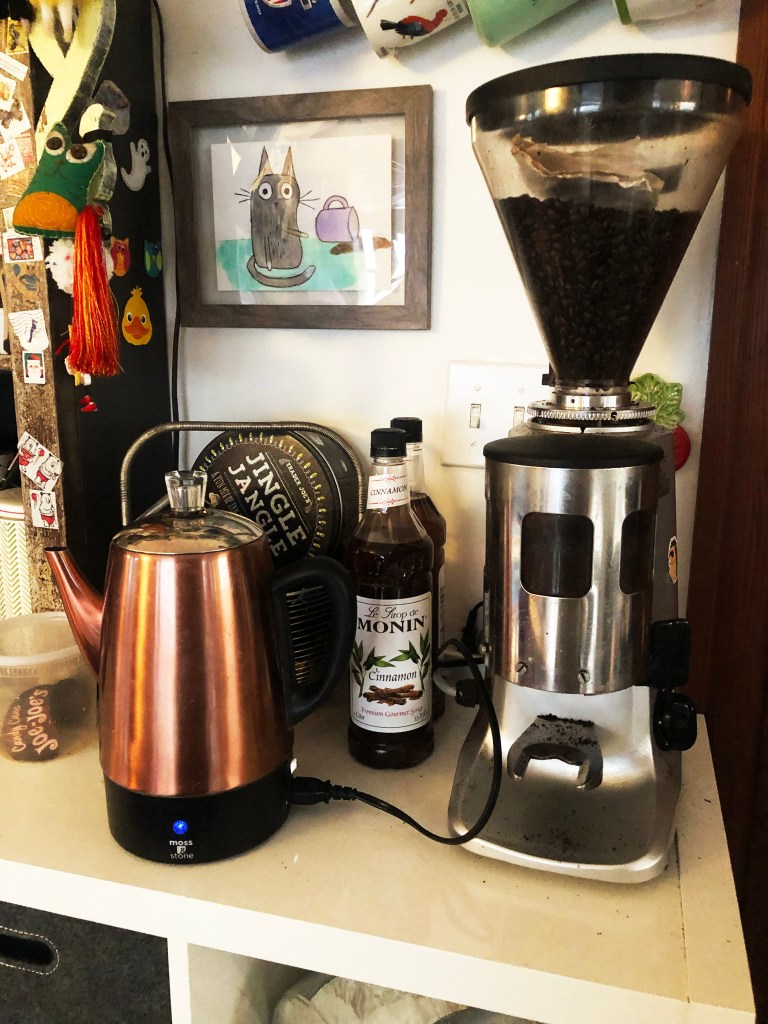
Gaze upon my magnificent second morning ritual… coffee made in a proper copper coffee percolator! A percolator has several ritual benefits: there are a few parts to take apart and clean; there is a prescribed way to put it back together, and when it is back together it moans suggestively and bubbles, and scents the air with perfume Chanel should be envious of. It is another opportunity for me to do labor that requires no brain power, that pleases me and affects me directly while also giving benefit to someone else (my spouse), and doing the “chore” brings about visible results that please me. It also offers me a hot cup to sip and enjoy as I slowly move from meditation to sitting down and writing out this post, or some other writing project.

Websters says that a blessing, as a noun, is grace (the thing said before meals), approval or encouragement, or a thing conducive to happiness or welfare (by which I take it Websters means well-being). Rituals are a blessing. And, for me, a lot of my blessings are my routines. I exhort you not to deny yourself of the blessing of your routines, even if they are “chores” (such a dirty word!). Slow them down a bit; use them to slow your thoughts, and plum the richness of repetition, a moment with no planning and no management needed, a moment on autopilot. There are so many writing gems to be found there, as well as quite a lot of balm for the nervous system. Enjoy that walk with your dog, scritches for kitty, a hot cup of coffee, or, if you can’t have a proper cup of coffee, a hot cup of tea. 😉 Whoop whoop!

Why You Should Embrace Rejection

For many writers, rejection is a painful word. It’s the moment when your carefully crafted story, poem, or article is turned down by someone who didn’t see its potential—or worse, didn’t even bother to respond. But what if rejection didn’t mean failure? What if it actually meant progress?

The 100 Rejections Mindset

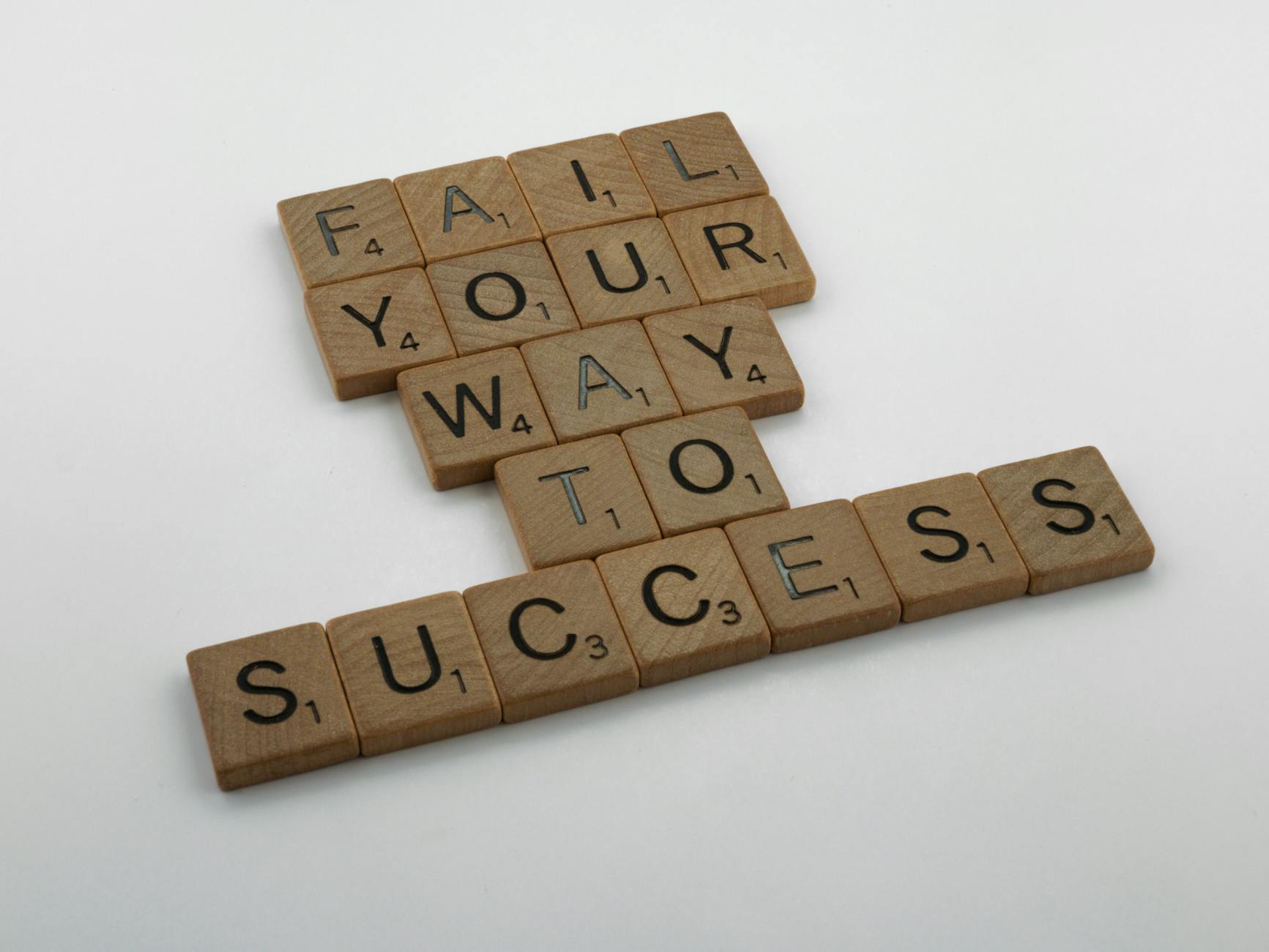
The idea is simple: Instead of focusing on success—acceptances, accolades, and bylines—shift your focus to failure. Aim to collect 100 rejections in a calendar year. This goal reframes rejection as proof of effort, not failure. Rejections become proof that you’re putting yourself out there and working toward your dreams.

The magic of this mindset lies in its paradox: By chasing rejection, you often end up with more acceptances than you expected.

Why 100 Rejections?

  1. It Builds Resilience
    Rejection is part of being a writer, but the more you face it, the less it hurts. When you set a goal of 100 rejections, you stop fearing the word “no.”
  2. It Normalizes the Process
    Submitting work becomes routine. Submitting your work feels less scary when you do it often. You stop overthinking and start seeing rejection as a normal part of the process.
  3. It Forces You to Write More
    To hit 100 rejections, you have to write and submit consistently. This sheer volume of effort improves your craft and increases your chances of success.
  4. It Turns Rejection into a Metric of Success
    Each rejection becomes a badge of honor. It’s not a reflection of your worth, but of your determination.

How to Get Started

  1. Make a Plan
    Use a notebook, spreadsheet, or app to track where and when you submit your work. Keep it organized so you can follow up if needed.
  2. Research Markets
    Find magazines, websites, anthologies, or publishers that align with your work. Having options makes it easier to submit regularly which in turn makes it easier it is to hit your goal.
  3. Celebrate Rejections
    Instead of feeling bad, celebrate each rejection as a step forward. Whether with a small treat, a happy dance, or by simply updating your tracker, take note of your hard work!
  4. Revise and Resubmit
    Not all rejections are final. Many editors give feedback. Use it to revise and submit elsewhere.

Unexpected Benefits

Here’s the secret: the more you submit, the more likely you are to get accepted. The sheer number of submissions increases your odds. And over time, you’ll notice patterns—certain markets might respond positively to your work, or you might discover that a piece rejected by one publication is a perfect fit for another.

It’s Worth It

The fear of rejection often holds writers back. But when you embrace it—when you actively pursue it—it loses its power. Aiming for 100 rejections a year might sound scary at first, but it’s one of the best ways to grow as a writer.

So, what are you waiting for? Start chasing those rejections. You’ll be amazed at what you can achieve when you stop letting rejection scare you.