Unlocking Your Writing Through Movement

In high school I watched the clock in last period, because I knew as soon as the bell rang I was heading straight to dance class, and all the teen angst and hormonal folderal of the day would be disappear once I got there.

I’ve taught dance for over forty years now, and that was the beginning of a lifetime of learning how the mind/body connection affects my creativity and well-being.

We’re taught early on that writing is supposed to come from the neck up—brain first, fingers second. We believe the words live in our head. But I’ve come to understand this: the stories I care about—the ones that ache and sing—live in my body. And if I want to write them honestly, I have to move.

Movement Makes Space for Story

When I’m stuck on a line in a poem or in a scene, walking often is my default means to address it. It might just be a walk around the block that allows my shoulders to drop and my breath to even out.

There’s something about the gentle rhythm of walking—or swaying, or stretching—that stirs the sediment at the bottom of the creative well. It shakes loose a phrase, a memory, an emotion I hadn’t thought to name.

We say “I’m working it out,” and often we mean emotionally—but there’s a physical truth there, too.

“ But I do believe very strongly that the best poetry is rooted in bodily experience. We experience reality through our bodies and senses, and truth, to the extent that it is apprehensible.”      -Poet Rebecca Foust

The Dance Between Emotion and Motion

As someone who grew up dancing, I know I carry emotion in my body, and in order to gain access I have to move. In order for the reader to feel what I am writing about, I must first feel it myself, and that is not going to happen if I stay entirely in my head.

Movement helps me feel it. And when it’s a big feeling—grief, rage, shame, heartbreak—moving my body helps metabolize it. When we experience trauma or hold strong emotions, our bodies remember. They contract around those memories. Notice how we hold our breath or the body tenses up. If we don’t move them, we risk writing around the truth instead of into it. And I don’t have to run a marathon or take up kickboxing. I can simply take a deep breath, raise and lower my arms a few times, twist gently side to side–all in my deskchair.

Moving lets the emotion pass through me so it can move onto the page.
Otherwise, it stays stuck in the pipes.

Stillness Is Its Own Kind of Movement

Sometimes, the writing calls for the opposite.
Stillness. Not scrolling or skimming or daydreaming—but deliberate, open stillness.
The kind that invites something deeper in. The kind that looks like staring out the window.

This is the space where I can hear the quieter parts of my story—the voice of a child I’d forgotten to listen to, or the image I saw in a dream but brushed off. Lying still and staring at the ceiling can be just as powerful as dancing. For me, it is my meditation practice. It’s all part of the same body-based practice.

Final Thought: You Are the Instrument
Your body is not a machine that carries your brain to your desk.
I tell my students of both writing and dance that the body is an instrument that vibrates with memory, story, longing, and truth.
When you write from your whole body, your work carries a different kind of resonance.
So move.
Let the story or poem move with you.
And then write like your body remembers something your mind forgot.

Click this link for a quick 5-minute seated stretch to get the body moving and the words flowing: https://youtu.be/n0VlNd3nLFw


Ellis Elliott
Bewilderness Writing
https://bewildernesswriting.com/
Old Scratch Press Founding Member
https://oldscratchpress.com/
Author: Break in the Field poetry collection
and A Fire Circle Mystery: A Witch Awakens coming this May
Why Prose Writers Should Make Reading Poetry a Daily Habit

Many writers, including myself, write both prose and poetry. For me, it just depends on the subject matter as to which form I choose. Many writers begin with one form of writing and evolve to another. There are some writers who begin in one genre and stay there. In the end of the day, our paths are different, but we are all writers, and all writers want to tell a story. We want readers to feel something, experience something, remember something. We want them to leave us changed in some small way. Even if you don’t want to learn about the craft of poetry in a formal way, as in attending workshops, just reading a few poems a day will improve your prose writing in ways that will surprise you. 

Poetry as a form succeeds on bold, visual imagery, exact information from all the senses. This is how the reader enters the poem and lives inside it for a brief time. By reading lines of poetry, prose writers will also experience and come to understand why rhythm matters. There is great impact when rhythm is found in sentences and phrases.

One of the defining benefits of studying and writing poetry for me as a prose writer has been that in poetry more than any other genre, each and every word must do work, and I mean each and every word. Poets take time and great care choosing words and prose writers, if you want to be your best, you should be doing that as well, but it takes practice. Read Hemingway again to see why this matters. 

Poetry has the same elements as prose writing, such as characterization and narrative arc, but it contains more unexpected phrases, surprises and turns that send readers in directions they didn’t expect. This is often missing from prose writing, and it shouldn’t be. Additionally, poetry teaches us about pace. How long lines with no punctuation slow the reader down. How a short line placed just right can then really pack a punch. 

Prose writers can also use traditional poetry techniques to enhance their narratives such as assonance, linking words with similar vowel sounds. Using words in this way can produce a desired effect on the reader such as a calming effect as if listening to music. 

My greatest lesson and take away as a prose writer who reads poetry every single day is that endings are so incredibly important. When you read enough good poems, you’ll see what I mean. And stories, like poems, deserve the best endings possible. This is something to strive for. 

So, you want to be a good prose writer? Then read poetry. Simple as that. Poetry teaches us all how to use our language. Poetry teaches how to describe. Poetry demonstrates mood, voice, momentum in unexpected ways. We all want the same thing. To tell the story we want to tell in the best way we can. Reading poetry will help us learn to do that. 

There are many good online literary journals where you can read poems: Narrative Magazine, Agni, Carve, Rattle, 32 Poems, A Public Space, Apple Valley Review, Evergreen Review, The Cortland Review, Waxwing, Pigeon Pages, Cleaver Magazine, Able Muse. 

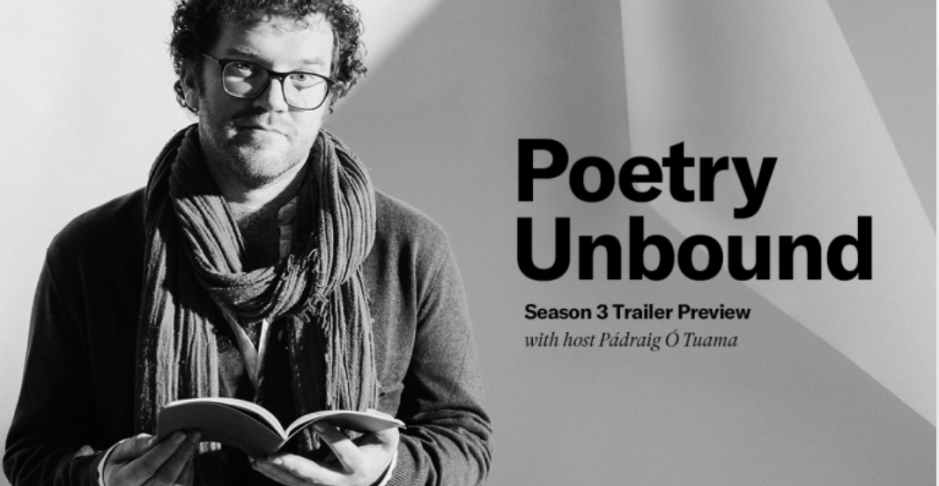
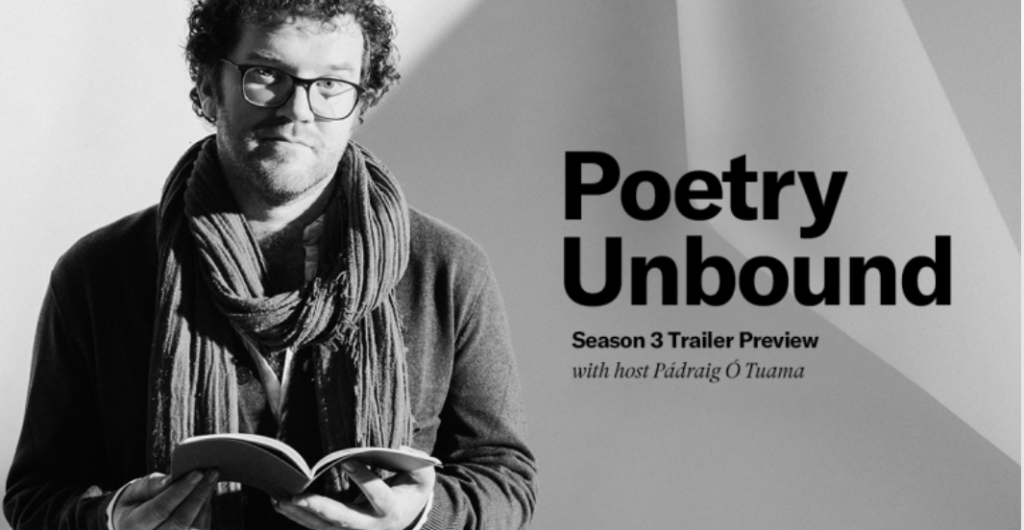
You can also sign up to receive daily poems from: Rattle, Your Daily Poem, Poem-a-Day, Poetry Daily, Poem of the Day. All these are free as is the wonderful podcast written and hosted by one of my favorite poets Padraig O Tuama: Poetry Unbound. I would also highly recommend Padraig’s wonderful book: 50 Poems to Open Your World.  

Happy Reading!  

~Ginny

Virginia Watts has been fortunate to have published nearly 100 pieces in literary magazines including CRAFT, The Florida Review, Reed Magazine, Pithead Chapel, Permafrost Magazine, Broadkill Review, Two Thirds North, Hawaii Pacific Review, Sky Island Journal, Eastern Iowa Review, Evening Star Review and Streetlight Magazine. Nominated four times for a Pushcart Prize and four times for Best of the Net, in 2019, Watts won The Florida Review Meek Award in nonfiction.

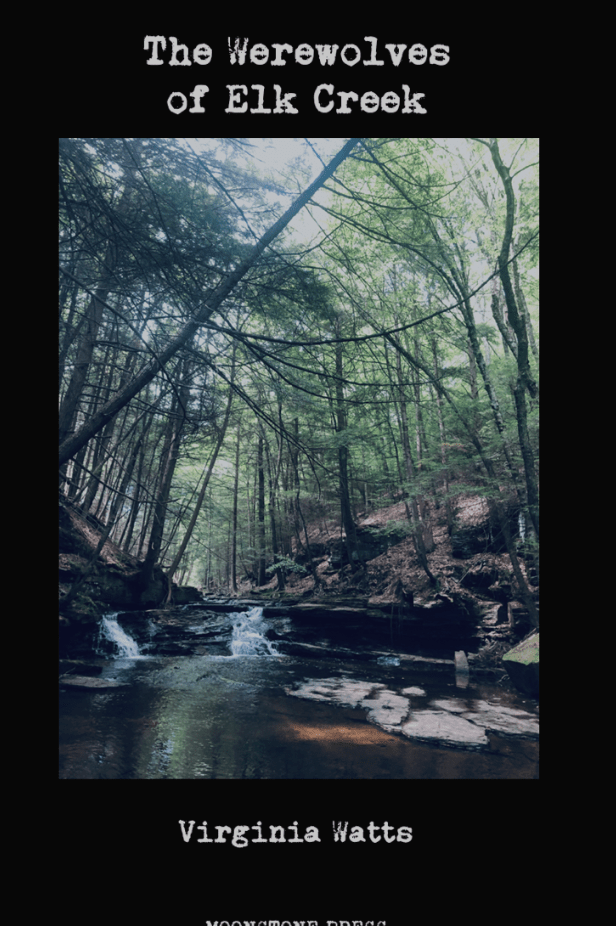
Her poetry chapbooks The Werewolves of Elk Creek 

and Shot Full of Holes are available from Moonstone Press. Her debut short story collection Echoes from the Hocker House is available on Amazon.

Lost Words, Found Poetry

Sometimes words are hard to find. Like now, for me, when the words and feelings are so big they look like a giant ball of yarn; overwhelming and untangle-able. 

That is when I find my words elsewhere. It might be “black-out poetry”, like the one made from my poetry submissions rejection letter collection. Or, it might be from refrigerator word magnets. Or, it might be from headlines in the New York Times. Opportunities abound and are yours for the taking. “Found Poetry”, which I first thought of as just weird, is actually quite fun. So, what is “found poetry”, anyway?

Found poetry is a literary collage, crafted by selecting and rearranging words from other sources to create something fresh and meaningful. Blackout poetry, cento, erasure poetry, and cut-up techniques are all ways to engage with found poetry. Not only is it a great exercise in close reading and creativity, but it can also be a meditative way to reconnect with language when traditional writing feels out of reach.

 How to Create Found Poetry

  1. Gather Your Source Material – This could be an old book, a newspaper, a diary entry, or any text that speaks to you.
  2. Highlight Interesting Phrases – Look for unexpected word combinations, evocative imagery, or intriguing snippets of text.
  3. Rearrange and Shape – Remove, rearrange, and add punctuation to shape the poem into something that feels complete.
  4. Experiment with Form – Try blackout poetry (blotting out words with ink), centos (poems composed of lines from other works), or even digital found poetry using search engine results.

Literary Journals That Accept Found Poetry

If you’ve crafted a found poem that feels right, consider submitting it to a literary journal. Here are a few that welcome found poetry:

  • The Found Poetry Review – Dedicated to publishing only found poetry (currently on hiatus, but their archives are rich with inspiration).
  • Diode Poetry Journal – Occasionally publishes found poetry alongside traditional forms.
  • River Teeth: Beautiful Things – Accepts short, poetic nonfiction, including experimental found forms.
  • The Indianapolis Review – A journal that appreciates erasure poetry and visual found poetry.
  • Pangyrus – Open to hybrid and experimental poetry forms, including found poetry.
  • Entropy (Closed, but check for archives) – Previously published a variety of found and hybrid poetic works.
  • Fence – Open to experimental poetry, including found forms.

If you’re feeling stuck in your writing practice, found poetry offers a playful and rewarding way to engage with language. Whether you keep your found poems private or submit them for publication, the process itself can rekindle your creative spark, or even maybe begin to gently loosen your own giant yarnball.  

(Black-Out Poem written from one of my rejection letters)

Have you tried writing found poetry before? Share your favorite sources of inspiration in the comments!

Ellis Elliott

bewildernesswriting.com

Exploring the Role of the U.S. Poet Laureate

By Virginia Watts, Founding Member of the Old Scratch Press Collective

Many people have heard of title The United States Poet Laureate, official title Poetry Laureate Consultant in Poetry, but they do not know much about this position. The Poet Laureate serves for an eight-month term running from October to May, elected by The Librarian of Congress. Traditionally a poet will hold this title for two terms. In choosing the recipient of this prestigious title, the Librarian consults with experts in the field of poetry as well as former Poet Laureates. Additionally, suggestions from the general public are accepted.

The Poet Laureate only has two officials duties they must perform, two readings at the beginning and end of their term. The idea is that each Poet Laureate should be given the space and freedom to decide for themselves how they can use their role to encourage people throughout the nation to read, write and develop an appreciation for the art of poetry. The Poet Laureate receives a stipend of $35,000 and $5000 for travel expenses. Prior the 1986, the Poet Laureates were known as Consultants in Poetry. The well known poets Robert Frost and Gwendolyn Brooks were Consultants. Since 1986, there have been 24 Poet Laureates, Louise Gluck and Ted Kooser among them.

So, what have some of our Poet Laureates done during their tenure to spread the love of poetry?

In 1997, Robert Pinsky, the 39th Poet Laureate, put out an open call for people to share their favorite poem. Many Americans sent poems. Poems came flooding in from all ages, all states, from people of diverse backgrounds and interests. Pinsky’s call set off a domino effect leading to reading of favorite poems in hundreds of cities and towns.

Gwendolyn Brooks is well known for her focus on elementary school students. Early learning about poetry and writing it is bound to foster a lifelong love of the art form.

 Joseph Brodsky thought the best way to have people experience poetry is for them to find free samples of it in their everyday lives and places, such as airports and hotel rooms.

Billy Collins published an anthology inspired by his time serving as the United State Poet Laureate. “Poetry 180” makes it easy for high school students to read or hear one poem each day during their school year. Collins is often quoted as believing that poetry is a kind of social engagement, that a poem should feel like it reaches out and invites the reader inside.

Rita Dove brought writers with a focus on African diaspora together. Maxine Kumin focused on shining a light on the works of women writers and Joy Harjo, the 23rd United States Poet Laureate, was the first Native American to hold this honor.

Our current Poet Laureate is Ada Limon. She is from a Mexican American background and grew up in California. As part of her position, she penned a poem dedicated to NASA’s Europa Clipper Mission. Her poem is engraved in her handwriting on a metal plate aboard the Europa Clipper spacecraft. This spacecraft launched in 2024 and will enter the Juniper system in 2030.  Here is Limon’s gorgeous piece. She is one of the must-read poets of our times, well deserving of the title of United States Poet Laureate.

In Praise of Mystery: A Poem for Europa

Ada Limón

1976 –

Arching under the night sky inky
with black expansiveness, we point
to the planets we know, we

pin quick wishes on stars. From earth,
we read the sky as if it is an unerring book
of the universe, expert and evident.

Still, there are mysteries below our sky:
the whale song, the songbird singing
its call in the bough of a wind-shaken tree.

We are creatures of constant awe,
curious at beauty, at leaf and blossom,
at grief and pleasure, sun and shadow.

And it is not darkness that unites us,
not the cold distance of space, but
the offering of water, each drop of rain,

each rivulet, each pulse, each vein.
O second moon, we, too, are made
of water, of vast and beckoning seas.

We, too, are made of wonders, of great
and ordinary loves, of small invisible worlds,
of a need to call out through the dark.

Photo by David Kopacz on Pexels.com

“In Praise of Mystery” by Ada Limón was released at the Library of Congress on June 1, 2023, in celebration of the poem’s engraving on NASA’s Europa Clipper, scheduled to launch in October of 2024. Copyright Ada Limón, 2023. All rights reserved. The reproduction of this poem may in no way be used for financial gain.

About the author: Virginia Watts is the author of poetry and stories found in Epiphany, CRAFT, The Florida Review, Reed Magazine, Pithead Chapel, Words & Whispers, Sky Island Journal among others. She has been nominated four times for a Pushcart Prize and four times for Best of the Net. Her debut short story collection Echoes from The Hocker House won third place in the 2024 Feathered Quill Book Awards.

Virginia Watts grew up in Hershey, Pennsylvania and spent summer vacations in the Endless Mountains of Sullivan County with her Quaker grandparents. Many of her stories and poems revolve around small town life and rural roadways that are not always what they seem.

Thank you for reading. Please sign up to follow us on Facebook and to follow us here on WordPress to expand your knowledge about poetry and short form writing as well as to receive the latest news about publication opportunities.

Romance vs Reality in the Writing Life: 9 Tips to Help Tackle Reality

I have a trove of old New Yorker cartoons I’ve saved in a folder since forever. The premise of this one (from the fabulous cartoonist Roz Chast) is the romanticized version of Thoreau’s life vs. the reality. My argument was always “of course he can simplify. He has no kids, no partner, and his mom does his laundry.”

I think we also can hold that same romanticized ideal for writing.

“I WON’T BE COMING IN TODAY.
I’M JUST NOT FEELING IT”

…was the text my friend received, canceling their appointment together 15 minutes before it was to start. What bravado, I thought. What mixture of honesty, courage, chutzpah, and downright rudeness is this?

And how many times have I felt like saying the exact same thing? Especially when it came to staying motivated to finish, organize, edit, submit separate poems, and find a publisher for my poetry collection. Not today. I’m just not feelin’ it.

The option is to feel it. Even when you really, really don’t want to. There are so many other demands on our time, and I am easily overwhelmed if I only look at the long game. I have to break it all down into bite-size “feelable” pieces.

What that looks like for me is:

1.    I can sit here for 10 minutes and freewrite with one of the 500 prompts I find and keep and never do anything with. 

2.    I can spend 10 minutes on the website Duotrope to find 5 more places to submit my poems. 

3.    I can print out all these poems, spread them out on the bed, and figure out how they make sense together. 

4.    I can spend 5 minutes on an email to “make the ask” of a trusted someone to read my work. 

5.    I can take a break from it all and not beat myself up about it.

6.    I can “manage the myth” that my work is valuable and someone, somewhere will love it, until it becomes the truth. 

7.    I can submit the poetry collection to contests of all shapes and sizes.

8.    I can make an effort to forge connections in the writing world. I can join writing groups, create writing groups, take classes and workshops, reach out for help, or join a collective. You never know when you might meet the right person that could lead to your book publication (like I did!). 

9.    I can endure countless rejections, knowing the subjectiveness inherent in the game, and know to never take anything personally. 

10.  Do it again and again. Hang in there, until what’s foreign becomes familiar and the stars align, because you kept at it. And as for the end result, sometimes knowing whatever you have done is enough.

And what a divine feeling that is, indeed.

By Ellis Elliott—Thanks for Reading! Join me at https://bewildernesswriting.com/ Find my poetry collection, Break in the Field, from Old Scratch Press, on Amazon. My new cozy mystery fiction novel, Fire Circle Mysteries: A Witch Awakens will be available in Spring 2025.

Making Moments Count

One of the things I like best about poetry is its ability to capture the beauty of a single moment, even if it’s not something that would normally be seen as beautiful. At its heart, poetry is emotional storytelling. A moment becomes significant when it is infused with feeling—joy, sorrow, nostalgia, or wonder

Last year, I edited an issue of Instant Noodles with the theme of ‘instant.’ I was looking for poems that captured that exact essence of poetry that appeals so much to me. I wanted the beauty of the grief or the joy of a single moment captured in a poem. It’s probably my favorite issue of Instant Noodles that I’ve edited to date. I think the poems we published in that issue were the kind that will resonate long after reading them because every reader shares that moment with the poet.

That issue of Instant Noodles can be read for free here . I highly recommend giving it a look.

Life is filled with fleeting moments—those golden, mundane, or bittersweet slices of time that often pass unnoticed. But poetry has the unique ability to crystallize these moments, transforming them into something timeless and profound. Capturing moments in poetry is about taking the ephemeral and making it eternal.

Here’s a poem of mine that captures the moment when I held my son for the first time. It appeared in the Instant issue of Instant Noodles.

Contraction

After hours of flesh seizing 
muscles finally relaxed 
and I cradled a fresh universe 
in my arms, puckered face 
already rooting for food. 

My world imploded, contracting 
until nothing existed but this 
one tiny fist raised at the audacity 

of the air to be so dry 
the lights so bright 
the scream that replaced the rhythm 
of my familiar heartbeat 

and I traced constellations 
across freckled skin as I eased
into a new center of gravity.

The Power of Specificity

Great poetry thrives on specificity. Think of a single red leaf falling on a crisp autumn afternoon or the smell of fresh bread wafting through an open window. These details evoke emotions and anchor the reader in the poet’s world. Poetry doesn’t need grand metaphors to capture the essence of a moment. Sometimes, a simple, honest line is more powerful than elaborate language.

Share Your Moments

Because life is poetry, everyone is a poet. You can write about your own moments and shape your memories into poems. Then, you’re sharing that moment with others. Your words let them feel what you felt and maybe even remind them of their own special memories.

Poetry helps us slow down and notice what’s around us. It takes the little things that we might normally ignore and makes them important. So grab a notebook, start noticing the world, and turn your moments into poems that last forever.

Exploring the Intersection of Sports and Poetry

October is a sports lover’s dream. Most of the major leagues are in full swing, from the NBA, NFL to the NHL. There are college football games every weekend, and even the crisp Fall air makes it feel like football weather.

So what does this have to do with poetry?

There are some cases, perhaps uncommon, where sports and poetry intersect. While in school, I was introduced to the excellent baseball-related poem “Casey at the Bat” by the poet Ernest Lawrence Thayer. From the roar of the crowd to the “Strike!” being called by the umpire, Thayer does a remarkable job of transporting the reader to that fateful match in Mudville. The poem culminates with perhaps its most famous line: “But there is no joy in Mudville—mighty Casey has struck out.”

In college my friends and I would play pickup basketball on the courts on campus. These were disorganized gatherings with teams hastily assembled at the last moment, but these were some of my favorite memories from my college years.

My poem below is an attempt to recapture some of those moments. Unlike “Casey at the Bat”, there was much joy to be found in College Park during those amateur games.

This was written during my college years, and I don’t know if I could write this today, or even should write something like this today, as this poem is full of rough edges and not overflowing with beautiful language.

However, that is what I think I love about it. Much like our simple attempts at basketball all those years ago, the poem is pure and raw, even somewhat unfinished. Ah, the folly of youth!

Photo by Pixabay on Pexels.com

So without further introduction, I hope you enjoy my poem “Hoops”.

Hoops

It wasn’t the easy, fluid style of play you see on TV,
It was the jerky, nervous style of amateurs
played on asphalt several feet away from where I was sitting.
My shorts had ripped horrendously down the back during the last game,
but that really didn’t matter in the big scheme of things,
and besides, the jocky guy Chris would have never
picked me to play after screwing up the last game so badly.
An observer watched the game from the other side of the court, grinning to himself secretly.
Perhaps he was happy to see the different bodies working so well together, Van, the Vietnamese guy; Joy, the Indian; Greg the African American and Danny the Anglo; or perhaps that was just what I wanted to see.

Chris the jock made a three-pointer, and murmurs of approval such as, “Good shot, man” or “Nice one, Chris” fill the air, replacing the sound of the tennis shoes against the pavement.
I never questioned Chris’ basketball prowess.
It was his attitude that puzzled me.
I wanted to shake him and say, “Hey, Chris! Listen to what I’m saying, man! You’re just a pebble in the stream, man! Just a lowly grain of salt! This shot won’t change the world, dig?”
But you can’t tell a guy like Chris something that big.
He would just laugh it off and call you a stinkin’ liberal hippie, and go about his business of shooting politically correct jump shots, while I would go about my business of trying to change the things that couldn’t be changed.

-R. David Fulcher, OSP Founding Member

The Healing Power of Poetry

By Virginia Watts

Poetry is an old art form dating back to ancient Greece. Why has it been with mankind so long? For one thing, writing and reading poetry is good for us. It allows us to manage our emotions which in today’s complicated and divided world can be an overwhelming task. During the recent pandemic many literary journals called for submissions about their experiences during the pandemic. Many poets answered the call, and no doubt felt better for it.

During the months of lockdown, people all over the world lost many things. We were suffering. Some of us lost loved ones, some of us were very ill ourselves. We all lost our normal sense of community, isolated as we were. Humans aren’t meant for isolation. Many people were lonely. Things we enjoyed such as travel, comradery in an office or school setting, had to be put on hold. Writing poetry and sharing poems created a bond among people when it was sorely needed.

 As it turns out, poetry can be a powerful healer. Rhythmic language is soothing. Think of a lullaby. Poetry also helps us contemplate and reflect our lives back to us. Through poetry, we learn about different cultures and histories which helps us to stop focusing on ourselves and leads to a better understanding among peoples.

 Through poetry we can stop to appreciate and experience what is beautiful in our world or share a poet’s experience with something we are also struggling with. This improves our mood. Poetry is often read to hospitalized children to reduce their fears and worries. Additionally, reading poetry out loud has been shown to slow breathing and help a person relax.

            So, three cheers for all the healthy things poetry does for the human body and spirit. During the pandemic I remember reading this famous poem by Maggie Smith. It has stayed with me.

Maggie Smith, poet

Good Bones

By Maggie Smith

Life is short, though I keep this from my children.

Life is short, and I’ve shortened mine

in a thousand delicious, ill-advised ways,

a thousand deliciously ill-advised ways

I’ll keep from my children. The world is at least

fifty percent terrible, and that’s a conservative

estimate, though I keep this from my children.

For every bird there is a stone thrown at a bird.

For every loved child, a child broken, bagged,

sunk in a lake. Life is short and the world

is at least half terrible, and for every kind

stranger, there is one who would break you,

though I keep this from my children. I am trying

to sell them the world. Any decent realtor,

walking you through a real shithole, chirps on

about good bones: This place could be beautiful,

right? You could make this place beautiful.

Copyright Credit:
Maggie Smith, “Good Bones” from Waxwing.  Copyright © 2016 by Maggie Smith.  Reprinted by permission of Waxwing magazine
 

Source: Waxwing magazine (Issue IX, Summer 2016) (2016)

To learn more about the writer/poet Virginia Watts, check out her short story collection https://www.amazon.com/Echoes-Hocker-House-Virginia-Watts/dp/1957224177/

Meet Poet Morgan Golladay at Causey Mansion | Milford Delaware Event

Causey Mansion where Morgan Golladay reading/ booksigning will be held.

Causey Mansion in Milford Delaware is a beautiful spot to meet and greet poet/artist Morgan Golladay, author of the Song of North Mountain. Learn more about the historic mansion here. The event will be held in the gardens from 1-3 p.m.. Purchase your copies in advance online or purchase one at the event. Either way, Morgan will be there to autograph! The location is 2 Causey Avenue, Milford Delaware 19463

Editorial praise is just beginning. Here are a few samples:

“Sometimes stark, but always beautiful, these free verse celebrations of North Mountain introduce a seasonal sense of environmental transitions to the observer and reader’s eye, with time’s passage changing everything and nothing…Aside from a personal visit to North Mountain, there is no better way of appreciating its beauty, impact, and presence over the eons than through The Song of North Mountain.”
MIDWEST BOOK REVIEW

Ellis Elliott

5.0 out of 5 stars Mountain Mary OliverReviewed in the United States on May 28, 2024

Verified Purchase

This book is a praise-song of poetry and art for Golladay’s beloved mountains. With an eye for detail and ease of language, her poems revere and embrace the elements and seasons of nature. Accompanying her poetry, her art further conjures the scenes we are taken to. From Vincents Wood to the Devils Throne, the writer takes us along, like all good poetry, until we feel as if we, too, have been there. I think I’d do well to heed what the writer says:
Look too soon
and you miss the mystery

Alan Bern

5.0 out of 5 stars A wonderful poetic love song to where she grew up, “the Shenandoah Valley of Virginia.”Reviewed in the United States on May 7, 2024

Morgan Golladay’s The Song of North Mountain is a wonderful love song to where she grew up, “to the hills, rivers, and ridges of the Shenandoah Valley of Virginia.” And Golladay is the perfect guide for this voyage, perceptive, kind, and empathic. I urge you to purchase her fine book that also contains her own fine original artwork: sit back in a comfortable chair and travel with her to this most beautiful part of our country. As Golladay invites the reader to accompany her and writes in “Back in the Woods” (p. 69),

I experienced the magic and awe of
a creation larger than I could imagine.

“Rest with us,” whispered the granite.
“Breathe with us,” crooned the breeze.
“Stay with us,” encouraged the trees.

Learn more about Morgan and her poetry here. And don’t forget to follow Old Scratch Press on Facebook. Thank you for reading.

Away They Go!

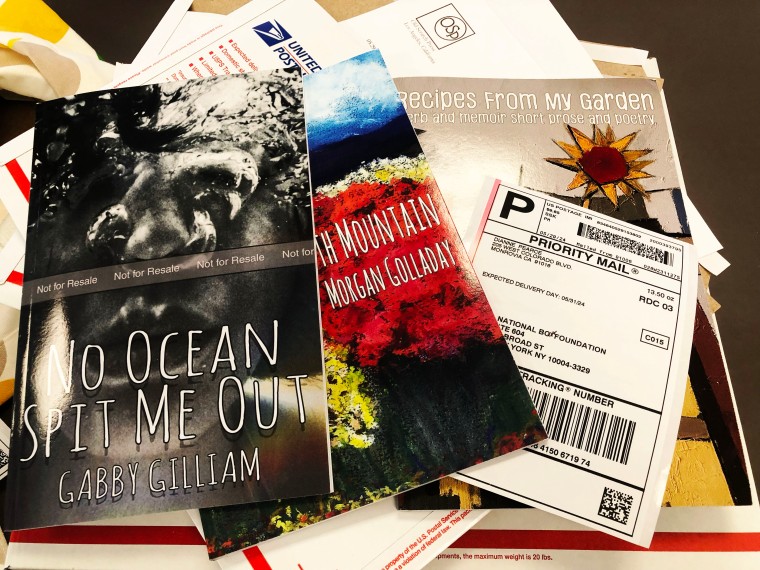
I was thrilled today to have the privilege to mail three new Old Scratch Press books off to the National Book Awards! If you follow all of our doings around here you may have seen this post from last year, where I was lucky enough to do the same thing!

Gosh, you know, we’re going up against the big guys when we send our books in to the National Books Awards. Most of the other books being sent in are going to have been written by well-established poets with a long history of publication, or brand new poets being championed by their mentors who are the big guys in their fields, and those other books are also going to come from traditional (read as: large and monied) presses or university presses, which, like the big publishing houses, also have lots of disposable income and connections. I got my MFA; I know how that all works. And still, I don’t care about the competition. I care that we have wonderful poets. Morgan Golladay has been writing her poetry throughout most of her adult life, and salting it away for “someday,” and Nadja Maril and Gabby Gilliam have been submitting and getting small wins with their writing for years now, and why isn’t their writing as deserving as anyone else’s? It absolutely is! It gives me a total thrill to just think about getting them into this contest, where they get a chance to stand shoulder to shoulder with the “big guys.” And get this—Carolyn Forché is one of the judges this year! Carolyn Forché! It’s mind-blowing to think that a poet from our little collective is going to be read by her. I still remember how my teachers raved about Carolyn Forché’s book THE COUNTRY BETWEEN US back in the ’90s. We read it and discussed it over and over with reverence. The idea that she’ll be reading one of our books? It’s just wild.

So, lovely people following our progress as a collective and a press, please join me in crossing your fingers and blowing on one of these:

Photo by Yassir Abbas

as we send Gabby, Nadja, and Morgan off to the National Book Awards to try their luck!

And hey, dear reader of this blog, why not snag a copy for yourself in a show of support?

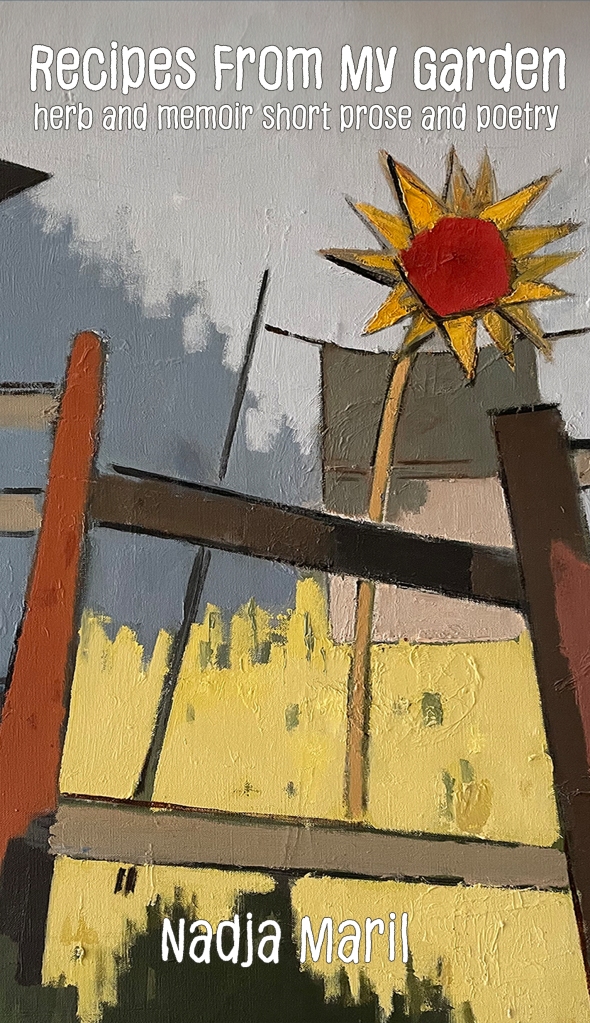
Flash prose, poetry, and essays inspired by her kitchen, garden, and family memories; Nadja Maril’s chapbook, RECIPES FROM. MY GARDEN is a sensual feast for the soul. Drawing upon her life experiences as an artist’s daughter, antiques dealer, journalist, and author; Maril mines simple objects for meaning and creates a lavish buffet.  

Editorial Praise for RECIPES FROM MY GARDEN

“Suffused with the tastes of cilantro, mint, and cucumber fresh from a garden, the smell of salt air from the ocean’s edge, the familiar scent of coffee and tobacco from a father’s hug, or the simple pleasure of the sounds of clicking insects through a backdoor screen, Nadja Maril’s lovely and sensitive RECIPES FROM MY GARDEN is a feast for the senses and a balm for the spirit. While exploring personal memories that touch on abstract questions of identity and history, Maril also reminds us of the tiny yet profound comforts of earthly existence.”
–Aaron Hamburger, author of HOTEL CUBA—

“In RECIPES FROM MY GARDEN, Nadja Maril casts a richly sensual literary spell.  From the deft and resonant garden-inspired pieces that find the taste of ‘summer’ in basil and celebrate the ‘welcoming gaze of sunflowers,’ to the sharply observed portraits of small yet potent memories— buying a perfect dress with her mother; baking a cake ‘too beautiful to be cut’– Maril mines moral and spiritual meaning from everyday life.  The promise Maril makes about a ‘chicken and rice’ recipe is true of this whole vibrant chapbook: ‘soul nutrition it will provide.’ ”
–Elizabeth Searle, novelist and scriptwriter (A FourSided Bed; I’ll Show You Mine)–

“RECIPES FROM MY GARDENcelebrates the splendor of traversing a literary life and surviving the time of Covid. Nadja Maril’s first collection of poetic prose, flash memoir, and poetry introduces us to her family, her nurtured garden, and the myriad spaces she navigates to cope with our world. With true artistic excellence, Nadja’s words yearn for an understanding of what troubles us, inviting us into a landscape of riddles, questions and puzzles.”
–Indigo Moor, author of Everybody’s Jonesin’ for Something—

 “[RECIPES FROM MY GARDEN] is a treasure of small love stories: odes to beloved kitchens, and vegetable gardens, and the simple joys of a blooming sunflower. It is a book of memory and of pleasure that speaks of the love of family across many generations. The passed-down recipes inside the pages are themselves the most generous kind of love letter.”  
–Susan Conley, author of Landslide—

Pre-order Paperback

Pre-order Kindle

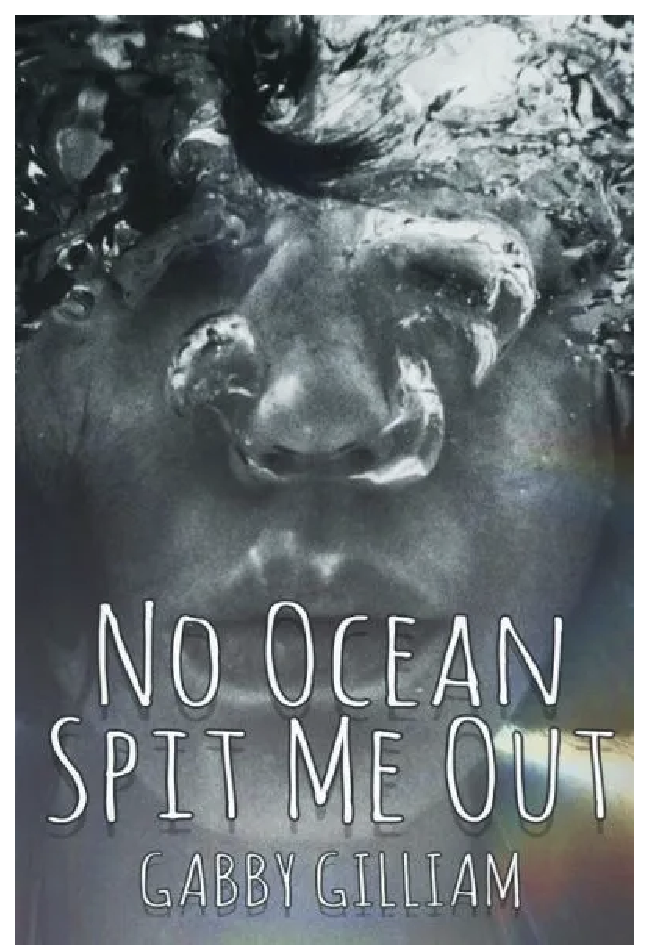
[In NO OCEAN SPIT ME OUT] Gabby Gilliam’s verse preserves the feel of the summer farm, contrasting its fertile brightness with the struggle between grief and the sudden absence of connection to family and place. Belonging and the struggle to continue remembering clash on the page, while the passion for life’s diverse and tactile experiences dazzle the reader with tantalizing gasps of zucchini, crab apples, and blackberry wine. Each poem gives the reader their own lingering taste of her ghosts. -Kim Malinowski-

NO OCEAN SPIT ME OUT is a captivating debut collection of poetry that delves deep into the intricate tapestry of family dynamics and personal evolution. Within its 30 poems, the collection embarks on a profound journey through the stages of coming of age, navigating the complexities of familial bonds, grappling with organized religion, and ultimately, embracing the essence of self-acceptance. Whether you’re seeking solace in the shared experiences of family relationships or searching for introspective insights into the nuances of identity and faith, this collection offers a profound and thought-provoking exploration of the human condition.

Pre-order Paperback

Pre-order Kindle

“Sometimes stark, but always beautiful, these free verse celebrations of North Mountain introduce a seasonal sense of environmental transitions to the observer and reader’s eye, with time’s passage changing everything and nothing…Aside from a personal visit to North Mountain, there is no better way of appreciating its beauty, impact, and presence over the eons than through THE SONG OF NORTH MOUNTAIN.” —MIDWEST BOOK REVIEW—

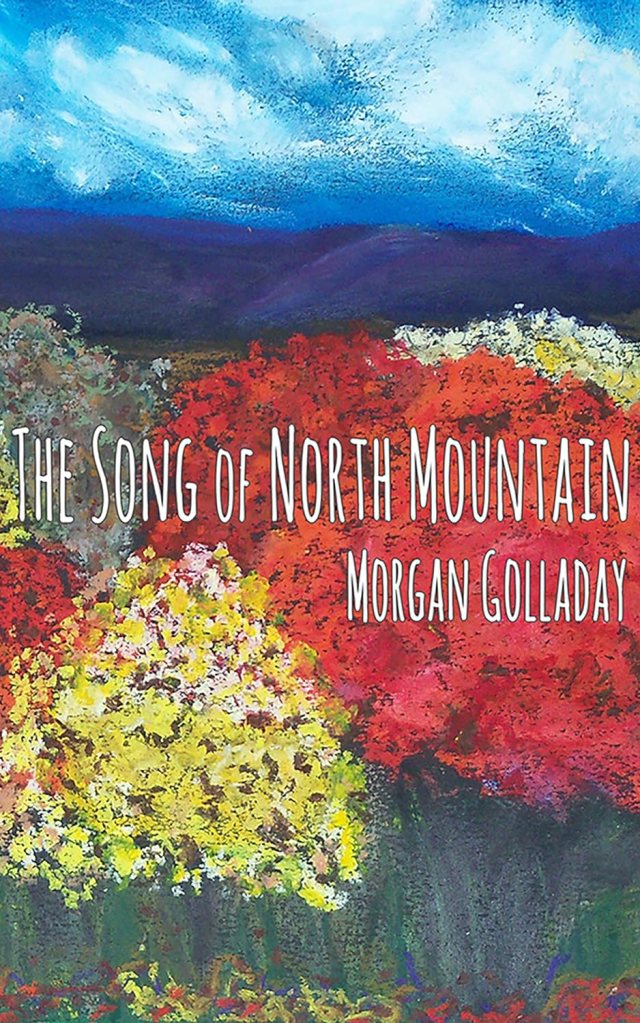
From the mighty pen of artist and author Morgan Golladay comes THE SONG OF NORTH MOUNTAIN, a transformative collection of poetry and art celebrating the famous and mystical North Mountain of Appalachia.
North Mountain, a wildland in the George Washington and Jefferson National Forests of western Virginia, has been recognized by the Wilderness Society as a special place worthy of protection from logging and road construction. The Wilderness Society has designated the area as a “Mountain Treasure.”
Morgan Golladay brings her readers to dwell in the reverence of this wonderful wilderness. Golladay is an award-winning author who was raised on North Mountain and lives in coastal Delaware as part of a thriving artist and author community. All words and art in this book are by Golladay.

Paperback (available now)

Kindle (available now)

Audiobook (available now, and Audible account not needed to buy or listen!)

Good luck women! May your wonderful books triumph!