Why Prose Writers Should Make Reading Poetry a Daily Habit

Many writers, including myself, write both prose and poetry. For me, it just depends on the subject matter as to which form I choose. Many writers begin with one form of writing and evolve to another. There are some writers who begin in one genre and stay there. In the end of the day, our paths are different, but we are all writers, and all writers want to tell a story. We want readers to feel something, experience something, remember something. We want them to leave us changed in some small way. Even if you don’t want to learn about the craft of poetry in a formal way, as in attending workshops, just reading a few poems a day will improve your prose writing in ways that will surprise you. 

Poetry as a form succeeds on bold, visual imagery, exact information from all the senses. This is how the reader enters the poem and lives inside it for a brief time. By reading lines of poetry, prose writers will also experience and come to understand why rhythm matters. There is great impact when rhythm is found in sentences and phrases.

One of the defining benefits of studying and writing poetry for me as a prose writer has been that in poetry more than any other genre, each and every word must do work, and I mean each and every word. Poets take time and great care choosing words and prose writers, if you want to be your best, you should be doing that as well, but it takes practice. Read Hemingway again to see why this matters. 

Poetry has the same elements as prose writing, such as characterization and narrative arc, but it contains more unexpected phrases, surprises and turns that send readers in directions they didn’t expect. This is often missing from prose writing, and it shouldn’t be. Additionally, poetry teaches us about pace. How long lines with no punctuation slow the reader down. How a short line placed just right can then really pack a punch. 

Prose writers can also use traditional poetry techniques to enhance their narratives such as assonance, linking words with similar vowel sounds. Using words in this way can produce a desired effect on the reader such as a calming effect as if listening to music. 

My greatest lesson and take away as a prose writer who reads poetry every single day is that endings are so incredibly important. When you read enough good poems, you’ll see what I mean. And stories, like poems, deserve the best endings possible. This is something to strive for. 

So, you want to be a good prose writer? Then read poetry. Simple as that. Poetry teaches us all how to use our language. Poetry teaches how to describe. Poetry demonstrates mood, voice, momentum in unexpected ways. We all want the same thing. To tell the story we want to tell in the best way we can. Reading poetry will help us learn to do that. 

There are many good online literary journals where you can read poems: Narrative Magazine, Agni, Carve, Rattle, 32 Poems, A Public Space, Apple Valley Review, Evergreen Review, The Cortland Review, Waxwing, Pigeon Pages, Cleaver Magazine, Able Muse. 

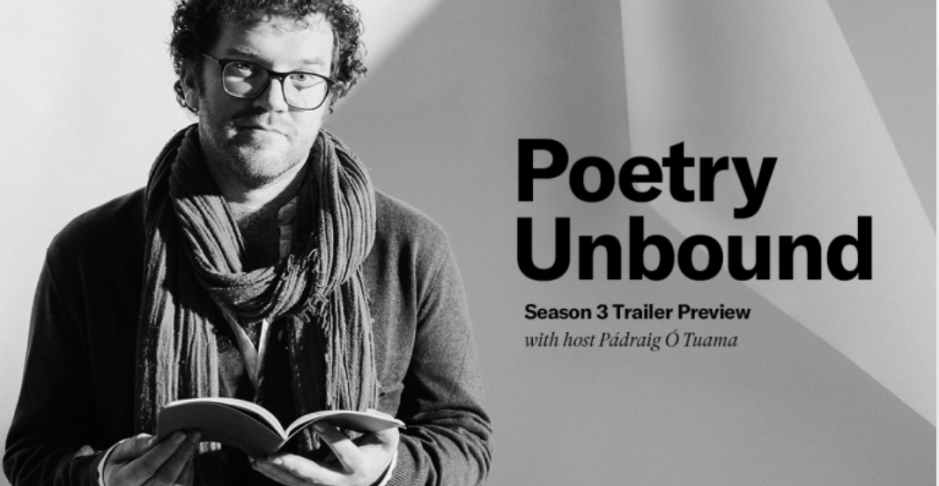
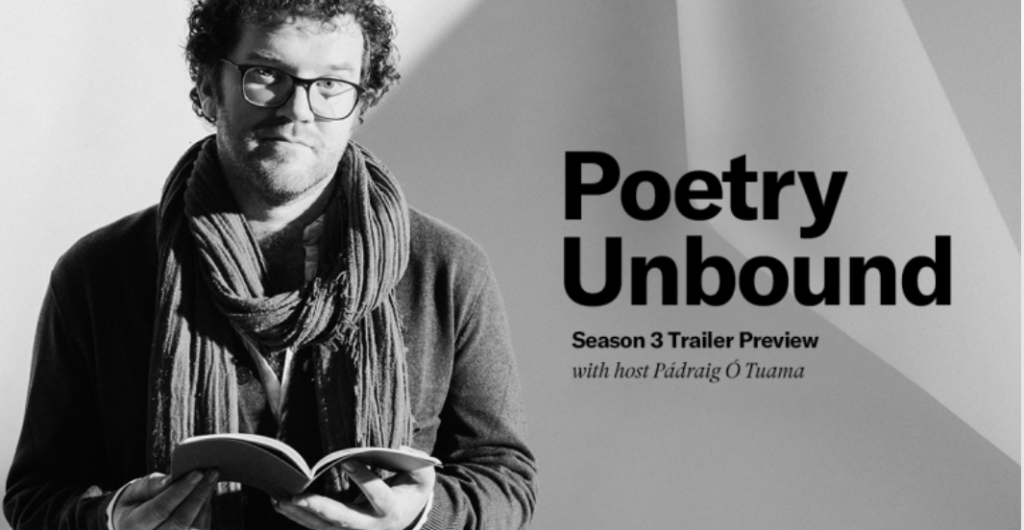
You can also sign up to receive daily poems from: Rattle, Your Daily Poem, Poem-a-Day, Poetry Daily, Poem of the Day. All these are free as is the wonderful podcast written and hosted by one of my favorite poets Padraig O Tuama: Poetry Unbound. I would also highly recommend Padraig’s wonderful book: 50 Poems to Open Your World.  

Happy Reading!  

~Ginny

Virginia Watts has been fortunate to have published nearly 100 pieces in literary magazines including CRAFT, The Florida Review, Reed Magazine, Pithead Chapel, Permafrost Magazine, Broadkill Review, Two Thirds North, Hawaii Pacific Review, Sky Island Journal, Eastern Iowa Review, Evening Star Review and Streetlight Magazine. Nominated four times for a Pushcart Prize and four times for Best of the Net, in 2019, Watts won The Florida Review Meek Award in nonfiction.

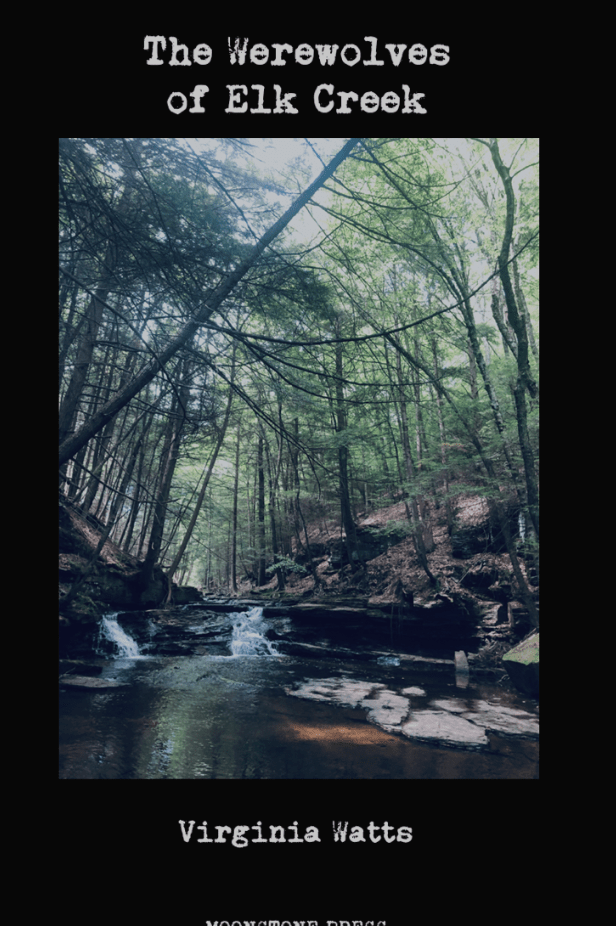
Her poetry chapbooks The Werewolves of Elk Creek 

and Shot Full of Holes are available from Moonstone Press. Her debut short story collection Echoes from the Hocker House is available on Amazon.

Never Miss A Chance to Read Your Work!

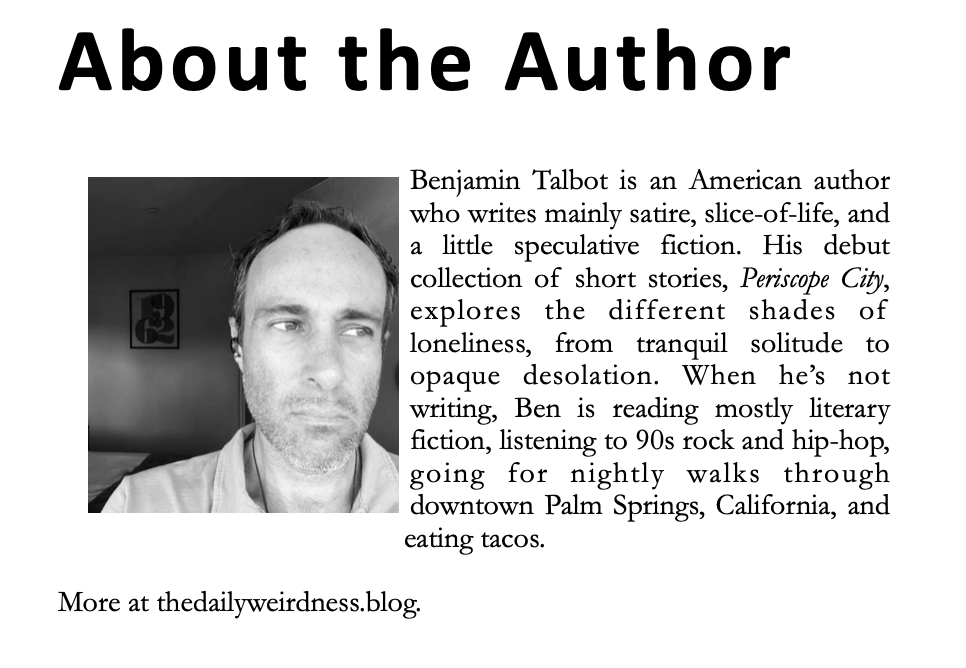
I want to invite you all to come out and support PERISCOPE CITY: WHERE THE LONELY GO TO LIVE ALONE with our Valentine’s evening “Love Stinks!” reading and open mic.

Join Zoom Meeting
Meeting ID: 886 1135 6295
Passcode: 090540

Ben’s book is, “A captivating series of short stories, both dramatically and philosophically enthralling.”
KIRKUS

“Ben Talbot excels at depicting a world both alien and familiar at the same time.”
MIDWEST BOOK REVIEW

Welcome to Periscope City, a place where nothing is quite as it seems. Its citizens are those with no one to love, caught in a paradox of escaping loneliness while clinging to it. Here, human emotion is fleeting, and love is nothing more than a transaction.
Each story in this collection delves into the heights and depths of solitude through its characters: a writer torn between seeking validation from fleeting romances and finding comfort in the safety of isolation; a former college football star lost in nostalgia, unable to connect with the present; a young runaway scarred by her past, drawn to this desolate town inhabited by loners and serviced by robots.
Prepare for an emotional gut-punch as you enter a strange, unsettling place where the broken-hearted choose to stay broken and prefer to live in solitude. Talbot’s haunting, satirical, and often absurd interconnected tales explore themes of self-destruction and elusive redemption.
Periscope City will immerse you in a world where the boundary between reality and fantasy is constantly shifting.

Ben is going to read a little from his book, and then we will open it up for poems, flash fiction/non-fiction to give you a chance to add your voice to the conversation about love and loss and loneliness, and answer the age-old question, “What becomes of the broken-hearted?”

If you’re not a pro at reading, it is imperative that you come and try your luck! What better night? We can be awkward, clumsy, lonely, and literary together!

Meet me in Periscope City Friday night:

8P Eastern
7P Central
6P Mountain
5P Pacific.

Hope to see you there, and hear you read. We’ll be sad without you….

In the meantime, enjoy this excerpt from the book!

Periscope City

SECRETS of a WRITING VOICE

by ROBERT FLEMING, Founding member of OLD SCRATCH PRESS – a poetry/short-form collective | estd. 2023

So confused. Isn’t a voice linked to speaking, singing, and screaming? What does a voice have to do with writing? What the fu** Robert?

A “writing voice” refers to the unique style and personality a writer expresses through their writing, which is a combination of their vocabulary, tone, sentence structure, and perspective, essentially how their individual personality comes across on the page. 

what is a writing voice – Google Search

For poetry, yours truly, defines a voice profile:

  • Style: traditional, experimental, vs in between
  • Themes (e.g. love, war)
  • Forms (e.g., free verse, iambic pentameter)
  • Devices (e.g. enjambment: 1 line continues onto next), metaphor, simile, rhyme)

CREATE A VOICE to INCREASE PUBLICATION SUCCESS

Most poetry magazine acceptance rates are about 2.4%. In order to increase your chance of publication acceptance success, create a writing voice and then target publications that have published work with your voice within the last two-years.

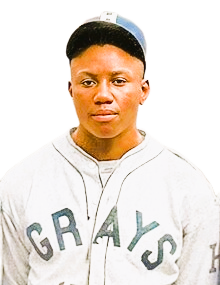
A writing acceptance rate is like a baseball player’s batting average (BA). Josh Gibson’s 1946 BA of 37.2% is the highest career Major League Baseball BA.

Josh Gibson

My poetry voice profile:

  • Style: experimental
  • Themes: masculinity, sexual orientation, sin/virtue, dystopia
  • Forms: visual poetry, free-verse, Japanese Haiku/Mondo, sonnet, and pantoum
  • Devices: sound (rhyme, alliteration, assonance), duality, homonyms, multiple-word-reversals, and end-titles

CREATING a WRITING VOICE

Oh NO Mr. Robert, an assignment is coming. Sir and madam, it is, I cannot lie.

A sleepless night, 3/14/1996, yours truly obsessed compulsed, to translate four of his favorite poets to a gay style: Robert Frost, William Shakespeare, John Berryman, and Dorothy Parker.

What I did for each poet:

  • Select a favorite poem
  • Analyze and document what the poem is (theme, form, devices) and why you like it
  • Read the poem out loud
  • Make an audio recording of your reading
  • Handwrite the poem
  • Type the poem
  • Translate the poem to your style
  • Place the original poem and translation side by side

What was the outcome impact of yours truly doing this exercise:

  • In 1997, a follow-up creation of a visual poem that translates Dorothy Parker was included in art show in the District of Columbia
  • Self-discovery that my style is experimental and an integration of one of the poets studied: Robert Frost and another poet: Dr. Seuss

More Voice Discovery guidelines: make diverse selections

  • Select work written in different time eras: 50% 1,800 or earlier, 50% 1,900 and later
  • Gender: 50% men, 50% woman
  • Style (traditional vs experimental): at least 1 experimental

Discover your writing voice and use it!

Yours Truly is:

Robert Fleming, a contributing editor of Old Scratch Press

OLD SCRATCH PRESS – a poetry/short-form collective | estd. 2023

who published an Amazon best seller visual poetry book: White Noir

white noir: Fleming, Robert: 9781957224183: Amazon.com: Books

an editor of the digital magazine Instant Noodles

About – INSTANT NOODLES

Thank you for reading. Please sign up to follow us on Facebook and to follow us here on WordPress to expand your knowledge about poetry and short form writing as well as to receive the latest news about publication opportunities.

The Blessings of Ritual and Routine

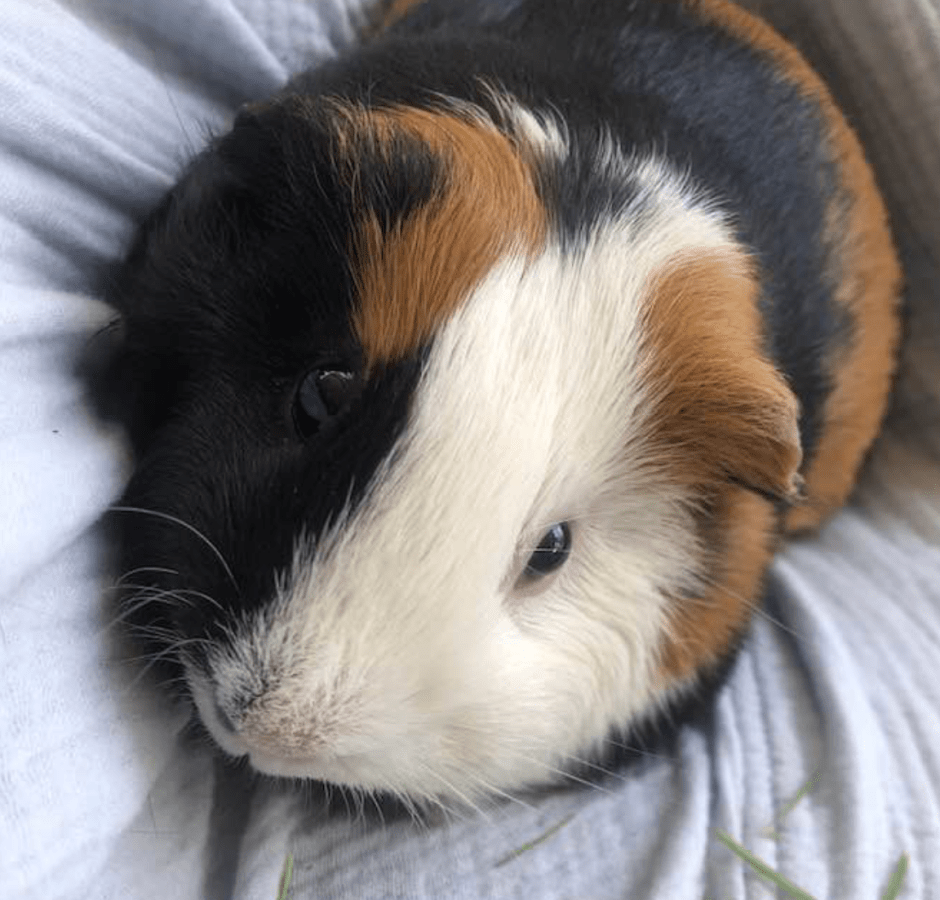
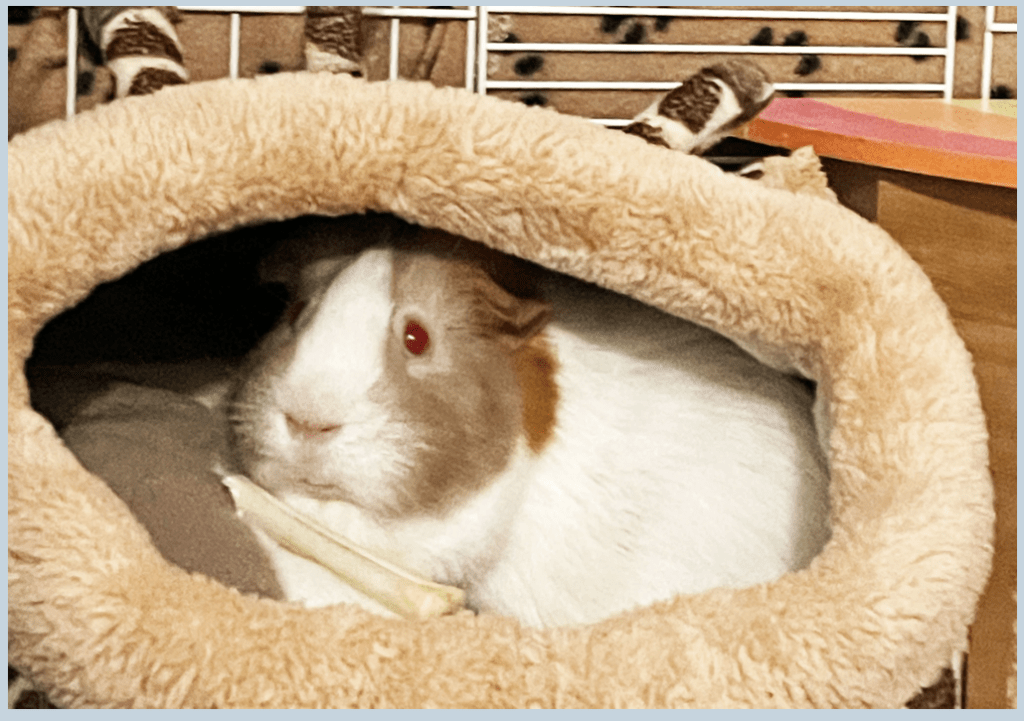
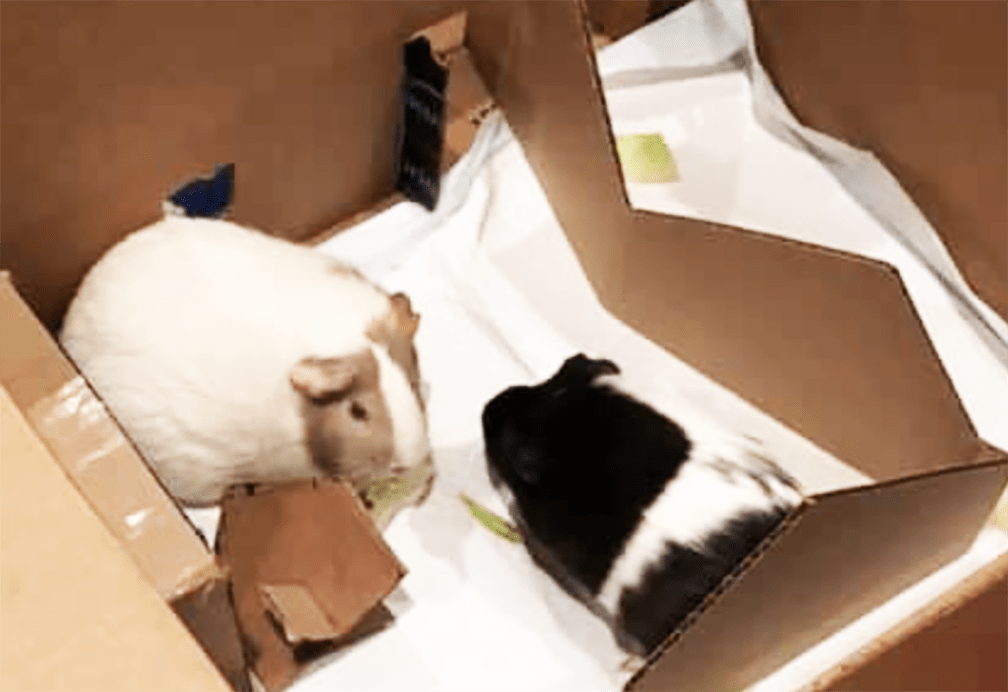
My dearly departed guinea pig, Addie, in her warm fuzzy hidey. Addie was carmel and white and had lovely pink eyes. Really, pink.

Just before the pandemic (the 2020s I feel the need to say for when we all are history), we were in search of a better situation for our daughter, and we moved her to a private school. She went from a class of 30 to a class of 12, and her academics improved immediately, though our finances did not! As a part of her classroom they had an animal student, the lovely Miss Addie pictured above lounging in her hidey with a tasty piece of bamboo. The school asked for a volunteer family to take her home over the Christmas break, and we volunteered. Addie and I bonded immediately (I am the pet-whisperer), and I must admit I delayed sending her back to school in January by almost a full week. When the school was shut down over Covid in March they asked me again if I would take her, and I eagerly said yes. She moved in with us, and by May the lovely school announced it was going out of business. Addie became family. During the stay-home days our daughter took courses on Outschool (highly recommend) where she learned female guinea pigs preferred to be in pairs. We then adopted Baby from a pet store. It turned out that Addie did not prefer to be in pairs, but eventually a tolerance developed.

When we moved back to California, again for a better school experience for our daughter, we drove across with two cats, two guinea pigs, and one dog. About a year after we settled in, I woke up a few days before Christmas to find Addie had left us. Baby, it turned out, was desperate not to be alone, and went on a hunger strike. After a forcing some food into her for two days (guinea pigs must eat constantly or they die), we adopted Punky (who looks a bit like a pumpkin). This past summer Baby followed Addie to Valhalla, and I saw, stretched before me, a long line of guinea pig adoptions for the rest of my life. I waited with bated breath until, lo and behold, it seemed Punky took after Addie, bless her. She seemed very interested in checking out Baby’s viewing and memorial, but then she was fine to have all the snacks and seed balls and pigetti (corn silk) to herself. She moves, in her luxuriously large cage, from hidey to hidey during the day, alternatively napping and yapping. She has a lot to say to me, and we perform a call and response between us where I say, “Woooo, Punkus!” and she chirps away back at me, whooping louder and louder until I bring her some fantastic treat.

The guinea pigs, as much as I don’t want to have a long line of them stretching to the end of my life in front of me, are part of my life’s rituals, and I love the job, and someday I know I will mourn the loss of it, as I mourn both the beautiful, pink-eyed Addie, and Baby, who looked like a tiny Holstein. Every other morning, without fail, I awake before the sun and the rest of my family, chat away with Punky as I remove all her bedding (I use cloth bedding, nice fluffy fleece pads), and all her hay, and all her snacks and poops, and I clean out the cage. All the linens go into the washer for a hot wash and an extra rinse, and the cage is refitted with clean bedding from my ample supply. Then I top off the snack bin (hay rings, seed balls, vitamin C chews), put in fresh hay, and add in some salad (lettuce, peppers, fresh baby corn, that sort of thing) and set Punky up for her new day. It takes me about 40 minutes (not counting the laundry time) and during that time I do not have to think what move to make next, and my conversation (Wooo Punkus!) pretty much doesn’t change, and is not the most thought provoking. That gives me some early-morning time to freshen up my brain as I freshen up Punky’s cage. We both enjoy it. For me it is both calming, and nurturing as I nurture my little Punky, and there is a clear sense of accomplishment in looking at the “beautiful once again” cage. 

Of course, you might think, that’s a lot of work, lady, for a kid’s pet, work that the kid should be doing. My daughter and I traded years ago because, when Addie first moved in, my daughter was too short to clean the cage, and not very quick or proficient at it. I offered to trade emptying the dishwasher (a chore I despise). She agreed. So now she’s stuck with it! And I get the meditative and soothing time with Punky.

I want to address this next paragraph to my fellow non-believers out there, or, perhaps, non-conventional believers is a better term. I was raised really immersed in a traditional Christian church, but, as long as I can remember, though I didn’t really balk against going until late into my HS years, it had no effect on me. I didn’t click into the whole thing. I often read the Bible in church from boredom during the long services, but it came across as fairy tale to me, and the emotions I saw people experience in church were not there for me. Even during my beloved grandmom’s funeral, who loved her church dearly, what I remember feeling, aside from loss, was that I would have preferred to be somewhere else, somewhere emotionally warm, to hold her in my thoughts. I have no doubt that my delight of a grandma is somewhere, in some form, still being a delight, but hooking it into her own religious beliefs is beyond me. So, there are two points I want to make here about that based on my experiences in life: ritual, which is done so well by churches/temples/mosques, and their like, is not owned by them. And life needs ritual for space to process and to get in touch with emotions. We are all different, and some of us need more ritual in life than others, and that ritual can be as simple as how we decorate for holidays, certain meals we make at certain times, celebrating our own birthdays (of course! I’m glad I was born!). Ritual is, really, meditation, and for me it is more profound when it is a natural thing in my life rather than what I would view as a forced, arbitrary movement. The guinea pigs are a delight too. Their personalities remind me of my chubby grandma in many ways. She often whooped, and loved eating too. There’s no reason they should not be connected in my heart and in my thoughts. I love the ritual that they are.

And during the “mundane chore” of cleaning the guinea pig cage I get a lot of writing done (in my mind, not on my computer!). It’s a reset for me as well. There’s no pressure for perfection, and the thoughts roll in and out like a calm tide. 

Of course Princess Punky will not outlast me (I am optimistic enough to assume). And I want to just mention my second very early morning ritual that will ride with me to the bitter end. OHHHHHHH…….

All I want is a proper cup of coffee
Made in a proper copper coffee pot
I may be off my dot but I want a proper coffee
In a proper copper pot

Iron coffee pots and tin coffee pots
They are no use to me
If I can't have a proper cup of coffee
In a proper copper coffee pot, I'll have a cup of tea
!

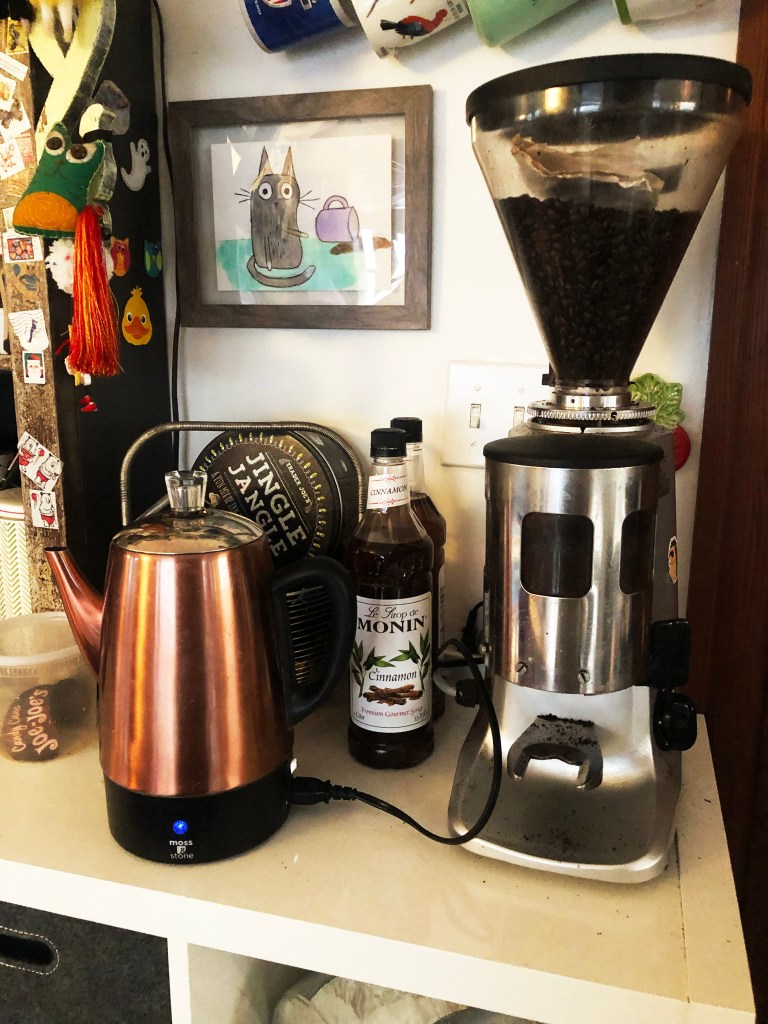
Gaze upon my magnificent second morning ritual… coffee made in a proper copper coffee percolator! A percolator has several ritual benefits: there are a few parts to take apart and clean; there is a prescribed way to put it back together, and when it is back together it moans suggestively and bubbles, and scents the air with perfume Chanel should be envious of. It is another opportunity for me to do labor that requires no brain power, that pleases me and affects me directly while also giving benefit to someone else (my spouse), and doing the “chore” brings about visible results that please me. It also offers me a hot cup to sip and enjoy as I slowly move from meditation to sitting down and writing out this post, or some other writing project.

Websters says that a blessing, as a noun, is grace (the thing said before meals), approval or encouragement, or a thing conducive to happiness or welfare (by which I take it Websters means well-being). Rituals are a blessing. And, for me, a lot of my blessings are my routines. I exhort you not to deny yourself of the blessing of your routines, even if they are “chores” (such a dirty word!). Slow them down a bit; use them to slow your thoughts, and plum the richness of repetition, a moment with no planning and no management needed, a moment on autopilot. There are so many writing gems to be found there, as well as quite a lot of balm for the nervous system. Enjoy that walk with your dog, scritches for kitty, a hot cup of coffee, or, if you can’t have a proper cup of coffee, a hot cup of tea. 😉 Whoop whoop!

Calls for Submissions: Instant Noodles Literary Review 2025

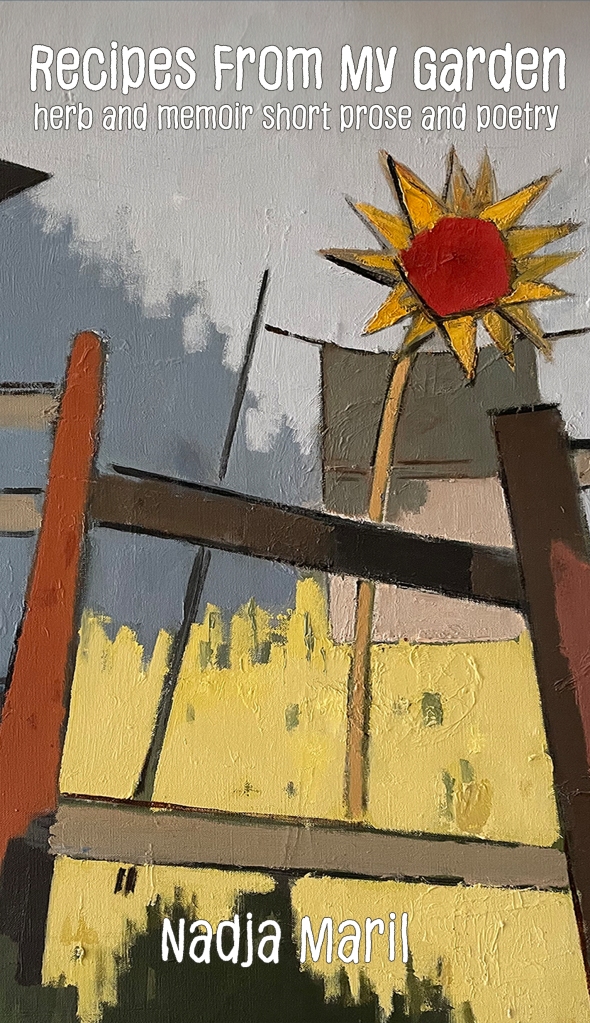
Nadja Maril, author of RECIPES FROM MY GARDEN, is one of the founders of Old Scratch Press

The Editors of Instant Noodles Literary Review, published three times a year, have announced the themes for 2025: Current, Sanctuary and Gravy.

Edited by members of the Old Scratch Short Form Collective who have volunteered their time, submissions are free. The Instant Noodles submission box which you can access through Duotrope is filling up fast.

While artists and writers selected for publication receive no financial renumeration, the publishers and editors do their utmost to promote the work in each issue. Instant Noodles nominates for industry prizes, Best of the Net and the Pushcart Prize. One of the magazine’s promotions is a zoom reading, giving contributors around the world a chance to meet.

Published three times a year, the magazine is posted online for everyone to read. One of the biggest reasons work gets rejected, is that writers don’t follow submission guidelines and familiarize themselves with the publication.

In addition to Visual Art and Multimedia Creations, the magazine publishes Prose & Poetry

Photo by Anni Roenkae on Pexels.com

Instant Noodles focuses on SHORT pieces. Short work 500 and 750 words in length can be powerful. If you are submitting prose, whether is it hybrid, nonfiction, or fiction, the word limit is 1000 words or less. 

All work must be original and must belong to the author. Works that have been previously published will not be considered. Stories must be complete and self-contained (i.e., do not submit chapters of a larger work). 

NOTE: Accepted works will be published as submitted without editing; as such, in addition to the originality of the work itself, we are looking for manuscripts that are clean and press ready. Be sure to review your grammar, spelling, tenses, proper punctuation, and other general rules of the written word before hitting “Send.” Work should be submitted through Duotrope as a Microsoft Word file (when it is poetry, drama, NF or fiction) as 12-point New Times Roman, double-spaced (single-spaced for poetry submissions). All other types of work have details as to their file types on the Duotrope page.

Connect to the Theme

The Editors request that submissions should have a connection to one of the themes for which they were submitted:  Current, Sanctuary and Gravy—and labelled as such.

They are looking for more submissions in the categories of creative nonfiction, drama, multimedia and visual art.

“When I’m reading poetry submissions for Instant Noodles,” Says contributing Poetry Editor Gabby Gilliam, “I’m looking for poems that concisely fit our theme and resonate. I want lines that linger in my mind long after I’m finished reading.

As a contributing editor, I suggest it is never too early to start contemplating ideas associated with our spring theme, current, as well as the subsequent themes that follow. What ideas does the word current evoke for you? Are you thinking about being hip, cool and up on “current” events or are you traveling on an air “current.”  Where does the word take you?

Try writing a story about yourself, something you observed, or something entirely imaginary. Create a video, a picture, combine two mediums.

Work should be publication ready

Do not submit until your piece is ready. Have you read your piece out loud and checked for misspellings and grammar mistakes? Does it fit the theme and are you ready to share it with the world?

The deadline for the spring issue with the theme Current is March 16th.  We look forward to reading your work!

Nadja Maril is the author of Recipes from my Garden, Old Scratch Press, September 2024.

Thank you for reading. Please sign up to follow us here on WordPress and on Facebook.

The Healing Power of Poetry

By Virginia Watts

Poetry is an old art form dating back to ancient Greece. Why has it been with mankind so long? For one thing, writing and reading poetry is good for us. It allows us to manage our emotions which in today’s complicated and divided world can be an overwhelming task. During the recent pandemic many literary journals called for submissions about their experiences during the pandemic. Many poets answered the call, and no doubt felt better for it.

During the months of lockdown, people all over the world lost many things. We were suffering. Some of us lost loved ones, some of us were very ill ourselves. We all lost our normal sense of community, isolated as we were. Humans aren’t meant for isolation. Many people were lonely. Things we enjoyed such as travel, comradery in an office or school setting, had to be put on hold. Writing poetry and sharing poems created a bond among people when it was sorely needed.

 As it turns out, poetry can be a powerful healer. Rhythmic language is soothing. Think of a lullaby. Poetry also helps us contemplate and reflect our lives back to us. Through poetry, we learn about different cultures and histories which helps us to stop focusing on ourselves and leads to a better understanding among peoples.

 Through poetry we can stop to appreciate and experience what is beautiful in our world or share a poet’s experience with something we are also struggling with. This improves our mood. Poetry is often read to hospitalized children to reduce their fears and worries. Additionally, reading poetry out loud has been shown to slow breathing and help a person relax.

            So, three cheers for all the healthy things poetry does for the human body and spirit. During the pandemic I remember reading this famous poem by Maggie Smith. It has stayed with me.

Maggie Smith, poet

Good Bones

By Maggie Smith

Life is short, though I keep this from my children.

Life is short, and I’ve shortened mine

in a thousand delicious, ill-advised ways,

a thousand deliciously ill-advised ways

I’ll keep from my children. The world is at least

fifty percent terrible, and that’s a conservative

estimate, though I keep this from my children.

For every bird there is a stone thrown at a bird.

For every loved child, a child broken, bagged,

sunk in a lake. Life is short and the world

is at least half terrible, and for every kind

stranger, there is one who would break you,

though I keep this from my children. I am trying

to sell them the world. Any decent realtor,

walking you through a real shithole, chirps on

about good bones: This place could be beautiful,

right? You could make this place beautiful.

Copyright Credit:
Maggie Smith, “Good Bones” from Waxwing.  Copyright © 2016 by Maggie Smith.  Reprinted by permission of Waxwing magazine
 

Source: Waxwing magazine (Issue IX, Summer 2016) (2016)

To learn more about the writer/poet Virginia Watts, check out her short story collection https://www.amazon.com/Echoes-Hocker-House-Virginia-Watts/dp/1957224177/

Play a Game With Us and Win a Prize!

It’s the spooky season! Let’s play Exquisite Corpse!

“What,” you may ask, “is Exquisite Corpse, and how do I engage in such an outlandishly named game?”

Before we all get the vapors…

Exquisite Corpse is a collaborative poetry game that traces its roots to the Parisian Surrealist Movement. Exquisite Corpse is played by several people, each of whom writes a word on a sheet of paper, folds the paper to conceal it, and passes it on to the next player for his or her contribution.
In order to write a poem, participants should agree on a sentence structure beforehand. For example, each sentence in the poem could be structured “Adjective, Noun, Verb, Adjective, Noun.” Articles and verb tenses may be added later or adjusted after the poem has been written. The game was also adapted to drawing, where one participant would draw thehead of a figure, the next the torso, etc. The name “Exquisite Corpse” comes from a line of poetry created using the technique: “The exquisite corpse will drink the young wine.”
https://poets.org/text/play-exquisite-corpse

While we cannot share a piece of paper, we can, all the same, play the game. Please join us!

The rules for this game are as follows”

SUBMIT: one line of “poetry”

FORM: The line must be arranged to have these elements in THIS ORDER ONLY as the main elements:

Adjective, Noun, Verb, Verb, Adjective or Adverb (one only), Adjective, Noun

Punctuate (or not) as you see fit.

YES! You can add conjunctions, articles, etc., as needed, but the main words must be Adjective, Noun, Verb, Verb, Adjective or Adverb (one only), Adjective, Noun

So, this would work:

Happy frogs jumped and swam quickly, green sparks

Happy(adjective) frogs(noun) jumped(verb) and swam(verb) quickly(adverb), green(adjective) sparks(noun).

And this would not:

Frogs jumped happily and swam quickly making green sparks

Got it?

You do!

Send it to dianne@currentwords.com between now and October 29th at midnight PT, for publication on Halloween!

Make the email subject: Exquisite Corpse.

ONE entry per person!

PRIZES:

SUBMIT and you will be given a free digital copy of the OSP book of your choice!

Three lucky people, chosen at random by Robert Fleming and his random number generator, will be given a print (paperback) copy of the OSP book of his/her/their choice!

One Lucky Person (not publishing with CWP) will win a free 5-page edit from me!

OSP members and other people CWP publishes are welcome to join in, and can claim a free Kindle of their choice from OSP, but are not going to get one of the three free print books or the edit (so sorry! Let’s give those to our guests!).

YES, everyone who enters will be subscribed to OSP news through Current Words newsletter, which is sent out to email addresses one time almost every month. At the bottom of your first newsletter (and all the rest of them) is an unsubscribe button, and if you really don’t want to stay on the list, that will get you right off (Mailchimp don’t play.).Honestly, we’re not trying to bother you; we’re out to have fun!

So, let’s have fun!

Ooooo, you can already start dreaming of the OSP book you’re going to choose for your prize! Take a look at your options:

Happy Fall, y’all, and Happy Halloween!

I cannot wait to read your exquisite corpse!

🙂 Dianne

FREE BOOK OF THE QUARTER: white noir

Where Art Meets Poetry: Fleming’s creative prowess knows no bounds. He’s a poet who wields images like a maestro conducts a symphony, infusing each verse with a visual narrative that ignites the imagination. Brace yourself for an electrifying literary experience that shatters the boundaries of storytelling.

A Feast for the Mind and the Eyeswhite noir is more than poetry; it’s a a tapestry of emotions on paper. Featuring a striking cover designed by the author.

What They’re Saying:

“…you will see and think things you never did.”
Matt Wall, publisher of Poetic Anarchy Press

“Robert Fleming is outrageous and original in word and image.”
Michael Sindler, beat poet laureate of Colorado

“…a raw and curious visual journey through human history.”
Crystal Heidel, author of Still Life in Blood
Owner of Byzantium Sky Press

AND IF YOU WANT A FREE COPY… ALL YOU HAVE TO DO IS ASK. RIGHT HERE.

Exploring Horror Writing: A Q&A with R. David Fulcher

We learn from asking questions, and what better way to explore the craft of writing than through an engaging Q&A with an author! This month the author I’m interviewing is R. David Fulcher who happens to be a member of the Old Scratch Press Poetry and Short Form Collective.

R. David Fulcher is a talented author with multiple books to his name. His most recent work, a captivating short story collection titled THE PUMPKIN KING AND OTHER TALES OF TERROR, showcases his passion for storytelling. A writer of both poetry and prose, he deeply loves speculative fiction, particularly science fiction and horror. You can explore more of his work on his blog at Rdavidfulcher.com.

This is the perfect month—the season of ghosts and goblins—to delve into the exciting craft of writing horror. Most of my questions in this post will focus on the intriguing insights from THE PUMPKIN KING AND OTHER TALES OF TERROR. Let’s celebrate the art of writing together!

Q: Question

R: Response

R. David Fulcher

Q: As a writer, what is your primary goal when interacting with your readers?

R: As a horror writer, I have two primary goals: 1) Establish an “eerie” atmosphere; and 2) Elicit a physical response in the reader. Yes, I hope to stimulate the readers’ minds as well, but I primarily want to elicit fear – a racing pulse, the small hairs standing up on the back of your neck, a shiver in your spine – only good horror tales have this effect.

Q: Was there a specific moment you remember, perhaps an experience that spurred you on to want to write this particular book?

R: The Pumpkin King and Other Tales of Terror (and the follow-up volume “Asteroid 6 and Other Tales of Cosmic Horror”) is sort of a “greatest hits” collection of my short stories, so unlike a traditional novel the stories were developed over many years and inspired by many moments and experiences throughout my life.

To give a sense of the age of some of the stories, the title story “The Pumpkin King” first appeared in a small press magazine entitled Mausoleum back in 2001!  Of course, all the stories have been heavily revised in the new book.

To provide an experience that spurred me to write a particular story, “Castle Marienburg” was inspired by a tour of that very castle during a visit to Germany in college.

Q: As both a horror writer and a poet, how has Edgar Allen Poe influenced your work?

R: In a way, Edgar Allen Poe led me to my genre. My high school English teacher taught a semester on Poe, and I was hooked.  I started writing dark, gothic short stories that day after school and submitting them to small press magazines shortly thereafter.

Q: Writing poetry and writing prose, how has the two different types of genres influenced each other in your writing?

R: My love for both poetry and prose has caused me to experiment with inserting sequences of poetry into my fiction.  Some examples of my stories that include embedded poems are “A Night Out with Mr. Bones”, “The Faerie Lights”, and “All Across the Mountain”.

Q: Did you work alone or did you rely on some feedback from others?

R: I initially write on my own, but I really enjoy it when people close to me review my work and give feedback on it.  For example, my brother Dale helped proofread the manuscript for The Pumpkin King and Other Tales of Terror, and after reading my short story “Asteroid 6” my wife Lisa was really impressed with the tale, so I was inspired to title my second volume coming out this Fall as “Asteroid 6 and Other Tales of Cosmic Horror”.

Of course, my publishers David and Dianne are also tremendous editors and their feedback has been essential to my work.

Q:Do you imagine you are writing for a specific person or a certain audience?

R: No specific audience. I will say that my writing is almost always in the realm of the fantastic, so fans of my work must be able to “suspend their disbelief” and just go along for the ride, trusting me to take them to a magical, almost unbelievable ending, even if all the facts don’t line up with reality. I think fans of hard science-fiction (Isaac Asimov, etc.) will have a hard time enjoying my work.

Q: How do you approach revision?

R:This goes back to things I’d tell my former self.  I used to put down the pen (yes, I write my stories out long-hand!) after a long, intense burst of writing (sometimes an entire story in a single sitting), push the manuscript back on the desk with a smile, and say “Perfect!”

I would then immediately submit the tale for publication, only to receive rejection after rejection, never understanding why.

I’ve finally learned that being a professional writer means spending almost twice the amount of time revising your work as you spent writing it in the first place.  So I approach it like work. I allocate time for editing/proofreading, I set deadlines, and I hold myself to them. The difference between my original manuscript written after a burst of artistic inspiration and the manuscript after several rounds of revision is often night and day.

Q: If you could give advice to your younger self, what would you want to tell them?

R: I’d remind my younger self that the success of a book is up to me. I used to self-publish with AuthorHouse (formerly 1st Books) and believed that getting my book on Amazon and buying the publisher’s “marketing kit” would instantly propel me to fame and the bestseller’s list.  I have learned the hard way over the years this is not the case. Publishing the book is just Step 1.  The real work is in the marking and promotion.

Q: How did you find your publisher or did they find you?

R: David and Dianne of Devil’s Party Press (now Current Words Publishing) met at the Indie Lit Fest at Frostburg State University in Frostburg, MD.  At the time they were accepting submissions for one of their Halloween Party anthologies and provided me with the information.  I submitted and was accepted. The rest as they say is history! 

Q: Do you have a specific horror story favorite you’ve read?

R: Several novels by modern horror writers have had a tremendous influence on my writing.  They include “Something Wicked This Way Comes” by Ray Bradbury, “The Tommyknockers” by Stephen King, and “HIdeaway” by Dean Koontz.

In your own portfolio, a story you are particularly proud of?

R: I have a few favorites among my stories that don’t always correlate to fan favorites.  The first is “Castle Marienburg”, which was originally titled “Eyes in the Night”. A horror editor in the small press called it one of the best horror stories he had ever read, which was very satisfying. Others include “Spectra’s Masterpiece”, a science fiction story about AI published back in the early 2000’s well before AI became a commonplace topic, and “The Land Spider” in the way that it incorporates native American mythology.

Q: Do you have a “day job” to help pay for your writing habit, and it so, has it impacted in any way your writing?

R: During my day job I work as an IT Contractor.  My work with computers has spilled into my fiction with my stories “ELECTRIC”, where a boy becomes one with his home computer, and “The Witch Toaster,” where a group of programmers within an IT Department must battle supernatural forces.

Thank you for reading and visit the Old Scratch Press Website to learn more about our authors and upcoming publications.