YIKES! Don’t Publish That!

One of the perks of running Old Scratch Press (OSP) and Instant Noodles Lit Mag (IN) is that I (we, OSP) get to belong the Community of Literary Magazines and Presses. They are incredibly helpful, and have so many resources we can use, including the ability to ask the other presses questions through the LISTSERV.

This week I listened to a webinar from a bit back on what you can and cannot use from others’ work in your work… spoiler alert, nope. nope, nope, you cannot use those Taylor Swift lyrics, no matter how perfect they are for your piece. Why? Because Taylor wrote them, for her piece. Cry me a small stream (see what I did there?) but you gotta write your own!

One form the webinar really did not recommend was Cento. And from the looks of my very unscientific Google search, there are a lot of them:

Well, why not?

As in the Taylor Swift example, those poets wrote those lines in their poems, to express their thoughts, and that doesn’t mean you can co-opt them, even though it is a fun writing exercise to try to knit them together. They also recommend against publishing Golden Shovels.

The webinar, for CLMP members, was helmed by Jeffrey Levine (a lawyer and Publisher of Tupelo Press) and Fred Courtright (President of The Permissions Company). And I was shocked to find out how many instances there are where authors should be getting permission, but maybe aren’t.

Copyright is, very basically, attached to intellectual property, so something we cannot touch with our fingers, even if those ideas are pressed into an LP, or printed in a book, or applied to watercolor paper. It’s the imaginings, the wordplay, the artistic or editorial or even advertising verbiage, or the design, creation, work of another artist. And we can’t use what isn’t ours without permission from its creator, or, and maybe more likely, its rights holder. Frankly, and this is where some writers disagree with me, this makes perfect sense to me if I think about someone taking my work, and using it in their own piece, and it also makes sense to me as an artist. I want so badly to use the lyrics to songs that I imbue with this meaning and emotion that only they can have, and it’s tougher to come up with my own “pretend” song, but I really need to push my writing to the next level, and do it. You don’t have to register your work with US Copyright to be protected, but we do copyright all books we publish as a matter of course.

What does copyright leave out? It does not apply to material that is not truly original, to anything already in the public domain, or to broad concepts such as ideas, systems, processes, or methods. Those belong more to patent and trademark, which overlap only in small ways that I’m not expert enough on to explain, so investigate. Copyright also does not cover names, titles, slogans, or very short phrases. In literary settings, though, it is usually safer to treat even brief lines as if they might be protected, simply to avoid trouble. How long does copyright protection remain in place? In most cases it lasts for the lifetime of the author plus an additional seventy years. For anonymous work or work created as a work for hire, the term is different. It lasts either ninety five years from the date it was first published or one hundred twenty years from the date it was created, and it ends when the earlier of those two periods runs out.

The publisher never takes copyright. The copyright remains with the author. The publisher only licenses the copyright, meaning the publisher has the right to print (or otherwise make available) or produce the work for some (limited) period of time. But if you publish a poem, for example, with a publisher, and you sign a contract, that poem may “belong” to the publisher for the duration of the contract. We’ve never held back an author from taking a work back or using it somewhere else, but I cannot speak for all publishers, so, though it should not be a problem to include in your chapbook a poem you published somewhere else, you may have to obtain permission to reprint it in another place. Do you have time to do that?

Another really interesting point the webinar brought up was that if a work is in the public domain, you do not need permission to use it. Fair use is a grey area, and so I would never recommend deciding on your own that something is fair use. I would suggest you contact Fred.

If you want to use an old poem in its original language, a piece that is long out of copyright, you can quote it freely. But if you want to use a modern translation of that same piece, the translation is probably under copyright. If you want to use something that is still in copyright, you might need permission from the copyright holder and also the holder of the copyright of the translation, and suddenly you’re in the weeds. And a lot of this costs money, to track down the copyright, and to pay for use. The webinar recommended the Watch File at the Harry Ransom Center as a good place to start. One person on the call said she often would ask bands directly, on their social media, if she could use their music or lyrics, but the presenters pointed out that while the band may (may, important distinction) hold copyright, someone else may hold the rights, and those folks could have very good “bots” looking for it on the internet, and show up with a big bill for you.

Even internet memes, tweets, etc., could belong to the person who posted them, and there could be consequences (of the financial kind is what we’re talking here) for you if you use them. And I liked that they made it clear that attribution (taken from “Friend of the Devil” by the Grateful Dead) does not give you permission: you can still find yourself on the hook for a lot of money. Yikes! And just because the author of a poem holds the copyright this doesn’t mean they’re not in a publishing deal where the publisher might own the reprint rights. You have to check it out to be sure.

The advice out there can differ greatly, and even The Poetry Foundation may have advice about fair use that the federal courts would not agree with, so the webinar strongly recommended that you either get permission, using someone like Fred, or skip it.

What do you think? Have you been playing with licensing fire? I am always encouraging authors to start an editing and publishing fund, but you may need a violation fund too! I hope not!

So friends I hope that you can sees
"fair use" doesn't grow like leaves
and poets and other fools like me
as much as you would like it free
accept that permission has a fee
and you can't pick from another's tree.

Dianne Pearce is the chief editor and bottle washer at Current Words Publishing, and the half-cocked imaginer behind Old Scratch Press and Instant Noodles. Pearce loves helping writers realize the dream of having their work published. I mean she is really crazy about doing that for some reason. To that end, to join in the fray, to look at the thing from the other side, to stand in another’s shoes, and all of those things, she is fully expecting and promising to publish her first collection of poetry, In the Cancer Cafeteria, spring of 2026. Please don’t hold your breath. For very long. Happy Holidays!

Writing About Food and Announcing the Latest Issue of Instant Noodles Literary Magazine!

by Nadja Maril,a founding member of Old Scratch Press Collective

Food. We spend a substantial part each day preparing, serving, and eating. The tastes, aromas and textures bring back memories. And over the winter holidays, the sensations become magnified as we taste the turkey roasting in the oven, the creamy mashed potatoes, the fragrant puddings, the sweet and savory carrots, onion topped green beans, latkes and apple sauce, cheese blintzes, and buttery chocolate chip cookies.

This is why I enjoy writing about food. It’s easy. All I have to do is close my eyes, remember and think of words to describe memorable dishes, new tastes I discovered, and meals I’ve shared. Try it. Think of a favorite meal, why it stands out in your mind and the emotions you associate with that time. Write down you uncensored thoughts. Read over what you’ve written. Maybe cross out a few sentences and rewrite others. You’ve begun to write memoir, the start of what is called Creative Nonfiction and it wasn’t hard at all.

You can take those food thoughts and memories and turn them into fiction as well. There’s no shortage of food in fairy tales: the witch in Hansel and Gretal with the house made of gingerbread and candy, the red apple in Snow White, the porridge eaten by Goldilocks and the Three Bears.

Wonderful poems have been written about food ingredients. One of the most important items I use in savory dishes is onion. Chilean poet Pablo Neruda (1904-1973) wrote a wonderful poem about the onion I’d like to share.

ODE TO THE ONION
by Pablo Neruda

Onion,
luminous flask,
your beauty formed
petal by petal,
crystal scales expanded you
and in the secrecy of the dark earth
your belly grew round with dew.
Under the earth
the miracle
happened
and when your clumsy
green stem appeared,
and your leaves were born
like swords
in the garden,
the earth heaped up her power
showing your naked transparency,
and as the remote sea
in lifting the breasts of Aphrodite
duplicating the magnolia,
so did the earth
make you,
onion
clear as a planet
and destined
to shine,
constant constellation,
round rose of water,
upon
the table
of the poor.

You make us cry without hurting us.
I have praised everything that exists,
but to me, onion, you are
more beautiful than a bird
of dazzling feathers,
heavenly globe, platinum goblet,
unmoving dance
of the snowy anemone

and the fragrance of the earth lives
in your crystalline nature.

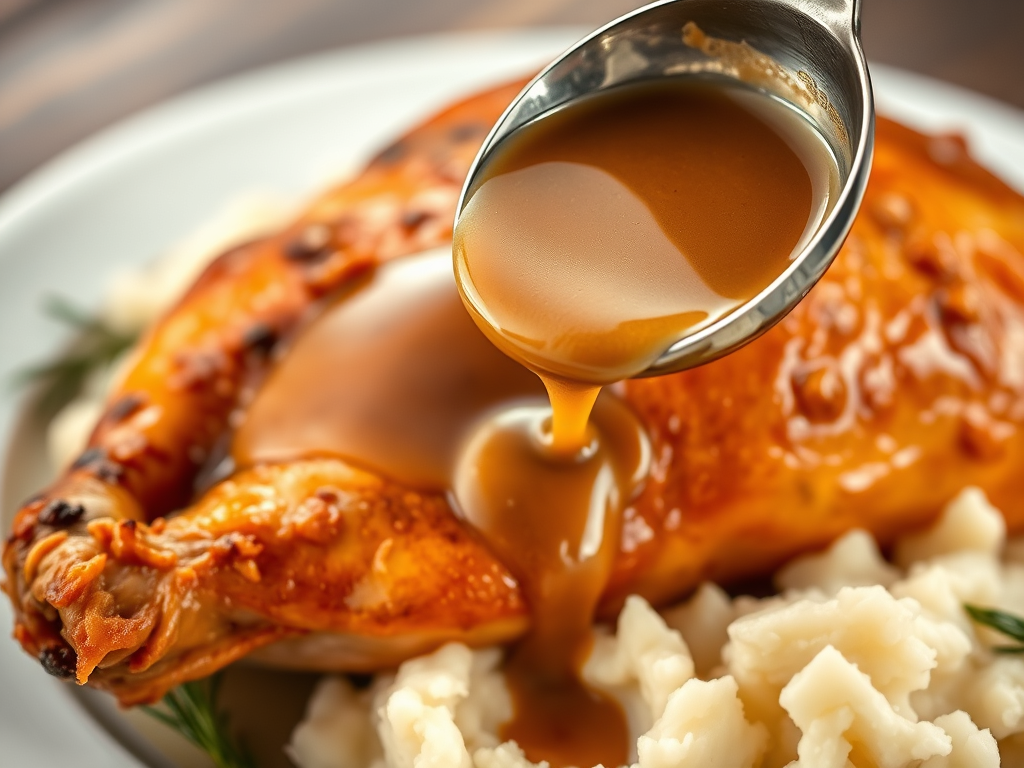
If you need more inspiration, start reading the latest issue of Instant Noodles Literary Magazine .All the stories and poems are inspired by GRAVY.

One of my favorites in this issue is “Thanksgiving Leftovers” by Arielle Arbushites which begins “Gravy gravy everywhere/and not a drop to drink” Hear her read the poem by clicking this link.

Forty-two creative expressions inspired by GRAVY! Who would have thought we’d get so many fine submissions on this topic. Read them and enjoy the writer’s different takes on the subject. Maybe it is a holiday dinner that goes wrong or a humble food offering that needs a splash of pzazz but all the stories have something to do with gravy.

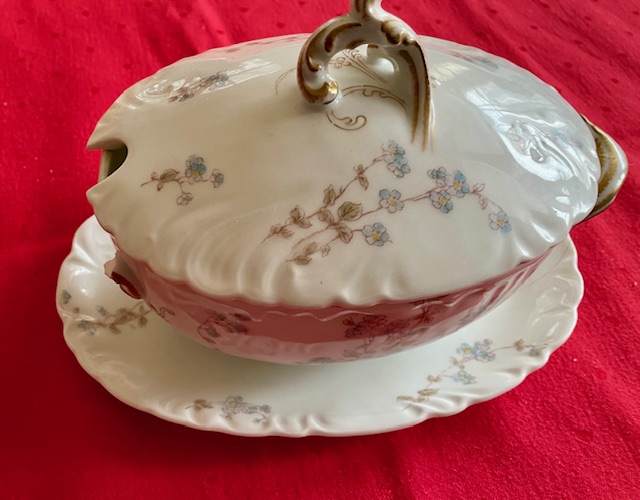
My creative nonfiction includes a nod to my great-grandmother’s Limoges covered gravy dish and a recipe. You can access it here or if you don’t want to read, you can listen here

Writers and Readers, don’t forget to forget to follow us on Facebook to get the latest news and learn about submission opportunities.

Nadja Maril is an award winning writer and poet who has been published in dozens of online and print literary journals and anthologies including: Lunch Ticket, Spry Literary Journal, Invisible City Literary Review, Instant Noodles and The Journal of Compressed Creative Arts. She is the author of Recipes From My Garden, published by Old Scratch Press (September 2024), a Midwest Review California Book Watch Reviewer’s Choice. An Anne Arundel County Arts Council Literary Arts Award winner, her work has been nominated for the Pushcart Prize and The Best of the Net. She has an MFA in creative writing from Stonecoast at USM.

Check out Nadja’s chapbook below and here.

Motorcycle Betrayal Poems

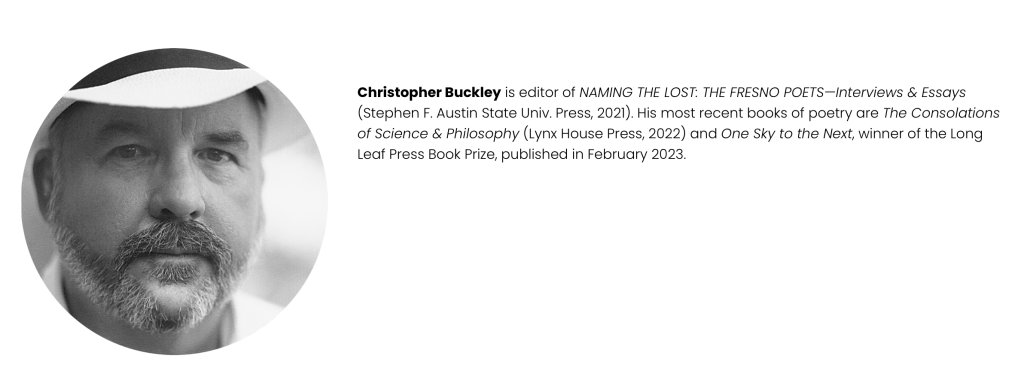
When I was in school studying writing, I had some just lovely, encouraging professors. One of them was Christopher Buckley.

Chris was always telling me other poets I reminded him of. One of those was Charles Simic, and another was Diane Wakowski. Chris was so wonderful, in fact, that he had studied with Diane, and he helped me organize for her to come and do a reading on campus, from Michigan to West Chester, Pennsylvania. It was a little bit strange, meeting Diane, because I had imagined her to be like if Twiggy and Patti Smith were merged into a single person who wrote kick-ass poetry. In reality she was a tiny thing, and a little prickly around the edges. I was star-struck and shy. I had read (lord knows how, as we didn’t have the internet, maybe in one of her poems) that she was a huge fan of freshwater pearls, and I bought a necklace and bracelet to give to her. She didn’t open the gift in my presence, and I never heard from her to hear if she liked them. But, in my very young mind, I thought she was everything I wanted to be: full-time professor, writing poetry all the time, and just generally badass, which, I guess, included being a little prickly and unfriendly. As introverted as I am, I am also a people-pleaser, so though I don’t want to talk in situations where I don’t know everyone, I do talk, because I am worried about not being nice enough to everyone else. And then I am exhausted after. Maybe Diane had already learned the art of taking care of herself. She was born the year after my dad, so she was well into middle-age when I met her.

The book I have pictured at the start of this post is the one that made me love her: The Motorcycle Betrayal Poems. I mean, she got on motorcycles. My sister (younger than me by 8 years) once had a motorcycle boyfriend, in fact he was a sweet guy, and we’re all still friends with him, and he once let me climb on behind him so that he could drive me around Sea Isle City on his motorcycle. But, to stay on behind a rider, you have to hold on to the rider’s body, and Reuel (the boyfriend) was incredibly fit and hot, like Brad Pitt in Thelma and Louise hot. I felt so afraid of falling off and dying and so wrong for gripping onto his body for dear life that I cut the ride short. Diane would not have cut the ride short even if it was with her sister’s hot boyfriend. Diane has always seemed to me like a woman who knows who she is and what she wants, and gets what she wants. She might have been the Taylor Swift of the 1970s, because to date her, and to break up with her, was to have a vicious poem written about you.

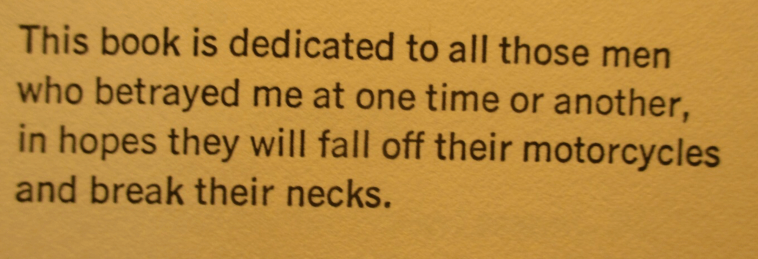
Dedication in the original The Motorcycle Betrayal Poems

At that point in my life I thought I had all possibilities ahead of me, as young optimistic people do. I thought I could become a thin woman who rode on the back of motorcycles and penned vicious poems about love. Diane also seemed… horny, which, raised by a very Methodist mother who got pregnant as a teenager, I was not allowed to be, so that seemed very flash and exciting to me too.

Honestly, you may think it silly yo say, because poetry is just poems, no big deal, but being a poet was such a monumental thing to me that I’m still trying to give myself permission to do it. Permission Diane never seemed to need, but Dianne definitely needs, to this very day.

If Diane was a sort of a hero, but not the warmest or nicest hero, why bring her up to you? Why not just let her, and her work, slide into obscurity?

I think because she is an unapologetic woman; she is who she is, lusty, strong, angry, successful (even if success did mean getting stuck in Michigan!), and felt no need to be mushy with a grad student who idolized her. No grad students have idolized me, but I expect it could be annoying as well as nice.

I told my sister last week that we’ve lost two Diane’s this year, Keaton and Ladd, both single Ns, unlike my double. Wakowski is up there, and also a single N. I don’t know if I can lose another one this year, so I hope she’s not on a motorcycle these days. And, then again, I kinda hope she is.

“She digs her teeth into the slaveries of woman, she cries them aloud with such fulminating energy that the chains begin to melt of themselves. Reaching into the hive of her angers, she plucks out images of fear and delight that are transparent yet loaded with the darknesses of life. Diane Wakoski is an important and moving poet.”–The New York Times

In 1971, Diane Wakoski published The Motorcycle Betrayal Poems to tremendous acclaim. Relevant, moving–at times shocking–it is Wakoski’s honesty and bravery as an artist that continues to astonish, delight, inspire, and liberate readers.

Wakoski responds to betrayal in a variety of ways including fantasies such as drilling bullet holes into the bodies of unfaithful lovers. But even her anger can be winking, as in the book’s sly dedication to “all those men who betrayed me at one time or another, in hopes they will fall off their motorcycles and break their necks.”

“The Bouquet”

“I Have Had to Learn to Live with My Face”

Have you heard of Diane Wakowski? What do you think of her? If you found any links to video of her, send it this way!

Words with Dual Meanings: A Writer’s Playground

by Nadja Maril

Words. They fascinate me, the way some words like dust can have two very different meanings. You dust the house, removing small particles of dirt and cobwebs. You dust the cake with confectioner’s sugar making it sweet.

The word weather has two opposite meanings as a verb. The new wood shingles on the house will look better when they weather and turn a soft natural gray. Or used differently you could write, When the next hurricane arrives, I’m not sure if we can weather the storm. As a noun, the meaning of weather is constant. The noun describes meteorological conditions.  Nice fall weather we’re having.

Applying Word Meanings to Getting Published

Every Monday when I read the updated lists of publishing opportunities in literary magazines, I read theme call-outs that generally consist of one word. Write to the theme, they ask, but sometimes that word can be open to wide interpretation.  However, that’s the job of a creative writer; to put our own perspective into our poems and stories.

Photo by Gaurav Ranjitkar on Pexels.com

I read the word dirt and I might picture a pile of soil or imagine filth within a house or think instead of scandalous information about a crooked politician. Playing in the dirt making mudpies can be a joyful experience for a child whereas cleaning away mounds of accumulated filth a tedious chore. The diverse interpretations of how we interpret words can be what makes a collection of writing interesting.

The diverse interpretations of how we interpret words can be what makes a collection of writing interesting.

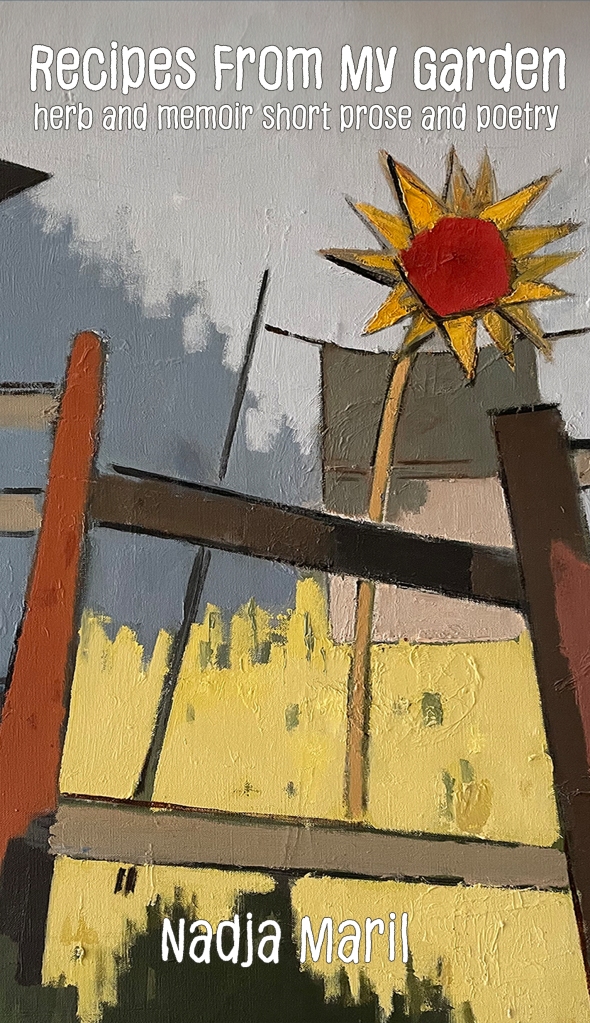
So, I was surprised when a friend told me their spouse had purchased my new book (Recipes From My Garden; herb and memoir short prose and poetry) and with the cold weather coming, they were planning on trying out some of my recipes.

i’d written a book of prose poems and memoir and my friend thought I’d just published a cookbook!

How Word Choice for Your Title Affects Marketing

Recipes. Yes, the word can mean instructions on food preparation, ie try my recipe for chicken soup, but it can also mean a way or approach to doing things. You might say I’ve got the recipe for a successful children’s birthday party, one adult for every child. Or on the opposite end of the spectrum, you might hear about a class trip to the amusement park with no parent chaperones and say, That’s a recipe for disaster.

I thought I was being clever when I chose the title to my little chapbook. I imagined that readers seeing the words memoir, prose, and poetry would understand the book’s double meaning. It does contain a few actual recipes and many references to food and kitchen gardens, but primarily I was thinking of the word recipe as a way or approach of doing things. As memoir, the usage becomes personal. As a poet, I’m sharing how I see the world, starting specifically with what is accessible to me: the sunflowers, tomatoes, a walk on the beach.

The good news for me is  if there is any doubt, the silver lining is people do talk about what they read and like. But if you are new to thie site and you are just reading about my chapbook for the very first time, I also have a book trailer. My talented publishers were able to use some of the video my husband took of our giant sunflowers along with old family photographs and more recent ones to create a wonderful book trailer. You can watch by clicking on the link: https://youtu.be/HxmwOx3-_QY

And going with the theme of the multiple meanings of words, here is a word WRITING PROMPT

To get you started I have chosen a few ambiguous words: long, cleave, bar, and duck. Select a word, choose a meaning, and start writing a scene. Take the word and use it with an alternate meaning. How many different ways can you use the same word and shade the meaning in different ways? Try using the word in a poem and play with the multiple meanings.  Have fun.

Thank You for reading! To read more of my work sign up for FREE to follow me on WordPress, Substack or Medium and visit my website at www.Nadjamaril.com.

Don’r forget to follow Old Scratch Press on Facebook and on WordPress.

Published by Nadja Maril

Nadja Maril’s prose and poetry has been published in literary magazines that include Change Seven, Lunch Ticket, Thin Air, and The Compressed Journal of Creative Arts. She is the author of Recipes From My Garden, a chapbook published by Old Scratch Press that includes both poetry and creative nonfiction prose. Author of two children’s books illustrated with paintings by her father Herman Maril, as well as Who IS Santa? for which she did her own illustrations, Nadja is also the author of two reference books on antique American Lighting, published by Schiffer. A former journalist and magazine editor, Nadja has an MFA in Creative Writing from the Stonecoast Program at the University of Southern Maine. To read more of her work and follow her weekly blog posts, visit Nadjamaril.com https://nadjamaril.com/ View more posts

LAST CHANCE!

Last Chance to get published this year!
SUBMISSIONS FOR 2025 ARE OPEN THROUGH 11.02.25.

The Old Scratch Press team asks that all fiction/non-fiction pieces adhere to a word count of 500 words or less.

Topics/themes for 2025

GRAVY is our 2025 winter holiday theme. Give us your best holiday gravy fails, mishaps, ridiculous gravy encounters (any December holiday, from Hanukkah, to Solstice, to NYE, etc.) or your best funny work about gravy, in general. The point of the end-of-year issue is to be light-hearted to downright silly.

Submissions close NOVEMBER 2, 2025; the issue will publish DECEMBER 1, 2025.

SUBMIT!

You know you want to!

How Spicy are You?

By R. David Fulcher, Old Scratch Press Founding Member

I love all things pumpkin, including pumpkin spice. However, I understand even fans of this seasonal gourd have their limits on just how much pumpkin spice is too much pumpkin spice.

Readers are the same way.

Even fans of scary stories have their own personal limits in terms of exactly how scary, how gory, or how unsettling a story they can bear.

Therefore, I’ve taken three of my pumpkin-related stories and rated them in spiciness, from the most mild to the most extreme.

Mild Spice: “Pumpkin Night at the Pinkstons”

In “Pumpkin Night at the Pinkstons”, from my book The Movies that Make You Scream!, a teenager discovers the secret behind his homecoming date. Full of gooey teenage love, this is the mildest of my pumpkin-themed stories, something like one of the Goosebumps tales by R.L. Stine.

I’ll call this the Pumpkin Spice Latte Level of story.

Here is an excerpt from “Pumpkin Night at the Pinkstons”:

I don’t know exactly how much time passed before realizing that something was very, very wrong. The texture of her kisses changed, becoming clumsy and pulpy in taste. Her smooth gums became loose and stringy, and when I tried to pull away, I realized she was attached to me like a barnacle adhered to the side of a boat’s hull. Long, pointed fingers now clenched my nose shut and I began to get dizzy as that sickening, fruity-vegetable stench began to overwhelm me.

But more horrible were the physical changes taking place to the body I embraced, a grotesque squishyness of the torso and organs like the skin of a rotting tomato.

Medium Spice: “Pumpkin Seed Spit”

In “Pumpkin Seed Spit”, from the Devil’s Party Press anthology Halloween Party 2019, three friends go trick-or-treating and make a horrible deal with an ancient spirit to ensure their survival. Although the protagonists are also teenagers in this story, the stakes are higher, and the final implications for humanity much darker.

I’ll call this the Pumpkin Muffin Level of story.

Here is an excerpt from “Pumpkin Seed Spit”:

Upon reaching the first house near a dead end, they knocked and said in unison, “Trick-or-Treat!” As fifty-year-old Henry Armitage opened the front door, Brian unearthed his bag. The middle-aged man frowned at the kids before starting to mutter something about the lateness of the hour. Armitage gazed into Brian’s bag of seeds and was immediately mesmerized. An orange energy tendril spiraled upward, carrying a single seed into Armitage’s mouth.

Brian, Matt, and Ria wanted to scream, but found it impossible. While their souls were wrenched into knots by the horror they witnessed, outwardly they stood emotionless, even tranquil, as layers of skin and flesh melted away until all that remained of Henry Armitage was a living skeleton.

When the transformation was complete, they advanced to the next house. Ria shared the seeds, and Asenath Waite, a young mother of two, was hideously transformed into a witch with boils, green teeth, and a trail of lesions across her forehead.

Matt was next to present The Pumpkin Tree’s offering to the world. Three seeds were received by a couple and their young baby. Within moments they became a trio of giant pale, eyeless larvae that oozed and squiggled out of their clothes.

Extra Spicy: “The Pumpkin King”

In “The Pumpkin King”, from my book The Pumpkin King and Other Tales of Terror, a man ignores the rules of Halloween to his own detriment. The protagonist is an adult, and this tale has the most shock value of the three.

I’ll call this the Pumpkin Imperial Pale Ale Level of story 

Here is an excerpt from “The Pumpkin King”:

I spun around and made for the door, half convinced I was hallucinating if not dreaming. I unlatched the deadbolt, but it clicked back into place as soon as I started to turn the latch. I turned back to the jack-o’-lantern.

“An easy trick, but effective,” the jack-o’-lantern said, its orange light flashing in time to the latch on the deadbolt as it clicked back and forth at will.

“What do you want?” I begged.

“I want you to think on this. There is but one expectation of you this time of year. One simple obligation: To carve pumpkins. To pay homage to the king.”

“What king?”

“Samhain, the King of the Dead.” Its demeanor began to change. Its voice deepened and the reddish-orange glow rose like an enraged fire.

“This is ridiculous!” Now I was beginning to lose my fear and was feeling pissed. This thing, whatever it was, was in my house. I turned to climb the stairs and grab a baseball bat so that I could smash the talkative piece of vegetation into a hundred juicy bits. I was an educated man, and I knew of the myth of Samhain, the Lord of the Dead who arrived every fall to put nature in balance with the deadly strokes of his sickle. I also knew it was pure bunk.

I had only reached the first step when I heard a sound far worse than the maddening click-clacking of the door latch: the metallic whisper of a kitchen knife being drawn from the butcher block.

I turned back to the pumpkin. “Okay. You’ve got my attention. What do you want?”

“I want to carve you,” it replied simply.

So whatever your personal threshold is for pumpkin spice, pay homage to the spirits of All Hallows Eve, and savor the spice before it’s gone!

Happy Writing!

R.David Fulcher, Founding Member of Old Scratch Press 

Oldscratchpress.com

Rdavidfulcher.com

When the Veil Thins, Tune In: The Lost Art of Intuition

In a world overflowing with information, it can feel almost impossible to hear the quiet murmur of our own inner voice. From the moment we wake, we are bombarded: endless news updates, social media scrolls, texts, and the constant hum of opinions vying for our attention. All of it fills the space where intuition—the whispering language of the subconscious—once thrived.

Yet, as writers, intuition is one of our greatest tools. It’s what allows us to leap into a story we don’t fully understand yet, to follow a surprising character down an unplanned path, or to trust an image or phrase that arrives out of nowhere. Without it, we risk writing only what we already know, instead of what wants to reveal itself.

Fall: The Season of Listening

October, with its crisp air and longer nights, brings a natural invitation to slow down and listen. Folklore tells us that in autumn, as the veil thins between the seen and unseen, intuition becomes easier to access. Shadows stretch differently, the wind carries voices, and we sense the tug of what lies just beyond.

This is the perfect time of year to tune in. The season itself seems to whisper: pay attention, the unseen is speaking.

Why We Lose Touch with Intuition

Intuition is quiet, subtle, and often inconvenient. It rarely announces itself in bold type. Instead, it flickers in images, hunches, gut feelings, or sudden questions that surface in stillness. When we drown our senses in constant input, we crowd out those fleeting signals. It’s like trying to hear an owl’s call on a windy night—you know it’s there, but the noise drowns it out.

Our culture rewards speed, productivity, and certainty. Intuition asks for slowness, stillness, and trust. It feels risky to follow because it rarely comes with a guarantee, but instead with a nudge: “this way, try this, pay attention.”

Reclaiming the Lost Art

The good news is intuition can be reawakened. Like any art, it thrives with practice:

  • Silence the noise. Even a few minutes of quiet each day—no phone, no media, just breath—can make space for inner knowing to rise.
  • Notice the body. Intuition often lives in the gut, the chest, the skin prickling on your arms. Writing down where and how you feel things can help you recognize its signals.
  • Follow the odd image. When a strange metaphor or unexpected detail shows up in your writing, resist the urge to explain it away. Let it lead you.
  • Trust the detours. If you sit down to write one thing but another insists on being written, follow that tug. Intuition often works sideways.

One of my favorite ways to access this hidden reservoir is through freewriting. When we put pen to paper without censoring, judging, or editing, we bypass the noisy critic in our head. Freewriting allows the subconscious to slip through, offering images, insights, and connections that often surprise us. It is a way of honoring the intuition that we so often ignore. In the flow of words that tumble out, we begin to recognize patterns, truths, and directions that were there all along, waiting to be heard.

Tuning in to our intuition is not about achieving perfection or following rules. It is about reclaiming an ancient art: the art of listening inwardly. As the veil thins, perhaps it is time to sit with the page, quiet the outside world, and let your own inner compass

Intuition as a Writer’s Compass

The deepest writing often doesn’t come from logic or planning alone—it comes from the subterranean river of memory, dream, and imagination. Intuition is the compass that guides us into that underground place. When we let it lead, we discover connections we couldn’t have forced, truths we didn’t know we were carrying, and stories that surprise even us.

This October, let the season itself be your reminder. As the veil thins and the shadows lengthen, practice listening for what arises in the quiet. Intuition is not a luxury—it is the thread that ties us to the mystery of creativity itself. To follow it is to reclaim a lost art, both in writing and in life.

(And if you are interested in learning about intuitively understanding your surroundings check out the books by writer Tristan Gooley, like The Nature Instinct or The Natural Navigator.)

Thank you for reading this post and visiting the Old Scratch Press Blog. Next Saturday October 25th at 5:00 p.m., three members of the Old Scratch Press Team are participating in a special online reading from their newly published books. FREE. Read more about it here. And follow us on Facebook.

Ellis Elliott, Founding Member, Old Scratch Press Collective, Author: Break in the Field and A Witch Awakens: A Fire Circle Mystery available on Amazon. Bewilderness Writing : http://bewildernesswriting.com/

Welcome Beatriz Fernandez: Newest Member of Old Scratch Press

Old Scratch Press Short Form and Poetry Collective is pleased to announce that Beatriz Fernandez has recently become our newest member.  “I am thrilled and honored, “she says, “to join an online community of fellow writers from around the globe who support each other’s work, provide feedback and share our various skills and strengths.”

Although she didn’t try to get published until she was in her late forties, Beatriz has been writing all her life. 

“I write in both form and free verse, both mainstream and genre, and have recently begun to write flash and short fiction. In poetry, I favor historical persona poems written in the voices of women, whether historical, mythological, or fictional figures. I also write speculative poetry and short fiction. I try to include my love of robots, androids, or time travel in most of my stories.” 

Over the past ten years, Beatriz Fernandez’s work has been nominated for the Pushcart prize four times, and has been published in anthologies and journals as various as Label Me Latina/o, Prime Number Magazine, Strange Horizons, and Whale Road Review.  She’s authored three poetry chapbooks: the most recent, Simultaneous States, (Bainbridge Island Press, 2025) included some poetry set in Puerto Rico and some speculative poems.  Her eco-science fiction flash fiction piece, “Flow Time” was published this summer in a special Florida themed anthology by Gaslamp Pulp, a division of Nat 1 Publishing.  That publisher also just accepted her Puerto Rican Frog Prince adaptation titled “The Coquí Captain” for a children’s anthology of reimagined fairy tales.

Beatriz grew up in Philadelphia, Spain, and mostly Puerto Rico and then came to Florida to attend college.  During her junior year she established her Florida residency, met her husband, and began working in libraries.  “I fell in love with all three,” she says, “and subsequently found no reason to leave any of them!”

Describing herself as a late bloomer in both her library and writing careers; she became a professional librarian in her mid 30s.  On the way, she obtained an M.A. in English literature but found herself to be too much of a generalist to focus on a dissertation topic. 

“During this time,” she says, “I seemed to be under the impression I was a budding novelist while the reality was that I was writing more poetry than anything else.  My lightbulb moment came when I won a Writer’s Digest poetry contest that I entered on the very last day.  That stroke of luck seemed to finally put me on the right road and actively seeking to improve my poetry style.  I embarked on a long-distance phone tutorial with poet Andrea Hollander, who is a brilliant teacher and mentor, for several years; she helped me find my true voice. “

“Many writing classes, confabs and workshops later,” she says, “I’ve published almost every poem I’ve ever written! Now I feel I have come full circle—after starting out my writing career with long-distance tutorials, I’ve joined an online community of fellow writers.”

To learn more about Beatriz and to hear her radio interview on “Here and Now,” you can visit her website here

Thank you for reading this post and visiting the Old Scratch Press Blog. Next Saturday October 25th at 5:00 p.m., three members of the Old Scratch Press Team are participating in a special online reading from their newly published books. FREE. Read more about it here. And follow us on Facebook.

The Art of Borrowing Characters: A Literary Debate

by Nadja Maril, a founding member of Old Scratch Press Collective

A few months ago, I read a book purely for escapism, a cozy mystery populated by Jane Austen Characters entitled The Murder of Mr. Wickham by Claudia Gray. I didn’t have to think too hard as I’d already met: Fitzwilliam and Elizabeth Darcy, Marianne and Colonel Brandon, Anne and Frederick Wentworth, and Fanny and Edmund Bertram. Already familiar with the English country homes so well described in my favorite Jane Austen Novels: Emma, Persuasion, Mansfield Park, Pride and Prejudice, Sense and Sensibility, Northanger Abbey, I merely had to get to know the two new characters Jonathan Darcy (son of Fitzwilliam and Elizabeth) and Juliet Tilney ( daughter of Northanger Abbey’s Catherine and Henry) who team up together to solve the murder.

Photo by Alexander Mass on Pexels.com

Combine characters created by other authors with AI (artificial intelligence) and we stand on shaky territory.

What is it that makes human writing truly unique ?

The novel started me thinking about where writers find inspiration, because certainly this particular set-up would theoretically be the perfect candidate for an AI (artificial intelligence) generated book. A good portion of the plot of The Murder of Mr. Wickham  relies on tropes and scenes frequently present in other Jane Austen books.

As to be anticipated, in this cross between an Agatha Christie whodonit and a Jane Austen novel, we have  a series of misunderstandings between couples, friends and romantic prospects as well as a grand ball, a visit by the gentry to the village where they are shunned, a church scene with more snubbing, and conflicts that center on income and social class. While I was curious to find out the identity of the murderer, with so many characters possessing motive, I found myself more interested in the potential for a romance to develop between Jonathan and Juliet.

Is picking up ready-made characters cheating? Certainly, the use of characters who have already proven themselves to be favorites among readers, give a writer an advantage when looking to find a publisher.  What is the difference from taking a character or storyline from the Bible or a popular fairytale vs. taking a fictional character such as Sherlock Holmes or Sir Lancelot casting them in the starring role of your next short story or novel.

Folktales and Myths provide plenty of ideas for new versions of old stories. Photo by RDNE Stock project on Pexels.com

One thing I’ve noticed is the different ways a popular character can be used. Minor characters in a well-known fairy tale, perhaps one of the step-sisters in Cinderella may have a very different take on why Cinderella was not allowed to go to the ball. The Genie locked inside a bottle could probably tell a series of funny stories about badly chosen wishes. In the Broadway hit musical “Wicked,” partially adapted from the 1995 Gregory Maguire novel Wicked: The Life and Times of the Wicked Witch of the West, Glinda is not the spotless white witch she purports herself to be when one hears the tale from Elphaba’s prospective.

Anything that spurs new ideas is fair game, as long as borrowing a character or a plot is not plagiarism. The plot or the characters must have evolved and changed. The characters themselves must be unique (not duplicates of another author) and not protected by copyright rules.

As a general rule, for works created after January 1, 1978, copyright protection lasts for the life of the author plus an additional 70 years.

Thus, favorite characters such as the Harry Potter gang, are relegated to fan fiction only, meaning the work is “unauthorized” and cannot be used for monetary return.

Taking inspiration from classics can be a creative endeavor if not taken up by computers. It can make a great writing prompt.

You can use this prompt to write short stories and poetry, material that would be appropriate for a chapbook as well as specialized literary magazines.

Maybe Goldilocks brings three bowls of Creme Brulee to the bears as a peace offering. Photo by Gerardo Manzano on Pexels.com

WRITING PROMPT

Think of a favorite folk/fairy tale such as The Three Bears. What if Goldilocks had the opportunity to apologize for her rude intrusion into the Bear’s Cottage. Imagine and write down what might happen. If the men who pretended to sell invisible cloth to the emperor were to tell the story of The Emperor’s New Clothes, would they tell it differently than the traditional fairy tale? Try different approaches. Have fun.

Thank you for reading. Please sign up to follow Old Scratch Press here on WordPress and on Facebook.

Nadja Maril is an award winning writer and poet who has been published in dozens of online and print literary journals and anthologies including: Lunch Ticket, Spry Literary Journal, Invisible City Literary Review, Instant Noodles and The Journal of Compressed Creative Arts. She is the author of Recipes From My Garden, published by Old Scratch Press (September 2024), a Midwest Review California Book Watch Reviewer's Choice. An Anne Arundel County Arts Council Literary Arts Award winner, her work has been nominated for the Pushcart Prize and The Best of the Net. She has an MFA in creative writing from Stonecoast at USM. 
Check out Nadja's chapbook of flash memoir and poetry below.

https://rb.gy/olqjwe.

The Writer’s Brain: Creativity and Neurodivergence

From my collage notebook

There’s a certain stereotype about writers: distracted, dreamy, maybe a little moody, often lost in their own heads. Then there are those of us whose third-grade teacher writes on her report card, “Ellis is very sensitive. She says she doesn’t feel good when she doesn’t want to participate and sometimes puts her hands over her ears.”

What we don’t always name is that many of us identify with something more specific—ADHD, anxiety, depression, OCD, autism, bipolar disorder. In other words, neurodivergence.

Far from being a barrier, these brain patterns often come hand-in-hand with creativity. Our ability to notice connections others overlook, to hyper-focus on a project for hours, or to sense language at a heightened level can all be part of what makes us writers. (Doesn’t everyone have a list of words they hate simply because the way the word feels in their mouth?)

The Double-Edged Sword

Of course, the same brain that gifts us with creative leaps can also work against us. ADHD can make finishing projects feel like climbing Everest. Anxiety can whisper that nothing we write is ever good enough. Depression can steal the life-force necessary to even begin. The very sensitivity that makes us attuned to metaphor and meaning can leave us overwhelmed by the noise of the world.

Reframing the Narrative

Instead of treating neurodivergence as something to battle, what if we reframed it as part of the writer’s toolkit?

  • Hyperfocus can become a superpower for deep revision. Or help you finish the book!
  • Restless energy can fuel bursts of freewriting that break past creative blocks. That, and dance breaks.
  • Heightened sensitivity can deepen character work, dialogue, and description. As long as you remember to take breaks.

The key is learning how to manage the edges—finding rest, support, and strategies so that the gift doesn’t become a burden.

Practical Ways to Support Your Creative Brain

  1. Chunk your writing time. Short, timed sessions (15–25 minutes) can harness focus without overwhelming you.
  2. Write rituals, not rules. A small ritual (lighting a candle, stretching, a playlist) helps train your brain to enter writing mode.
  3. Name the inner critic. Literally give it a name or persona so it loses power over you.
  4. Seek community. Writing groups, workshops, or even online spaces help balance the solitary nature of the work.
  5. Honor rest. Brains that run hot need recovery time. Pushing the pause-button isn’t failing—it’s part of the process.

Why It Matters

When we share openly about the link between writing and neurodivergence, we create permission for others. Permission to stop beating themselves up for struggling with deadlines. Permission to see their “quirks” as part of their artistry. Permission to make choices others might not understand. Permission to write anyway.


Do you identify as a neurodivergent writer? How does it show up in your creative process—both the gifts and the challenges?

Ellis Elliott

Founding member Old Scratch Press Poetry Collective

Author of Break in the Field poetry collection and A Witch Awakens: A Fire Circle Mystery.

https://a.co/d/eMSe9up

https://a.co/d/7J1ra9x

http://bewildernesswriting.com